Top 9 Castles around La Vall D'Uixó
Best castles around La Vall D'Uixó are situated in a region known for its historical fortifications and strategic locations. The area features a diverse landscape, from elevated positions offering panoramic views of the Plana Baixa region to the distant coast. Its history includes significant Arab and Christian influences, with structures dating back to the 10th century. The valley around the Belcaire River once housed ancient hamlets, each protected by a main castle.
Best castles around La Vall D'Uixó
- The most…
Last updated: July 3, 2026
Castro Castle
Highlight • Castle
Translated by Google •
Tip by

Torres Torres Castle
Highlight • Castle
Translated by Google •
Tip by

Sign up now to discover places like this
Get recommendations on the best single tracks, peaks, & plenty of other exciting outdoor places.
Sign up for free
Castle of La Vall d'Uixó
Highlight • Castle
Translated by Google •
Tip by
Beselga Castle
Highlight • Castle
Translated by Google •
Tip by

Albalat dels Tarongers Castle
Highlight • Castle
**Palace in very good condition, formerly a Muslim farmhouse and later seat of the barony of Segart.
Translated by Google •
Tip by

Sign up for free to discover even more castles around La Vall D'Uixó.
Sign up for free
Already have an account?
Start today with a free account
Your next adventure awaits.
Login or Signup

Tips from the Community

More Palace than Castle, but well preserved/restored/maintained
1
0
Nice village of passage, between Calderona and Espadán
1
0

After the Reconquista, many castles in the region were modified or rebuilt to adapt to Christian styles and needs.
7
0

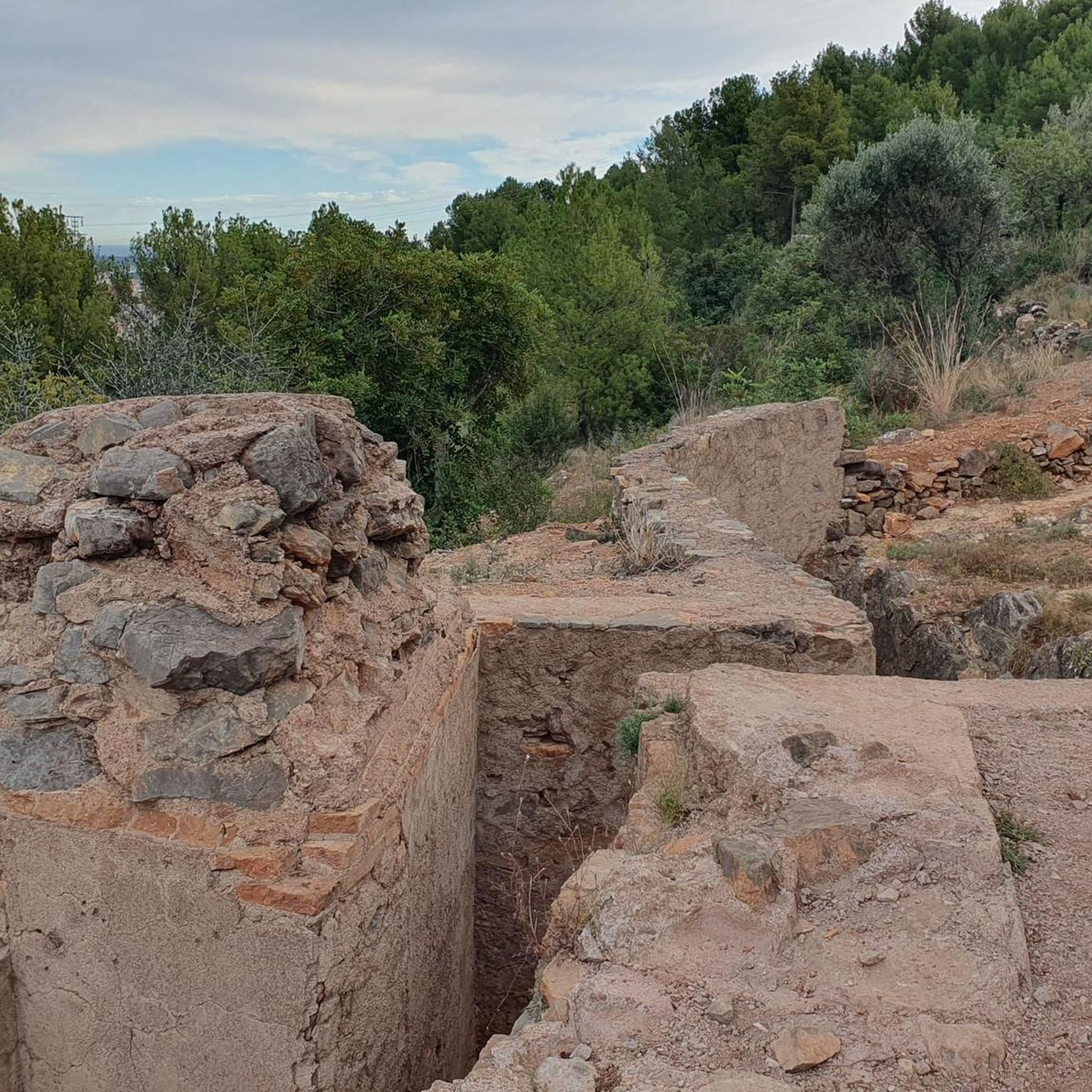
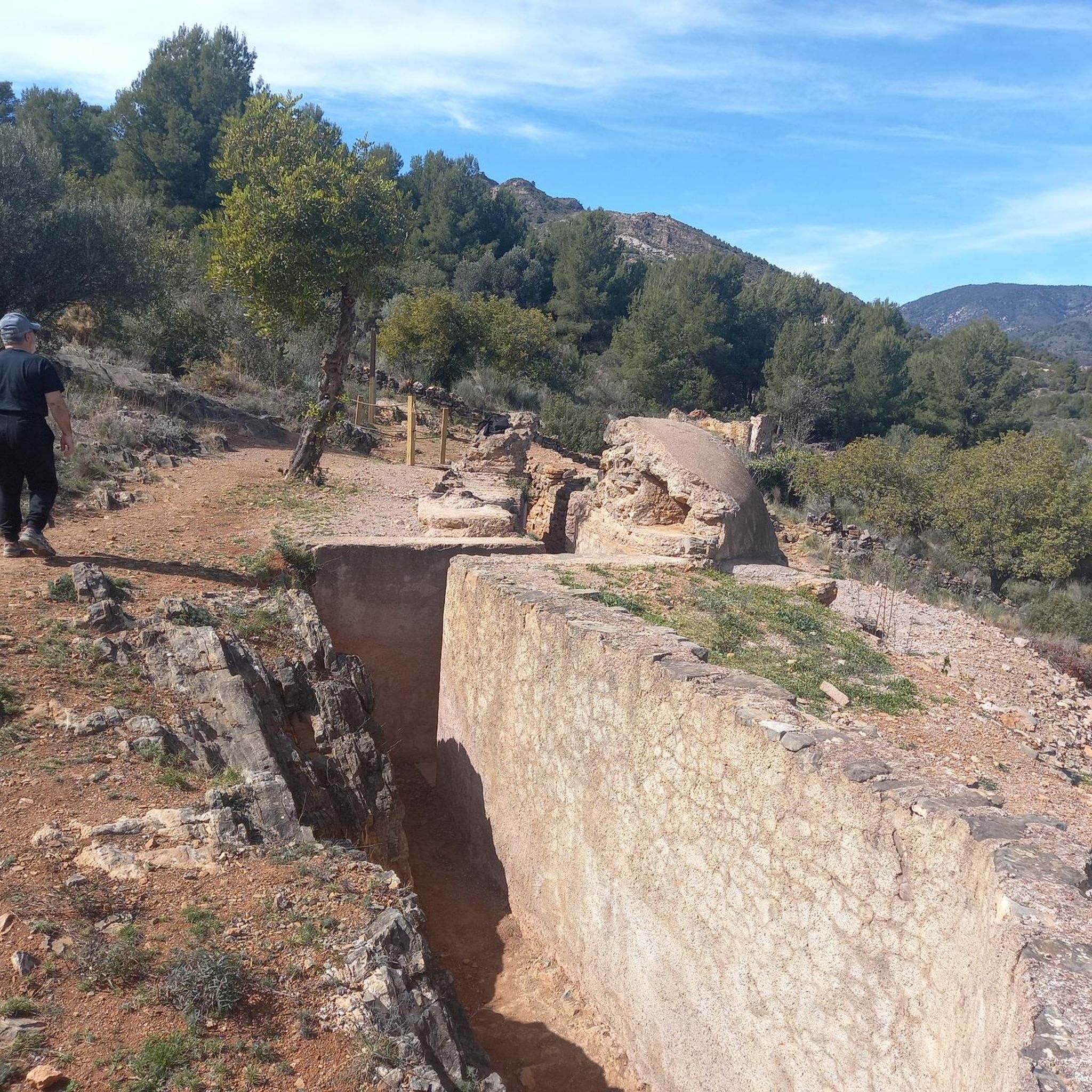
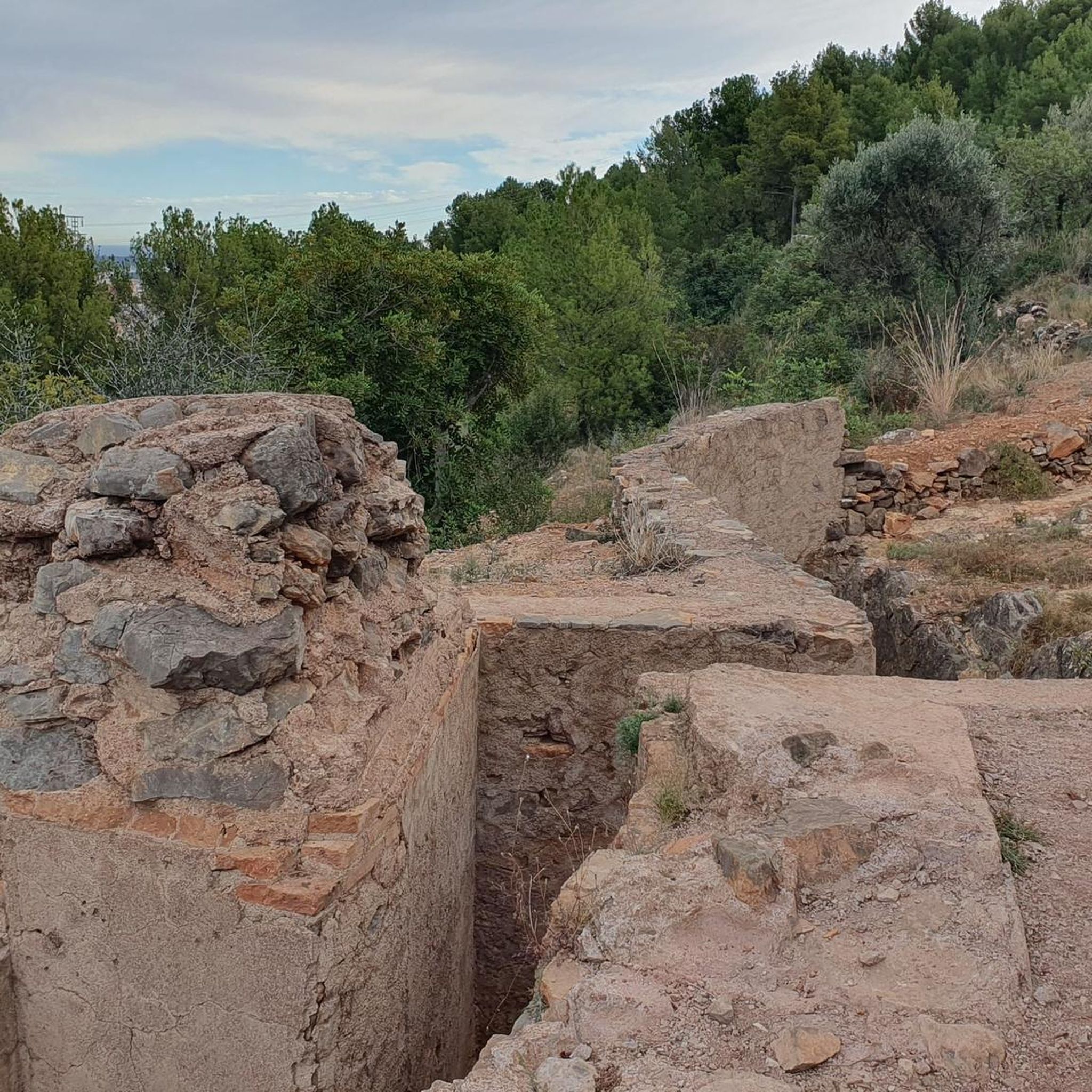
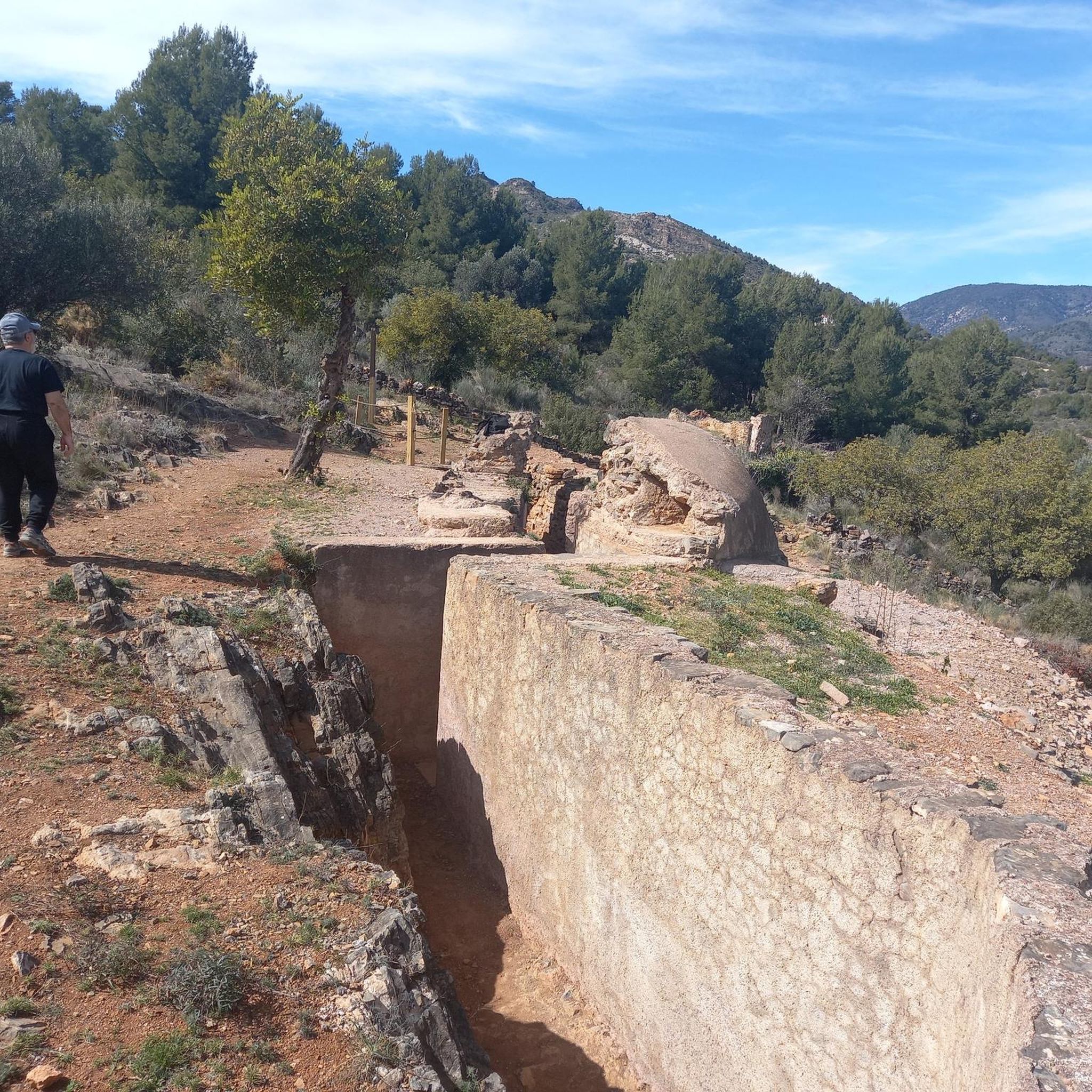
The Castro Castle, an Arab fortress with an impressive watchtower at a height of about 780 m, was a fundamental bastion of the Moorish resistance at the time of their expulsion. It was taken by the Duke of Segorbe and General Cavanilles after the Castillo de Aín had also fallen. It was also used in the Carlist Wars. The castle covers an area of about 2,000 m2, where two parts can be distinguished: the "Albacar", a fortified refuge for the inhabitants of the towns dependent on the fortress; and on the other side, the castle itself, which presided surrounded by a large keep that was demolished in 1938 during the Civil War. The views are impressively beautiful.
9
0
Uixó Castle was built by the Arabs in the 10th century. Although it is in a ruined state, you can still clearly see the wall structure that defended it and gives it an imposing appearance. The fortress consisted of two well-differentiated enclosures, of which the first, the Albarca, the large space intended for the parade ground, can be distinguished. In the upper part, which would correspond to the citadel, the bases of some towers, remains of cisterns and remains of some buildings are preserved. https://castillosespanyoles.blogspot.com/2011/05/castillo-de-la-vall-duixo-castellon.html
7
0

Torres Torres is a very curious population between the Palancia river and the Calderona mountain range. It preserves some baths of Arab origin and a castle with its tower.
1
0

A small but impressive fortress. It is worth making the small detour from the through road to enjoy the view over the typical landscape!
1
0

The castle stretched from east to west following the elongated shape of the rocky base where it sits. The tower stood at the west end, was made of rammed earth and had 3 floors, and it is possibly the Arab tower. Next to the tower was the residential building, two stories high, and of which only remains of its walls remain.
8
0
Frequently Asked Questions
What is the historical significance of the castles in La Vall d'Uixó?
The castles in La Vall d'Uixó, such as the Castillo de La Vall d'Uixó, have deep roots in the region's past, primarily dating back to Muslim origins in the 10th century. They played crucial roles in various conflicts, including the War of Succession, Carlist Wars, and the Spanish Civil War, often serving as strategic fortifications and observation points. These structures are considered vital for understanding the history of the eastern Sierra Espadán mountains.
Which castles offer the best panoramic views in the area?
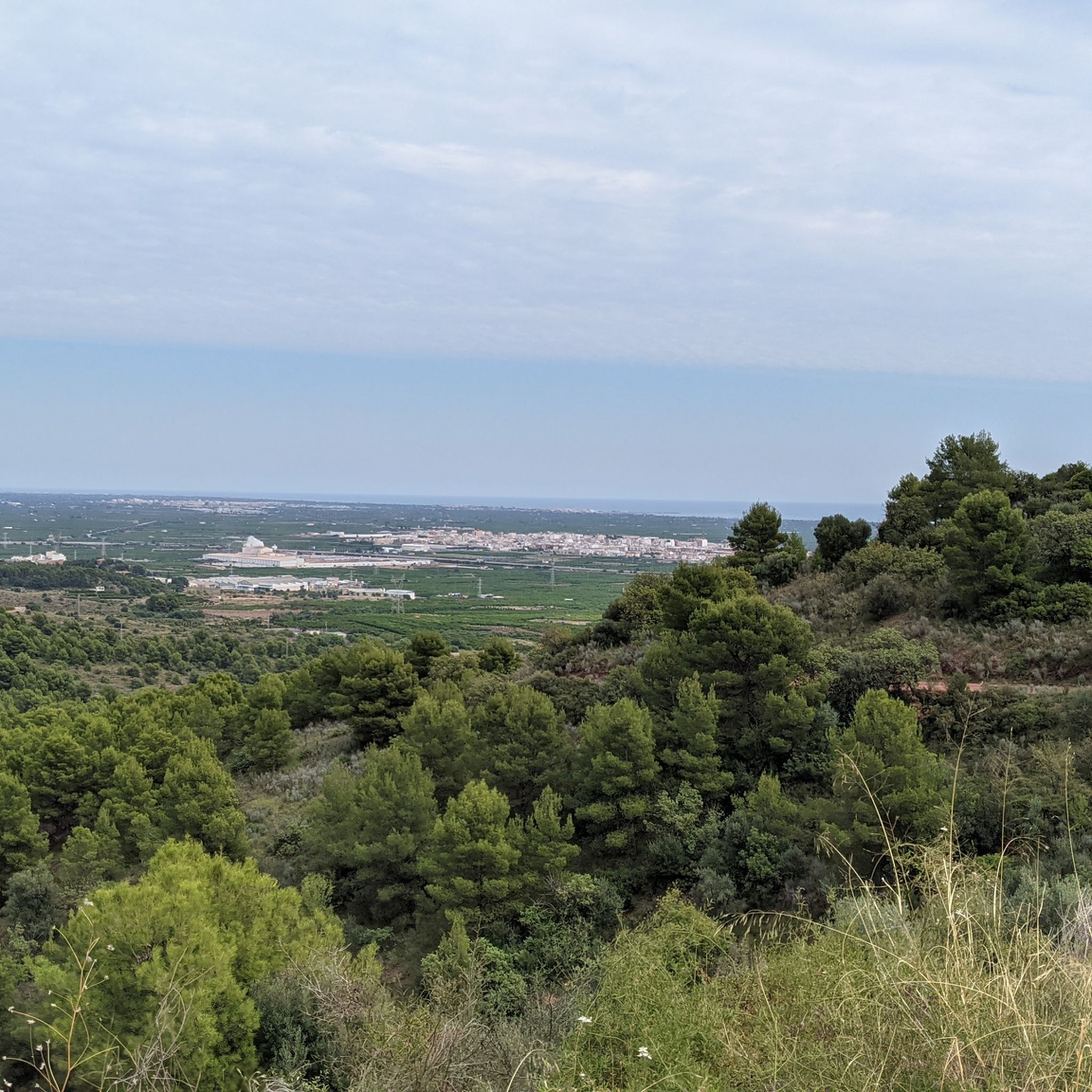
For breathtaking panoramic views, the Castillo de La Vall d'Uixó is highly recommended. Perched atop the Tossal de la Noguera, it offers expansive vistas of the town, the Plana Baixa region, and the distant coast. Similarly, Castro Castle and Torres Torres Castle are also noted for their impressive viewpoints over the surrounding landscapes.
Are there any unique architectural features among the castles in La Vall d'Uixó?
Yes, several castles feature distinct architectural elements. The Castillo de La Vall d'Uixó, for instance, comprised dual enclosures: an 'albacara' (outer enclosure) and an 'alcazaba' (citadel), with remnants of Arab cisterns and 13th-century Christian modifications. The Benizahat Tower, located in the town center, is an L-shaped medieval structure, unique as the only visible vestige of an ancient hamlet, featuring a spiral staircase and masonry construction.
What kind of outdoor activities can I do near the castles?
The elevated positions of many castles, especially the Castillo de La Vall d'Uixó, make them excellent starting points for hiking. You can explore well-trodden paths that lead to these historical sites. For more structured outdoor adventures, La Vall d'Uixó offers various routes for running, cycling, and mountain biking. You can find detailed routes and guides for running, cycling, and MTB trails in the region.
Is the Castillo de La Vall d'Uixó freely accessible, and what should I wear?
Yes, the Castillo de La Vall d'Uixó is freely accessible. Due to the uneven terrain and the nature of exploring ruins, sturdy footwear is highly recommended to ensure comfort and safety during your visit.
Are there any family-friendly castles to visit in the La Vall d'Uixó area?
While many castles are ruins, their historical context and the outdoor exploration can be engaging for families. Albalat dels Tarongers Castle is noted as family-friendly and is in very good condition, offering a glimpse into a former Muslim farmhouse and barony seat. Its museum aspect can be particularly interesting for children.
What is the best time of year to visit the castles and surrounding areas for hiking?
The region around La Vall d'Uixó generally experiences mild winters and hot summers. For comfortable hiking and exploring the castles, spring (March to May) and autumn (September to November) are ideal. During these seasons, the weather is pleasant, making outdoor activities more enjoyable.
What can visitors expect to see at Beselga Castle?
Beselga Castle consists of ruins dating from the 13th century. Visitors can observe the remains of an Arab tower, which was made of rammed earth and had three floors, along with remnants of residential buildings. The castle stretched from east to west, following the elongated shape of its rocky base, offering a historical insight into the old village of Beselga.
Are there any castles that are particularly well-preserved or offer an interior visit?
While many castles in the region are in a ruined state, Albalat dels Tarongers Castle stands out as being in very good condition. It functions partly as a museum, allowing visitors to explore its interior and learn about its history as a Muslim farmhouse and later a barony seat. Original elements like battlemented towers are still preserved.
What makes Castro Castle a significant historical site?
Castro Castle is an Arab fortress with an impressive watchtower, historically a fundamental bastion of Moorish resistance. It played a role in the Carlist Wars and was even used during the Civil War. Despite being in ruins, its strategic location at about 780 meters offers incredible panoramic views and a deep sense of its historical importance.
Can I find any hidden gems or less-known historical sites related to castles in La Vall d'Uixó?
Beyond the main castles, the Benizahat Tower in the town center of La Vall d'Uixó can be considered a hidden gem. It's the only visible vestige of the ancient Benizahat hamlet, offering a tangible link to the twelve ancient hamlets that once populated the valley. While its interior is adapted for private use, its exterior provides a unique insight into the region's medieval past and early settlements.
Most popular routes around La Vall D'Uixó
Most popular attractions around La Vall D'Uixó

Get inspired with the komoot mobile app


Explore more
Looking for the best castles somewhere else? Discover other guides around La Vall D'Uixó:
