Top 5 Caves around Nestares
Caves around Nestares are situated in the Cantabrian region of Northern Spain, an area recognized for its extensive and historically significant cave systems. This region is known for both geological formations and prehistoric art. The natural landscape around Nestares offers opportunities to explore various underground features.
Best caves around Nestares
- The most popular caves is CuevaLobrega-I, a cave that features an entrance and exit leading to a second cave extending over 400 meters. This cave is noted for its…
Last updated: May 22, 2026
CuevaLobrega-I
Highlight • Cave
Translated by Google •
Tip by

CuevaMesa
Highlight • Cave
Translated by Google •
Tip by
Sign up now to discover places like this
Get recommendations on the best single tracks, peaks, & plenty of other exciting outdoor places.
Sign up for free
Cueva Ventana
Highlight • Cave
Translated by Google •
Tip by

Start today with a free account
Your next adventure awaits.
Login or Signup
Tips from the Community

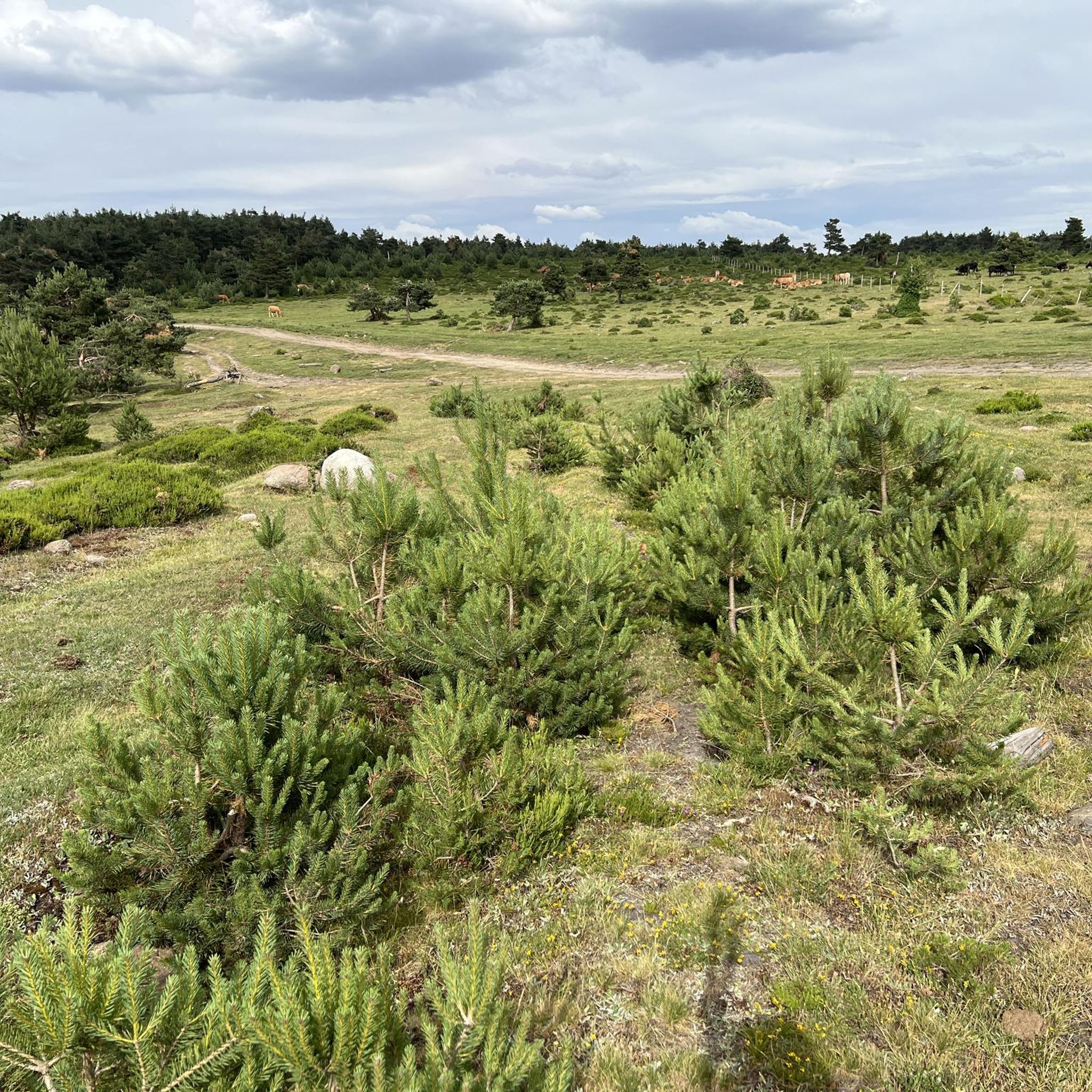
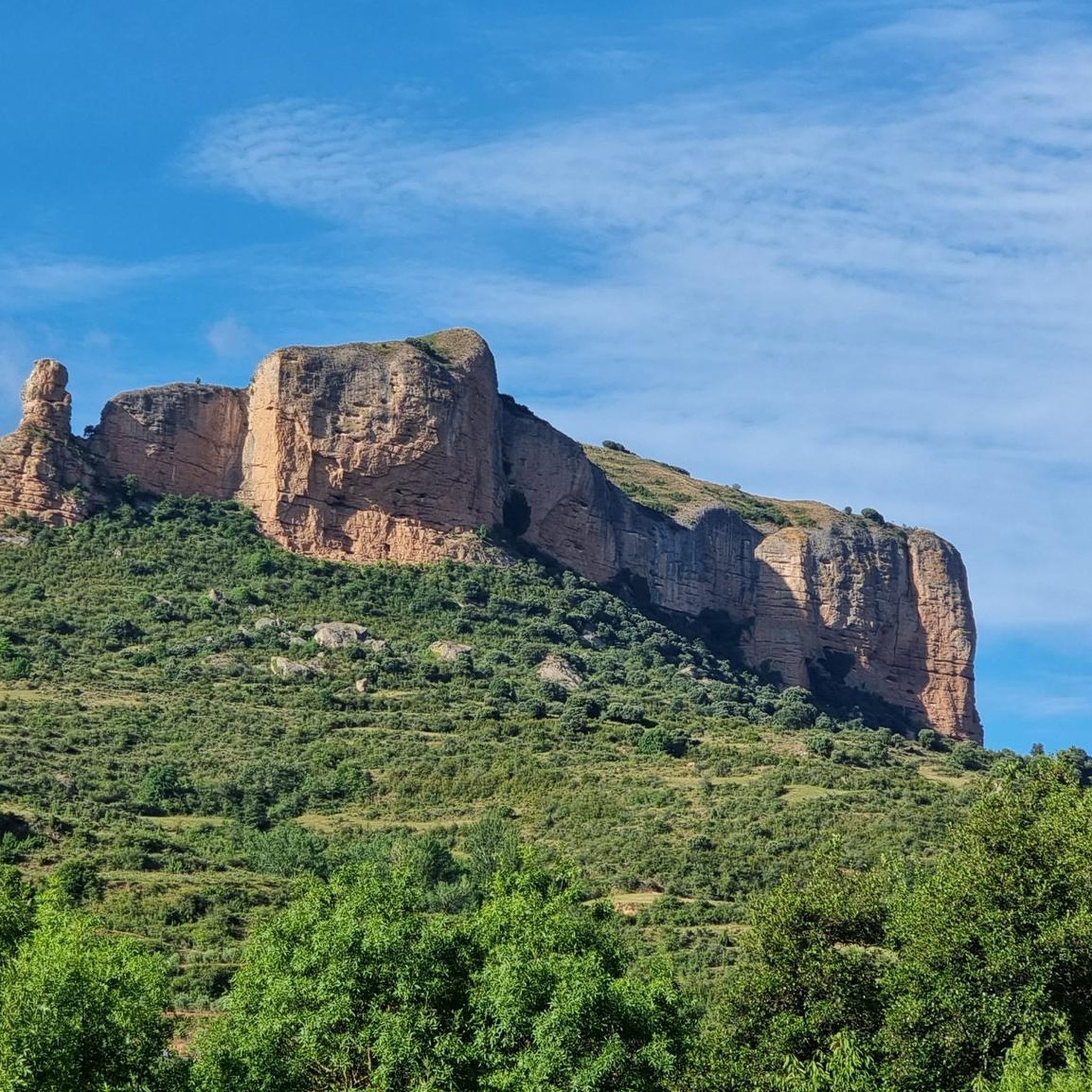
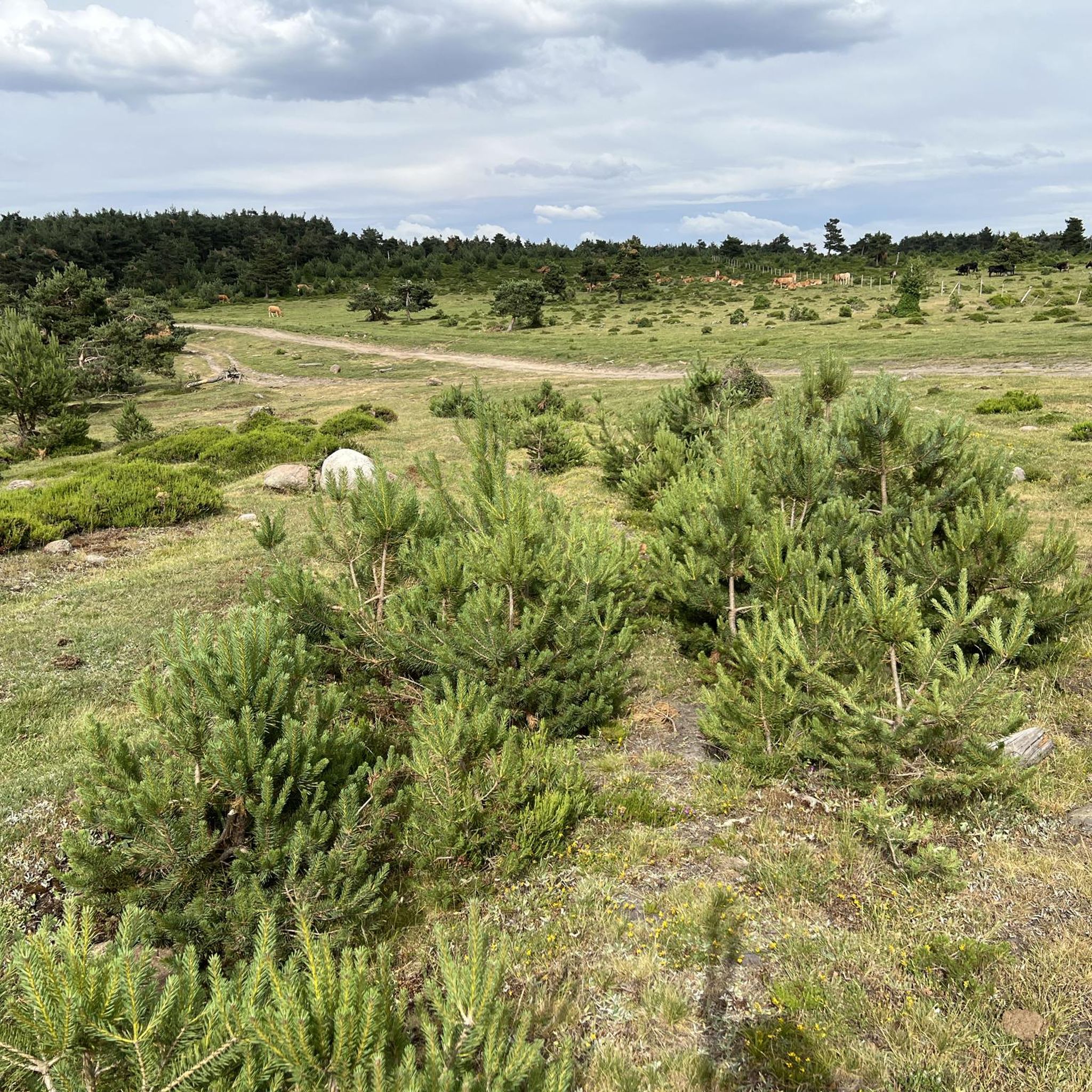
Curiously, it is just 50 meters from Cueva Mesa and Cueva Silla, no joke. Nearby there is a sign that says Cueva Lóbrega.
0
0
Curiously, it is just 50 meters from Cueva Mesa and Cueva Silla. Nearby there is a sign that says Cueva Lóbrega.
1
0

I have to admit that I didn't find any cave there, the most I did was peek at some area that could have a hole, but getting as far as I got was a real ordeal of spikes and boxwoods. I don't recommend trying it.
1
0
The cavity is nice, but the effort to get up ... whew, it was full of spikes and stuff. I do not recommend going up.
1
0
Small hole that is awfully hard to get to, due to the weeds and the spikes. In my opinion it is not worth the effort.
1
0
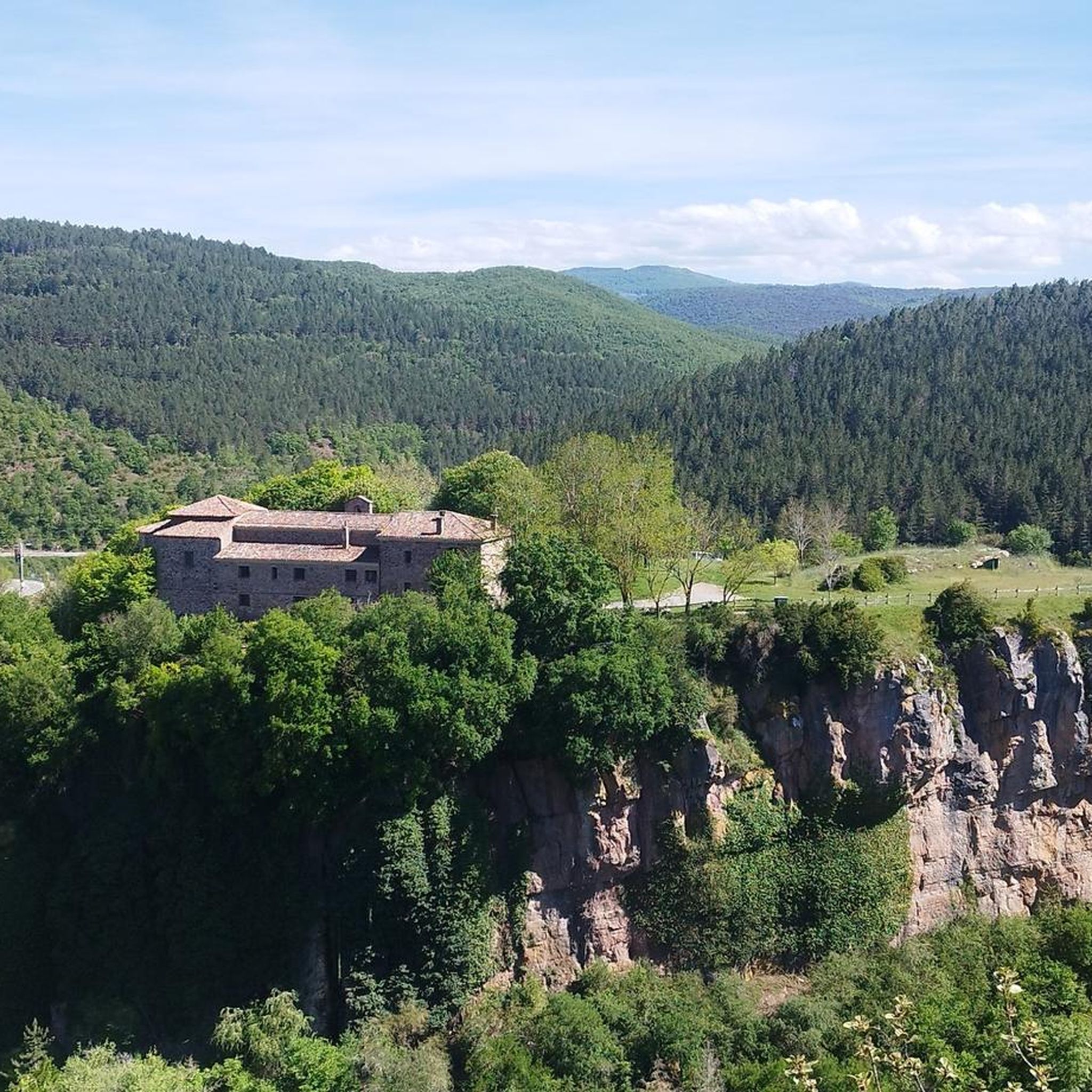
Second entrance to the cave, this is the most impressive, I have heard that it has more than 400 meters to go, although I do not think I walked more than 50-100 meters, just until I reached a rope/ladder, and that already It was scary, because he was alone. the cave is impressive
1
0
Entrance and exit of the first cave, through which you reach the second cave, which has more than 400 meters to go through.
1
0
Frequently Asked Questions
What kind of caves can I find around Nestares and the broader Cantabrian region?
The region around Nestares, within Cantabria, is rich in diverse cave systems. You can find both natural geological formations and historically significant caves, many of which contain prehistoric art. The area offers a range of experiences from challenging explorations to more accessible sites.
Are there caves with prehistoric art near Nestares?
Yes, the Cantabrian region is globally renowned for its caves with prehistoric art. While not directly in Nestares, nearby sites include the famous Cave of Altamira (with its Neocave replica), the Monte Castillo complex (featuring El Castillo and Las Monedas caves), Covalanas Cave, Hornos de la Peña Cave, and Chufín Cave. These sites offer incredible insights into early human artistic expression.
What are some popular caves directly around Nestares mentioned by the komoot community?
The komoot community appreciates several caves directly around Nestares. CuevaLobrega-I is noted for its impressive interior and a second cave extending over 400 meters. CuevaMesa offers notable cavities, though access can be challenging. Additionally, Cueva Ventana is a smaller cave located near Cueva Mesa and Cueva Silla.
What geological features can I expect to see in the caves of the Cantabrian region?
The caves in the Cantabrian region display spectacular geological formations. For instance, El Soplao Cave, often called the 'Sistine Chapel of Geology,' is famous for its eccentric and complex rock formations, including suspended ceilings, stalactites, and stalagmites. Other caves feature diverse mineral compositions creating varied colors and impressive natural cavities.
Are there opportunities for speleology or more challenging caving near Nestares?
Yes, some caves around Nestares, such as CuevaLobrega-I and CuevaMesa, are described as challenging to explore due to terrain. The region's natural caves offer various levels of exploration for those interested in speleology, from accessible sections to more demanding routes.
What outdoor activities can I combine with a visit to the caves near Nestares?
The area around Nestares is excellent for combining cave exploration with other outdoor activities. You can find numerous routes for running, road cycling, and general cycling. For example, there are running trails like the 'Torrecilla en Cameros, Church of San Martín, Cueva Ventana' circular route, and various cycling routes through the Tierra de Cameros. You can find more details on these activities in the Running Trails around Nestares, Road Cycling Routes around Nestares, and Cycling around Nestares guides.
Are there any historical sites related to mining near the caves?
Yes, beyond natural caves, the region also features historical sites like the Orellán Galleries. These are ancient underground water conduits that were part of a Roman mining system in the Cantabrian Mountains, offering a glimpse into ancient engineering and mining practices.
When is the best time to visit the caves around Nestares?
The Cantabrian region generally experiences mild weather, making cave visits possible throughout much of the year. However, specific cave access and conditions can vary, especially for those with challenging terrain. It's advisable to check the specific operating hours and accessibility for individual caves before planning your visit.
What should I wear for caving in the Nestares region?
For caving, especially in more challenging or undeveloped caves, it's recommended to wear sturdy, comfortable clothing that you don't mind getting dirty. Layers are advisable as cave temperatures can be cooler than outside. Appropriate footwear with good grip is essential, and a headlamp or flashlight is crucial for visibility.
Are there any caves known for unique artistic techniques?
Yes, Covalanas Cave is notable for its unique dotted-line technique used in its animal paintings and symbolic figures. This technique is characteristic of caves in its specific river basin, suggesting ancient social networks and distinct artistic traditions.
Can I visit a replica of a famous prehistoric art cave in the region?
Absolutely. To preserve the original, the globally famous Cave of Altamira, known for its Upper Paleolithic paintings, has a meticulous replica called the Neocave. This replica is located at the Altamira Museum near Santillana del Mar and allows visitors to experience the stunning art and learn about the lives of early inhabitants without impacting the original site.
What is the significance of the Monte Castillo Caves?
The Monte Castillo complex in Puente Viesgo is highly significant, housing several caves with extensive prehistoric art. El Castillo Cave, for example, shows evidence of human occupation dating back 150,000 years and features a vast collection of Paleolithic art, including primitive handprints. Las Monedas Cave, within the same complex, is known for both its geological beauty and 17 animal figures dating back to around 10,000 BC.
Most popular attractions around Nestares

Get inspired with the komoot mobile app


Explore more
Extend your search for the best caves by checking out these guides of the top ones around Nestares:
