Top 7 Castles around Ochánduri
Best castles around Ochánduri are found in the broader La Rioja region, offering historical exploration. Ochánduri itself is a municipality known for its Romanesque heritage, including the Church of Santa María de la Concepción and the Ermita de Nuestra Señora de Legarda. These historical sites provide insight into the area's past. The surrounding landscape features the Tirón River, contributing to the region's natural appeal.
Best castles around Ochánduri
- The most popular castles is Sajazarra Castle, a castle built in…
Last updated: July 3, 2026
Sajazarra Castle
Highlight • Castle
Between the 12th and 13th centuries the town was fortified. In its beginnings there was a single tower that …
Translated by Google •
Tip by

Leiva Castle
Highlight • Castle
Translated by Google •
Tip by

Sign up now to discover places like this
Get recommendations on the best single tracks, peaks, & plenty of other exciting outdoor places.
Sign up for free
Castillo de los Velasco
Highlight • Castle
Built with ashlar masonry from the region, …
Translated by Google •
Tip by
Anguciana
Highlight • Settlement
Translated by Google •
Tip by

Velasco Castle and Cuzcurrita de Río Tirón Bridge
Highlight • Castle
Translated by Google •
Tip by

Sign up for free to discover even more castles around Ochánduri.
Sign up for free
Already have an account?
Start today with a free account
Your next adventure awaits.
Login or Signup
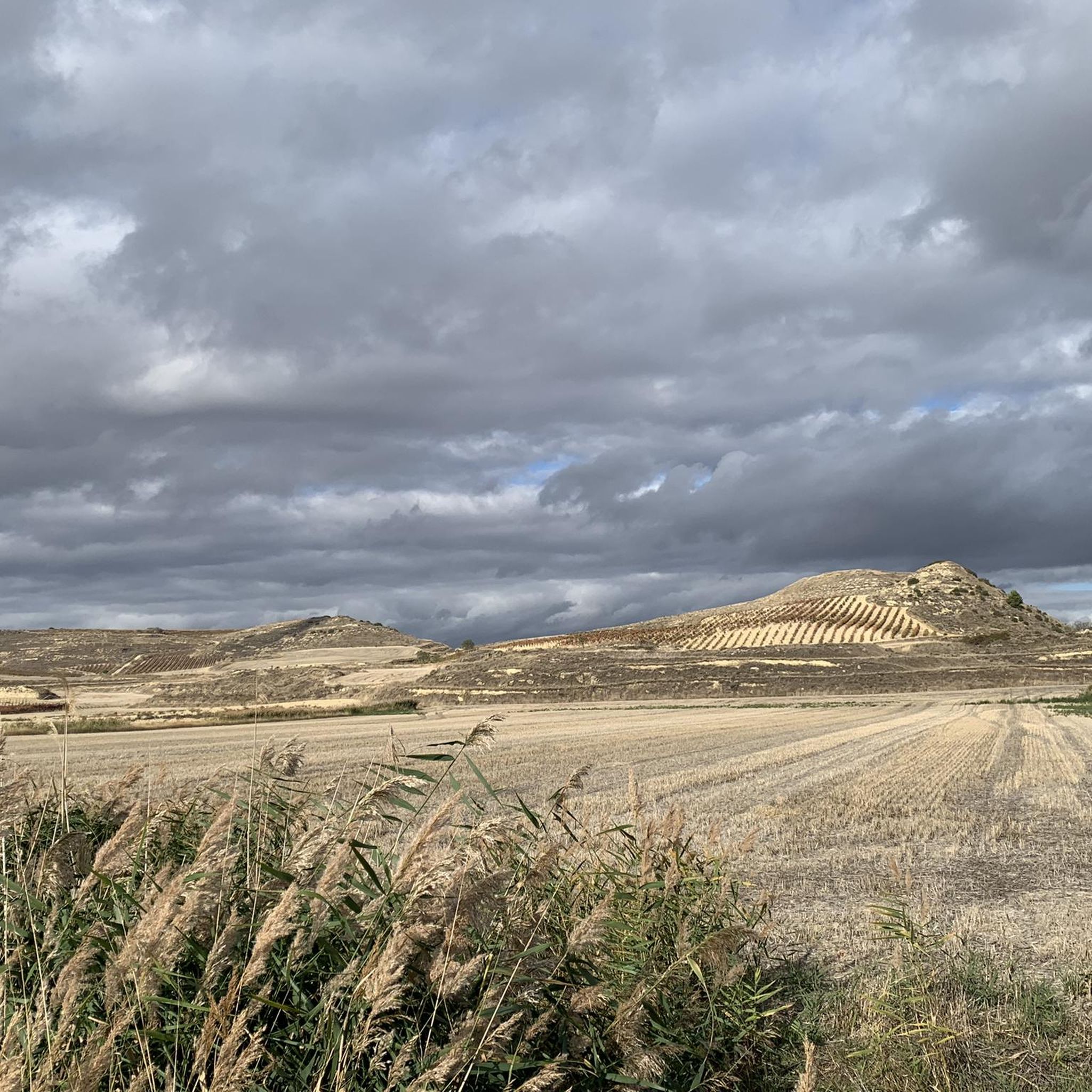
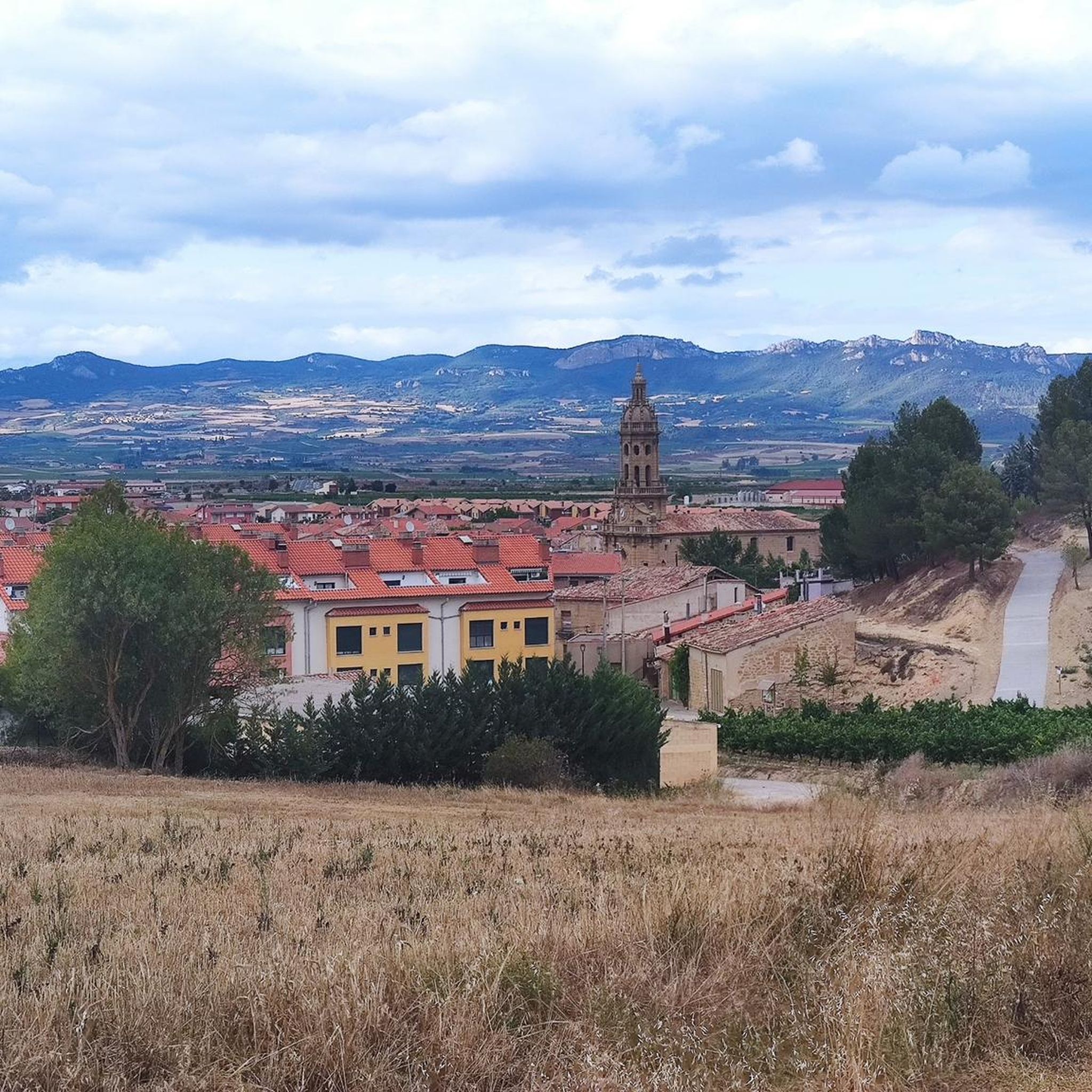
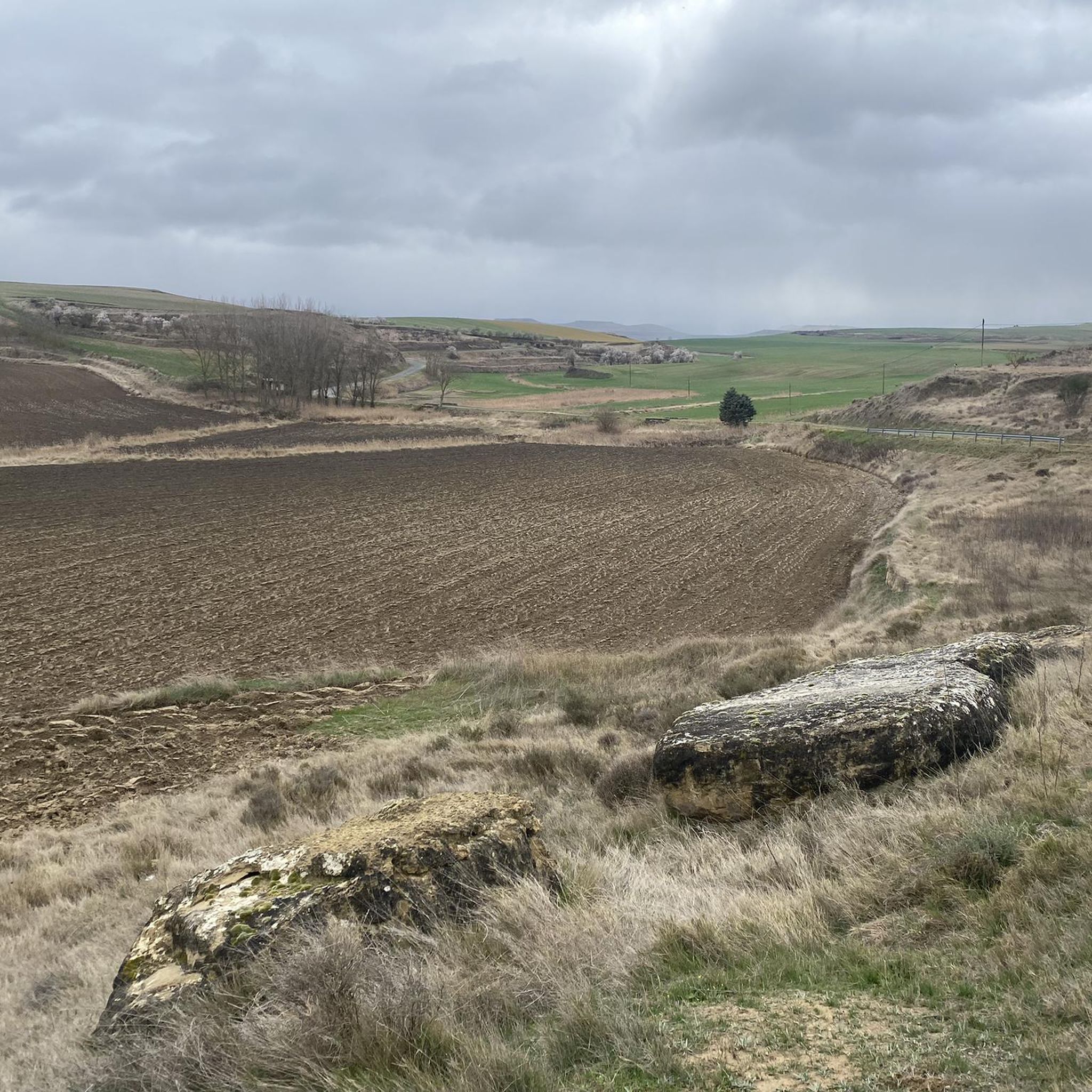
Tips from the Community

A beautiful, perfectly restored building. It's a shame it's private and can't be visited.
0
0

Castle with towers at the corners of the structure. The ancient Roman road that connected Italy to Spain passes through here. Information table on site.
7
0

The Castillo de los Velasco is a castle built between the 14th and 15th centuries by the powerful Velasco family, who ruled these lands in the Middle Ages. It is the most important and interesting castle of Mena and one of the most striking in the province of Burgos.
3
0

Fortification located in the town of Leiva, La Rioja. It is a fortified palace with a rectangular floor plan, with a tower located at each corner. Three of the towers are octagonal, and the one on the southeast corner, considered the keep, is decagonal in plan and taller. The origin of the castle was a tower erected in 1335 by Juan Martínez de Leiva. After sinking, in 1478 the construction of the castle began. The building has undergone numerous modifications, especially from the 17th century, in which it abandoned its defensive character and became solely residential. Later, already in the 20th century, it was used as an agricultural warehouse and offices. Starting in the year 2000, a reconstruction of elements such as the southern part of the west canvas and the southeast tower began.
4
0
We have news of this population since 1093, since it appears in some deeds by which Don Lope, lord of Vizcaya, Guipúzcoa, Álava and Nájera, donated his possessions to his children, among whom was Toda, lady of Anguciana. Since the 14th century it was the Lordship of the Salcedo family, who inhabited the Torre Fuerte, of which the south entrance and some loopholes are preserved. In addition to the Torre Fuerte de los Salcedo (14th century), in the Gothic style, other places of interest in Anguciana are the church of San Martín, from the 16th century, renovated in the 17th century (two chapels in the first section, lower part of the tower, doorway and apse), the 18th century (chapel of the second section) and the 20th century (upper bodies of the tower) and the hermitages of Santa María de Oreca, from the 17th century and of La Esclavitud.
2
0

The Castillo de Sajazarra served as a fortress and palace. This dates from the 15th century and was built by the noble family Velasco.
0
0

Gothic-style castle, dating from the late fourteenth century, located in the center of the Cuzcurrita de Río Tirón municipality, in La Rioja Alta. Built with ashlar masonry from the region, the castle stands out for its square-plan keep. In addition, the fortification took advantage of the river as a defense ditch. Although you cannot visit its interior, it is worth contemplating it from the outside while walking along the banks of the Tirón River.
5
0
In the town of Sajazarra there is a magnificent walled castle. Between the 12th and 13th centuries the town was fortified. In its beginnings there was a single tower that was destroyed to build, during the second half of the fifteenth century, the current castle. In the center of the fortress is the keep and, although it is not currently visible, it is believed that there was also a defensive moat. Following the winemaking tradition of the area, today this beautiful complex made up of the castle, the fortification, the Roman bridge and its gardens, is a winery.
3
0
Frequently Asked Questions
Are there family-friendly castles to visit around Ochánduri?
Yes, several castles in the region are suitable for family visits. Sajazarra Castle is located in a town considered one of the most beautiful in Spain, offering a charming environment for families to explore its exterior and the surrounding village. The area around Castillo de los Velasco also provides pleasant walks along the Tirón River, which can be enjoyed by families.
Can I visit castles around Ochánduri with my dog?
While specific interior access for dogs varies by private ownership, the exteriors and surrounding areas of castles like Sajazarra Castle and Castillo de los Velasco are generally accessible for walks with leashed dogs. Many nearby trails and natural areas are also dog-friendly, allowing you to enjoy the landscape with your pet.
Are there any wheelchair accessible castles near Ochánduri?
Direct wheelchair access to the interiors of historic castles can be challenging due to their ancient architecture. However, the exteriors of castles like Sajazarra Castle and Castillo de los Velasco, located within their respective towns, may offer more accessible viewing points from public pathways and squares. It is advisable to check specific site conditions before visiting.
What is the best time of year to visit the castles around Ochánduri?
The spring and autumn months generally offer the most pleasant weather for exploring the castles and the surrounding region. Temperatures are mild, and the natural scenery is vibrant. Summer can be warm, while winter may bring colder temperatures, but the castles remain accessible year-round for exterior viewing.
What outdoor activities can I do near the castles around Ochánduri?
The region around Ochánduri offers various outdoor activities. You can find numerous running and cycling routes that pass by or near the castles. For instance, there are running loops from Castañares de Rioja and cycling routes like the "Castillo de los Velasco – Sajazarra Castle loop from Cuzcurrita de Río Tirón." You can explore more options on the Running Trails around Ochánduri, Cycling around Ochánduri, and Road Cycling Routes around Ochánduri guide pages.
What natural features or scenic viewpoints can I find near the castles?
The castles in the region are often situated amidst picturesque landscapes. For example, Castillo de los Velasco in Cuzcurrita de Río Tirón utilizes the Tirón River as a natural defensive feature, offering scenic views along its banks. Ochánduri itself is near the Tirón River, contributing to the region's natural appeal. The Church of Santa María de la Concepción in Ochánduri, located at the village's highest point, also provides views of the surrounding area.
Are there other historical sites to explore in Ochánduri besides castles?
Yes, Ochánduri is rich in Romanesque heritage. The most notable sites are the Iglesia de Santa María de la Concepción, an impressive Romanesque church known for its valuable southern portal and fine carvings, and the Ermita de Nuestra Señora de Legarda, another significant Romanesque hermitage with a distinctive belfry. These sites offer deep insights into the area's history and architecture.
How long does it typically take to visit the castles near Ochánduri?
The time required to visit each castle varies. For castles like Sajazarra Castle and Castillo de los Velasco, which are privately owned or have limited interior access, you might spend 30 minutes to an hour exploring their exteriors and the immediate surroundings. If you plan to visit multiple castles and explore the towns, a full day or more would be recommended.
Are there any hidden castle gems or lesser-known fortifications worth exploring?
While the main castles like Sajazarra, Leiva, and Castillo de los Velasco are well-known, the region also features other historical fortifications. For instance, the village of Anguciana preserves the Torre Fuerte de los Salcedo, a 14th-century Gothic-style tower, offering a glimpse into a different type of medieval defense. These smaller sites provide a more intimate historical experience.
What kind of architectural styles can I expect to see among the castles?
The castles around Ochánduri showcase a variety of architectural styles, reflecting different periods of construction and modification. You'll find examples like the 15th-century Sajazarra Castle, a well-preserved fortress, and the Gothic-style Castillo de los Velasco from the late 14th century. Leiva Castle, originally a tower from 1335, evolved into a fortified palace with a rectangular floor plan and various modifications over centuries.
Are there cafes or restaurants near the castles for visitors?
Yes, the towns where the castles are located, such as Sajazarra, Cuzcurrita de Río Tirón, and Leiva, typically have local cafes, restaurants, or bars where visitors can find refreshments and meals. These establishments often offer traditional regional cuisine, providing a pleasant break during your exploration.
What do visitors enjoy most about the castles around Ochánduri?
Visitors frequently appreciate the historical significance and the well-preserved nature of the castles. The charm of towns like Sajazarra, often listed among Spain's most beautiful villages, adds to the experience. The architectural details, the defensive features like the Tirón River at Castillo de los Velasco, and the opportunity to explore different historical periods are highly valued by the komoot community.
Most popular routes around Ochánduri
Most popular attractions around Ochánduri

Get inspired with the komoot mobile app


Explore more
Looking for the best castles somewhere else? Discover other guides around Ochánduri:
