Top 4 Caves around Colungo
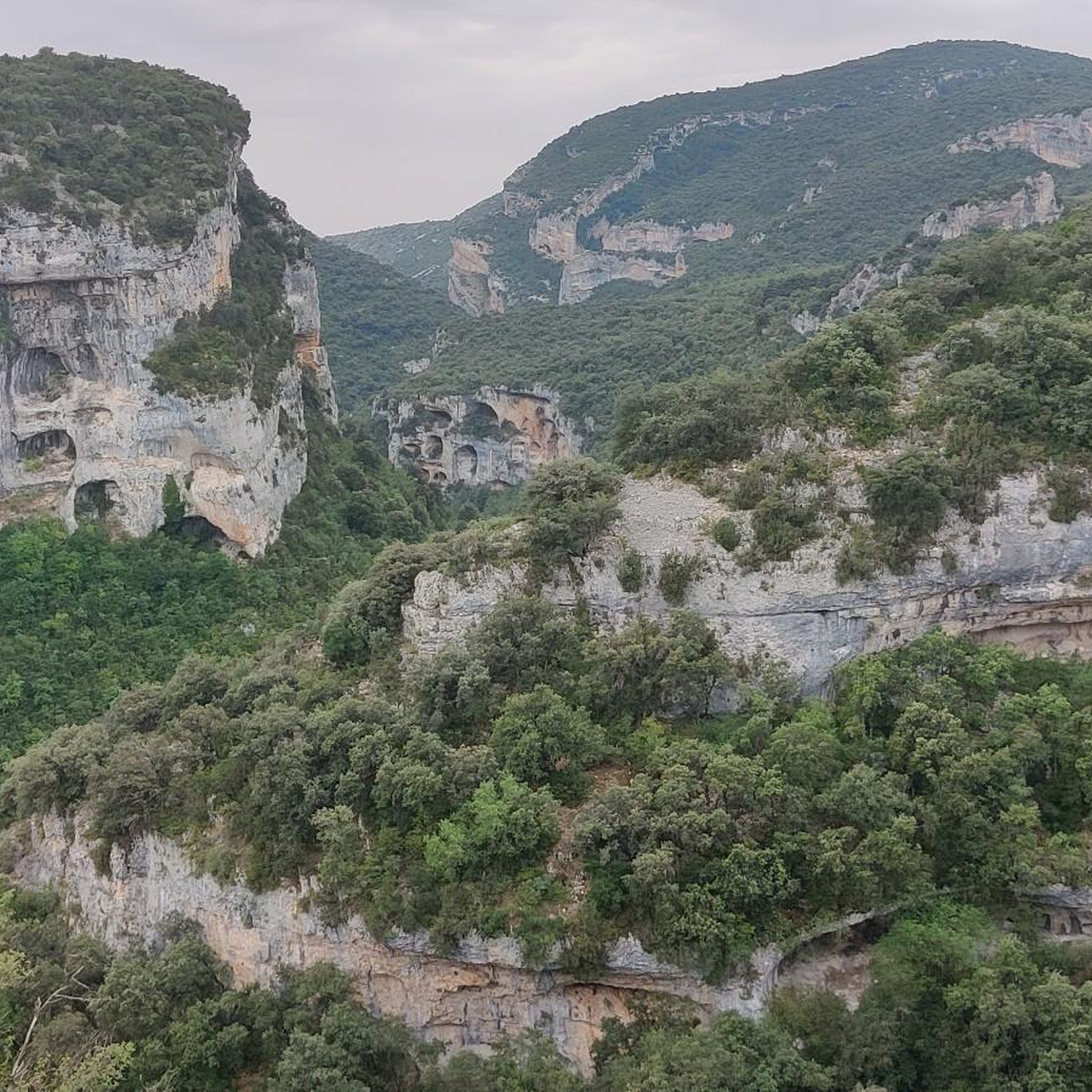
Best caves around Colungo are situated within the Sierra de Guara Natural Park, an area characterized by its canyons, gorges, and significant geological features. This region, including nearby Alquézar, is known for its rich prehistoric heritage, featuring numerous rock shelters and caves. The landscape offers a variety of cave exploration routes, from river-accessible caverns to historical sites with ancient art.
Best caves around Colungo
- The most popular caves is Picamartillo Cave, a cave that offers spectacular views even before…
Last updated: July 3, 2026
Picamartillo Cave
Highlight • Cave
Translated by Google •
Tip by

Quizans Shelter
Highlight • Cave
Translated by Google •
Tip by
Sign up now to discover places like this
Get recommendations on the best single tracks, peaks, & plenty of other exciting outdoor places.
Sign up for free
Río Vero Rock Art Sites
Highlight • Historical Site
Translated by Google •
Tip by
Abrigo de Regacens Rock Art
Highlight • Cave
Translated by Google •
Tip by

Start today with a free account
Your next adventure awaits.
Login or Signup
Tips from the Community

Six river crossings that are difficult barefoot. Water sandals or a pair of old trainers recommended
0
0

To reach from Alquézar via the Puente de Villacantal, or from A.s.q.u.e (this is a place name that Komoot should not translate into German, especially not into the word E.k.e.l )
0
0
A.b.r.i.g.o d.e R.e.g.a.c.e.n.s (DO NOT translate!) displays cave paintings dating back approximately 4,000–8,000 years. They are still clearly visible.
0
0

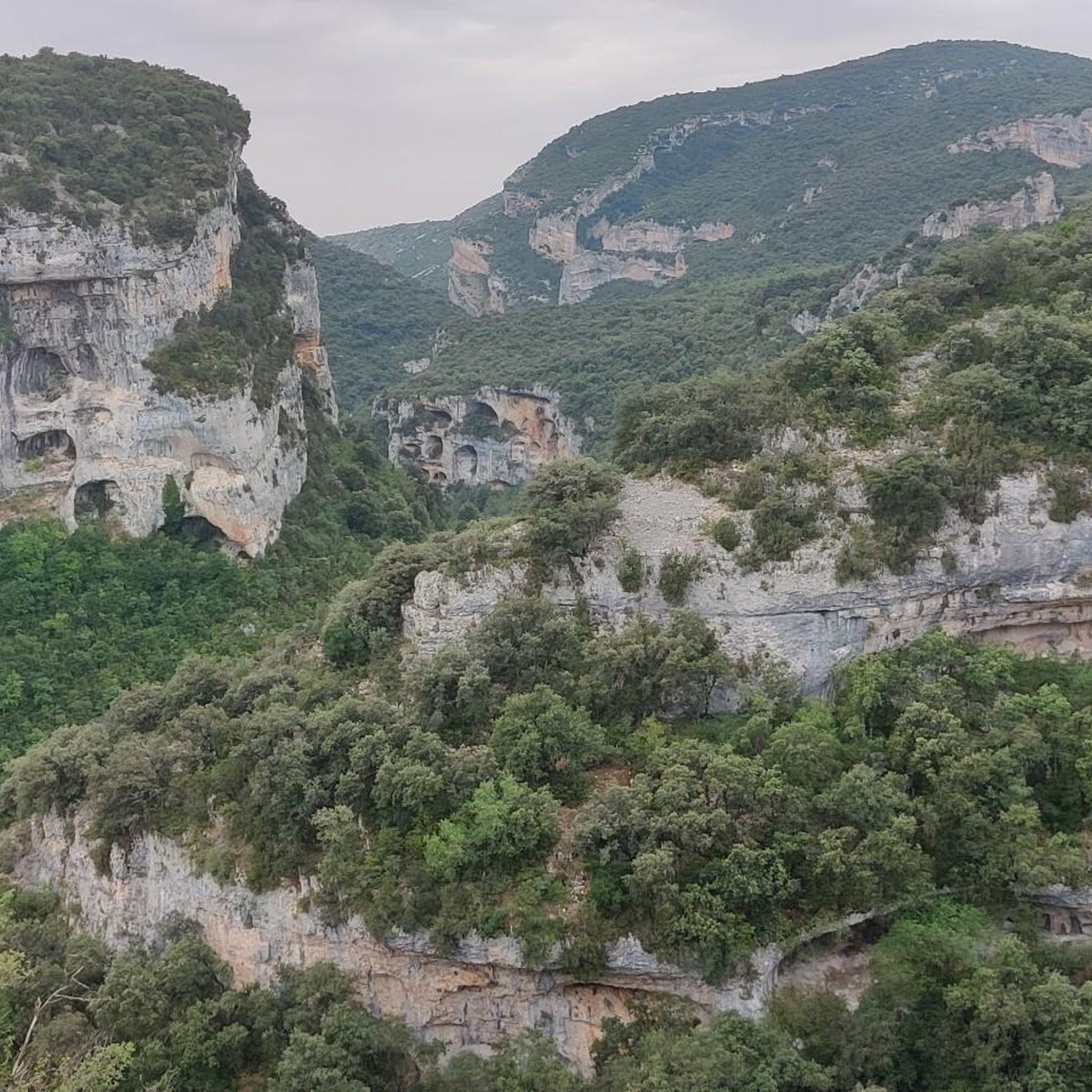
Hammerhead Cave.. Impressive cavity In the course of the Vero River🏞️🤩
0
0

Even before reaching the bottom, the views are spectacular.
5
0
Impressive cavity at the northern end of the walkway route. You can access to the bottom.
4
0

I recommend doing this visit during the week and not on the weekend when a lot of people gather and you don't enjoy the same.
4
0

Nice cave within the route of the footbridges.
1
0
Frequently Asked Questions
What types of caves and shelters can I explore around Colungo?
The Colungo area, situated within the Sierra de Guara Natural Park, offers a diverse range of natural caves and rock shelters. Many are significant for their geological formations, while others are renowned for their prehistoric cave paintings and historical importance.
Are there caves with ancient rock art near Colungo?
Yes, the region is particularly rich in prehistoric art. The Río Vero Rock Art Sites feature more than 60 shelters with cave paintings, creating an exceptional open-air museum. Additionally, Quizans Shelter contains Neolithic cave paintings and is recognized as a UNESCO World Heritage site.
What is the difficulty level for exploring caves in the Colungo area?
Many cave exploration routes in the region are considered intermediate difficulty. For example, accessing Picamartillo Cave may require appropriate footwear for river crossings. Some sites involve walking through canyons or gorges, so a moderate level of fitness is generally recommended.
What should I wear when visiting caves around Colungo?
Given the varied terrain, including potential river crossings and rocky paths, it's advisable to wear sturdy hiking shoes. For sites like Picamartillo Cave, bringing booties or water shoes is recommended if you plan to pass through the river. Layered clothing is also a good idea, as cave temperatures can differ from the outside.
Are there family-friendly cave experiences near Colungo?
While specific 'family-friendly' designations aren't always given, many of the rock art sites, such as the Río Vero Rock Art Sites, offer an engaging historical experience that can be suitable for families. Always check the specific route details for accessibility and difficulty before heading out with children.
What natural features can I expect to see in the Colungo cave areas?
The caves and shelters around Colungo are set within the stunning Sierra de Guara Natural Park, characterized by dramatic canyons, gorges, and significant geological formations. You'll encounter diverse landscapes, often near the Vero River, and may even spot wildlife like vultures, particularly around the canyons.
What outdoor activities can I combine with a visit to the caves?
The Colungo area is excellent for outdoor enthusiasts. You can find numerous hiking and cycling routes. For hiking, explore options in the Hiking around Colungo guide, which includes trails like the 'Río Vero Rock Art Sites – Vero Gorge loop'. For cycling, check out the Cycling around Colungo guide for routes that pass through the scenic region.
Is there parking available near the cave sites?
Parking availability varies by specific cave or rock shelter. Many sites within the Sierra de Guara Natural Park have designated parking areas at trailheads or nearby villages like Alquézar or Colungo. It's best to research the specific access points for the cave you plan to visit.
What is the best time of year to visit the caves around Colungo?
Spring and autumn generally offer the most pleasant weather for exploring the caves and surrounding natural park, with milder temperatures ideal for hiking and outdoor activities. Summer can be very hot, while winter might bring colder conditions, though many sites remain accessible.
Are permits required for caving or visiting rock art sites?
While general access to many natural caves and rock shelters in the Sierra de Guara Natural Park is open, some specific rock art sites, especially those that are part of the Cultural Park of the Vero River, may require guided visits or have specific access regulations to protect the delicate heritage. It's advisable to check local visitor information centers for the latest requirements.
Can I find cafes or restaurants near the cave exploration areas?
While the immediate vicinity of some remote cave sites might not have facilities, nearby villages such as Colungo and Alquézar offer a selection of cafes, restaurants, and other amenities where you can find refreshments and meals before or after your exploration.
What makes <a href="https://www.komoot.com/highlight/973469" target="_blank" rel="noopener">Picamartillo Cave</a> a popular choice?
Picamartillo Cave is highly appreciated for its spectacular views, which are evident even before reaching its depths. It's part of an excellent route, offering a rewarding experience for visitors willing to navigate the river section with appropriate footwear.
What is the significance of <a href="https://www.komoot.com/highlight/7632500" target="_blank" rel="noopener">Abrigo de Regacens Rock Art</a>?
Abrigo de Regacens Rock Art is a notable site displaying cave paintings that date back approximately 4,000–8,000 years. These ancient artworks are still clearly visible, offering a direct connection to prehistoric societies in the region.
Most popular attractions around Colungo

Get inspired with the komoot mobile app


Explore more
Extend your search for the best caves by checking out these guides of the top ones around Colungo:
