Top 9 Lakes around La Puebla Del Río
Best lakes around La Puebla Del Río are primarily characterized by extensive wetland ecosystems, marshlands, and lagoons, rather than traditional lakes. Situated on the right bank of the Guadalquivir River, this area serves as a gateway to Doñana National Park, a UNESCO World Heritage Site. It is a significant region for nature enthusiasts, particularly for birdwatching, offering diverse aquatic environments. The landscape features concerted nature reserves with lagoons that support a wide array of avian species.
Best lakes around La…
Last updated: May 22, 2026
Olivar del Zaudín Park 🌳 Tomares, Seville
Highlight • Natural
Translated by Google •
Tip by

Hut with views of the lagoon
Highlight • Viewpoint
Translated by Google •
Tip by

Sign up now to discover places like this
Get recommendations on the best single tracks, peaks, & plenty of other exciting outdoor places.
Sign up for free
View of flamingos at Laguna de Fuente de Piedra
Highlight • Lake
Translated by Google •
Tip by

Laguna Dehesa de Abajo Viewpoint
Highlight • Viewpoint
Translated by Google •
Tip by
Great spot for flamingo watching
Highlight • Lake
Translated by Google •
Tip by

Sign up for free to discover even more lakes around La Puebla Del Río.
Sign up for free
Already have an account?
Start today with a free account
Your next adventure awaits.
Login or Signup

Tips from the Community

Large suburban wetlands park with wild natural sections, and an excellent nature center. A smooth paved trails runs along the road on the northern border, while an even more scenic hard gravel trail, with a long boardwalk, lures a few meters further south, with quaint overnight tent sites.
0
0

Utrera is located close to the Laguna de Fuente de Piedra, one of the largest salt lakes in Andalusia and an important breeding ground for flamingos. The best time to see flamingos is from March to July, when they breed and raise their young.
6
0

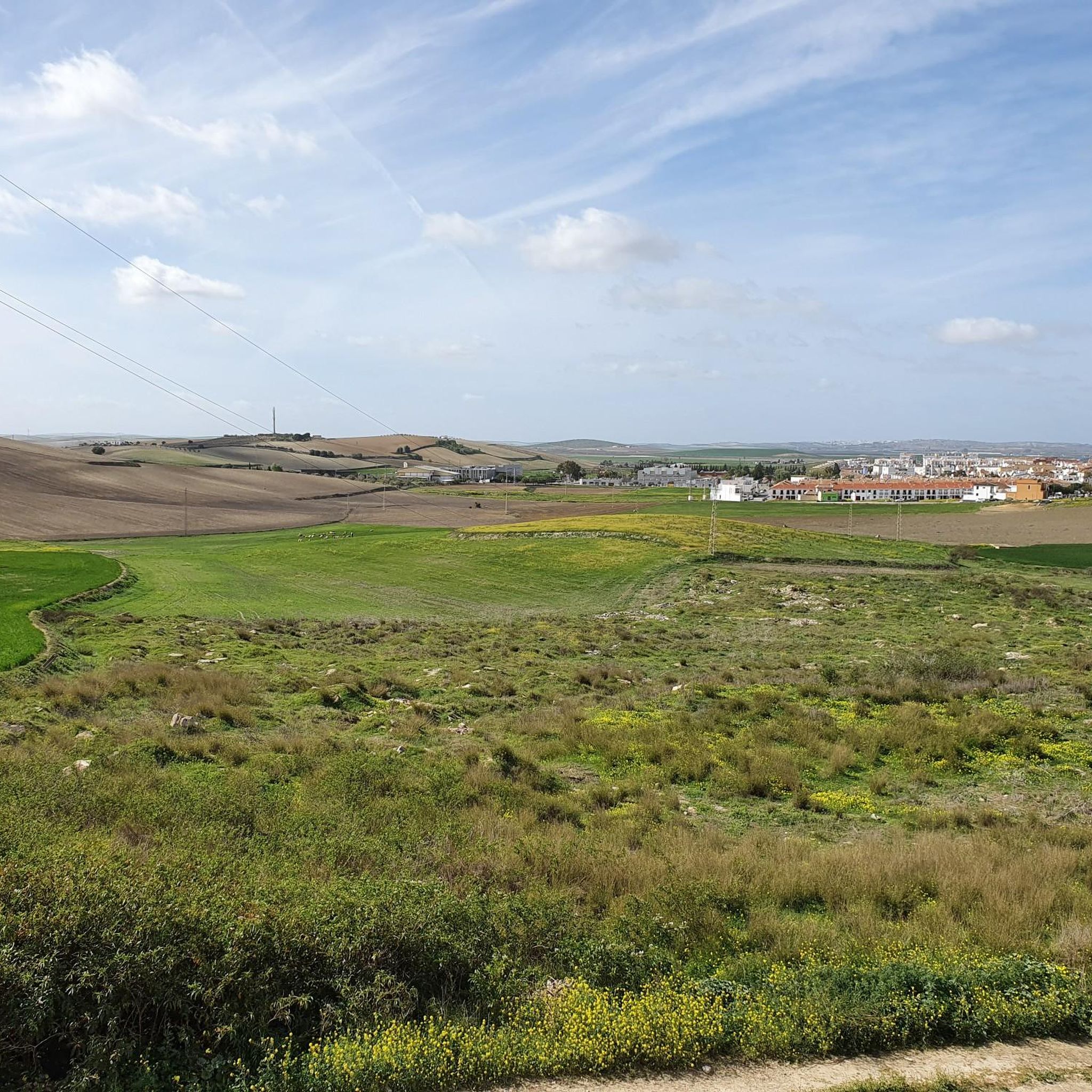
Lookout from where you can observe the lagoon, where depending on the year if you can find more or less water. Perfect place to stop when passing by!
0
0
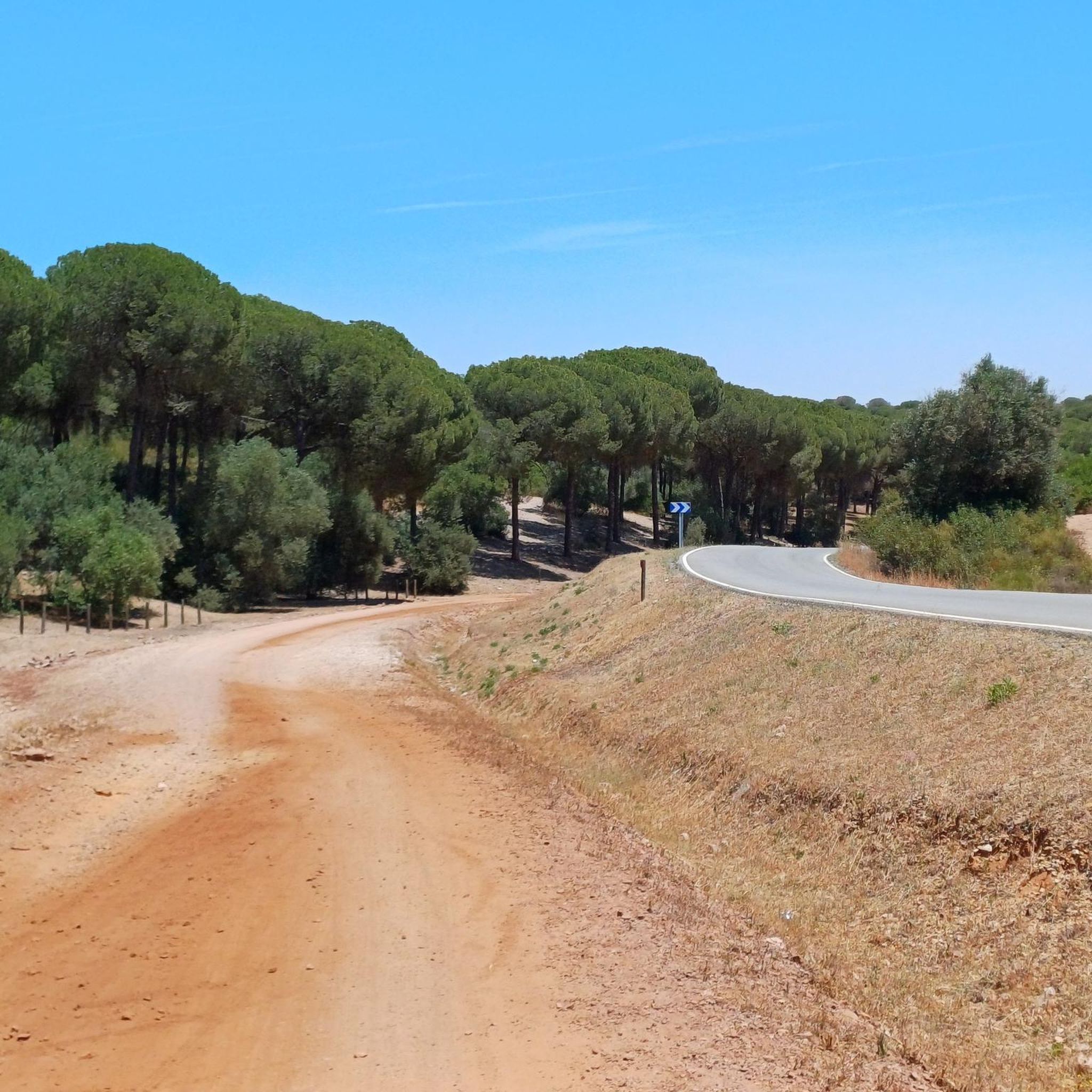
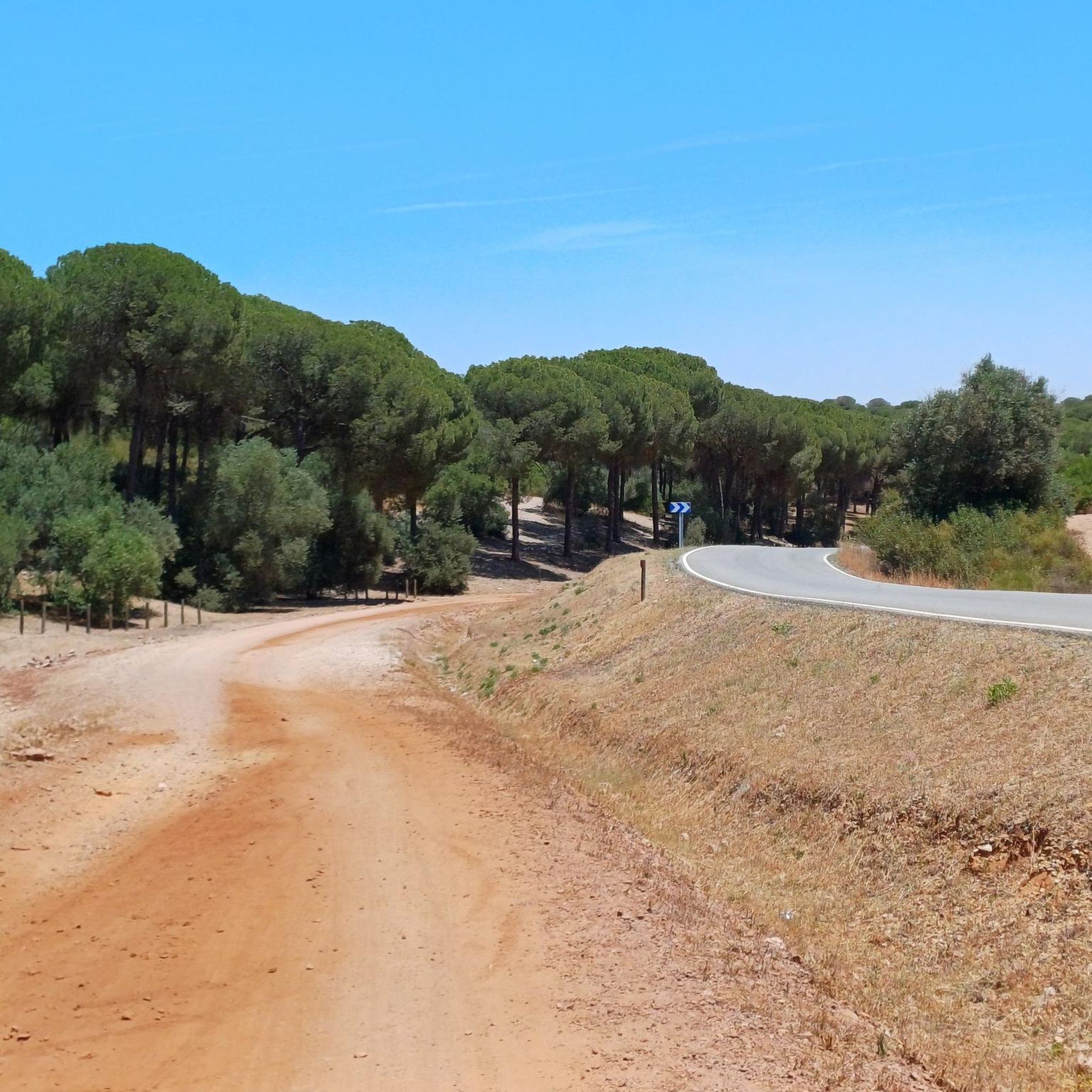
There are two small houses overlooking the Dehesa de Abajo Lagoon and from where you can see the lagoon from various points of view. To get there, you must take the path that leaves from the visitor center that bears the same name as the lagoon
1
0
Lookout from where you can observe the lagoon, where depending on the year if you can find more or less water. Perfect space to see many birds in a quiet and green space!
1
0

If you are lucky enough to be cycling here at the appropriate time, you will be able to stop to contemplate these peculiar beings, who stop "to refuel" at this stop on their migratory path.
0
0

This lagoon is a good place to see many different types of birds, including ducks, flamingos, bitterns, bee-eaters, and more.
0
0
If you are lucky enough to be cycling here at the appropriate time, you will be able to stop to contemplate these peculiar beings, who stop "to refuel" at this stop on their migratory path.
3
0
Frequently Asked Questions
What kind of 'lakes' can I expect to find around La Puebla del Río?
La Puebla del Río is primarily known for its extensive wetland ecosystems, marshlands, and lagoons, rather than traditional large lakes. This area, situated on the Guadalquivir River, is a gateway to Doñana National Park and is rich in diverse aquatic environments crucial for wildlife.
What are the best spots for birdwatching near La Puebla del Río?
The region is a paradise for birdwatchers. Key locations include the Laguna Dehesa de Abajo Viewpoint and the Hut with views of the lagoon, both offering excellent observation points for various species like flamingos, spoonbills, and white storks. The Cañada de los Pájaros Natural Park is another significant wetland for ornithology, and the broader Doñana National Park is a UNESCO World Heritage Site known for its vast numbers of migratory birds.
Are there family-friendly places to visit among the wetlands?
Yes, many areas are suitable for families. The Laguna Dehesa de Abajo Viewpoint and the Hut with views of the lagoon are both marked as family-friendly. View of flamingos at Laguna de Fuente de Piedra is also a great option for all ages, especially during the breeding season.
What is the best time of year to visit the wetlands and lagoons for birdwatching?
The best time to visit depends on the species you wish to see. For flamingos, the optimal viewing opportunities at places like Laguna de Fuente de Piedra are from March to July, during their breeding season. Generally, spring and autumn are excellent for observing migratory birds.
Can I find hiking trails near the wetlands of La Puebla del Río?
Yes, the region offers various paths for exploring the natural landscapes. You can find numerous hiking opportunities, often along established paths within the nature reserves. For more detailed routes, explore the MTB Trails around La Puebla Del Río guide, which includes routes like the 'Pinares de Aznalcázar and Dehesa de Abajo Loop' that traverse these areas.
Are there cycling opportunities around the lakes and wetlands?
Absolutely. The flat terrain around the wetlands is ideal for cycling. You can find routes for various cycling styles, including gravel biking and road cycling. Check out the Gravel biking around La Puebla Del Río and Road Cycling Routes around La Puebla Del Río guides for specific tours, such as the 'From La Puebla del Río to La Isla Mayor – circular via the Dehesa de Abajo Nature Reserve'.
What unique wildlife can I observe in the wetlands of La Puebla del Río?
Beyond the abundant birdlife, including flamingos, white storks, and various waterfowl, the wetlands are home to other significant species. The Dehesa de Abajo Nature Reserve, for instance, is known for potential sightings of the endangered Iberian lynx and hosts Spain's largest breeding colony of white storks.
Is Doñana National Park accessible from La Puebla del Río?
Yes, La Puebla del Río serves as a gateway to Doñana National Park, one of Europe's most important wetlands and a UNESCO World Heritage Site. The park features numerous lagoons and vast marshlands, vital for thousands of migratory birds. You can learn more about this significant natural area on the UNESCO website or Visit Andalucia.
What makes the Olivar del Zaudín Park a notable place to visit?
The Olivar del Zaudín Park offers 45 acres of olive grove ecosystem within the catchment area of the Las Fuentes creek. It features a lagoon system with diverse fauna, mainly birds, and flora. It's a large suburban wetlands park with both wild natural sections and a nature center, providing smooth paved and scenic hard gravel trails.
Are there any specific facilities or visitor centers available near the lagoons?
Yes, for instance, to access the Hut with views of the lagoon at Dehesa de Abajo, you can take a path that leaves directly from the visitor center of the same name. These centers often provide information and facilities to enhance your visit.
What are the main attractions for nature lovers in this region?
Nature lovers will appreciate the exceptional biodiversity, particularly the rich birdlife, and the unique landscapes of the Guadalquivir marshes. The concerted nature reserves like Cañada de los Pájaros and Dehesa de Abajo, along with the proximity to Doñana National Park, offer unparalleled opportunities for wildlife observation, photography, and experiencing diverse ecosystems.
Can I experience the unique landscapes of the Guadalquivir marshes up close?
Yes, visitors can immerse themselves in the unique landscapes of the Guadalquivir marshes through various activities. Hiking, cycling, or horseback riding are popular ways to explore the established paths and observe the rich flora and fauna. The breathtaking sunsets over the rice fields, which are intertwined with these wetlands, also add to the area's appeal.
Most popular routes around La Puebla Del Río
Most popular attractions around La Puebla Del Río

Get inspired with the komoot mobile app


Explore more
Still not found your perfect lake around La Puebla Del Río? Check out the guides of these regions to see even more beautiful places.
