Top 4 Castles around Alcolea Del Pinar
Best castles around Alcolea Del Pinar are found in the surrounding region, as the town's name, derived from Arabic for 'fortress,' suggests a historical presence of fortifications. While no prominent standing castles remain directly within Alcolea Del Pinar, the area is rich in medieval fortresses. These structures offer insights into Spain's history and provide panoramic views of the landscape. The region's castles are primarily defensive in nature, reflecting their strategic importance.
Best castles around Alcolea Del Pinar
- The most popular…
Last updated: October 6, 2026
Pelegrina Castle
Highlight • Castle
Translated by Google •
Tip by

Views of the Torresaviñán Castle
Highlight • Castle
Translated by Google •
Tip by

Sign up now to discover places like this
Get recommendations on the best single tracks, peaks, & plenty of other exciting outdoor places.
Views of Guijosa Castle
Highlight • Castle
Translated by Google •
Tip by

Celtiberian Settlement of La Cava and Muslim Tower
Highlight (Segment) • Historical Site
Translated by Google •
Tip by

Start today with a free account
Your next adventure awaits.
Tips from the Community

Between Luzón and Anguita, on the banks of the Tajuña River, is the old Celtiberian fort of La Cava that was later occupied by Visigoths and finally the Muslims built a watchtower.
1
0

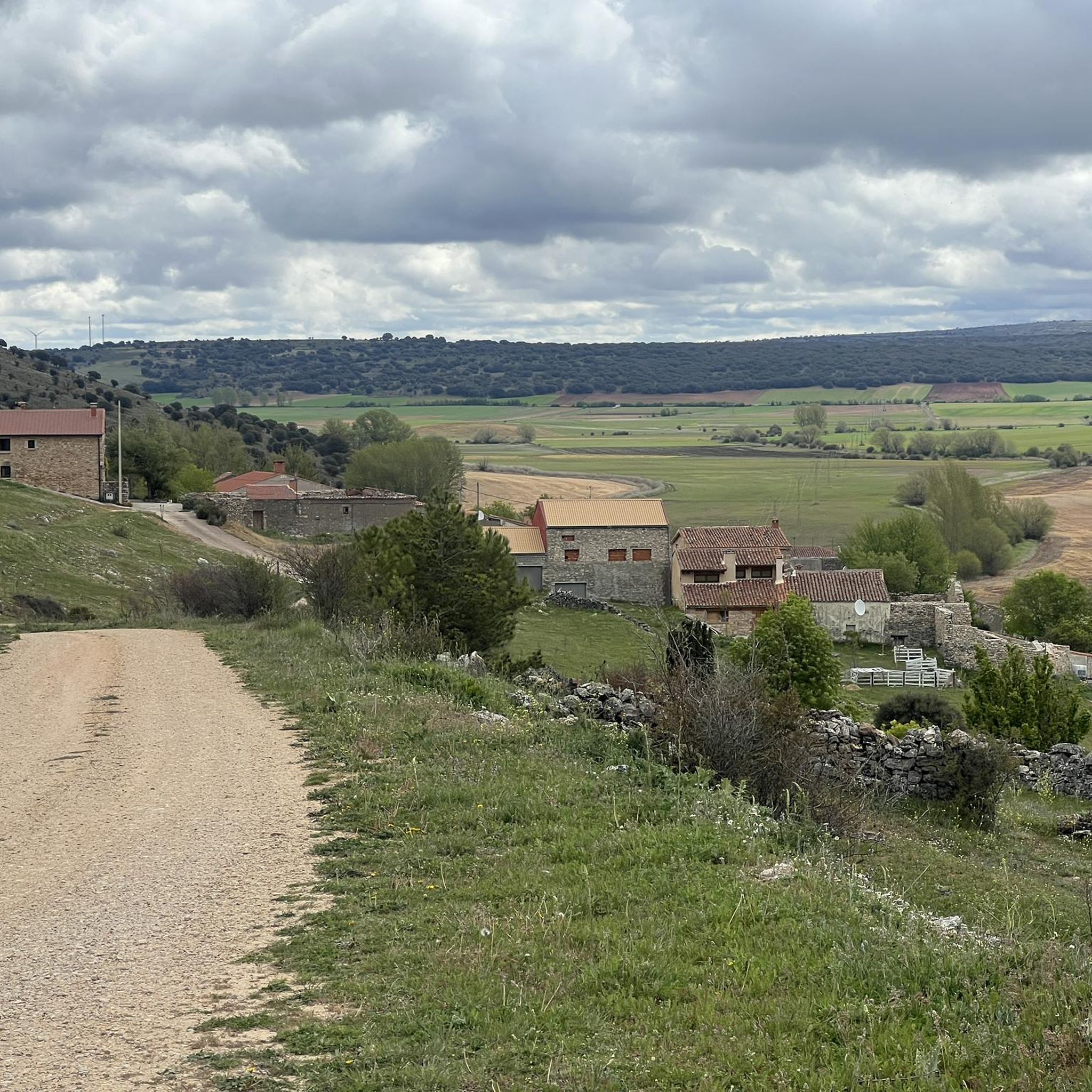
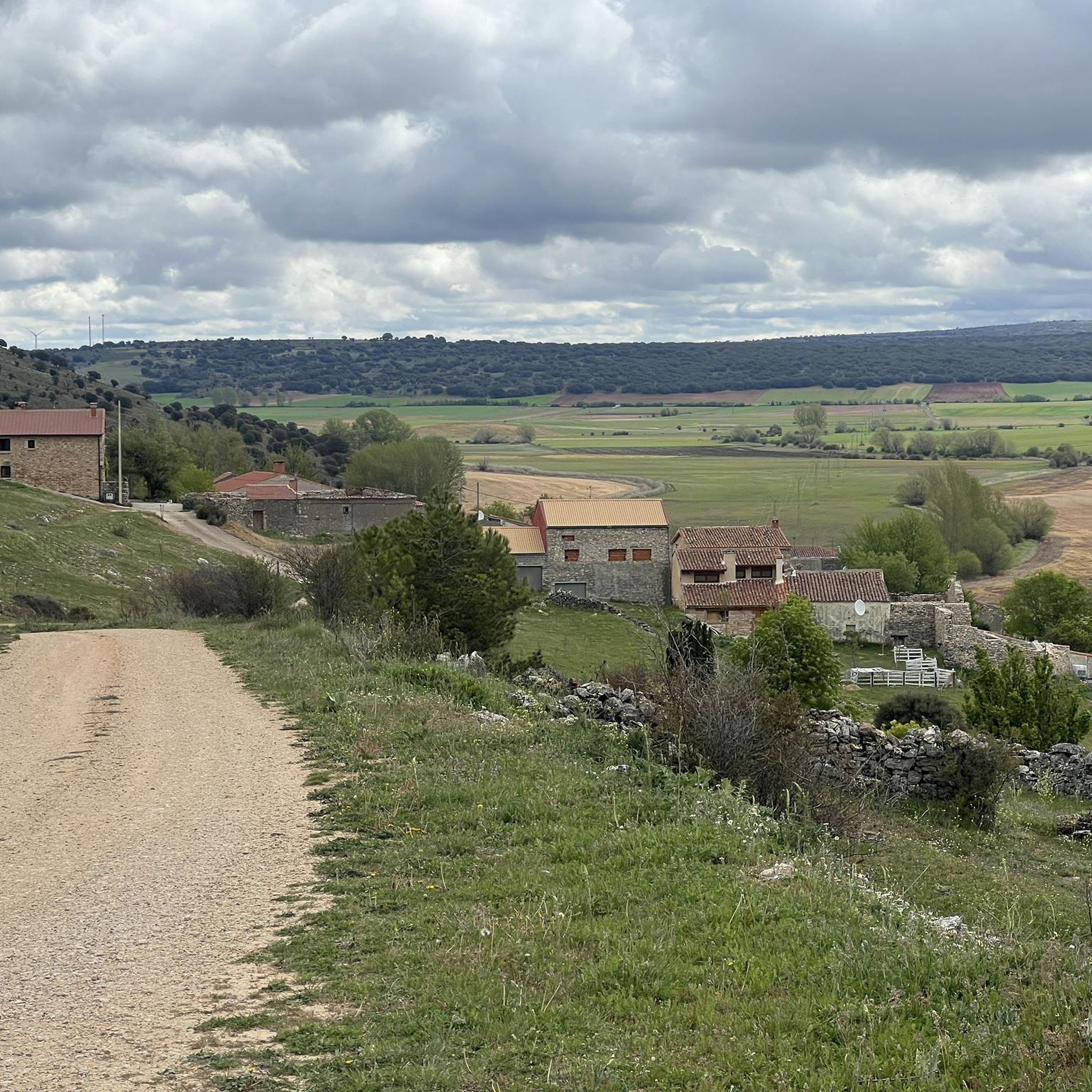
The Torresaviñán castle, from the 12th century, is located on a hill very close to Torremocha del Campo and is visible from the Barcelona highway itself. It is of Muslim origin and due to the absence of amenities in its structure, it is assumed that it was a defensive post, rather than a permanent settlement. Its current state is due to the blowing up of its walls by the Austrian army during the war of succession in the 18th century.
0
0

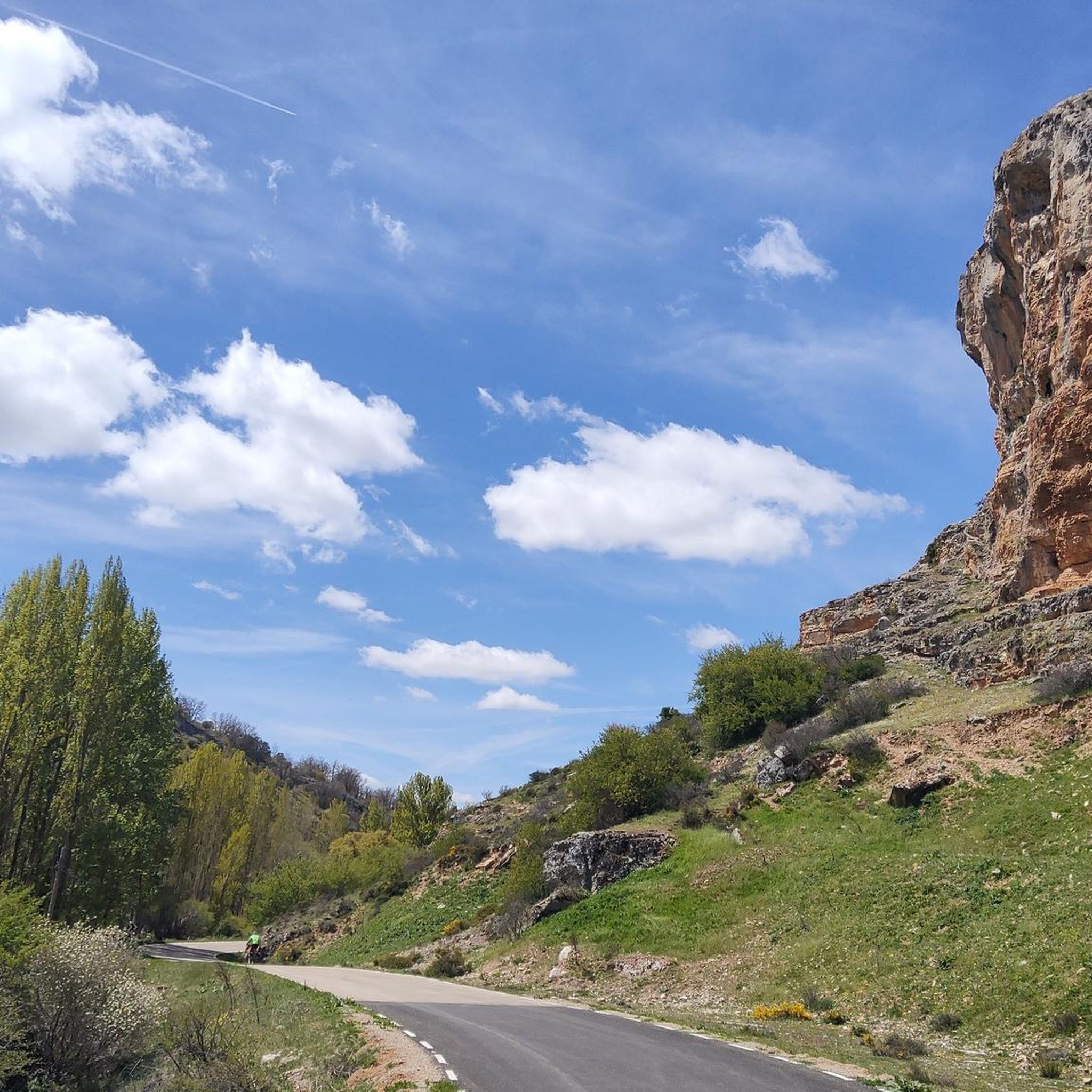
On the curve of the Dulce river are the ruins of the castle of Pelegrina. Incredible viewpoint of the town and what makes the Barranco del Río Dulce Natural Park a unique landscape to visit.
1
0

Spanish fortification built in ashlar stone between the 12th and 13th centuries in the town of Pelegrina. It is a rocky castle built on a hill that dominates the valley of the Río Dulce.
2
0

Torresaviñán Castle is a defensive medieval complex located in the district of La Torresaviñán. Currently, it is destroyed and it is possible to go to the foot of it, but with your bicycle on your back!
0
0
Castle that looks like a model with its walls and round towers within the town of Guijosa. It is located on the road that comes from Sigüenza.
0
0

Although the ruins are few, it is worth contemplating the beauty of the Río Dulce valley at our feet, and understanding the name of the town, from the Latin pellus grinae, beautiful view.
10
0

Pelegrina Castle was built between the 12th and 13th centuries, after the reconquest of the province of Sigüenza. It was built as a defensive castle, as a possible attack by the Muslims was still feared. It stands on a hill, guarding the Rio Dulce valley and the village of Pelegrina.
3
0
Frequently Asked Questions
What kind of historical significance do the castles around Alcolea del Pinar have?
The castles in this region are primarily medieval fortresses, many with origins dating back to the 12th and 13th centuries, and some even showing vestiges of Muslim construction from the 9th century. They served crucial defensive roles during the Reconquista, often built on strategic high points to control valleys and routes. For example, the Pelegrina Castle was built after the reconquest of Sigüenza province as a defensive post.
Which castles offer the best panoramic views?
Several castles provide stunning panoramic views due to their strategic locations. The Castillo de Riba de Santiuste, though ruined, offers extensive views over the Sierra de Pela. Pelegrina Castle overlooks the beautiful Dulce River valley, providing breathtaking scenery. The Castillo de Torresaviñán, with its immense keep, also offers extensive views across the plains between the Henares and Tajuña rivers.
Can I combine a castle visit with nature activities?
Absolutely. Pelegrina Castle is located near the Barranco del Río Dulce Natural Park, which is excellent for nature lovers and birdwatchers, especially for spotting griffon vultures. You can find various outdoor routes in the area, including MTB trails and road cycling routes that pass by these historical sites and natural landscapes.
Are the castles around Alcolea del Pinar easily accessible?
Many of the castles, such as Castillo de Riba de Santiuste, Pelegrina Castle, and Castillo de Torresaviñán, are in a ruined state but offer free exterior access. Their locations on hills or promontories mean that reaching them often involves some walking, and some may require navigating uneven terrain. For example, reaching the foot of Torresaviñán Castle might require carrying your bicycle.
What outdoor activities can I do near these castles?
The region offers a variety of outdoor activities. You can explore road cycling routes like the "Castillo de Torresaviñán Loop from Alcolea del Pinar," or tackle MTB trails such as the "Pelegrina Castle – Riverside Rest Area loop." There are also traffic-free bike rides that allow you to enjoy the scenery and historical sites at a more relaxed pace.
Are there any other historical sites to visit besides castles?
Yes, beyond the castles, you can visit the Celtiberian Settlement of La Cava and Muslim Tower. This site, located between Luzón and Anguita, showcases layers of history from Celtiberian times, later Visigothic occupation, and a Muslim watchtower, offering a glimpse into the region's ancient past.
What is the best time of year to visit the castles?
The best time to visit the castles and enjoy the surrounding natural parks is generally during spring (April to June) and autumn (September to October). During these seasons, the weather is typically mild and pleasant for exploring outdoors, hiking, and cycling, avoiding the intense heat of summer and the colder, potentially wetter conditions of winter.
Are dogs allowed at the castles or on nearby trails?
While specific dog policies for each castle ruin may vary, the Barranco del Río Dulce Natural Park, which is close to Pelegrina Castle, generally allows dogs on trails, often requiring them to be on a leash to protect wildlife. It's always advisable to check local regulations for specific sites or natural parks before your visit.
Is there parking available near the castles?
Parking availability varies by castle. For Pelegrina Castle, you can typically find parking in the village of Pelegrina and walk to the castle ruins. For more remote sites like Castillo de Riba de Santiuste or Castillo de Torresaviñán, parking might be less formal, often roadside or in small clearings, requiring a short walk to the site.
What makes the Castillo de Torresaviñán unique?
The Castillo de Torresaviñán, also known as the Castle of the Moon, is notable for its raw, purely military, and frontier design. It maintains its original 12th-century morphology and features an immense and very tall square keep, which is its best-preserved part. Its lack of comforts offers a genuine glimpse into early medieval defensive structures, built for function rather than residence.
What can I expect to see at Guijosa Castle?
The Views of Guijosa Castle highlight a castle that, even in its current state, resembles a model with its walls and round towers integrated within the town of Guijosa. It's located on the road from Sigüenza and offers a picturesque sight, providing a sense of medieval architecture within a village setting.
Most popular routes around Alcolea Del Pinar
Most popular attractions around Alcolea Del Pinar

Get inspired with the komoot mobile app


Explore more
Looking for the best castles somewhere else? Discover other guides around Alcolea Del Pinar:
