Top 7 Waterfalls around Mura
Waterfalls around Mura offer a diverse range of natural attractions, primarily within the broader geographical region rather than directly on the Mura River itself. This area features various waterfalls, from those with historical significance to ephemeral cascades that appear after rainfall. The landscape includes gorges, forests, and viewpoints, providing varied experiences for visitors. These natural sites contribute to the region's appeal for outdoor activities.
Best waterfalls around Mura
- The most popular waterfalls is Salt de la Tosca Waterfall and Molí…
Last updated: July 3, 2026
Salt de la Tosca Waterfall and Molí de Brotons
Highlight • Waterfall
Translated by Google •
Tip by

Font de la Fagina
Highlight • Natural Monument
Translated by Google •
Tip by

Sign up now to discover places like this
Get recommendations on the best single tracks, peaks, & plenty of other exciting outdoor places.
Sign up for free
Wooden Bridge at Colonia Jorba Waterfall and View of Masia El Xaloc
Highlight • Bridge
Tip by

Baga Cerdana Waterfall
Highlight • Waterfall
Tip by
Upper Course of Les Tapies Torrent
Highlight • Gorge
Tip by
Sign up for free to discover even more waterfalls around Mura.
Sign up for free
Already have an account?
Start today with a free account
Your next adventure awaits.
Login or Signup
Tips from the Community

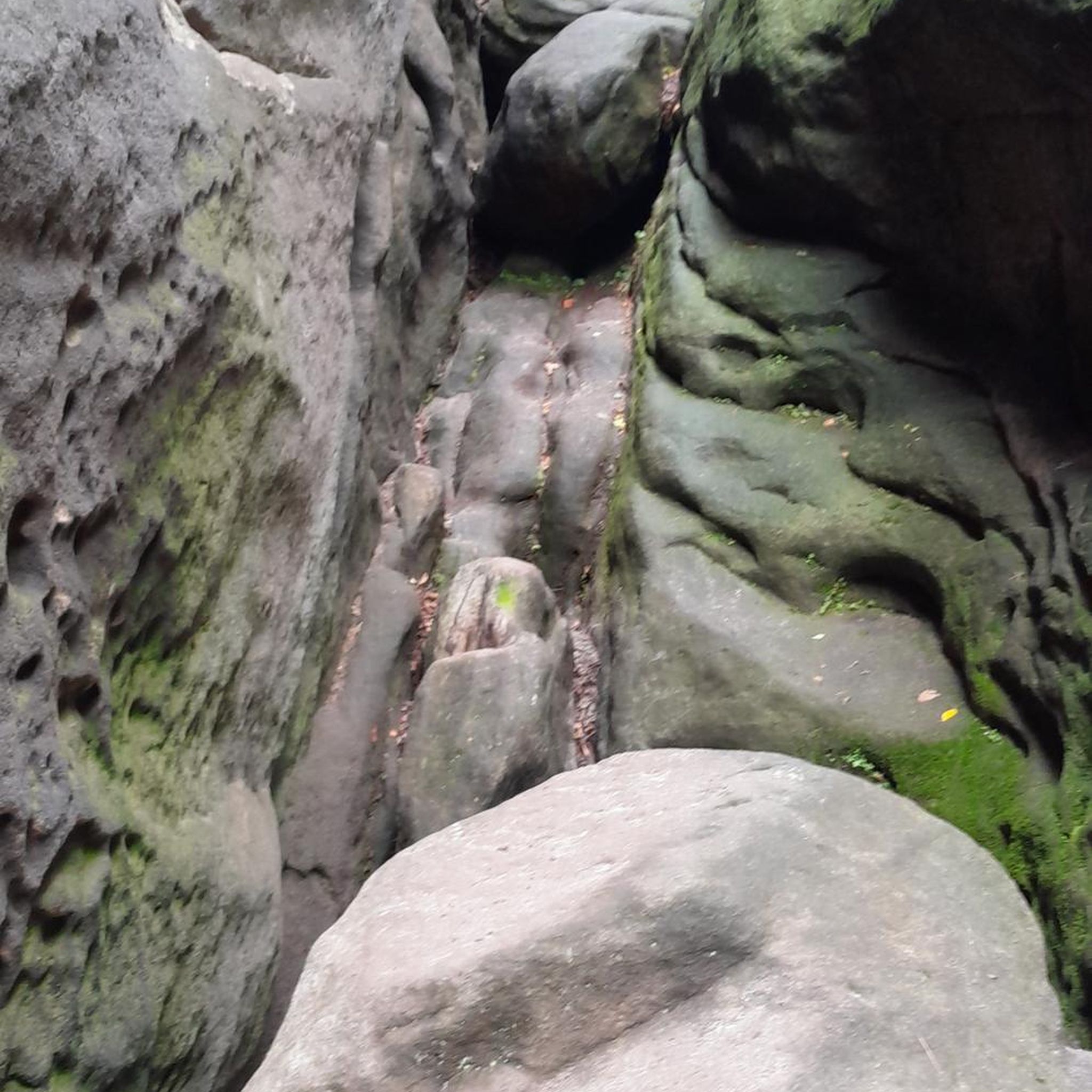
Waterfall encased in rough rock and an old flour mill documented since the 18th century, taking advantage of the constant force of the Llobeta stream. In addition to what everyone says, there is a little-mentioned detail here: the mill had a small auxiliary lock up the road that allowed the flow to be regulated so that the mill would not stop in dry summers. Remains of the canal and the hole where the wood of the old roller was repaired can still be seen. The path is short and cool, and the constant sound of the water explains why this corner was so valuable to the farmers of the entire valley.
0
0

Torrent de Can Montllor waterfall, normally dry, but on days of heavy rain it can be spectacular.
0
0
Fresh water source (without health guarantee) on the northern slope of Puig de la Creu. It is reached by a somewhat steep and rocky path, from Can Padró or from Can Montllor de Dalt.
0
0

idyllic location, you can breathe peace
1
0

The Salt de la Tosca is a waterfall in the municipality of Castellcir, within the territory of the enclave of the Vall de Marfà, in the Moianès region. It is at the north-western end of the Vall de Marfà, on the north-west side of the Molí de Brotons, in the Riera de Marfà itself.
2
1

A very beautiful place, you do not need any experience to go to see it, firm step and water for the road, if you can take a map of the area or better yet a GPS, when I was I saw people who got lost because they did not carry any information of the area.
2
1

Quite flat route very easy, idyllic Molí de Brotons
3
1

Good route for the whole family, if you are lucky enough to see the Brotons mill with a mantle of water lentils is heavenly. The Molí de Brotons, or Molí de la Tosca, was a mill located in the municipality of Castellcir, in the Moianès region. It is in the enclave of the Marfà valley. Its remains are located to the left of the Marfà stream, to the northeast of the Marfà farmhouse and nearby and also to the northeast of the chapel of the Virgen de la Tosca and the Molí de Marfà. It is a semi-troglodyte mill, located taking advantage of some balms on the banks of the riverbed, on the banks of the Salt de la Tosca, in a place of great beauty. It was inhabited and in operation at least from 1608 (in what is called Molí de Brotons or dels Pilars) until the second third of the 19th century: in 1863 there was an extraordinary water avenue that took a baby with it. his wooden bed inside the mill, and the eight people of the miller's family died there. It has since been abandoned.
5
1
Frequently Asked Questions
Where can I find waterfalls in the Mura region?
While the Mura River itself doesn't feature grand waterfalls, the broader geographical regions it flows through—including parts of Austria, Slovenia, Croatia, and Hungary—offer numerous spectacular cascades. Within the immediate area, you can explore highlights like Salt de la Tosca Waterfall and Molí de Brotons, Font de la Fagina, and the Wooden Bridge at Colonia Jorba Waterfall.
Are there family-friendly waterfalls around Mura?
Yes, several waterfalls in the region are suitable for families. Salt de la Tosca Waterfall and Molí de Brotons is a great option, offering a historical site and a cool, sheltered spot perfect for lunch or dinner. The Wooden Bridge at Colonia Jorba Waterfall also provides easy access and scenic views for all ages.
What historical sites can I find near the waterfalls?
The Salt de la Tosca Waterfall and Molí de Brotons is a notable historical site. It features a semi-troglodyte mill that was in operation from at least 1608 until the mid-19th century, offering a glimpse into the region's past.
What natural features can I expect to see at these waterfalls?
You'll encounter a variety of natural features. Font de la Fagina is a natural monument with a fresh water source, while the Baga Cerdana Waterfall is located within an impressive gorge. Many waterfalls, like the Upper Course of Les Tapies Torrent, are ephemeral, appearing spectacularly after heavy rains.
What do visitors enjoy most about the waterfalls around Mura?
Visitors appreciate the diverse experiences, from historical sites like the Molí de Brotons to the natural beauty of the cascades. Many enjoy the opportunity to find cool, sheltered spots for breaks and the scenic views offered by locations such as the Wooden Bridge at Colonia Jorba Waterfall. The komoot community has shared 88 photos and given 47 upvotes, highlighting the area's appeal.
Are there any challenging waterfall hikes in the Mura region?
Yes, for those seeking a more challenging experience, the Baga Cerdana Waterfall and the Upper Course of Les Tapies Torrent offer technical trails and can be very slippery, especially after rain. These routes require careful navigation.
What outdoor activities can I do near the waterfalls around Mura?
The area around Mura offers various outdoor activities. You can find numerous hiking trails, including routes like 'Circular Els Tres Monts des de Mura' and 'Hospital de Sang and Turó de la Cort Fosca Circular Trail'. For more options, explore the Hiking around Mura guide. There are also options for Road Cycling and Gravel biking.
When is the best time to visit the waterfalls around Mura?
Many waterfalls in the region, such as Font de la Fagina and the Upper Course of Les Tapies Torrent, are ephemeral and are most spectacular after heavy rain. Therefore, visiting after periods of significant rainfall will offer the most impressive views.
Are there any waterfalls in the wider Mura River region that are particularly famous?
Yes, while not directly on the Mura River, the broader regions it touches are home to world-renowned waterfalls. Slovenia boasts Rinka Falls and Peričnik Waterfall, where you can walk behind the cascade. Croatia features the stunning Plitvice Lakes National Park and Krka National Park, famous for their numerous travertine waterfalls.
What should I wear for a waterfall hike in the Mura area?
Given that some trails can be steep, rocky, and very slippery, especially after rain, it's advisable to wear sturdy, waterproof hiking boots with good grip. Layers of clothing are recommended to adapt to changing weather conditions, and rain gear would be beneficial if visiting during or after rainfall to see ephemeral waterfalls at their best.
Can I find viewpoints near the waterfalls?
Yes, several locations offer excellent viewpoints. The Wooden Bridge at Colonia Jorba Waterfall provides views of the waterfall and Masia El Xaloc. Additionally, the Baga Cerdana Waterfall is also noted for its impressive viewpoint, though caution is advised near the cliff edge.
Are there any waterfalls with unique features in the Mura region?
Yes, the Salt de la Tosca Waterfall and Molí de Brotons is unique for its semi-troglodyte mill, built into the rock face. In the wider region, Slovenia's Peričnik Waterfall allows visitors to walk behind its powerful lower fall, offering a distinctive experience.
Most popular routes around Mura
Most popular attractions around Mura

Get inspired with the komoot mobile app


Explore more
Happy to travel a little further afield? Then browse these guides for the best waterfalls around Mura:
