Top 4 Lakes around Gualta
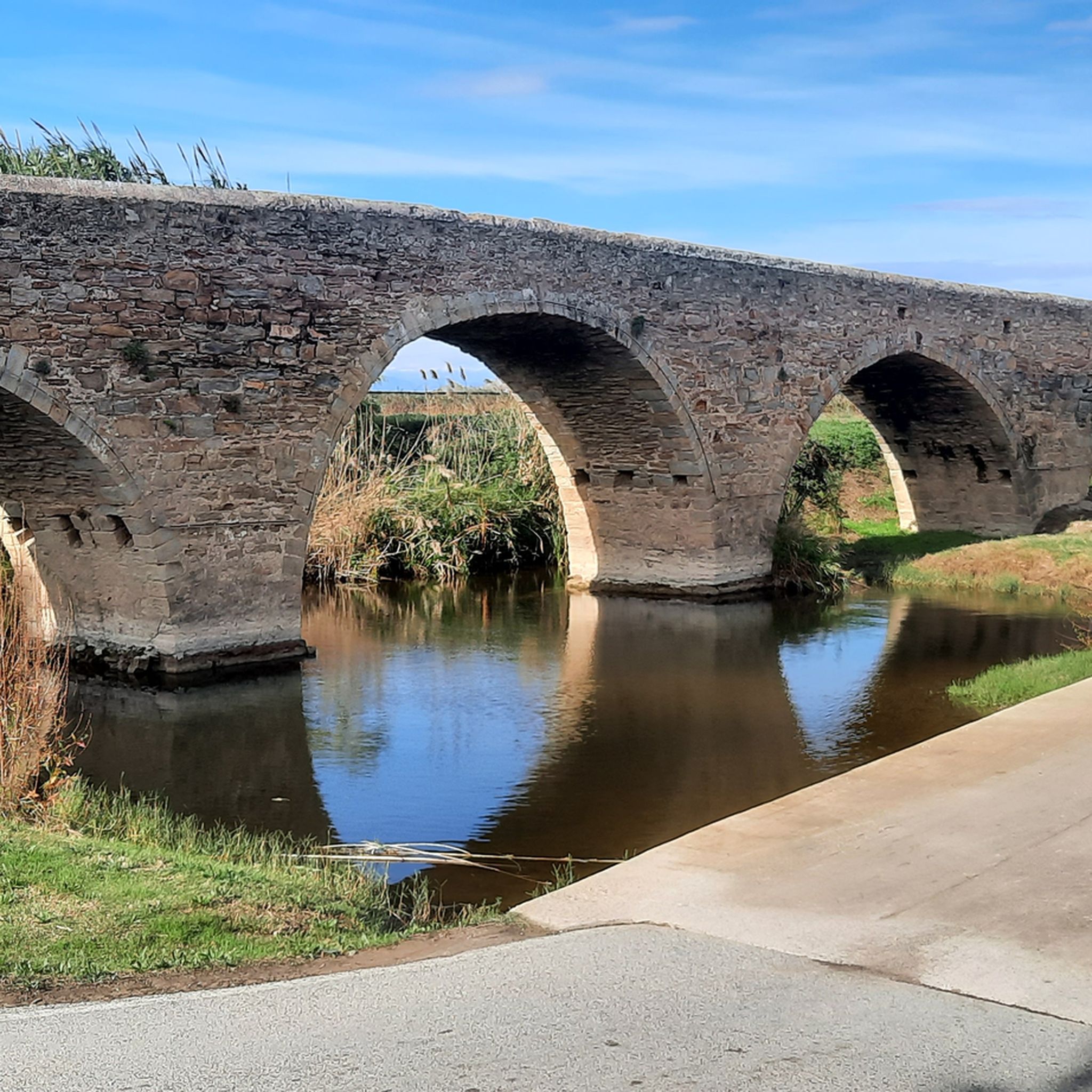
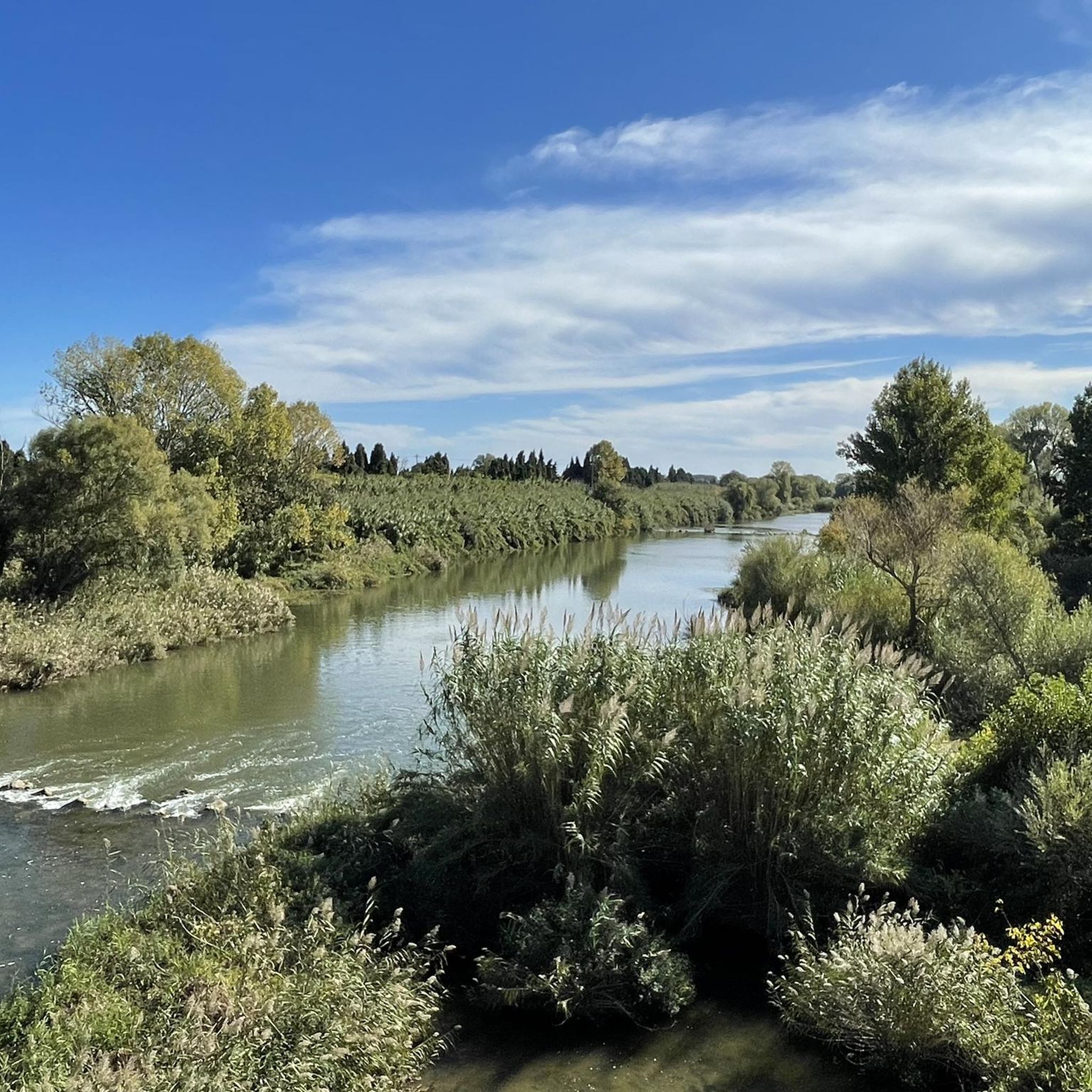
Lakes around Gualta, a village in Catalonia's Baix Empordà region, are primarily characterized by its riverine landscape and historical water features. The area is defined by the Ter and Daró rivers, along with various irrigation channels. Historically, the significant Lake of Ullastret was drained, leaving behind fertile fields that can still be observed today. This region offers opportunities for outdoor activities centered around its aquatic environment.
Best lakes around Gualta
- The most popular lakes is La Pletera bird observatory,…
Last updated: July 3, 2026
La Pletera bird observatory
Highlight • Viewpoint
Translated by Google •
Tip by

Baix Ter Wetlands Nature Reserve
Highlight • Natural Monument
Translated by Google •
Tip by

Sign up now to discover places like this
Get recommendations on the best single tracks, peaks, & plenty of other exciting outdoor places.
Sign up for free
The Fra Ramon Lagoon
Highlight • Lake
Translated by Google •
Tip by
Start today with a free account
Your next adventure awaits.
Login or Signup


Tips from the Community

Nice passage but be careful during periods of strong wind because there are no trees around
0
0

Coastal lagoons resulting from the deconstruction of an urbanization. Thanks to a Life project, a lagoon space behind the beach has been rebuilt, just as it should have been before it was developed. Numerous species of birds take refuge there, especially in winter and in migration, which can be observed from a magnificent observatory. https://www.flickr.com/photos/66451146@N08/48988123121
5
0
The Bassa del Fra Ramon is a lagoon located between the old mouth and the Ter Vell, which has its origin in an old bed of the Ter river. This area stands out for its vegetation, where there are populations of ruppia that cover the bottom of the lagoon, and margins with samphires and some isolated tamarinds. https://www.youtube.com/watch?v=dAM7akA8Fuw
3
0

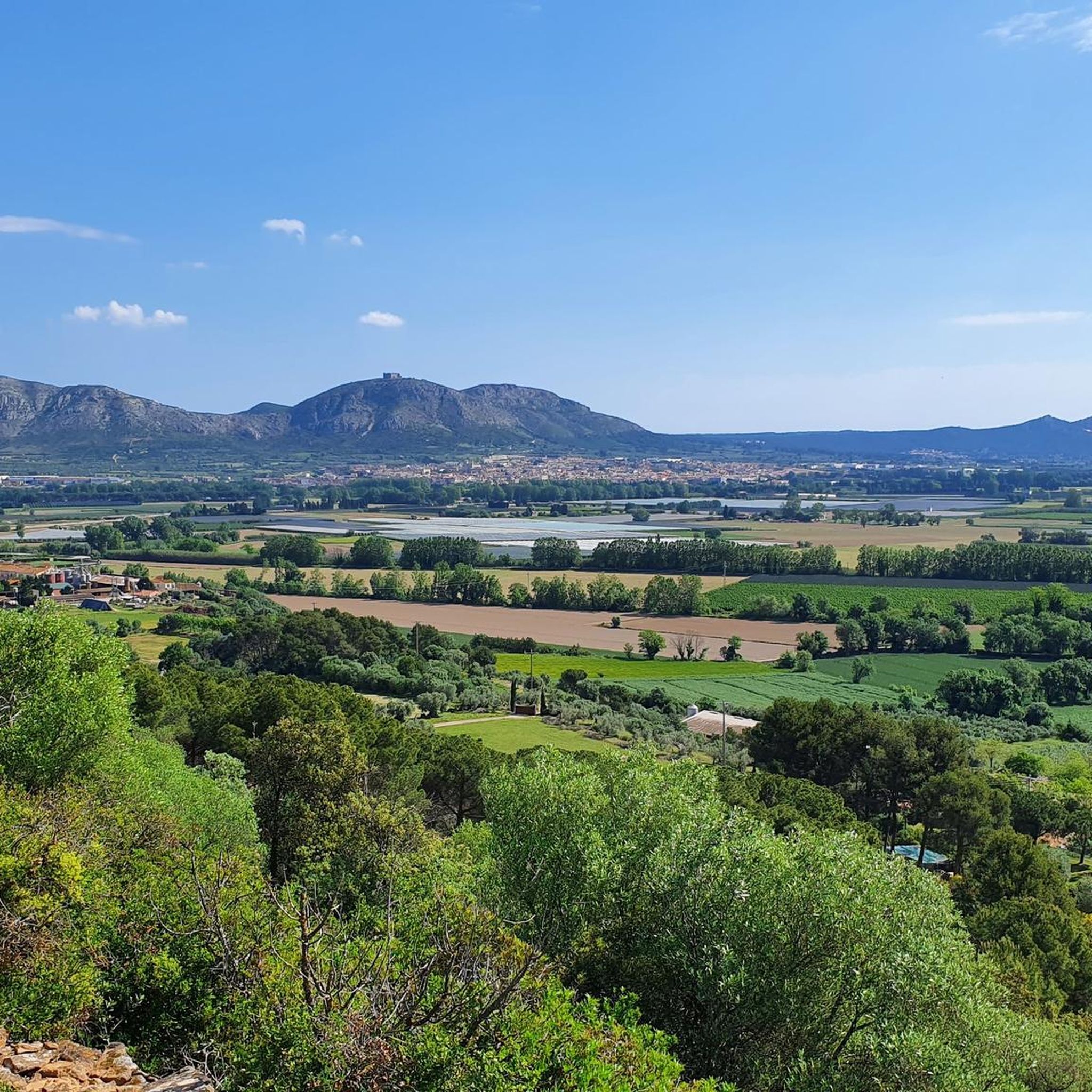
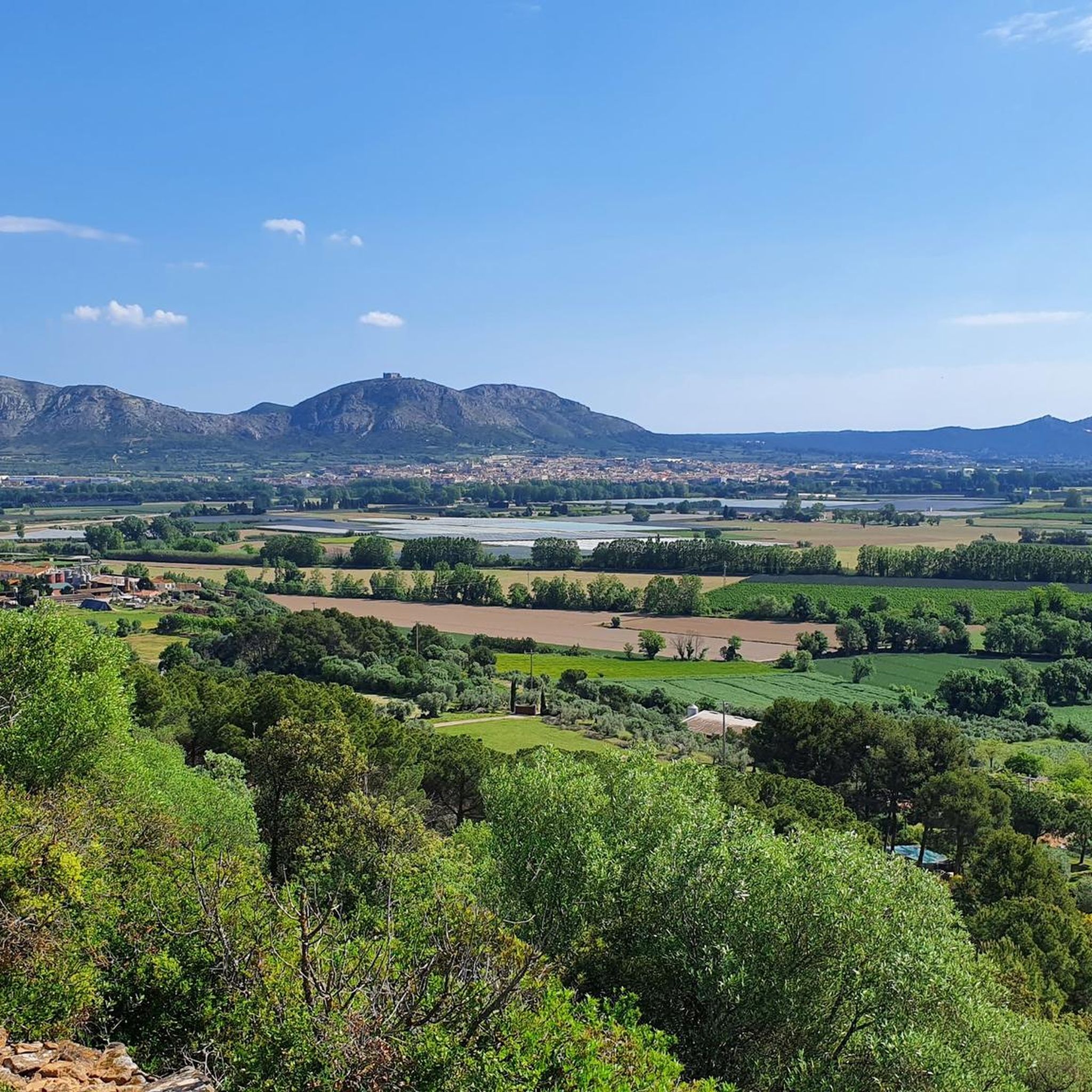
Magnificent view from the plain to the Montgri massif.
0
0
Nature reserves in the area of the river mouth.
0
0
Nature reserves in the area of the river Ter.
0
0

Nature reserve
0
0
Frequently Asked Questions
What kind of 'lakes' can I expect to find around Gualta?
Gualta's aquatic landscape is primarily defined by its riverine environment, including the Ter and Daró rivers, and various irrigation channels. While there are no prominent natural lakes in the traditional sense, you'll find significant coastal lagoons, riverine wetlands, and historical lake beds that offer unique natural experiences.
Where can I observe birds and wildlife near Gualta?
For birdwatching and wildlife, visit the La Pletera bird observatory, which features coastal lagoons rebuilt to serve as a refuge for numerous bird species, especially during winter and migration. The Baix Ter Wetlands Nature Reserve also offers diverse ecosystems and wildlife within its protected areas.
Are there any unique natural features to explore in the area?
Yes, The Fra Ramon Lagoon is a notable spot. Originating from an old bed of the Ter river, it stands out for its unique vegetation, including populations of ruppia covering the lagoon's bottom and margins with samphires.
What is the historical significance of the water landscape around Gualta?
Historically, the region was home to the significant Lake of Ullastret, which was approximately 3 kilometers long. This large depression was mechanically drained between the 1850s and 1880s. Today, its former bed is characterized by fertile fields, and you can still observe the historical site with clear views towards the village of Ullastret and its Iberian village museum.
Are there family-friendly spots to visit near the water in Gualta?
Absolutely. Both the La Pletera bird observatory and the Baix Ter Wetlands Nature Reserve are considered family-friendly, offering opportunities to enjoy nature and observe wildlife. The Fra Ramon Lagoon is also suitable for families looking for a tranquil natural setting.
What outdoor activities can I do near these water features?
The rivers and irrigation channels around Gualta offer excellent opportunities for outdoor activities. You can enjoy bike rides and walks, accompanied by the peace and murmur of water. The surrounding areas provide a variety of hiking and cycling routes. For more specific routes, explore the Cycling around Gualta guide or the Mountain Hikes around Gualta guide.
Are there cycling routes that pass by these water areas?
Yes, the region is well-suited for cycling. You can find various routes, such as the 'Gravel circular route in the Montgrí, Medes Islands and Baix Ter Natural Park' which covers 43.8 km and is of moderate difficulty. For more options, check out the Cycling around Gualta guide.
What is the best time to visit the water areas around Gualta?
The region is appealing throughout the year. For birdwatching at La Pletera bird observatory, winter and migration periods are particularly good for observing numerous bird species. Generally, spring and autumn offer pleasant temperatures for outdoor activities like cycling and walking.
What do visitors enjoy most about the water areas around Gualta?
Visitors appreciate the tranquil natural environment, the opportunities for birdwatching, and the unique landscapes created by the coastal lagoons and riverine wetlands. The area's historical context, particularly the site of the drained Lake of Ullastret, also adds to its appeal. The komoot community has contributed over 50 upvotes and 9 photos, highlighting the beauty of these spots.
Can I find hiking trails near the water features?
While the immediate vicinity of the lagoons and wetlands is often flat for easy walks, the broader Gualta area offers various hiking opportunities. For more challenging trails, you can explore options like the 'View of the Cross of Montgrí – Montgrí Castle loop' (4.9 km, moderate) or the 'Roca Maura loop from l'Estartit' (3.5 km, moderate). Find more details in the Mountain Hikes around Gualta guide.
Are there any specific viewpoints to appreciate the water landscapes?
Yes, the La Pletera bird observatory is designed as a magnificent observatory, offering excellent views of the coastal lagoons and the birdlife. The historical site of the drained Lake of Ullastret also provides clear views across its former expanse.
What kind of vegetation can be found in these water environments?
The water environments around Gualta host unique vegetation. For instance, The Fra Ramon Lagoon is known for populations of ruppia that cover its bottom, and its margins feature samphires and some isolated tamarinds. The Baix Ter Wetlands also boast diverse ecosystems with varied flora.
Most popular routes around Gualta
Most popular attractions around Gualta

Get inspired with the komoot mobile app


Explore more
Still not found your perfect lake around Gualta? Check out the guides of these regions to see even more beautiful places.
