Top 4 Gorges around Arcos De La Sierra
Best canyons around Arcos De La Sierra are found within the Serranía de Cuenca Natural Park, a region characterized by its impressive natural formations. The area features deep gorges and unique geological landscapes shaped by rivers like the Trabaque and Júcar. These natural features provide opportunities for exploring varied terrain and observing local wildlife. The region offers a range of canyon-like environments for visitors.
Best canyons around Arcos De La Sierra
- The most popular canyons is Ventano del Diablo,…
Last updated: May 22, 2026
Ventano del Diablo
Highlight • Viewpoint
Translated by Google •
Tip by

Callejones de Las Majadas
Highlight • Natural Monument
It …
Translated by Google •
Tip by
Sign up now to discover places like this
Get recommendations on the best single tracks, peaks, & plenty of other exciting outdoor places.
Sign up for free
The Trabaque River Gorge
Highlight • Gorge
Translated by Google •
Tip by

Puntal de Perdigano (viewpoint)
Highlight • Viewpoint
Translated by Google •
Tip by

Santa María Ravine Trail
Highlight (Segment) • Trail
Translated by Google •
Tip by
Start today with a free account
Your next adventure awaits.
Login or Signup
Tips from the Community

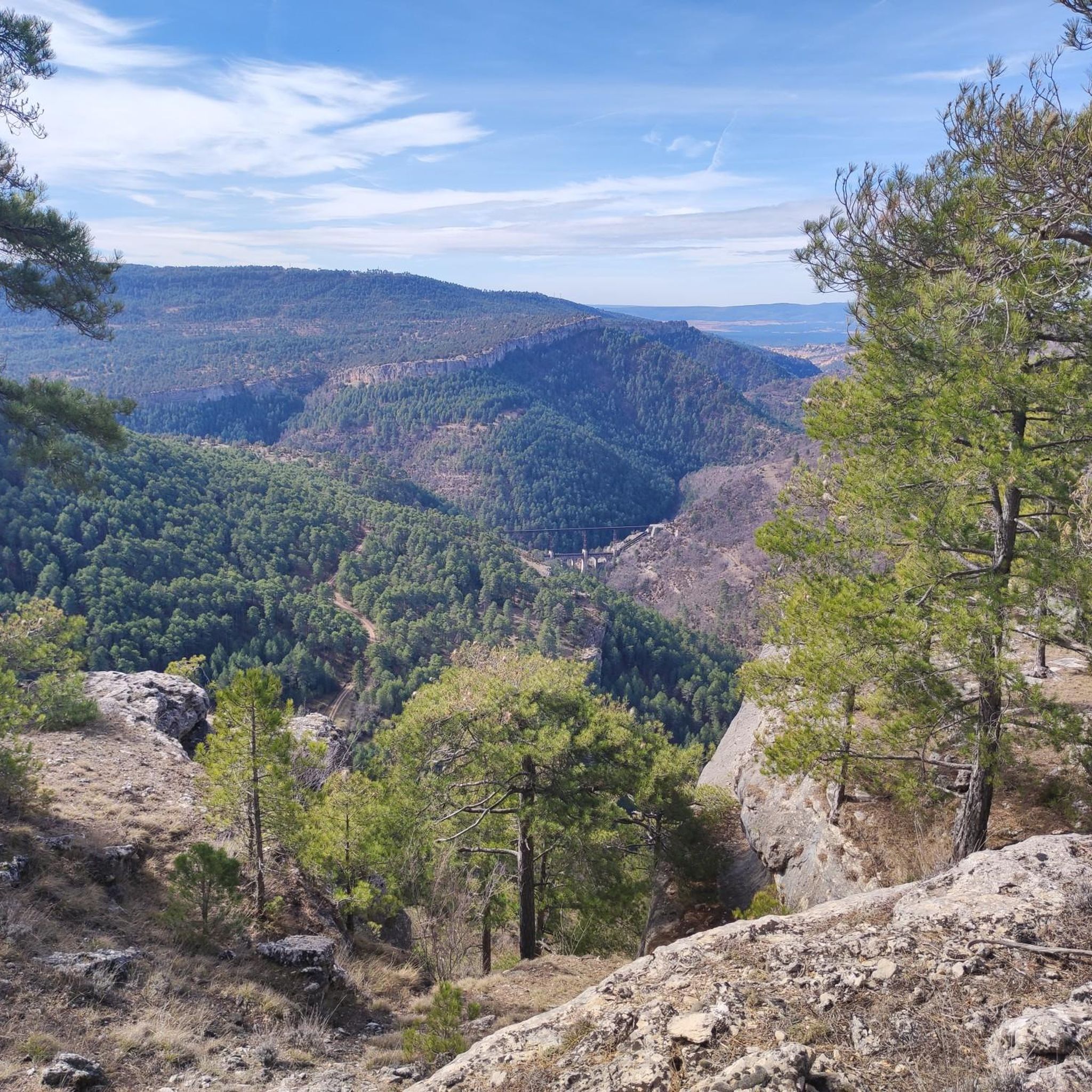
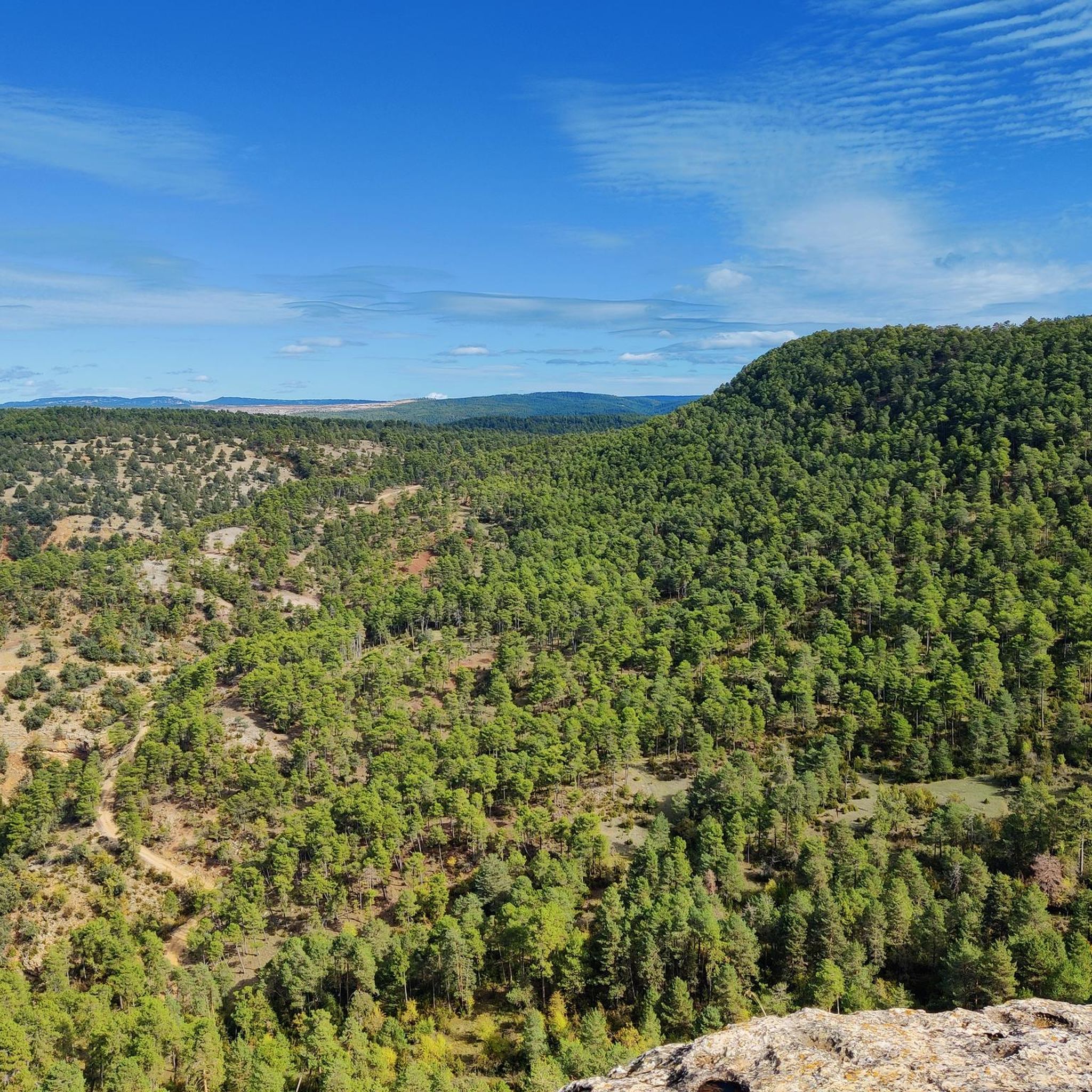
Spectacular viewpoint overlooking the Júcar River.
1
0

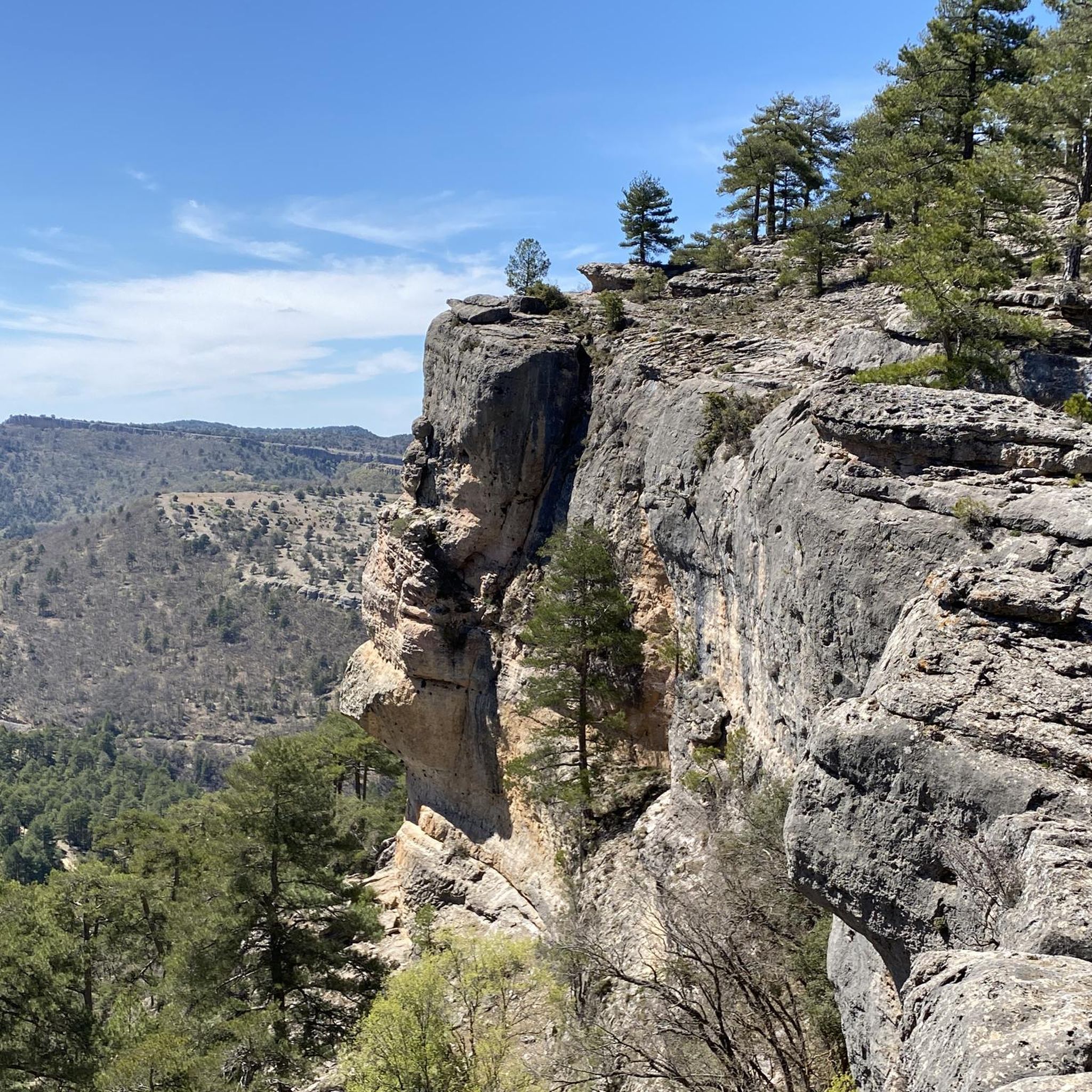
The Callejones de Las Majadas are a spectacular natural setting located in the municipality of Las Majadas, in the province of Cuenca, within the Serranía de Cuenca Natural Park. It is a karst formation composed of Upper Cretaceous dolomites, where erosion by water, ice, and wind has sculpted the limestone rock, creating a labyrinth of narrow passages, natural arches, monoliths, and stone bridges.
2
0
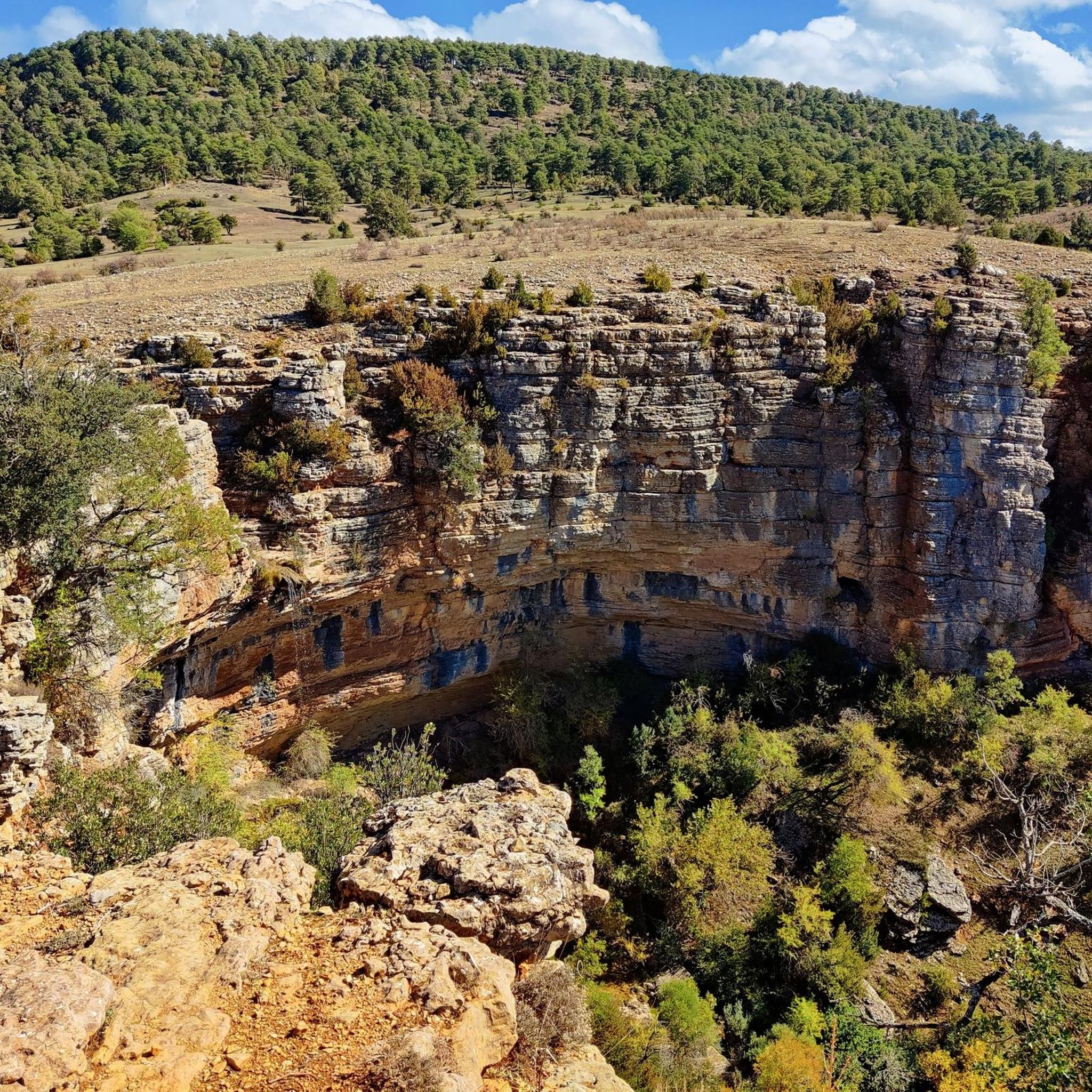
Mirador del Ventano del Diablo is a stunning natural balcony located just outside the town of Villalba de la Sierra, in the province of Cuenca. This viewpoint, carved into the rock, offers spectacular views of the canyon of the Júcar River, whose crystal-clear waters flow towards the city of Cuenca. The name “Ventano del Diablo” comes from an ancient legend that says that the devil attracted visitors to this place, where they stumbled and fell due to the beauty of the landscape. From the viewpoint, you can observe the elegant flights of the griffon vultures and enjoy the lush vegetation surrounding the river. It is a popular destination for nature and photography lovers, and is only 25 kilometers from Cuenca, making it an ideal stop if you are exploring the region.😎🚶♀️🚵🚴
11
0
Mirador del Ventano del Diablo is a stunning natural balcony located just outside the town of Villalba de la Sierra, in the province of Cuenca. This viewpoint, carved into the rock, offers spectacular views of the canyon of the Júcar River, whose crystal-clear waters flow towards the city of Cuenca. The name “Ventano del Diablo” comes from an ancient legend that says that the devil attracted visitors to this place, where they stumbled and fell due to the beauty of the landscape. From the viewpoint, you can observe the elegant flights of the griffon vultures and enjoy the lush vegetation surrounding the river. It is a popular destination for nature and photography lovers, and is only 25 kilometers from Cuenca, making it an ideal stop if you are exploring the region.😎🚶♀️
31
0

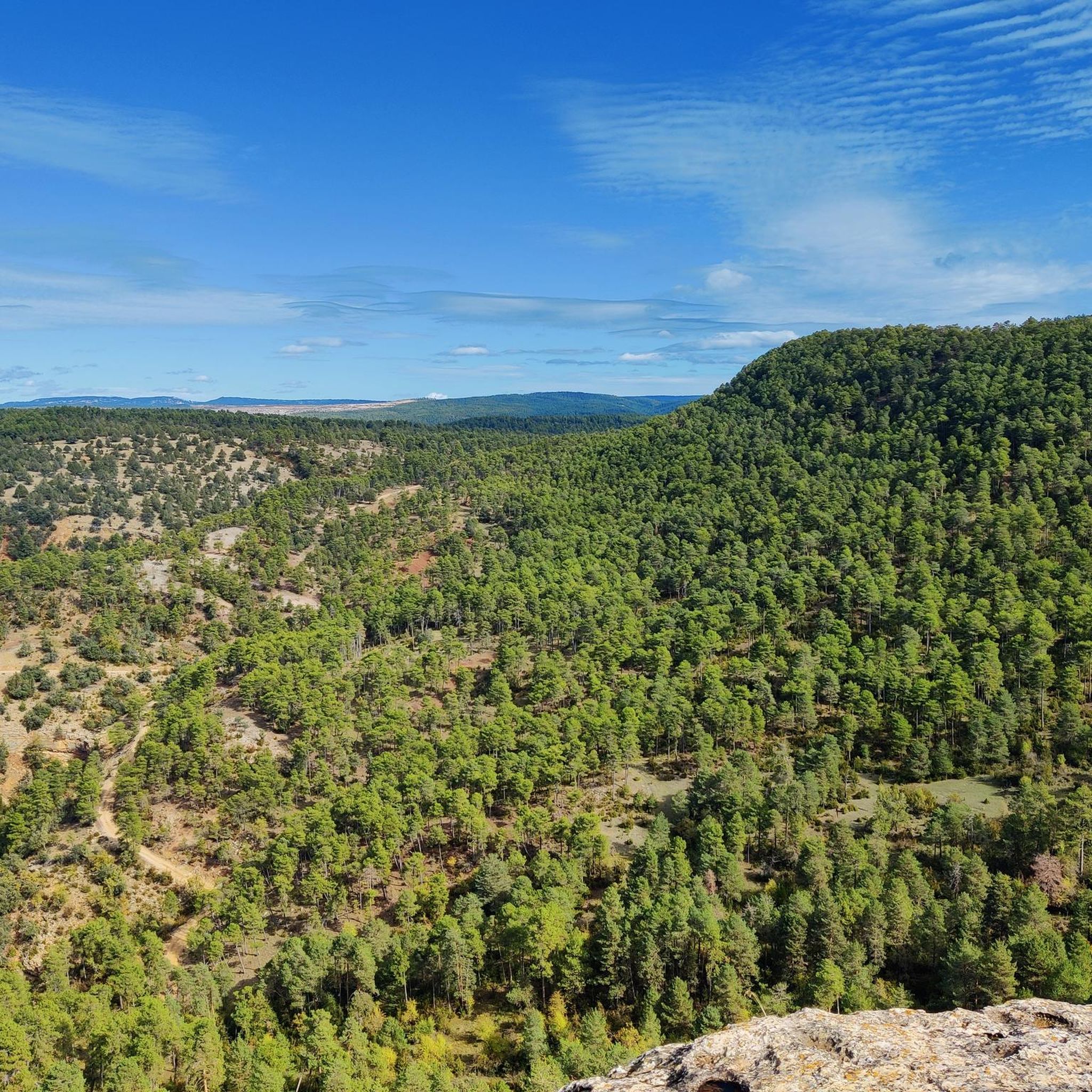
The trail goes down the side of the valley to a clearing where the cliffs that form El Estrecho del Río Trabaque appear. And right in front of it, the visor of a calcareous cliff that flies over the valley is striking, is El Picayo, the place that gives its name to the trail and an important crossing point on the trail route. The path seems to go down to a dead end, you have to pay attention to the marks on the trees and the route of the path to the bed of the Trabaque river. The fording of the river does not present any complications except in the season of heavy rains, when it is full of flow and it may be necessary to get your feet wet. The trail is old and little used but continues very clear from the edge of the ravine, the slope is steep and there is no other way out of the canyon. In a hole in the trees there is a post for PR-CU 25 below El Picayo.
0
1

Devil's Window. Villalba de la Sierra
2
0

It is an impressive cave-shaped viewpoint. Without a doubt, this place offers you spectacular views of the Júcar river canyon.
4
0

Near Villalba de la Sierra there is this viewpoint that allows you to observe the Río Júcar. The name, Ventano del Diablo, comes from the chasm you find when you reach the viewpoint and it is located a few meters from the road.
2
0
Frequently Asked Questions
What are the most notable canyon-like features to explore around Arcos De La Sierra?
The region around Arcos De La Sierra, within the Serranía de Cuenca Natural Park, offers several impressive natural formations. Key highlights include Ventano del Diablo, a stunning viewpoint over the Júcar River canyon; Callejones de Las Majadas, a unique labyrinth of karst formations; and The Trabaque River Gorge, known for its dramatic cliffs and river sections.
Are there family-friendly canyon experiences or viewpoints in the area?
Yes, Ventano del Diablo is considered family-friendly. It's an easily accessible natural balcony offering spectacular panoramic views of the Júcar River canyon, where you can observe griffon vultures. The unique rock formations at Callejones de Las Majadas also provide an engaging and accessible exploration for families.
What kind of natural features can I expect to see in the canyons around Arcos De La Sierra?
You'll encounter diverse natural features, including deep river gorges carved by the Júcar and Trabaque rivers, towering limestone cliffs, and unique karst formations. Sites like Callejones de Las Majadas showcase natural arches, monoliths, and narrow passages sculpted by erosion, while Ventano del Diablo features a natural hole in the rock and offers views of lush river ecosystems.
What outdoor activities can I do near these canyons?
Beyond exploring the canyons themselves, the region offers a variety of outdoor activities. You can find numerous hiking trails, including routes like the 'Tour of Los Callejones de Las Majadas' and the 'Picayo Trail'. For cycling enthusiasts, there are road cycling routes such as the 'San Antón Bridge – Júcar Gorge loop' and mountain biking trails like the 'Cerro Piedrahíta Loop via Los Callejones and Júcar Canyon'. You can find more details on these activities in the hiking, road cycling, and MTB guides for Arcos De La Sierra.
Are there specific hiking trails that lead through or offer views of the canyons?
Yes, several trails provide excellent canyon views and experiences. The trail through The Trabaque River Gorge follows the valley side, offering views of the river and surrounding cliffs. Additionally, the Santa María Ravine Trail is a cool and entertaining path that connects ravines. For a unique geological walk, explore the labyrinthine passages of Callejones de Las Majadas.
What is the best time of year to visit the canyons around Arcos De La Sierra?
The Serranía de Cuenca Natural Park, where these canyons are located, is generally pleasant during spring and autumn when temperatures are milder, making it ideal for hiking and outdoor exploration. Summer can be warm, but the canyons offer shade and opportunities for water-based activities like canyoning in the Júcar canyon. Winter can be cold, but offers a different, serene landscape.
Is canyoning an option in this region?
Yes, the Júcar canyon, particularly around Ventano del Diablo, offers canyoning experiences. These can include descending through natural slides, jumps into pools, and navigating waterfalls, providing an adventurous way to explore the river's course.
What are the geological origins of the canyon formations in Arcos De La Sierra?
The canyons and unique rock formations in this region are primarily the result of millions of years of erosion. The Júcar and Trabaque rivers have carved deep gorges into the limestone bedrock. Locations like Callejones de Las Majadas are prime examples of karst formations, where wind, water, and ice have sculpted Cretaceous dolomites into intricate labyrinths, arches, and monoliths.
Are there any viewpoints that offer panoramic vistas of the canyons?
Absolutely. Ventano del Diablo is a renowned natural balcony offering spectacular panoramic views of the Júcar River canyon. From here, you can witness the river winding through lush vegetation and towering rock walls. The nearby Tío Cogote Viewpoint also provides impressive views of the Júcar river canyon.
What wildlife might I encounter in the canyon areas?
The canyons and surrounding natural park are home to diverse wildlife. You can often spot elegant griffon vultures soaring above the cliffs, particularly around Ventano del Diablo. The varied ecosystems along the Trabaque River and within the karst landscapes also support a rich array of flora and fauna.
Are there any permits required for hiking or canyoning in the Serranía de Cuenca Natural Park?
While general hiking on marked trails typically does not require permits, specific activities like canyoning or accessing certain sensitive areas might. It's always advisable to check with local tourism offices or park authorities for the most current regulations, especially if planning specialized activities or venturing off established paths.
Where can I find accommodation or places to eat near the canyons?
Arcos De La Sierra and nearby towns like Villalba de la Sierra offer various accommodation options, from rural guesthouses to hotels. You'll also find local cafes, pubs, and restaurants in these villages where you can enjoy traditional cuisine after a day of exploring the canyons.
Most popular routes around Arcos De La Sierra
Most popular attractions around Arcos De La Sierra

Get inspired with the komoot mobile app


Explore more
Already discovered everything in this region? See additional gorges around Arcos De La Sierra for your next adventure:
