Top 8 Castles around Vilanova D'Escornalbou
Best castles around Vilanova D'Escornalbou offer a blend of historical significance and panoramic views. The region is characterized by its elevated positions, such as the hill at 650 meters where Castell d'Escornalbou stands, providing extensive vistas of the Camp de Tarragona and the Mediterranean Sea. These sites showcase a rich history, from Roman origins and medieval fortifications to early 20th-century restorations. The natural landscape, including red cliffs and pine forests, complements the historical landmarks, making the area suitable for exploration.
…Last updated: July 3, 2026
La Mola Castle, Colldejou
Highlight • Castle
Translated by Google •
Tip by

Sant Miquel d'Escornalbou Castle and Monastery
Highlight • Castle
Translated by Google •
Tip by

Sign up now to discover places like this
Get recommendations on the best single tracks, peaks, & plenty of other exciting outdoor places.
Sign up for free
Castell dels Teixells
Highlight • Castle
Translated by Google •
Tip by
Escornalbou Castle-Monastery
Highlight (Segment) • Castle
Translated by Google •
Tip by

Falset
Highlight • Settlement
Translated by Google •
Tip by

Sign up for free to discover even more castles around Vilanova D'Escornalbou.
Sign up for free
Already have an account?
Start today with a free account
Your next adventure awaits.
Login or Signup
Popular around Vilanova D'Escornalbou

Tips from the Community

Old Farmhouse. Ideal to replenish and rest.
0
1

Beautiful historic farmhouse, if you still have water in your bottle drink it here and enjoy life.
14
0

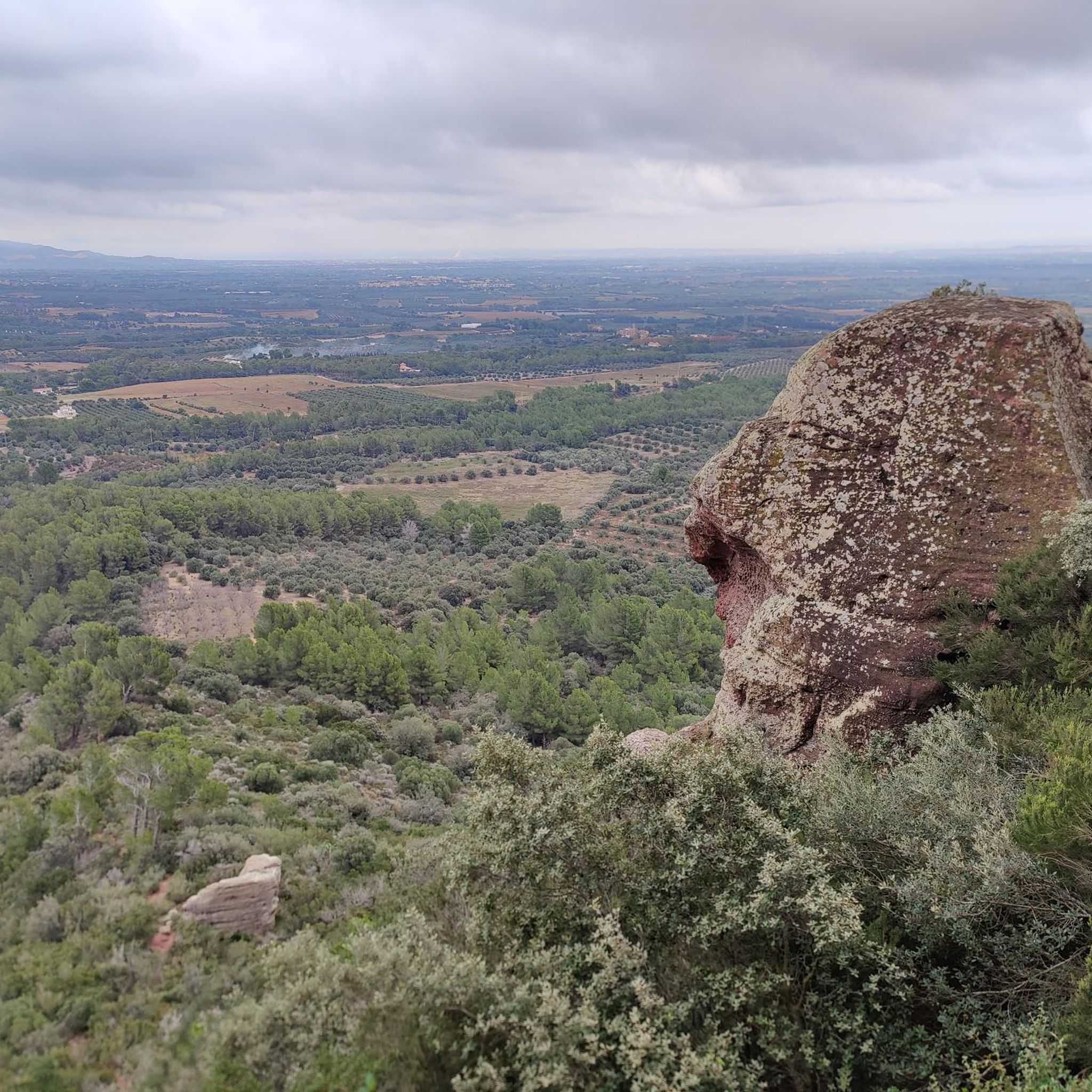
From up here you have a beautiful view.
0
0

Beautiful house typical of this area of Reus and characterized by having a tower that can be seen from the outskirts.
0
0

Stately mansion from the early 20th century, made up of the remains of two medieval buildings, the Escornalbou monastery, founded in 1153, and the castle, built on the remains of a Roman fortress. For six centuries this architectural complex formed the barony of Escornalbou, but after the confiscation of Mendizabal it was practically in ruins. In 1911 it was acquired by the philanthropist, diplomat and writer Eduard Toda, who restored it following very personal criteria: some structures were demolished and towers were erected in an "exotic" medieval style. Of the old monastery, only the Romanesque church remains, remains of the chapter house and the structure of the cloister, converted into a viewpoint of the Camp de Tarragona region.
3
1

The Mas dels Tegells, also called Mas de Sant Rafael, during the Middle Ages, was the nucleus of its own term. At the end of the 19th century, it was restored and given a neo-Gothic appearance both to its two side towers with battlements and battlements and to its outer wall.
3
0
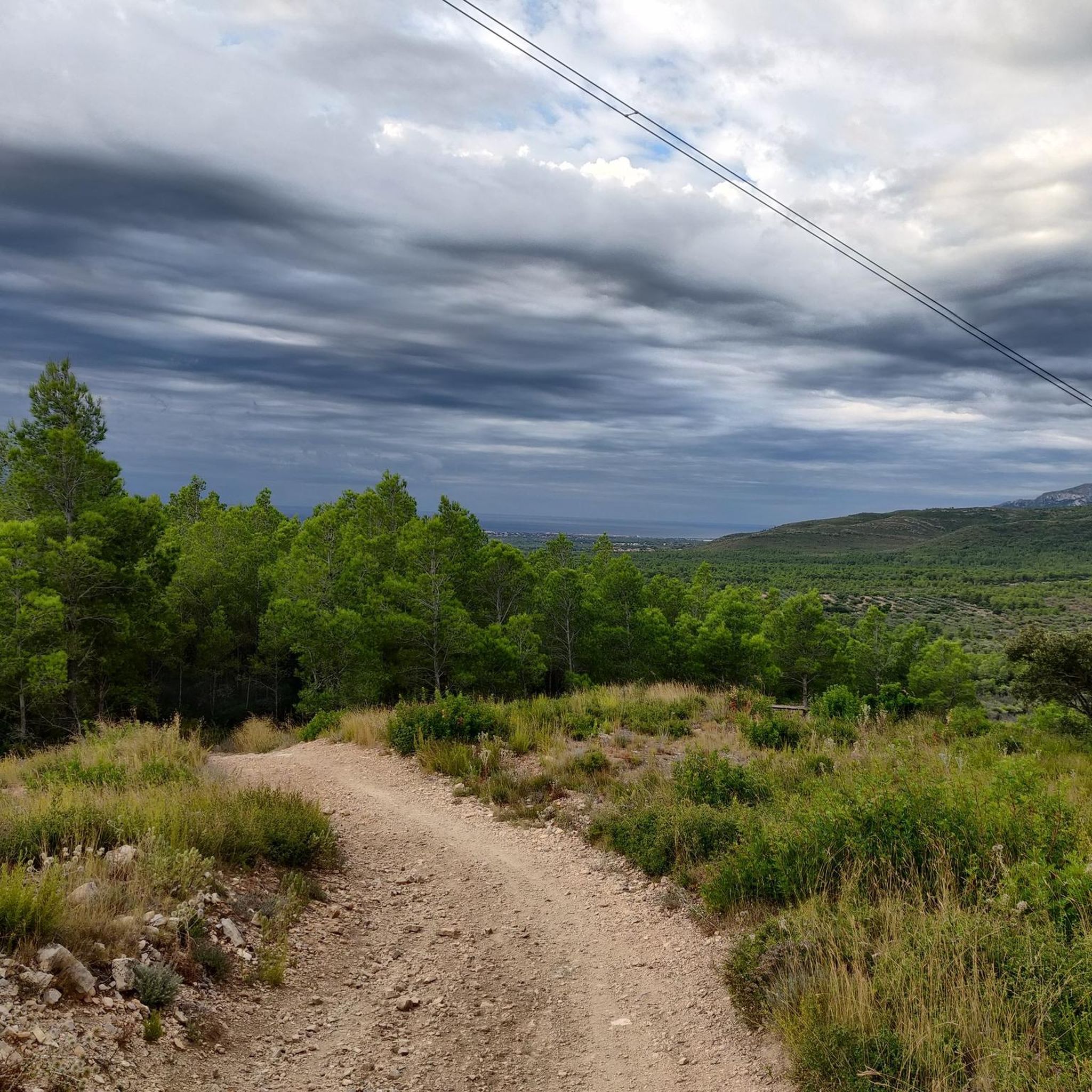
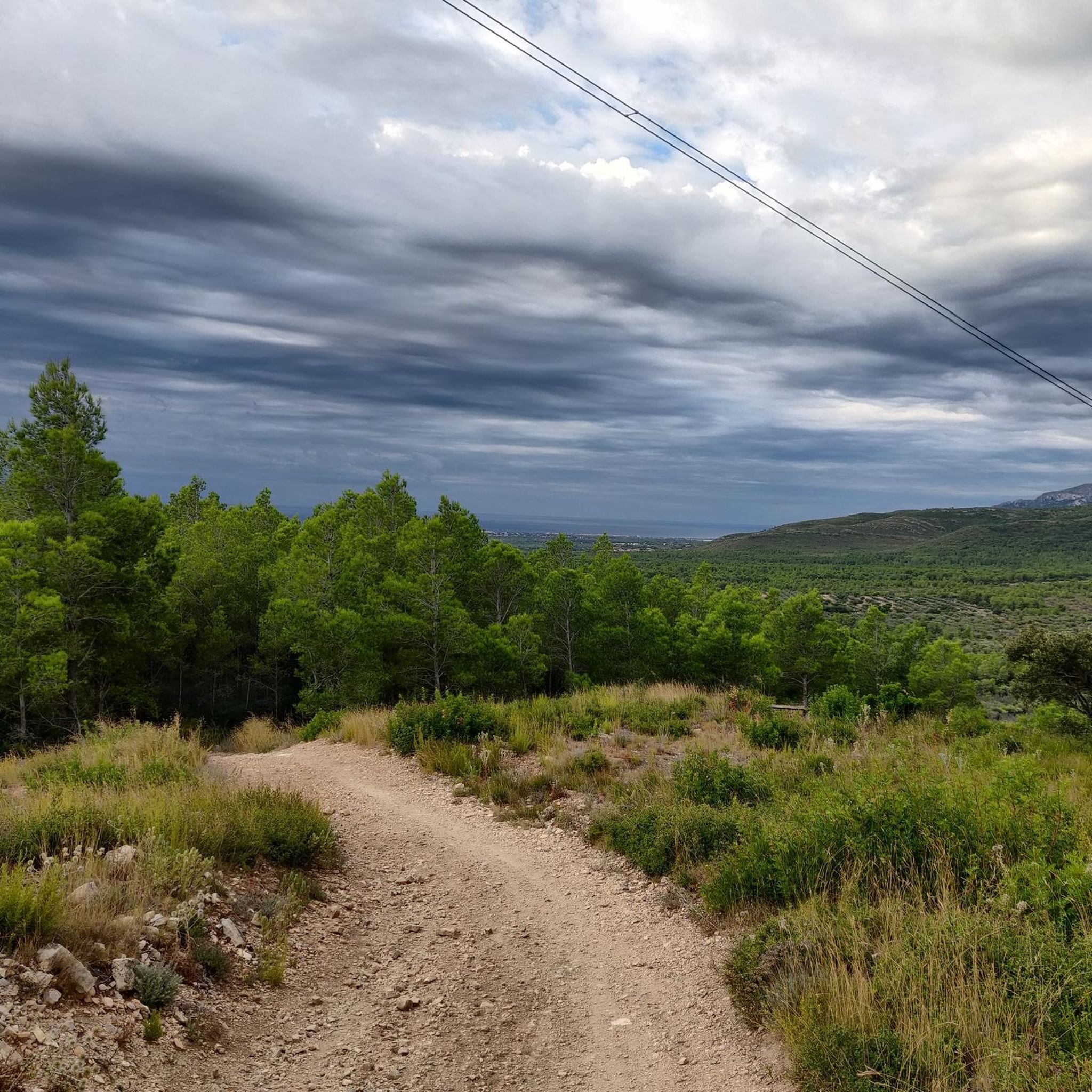
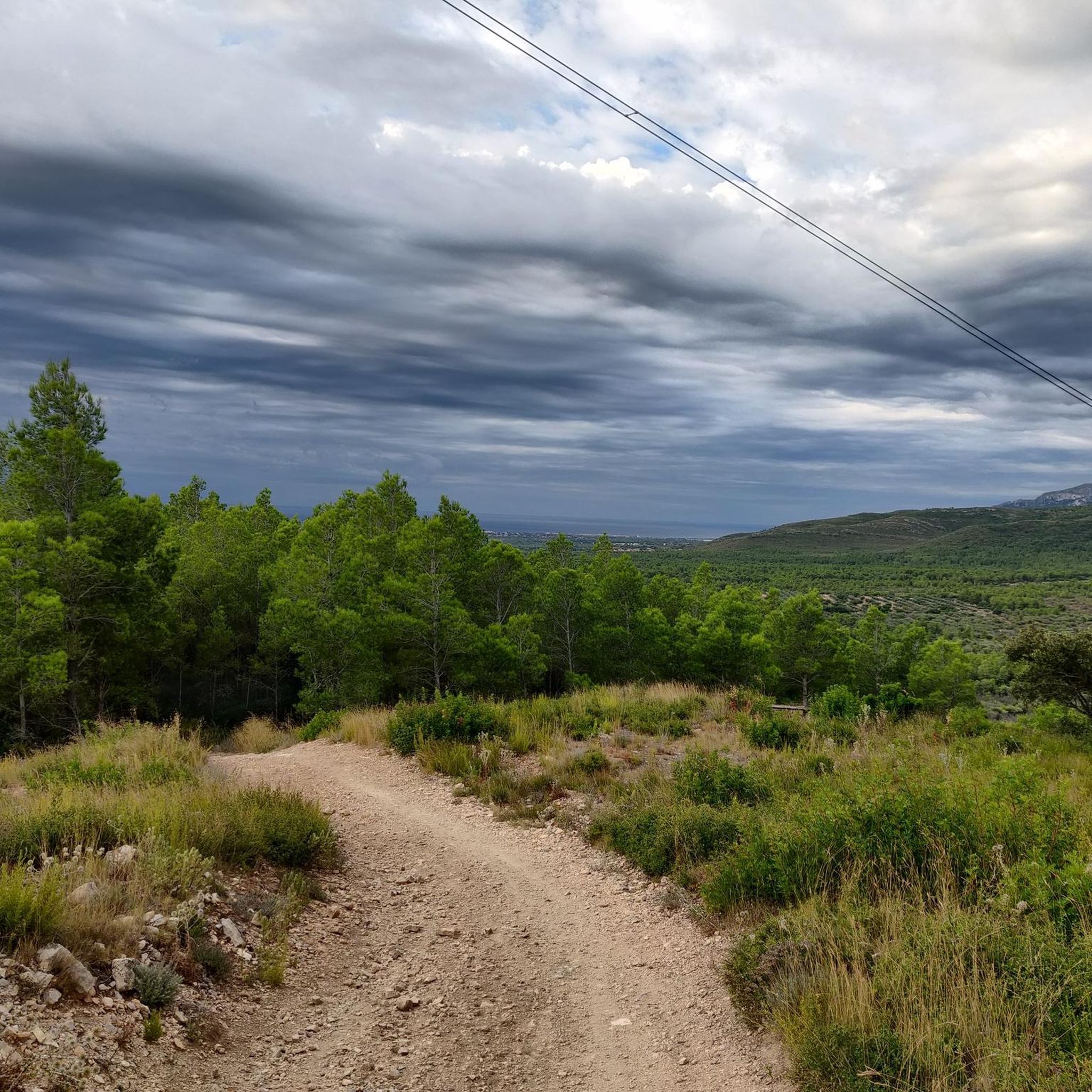
It's a very special place in the middle of a very classic MTB route...
3
0

Falset is the capital of Priorat. It is located in a valley surrounded by mountains and in the very center of the Siurana river basin. The town has a castle built in the 12th century. Two queens were born in it: Eleonor of Cyprus and Margarita de Prades. From 1825 and for more than a century it was used as a prison. Currently, it houses the Museum of Falset and the region.
0
0
Frequently Asked Questions
What is the historical significance of the castles around Vilanova d'Escornalbou?
The castles in this region boast a rich history spanning centuries. For example, Sant Miquel d'Escornalbou Castle and Monastery was built on the remains of a Roman fortress, later becoming a medieval monastery and castle. It was extensively restored in the early 20th century by Eduard Toda, blending original elements with new styles. Other sites like Falset also have medieval origins, with its castle dating back to the 12th century.
Which castles offer the best panoramic views of the region?
For breathtaking vistas, Sant Miquel d'Escornalbou Castle and Monastery is highly recommended. From its cloister and the nearby hermitage of Santa Bàrbara, you can enjoy spectacular panoramic views of the Camp de Tarragona and the Mediterranean Sea. La Mola Castle, Colldejou is also noted as a challenging viewpoint offering great scenery.
Are there hiking trails near the castles in Vilanova d'Escornalbou?
Yes, the area around Vilanova d'Escornalbou is excellent for combining castle visits with nature walks. The Sant Miquel d'Escornalbou Castle and Monastery is framed by red cliffs and pine forests, offering scenic walks, including a path to the Santa Bàrbara hermitage. For more detailed hiking options, you can explore various routes in the region, such as those found in the cycling guides around Vilanova D'Escornalbou, which often share paths with hikers.
What kind of natural landscapes can I expect to see around these castles?
The castles are nestled within a beautiful natural setting. You'll encounter red cliffs, dense pine forests, and elevated positions that provide extensive views over the Camp de Tarragona region and the Mediterranean coastline. The terrain can be varied, from gentle paths to more challenging climbs, especially around sites like La Mola Castle, Colldejou.
Are there family-friendly castles to visit in the area?
While many castles offer historical insight, Falset is categorized as family-friendly. Its castle, now housing the Museum of Falset and the region, provides an engaging historical experience. The general area also offers opportunities for gentle walks that families can enjoy.
What is the best time of year to visit the castles around Vilanova d'Escornalbou?
The region generally enjoys a Mediterranean climate. Spring and autumn are often ideal for visiting, offering pleasant temperatures for exploring the castles and undertaking outdoor activities like hiking. Summers can be warm, while winters are typically mild, though it's advisable to check local weather forecasts, especially if planning longer walks.
Is parking available at the castles?
Yes, parking is generally available at the more popular castle sites. For instance, Sant Miquel d'Escornalbou Castle and Monastery has parking facilities. It's always a good idea to arrive earlier during peak seasons to secure a spot, especially for popular destinations.
Can I reach the castles by public transport?
While some castles are accessible by road, public transport options directly to the castle entrances might be limited. It's often possible to reach nearby towns like Vilanova d'Escornalbou or Riudecanyes by public transport, and then proceed to the castles via a local taxi, a walk, or a pre-arranged tour. Checking local bus schedules is recommended.
What kind of architectural styles can I expect to see?
The castles showcase a blend of architectural styles reflecting their long history. You'll find remnants of Roman foundations, medieval fortifications, and Romanesque elements, such as the church of Sant Miquel at Sant Miquel d'Escornalbou Castle and Monastery. The restoration work by Eduard Toda also introduced eclectic styles, creating a unique blend of original and early 20th-century design.
What do visitors enjoy most about the castles in this region?
Visitors frequently highlight the stunning panoramic views, especially from elevated sites like Sant Miquel d'Escornalbou Castle and Monastery. The rich historical layers, from Roman origins to medieval monastic life and early 20th-century restoration, also captivate many. The opportunity to combine cultural exploration with nature walks through pine forests and along red cliffs is also a major draw.
Are there any lesser-known or 'hidden gem' castles worth visiting?
While Sant Miquel d'Escornalbou Castle and Monastery is well-known, Castell dels Teixells, also known as the farmhouse of Sant Rafael, offers a glimpse into a well-preserved historical site that was once an old farmhouse on the Camino de los Tegells. It provides a different perspective on the region's historical architecture beyond traditional castles.
What outdoor activities, besides hiking, can I do near these castles?
The region around Vilanova d'Escornalbou is popular for various outdoor activities. Cycling is a great option, with numerous routes available for different skill levels. You can find detailed guides for cycling, road cycling, and gravel biking, many of which pass by or offer views of the castles and the surrounding natural beauty.
Most popular routes around Vilanova D'Escornalbou
Most popular attractions around Vilanova D'Escornalbou

Get inspired with the komoot mobile app


Explore more
Looking for the best castles somewhere else? Discover other guides around Vilanova D'Escornalbou:
