Top 13 Castles around Chóvar
Castles around Chóvar, situated within the Sierra de Espadán Natural Park, provide insight into the region's Muslim and Morisco history. The area features historical fortifications, including the Chóvar Castle and Tower, which functioned as a strategic watchtower. Exploring these sites offers an understanding of past defensive strategies and panoramic views of the natural landscape. This combination of historical context and natural beauty defines Chóvar as a destination for exploration.
Best castles around Chóvar
- The most popular castles is Castro Castle…
Last updated: May 6, 2026
Castro Castle
Highlight • Castle
Translated by Google •
Tip by

Jinquer
Highlight • Historical Site
**Ruins of the old …
Translated by Google •
Tip by

Sign up now to discover places like this
Get recommendations on the best single tracks, peaks, & plenty of other exciting outdoor places.
Sign up for free
Torres Torres Castle
Highlight • Castle
Translated by Google •
Tip by

Castle of La Vall d'Uixó
Highlight • Castle
Translated by Google •
Tip by
Benalí Castle
Highlight • Castle
Translated by Google •
Tip by

Sign up for free to discover even more castles around Chóvar.
Sign up for free
Already have an account?
Start today with a free account
Your next adventure awaits.
Login or Signup
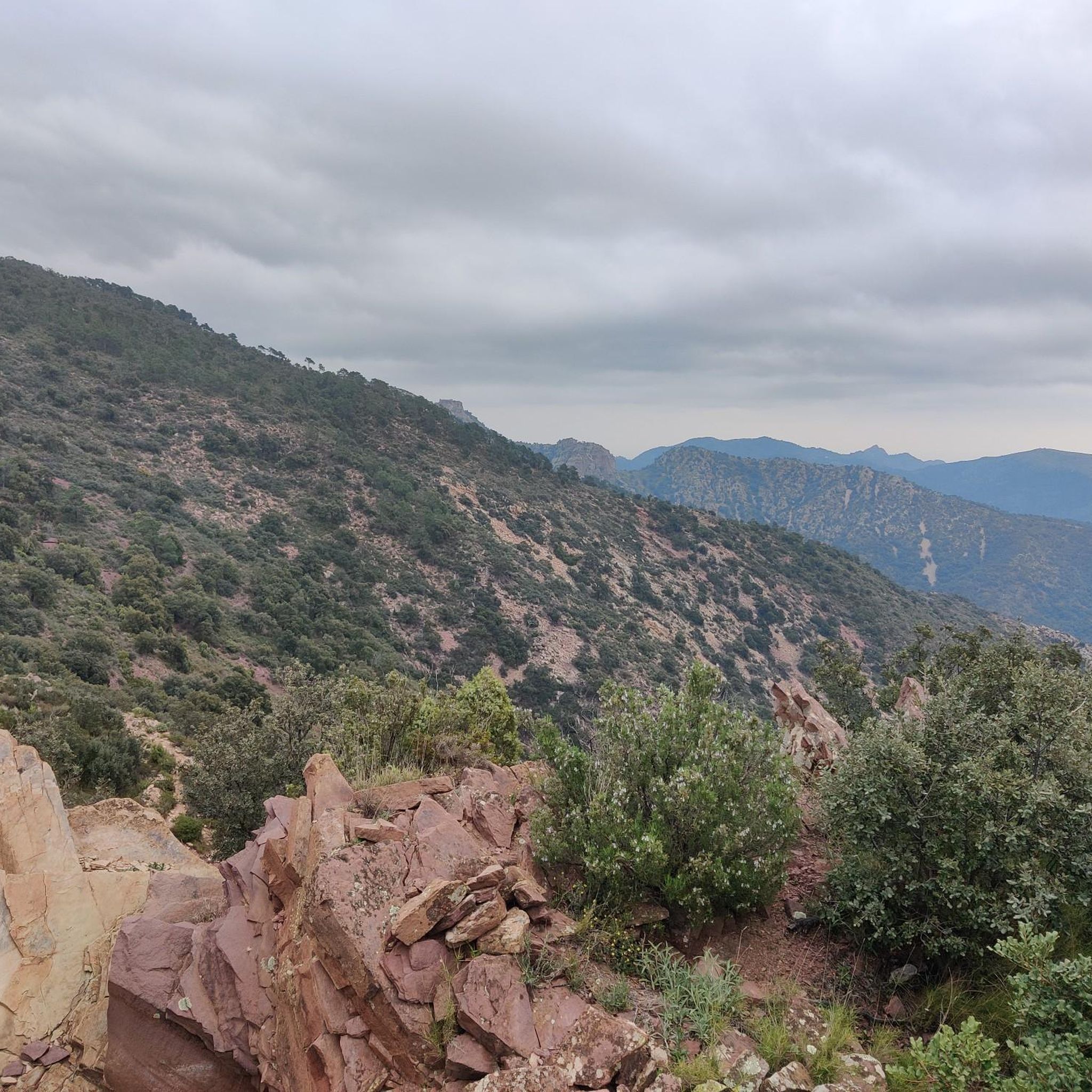
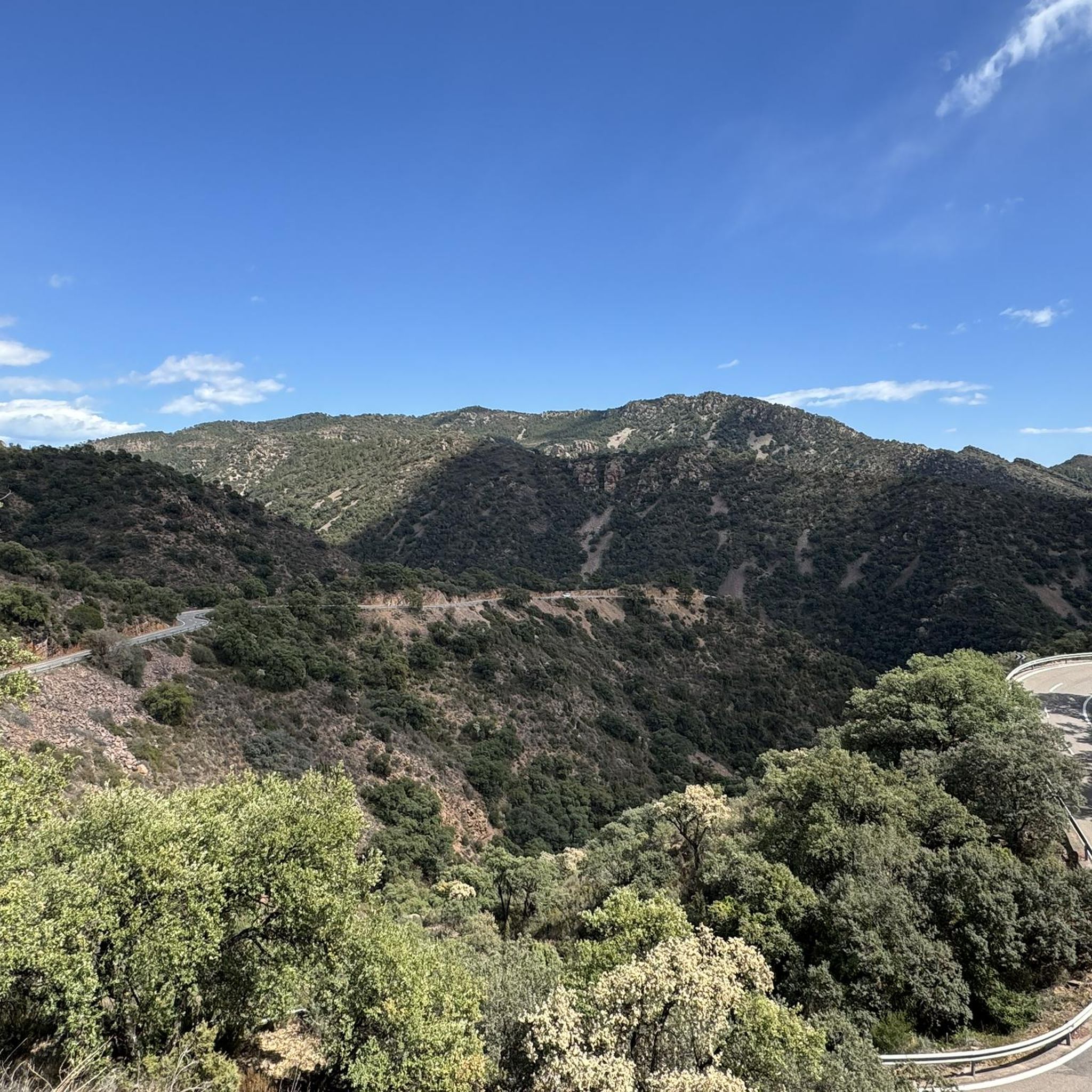
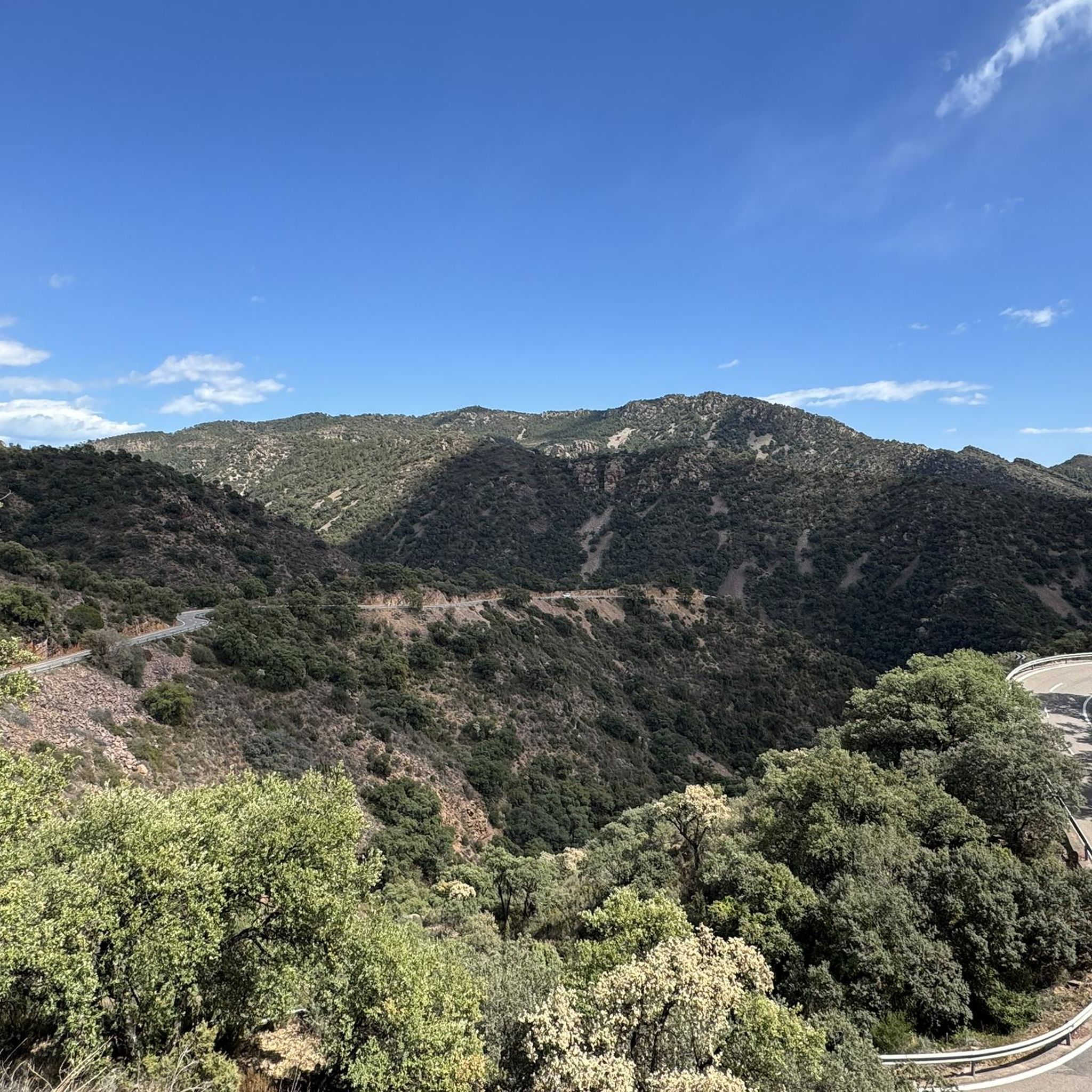
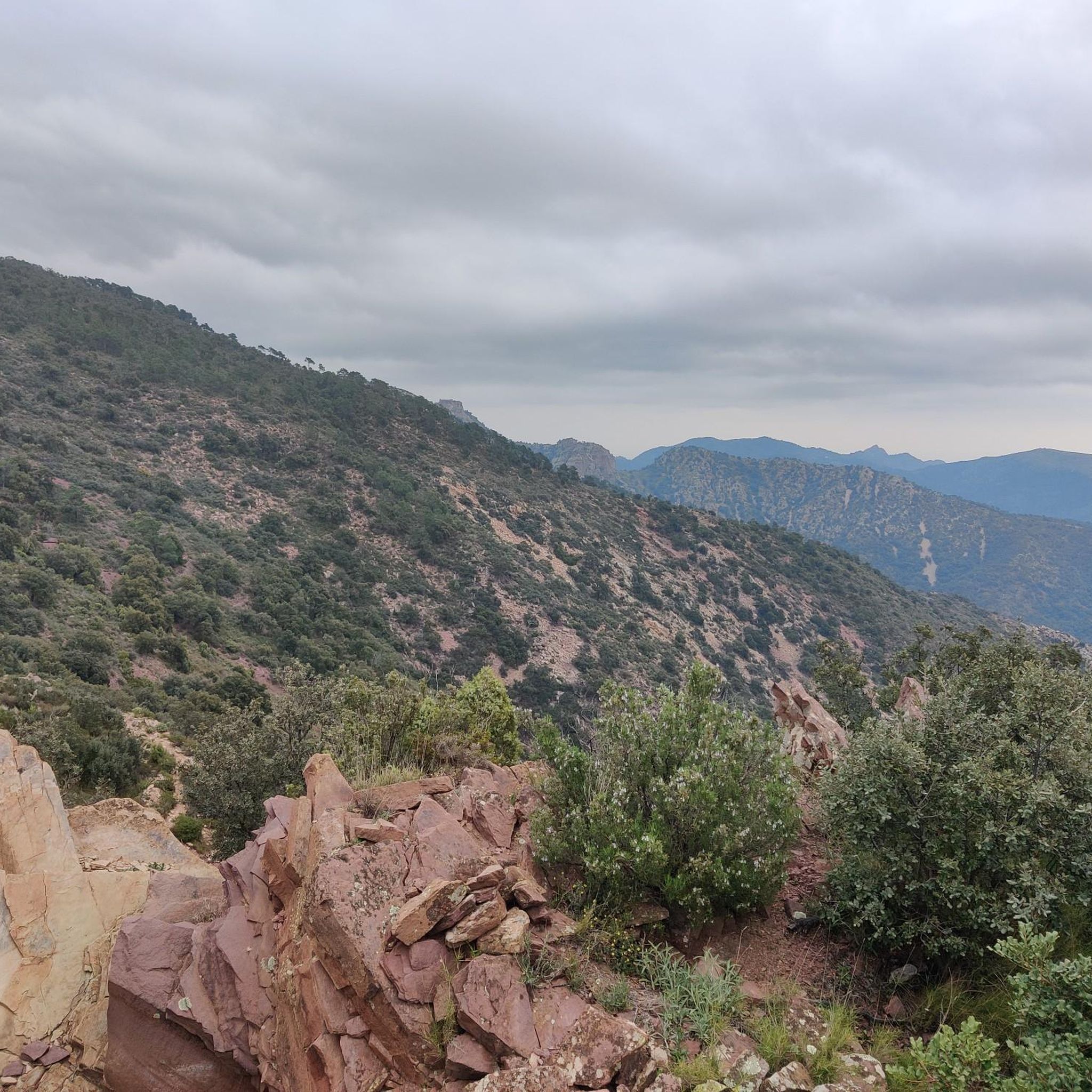

Tips from the Community

Nice village of passage, between Calderona and Espadán
1
0

After the Reconquista, many castles in the region were modified or rebuilt to adapt to Christian styles and needs.
7
0

The Castro Castle, an Arab fortress with an impressive watchtower at a height of about 780 m, was a fundamental bastion of the Moorish resistance at the time of their expulsion. It was taken by the Duke of Segorbe and General Cavanilles after the Castillo de Aín had also fallen. It was also used in the Carlist Wars. The castle covers an area of about 2,000 m2, where two parts can be distinguished: the "Albacar", a fortified refuge for the inhabitants of the towns dependent on the fortress; and on the other side, the castle itself, which presided surrounded by a large keep that was demolished in 1938 during the Civil War. The views are impressively beautiful.
9
0
Uixó Castle was built by the Arabs in the 10th century. Although it is in a ruined state, you can still clearly see the wall structure that defended it and gives it an imposing appearance. The fortress consisted of two well-differentiated enclosures, of which the first, the Albarca, the large space intended for the parade ground, can be distinguished. In the upper part, which would correspond to the citadel, the bases of some towers, remains of cisterns and remains of some buildings are preserved. https://castillosespanyoles.blogspot.com/2011/05/castillo-de-la-vall-duixo-castellon.html
7
0
Ain Castle is of Arabic origin and was built in the 13th century. There they lived in peace and harmony, developed the cultivation of olive trees and plantations, introduced the irrigation system and exploited the natural resources.
6
0

Torres Torres is a very curious population between the Palancia river and the Calderona mountain range. It preserves some baths of Arab origin and a castle with its tower.
1
0

A small but impressive fortress. It is worth making the small detour from the through road to enjoy the view over the typical landscape!
1
0

This memorial complex has been created by the Alcudia de Veo City Council with the help of the Generalitat Valenciana (Department of Justice) and with the collaboration of various people and associations. The objective is to raise awareness about the devastating effects of war and the importance of conserving and disseminating heritage as a vehicle for transmitting our Historical Memory.
0
0
Frequently Asked Questions
What are the most notable castles to visit around Chóvar?
The region offers several historically significant castles. You can explore the ruins of Castro Castle, an Arab fortress known for its panoramic mountain views. Another significant site is Torres Torres Castle, which is of Muslim origin and features two towers, part of its original wall, and cisterns. The Castle of La Vall d'Uixó, built by Arabs in the 10th century, also provides a clear view of its ancient wall structure despite its ruined state.
Are there hiking trails that lead to or around these castles?
Yes, the area around Chóvar, particularly within the Sierra de Espadán Natural Park, offers various hiking opportunities. For example, you can find the moderate-difficulty "Castro Castle and Nevera de Castro Loop" trail. Many routes combine historical exploration with natural beauty. You can find more hiking options on the Hiking around Chóvar guide.
What kind of historical information can I find at the castles around Chóvar?
The castles in this region, including the Chóvar Castle and Tower, provide a tangible link to the area's Muslim and Morisco past. Many were originally constructed as watchtowers or fortresses by Muslims, playing a crucial role in defensive strategies. Sites like Castro Castle were significant bastions of Moorish resistance, while Jinquer offers insights into a former Arab hamlet and its connection to the Civil War.
What natural features and viewpoints can I expect to see near the castles?
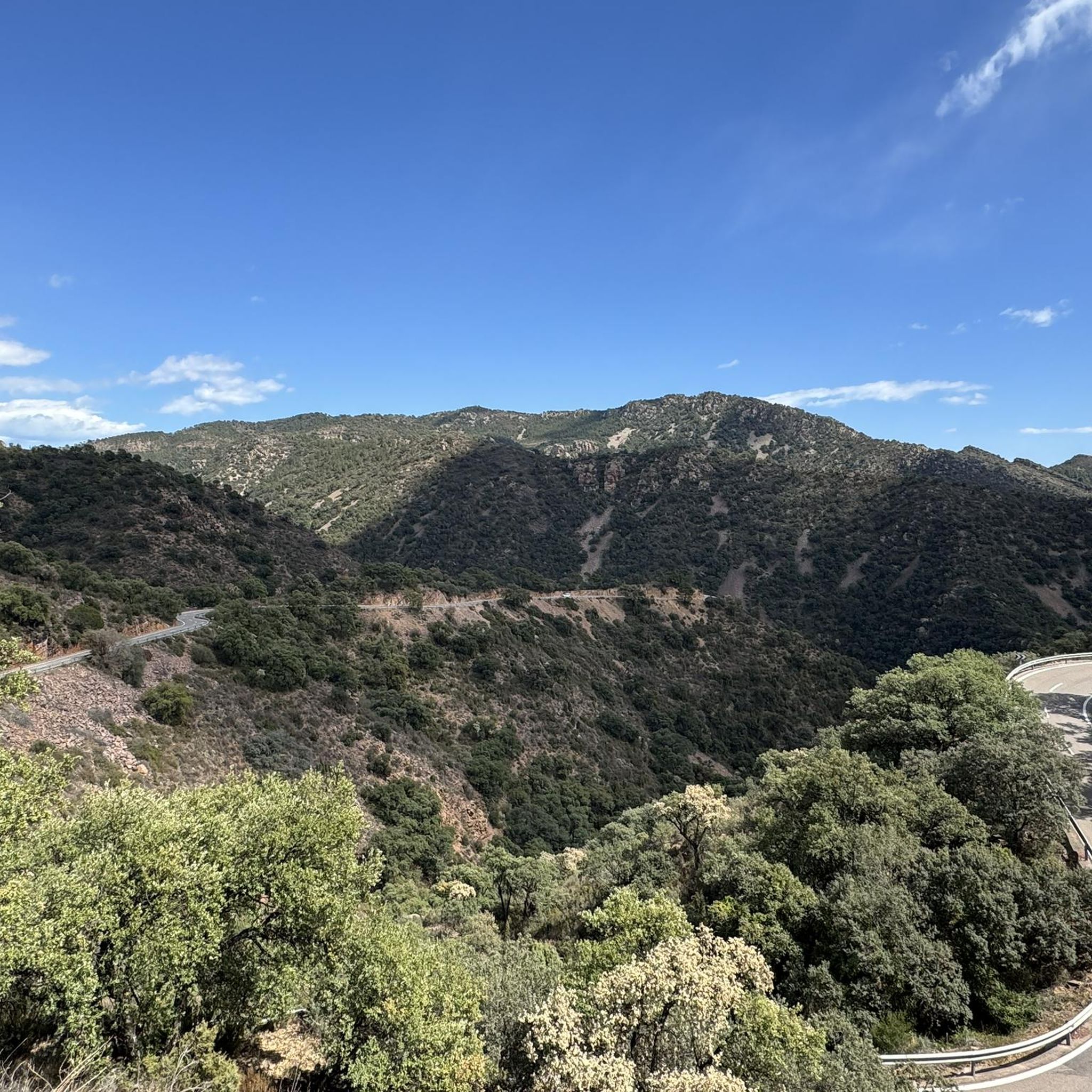
Given their strategic locations, many castles offer expansive views. The Chóvar Castle and Tower, for instance, provides panoramic views of the town and the surrounding Sierra de Espadán Natural Park. Castro Castle is particularly noted for its incredible panoramic mountain views. The natural setting within the Sierra de Espadán means you'll often be surrounded by pine, holm oak, and cork oak forests.
Are there family-friendly activities or trails near the castles?
While specific family-friendly designations for castle visits aren't always explicit, the combination of historical sites and natural trails can be enjoyable for families. Many of the hiking routes, such as the moderate trails around Chóvar, can be suitable for families who enjoy walking. Exploring the ruins and natural surroundings offers an engaging outdoor experience.
Can I bring my dog on walks around the castles?
The Sierra de Espadán Natural Park generally welcomes dogs on trails, provided they are kept under control. When visiting specific castle ruins, it's always best to check local signage for any restrictions. The outdoor nature of most castle sites and surrounding trails makes them suitable for dog walking.
What is the best time of year to visit the castles around Chóvar?
The region enjoys a Mediterranean climate. Spring and autumn generally offer the most pleasant weather for exploring, with milder temperatures ideal for hiking and outdoor activities. Summers can be hot, while winters are typically mild, though some higher elevation trails might experience cooler conditions.
Are there any cycling routes near the castles?
Yes, the area around Chóvar is popular for cycling. You can find various road cycling and touring bicycle routes that pass near or offer views of some castles. For example, there are routes like the "Serra d'Espadà Gravel Loop via Puntal de l'Aljub" for touring bicycles. More details can be found in the Road Cycling Routes around Chóvar and Cycling around Chóvar guides.
What do visitors enjoy most about the castles in this region?
Visitors frequently appreciate the combination of historical significance and the stunning natural landscapes. The panoramic views from sites like Castro Castle are a major draw. The opportunity to delve into the region's Muslim and Morisco past while enjoying outdoor activities within the Sierra de Espadán Natural Park is also highly valued.
Is the Chóvar Castle and Tower freely accessible?
Yes, the ruins of the Chóvar Castle and Tower are freely accessible. They can be reached via a road about 200 meters from the town, offering an easy way to experience its historical significance and commanding views.
Are there other historical sites besides castles in the vicinity?
Yes, beyond the castles, the region holds other historical points of interest. Near Torres Torres Castle, for example, you can visit Arab baths from the 14th century. The ruins of Jinquer also represent an old Arab hamlet with a history tied to the Civil War, offering a glimpse into the area's past settlements.
How long should I plan for a visit to a castle ruin?
The duration of a visit can vary depending on the site and your interest. For largely ruined sites like the Chóvar Castle and Tower, a visit might take an hour or two to explore the remains and enjoy the views. If combined with a hike to a more remote castle like Castro Castle, you should plan for a half-day or full-day excursion, including the hiking time.
Most popular attractions around Chóvar

Get inspired with the komoot mobile app


Explore more
Looking for the best castles somewhere else? Discover other guides around Chóvar:
