Top 3 Castles around Vélez-Rubio
Best castles around Vélez-Rubio reveal the region's rich historical heritage as a strategically important frontier. The area features significant remnants of defensive structures, offering insight into its past. While Vélez-Rubio itself has archaeological sites like El Castillon, the broader Los Vélez region boasts impressive fortifications. These historical sites are set within a landscape that reflects centuries of cultural and military significance.
Best castles around Vélez-Rubio
- The most popular castles is View of Vélez-Blanco and its castle, a viewpoint that…
Last updated: May 22, 2026
Vélez-Blanco Castle
Highlight • Castle
Translated by Google •
Tip by

View of Vélez-Blanco and its castle
Highlight • Viewpoint
Translated by Google •
Tip by
Sign up now to discover places like this
Get recommendations on the best single tracks, peaks, & plenty of other exciting outdoor places.
Sign up for free
Nogalte Castle
Highlight • Castle
Translated by Google •
Tip by

Castillo de Xiquena
Highlight • Castle
Translated by Google •
Tip by

Castillo de Vélez-Blanco
Highlight • Castle
Translated by Google •
Tip by

Start today with a free account
Your next adventure awaits.
Login or Signup

Other adventures around Vélez-Rubio

Tips from the Community

Vélez-Blanco Castle, located in the municipality of the same name in the province of Almería (Andalusia), is a jewel of the Spanish Renaissance that combines military and palatial elements. Construction began in 1506 by Pedro Fajardo y Chacón, the first Marquis of Vélez, on the remains of an ancient Islamic citadel.
8
0
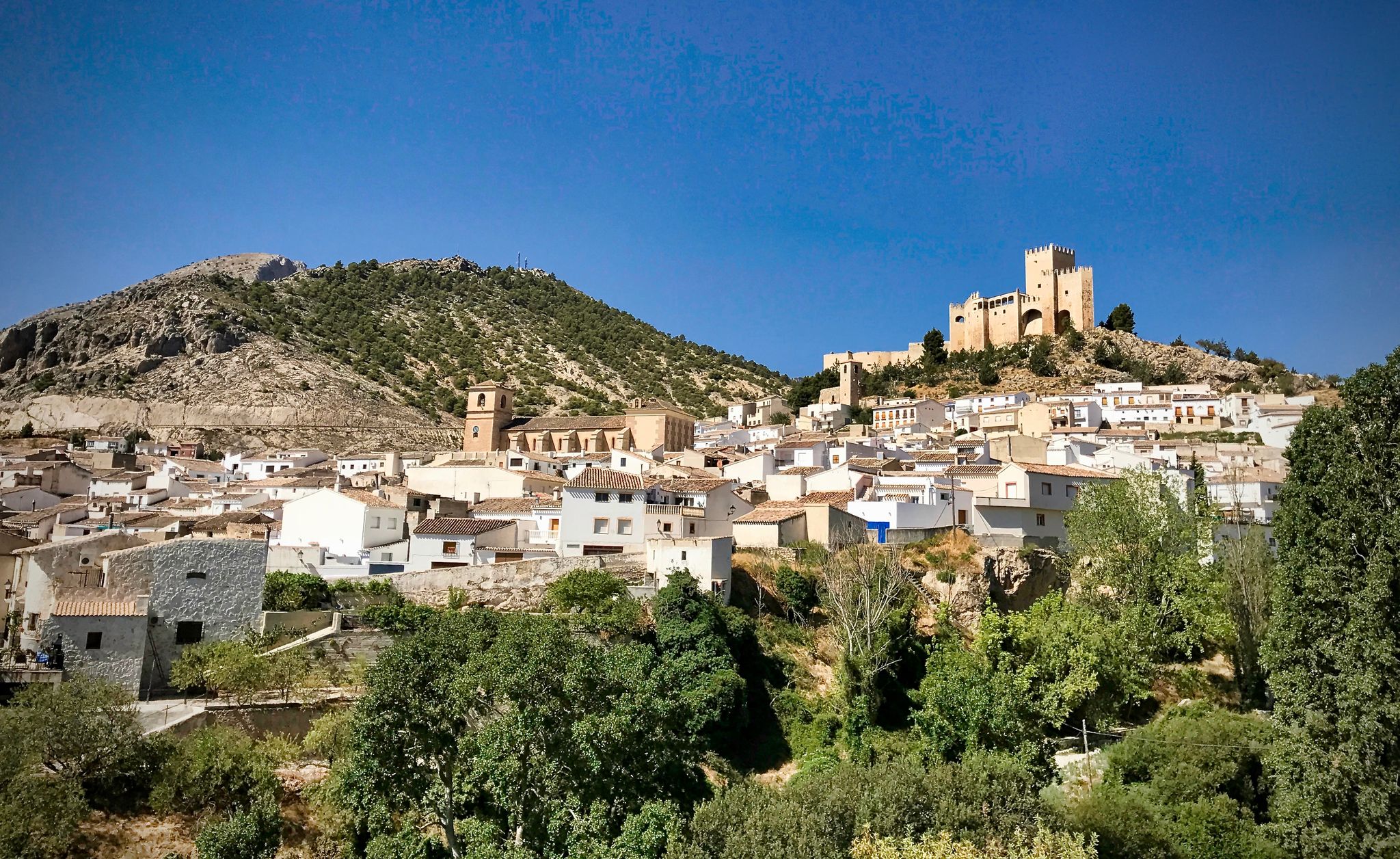
From Cantarerías Street in Vélez-Blanco, you can enjoy spectacular views of the Vélez-Blanco Castle. This street offers a unique perspective of the castle, allowing you to appreciate its imposing structure and strategic location on top of the hill. Built in the 16th century, Vélez-Blanco Castle is one of the most outstanding monuments in the region. Its Renaissance architecture and fascinating history make it a must-see for visitors.
2
0

Since the castle is closed on Mondays and Tuesdays, we were unfortunately unable to visit it
1
1
Built between 1506 and 1515 by order of Pedro Fajardo y Chacón, first Marquis of Vélez, Vélez-Blanco Castle is a fascinating destination for lovers of history and architecture.
9
0

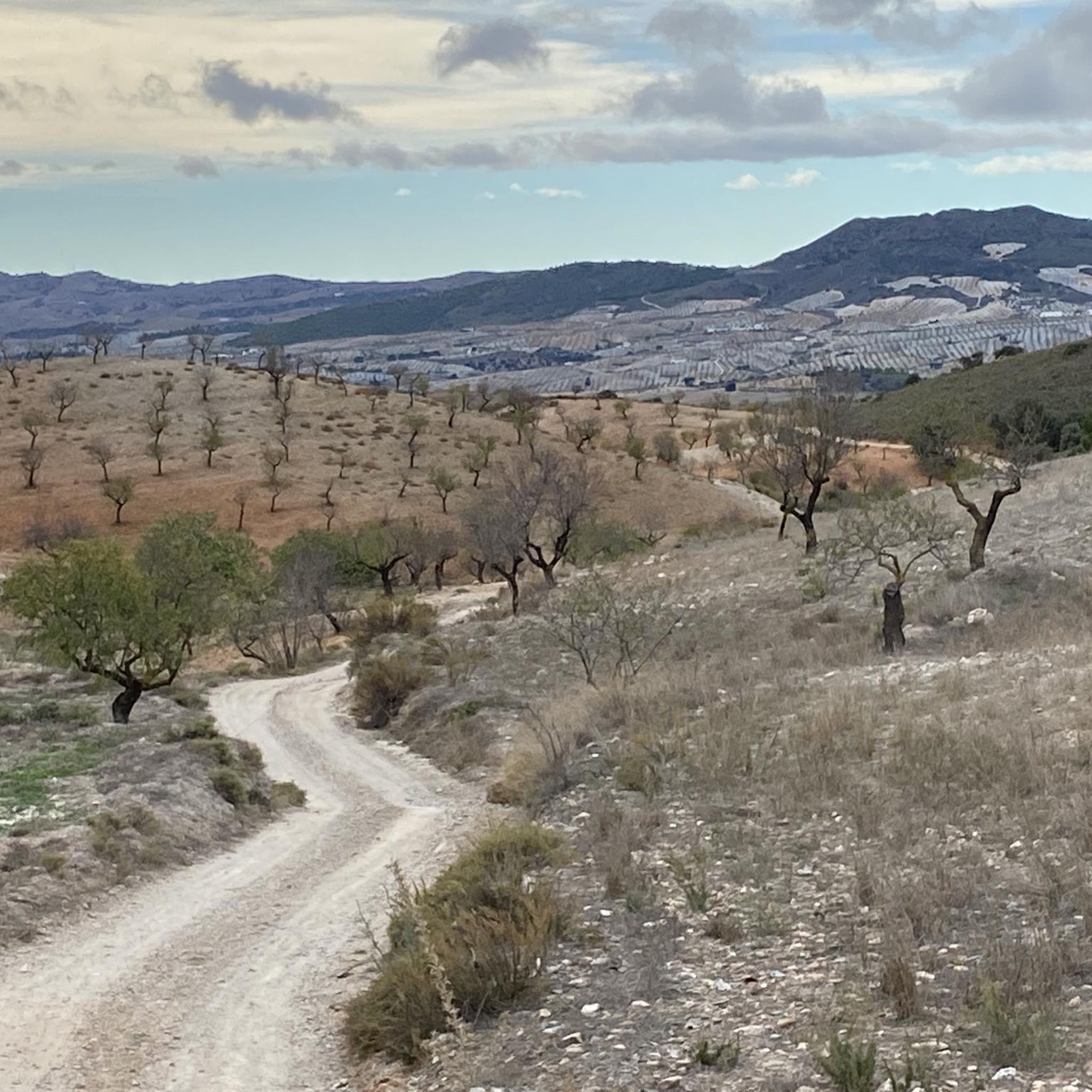
It is a castle which is unfortunately under construction but it is very cool. Also the surroundings of the castle are ideal for hiking and even for running.
2
0

The ruined castle, built on a small hill near the Corneros River, has an irregular plan and from the castle you can see the castles of Tirieza, Puentes, Vélez Rubio and Vélez Blanco.
0
0

Vélez-Blanco is a charming town in the province of Almería, located in the foothills of the Sierra de María-Los Vélez, at an altitude of 1,070 meters. It is characterized by its impressive Renaissance castle and the Church of La Encarnación.
2
1
The castle of Vélez-Blanco is an impressive fortress built in the 16th century. The castle combines elements of Gothic and Renaissance architecture, and has towers and walls that have been carefully restored. Currently, the castle houses the Vélez-Blanco Museum of Contemporary Art, which exhibits works by local and international artists. From its location on top of the hill, you can also enjoy stunning views.
2
1
Frequently Asked Questions
What historical significance do the castles around Vélez-Rubio hold?
The castles and fortifications in the Vélez-Rubio area are deeply rooted in the region's history as a strategic frontier between Christian and Moorish kingdoms. Sites like Vélez-Blanco Castle represent the Spanish Renaissance, built on older Islamic foundations. Remnants like El Castillon and Torre del Charche were crucial Nasrid border surveillance points, offering a glimpse into the area's defensive past.
Which castles offer the best views of the surrounding landscape?
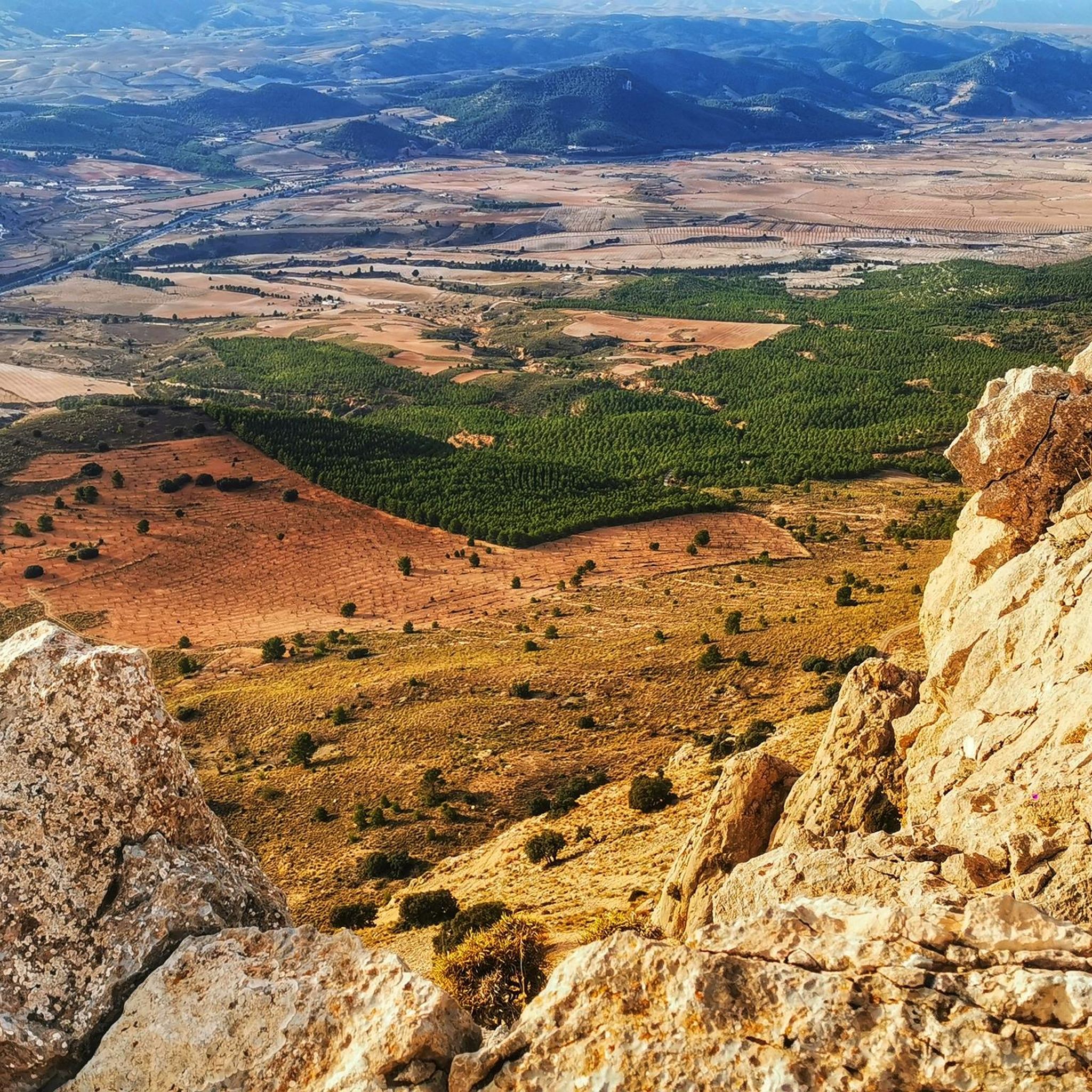
Many of the castles and their remnants are strategically located on hills, providing excellent panoramic views. The View of Vélez-Blanco and its castle highlight specifically points out a spot for spectacular views of the castle and town. Torre del Charche, a medieval watchtower, also offers sweeping vistas of the surrounding terrain.
Can I combine a castle visit with outdoor activities like hiking or cycling?
Absolutely! The region around Vélez-Rubio is ideal for combining historical exploration with outdoor adventures. You can find numerous routes for hiking and cycling that pass by or offer views of these historical sites. For example, there's a 'Castle of Vélez Rubio loop' for hiking, and several cycling routes like 'Vélez-Blanco – Vélez-Rubio loop' that incorporate the area's landmarks.
Are there family-friendly castles or activities for children?
While the castles themselves are historical sites, the town of Vélez-Blanco, with its impressive castle, is considered family-friendly. Exploring the castle's exterior and the charming town can be an engaging experience for children. Additionally, Nogalte Castle is notable for its surrounding cave houses, which have been adapted as tourist spaces and can be a unique and interesting visit for families.
When is the best time of year to visit the castles around Vélez-Rubio?
The best time to visit the castles around Vélez-Rubio is generally during the spring (April to June) and autumn (September to November). During these months, the weather is milder and more pleasant for exploring historical sites and engaging in outdoor activities. Summers can be very hot, making extensive outdoor exploration less comfortable.
How much time should I allocate to visit the castles?
For a comprehensive visit to a major site like Vélez-Blanco Castle, you might want to allocate 2-3 hours to explore its architecture and learn about its history. For smaller sites or remnants like El Castillon or Torre del Charche, an hour or less might suffice, especially if combined with a hike. If you plan to visit multiple sites, consider dedicating a full day.
Are there any lesser-known historical sites or hidden gems to explore?
Beyond the prominent Vélez-Blanco Castle, the region offers several lesser-known but historically significant sites. El Castillon, the former fortress of Velad Al-Hamar, provides insight into the ancient origins of Vélez-Rubio. The medieval Islamic watchtowers like Torre del Charche are also fascinating remnants of the Nasrid border surveillance system, offering historical context and panoramic views.
Is parking available at the castles?
For Vélez-Blanco Castle, parking is generally available in the town of Vélez-Blanco, from where you can access the castle. For more remote sites or ruins like El Castillon or Torre del Charche, parking might be less formal, often involving roadside parking near trailheads. It's advisable to check local signage or information for specific parking options.
What kind of wildlife can I expect to see near the castles?
The castles are often situated in or near natural areas, particularly the Sierra de María-Los Vélez Natural Park. While visiting, you might encounter various bird species, including raptors, as well as small mammals. The rugged landscape also supports diverse flora, especially during spring, adding to the natural beauty surrounding these historical sites.
Are there places to eat or drink near the castles?
Yes, especially near the more prominent castles. The town of Vélez-Blanco, home to the magnificent Vélez-Blanco Castle, offers several cafes, restaurants, and bars where you can enjoy local cuisine. Vélez-Rubio also has dining options. For more remote sites, it's recommended to bring your own refreshments or plan your visit to coincide with a return to one of the towns.
Are the castles around Vélez-Rubio easily accessible?
Accessibility varies by site. Vélez-Blanco Castle is located in the town of Vélez-Blanco and is generally accessible, though it involves some uphill walking within the town. Other sites like El Castillon or Torre del Charche are remnants on hills and may require walking on uneven terrain or trails. Nogalte Castle is also accessible within Puerto Lumbreras.
Most popular routes around Vélez-Rubio
Most popular attractions around Vélez-Rubio

Get inspired with the komoot mobile app


Explore more
Looking for the best castles somewhere else? Discover other guides around Vélez-Rubio:
