Top 5 Castles around Carranque
Best castles around Carranque offer a journey through centuries of history in the Toledo province. While the area is renowned for the Ancient Roman ruins of the Carranque Archaeological Park, it also features significant medieval fortifications. These historical sites are often nestled within natural landscapes, including areas near the Guadarrama River. The region provides a blend of cultural significance and opportunities for exploration.
Best castles around Carranque
- The most popular castles is Torreón de Arroyomolinos, a castle that is…
Last updated: May 22, 2026
Torreón de Arroyomolinos
Highlight • Castle
Translated by Google •
Tip by

Casarrubios del Monte Historical Center
Highlight • Historical Site
Translated by Google •
Tip by

Sign up now to discover places like this
Get recommendations on the best single tracks, peaks, & plenty of other exciting outdoor places.
Sign up for free
Torrejón de Velasco Castle
Highlight • Castle
Translated by Google •
Tip by

Views of the Castillo de Batres
Highlight • Viewpoint
Translated by Google •
Tip by
Start today with a free account
Your next adventure awaits.
Login or Signup


Tips from the Community

The tower of Pan, or Arroyomolinos, is the only remaining bastion of an ancient castle. Its current state of conservation is very good and it is part of the medieval buildings that can be visited in the Community of Madrid.
0
0

Also called Torre del Pan (the only trace of the Castle of Pan), it is a fortification of interesting shape, typical of the late medieval period. It dates back to the 15th century and is located in the historic center, very close to the green areas of Arroyomolinos. It has information panels, so come and learn its history.
3
0
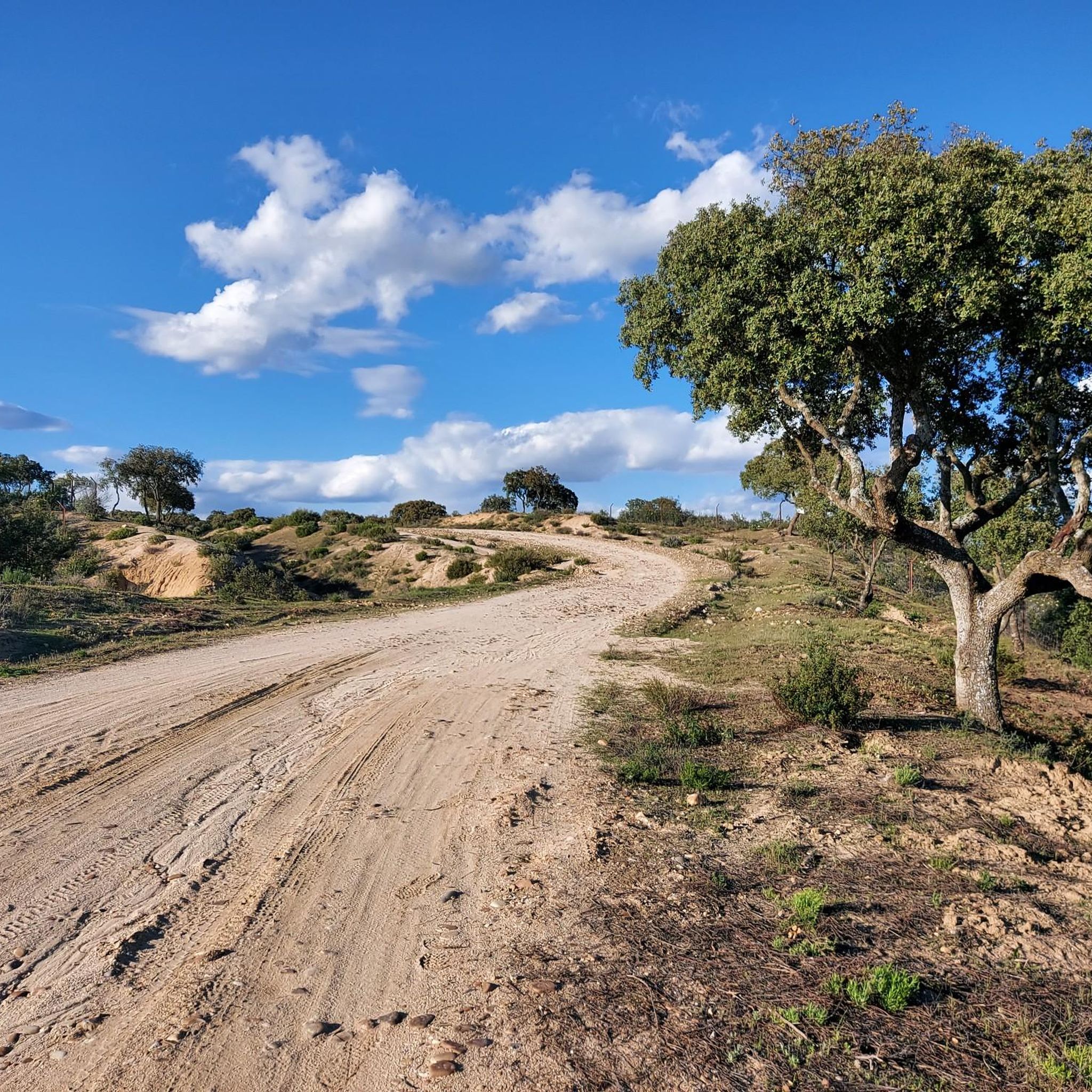
Batres Castle is located on the right bank of the Guadarrama River in a beautiful spot that combines the riverside grove of poplars and plane trees with the surrounding countryside. It was built between the 15th and 16th centuries and has historically been the palatial residence of the lords of Batres. Curiously, one of those gentlemen was the famous poet Garcilaso de la Vega. Today it is private property and houses the Batres gardening school. On its side runs a beautiful path ideal for hikers and cyclists.
0
0

Impressive castle built in the fifteenth century. It has a towered perimeter, where the homage tower stands out, at the base of which is the access to the interior of the castle. It was in a state of ruin until a two-phase restoration was carried out that ended in 2018.
0
0
Town of entrance to the region of La Sagra from Madrid with monuments that testify its historical importance over the centuries. Its 14th-century Mudejar-style castle is unique in its style in Toledo and the roll of justice whose presence meant that the mayor had jurisdiction to judge. The town is surrounded by extensive cereal fields and olive groves typical of the Toledo steppe.
1
0

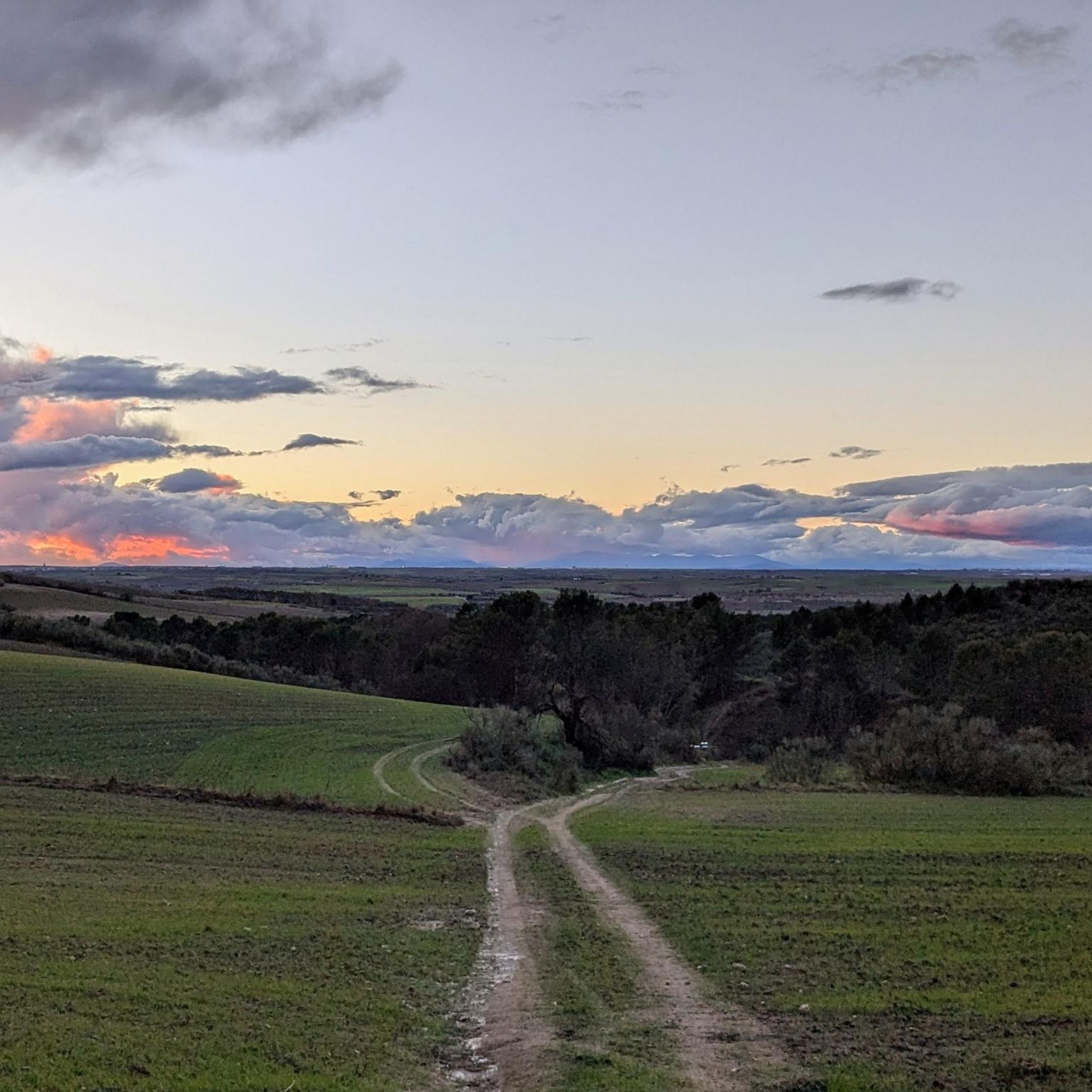
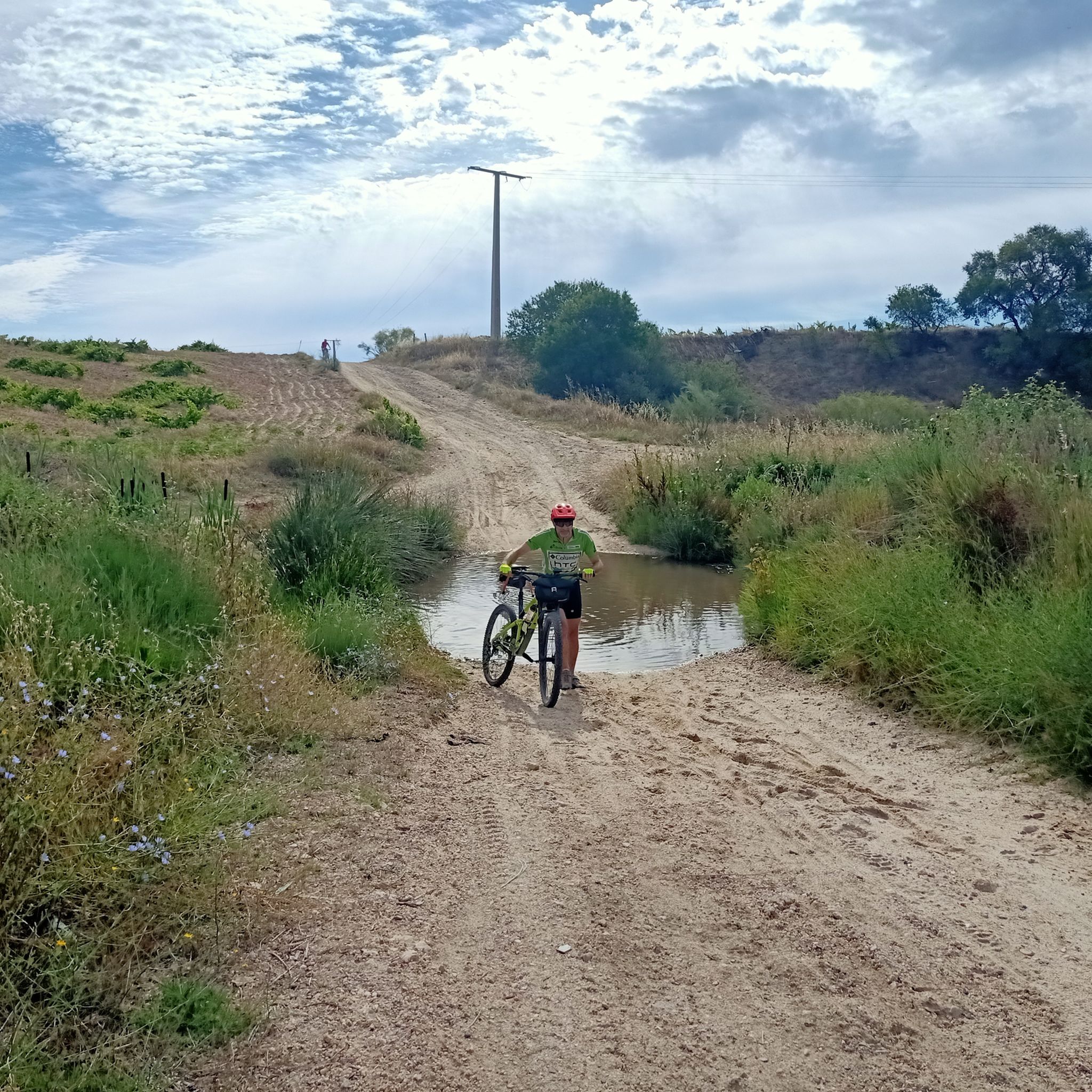
Fantastic as well as there are more paths to follow, with a very good stretch, not difficult and great to go with the children, as I always say.
0
2
Frequently Asked Questions
What kind of historical sites can I expect to find around Carranque?
Beyond medieval fortifications, the area is rich in history, notably featuring the Casarrubios del Monte Historical Center with its unique Mudejar-style castle. You'll also find the significant Carranque Archaeological Park, which preserves remarkable 4th-century AD Ancient Roman ruins, offering a glimpse into the late Roman era and its transition into the Middle Ages.
What is the significance of the Carranque Archaeological Park?
The Carranque Archaeological Park is home to the well-preserved Villa of Maternus, known for its extensive and beautifully preserved mosaic floors depicting mythological themes. It also features a monumental Basilica, later converted by Visigoths, and remnants of a Nymphaeum and Mausoleum. The site is crucial for understanding daily life and power structures of the late Roman Empire and its evolution through various historical periods.
Are there any castles with unique architectural styles in the area?
Yes, the Casarrubios del Monte Historical Center features a 14th-century Mudejar-style castle, which is unique in its style within the Toledo province. Additionally, the Torreón de Arroyomolinos is a 15th-century fortification with an interesting shape, typical of the late medieval period.
What are the most notable castles or castle remnants to visit near Carranque?
You can explore the well-preserved Torreón de Arroyomolinos, a 15th-century tower that is part of the medieval buildings in the Community of Madrid. The Casarrubios del Monte Historical Center offers a 14th-century Mudejar-style castle. For scenic views, visit the Views of the Castillo de Batres, which overlooks a 15th-16th century palatial residence.
Are there family-friendly activities or sites around Carranque's castles?
Many of the historical sites, including the Torreón de Arroyomolinos and the Casarrubios del Monte Historical Center, are suitable for family visits. The Carranque Archaeological Park also offers a visitor center with models and objects, and guided tours on Saturdays, which can be engaging for families to learn about Roman history.
What outdoor activities can I do near these castles?
The region around Carranque offers various outdoor activities, especially near the Guadarrama River. You can find numerous cycling routes, including moderate to difficult options like the 'Monte de Batres – Guadarrama River loop from Carranque'. For hiking, there are trails such as 'Monte de Batres from Serranillos del Valle' or easier options like 'Mortirolo Climb of Batres – Trails of Monte de Batres loop'. You can find more details on these routes in the Cycling around Carranque and Hiking around Carranque guides.
Are there hiking trails around the castles or historical sites?
Yes, for example, a beautiful path runs alongside the private Castillo de Batres, ideal for hikers and cyclists, combining riverside groves with countryside. The broader area also offers various hiking trails, including those near Monte de Batres, with options ranging from easy to moderate difficulty. Explore the Hiking around Carranque guide for specific routes.
What is the best time of year to visit the castles and archaeological park?
The region experiences warm summers and mild winters. Spring and autumn generally offer the most pleasant weather for exploring outdoor historical sites and trails. These seasons provide comfortable temperatures for walking and enjoying the natural landscapes around the castles and the Carranque Archaeological Park.
What natural features can I see near the castles?
Many castles are situated within scenic natural settings. The Castillo de Batres, for instance, is located on the right bank of the Guadarrama River, combining riverside groves of poplars and plane trees with the surrounding countryside. The area also features extensive cereal fields and olive groves, typical of the Toledo steppe, especially around Casarrubios del Monte.
Is the Carranque Archaeological Park accessible for visitors with mobility needs?
While specific accessibility details for all parts of the park are best confirmed directly with the site, the visitor center typically offers facilities to assist visitors. Given the nature of ancient ruins, some areas might have uneven terrain, but efforts are usually made to ensure key attractions are as accessible as possible. It's recommended to check their official visitor information for the most up-to-date details on accessibility.
Can I find parking facilities near the castles or the Carranque Archaeological Park?
Parking is generally available at major tourist attractions. The Carranque Archaeological Park includes a visitor center, which typically provides parking. For individual castles or historical centers like Torreón de Arroyomolinos or Casarrubios del Monte Historical Center, parking can usually be found in nearby town areas or designated spots.
What do visitors enjoy most about the historical sites around Carranque?
Visitors appreciate the journey through centuries of history, from the intricate Roman mosaics at Carranque Archaeological Park to the unique medieval architecture of castles like the one in Casarrubios del Monte. The well-preserved nature of sites like the Torreón de Arroyomolinos and the opportunity to combine historical exploration with walks along the Guadarrama River are also highly valued.
Most popular routes around Carranque
Most popular attractions around Carranque

Get inspired with the komoot mobile app


Explore more
Looking for the best castles somewhere else? Discover other guides around Carranque:
