Top 8 Caves around Valle De Sedano
Best caves around Valle De Sedano are found in a region characterized by its karstic landscapes and historical sites within the province of Burgos, Spain. The area features natural caves formed by water erosion, as well as sites with archaeological and historical importance. These subterranean formations offer insights into geological processes and past human activity. The Valle De Sedano provides a varied environment for exploring different types of caves.
Best caves around Valle De Sedano
- The most popular caves is…
Last updated: July 3, 2026
Turquoise Pools and Waterfalls of Orbaneja del Castillo
Highlight • Waterfall
Translated by Google •
Tip by

Pozo Azul de Covanera
Highlight • Natural Monument
Translated by Google •
Tip by

Sign up now to discover places like this
Get recommendations on the best single tracks, peaks, & plenty of other exciting outdoor places.
Sign up for free
La Cucarada Cave
Highlight • Cave
Translated by Google •
Tip by
Pozo Azul Trail
Highlight (Segment) • Natural Monument
Translated by Google •
Tip by
Huidobro Copper Mine: Los Altos Mine
Highlight • Structure
Translated by Google •
Tip by

Sign up for free to discover even more caves around Valle De Sedano.
Sign up for free
Already have an account?
Start today with a free account
Your next adventure awaits.
Login or Signup
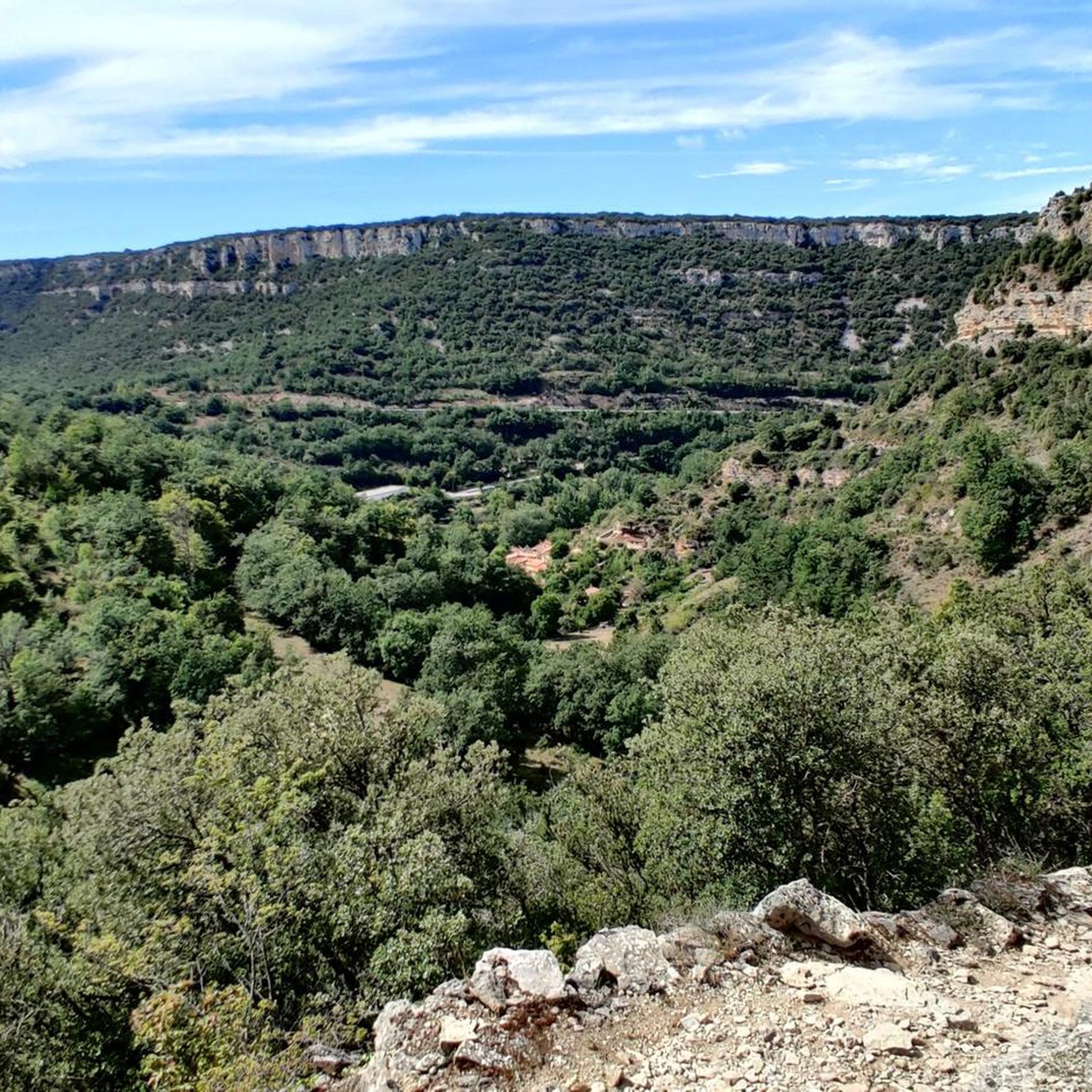
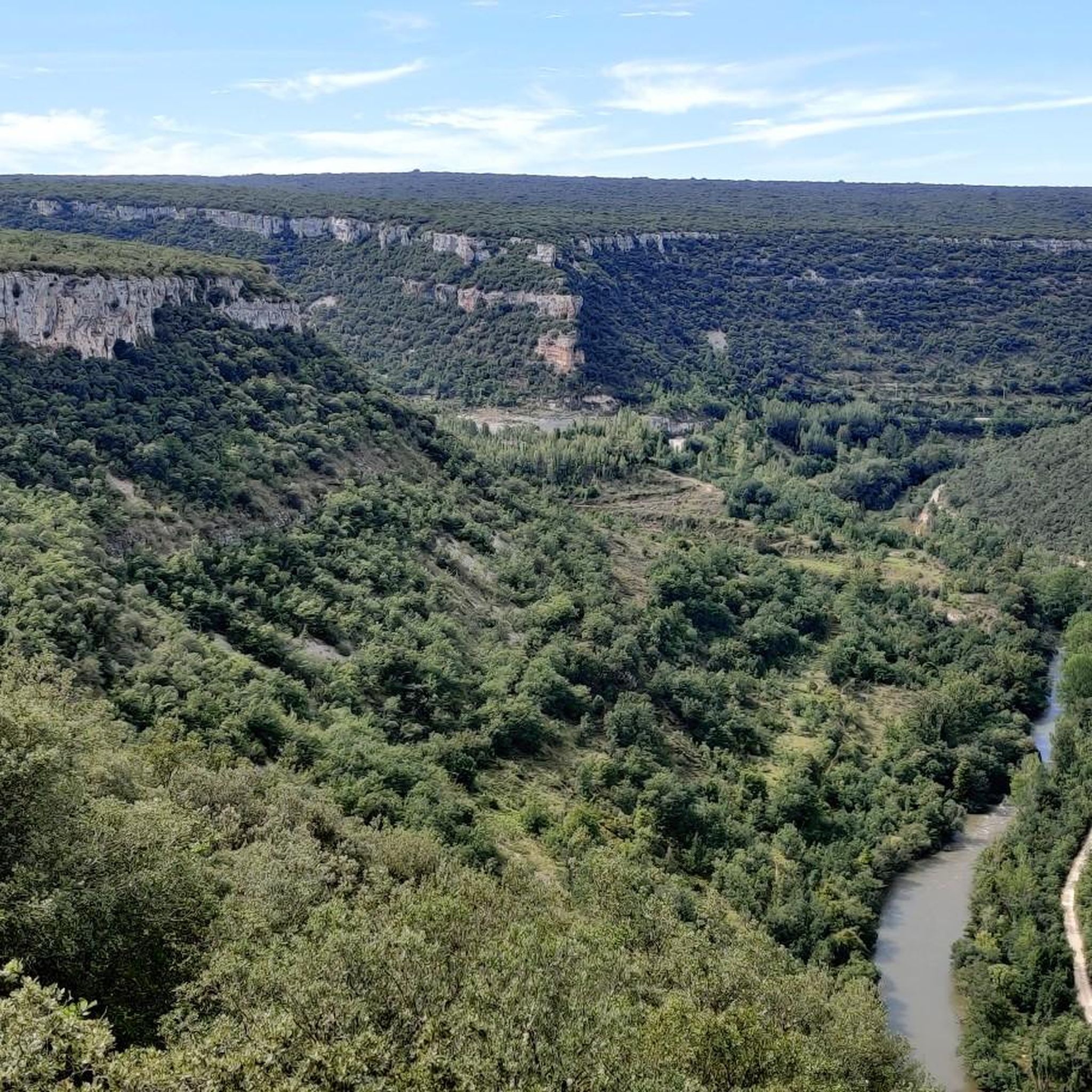
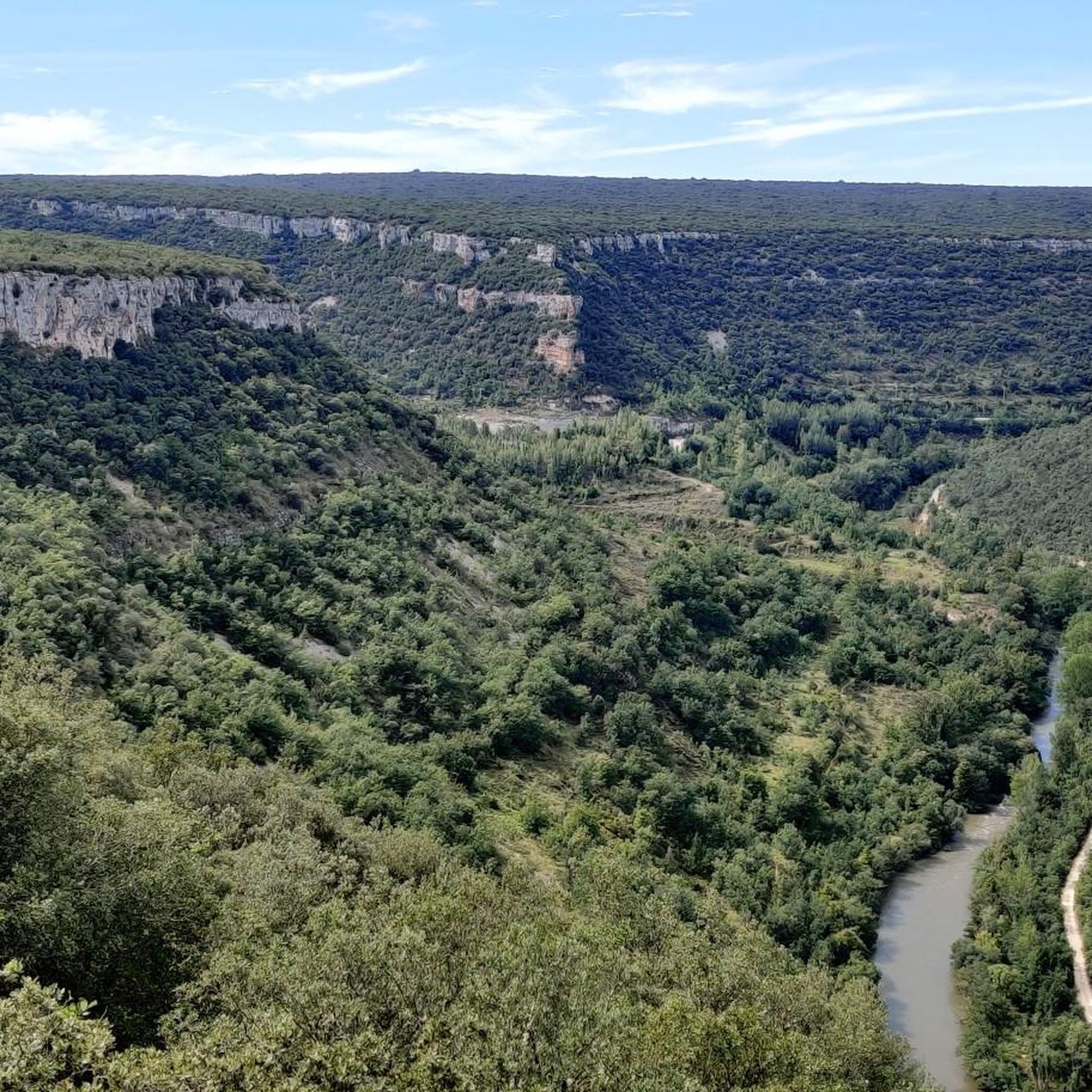
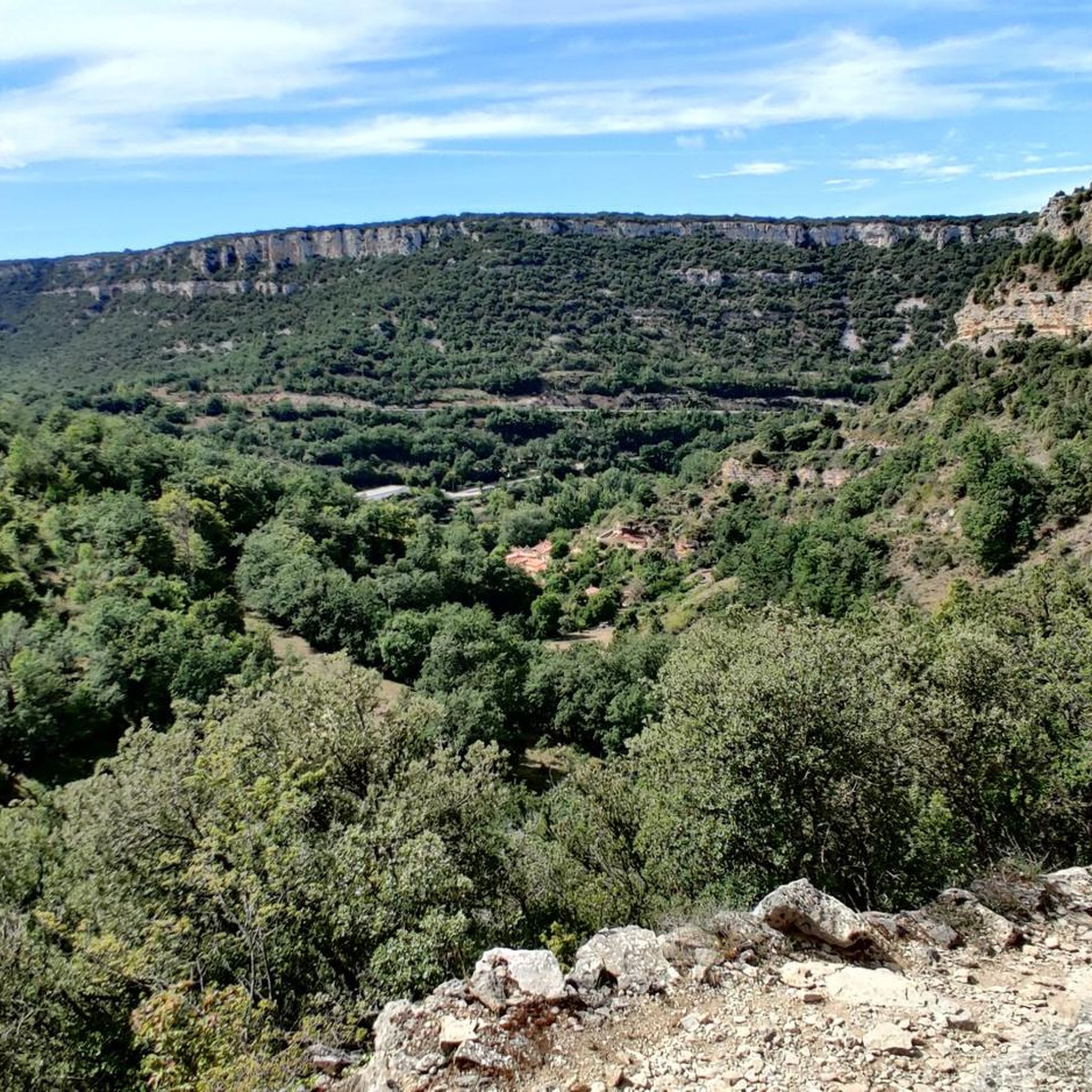
Tips from the Community

The waterfall springs from the Cueva del Agua from a height of over 20 meters, at the base of the rocky cirque that embraces the village, originating from an aquifer located in the subsoil of the Páramo de Bricia, and it leaps everywhere, dividing the village into two halves, the Villa and the Puebla, and descends among the stone houses, creating a most photogenic scene.
2
0

A spectacular area for hiking trails
0
0

From various shades of blue, ranging from turquoise to a dark ultramarine in the deepest part. To reach the well, there's a half-kilometer walk along a beautiful path that even has a cave entrance. When we arrived, it was a beautiful day, with people swimming and a caving group who had put on their diving suits and were exploring the depths of the underwater cave. A spectacle.
2
1

Natural wonder of the karst environment of Castilla León in the province of Burgos
3
0
Access area to the BLUE WELL, entrance to the cave diving gallery
1
0

It is beautiful on its own, but if we add the depths of the town from which it arises... visit it!
7
0

The Orbaneja del Castillo waterfall is unique because it crosses the same town, dividing it into two parts: La Villa and La Puebla. The waterfall emerges from the Cueva del Agua and falls into the Ebro River in an impressive 25-meter drop, creating a most picturesque karst landscape.
4
2

This copper mine has been exploited since the 18th century, and its activity ended in 1960. The metal is found in blue/green stones that are believed to have already been mined in the Neolithic for their aesthetic value.
0
0
Frequently Asked Questions
What are the most popular natural caves to visit in Valle de Sedano?
The region features several notable natural caves. The Cueva del Agua de Orbaneja del Castillo is particularly popular as it's the source of the village's iconic waterfall. Another must-see is Pozo Azul de Covanera, known for its intensely blue spring water. Visitors also appreciate La Cucarada Cave, a grotto nestled in the Rudrón Canyon.
Are there any caves in Valle de Sedano with historical or archaeological significance?
Yes, the region offers sites with significant historical context. The Huidobro Copper Mine: Los Altos Mine is a historical mining site with documented exploitation from at least the 18th century, and possibly even the Neolithic period. Additionally, the Rock Church of the Virgin of Carmen is a unique cave church carved directly into sandstone, featuring early medieval tombs.
Can I visit caves that offer insights into ancient human history in the broader Burgos province?
While not directly in Valle de Sedano, the Cueva de El Mirador, located in the Sierra de Atapuerca within the Burgos province, is an invaluable archaeological site. It provides insights into human occupation from the Upper Paleolithic through the Middle Bronze Age, with findings related to early agriculture and animal husbandry. You can learn more about it on Wikipedia.
Are there any caves in the area that were used for monastic life?
Adjacent to the Valle de Sedano, in the Merindades region, you can find the Cuevas de los Portugueses. This complex is an eremitic site, believed to have been excavated between the 8th and 9th centuries, serving as places of prayer and dwelling for medieval monks seeking retreat. It offers a unique glimpse into monastic history.
What kind of outdoor activities can I do near the caves in Valle de Sedano?
The area around Valle de Sedano is excellent for various outdoor activities. You can find numerous hiking trails, including the moderate Ebro Canyon Trail: Orbaneja del Castillo Loop. For cyclists, there are cycling routes like the difficult Ebro Canyon Trail. Running trails are also available, such as the moderate Mirador del Cañón del Ebro circular route.
Are there family-friendly options for exploring caves or related natural sites in Valle de Sedano?
Visiting the Turquoise Pools and Waterfalls of Orbaneja del Castillo is a great family-friendly activity. The village itself is picturesque, and the spectacle of the waterfall emerging from the Cueva del Agua and flowing through the town is captivating for all ages. The accessible parts of the cave offer a unique natural experience without requiring specialized caving equipment.
What makes the Cueva del Agua de Orbaneja del Castillo unique?
The Cueva del Agua is unique because it's a karstic resurgence that directly feeds the famous waterfall of Orbaneja del Castillo. The water emerges from the cave, flows through the medieval village, and then plunges into the Ebro River, creating a stunning and integral part of the village's landscape. While its deeper sections are for speleologists, the visible resurgence is a natural marvel.
What is the best time to visit the caves and natural features in Valle de Sedano?
The natural features like the Cueva del Agua and Pozo Azul can be enjoyed throughout the warmer months, typically from spring to early autumn, when the weather is pleasant for exploring the surrounding areas and villages. During heavy rainfall, the Cueva del Agua's inner galleries can flood, making the waterfall particularly impressive, but access to the cave itself might be restricted.
What do visitors enjoy most about the caves and natural sites in Valle de Sedano?
Visitors frequently highlight the stunning natural beauty, especially the unique turquoise waters and dramatic waterfalls. The integration of natural phenomena, like the Cueva del Agua with Orbaneja del Castillo village, is often praised. The historical and archaeological sites also offer a deep connection to the region's past, providing a varied and enriching experience.
Are there any regulations or permits required for exploring caves in Valle de Sedano?
For general visits to accessible natural sites like the visible parts of the Cueva del Agua or Pozo Azul, specific permits are typically not required. However, for exploring the more complex or submerged sections of cave systems, such as the inner galleries of the Cueva del Agua, authorization is often necessary, especially for speleological activities. It's advisable to check local regulations for advanced caving.
What kind of geological formations can be observed in the caves of Valle de Sedano?
The caves in Valle de Sedano are primarily karstic formations, meaning they are created by water eroding soluble bedrock, mainly limestone. This process results in complex subterranean galleries, resurgences like the Cueva del Agua, and unique water features such as the Pozo Azul. These formations showcase thousands of years of geological activity.
Most popular routes around Valle De Sedano
Most popular attractions around Valle De Sedano

Get inspired with the komoot mobile app


Explore more
Extend your search for the best caves by checking out these guides of the top ones around Valle De Sedano:
