Top 5 Castles around Castellar De La Ribera
Castles around Castellar De La Ribera are primarily historical fortifications located in the Solsonès region of Lleida, Catalonia. This area is significant for its ancient fortified places that shaped the region, offering insight into its medieval past. The term "Castellar" itself indicates a historical prevalence of small fortified complexes. Visitors can explore remnants of 11th and 12th-century castles and fortified buildings, providing a tangible link to medieval Catalan architecture and the strategic importance of the area.
Best castles around Castellar…
Last updated: July 3, 2026
Castellvell de Olius
Highlight • Castle
Translated by Google •
Tip by

Castle and Church of Sant Martí de Riner
Highlight • Castle
Translated by Google •
Tip by
Sign up now to discover places like this
Get recommendations on the best single tracks, peaks, & plenty of other exciting outdoor places.
Sign up for free
View of Castell Vell d'Olius
Highlight • Viewpoint
Translated by Google •
Tip by

La Clua
Highlight • Castle
Translated by Google •
Tip by

Cambrils Castle
Highlight • Castle
Translated by Google •
Tip by
Start today with a free account
Your next adventure awaits.
Login or Signup

Tips from the Community

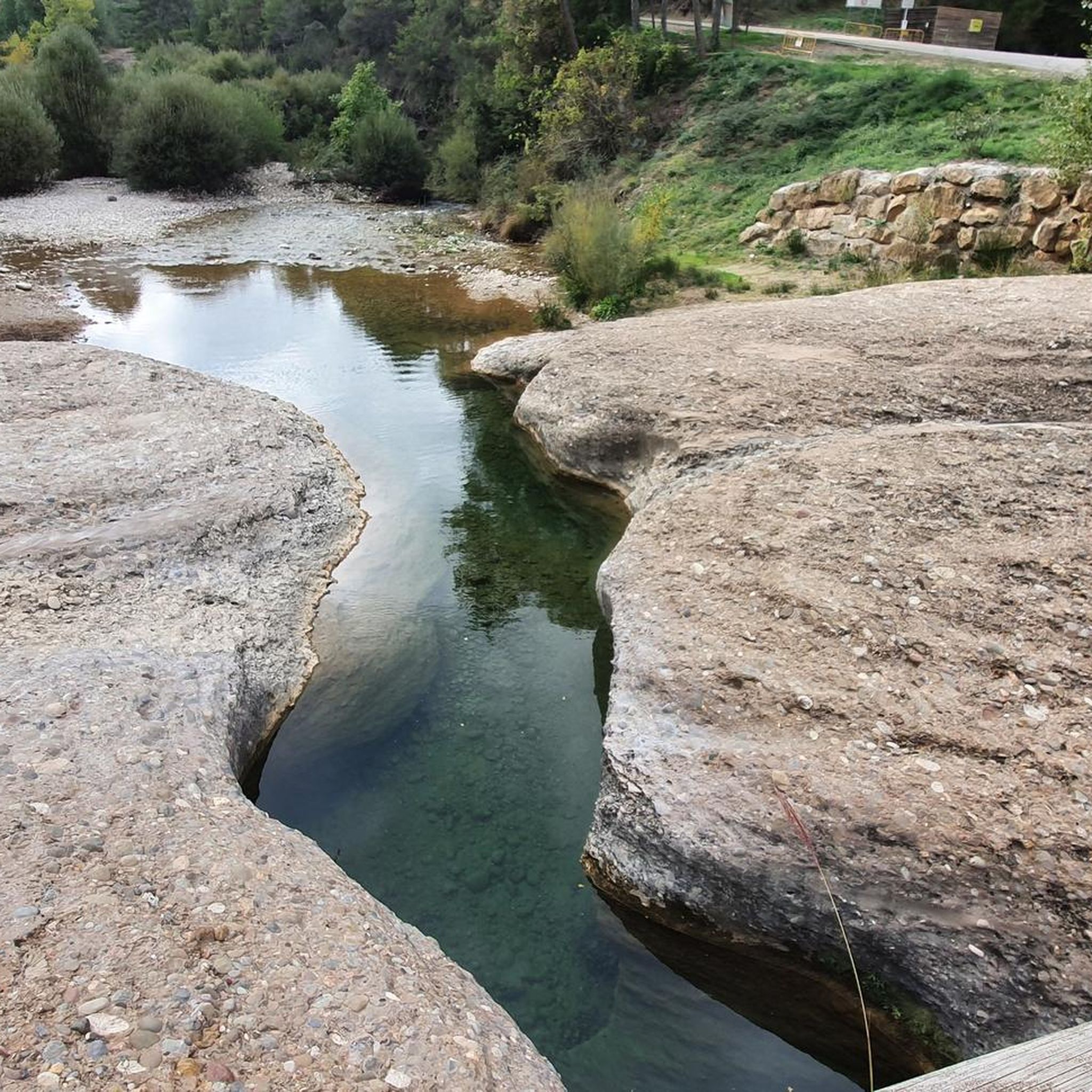
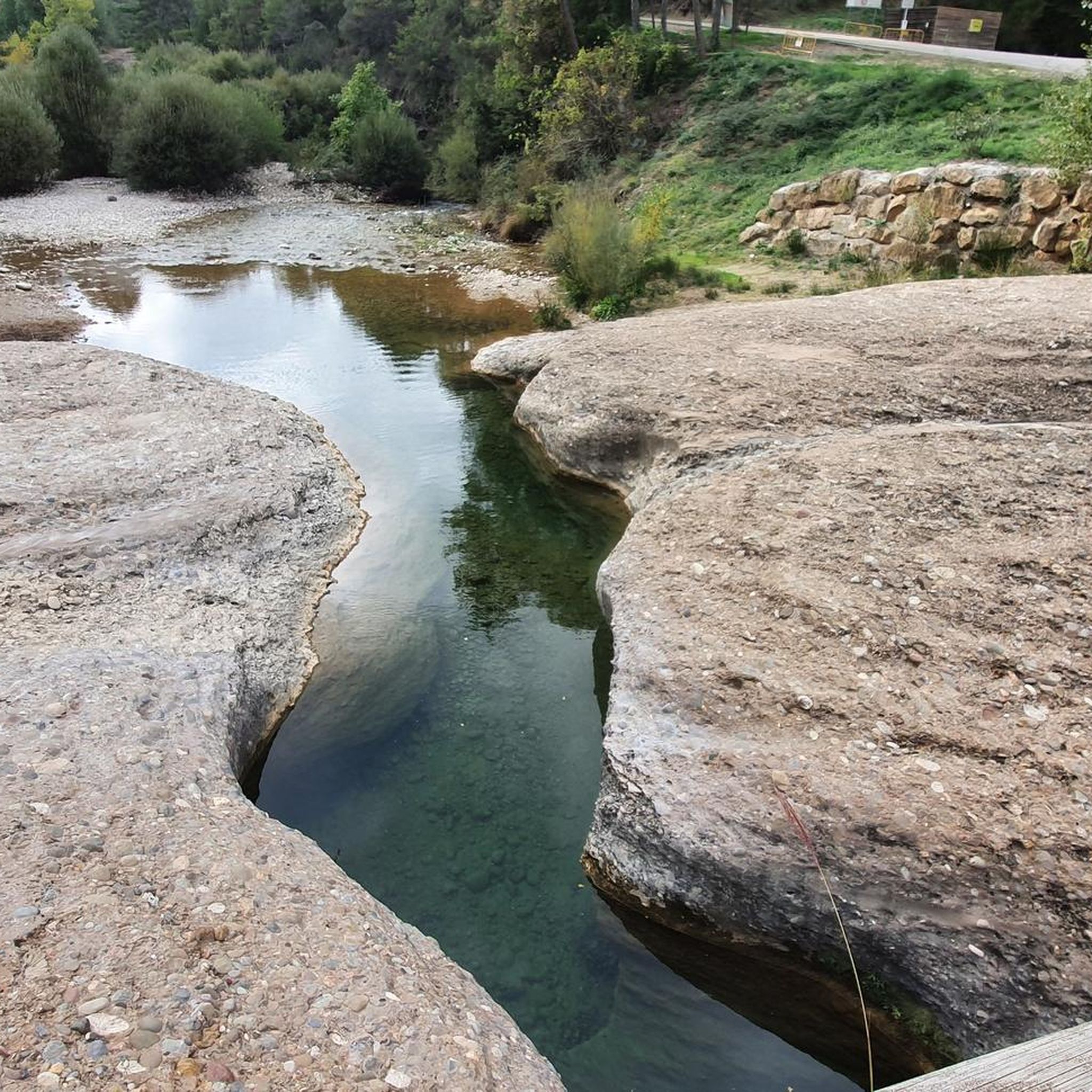
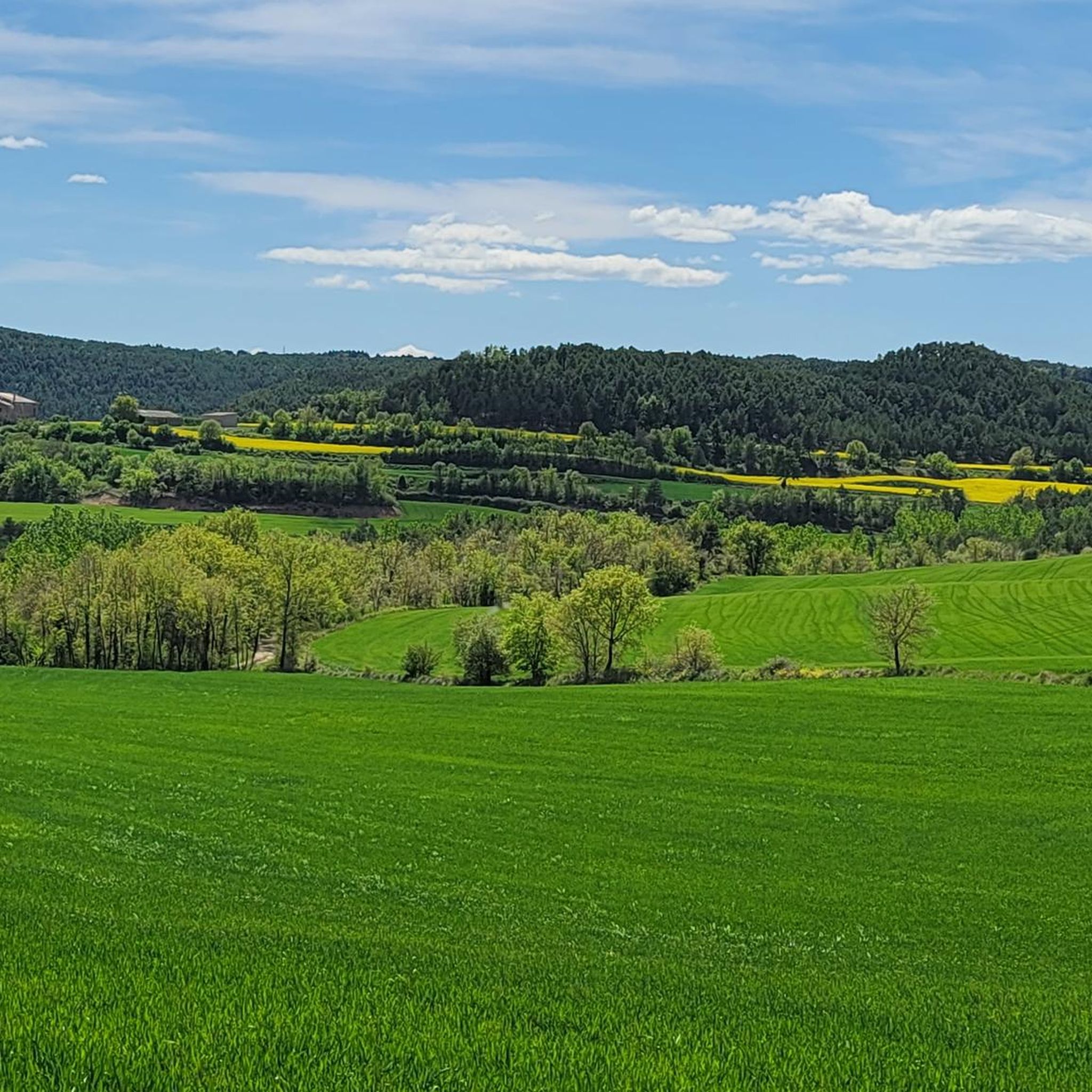
Remains of an old medieval castle located on a hill with magnificent views over the Cardener valley and the Sant Ponç reservoir. The stones preserve the shape of the walls and evoke the strength of a feudal past. The surroundings are peaceful and full of charm, ideal for a short stop. By mountain bike, you can get there by a track with a gentle slope but with some eroded sections; on the way down, the loose soil can be a problem. Tip: lower the tire pressure and take advantage of the viewpoint to take a photo - the panoramic views are great.
0
0

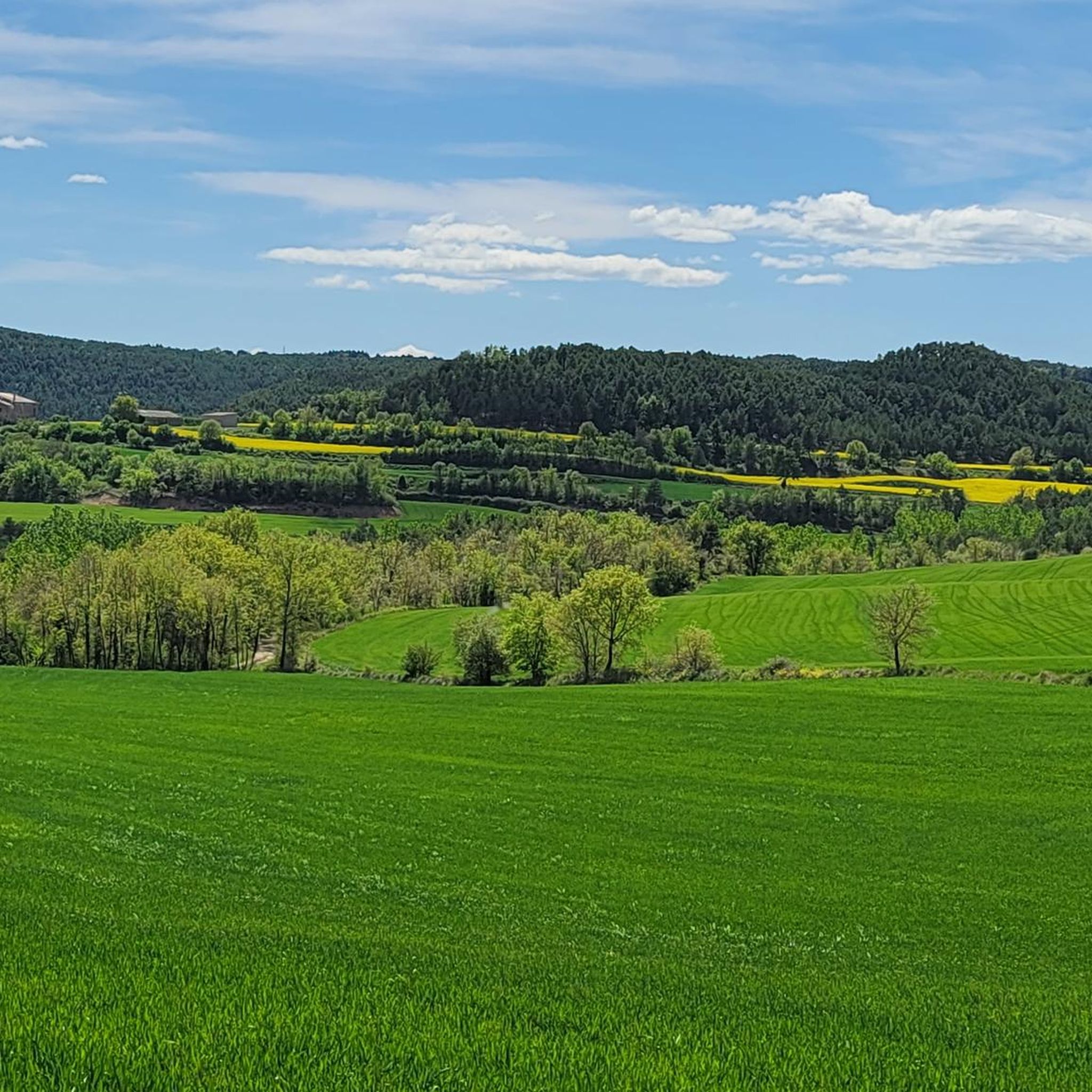
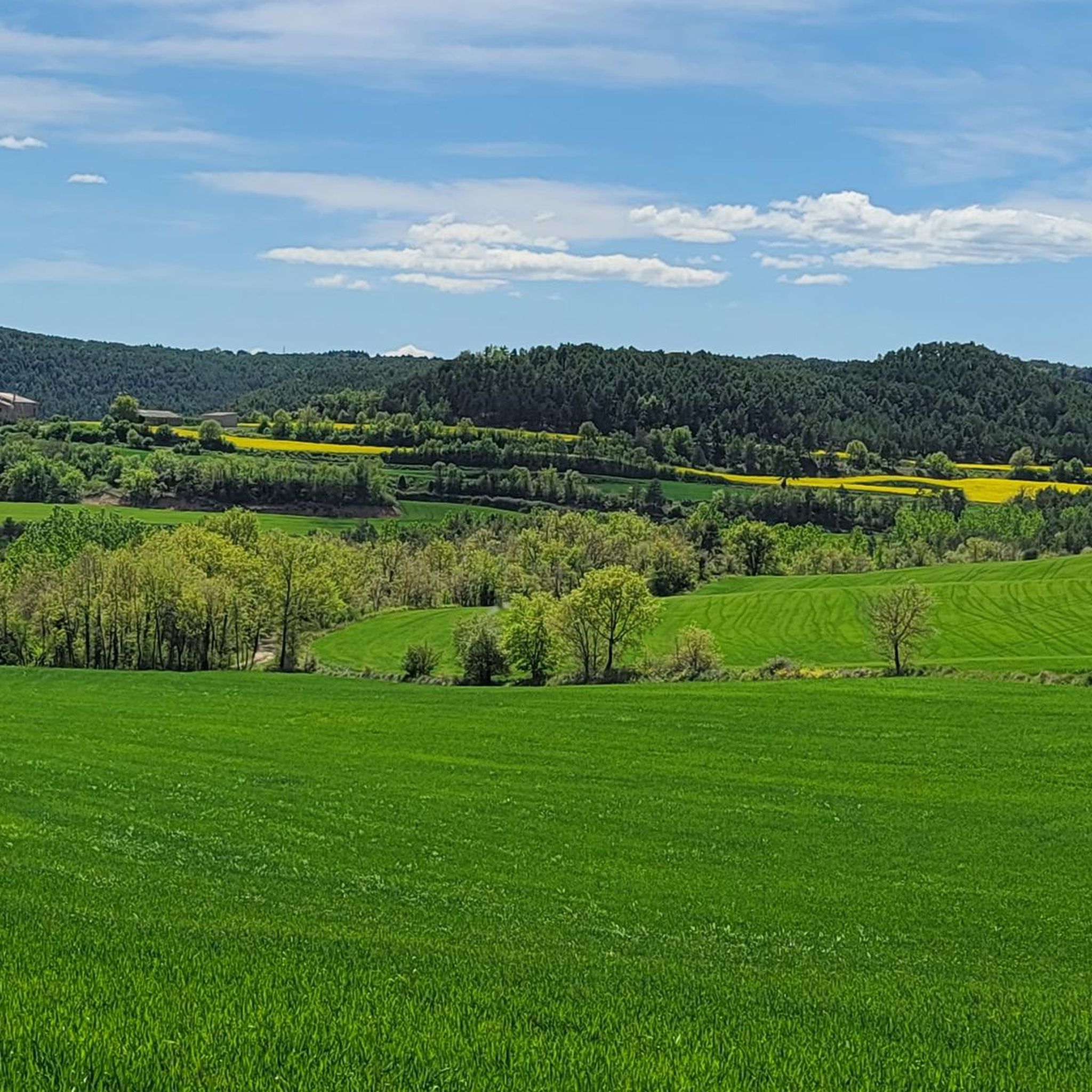
Beautiful view of the Solsona Valley and the Pyrenees
1
0

Ruined castle. Excellent views of the Sierra de la Garriga and the salt mines of Cambrils (where there is a pool of water with a high density of salt that we can visit).
0
0
Wonderful environment, in the middle of the forest and the tranquility, we find this medieval complex of the town of Riner, formed by the Castle, a tower and the small Church. Nearby, we can find some Neolithic excavations that correspond to tombs.
0
0

The Castle of the Clua is a building in Bassella (Alt Urgell) declared a Cultural Asset of National Interest. The town is located between the gorge of the Clua, enter cliffs!
0
0
Located at the top of the hill of the same name in the municipality of Olius, in the Solsonès region. It offers us magnificent views of the Solsonès region. The Castle can only be visited on weekends and holidays. Near the Castle, we can visit the Iberian town of Castellvell.
3
0

road by tour du lord, as always recommended.
1
0

Views of the Old Castle of Olius, if you want to do the KOM de la Torregassa grit your teeth!
1
0
Frequently Asked Questions
What kind of castles can I expect to find around Castellar De La Ribera?
The Castellar De La Ribera area is rich in historical fortifications, primarily remnants and ruins dating back to the 11th and 12th centuries. These sites, such as Castell de Ceuró and Sant Pere de Castellar, offer a glimpse into medieval Catalan architecture and the strategic importance of the region, rather than fully preserved structures.
Which castles offer the best views of the Solsonès region?
For magnificent views of the Solsonès region, visit Castellvell de Olius. It's located at the top of a hill and provides expansive panoramas. Another excellent spot for views is Cambrils Castle, even in its ruined state, offering great vistas of the Sierra de la Garriga.
Are there any castles that are particularly significant historically?
Absolutely. The region is dotted with historically significant sites. La Clua, for instance, is a castle building declared a Cultural Asset of National Interest, nestled dramatically between cliffs. Beyond the listed highlights, sites like Castell de Ceuró and the remains at Sant Pere de Castellar are important Romanesque structures from the 11th and 12th centuries.
What outdoor activities can I do near the castles?
You can enjoy various outdoor activities. There are several hiking routes around Castellar De La Ribera, including easy and moderate options like the 'Fuente del Manel – Fuente de la Mina loop'. For cycling enthusiasts, there are numerous road cycling and touring bicycle routes, such as the 'Solsona - Circular route via Olius'. You can find more details on these routes in the hiking guide and cycling guides for the area.
Are there any family-friendly options for visiting castles?
While many sites are historical ruins, the general area offers opportunities for family outings. The Castle and Church of Sant Martí de Riner, set in a tranquil forest, provides a pleasant environment for families to explore a medieval complex with a castle, tower, and church. The nearby hiking routes also include easy options suitable for families.
What is the best time of year to visit the castles in Castellar De La Ribera?
The region's climate makes spring and autumn ideal for visiting, offering pleasant temperatures for exploring the outdoor ruins and engaging in hiking or cycling activities. Summers can be hot, and winters might be chilly, but the historical sites are accessible year-round.
Are there any castles that are easy to access or have good parking nearby?
Access to many of the historical sites in Castellar De La Ribera often involves some walking or hiking, as they are frequently located on hills or in natural settings. Specific parking information for each individual ruin can vary, but generally, you can find parking in nearby villages or designated trailheads for routes that lead to these sites.
What do visitors appreciate most about the castles in this region?
Visitors particularly enjoy the historical significance and the tranquil, natural environments surrounding these sites. The opportunity to explore ancient ruins and appreciate the long history embedded in the landscape, often with magnificent views, is a key draw. The Castle and Church of Sant Martí de Riner, for example, is praised for its 'wonderful environment, in the middle of the forest and the tranquility'.
Can I visit the castles using public transport?
Public transport options directly to the individual castle ruins in Castellar De La Ribera are limited. It is generally recommended to travel by car to reach the vicinity of these sites, and then proceed on foot. The nearest larger town, Solsona, may offer more public transport connections, from which you would need to arrange further travel.
Are there any hidden or lesser-known castle sites worth exploring?
Beyond the more prominent sites, the region of Castellar de la Ribera is characterized by numerous ancient fortifications, many existing as remnants. Sites like El Llor, Vilaprinyó, and Clarà, which housed 11th and 12th-century castles or fortified buildings, offer a deeper dive into the region's medieval past for those interested in archaeology and less-trodden paths.
What is the typical duration needed to visit a castle site?
The time required to visit a castle site varies. For a ruin like Castellvell de Olius, which includes an Iberian town nearby, you might spend a couple of hours exploring. For smaller remnants or those integrated into hiking trails, the visit might be shorter, often part of a longer walk. Allow extra time for enjoying the views and the surrounding nature.
Are there any cafes or restaurants near the castles?
The castle sites themselves are typically in rural or natural settings without immediate access to cafes or restaurants. It is advisable to plan your visit by bringing your own refreshments or by visiting establishments in nearby towns and villages, such as Solsona, before or after your exploration.
Most popular routes around Castellar De La Ribera
Most popular attractions around Castellar De La Ribera

Get inspired with the komoot mobile app


Explore more
Looking for the best castles somewhere else? Discover other guides around Castellar De La Ribera:
