Top 4 Castles around Cloghinny
Best castles around Cloghinny are found in a region rich with historical sites, particularly in the broader Newry and Mourne area. This area, while not having castles directly within Cloghinny townlands, offers a variety of historical fortifications. Visitors can explore structures ranging from 13th-century royal castles to 17th-century tower houses. The landscape features strategic passes and river entries, highlighting the historical significance of these defensive structures.
Best castles around Cloghinny
- The most popular castles is Castle Roche, a castle…
Last updated: July 2, 2026
Castle Roche
Highlight • Castle
Tip by

Seatown Castle
Highlight • Castle
Showing Translation
Tip by

Sign up now to discover places like this
Get recommendations on the best single tracks, peaks, & plenty of other exciting outdoor places.
Sign up for free
Moyry Castle
Highlight • Historical Site
Tip by

Killeavy Castle
Highlight • Other
It features a pre-Victorian style with towers, Tudor windows, …
Tip by
Start today with a free account
Your next adventure awaits.
Login or Signup
Tips from the Community

Franciscan Bell Tower 1240's. In the heart of the historic Seatown district rises the impressive bell tower of Seatown Castle, a remnant of the 13th-century Franciscan abbey. Although the rest of the monastery has largely disappeared, this robust, square tower still stands proudly as a reminder of the town's medieval past. With its characteristic battlements and narrow windows, the tower served not only as a belfry but, in turbulent times, likely also as a defensive structure. As you cycle through the narrow streets of Seatown, this monument forms a beautiful historical anchor point amidst modern development. Worth a short stop to admire the massive stone walls up close and soak up the atmosphere of old Dundalk.
8
0

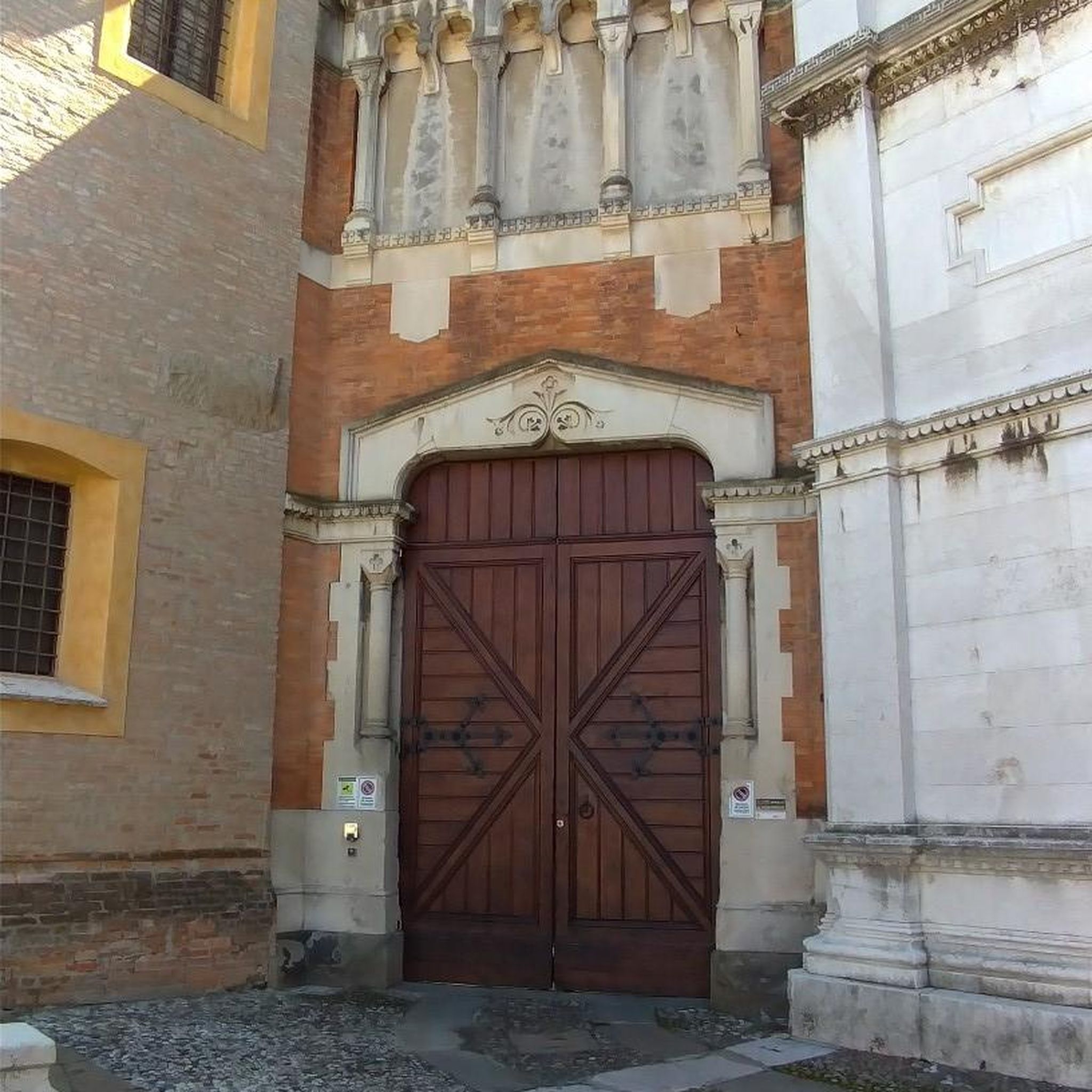
Unfortunately, the castle was under scaffolding at the time of our visit.
0
0

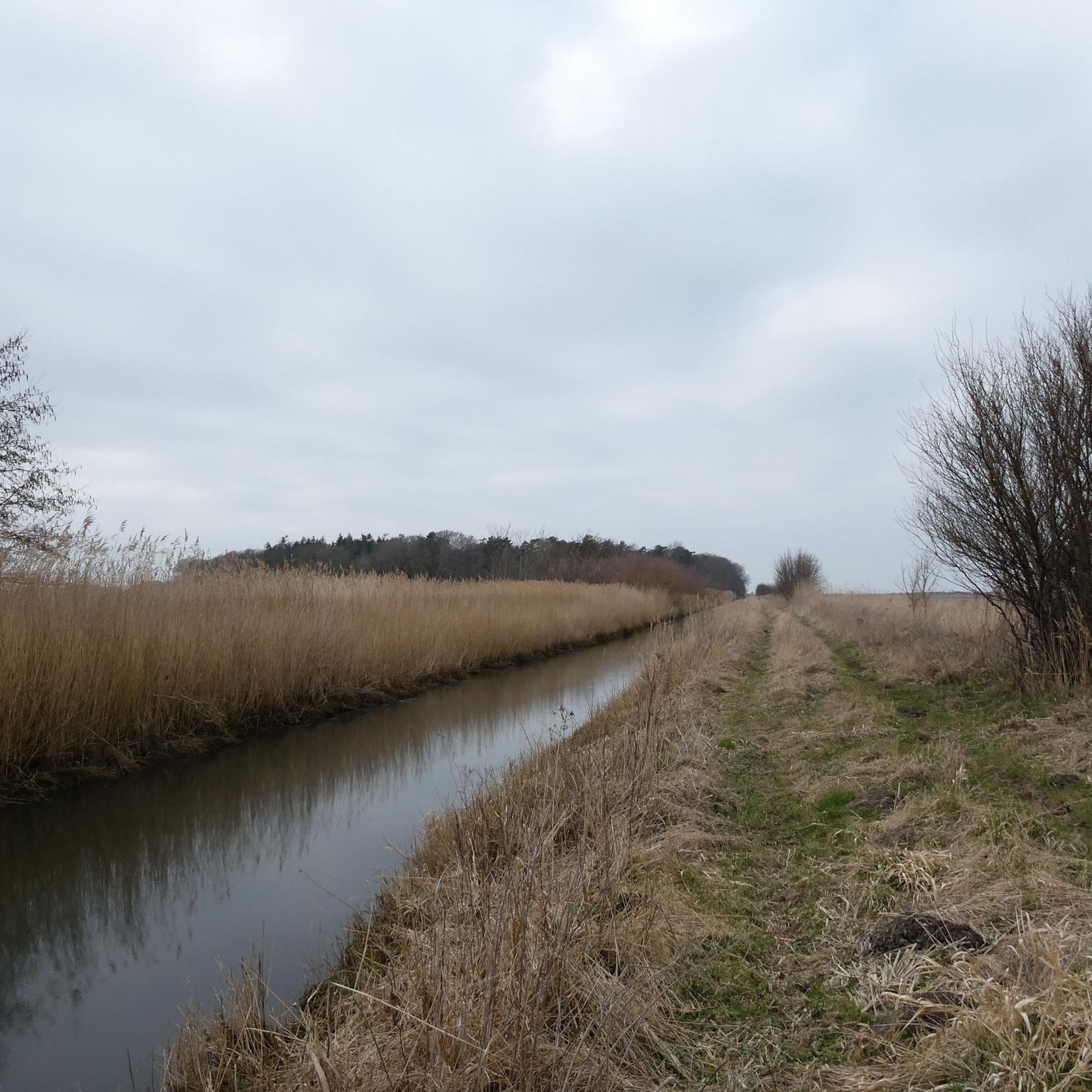
On my way through County Armagh, I came across Moyry Castle, a ruined castle perched on a small hill overlooking the historic Moyry Pass - the so-called 'Gap of the North'. It is fascinating to think of how this strategic route was once crucial in securing control of the region. The castle's massive, weathered walls still speak of the turbulent times of the 17th century when it was built by the 1st Earl of Devonshire, Charles Blount. What struck me most was the atmosphere up here: a mixture of isolation and history. The small rectangular structure with its distinctive curves just has a different feel - not ostentatious or over-the-top, but rather functional and robust. The location offers sweeping views over the rolling hills and the Belfast-Dublin railway line that winds through the landscape. It's quiet up here, with only the gentle sound of the wind and the occasional train passing by in the distance. It's definitely worth a quick stop if you're looking for a place steeped in history that's not too crowded. The site is easily accessible and is well worth a detour from the main route. The surrounding meadows also offer a lovely spot for a little break - perfect for taking in the surroundings.
2
2
Moyry Castle stands over the Moyry Pass, also known as "The Gap of the North" - a strategically important crossing that has played an important role for centuries. The small, rectangular castle with its three floors and thick stone walls gives you an idea of the challenges that the defenders once had to overcome. It was built in 1601 by Charles Blount, 1st Earl of Devonshire, to secure the pass and control access to Ulster. As you explore the old fortress, you can see the surrounding landscape, which alternates between rolling hills and forests. It feels like you have been transported back in time, as the walls silently tell of long-ago conflicts. Just a short distance away is the Belfast-Dublin railway line, which shows you how this place has changed over time without losing its historical character. A visit to the castle not only gives you a sense of the country's history, but also of the strategic importance of the Moyry Pass, which has been the link between the north and south of Ireland for centuries.
1
2

Our Irish Heritage (Seatown Castle, 2024-07-29): https://www.ouririshheritage.org/content/knowyour5k/seatown-castle Wikipedia (Dundalk, Seatown Castle, 2024-07-29): https://en.m.wikipedia.org/wiki/Dundalk#Architecture National Built Heritage Service (Old Castle, Castle Road, Mill Street, TOWNPARKS (Upper Dundalk By.), Dundalk, LOUTH, 2024-07-29): https://www.buildingsofireland.ie/buildings-search/building/13705100/old-castle-castle-road-mill-street-townparks-upper-dundalk-by-dundalk-co-louth Reg No: 13705100 National Library of Ireland (Seatown Castle, Dundalk, Co. Louth, 2024-07-29): https://catalogue.nli.ie/Record/vtls000034027
2
0

Due to its privileged location, this incredible Anglo-Norman castle can be seen from miles around. It is believed to have been built in the first half of the 13th century by Lady Rohesia de Verdun after her husband's death. According to legend, she promised to marry the architect who built her a castle in Roche. When this happened and the architect claimed her hand, she threw him from one of the windows, which is known as the 'murder window.'
1
1
Formerly known as Killeavy Lodge, this Grade A listed historical building was constructed in the first half of the 19th century. It features a pre-Victorian style with towers, Tudor windows, and a medieval-style door. It currently operates as a restaurant, hotel, and events venue.
1
0
Wikipedia (Moyry Castle (from the Irish Maġ Rí), 2023-10-05): https://en.m.wikipedia.org/wiki/Moyry_Castle https://de.m.wikipedia.org/wiki/Moyry_Castle Tripadvisor (Moyry Castle, 2023-10-05): https://www.tripadvisor.com/Attraction_Review-g209976-d11746113-Reviews-Moyry_Castle-Crossmaglen_County_Armagh_Northern_Ireland.html It is not possible to park in front of Moyry Castle. https://www.google.com/maps/@54.070561,-6.383879,3a,90y,199.87h,74.63t/data=!3m6!1e1!3m4!1sjrb6drimx5weKEHkjD1p2g!2e0!7i13312!8i6656 YouTube (Drone Video, RODPIKER DRONES UK, 2023-10-05): https://www.youtube.com/watch?v=s9Nq-LqxfxY
2
0
Frequently Asked Questions
What are some notable castles to visit near Cloghinny?
Beyond the popular choices, you can explore Castle Roche, an impressive Anglo-Norman structure from the 13th century. Another significant site is Moyry Castle, built in 1601 to defend the strategic Moyry Pass. For a different experience, Killeavy Castle, a 19th-century building, now operates as a hotel and events venue.
What is the historical significance of Moyry Castle?
Moyry Castle, built in 1601, played a crucial role in defending the strategically important Moyry Pass, often referred to as 'The Gap of the North'. Its construction was vital for controlling this ancient route.
What can I expect at Killeavy Castle today?
Originally known as Killeavy Lodge, Killeavy Castle is a Grade A listed historical building from the 19th century. It has been beautifully converted and now operates as a restaurant, hotel, and events venue, retaining its distinctive pre-Victorian style with towers and Tudor windows.
Are there other historical castles in the wider Newry and Mourne area?
Yes, the broader Newry and Mourne area is rich in historical sites. You can visit Narrow Water Castle, a 16th-century tower house built for defense, or Greencastle 13th Century Royal Castle, which offers dramatic ruins and sweeping views guarding Carlingford Lough.
What is Bagenal's Castle and what can I find there?
Bagenal's Castle in Newry is a 16th-century fortified house built by Sir Nicholas Bagenal. Rediscovered and restored, it now houses the Newry and Mourne Museum and the Newry Visitor Information Centre. You can explore its original features like fireplaces and gun loops, and learn about local history through permanent exhibitions. More information can be found on Wikipedia.
Are there family-friendly castles near Cloghinny?
While specific 'family-friendly' designations aren't always available, castles like Killeavy Castle, with its hotel and restaurant facilities, can be a comfortable option for families. Exploring the grounds of historical sites like Castle Roche or Greencastle can also be an engaging experience for older children interested in history.
What are the parking options for these castles?
Parking availability varies. For Castle Roche, visitors are advised to take care parking in the narrow laneway and ensure gateways are not blocked as it's on private farmland. It is generally not possible to park directly in front of Moyry Castle. Killeavy Castle, as a hotel, has dedicated parking facilities.
Are there cafes or pubs near these castles?
Killeavy Castle itself operates a restaurant and hotel, offering dining options on-site. For other castles like Moyry Castle, you would typically need to travel to nearby towns or villages for cafes and pubs.
What is the best time to visit castles around Cloghinny?
Visiting during spring (April-May) or autumn (September-October) often provides pleasant weather for exploring outdoor castle ruins and grounds, avoiding the peak summer crowds and potentially harsh winter conditions. Always check local weather forecasts before your visit.
What outdoor activities can I do near these castles?
The area around Cloghinny offers various outdoor activities. You can find numerous hiking routes, such as the 'Slieve Gullion loop from Forkhill Road' or the 'Poet's Trail: Forkhill Route'. For running, options include the 'Slieve Gullion running loop'. Road cycling enthusiasts can explore routes like 'View of Dundalk Bay – Basecamp Coffee loop'. You can find more details on these activities in the hiking guide, running trails guide, and road cycling routes guide for Cloghinny.
Are there hiking trails near these castles?
Yes, there are several hiking trails in the vicinity. For example, near Killeavy Castle, you can find trails like 'The Giant's Lair & Killeavy Castle'. The wider Cloghinny area offers routes such as the 'Slieve Gullion loop' and the 'Poet's Trail'. For detailed information and route options, refer to the hiking guide around Cloghinny.
What should I wear when visiting castles in this region?
Given the often exposed nature of castle ruins and the potential for walking on uneven terrain, it's advisable to wear comfortable, sturdy footwear. Layers of clothing are recommended to adapt to changing weather conditions, and a waterproof jacket is always a good idea, especially in Ireland.
Most popular routes around Cloghinny
Most popular attractions around Cloghinny

Get inspired with the komoot mobile app


Explore more
Looking for the best castles somewhere else? Discover other guides around Cloghinny:
