Top 12 Castles around Bree
Best castles around Bree are found within a region known for its unique blend of fortified settlements and historical landmarks. Bree itself functioned as a fortified village, built into and around Bree-hill with defensive structures like a deep dike, thick hedge, and guarded gates. The area is also home to the Prancing Pony Inn, a central meeting place and a hub for travelers. Nearby, the ancient watchtower of Weathertop stands as a significant historical site, showcasing the broader region's historical…
Last updated: August 10, 2026
Historic Center of Stevensweert
Highlight • Historical Site
Translated by Google •
Tip by

Ohé en Laak Castle
Highlight • Castle
Translated by Google •
Tip by

Sign up now to discover places like this
Get recommendations on the best single tracks, peaks, & plenty of other exciting outdoor places.
Sign up for free
Walburg Castle Ruins (Ohé en Laak)
Highlight • Castle
This castle was built by Count …
Translated by Google •
Tip by

Het Geudje Castle
Highlight • Castle
Translated by Google •
Tip by
Hasselholt Castle (‘t Geutje’)
Highlight • Castle
Architecturally, this castle is …
Translated by Google •
Tip by

Sign up for free to discover even more castles around Bree.
Sign up for free
Already have an account?
Start today with a free account
Your next adventure awaits.
Login or Signup




Tips from the Community

A beautiful castle to visit.
2
0

Hasselholt ('het Goedje') has a memorial stone dating from 1548 and a beautiful Dutch Renaissance-style reticulated facade from 1651. Hasselholt is now inhabited by Baron Van Hövell of Westerflier. Architecturally, this castle is of great significance. It was originally built in the late Gothic style with occasional Renaissance elements. It was restored in 1970 to good condition. The castle is not open to the public. Source: https://www-hartvanlimburg-nl.translate.goog/en/locatie/kasteel-hasselhol
0
0

still looks like it's from the Middle Ages
2
1

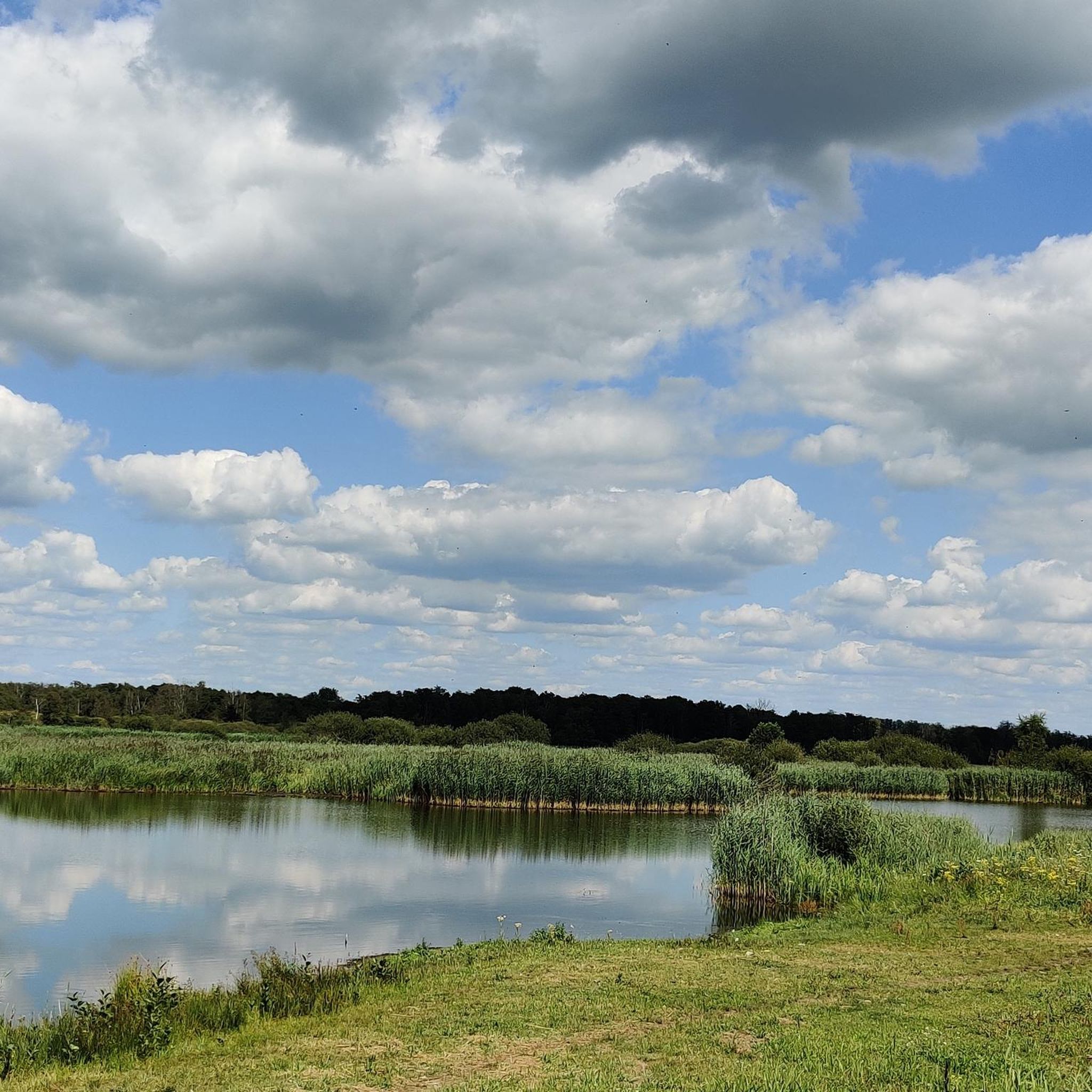
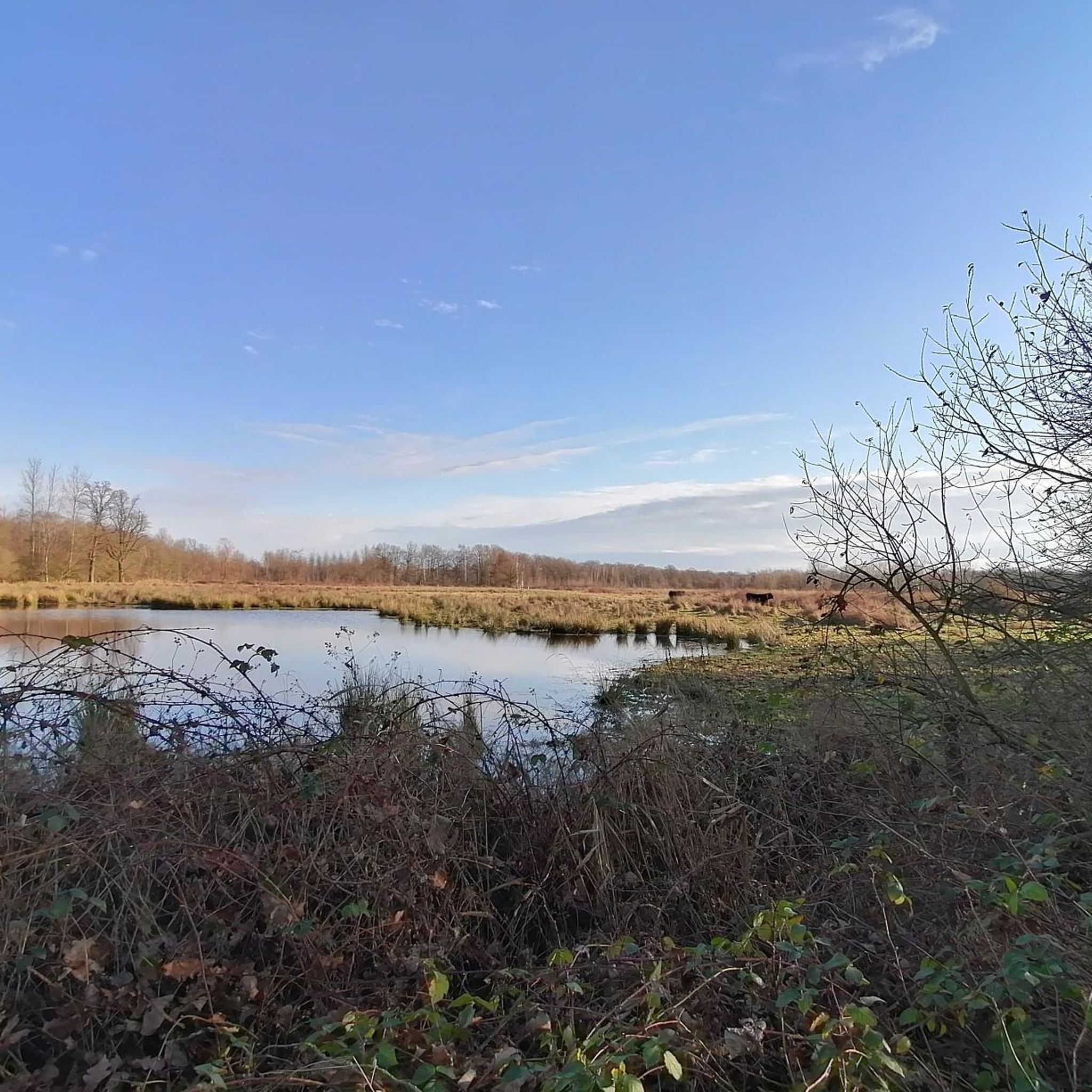
Ohé en Laak is located together with Stevensweert on the Island in the Maas, a (former) island between two river arms of the Maas, just west of the town of Echt at an altitude of approximately 26 meters. The old right arm is the Oude Maas. Due to sand and gravel excavations at various places on the island, several lakes have been created around the village, including the Dilkensplas, the Schroevendaalse plas, the Teggerse plas and most recently the Molenplas. Since the twentieth century, these have been used for water recreation and as a nature reserve, which is why the place attracts many tourists. There is a small marina. Laak consists entirely of ribbon development, located along a road that runs parallel to the Maas. Ohé has both a section with ribbon development and a part with concentrated development. From 1925 to 1934, the Juliana Canal was constructed, which forms an additional barrier between the island and the mainland. A few bridges provide the connection.
7
0
The name Hasselholt comes from the Hasselholt family, who already had possessions in Ohé in the 14th century and who must have had the castle built. This had probably been a square half-timbered residential tower. On January 31, 1474, Lambrecht Raets was vassal of "a well-hidden Hasselhoutsleen in the village of Echt located on Gen Oe".
6
0


During the Eighty Years' War, the original village of Stevensweert was expanded into a fortified town by the Spanish in 1633. An earthen wall with seven bastions and five ravelins was built. Part of Stevensweert is under town protection. The fortifications can still be seen in the city's unique street pattern. Be sure to take a look at the Stevensweert-Ohé en laak regional museum. In 2007, the reconstruction of a small part of the fortifications began based on historical maps of a bastion, a rave line and the associated north side of Stevensweert.
17
0
Today's Stevensweert arose in the early Middle Ages on an island in the Meuse, with the eastern branch being the Old Meuse. This domain initially belonged to the County of Loon and since 1243 to the Oberg. From 1253 it belonged to the Ambt Montfort. In 1543 Obergelre came to the Habsburg Monarchy and thus became Spanish Obergelr. The late Gothic sculptor Jan van Steffeswert was probably born here at the end of the 15th century. The original village was converted into a fortress town in 1633 by the Spanish general Francisco de Moncada. An earthen wall with seven bastions and five rave lines was built around the place. In 1702, Stevensweert was besieged by the states, causing severe damage to the castle and the fortress becoming state property. From 1716 Stevensweert finally came into state hands and belonged to Staatsober-Gelre. Stevensweert has retained its heptagonal perimeter and geometric street pattern to this day. The original fortification wall was destroyed in 1874. In 1882 the island bridge was built over the Oude Maas, connecting the island to the mainland. In 1922 the Roermond - Sittard tram line was completed and Stevensweert received a tram stop. Five trams ran in both directions every day and a journey to Roermond station took 24 minutes. In 1937 the tram line was broken up and bus services took over passenger transport. With the construction of the Juliana Canal (1925-1934), Stevensweert was again on an elongated island, which was only connected to the shore by a few bridges and therefore always still had a more or less isolated situation. After the Second World War, gravel extraction was added, which created a number of puddles. In 2007, the reconstruction of a small part of the fortifications began based on historical maps of a bastion, a rave line and the associated north side of Stevensweert.
13
0
Frequently Asked Questions
What kind of castles and historical sites can I find around Bree?
The region around Bree offers a mix of historical sites and castles. You can explore the Historic Center of Stevensweert, a former fortified town with visible fortifications and a regional museum. There's also Ohé en Laak Castle, situated on an island, and the architecturally significant Het Geudje Castle (privately owned). Additionally, Wurfeld Castle, now a hotel and restaurant, features a beautiful park.
Are there any family-friendly castles or historical sites to visit near Bree?
Yes, several sites are noted as family-friendly. The Historic Center of Stevensweert, Ohé en Laak Castle, and Het Geudje Castle are all categorized as family-friendly, offering interesting historical contexts and scenic views for all ages.
What outdoor activities can I do near the castles around Bree?
The area around Bree is excellent for outdoor activities. You can find numerous routes for road cycling, hiking, and touring bicycles. For hiking, consider trails like 'Sint-Maartensheide and De Luysen' or the 'Front Luys Watermill' loop. Cyclists have many options, including routes along canals and through varied landscapes. You can explore more options on the Hiking around Bree, Road Cycling Routes around Bree, and Cycling around Bree guide pages.
Are there any castles near Bree that are privately owned and not accessible to the public?
Yes, Het Geudje Castle (also known as Hasselholt Castle) is a beautiful privately owned castle with significant architectural importance. While you can admire its exterior and historical facade, it is not open for public visits.
Where can I find parking when visiting castles near Bree?
For Wurfeld Castle, there is a larger parking lot past the gate at the end of the driveway, before the main castle parking area. This spot also has information boards for walks. For other locations like the Historic Center of Stevensweert, parking is generally available within the town or nearby.
What is the historical significance of the Historic Center of Stevensweert?
The Historic Center of Stevensweert was originally an island village that was expanded into a fortified town by the Spanish in 1633 during the Eighty Years' War. Its fortifications, including an earthen wall with bastions and ravelins, shaped its unique street pattern, which is still visible today. It also has a regional museum detailing its rich history.
Can I visit a castle that also offers dining options near Bree?
Yes, Wurfeld Castle, originally founded in the 17th century and expanded in 1900, now serves as a hotel, restaurant, and event location. It's a beautiful spot with a park where you can enjoy a meal.
Are there any castles around Bree that are located in unique natural settings?
Yes, Ohé en Laak Castle is uniquely situated on an island between two river arms of the Maas. This location provides beautiful views, especially when cycling through the varied landscape surrounding it.
What do visitors enjoy most about the castles and historical sites around Bree?
Visitors appreciate the blend of historical significance and natural beauty. The fortifications of Stevensweert, the scenic island setting of Ohé en Laak Castle, and the architectural details of Het Geudje Castle are often highlighted. The opportunity to combine castle visits with cycling or hiking through the varied landscapes is also a popular draw.
Are there any ancient watchtowers or ruins near Bree with historical importance?
While not a traditional castle in the same vein as the others, the ancient watchtower of Amon Sûl, also known as Weathertop, is a significant landmark associated with the broader region. Though in ruins, it was once a formidable watchtower and holds immense historical importance in the fictional context of Middle-earth, serving as a key location in Frodo's journey.
What kind of natural features can I expect to see around the castles near Bree?
The region is characterized by its proximity to the Maas river, with locations like Ohé en Laak Castle being on an island between river arms. You'll find varied landscapes, including areas with sand and gravel excavations that have created several lakes, such as the Dilkensplas and Molenplas, which are now used for water recreation and as nature reserves.
Most popular attractions around Bree

Get inspired with the komoot mobile app


Explore more
Looking for the best castles somewhere else? Discover other guides around Bree:
