Top 8 Lakes around De Panne
Best lakes around De Panne are found within its diverse wetland areas and water-filled depressions. The region features significant ecological zones, including dune pans and calcareous marshes within its nature reserves. These water features are integral to the natural landscape, supporting unique ecosystems and a variety of wildlife. De Panne offers opportunities for nature observation and tranquil walks within its extensive dune and forest reserves.
Best lakes around De Panne
- The most popular lakes is View from the Hoge Blekker…
Last updated: May 3, 2026
IJzer Estuary Nature Reserve
Highlight • Natural
Translated by Google •
Tip by

View from the Hoge Blekker
Highlight • Viewpoint
Translated by Google •
Tip by

Sign up now to discover places like this
Get recommendations on the best single tracks, peaks, & plenty of other exciting outdoor places.
Sign up for free
Birdwatching hide at De Koolhofput
Highlight • Structure
More information about this location: The De Koolhofput nature reserve is …
Translated by Google •
Tip by
Markey Ponds
Highlight • Lake
Translated by Google •
Tip by
Devil’s Pit of Oostduinkerke
Highlight • Natural Monument
Translated by Google •
Tip by
Sign up for free to discover even more lakes around De Panne.
Sign up for free
Already have an account?
Start today with a free account
Your next adventure awaits.
Login or Signup
Popular around De Panne
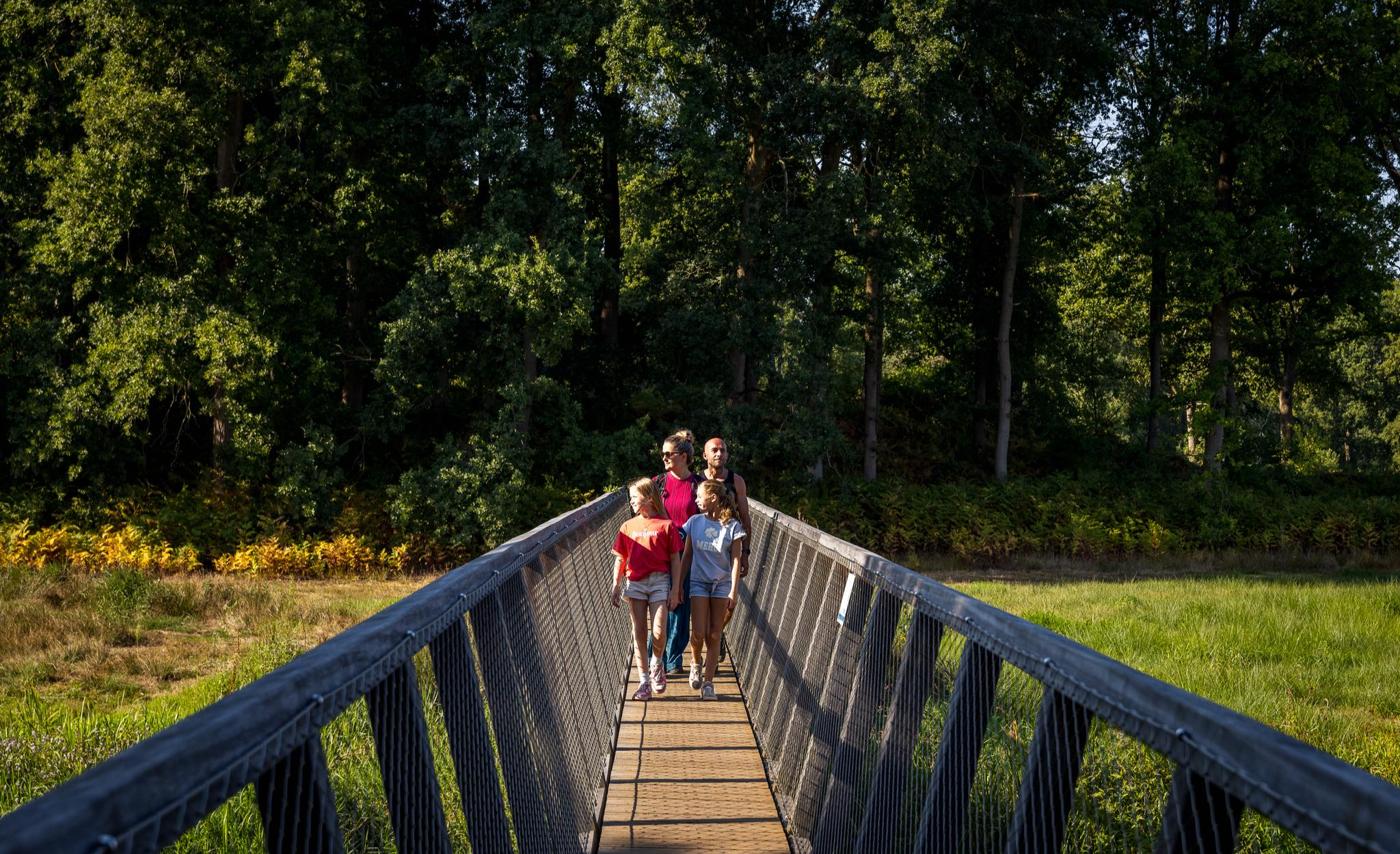
Flanders’ Finest Hiking Routes
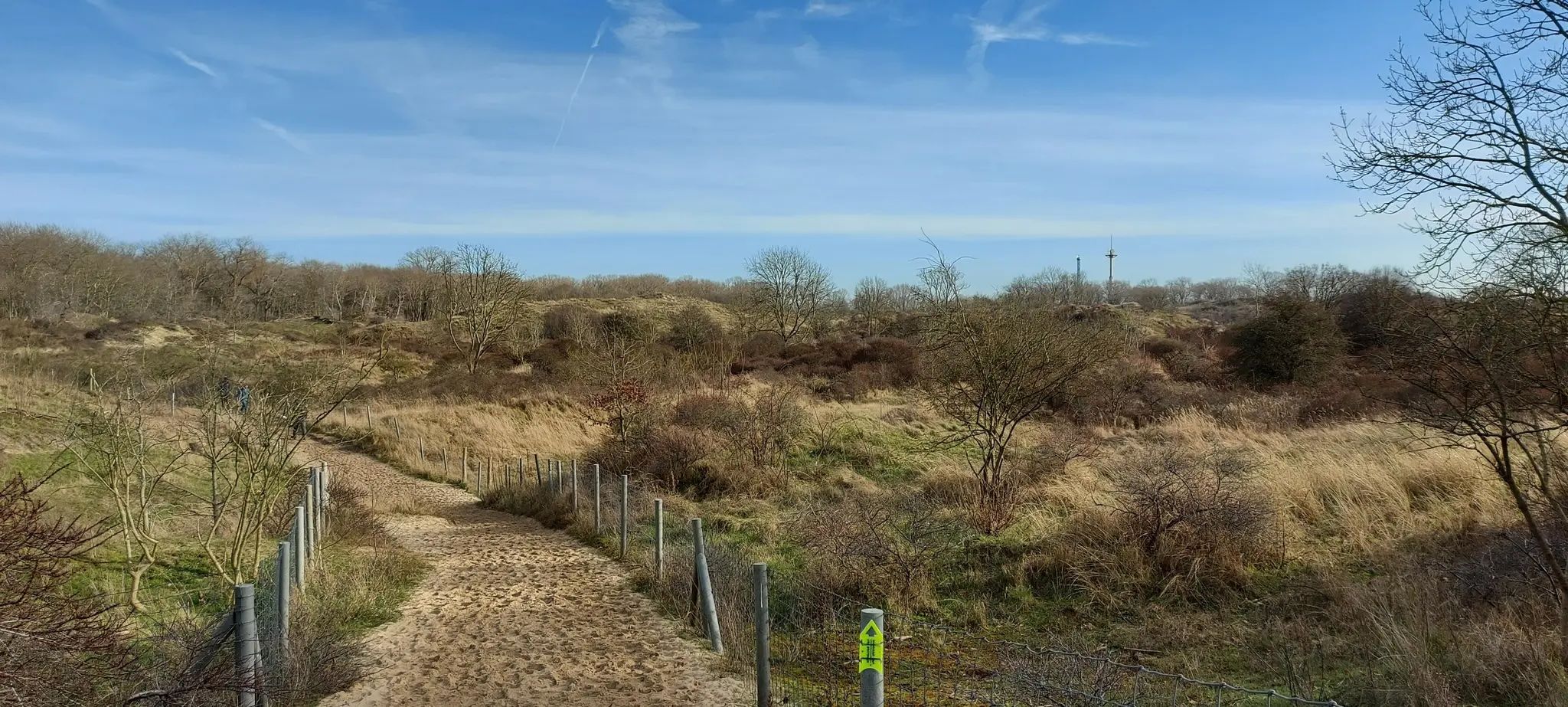
From De Panne to het Zwin – Belgian coastal path (Streek GR Kust)
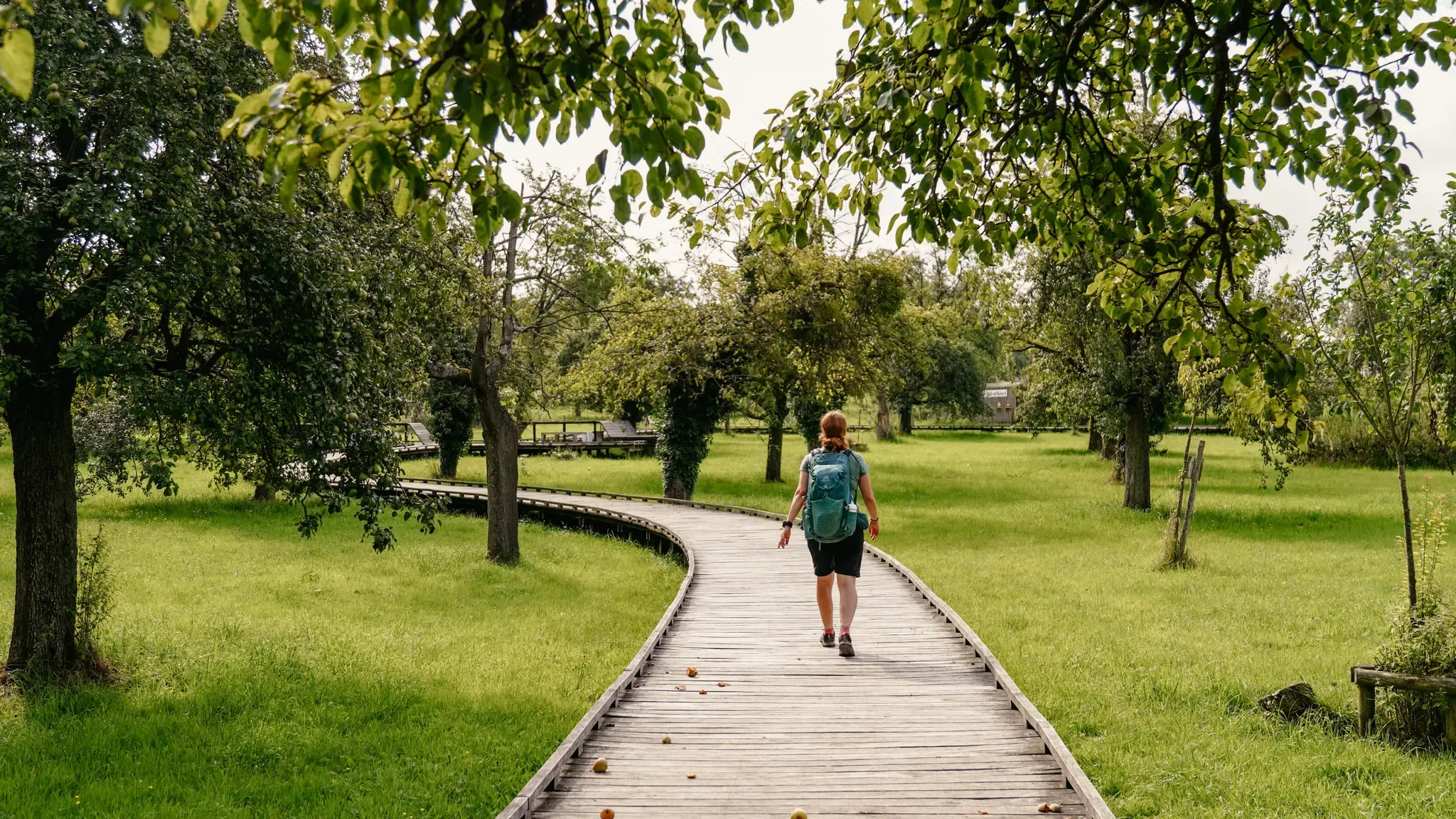
Hiking in Flanders – between dunes, forest and the scenic Meuse
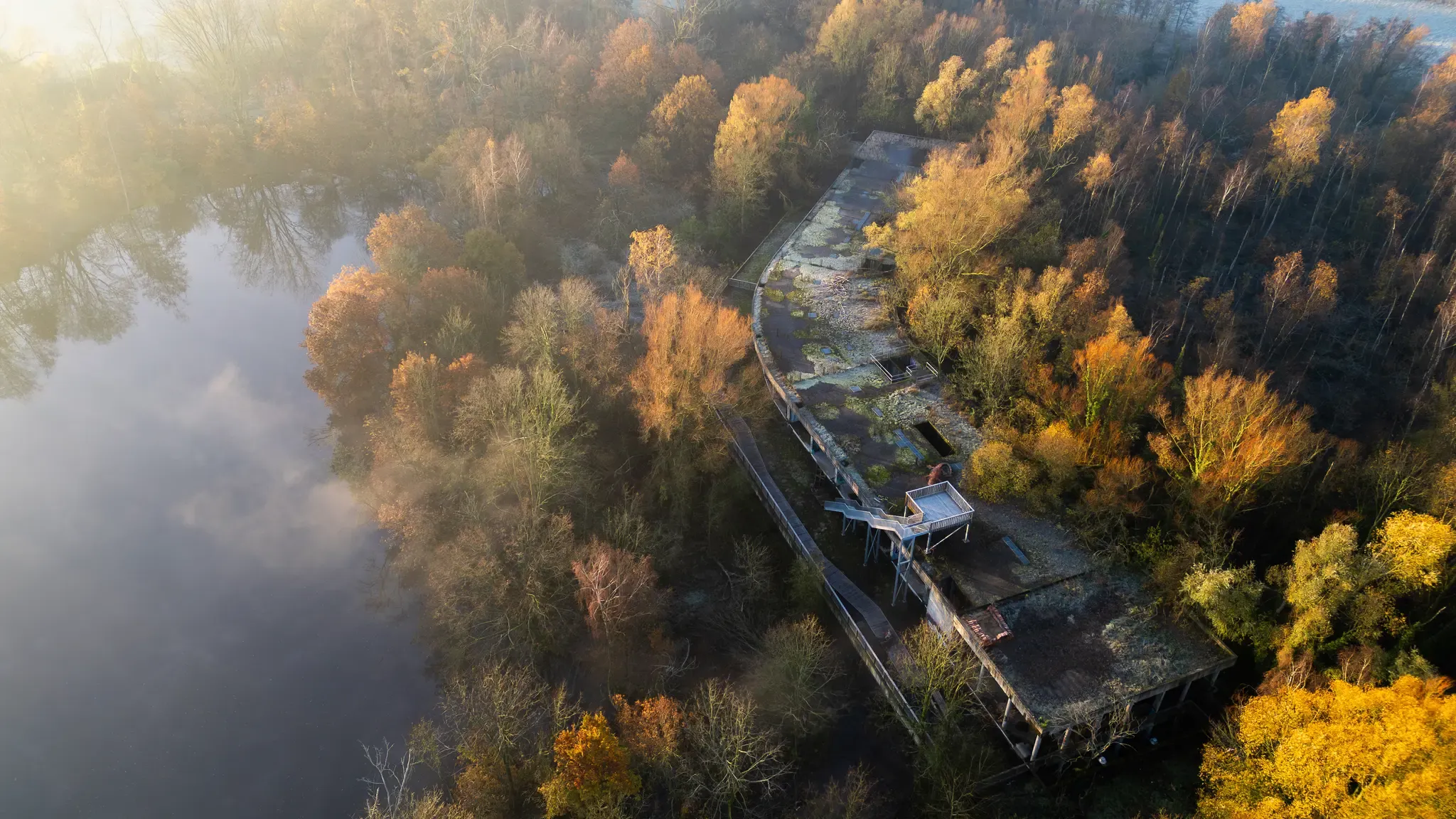
Treinstappers – from station to station in Flanders
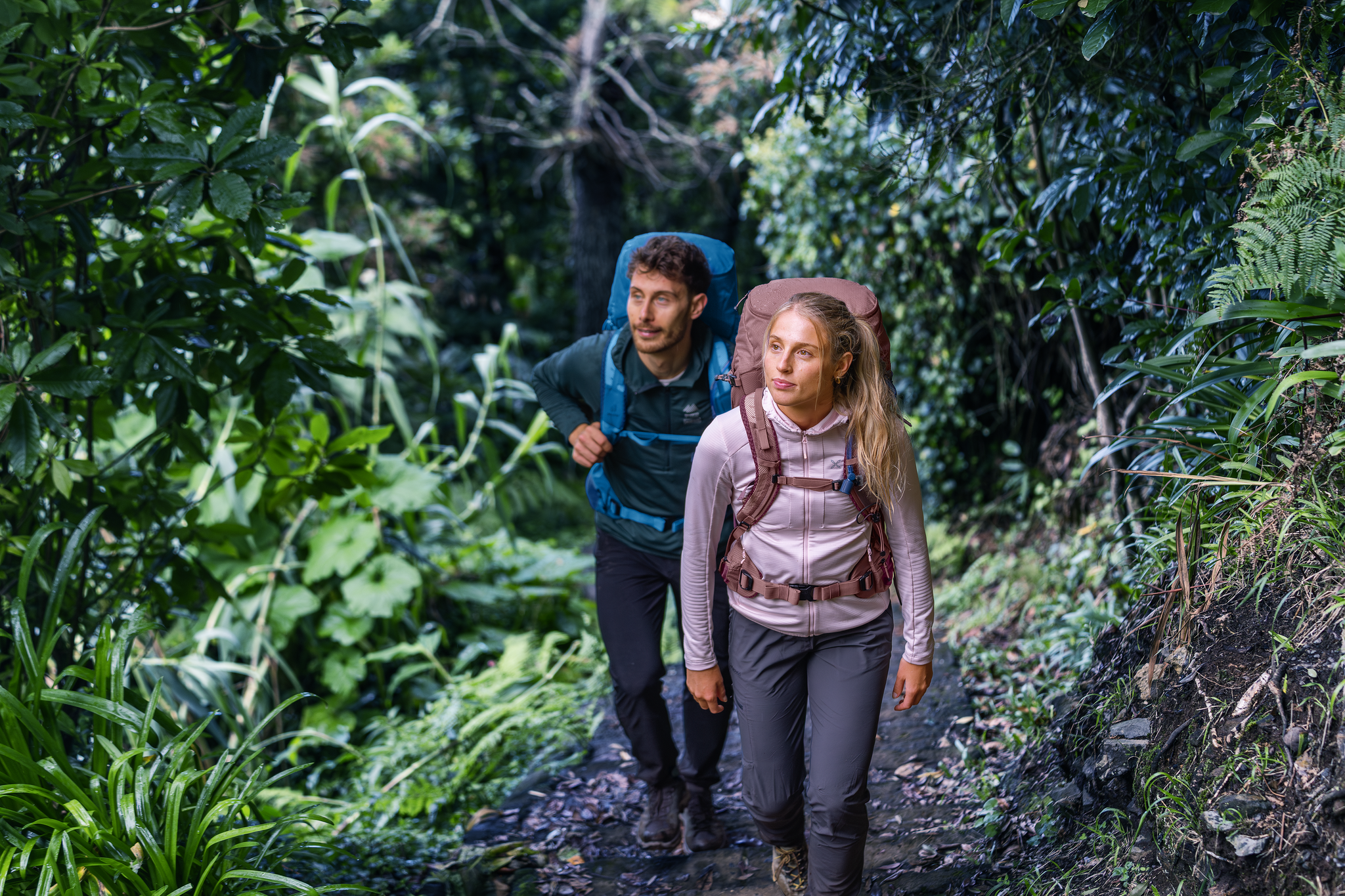
Rucksack auf und los – Weitwandern mit deuter in Belgien und den Niederlanden
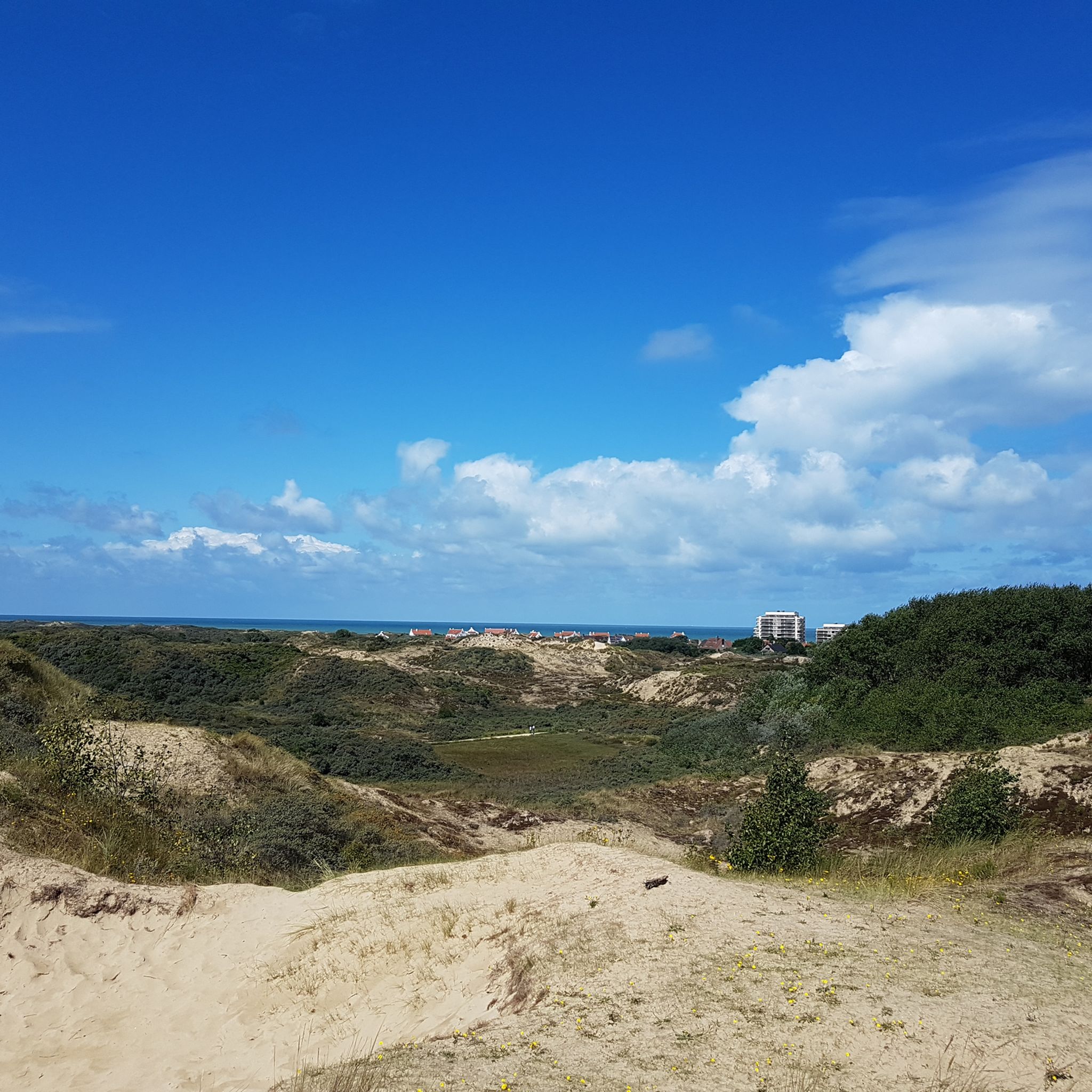
Hiking around De Panne
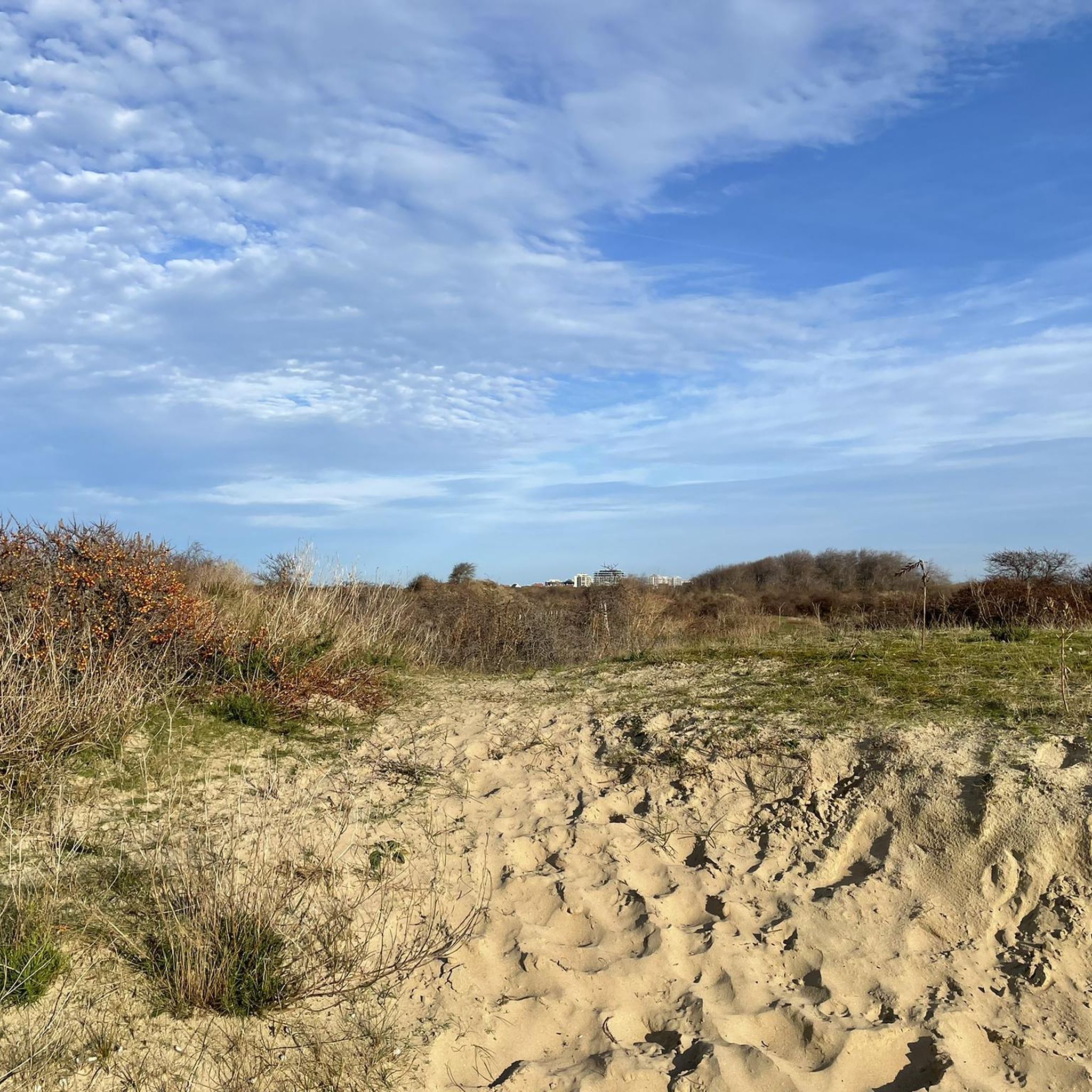
Road Cycling Routes around De Panne
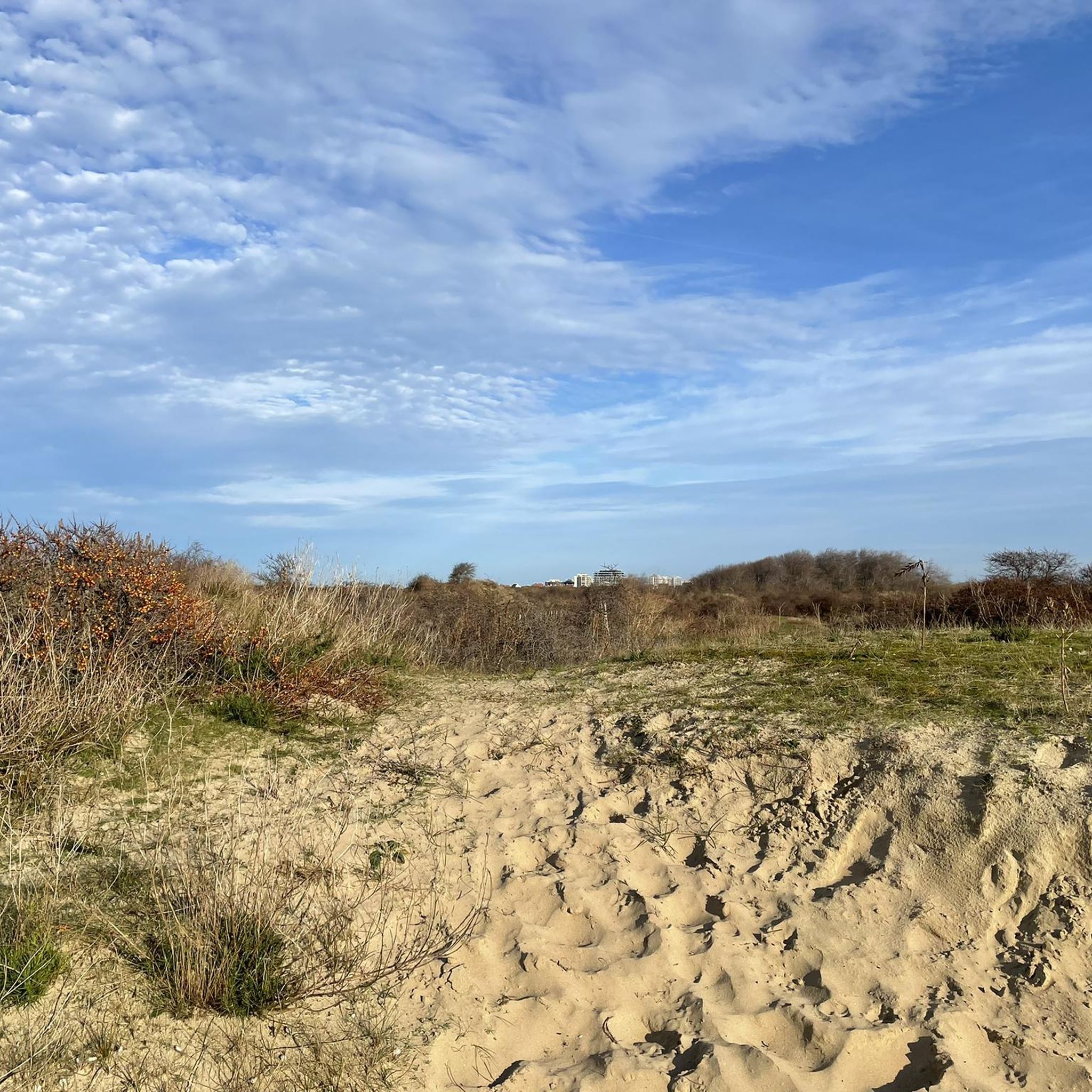
Cycling around De Panne
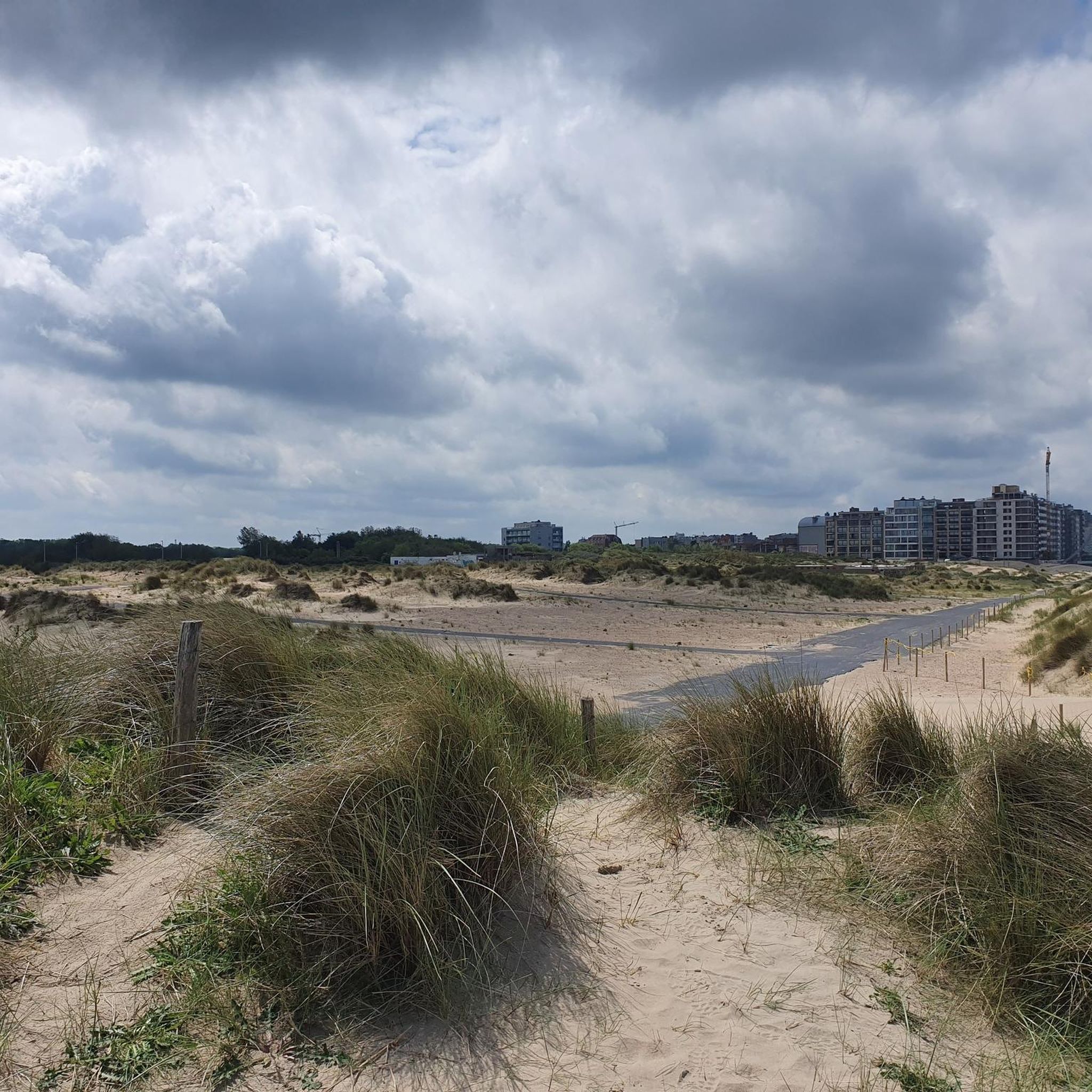
Running Trails around De Panne
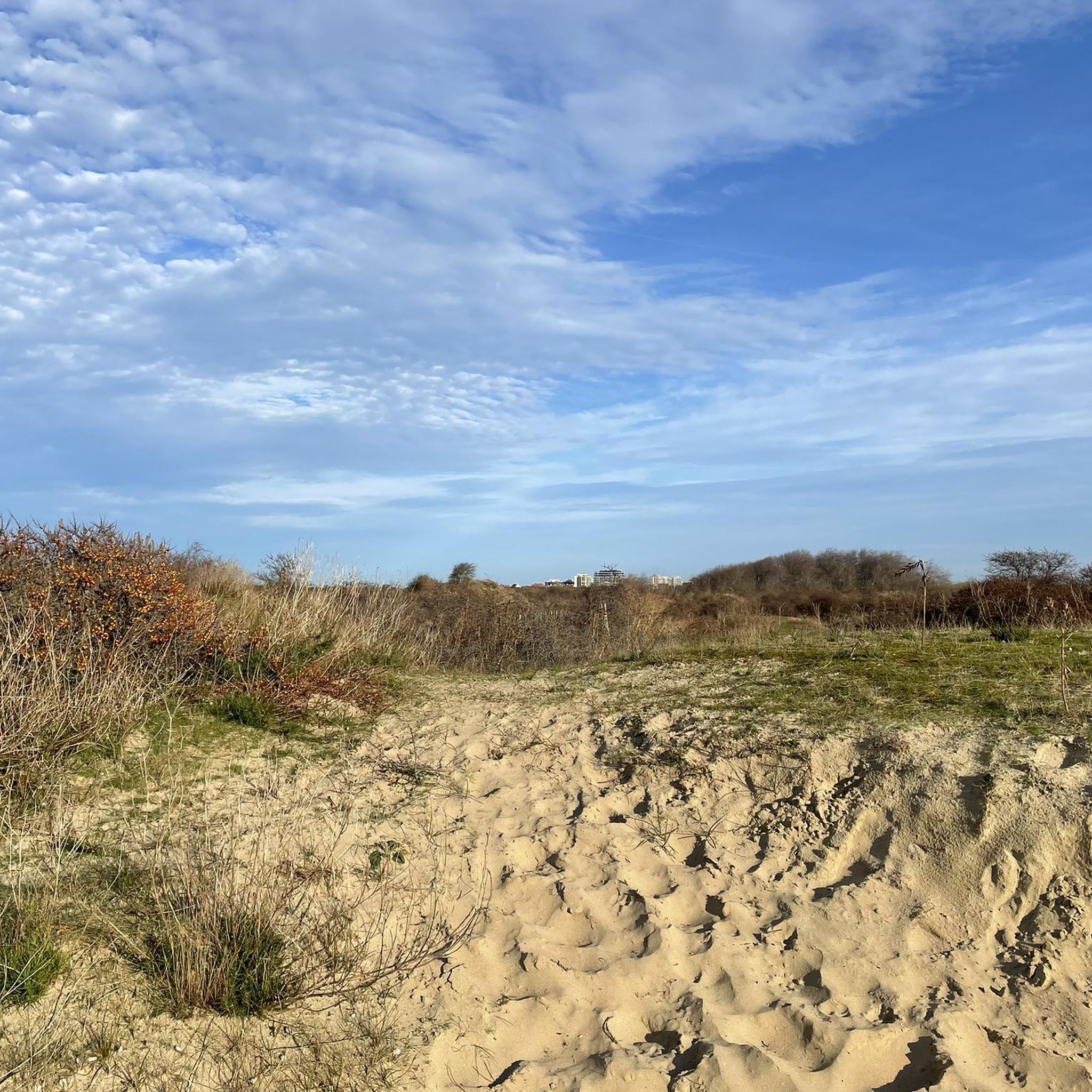
MTB Trails around De Panne
Other adventures around De Panne


Tips from the Community

A nature reserve with a rare wealth of fauna and flora unequaled in Belgium, except in the Zwin nature reserve. The freshwater of the Yser, the only river in Belgium that flows directly into the North Sea, mixes with the salty seawater. Tidal action has created a unique mudflat and salt marsh area, an ideal breeding ground for a rich variety of benthic organisms such as worms, snails, seaweed, shells, and crustaceans. The constant interaction between salt and freshwater in the Yser estuary also creates a unique biotope, characterized by salt-tolerant plants such as samphire, sea plantain, and sea aster. Source: https://www.dekust.be/natuurreservaat-de-ijzermonding
1
0

During holidays it is nice to take the ferry that takes you to the other side for free - with or without a bicycle
2
0

On the other side of the Havengeulpromenade is a nature reserve of 130 hectares. Due to tidal action, a unique mudflat and salt marsh area has formed here. This nature reserve has a unique fauna and flora due to the mixing of the salty seawater and the fresh water of the IJzer River, which flows into the sea here. You can reach the nature reserve via Halvemaanstraat or via the free ferry service. It is best to check ferry times in advance https://www.kantoormdk.be/nl/veerdiensten/veerdienst-nieuwpoort It is pleasant to cycle or walk.
4
0

Welcome to De Hoge Blekker, with its 33 meters the highest dune in the entire Flemish coastal region. A striking appearance and an impressive eye-catcher. The dune used to be a fixed navigation point for sailors. From a distance they could see the white back as a kind of 'flash' ('bleach' is the local dialect for 'flash'). The Hoge Blekker is a drifting dune that has covered some distances over time. The dune now covers an area of approximately 33 hectares. Enough room for a picnic stop!
4
0
At this location at Hole 18 of Golf Ter Hille there is a pond in which everything that ends up in it has been disappearing for about a thousand years. According to legend, the "Devil's Well" once swallowed a wealthy farmer, including his horse and carriage. Could it be real? The Devil's Well is a pond with a diameter of about 40 meters. The well has been there since time immemorial and no one seems to know its origins. No matter what was thrown into the well, it was never filled! That used to be different. The well was a mysterious, even feared place for centuries. Is the Devil's Well a sinkhole? A bottomless pit? Nobody knows. Because the phenomenon cannot be explained, this place was quickly given the name 'devil's pit'. It didn't take long before terrifying stories about the well emerged. The precise content of the legends varies, but the basic principle remains intact: the pit is an ominous place that swallows up proud people whole. One of the legends: “A self-righteous farmer insisted on traveling through a swampy area with his horse and cart. The people said, "Don't do that, that's the Devil's Pit! Anyone who goes there never returns." But the farmer didn't want to hear it. "Let the devil come and get me," said the farmer and he rode on. Even when a big thunderstorm broke out, he did not want to return. On the contrary, he even uttered blasphemies. Just before the farmer sank into the mud with his horse and cart, he shouted one last time, "Let the devil come and get me!", and he was gone. The farmer, his horse and his carriage were never seen again.” Other versions of the story show a nobleman or a countess dying in a haughty manner. Some stories even mention "several skeletons", which are said to be at the bottom of the well. In short, an ominous place that you should stay away from That was also the intention of the dark stories: to scare people so that they would not drown. Nowadays you will find the Devil's Well on the Ter Hille golf course in Oostduinkerke. Hole 18 is known there as "The Devil's Hole", a nod to the mysterious history of the place. "The hole fully lives up to its name," agree some golfers working on the course. Triggered? Click through to https://www.vrt.be/vrtnws/nl/2022/08/19/mysteries-ontrafeld-wat-zit-er-verborgen-in-de-duivelsput-van-o/
8
0
Beautiful semi-paved walking path that goes through De Doornpanne. Every season is colored differently here. With a bit of luck, donkeys or ponies will come to greet you.
9
0
At 33 meters above sea level, the Hoge Blekker, the dune that gave its name to the domain, is not only the highest dune (ridge) on our Flemish coast, but also a beautiful nature reserve, covering approximately 18 hectares. Blekker or Blinkaart is the common name for a bare dune hill that reflects sunlight (bleaching or shining). It was a permanent beacon for sailors who saw its white crown shining from afar ('bleaching' in the local dialect). At the origin of the Hoge Blekker and the adjacent dune massif are parabolic dunes that formed between the 16th and 19th centuries.
10
1

From the top of the Hoge Blekker you have a beautiful view of the lower dunes and landscapes, such as the Doornpanne. You will also find orientation tables that point you in which direction all kinds of places are. Those who are tired of the climb can rest on the benches.
13
0
Frequently Asked Questions
What kind of natural features can I expect to see around the lakes in De Panne?
De Panne's 'lakes' are primarily diverse wetland areas and water-filled depressions, rather than large natural lakes. You'll find significant ecological zones like dune pans and calcareous marshes within nature reserves such as the Westhoek Nature Reserve. These areas, including the 20-hectare wetland of De Zwarten Hoek, are crucial for unique ecosystems and support a variety of plant and animal life.
What wildlife can I observe around the water features in De Panne?
The water-rich areas in De Panne are a haven for wildlife. De Zwarten Hoek is known as a 'paradise for water birds,' offering excellent birdwatching opportunities. The Westhoek Nature Reserve, with its dune pans and marshes, supports over 200 different bird species. At the Birdwatching hide at De Koolhofput, you can observe various species throughout the seasons. The Markey Ponds are home to swans, ducks, great crested newts, and various dragonfly populations.
Are there walking or hiking routes around the lakes near De Panne?
Yes, De Panne offers varied walking routes through its extensive dune and forest reserves, often incorporating these water features. The IJzer Estuary Nature Reserve has an extensive network of cycling and walking paths. For more structured routes, you can explore running trails like the 'View from the Hoge Blekker – Noordduinen loop' or the 'Wieltjespad Forest Path – Krakeelduinen Nature Reserve loop'. Find more options on the Running Trails around De Panne guide.
Are there family-friendly spots among De Panne's water features?
Many of De Panne's natural areas with water features are family-friendly. The IJzer Estuary Nature Reserve, View from the Hoge Blekker, and Birdwatching hide at De Koolhofput are all categorized as family-friendly. The Markey Ponds also offer a pleasant environment for families to observe nature.
What is the Hoge Blekker and how does it relate to the lakes?
The Hoge Blekker is the highest dune in the Flemish coastal region, standing at 33 meters. While not a lake itself, it offers extensive views over the surrounding landscape, which includes various water features and wetlands. It was historically a navigation point for sailors and is a great spot for a picnic with a view.
Can I go wild swimming in the water features around De Panne?
The guide data and regional research do not indicate designated wild swimming spots in the wetland areas or 'lakes' around De Panne. These areas are primarily valued for their ecological significance and wildlife observation. It's best to enjoy the natural beauty from the designated paths and viewpoints.
What is the significance of the IJzer Estuary Nature Reserve?
The IJzer Estuary Nature Reserve is a unique natural area where the Yser river meets the North Sea. This creates a special biotope with mud flats, salt marshes, and dunes, supporting diverse plant and animal life. It's an important ecological zone with brackish water conditions.
Are there any historical or cultural stories associated with the water features?
Yes, the Devil’s Pit of Oostduinkerke is a mysterious pond with a diameter of about 40 meters, steeped in local legends. Stories tell of it being a 'bottomless pit' that swallowed a wealthy farmer and his horse and carriage, or other proud individuals. It's now located on a golf course, with Hole 18 known as 'The Devil's Hole'.
What kind of cycling routes are available near De Panne's water areas?
De Panne offers various cycling routes that pass by or through areas with water features. For mountain biking, you can find routes like the 'Forest Trail – IJzer Estuary Nature Reserve loop'. Road cycling options include routes such as 'Veurne Market Square – Yser River Pathway loop'. You can explore more options on the MTB Trails around De Panne guide and the Road Cycling Routes around De Panne guide.
What are the Markey Ponds and what makes them special?
The Markey Ponds are a group of two small lakes in Adinkerke, originally sand quarries. They are now managed for their ecological value, particularly for increasing the population of great crested newts and maintaining dragonfly populations and aquatic plant biodiversity. The northern pond is open for fishing, while the southern pond is protected for nature conservation.
What is the best time to visit De Panne for enjoying its water features and nature?
While specific seasonal recommendations aren't provided, the diverse ecosystems, especially those supporting birdlife and unique flora, suggest that spring and autumn would be excellent for nature observation. The Birdwatching hide at De Koolhofput is noted to offer different 'stars' each season, implying year-round interest.
Are there any accessible paths for wheelchairs around the water features?
The guide data does not explicitly mention wheelchair-accessible paths for all water features. However, the Birdwatching hide at De Koolhofput is accessible via the Frontzate cycle path, which is a former railway line now serving as a walking and cycling route, suggesting it might offer more accessible sections.
Most popular routes around De Panne
Most popular attractions around De Panne

Get inspired with the komoot mobile app


Explore more
Still not found your perfect lake around De Panne? Check out the guides of these regions to see even more beautiful places.
