Top 5 Castles around Knokke-Heist
Best castles around Knokke-Heist are found in a region known for its coastal landscape and historical significance. Knokke-Heist is a seaside resort in Belgium, recognized for its modern architecture and vibrant atmosphere. The surrounding area offers historical estates and fortifications that provide insight into the region's past. These sites often feature moats, defensive structures, and renovated buildings.
Best castles around Knokke-Heist
- The most popular castles is Oostkerke Castle, a castle that was originally a fortified brick residential tower constructed around 1300. Its gardens, designed by Mien Ruys, are occasionally open to the public.
- Another must-see spot is Fort van Beieren, a historical site with remnants of an 18th-century fort. Visitors can explore the earthen wall, moats, and an entrance gate, with a brasserie nearby.
- Visitors also love Elderschans Castle, a historic castle that functioned as a defensive fortress. Today, it operates as a hotel and resort, surrounded by a vast forest area.
- Knokke-Heist is known for fortified residential towers, historical estates, and defensive fortresses. The variety of castles to see and explore includes sites with moats, renovated buildings, and those adapted for modern use.
- The castles around Knokke-Heist are appreciated by the komoot community, with 131 upvotes and 28 photos shared.
Last updated: June 30, 2026
Oostkerke Castle
Highlight • Castle
Translated by Google •
Tip by

Fort van Beieren
Highlight • Historical Site
The central square is surrounded by an earthen wall with four bastions, a moat and a second earthen wall and an outer moat. Next to it was a small castle that was damaged during World War II and had to be demolished.
All that remains of the castle is an entrance gate, an outbuilding, an ice house and a walled garden, other parts have been rebuilt so that today you can visit a quarter of the castle in its original form.
In the nearby brasserie you can get delicious food or a delicious lunch in a rural atmosphere. On the menu you will find homemade classics from the French-Belgian kitchen. Do you have a sweet tooth? Then treat yourself to a freshly made pancake, waffle, ice cream or the dessert of the week.
Translated by Google •
Tip by

Sign up now to discover places like this
Get recommendations on the best single tracks, peaks, & plenty of other exciting outdoor places.
Sign up for free
Elderschans Castle
Highlight • Castle
The castle is best known for its impressive architecture and beautiful surroundings. It is surrounded by a vast forest area.
Today, Kasteel Elderschans functions as a hotel and resort, where guests can enjoy a relaxing stay in historic surroundings. It also offers various facilities such as restaurants, wellness centers and leisure activities. In short, a nice stop during your walk!
Translated by Google •
Tip by

Moerkerke Castle
Highlight • Castle
The castle is still partly surrounded by a moat. A bridge with four round arches from the 17th and 18th centuries provides access. In the castle hang mourning boards from the 19th century, which used to hang in the church, as well as the mourning board of Pierre de la Villette from 1716.
In the left wing of the castle there is an ice cellar.[2] The castle is surrounded by a beautiful garden with a pond. Parts of the forecourt were found here.
From the 1960s the castle was used for receptions and parties.
Source: Wikipedia
Translated by Google •
Tip by

Uitkerke Castle
Highlight • Castle
Translated by Google •
Tip by

Sign up for free to discover even more castles around Knokke-Heist.
Sign up for free
Already have an account?
Start today with a free account
Your next adventure awaits.
Login or Signup
Popular around Knokke-Heist
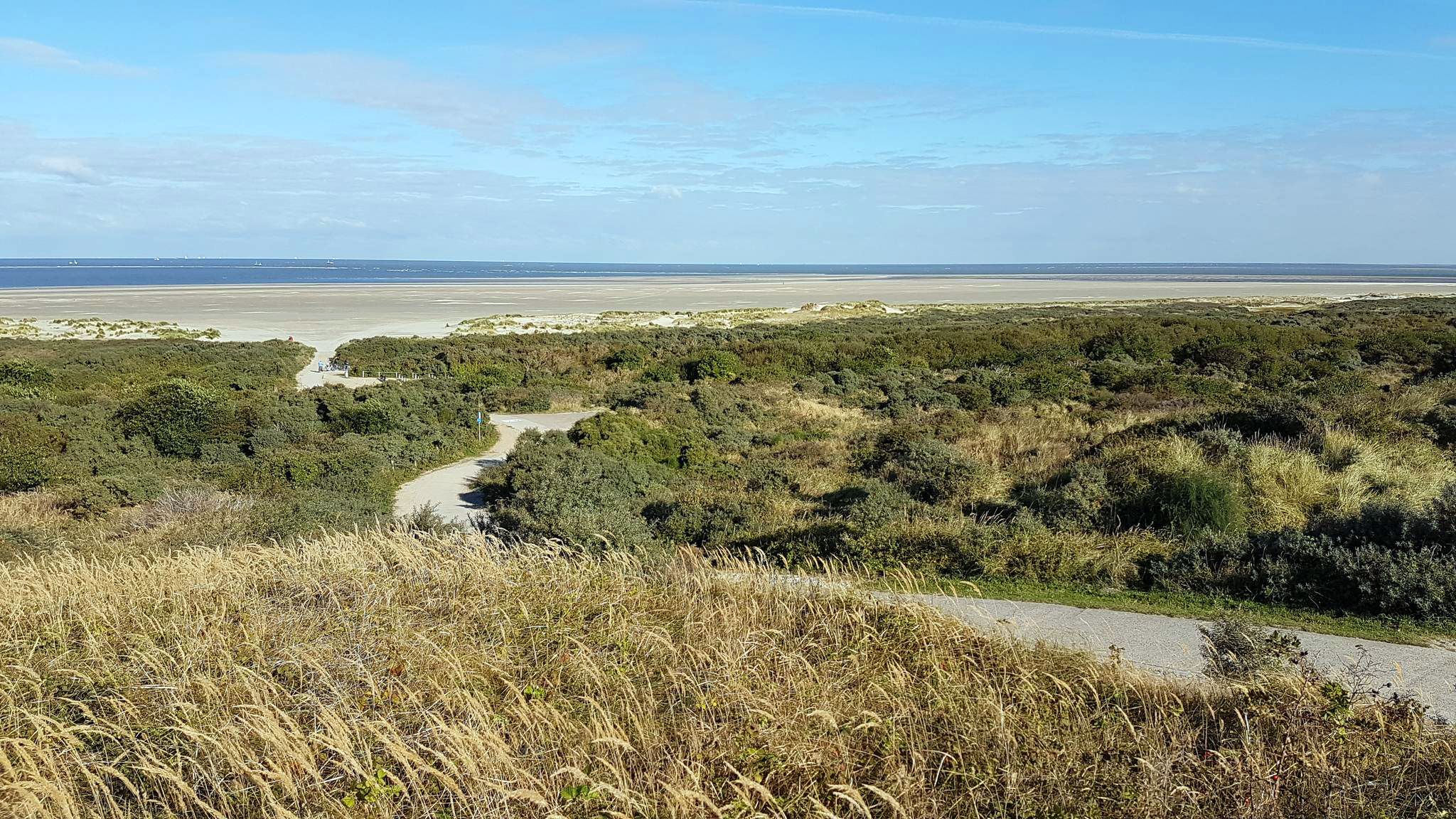
The North Sea Coast Cycle Route — Netherlands and Belgium
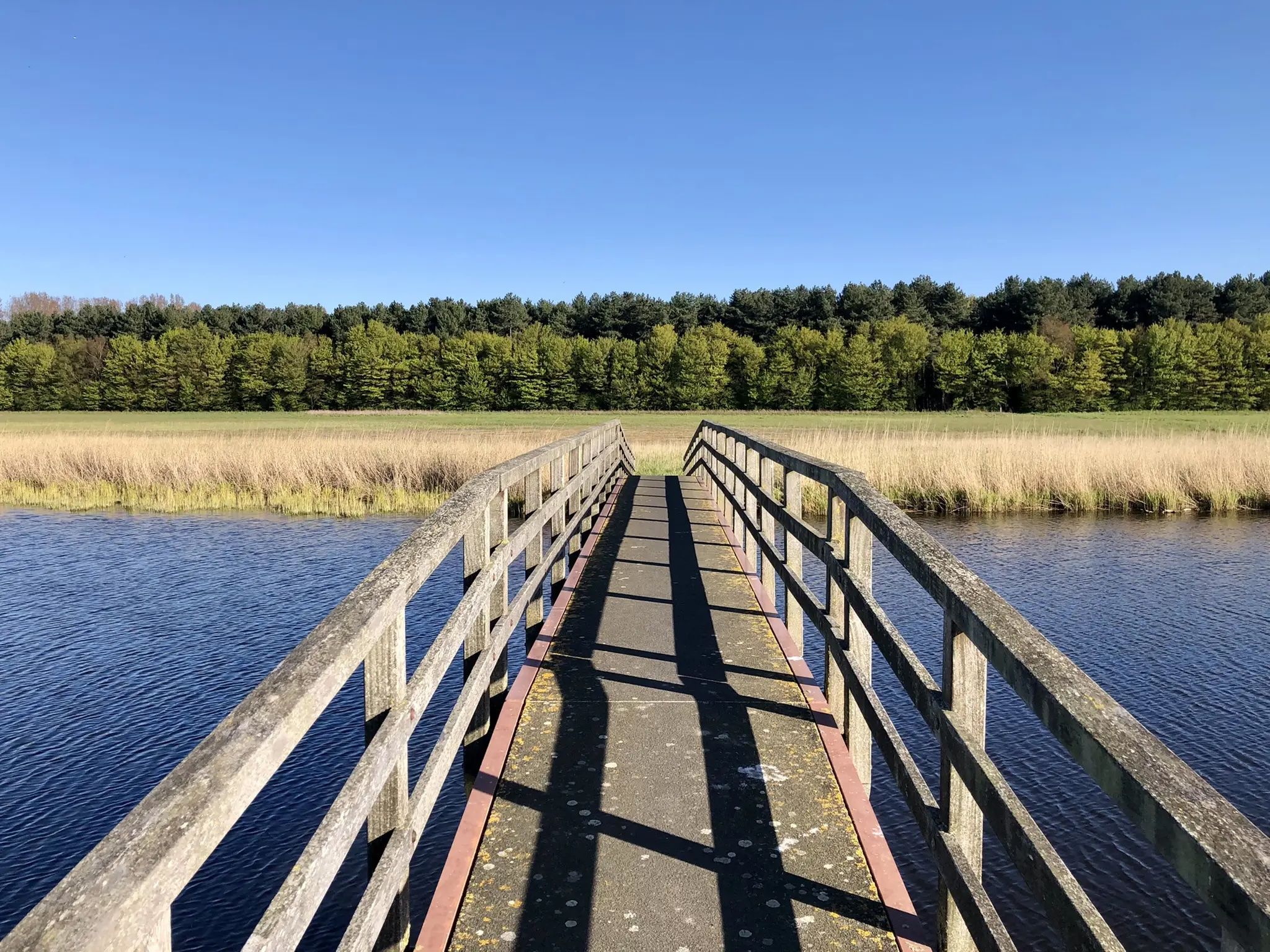
By West, East and Zeeuws-Vlaanderen — GR Uilenspiegel
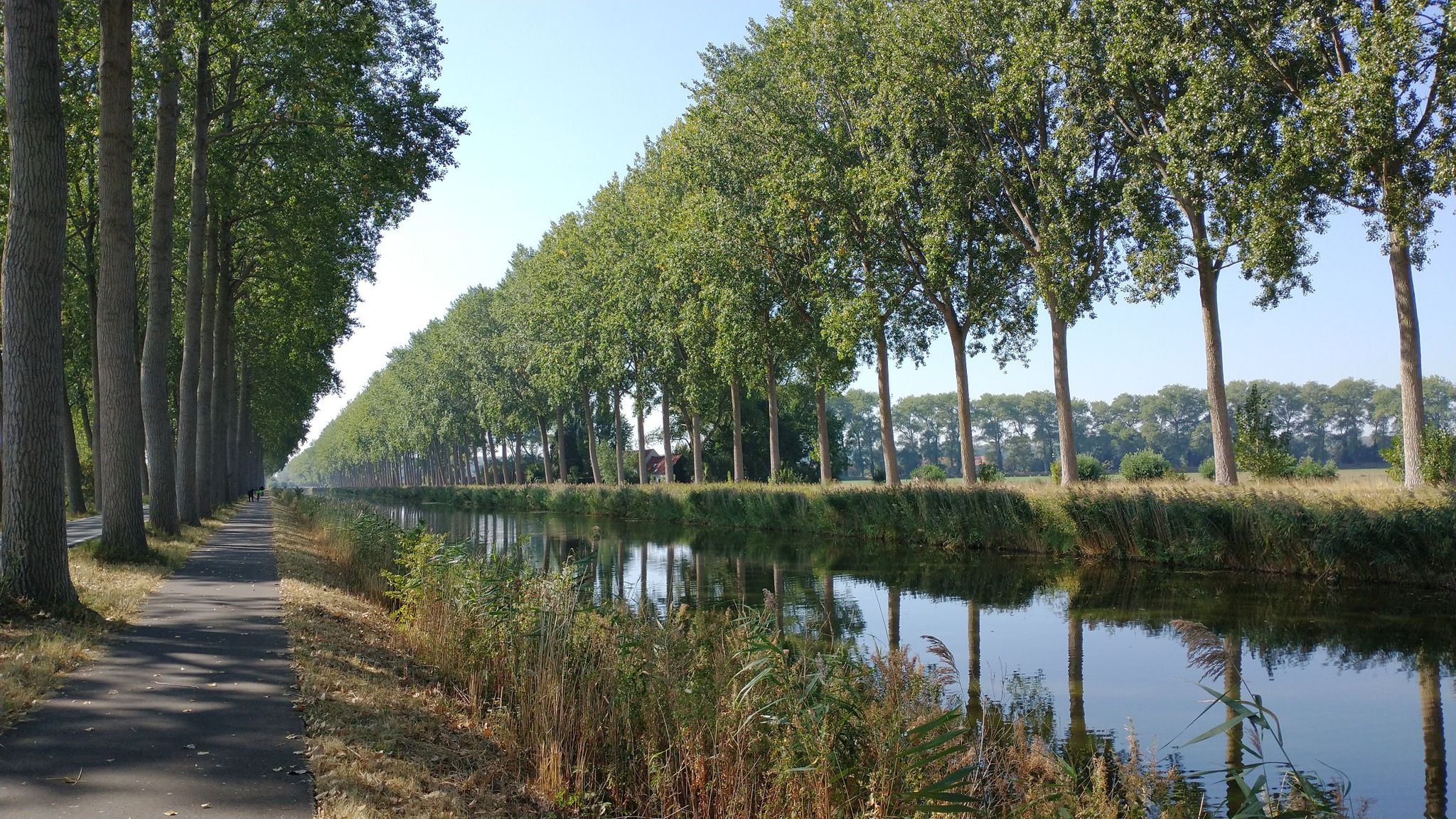
Coast and canals – travelling in Flanders and Zeeland Flanders
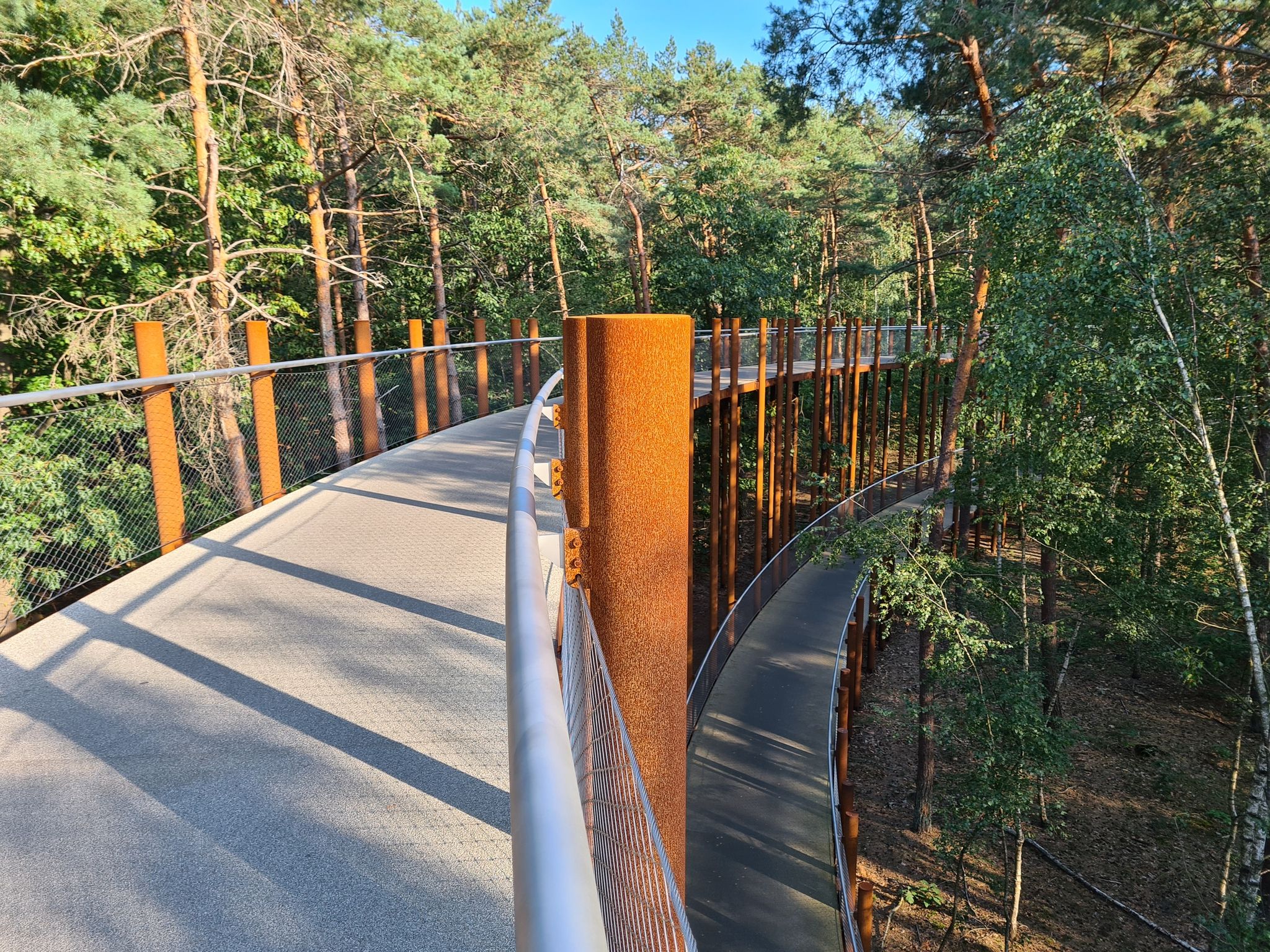
Cycling on Belgium’s most beautiful bike paths — 10 boucles à vélo
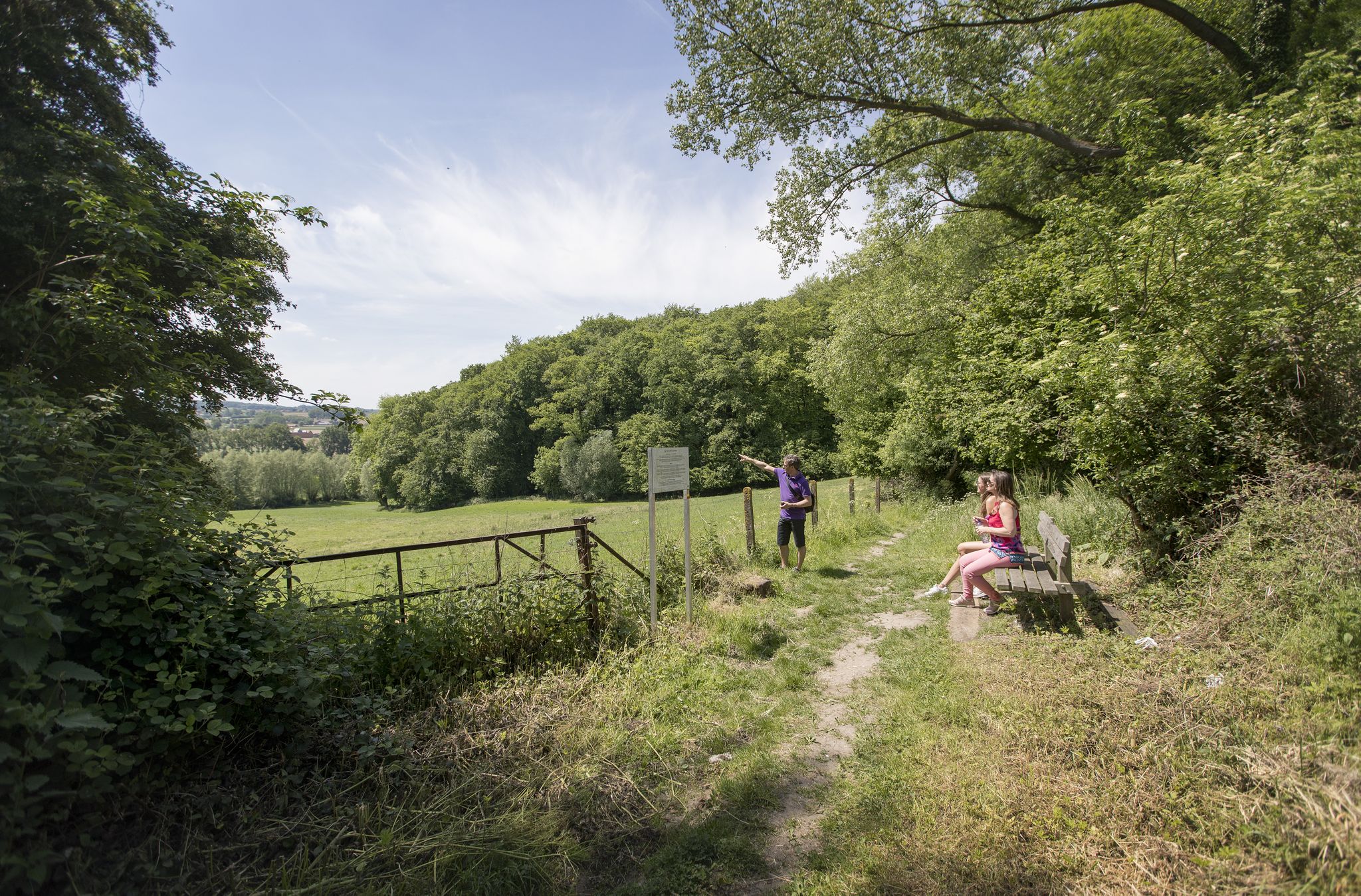
Belgium's Flanders region — the new hiking destination
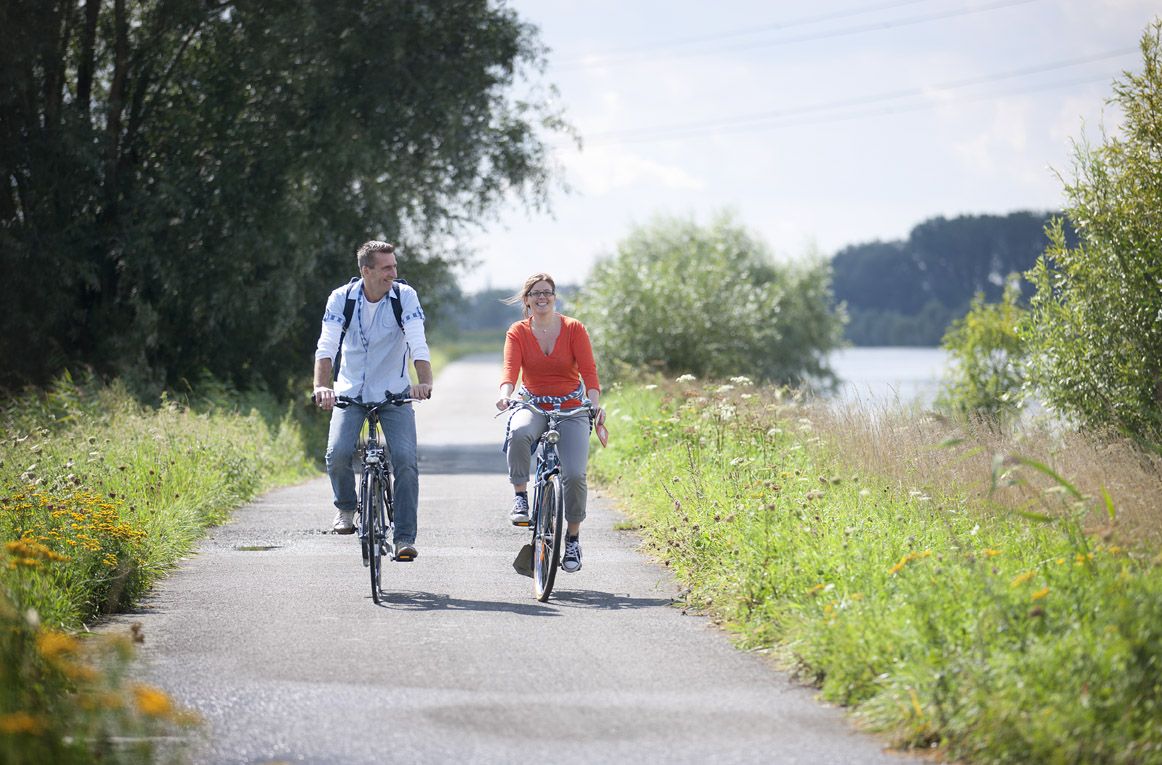
Flanders by bike: cycling along the water
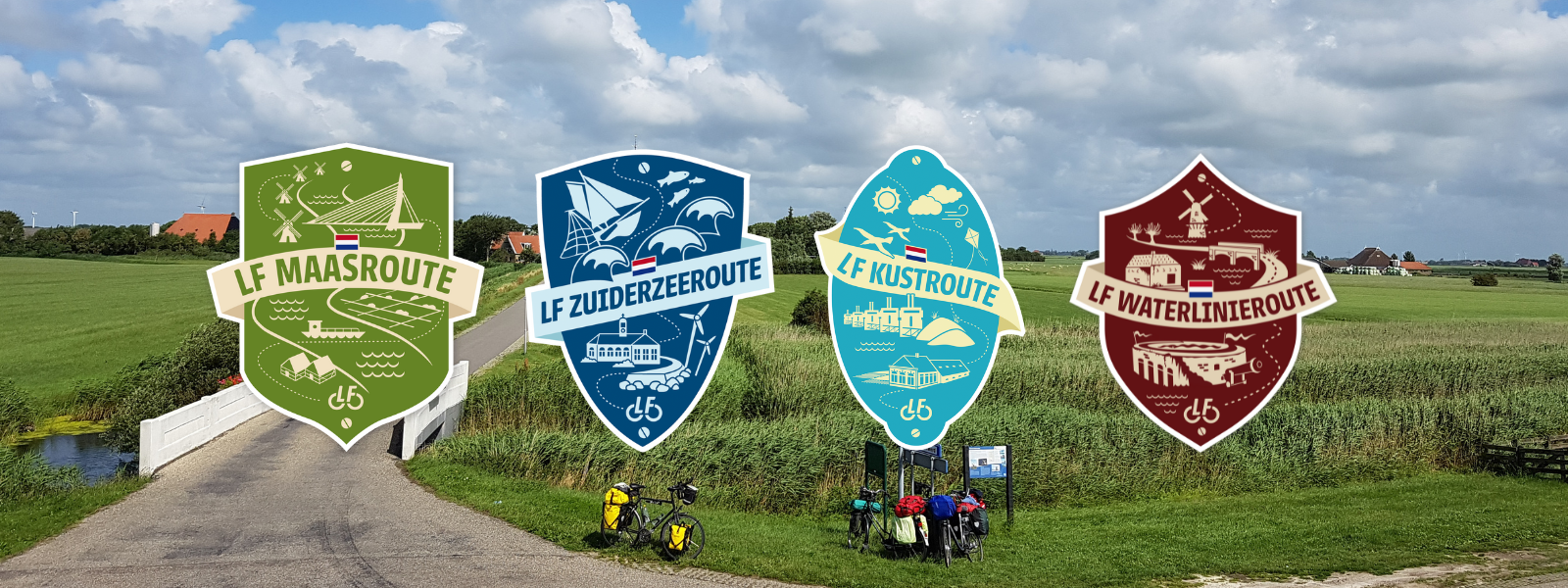
LF-routes
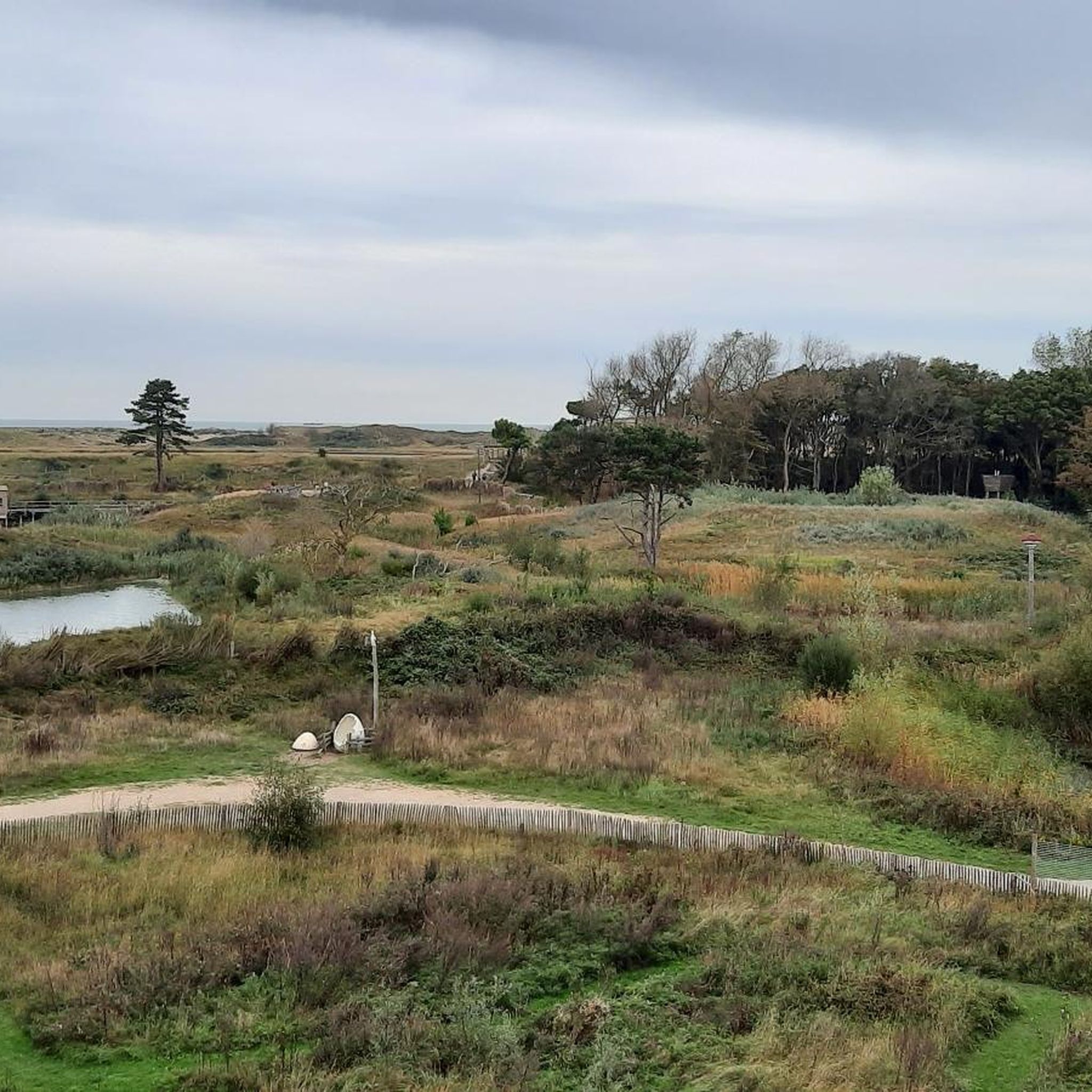
Cycling around Knokke-Heist
Hiking around Knokke-Heist
Running Trails around Knokke-Heist
Other adventures around Knokke-Heist


Tips from the Community

Fort van Beieren was built by the French in the 18th century during the War of the Spanish Succession and was originally called Fort Bayern. At that time, 1,748 soldiers were stationed there. Today, there's a lovely restaurant there, inviting you to take a break and offering tasty snacks at reasonable prices.
0
0

The castle of Uitkerke with its associated courtyard was built around 1070 on a mound surrounded by a moat. The mound was raised after the stabilization of the coastline (10th-12th century). It seems like a quiet place to live, but the Bruges-Blankenberge railway line runs through the backyard.
16
0
Around 1300, a fortified brick residential tower was built in Oostkerke. At the end of the 14th century there was a “Nederhof” and an “Opperhof”, both surrounded by moats. Baron van der Elst had a dilapidated castle renovated in 1938. The ramparts were re-excavated, the stone access bridge restored and the west wing converted into an elegant building in Renaissance style. The former foundations of the ring wall and keeps were also raised and serve as a decoration and walkway in the garden, laid out by the Dutch landscape architect Mien Ruys, which can sometimes be visited during the open garden days in June.
15
0


The Elderschans or Eederschans (originally: Heilleschans, later corrupted to the current name) was an isolated fortification west of Aardenburg, which was part of the State-Spanish Lines. The Elderschans was built in 1604, together with the Olieschans, to defend Aardenburg. She was located on the estuary of the Platvliet. In 1673 the fort was demolished. In 1728 the redoubt was owned by Hendrik de Beaufort (1686-1740), who was lord of Duivendijke, and by Justina Geertruida van Welderen. They sold it in 1729 to Petrus Adrianus van Affelen, who was mayor of the Vrije van Sluis and founded a country estate here. After his death, this property belonged to his widow, Catharina van Uffelen, who changed the name to Rustenburg. In 1770 the estate was sold to Daniel Veijs, who was married to Maria Zonnevylle. The name became Elderschans again. After Daniel had also died, his heirs sold the Elderschans in 1800 to four dignitaries from Aardenburg, who each became the owner for a quarter. In 1841 there were even five owners. One of them was Pieter Christiaan Jacobus Hennequin, and in 1885 he managed to acquire full ownership of the Elderschans. He then had a country house built that was designed by Jan Adriaan Frederiks in an eclectic style. It was built at the point where two avenues, which had already been laid out in the 18th century, intersected. The park was redesigned. After he died, his wife, Wilhelmina Johanna van Oostenwijk Stern, lived there for a while. In 1915 she left for Hilversum and in 1919 she sold the estate. This has known many owners since then. The country house was damaged by shellfire in 1944, and in 1945 the then municipality of Aardenburg bought it, only to sell it to a private individual in 1986. However, the park remained municipal property. The inner and outer moat of the fort are still largely present and the course of the ramparts is recognizable. The area is wooded and you can walk there. It is one of the few forests in this area and one of the few estates in Zeeuws-Vlaanderen. Source Wikipedia
1
0

Kasteel Elderschans is a historic castle. The castle has a rich history dating back to the 17th century. It was originally built as a defensive fortress and later served as a strategic point during several wars and conflicts. The castle is best known for its impressive architecture and beautiful surroundings. It is surrounded by a vast forest area. Today, Kasteel Elderschans functions as a hotel and resort, where guests can enjoy a relaxing stay in historic surroundings. It also offers various facilities such as restaurants, wellness centers and leisure activities. In short, a nice stop during your walk!
2
0
Beautiful farmhouse with an ancient history, adjacent to the provincial domain, which is a recreational asset for hikers, cyclists and horse riders. Various marked cycling and walking routes around the old ramparts and bastions to Bruges, Damme and Sluis. Within walking distance of Damme. The dogs are also spoiled with a dog off-leash meadow.
1
0

Idd definitely pass if you are near Oostkerke
2
0
Frequently Asked Questions
What types of historical sites can I expect to find around Knokke-Heist?
While Knokke-Heist is known for its modern coastal atmosphere, the surrounding region offers a variety of historical sites. You can find fortified residential towers, historical estates, and defensive fortresses. Examples include the medieval origins of Oostkerke Castle, the 18th-century remnants of Fort van Beieren, and the 17th-century defensive structure of Elderschans Castle.
Which castles near Knokke-Heist are known for their historical significance?
Oostkerke Castle, dating back to around 1300, was originally a fortified brick residential tower. Uitkerke Castle, built around 1070, stands on a moated mound. Elderschans Castle, built in the 17th century, served as a strategic defensive fortress. Moerkerke Castle also has medieval origins, with a square keep from around 1100.
Are there any castles around Knokke-Heist that offer unique experiences beyond just historical viewing?
Yes, Elderschans Castle operates as a hotel and resort, offering guests a relaxing stay in historic surroundings with various facilities like restaurants and wellness centers. Oostkerke Castle's beautiful gardens, designed by Mien Ruys, are occasionally open to the public during specific garden days in June.
Can I visit the gardens of Oostkerke Castle?
The chateau of Oostkerke Castle is privately owned. However, its beautiful gardens, designed by Dutch landscape architect Mien Ruys, are sometimes open to the public during specific open garden days, typically in June.
What facilities are available at Fort van Beieren?
At Fort van Beieren, you can explore the remnants of the 18th-century fort, including an earthen wall with four bastions, a moat, and an entrance gate. There is also a nearby brasserie where you can enjoy delicious food or lunch in a rural atmosphere, offering homemade classics from French-Belgian cuisine.
Are there family-friendly castles to visit near Knokke-Heist?
Yes, several castles and historical sites around Knokke-Heist are considered family-friendly. These include Oostkerke Castle, Fort van Beieren, Elderschans Castle, and Moerkerke Castle. These sites often offer space for exploration and historical context suitable for all ages.
What kind of outdoor activities can I do near these castles?
The region around Knokke-Heist offers various outdoor activities. You can find numerous routes for running, gravel biking, and mountain biking. For example, there are running trails around Het Zwin Nature Reserve, gravel biking loops through the dunes, and MTB trails along the Zwindijk. You can explore these and more on the Running Trails around Knokke-Heist guide, Gravel Biking around Knokke-Heist guide, and MTB Trails around Knokke-Heist guide.
Are there walking or hiking routes around the castles?
Yes, the areas around the castles often feature walking paths. For instance, the grounds of Elderschans Castle are wooded and offer walking opportunities. Fort van Beieren is adjacent to a provincial domain with various marked cycling and walking routes. For more extensive options, you can check the Running Trails around Knokke-Heist guide, which includes routes suitable for walking.
What is the best time of year to visit the castles around Knokke-Heist?
The best time to visit depends on your preferences. Spring and summer offer pleasant weather for exploring the grounds and gardens, such as those at Oostkerke Castle which are occasionally open in June. Autumn provides beautiful foliage, especially around wooded areas like Elderschans Castle. While specific winter opening hours are not detailed, the historical structures can be appreciated year-round.
Are there any cafes or restaurants near these historical sites?
Yes, Fort van Beieren has a brasserie nearby where you can enjoy meals and snacks. Elderschans Castle, functioning as a hotel and resort, also offers various restaurants on-site for guests and visitors.
What do visitors enjoy most about the castles and historical sites in the Knokke-Heist area?
Visitors appreciate the blend of history and natural beauty. They enjoy exploring the ancient structures, walking through the surrounding landscapes, and discovering the unique stories behind each site. The renovated gardens of Oostkerke Castle and the historical significance of Fort van Beieren are often highlighted. The opportunity to stay in a historic setting at Elderschans Castle is also a popular draw.
Is it possible to stay overnight in a castle near Knokke-Heist?
Yes, Elderschans Castle operates as a hotel and resort, offering guests the unique experience of staying in a historic castle setting. It provides various facilities for a relaxing stay.
Most popular routes around Knokke-Heist
Most popular attractions around Knokke-Heist

Get inspired with the komoot mobile app


Explore more
Looking for the best castles somewhere else? Discover other guides around Knokke-Heist:
