Top 6 Caves around Burg-Reuland
Best caves around Burg-Reuland are situated in a region known for its historic castle ruins and natural landscapes, ideal for hiking and cycling. While prominent tourist-accessible caves are not directly within the municipality, the broader Ardennes region, which Burg-Reuland is part of, features impressive cave systems. The area's geological past is evidenced by various natural formations. Burg-Reuland offers diverse outdoor activities in its scenic valleys and hills.
Best caves around Burg-Reuland
- The most popular caves is Bat Tunnel near Huldange…
Last updated: May 19, 2026
Ancient Quarry and Abandoned Tunnel
Highlight • Structure
Translated by Google •
Tip by

Mine Entrance of Thier des Carrières
Highlight • Cave
Translated by Google •
Tip by
Sign up now to discover places like this
Get recommendations on the best single tracks, peaks, & plenty of other exciting outdoor places.
Sign up for free
Bat Tunnel near Huldange
Highlight • Cave
Translated by Google •
Tip by

Lourdes Grotto
Highlight • Religious Site
Translated by Google •
Tip by

Neidinger Grotto of the Virgin Mary
Highlight • Religious Site
Translated by Google •
Tip by

Sign up for free to discover even more caves around Burg-Reuland.
Sign up for free
Already have an account?
Start today with a free account
Your next adventure awaits.
Login or Signup
Popular around Burg-Reuland
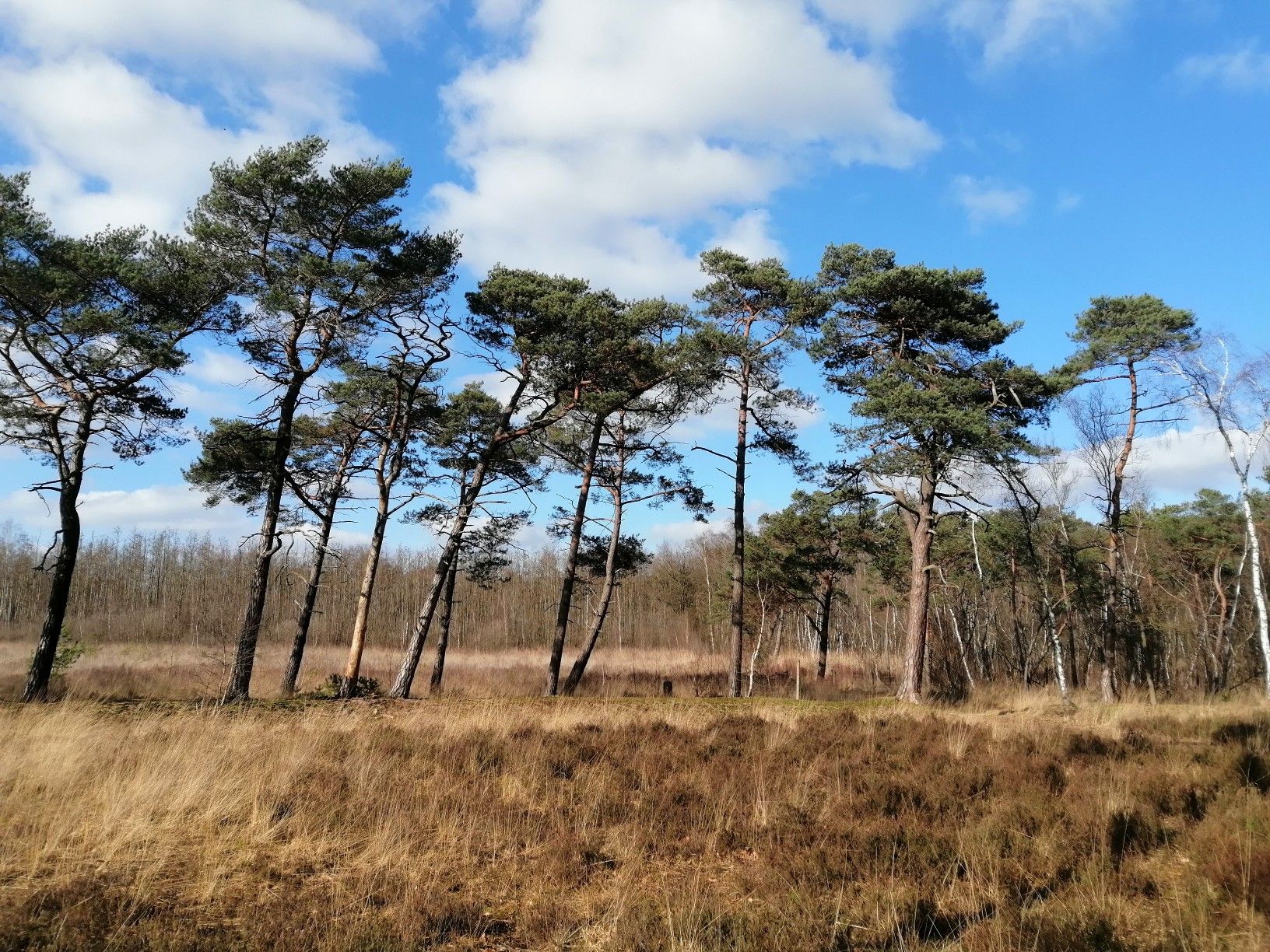
From Flanders to the Ardennes — GR 5 in Belgium
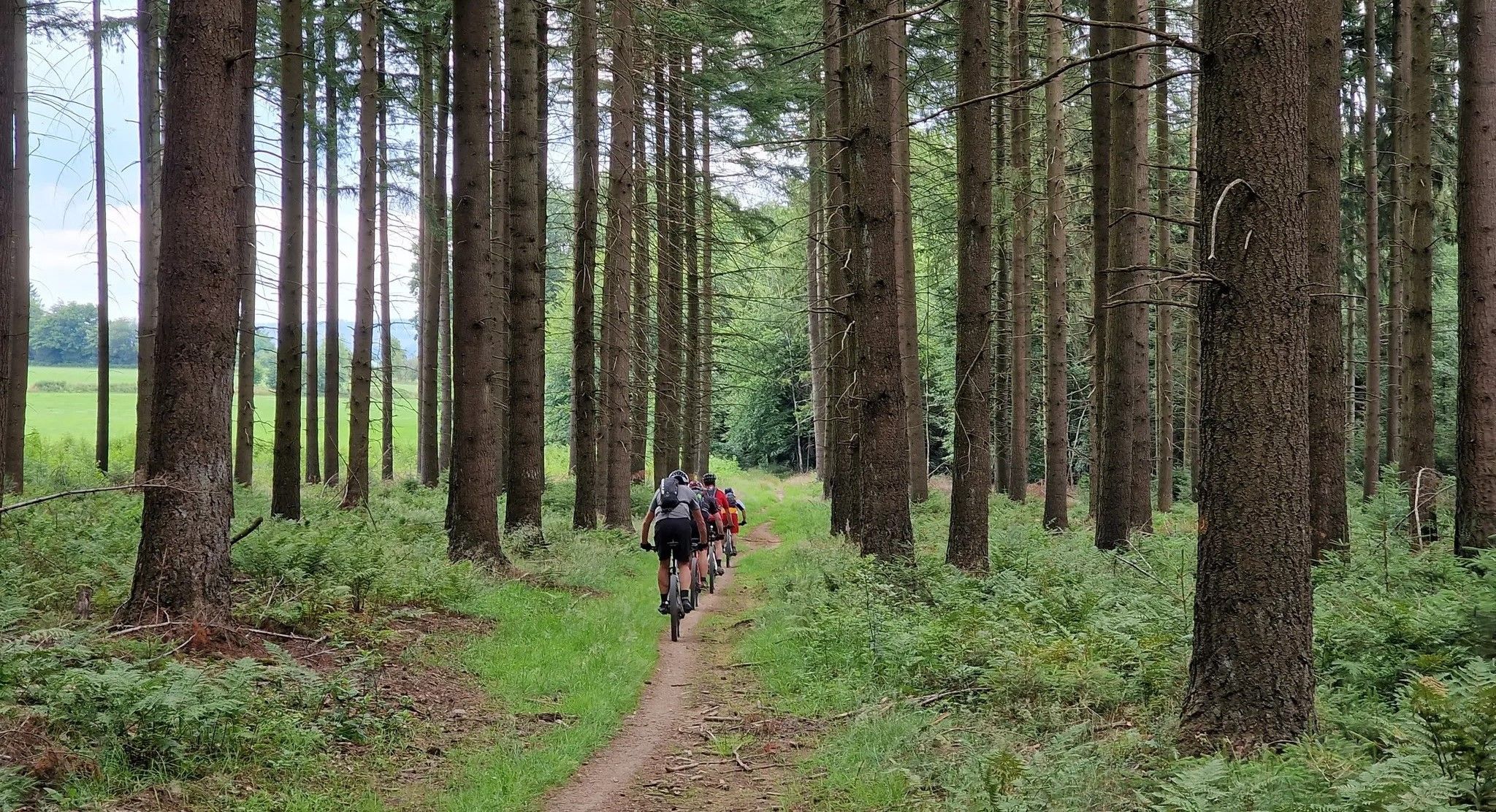
Trail rush through the East Belgian Ardennes
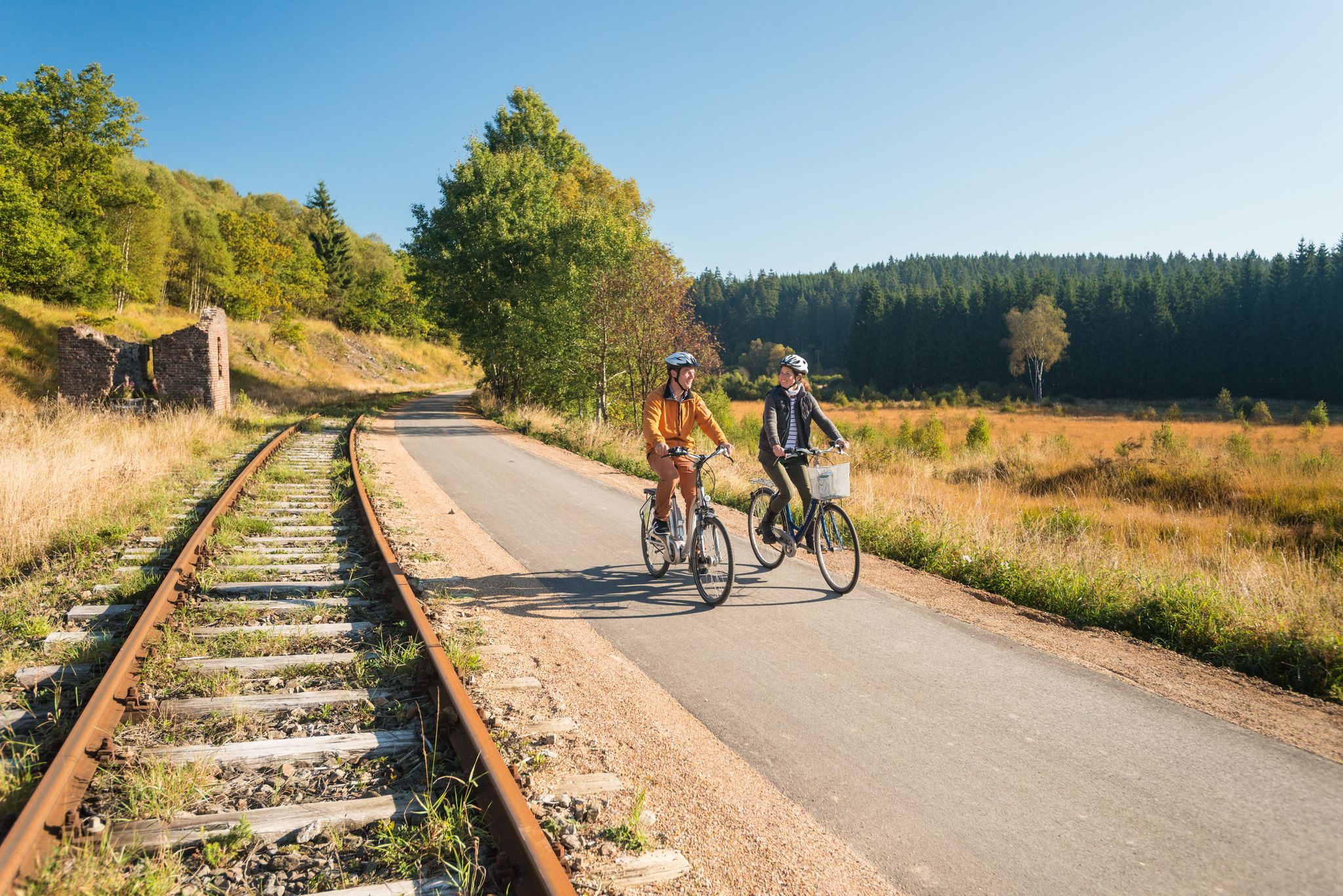
Boundless cycling pleasure on Belgium’s Vennbahn Cycle Route
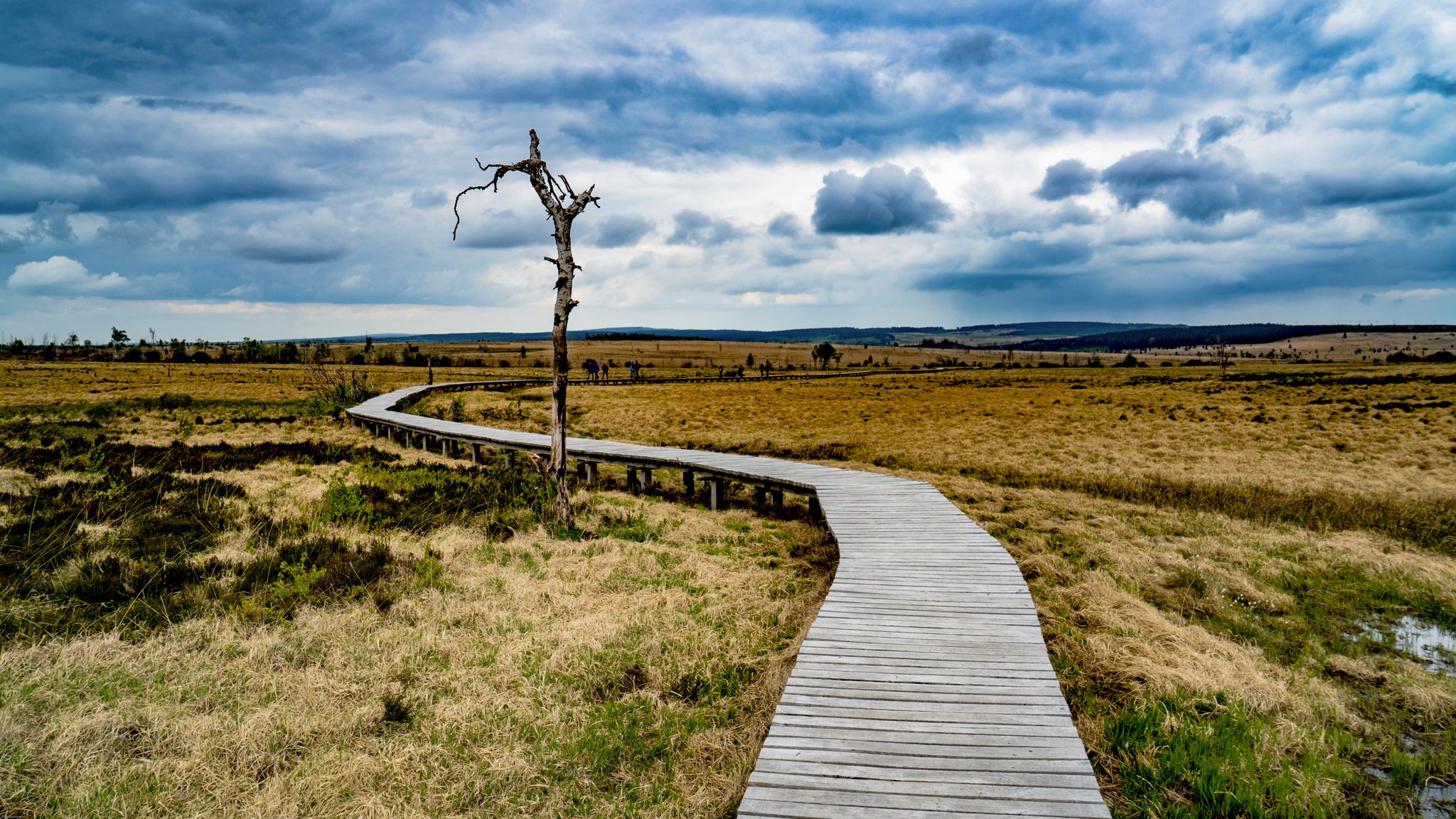
Leisure Tours on enchanted paths – hiking in East Belgium
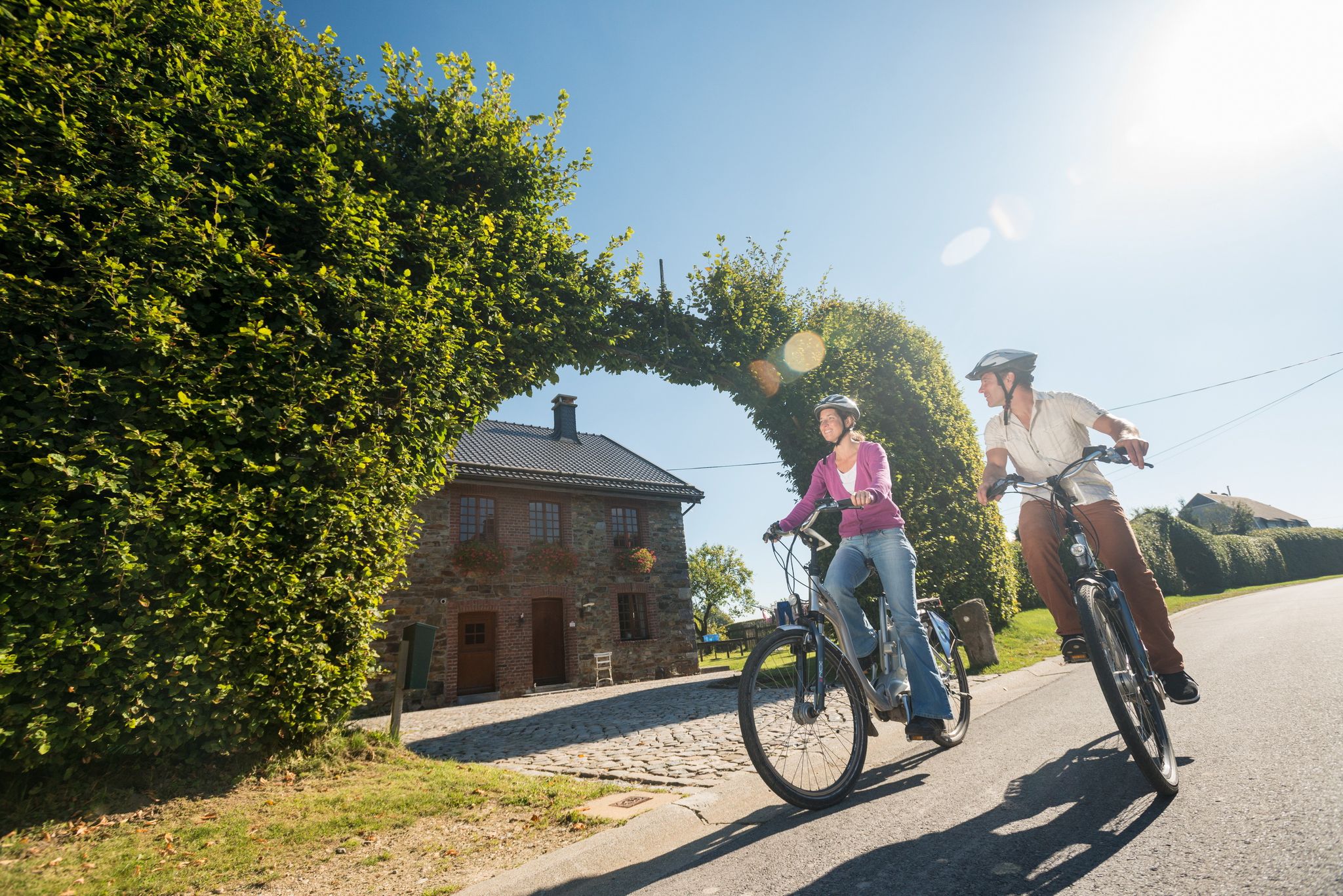
Ovelo cycle Tours in East Belgium – railway paths and natural beauty
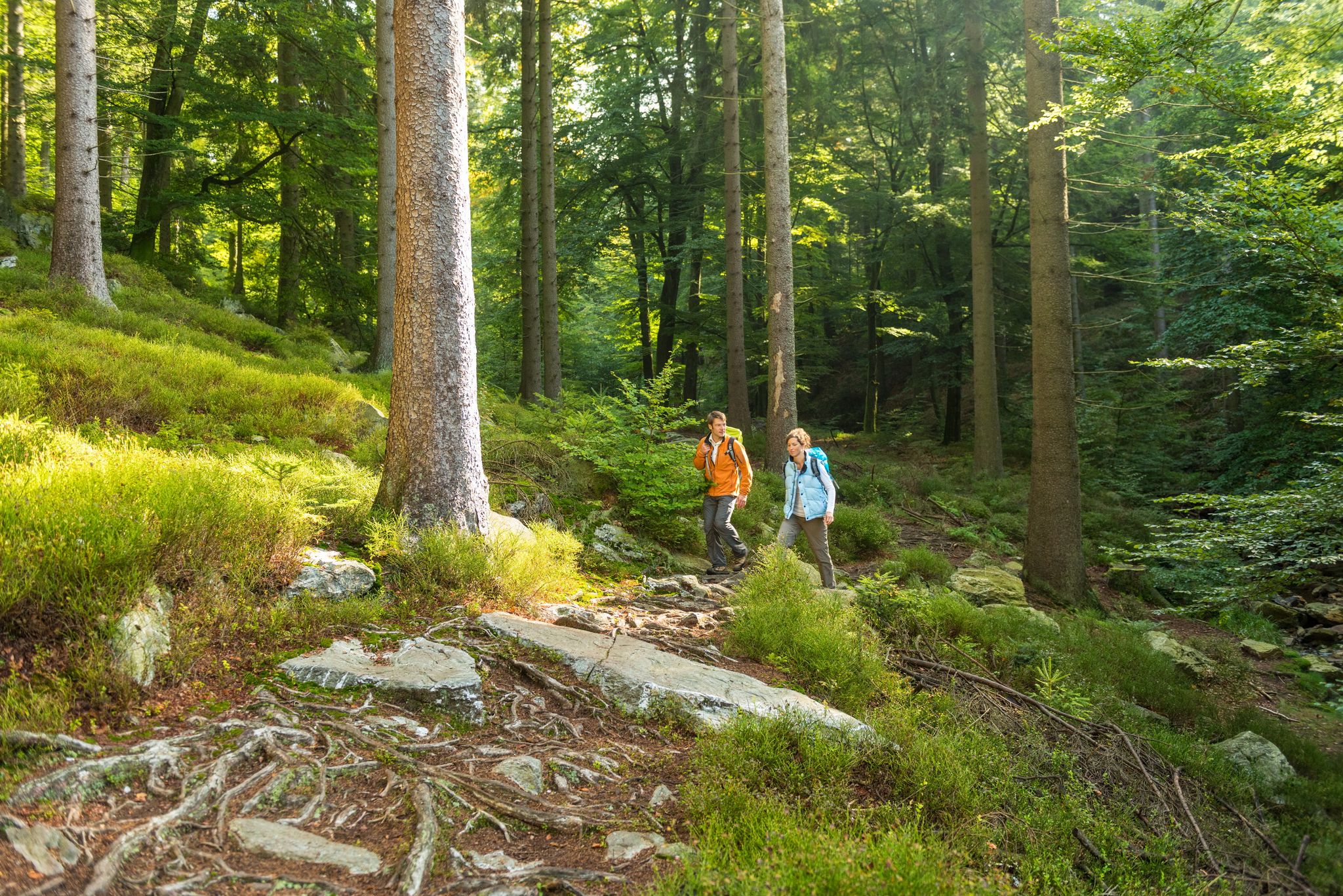
Fantastic regional footpaths — GR hiking paths in East Belgium
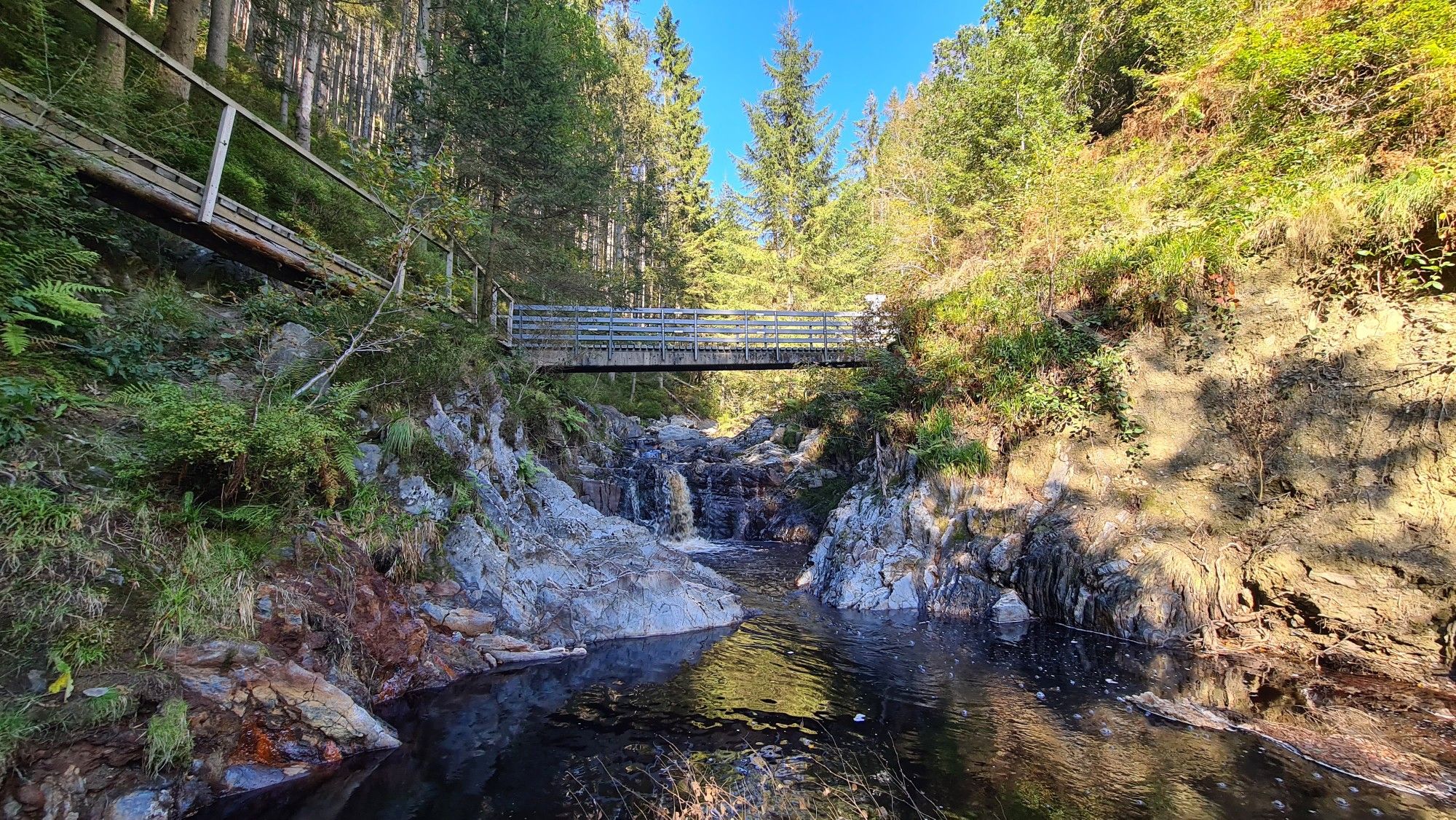
Little adventures — kids on Tour in East Belgium
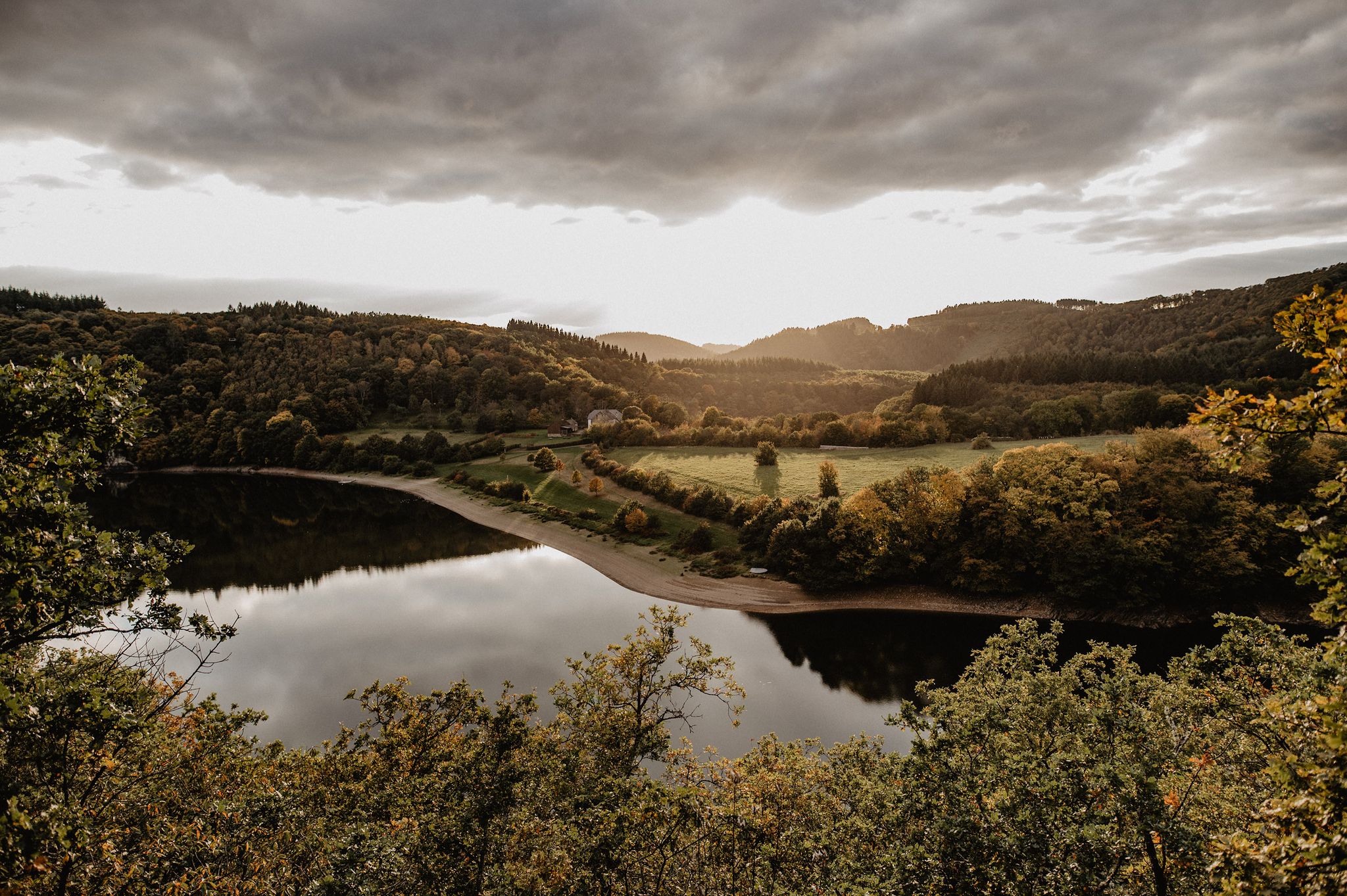
Éislek Wanderlust – The most beautiful hiking trails in the north of Luxembourg
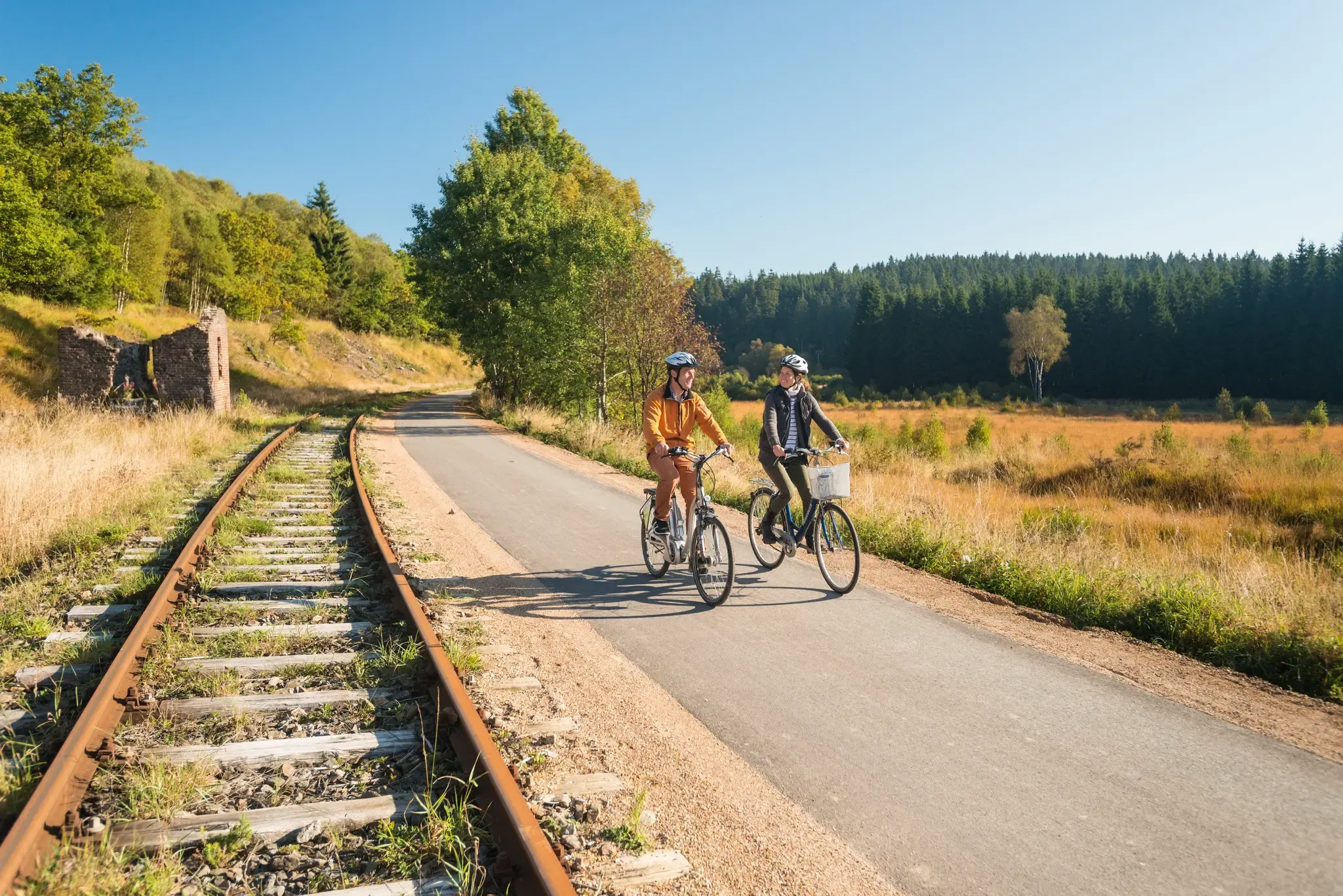
Vennbahn-Radweg – Grenzenloses Radvergnügen
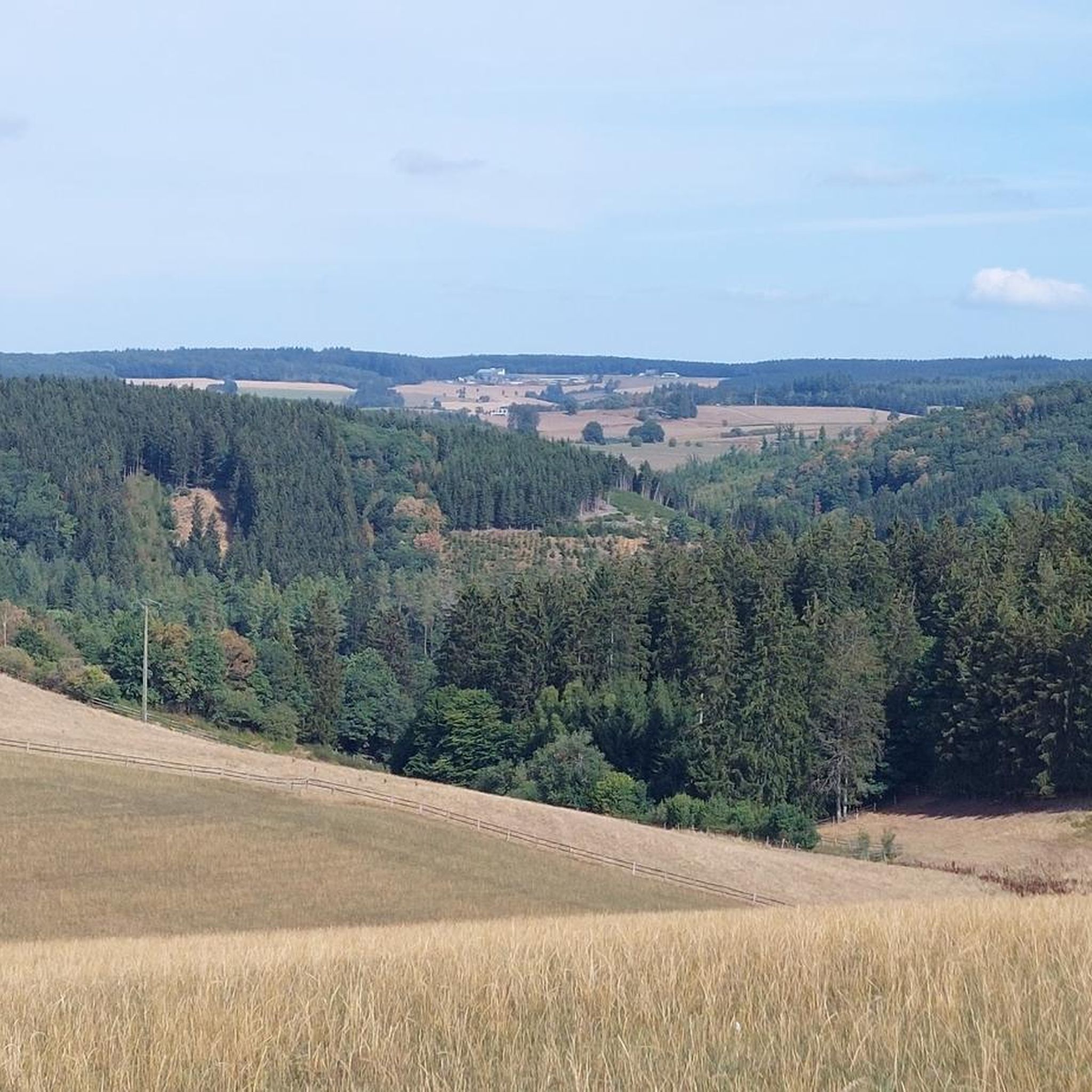
Hiking around Burg-Reuland
Other adventures around Burg-Reuland


Tips from the Community

Replica of the Grotte de Massabielle in Lourdes.
1
0

The slate quarries of Cahay were located here. The slates of the ‘Pays de Salm’ have long been known and appreciated. For instance, in 1513, the people of Amberloup came here to fetch slates to build their church. A text from 1625 states that “use and the sun harden them to such an extent that the nails used to fasten them are affected by rust, while they (the slates) remain intact”. These very high-quality slates were initially mined in large open-pit mines, which left behind the large pits that we can still see in the landscape. From the second half of the 19th century, the extraction of slate took place via tunnels in the higher-quality layers of the “Thier des Carrières” mountain where you are standing now. The “waste” was dumped in heaps that were subsequently used for all kinds of works (roads, walls, etc.). The large slates with rounded edges are particularly well-known: these are the hérbins, always laid in diagonal lines. They can still be seen on the roofs of old houses in the Pays de Salm. After sawing, the phyllade (schist hardened by (underground) high pressure and temperatures) yielded material for billiard tables, window sills, etc. These slate quarries provided work for numerous laborers in our region. Some were highly specialized, such as the splitters who, after two to three years of practice, were capable of producing slates 3-4 mm thick. (Vielsalm Tourist Office)
11
0
Many mine tunnels run underground here. To gain access to the good layers, the Salm miners sometimes dug long tunnels through the hard rock. The resistance of the rock is so great that the tunnels did not need to be supported. They were equipped with rails on which carts brought the blocks coming out of the mine to the surface. The chambers in which the blocks were loosened were very large: it was said that the church of Vielsalm could stand in the largest chamber. The workers carefully loosened the blocks along the natural fractures of the slate. As long as the rock was wet, the blocks split easily; they were therefore covered with wet sacks to keep them “fresh.” Similar galleries, though shorter, were also dug elsewhere to extract coticule, also called “razor stone.” The galleries followed the very narrow and winding veins. To ensure sufficient light, the miners used lamps for a long time that speleologists still use today. (Vielsalm Tourist Office)
12
0


Class cycle paths Luxembourg and Belgium
0
0

The Vennbahn border tunnel between Belgium and Luxembourg is closed to protect the winter quarters of rare bat species. The path to the tunnel is beautifully designed with bat information boards. The detour of about a kilometer there (and back) on the Belgian side to the gate at the tunnel entrance is worth it. Shortly before the tunnel entrance it suddenly becomes quite cold.
2
0

We can't really recommend it. You drive about 1 km off the main path and then end up in front of a gate in front of the tunnel, which is closed. You can save yourself the detour.
2
1

Terrific climate in summer at over 30 °. On the way there in the cool, cooling down is guaranteed. A dream. You have to experience it.
2
0
Frequently Asked Questions
Are there prominent tourist-accessible caves directly in Burg-Reuland?
No, there are no prominent, tourist-accessible caves directly within the municipality of Burg-Reuland that are widely documented as major attractions. The region is known more for its historic castle ruins and natural landscapes ideal for hiking and cycling.
Where can I find impressive cave systems near Burg-Reuland?
While Burg-Reuland itself doesn't have major cave attractions, the broader Ardennes region in Belgium features impressive cave systems. You would need to venture to other locations in the Ardennes for these experiences.
What are some famous cave systems in the broader Ardennes region?
Notable examples in the Belgian Ardennes include the Caves of Han (Han-sur-Lesse), known for their immense subterranean chambers and dripstone formations; the Dinant Cave 'La Merveilleuse,' considered one of Belgium's most beautiful; and the Remouchamps Caves, which offer a unique return journey by boat along an underground river.
What kind of underground features can I explore in Burg-Reuland itself?
In Burg-Reuland, you can find natural caves, religious grottos, and old mine tunnels. These sites offer insights into the region's geology and history. Examples include the Neidinger Grotto of the Virgin Mary and the Lourdes Grotto.
Can I visit the <a href="https://www.komoot.com/highlight/1530014" target="_blank" rel="noopener">Bat Tunnel near Huldange</a>?
The Bat Tunnel near Huldange is closed to protect the winter quarters of rare bat species. While the path to the tunnel features informative bat boards, you will find a gate at the tunnel entrance.
Are there religious grottos to visit in Burg-Reuland?
Yes, Burg-Reuland is home to several religious grottos. The Neidinger Grotto of the Virgin Mary offers a peaceful place to relax, and the Lourdes Grotto is a popular spot, especially for Maria Himmelfahrt, with a way of the cross nearby.
Is the <a href="https://www.komoot.com/highlight/5368755" target="_blank" rel="noopener">Old Mine Tunnel</a> accessible for exploration?
The Old Mine Tunnel, where ore and lead were once dug, is accessible via a narrow path. However, the tunnel itself is not secured, and visitors should be sure-footed. During the Ardennes offensive, many villagers sought protection here.
Are there family-friendly underground sites near Burg-Reuland?
Yes, the religious grottos like the Neidinger Grotto of the Virgin Mary and the Lourdes Grotto are considered family-friendly and offer a calm environment for visitors of all ages.
What outdoor activities can I combine with a visit to the Burg-Reuland area?
The Burg-Reuland area is excellent for outdoor activities. You can explore various hiking trails, including routes like 'Our valley from above' or 'Where knights used to live'. There are also numerous cycling routes and MTB trails, such as the Vennbahn Rail Trail loops or the three-country route.
What natural features can I see in the Burg-Reuland region?
Beyond the underground sites, Burg-Reuland offers picturesque natural landscapes with scenic valleys and hills. The area's geological past is evidenced by sites like the 'Auf Schleid' quarry near Steffeshausen, where fossils from the Devonian period have been discovered.
What do visitors enjoy most about the underground sites in Burg-Reuland?
Visitors appreciate the peaceful atmosphere of the grottos, finding them ideal for relaxation and reflection. The scenic paths leading to these sites, often with information boards, are also enjoyed. The historical aspect of the Old Mine Tunnel also draws interest.
Most popular routes around Burg-Reuland
Most popular attractions around Burg-Reuland

Get inspired with the komoot mobile app


Explore more
Extend your search for the best caves by checking out these guides of the top ones around Burg-Reuland:
