Top 20 Lakes around Lubbeek
Best lakes around Lubbeek are primarily found in its immediate surroundings, as the municipality itself does not feature large natural lakes. The region, part of the green hills of Hageland, offers diverse water features including historic moats and forest ponds. These areas provide opportunities for exploring natural environments and historical sites, contributing to the area's natural landscape. Visitors can find recreational domains and nature reserves with various water bodies near Lubbeek.
Best lakes around Lubbeek
- The most popular lakes is…
Last updated: October 3, 2026
Horst Castle
Highlight • Castle
Translated by Google •
Tip by

Rotselaar Lake (Ter Heide)
Highlight • Lake
Translated by Google •
Tip by

Sign up now to discover places like this
Get recommendations on the best single tracks, peaks, & plenty of other exciting outdoor places.
Rozendaalbeekvallei Pond
Highlight • Lake
Translated by Google •
Tip by

Paddepoel Nature Reserve
Highlight • Natural
Translated by Google •
Tip by

De Maurissens Castle
Highlight • Castle
Translated by Google •
Tip by

Sign up for free to discover even more lakes around Lubbeek.
Already have an account?
Start today with a free account
Your next adventure awaits.
Tips from the Community

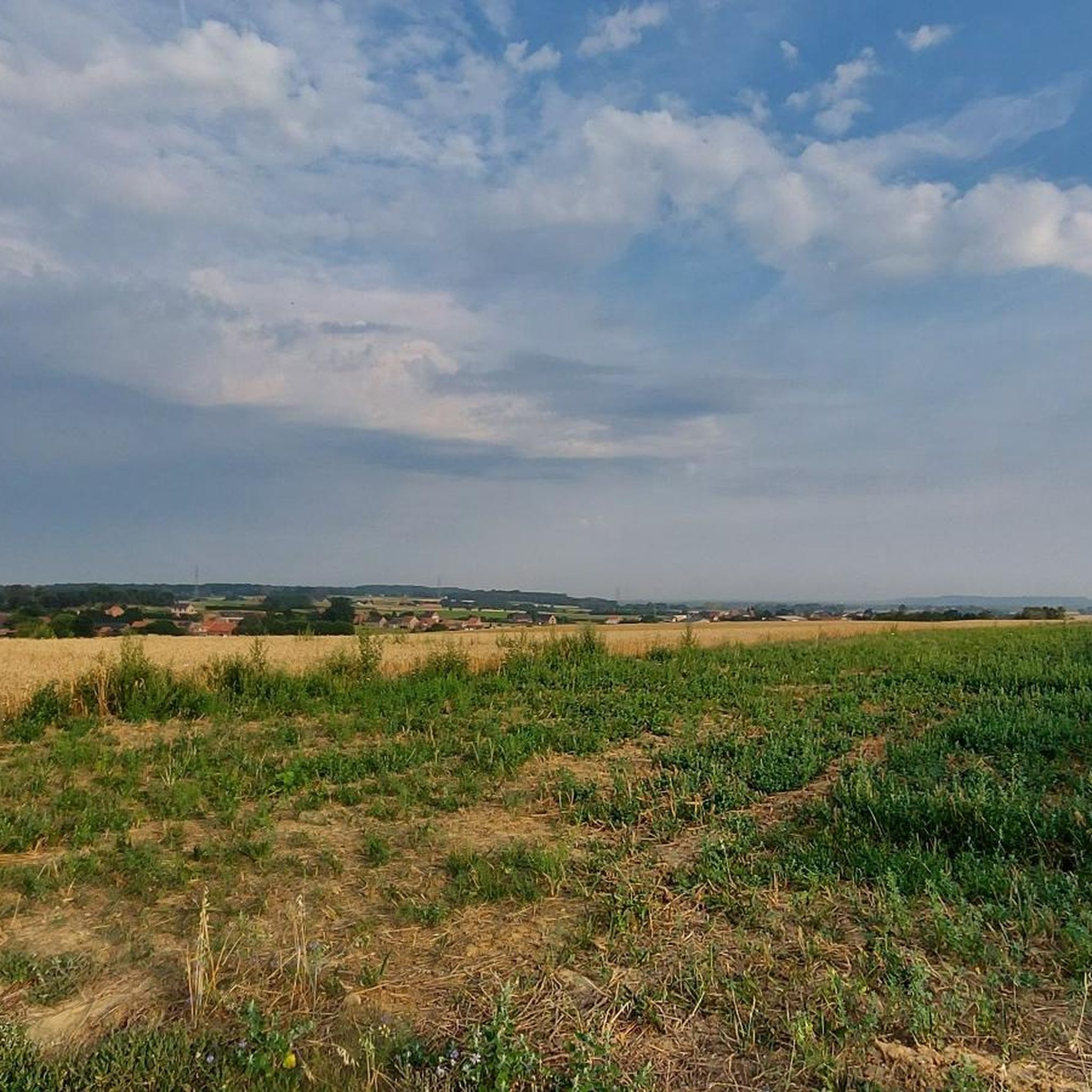
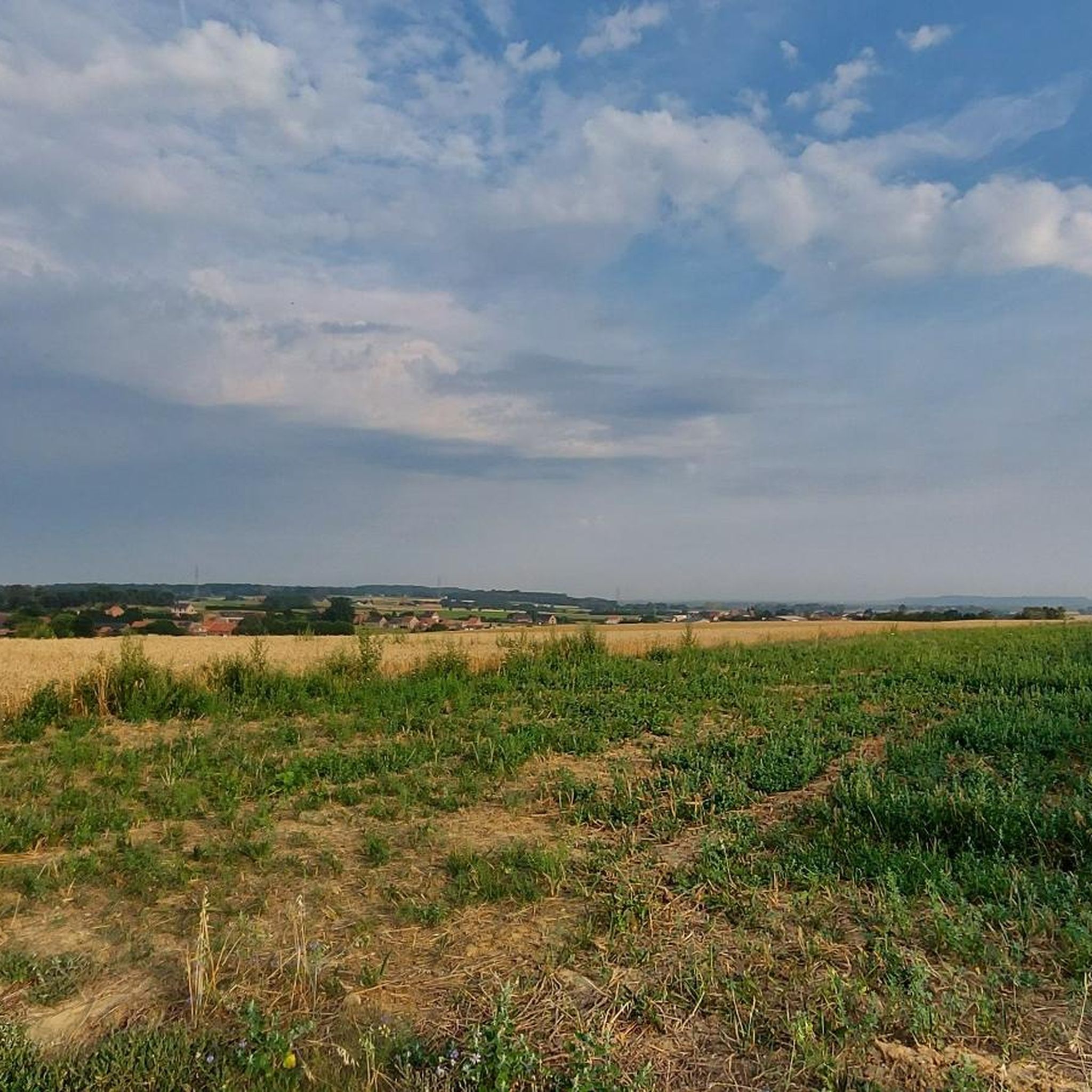
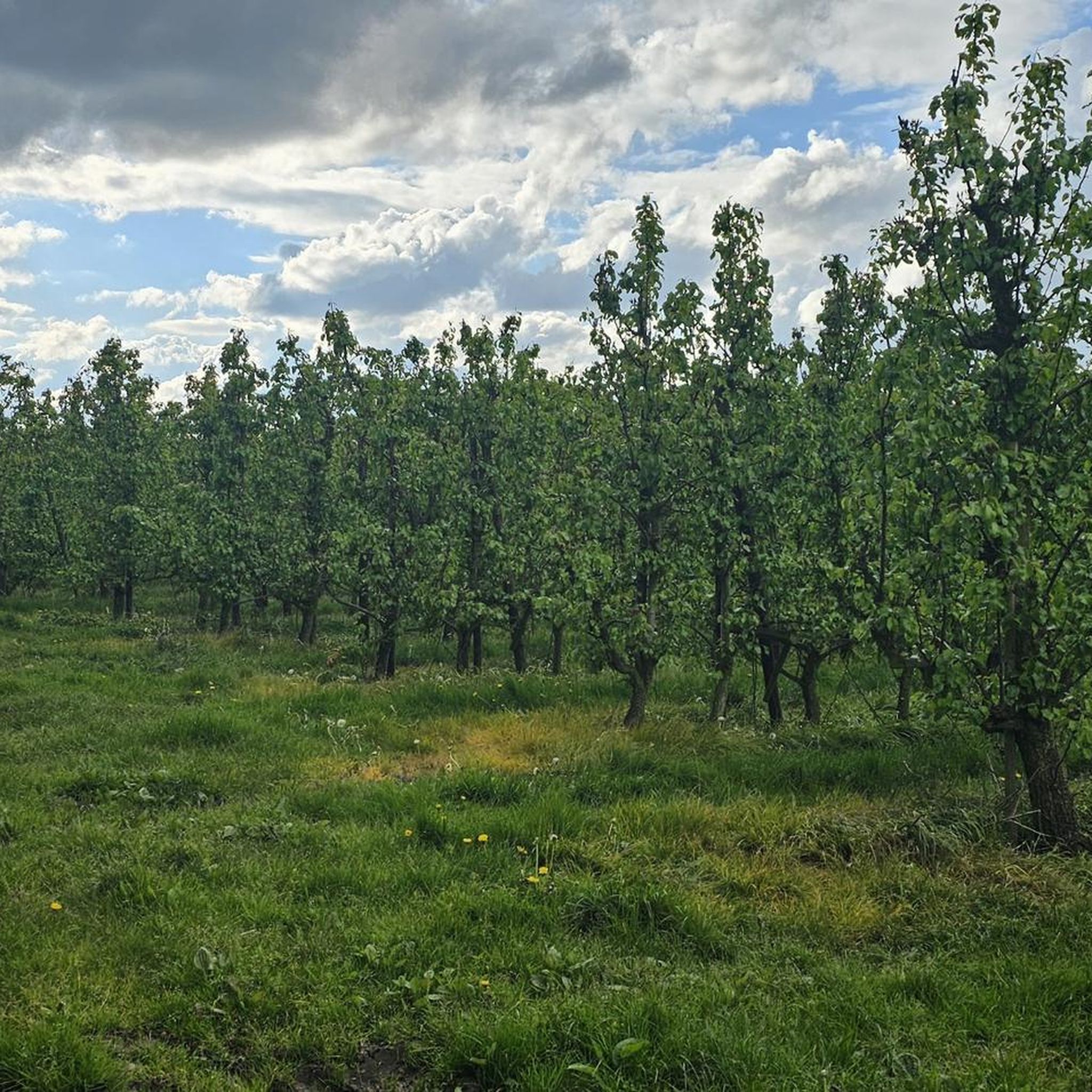
The pond, which has been there for years, has a small wooden platform for those who are interested, and is located near the small bridge over the stream once you've descended the paths leading to the higher village center. You are now at the same altitude as the road to Aarschot and can walk around the pond, which is connected to the meadows by the path. The Rozendaalbeek is a tiny stream that rises just outside Tienen on the northwest side in two amphitheater-shaped slopes. After just a few hundred meters, the two separate branches meet and together form the Roosdaalbeek, which is indicated on maps as the "Vlietende beek" (Flying Brook). Typical of the Rozendaalbeekvallei nature reserve is its secluded location between the two parishes of Vissenaken. Yet, you hardly notice this as you walk through the valley. The wet grasslands furthest downstream between Metselstraat and Hymelinusstraat, which were purchased first, are the most visible. The other plots are less well-known because they offer less visibility. Source and much more at http://www.velpe-mene.be/tienen/rozendaalbeekvallei.htm
3
0

Where water and reeds feel connected...
4
0

The core of Horst Castle probably dates back to the 13th century and is characterised by a square keep. The keep probably belonged to the oldest core that was further expanded into a fortified castle in the 15th century. During the troubles under Maximilian of Austria in 1489, the castle of Horst was taken by the people of Leuven and set on fire. According to literary sources, only the keep, part of the entrance gate and a defensive wall remained standing. The residential and east wing were renovated and expanded in the 16th century. The round tower also dates from this period. The outer wall was provided with a rectangular bay window. The castle lost its military character and became more of a pleasant residential area with a view of the moat, the ponds and the inner courtyard. Brick construction with sandstone layers characterise these buildings. In 1587, however, the castle was set on fire again during the raids of the Geuzen. It was not until the beginning of the 17th century that restoration work began. It is difficult to deduce from the available sources to what extent this involved restoration or an embellishing conversion of the castle complex. Presumably nothing changed in the internal structure, but only after the structurally necessary repairs were the interiors completely refinished. Maria-Anna Van den Tympel had a new chapel built against the keep in the 17th century. At the beginning of the 19th century, the complex must have been damaged by plundering and neglect, and it is possible that it also suffered from plundering during the Brabant Revolution of 1830. Around 1850, the castle must have been habitable again, but the castle buildings only served as a farm. In the land registry, the site around the castle is called "De Notelaren Boomgaerd". Around that time, the most dilapidated part must have been demolished, namely the southern part and the superstructure of the gate. The rest of the complex was probably restored with reused demolition material and in traditional style. The castle was divided in 1880, with one part being registered as a school house. In 1897, a further division followed, with two plots being designated as houses. Several restoration campaigns followed in the 20th century. Inventory of Immovable Heritage: Horst Castle, https://id.erfgoed.net/erfgoedobjecten/43619
8
0
Since December, there has been a spire on the castle again after the unstable spire was removed more than four years ago and could be viewed on a wooden platform in the pond. Now it is back. And the other works are also progressing quickly. More about the replaced spire on https://www.vrt.be/vrtnws/nl/2024/12/10/torenspits-staat-weer-op-kasteel-van-horst-holsbeek/
8
0

beautiful pond, surrounded by willows and reeds
2
0
beautiful pond, surrounded by willows and reeds
2
0
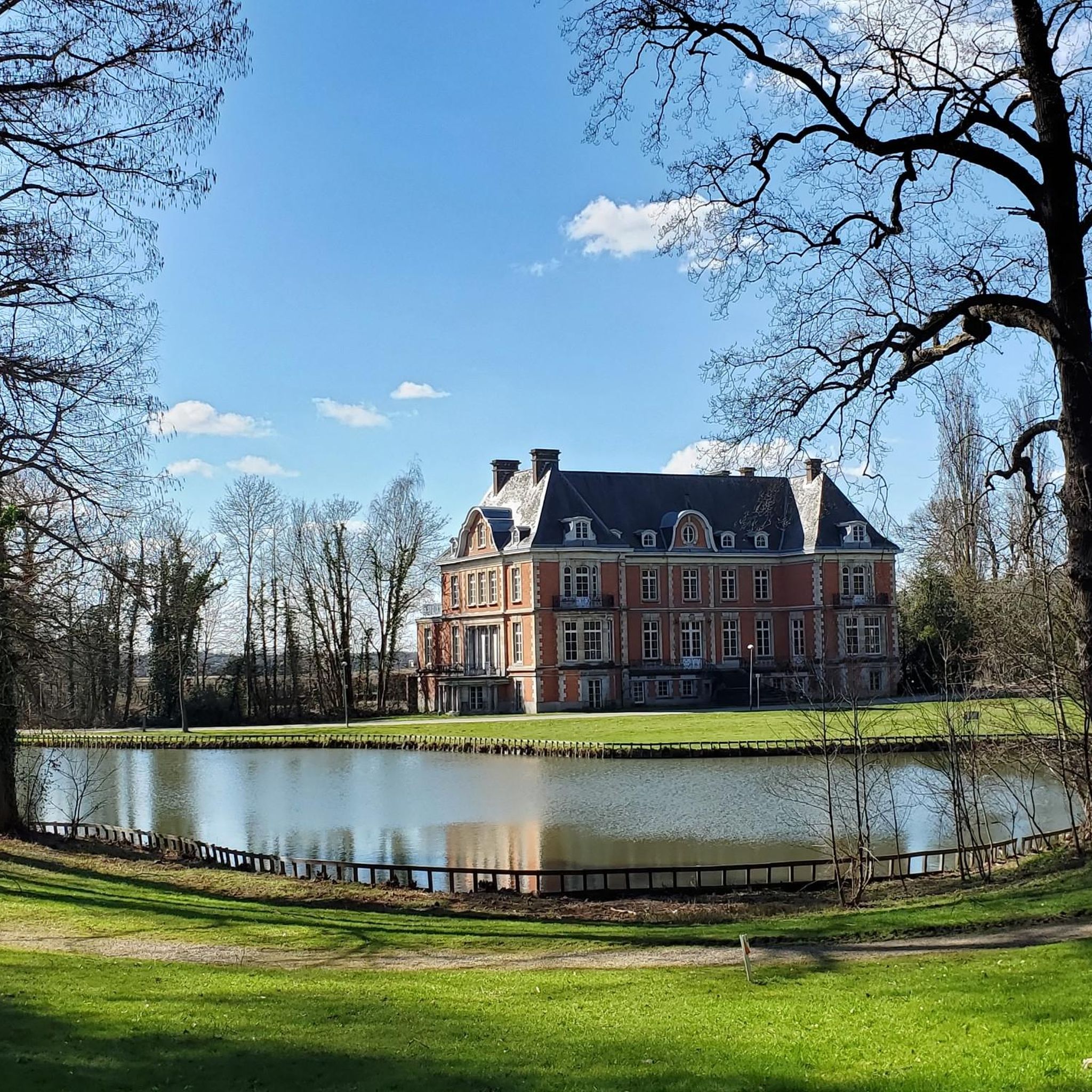
Rebuilt eclectic country house designed in 1916 by architect Chrétien Veraart and surrounded by a park in landscape style, approximately 16 hectares, laid out from 1859; numerous old (sweet chestnuts and brown beeches) and rare trees. First, the Hof te Laar stood here, known since the fifteenth century as a leasehold farm of the monastery of Gempe. In 1789, it was sold to the son of the Baron van Roosbeek. Between 1800 and 1810, the Hof te Laar was purchased by Charles-Lambert-Joseph de Maurissens. He left it to his nephew, knight Edouard Godefroid de Maurissens (1793-1853). And a few years after his death, the south wing of the court was converted into a "castle". After WWII, the then owners left the castle domain and in 1948 the heirs sold the castle and park to the University of Leuven to build a 'sanatorium' (clinic for tuberculosis sufferers) on the edge of the park. Inventory of Immovable Heritage: Domain de Maurissens, https://id.erfgoed.net/erfgoedobjecten/303094
7
0
Frequently Asked Questions
What kind of water bodies can I find near Lubbeek?
While large natural lakes are not directly within Lubbeek, the immediate surroundings offer diverse water features. You can explore historic moats, recreational lakes with beaches, and tranquil ponds within nature reserves. The region, part of the green hills of Hageland, provides a variety of water bodies to discover.
Are there natural lakes directly within Lubbeek municipality?
No, the municipality of Lubbeek itself does not feature large natural lakes. The notable water features and recreational opportunities are primarily found in its immediate surroundings, such as moats, recreational lakes, and ponds within nature reserves.
Which historical sites with water features can I visit near Lubbeek?
The most prominent historical site is Horst Castle, a 13th-century moated castle located in Sint-Pieters-Rode. Its impressive moat is an integral part of the picturesque domain. Another historical site with a pond is De Maurissens Castle, surrounded by a landscape park.
Can I go swimming in any lakes near Lubbeek?
Yes, Rotselaar Lake (Ter Heide) is a recreational lake with a beach, offering opportunities for swimming and other water activities. It's a major attraction combining varied activities with a relaxing natural environment.
Are there family-friendly water features around Lubbeek?
Absolutely. Horst Castle with its moat is family-friendly, offering scenic views and grounds to explore. Rotselaar Lake (Ter Heide) is a recreational domain perfect for families with its beach and activities. Nature reserves like Rozendaalbeekvallei Pond and Paddepoel Nature Reserve also offer pleasant, family-friendly walking experiences.
What outdoor activities can I do near these water features?
The areas around these water features are excellent for outdoor activities. You can enjoy hiking and cycling in the vast Meerdaalwoud and Heverleebos forests, which contain various streams and smaller ponds. For more specific routes, you can explore options for gravel biking, cycling, and road cycling around Lubbeek, many of which pass by scenic water elements.
Are there accessible trails around water features near Lubbeek?
While specific details for all locations vary, Horst Castle's grounds are generally considered wheelchair accessible, allowing visitors to enjoy the moat and surrounding park. The extensive Meerdaalwoud and Heverleebos forests also offer signposted routes, though accessibility can vary depending on the specific path. It's always advisable to check local conditions for the most up-to-date information.
Are dogs allowed around the water features near Lubbeek?
Dogs are generally allowed on the castle grounds of Horst Castle, but not inside the castle itself. For other nature reserves and recreational areas, policies can vary, so it's best to check specific regulations for each location regarding dogs, especially concerning leash requirements.
Is there parking available at these water features?
Yes, parking is available at several locations. Horst Castle offers parking facilities for visitors. Rotselaar Lake (Ter Heide) also provides parking for its recreational domain. For other smaller nature reserves, parking might be available in nearby villages or designated areas.
What is the best time to visit the water features near Lubbeek?
The best time to visit depends on your preferred activities. Spring and autumn offer pleasant temperatures for hiking and cycling around the forests and nature reserves like Meerdaalwoud, Heverleebos, and Rozendaalbeekvallei Pond, with beautiful seasonal foliage. Summer is ideal for recreational activities and swimming at Rotselaar Lake (Ter Heide). Horst Castle is picturesque year-round.
Are there cafes or restaurants near these water features?
Yes, at Horst Castle, the coach house has been converted into a visitor center and a restaurant called 'Het Wagenhuys Horst,' offering local specialties. Rotselaar Lake (Ter Heide) also has facilities, including a large, covered picnic area overlooking the lake, and likely seasonal food options.
What natural areas with water features are good for exploring near Lubbeek?
Beyond the specific highlights, the extensive Meerdaalwoud and Heverleebos forests, located close to Lubbeek, contain various water features such as streams and smaller ponds. These forests offer numerous opportunities for hiking and cycling, allowing visitors to explore a rich natural environment. You can find more information about these forests at visitleuven.be.
Most popular routes around Lubbeek
Most popular attractions around Lubbeek

Get inspired with the komoot mobile app


Explore more
Still not found your perfect lake around Lubbeek? Check out the guides of these regions to see even more beautiful places.
