Top 20 Lakes around Holsbeek
Best lakes around Holsbeek offer diverse natural features and cultural significance in a region known for its scenic landscapes. Holsbeek, a municipality in Belgium, is situated near several noteworthy lakes and water features. The area provides various recreational and natural experiences, from historical moated castles to extensive nature reserves. Visitors can explore a mix of man-made and natural water bodies, set amidst forests, meadows, and valleys.
Best lakes around Holsbeek
- The most popular lakes is Horst Castle, a castle…
Last updated: May 19, 2026
Horst Castle
Highlight • Castle
Translated by Google •
Tip by

Demerbroeken Nature Reserve
Highlight (Segment) • Natural
Translated by Google •
Tip by

Sign up now to discover places like this
Get recommendations on the best single tracks, peaks, & plenty of other exciting outdoor places.
Sign up for free
Rotselaar Lake (Ter Heide)
Highlight • Lake
Translated by Google •
Tip by

Paddepoel Nature Reserve
Highlight • Natural
Translated by Google •
Tip by

De Maurissens Castle
Highlight • Castle
Translated by Google •
Tip by

Sign up for free to discover even more lakes around Holsbeek.
Sign up for free
Already have an account?
Start today with a free account
Your next adventure awaits.
Login or Signup


Tips from the Community


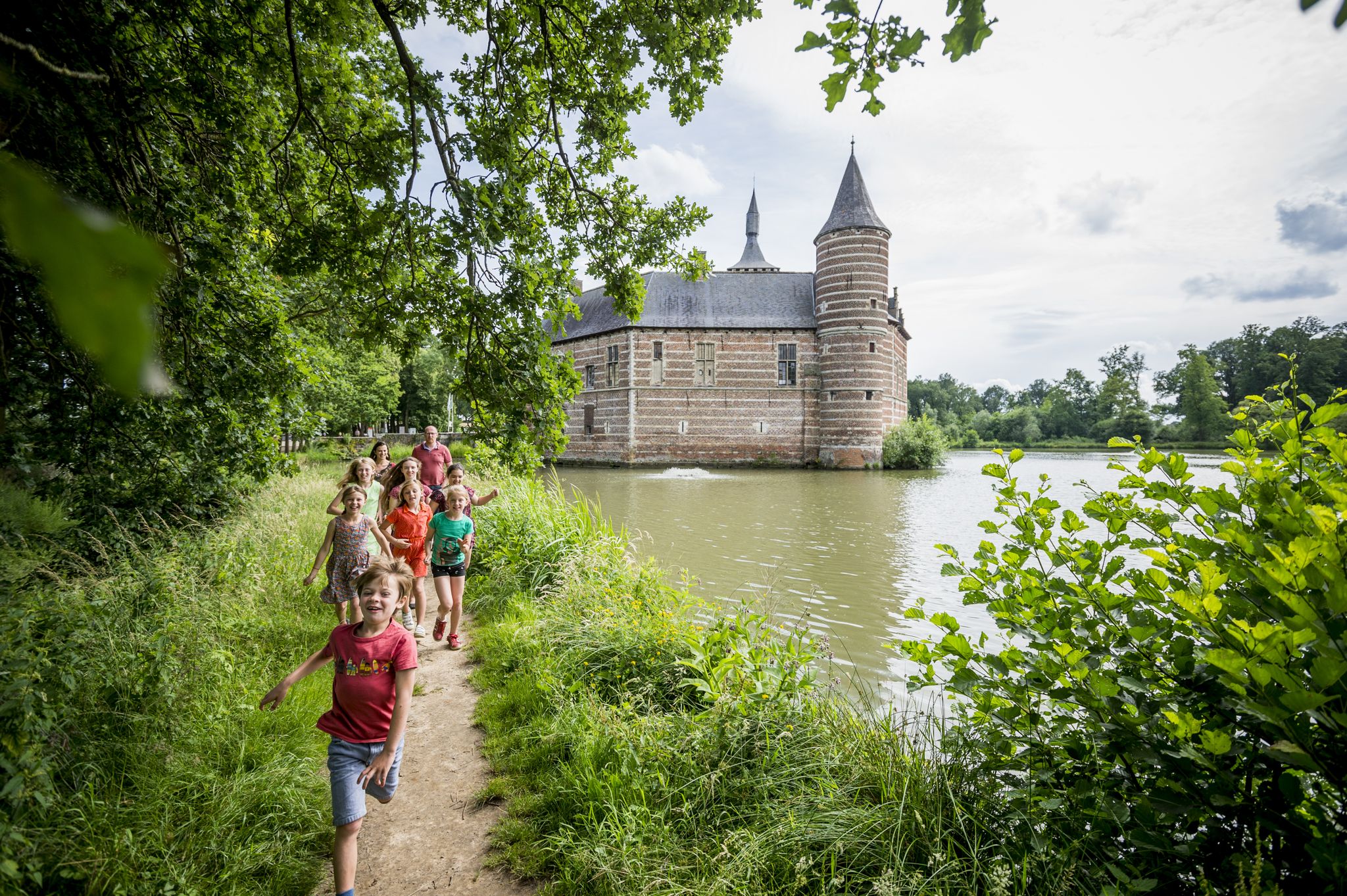
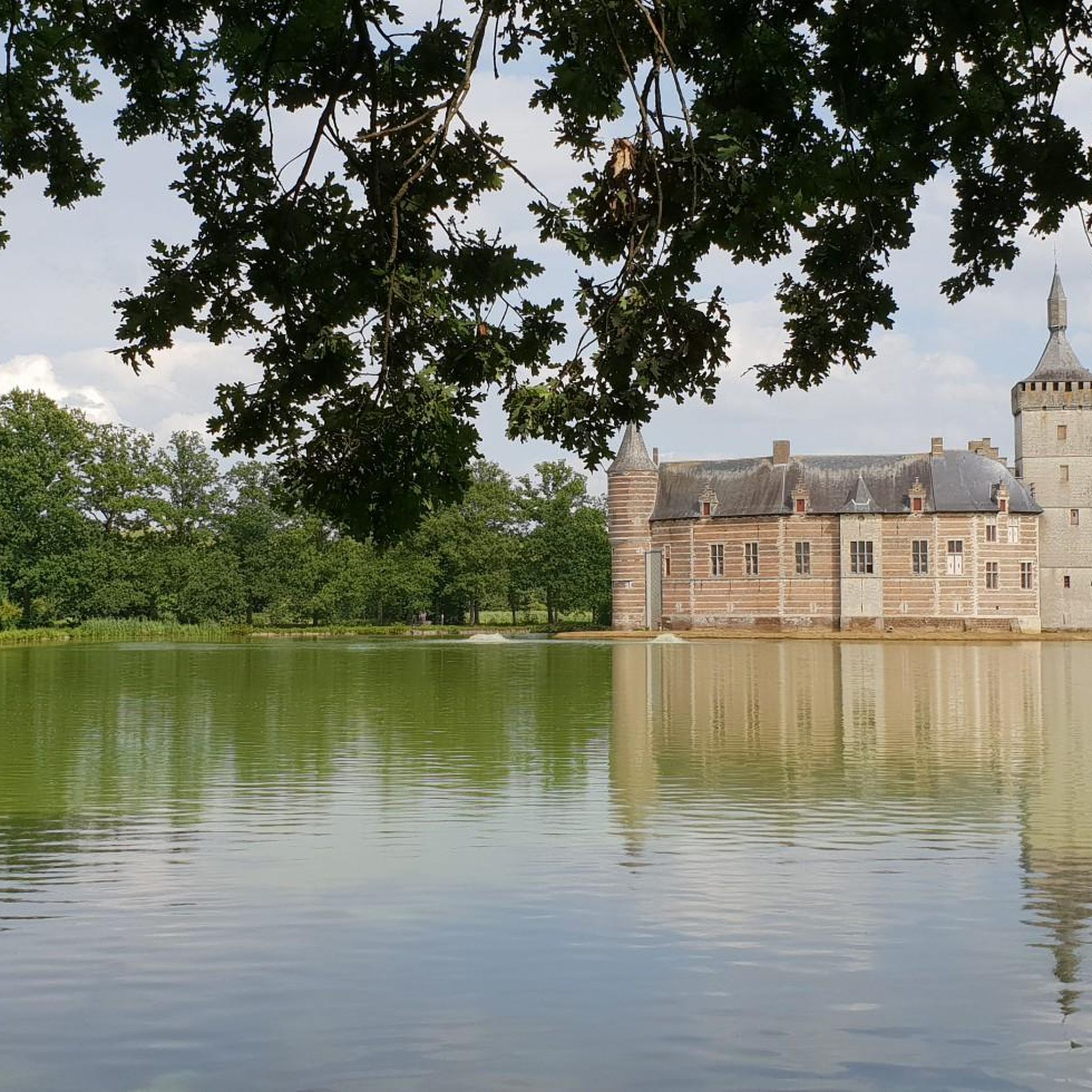
The core of Horst Castle probably dates back to the 13th century and is characterised by a square keep. The keep probably belonged to the oldest core that was further expanded into a fortified castle in the 15th century. During the troubles under Maximilian of Austria in 1489, the castle of Horst was taken by the people of Leuven and set on fire. According to literary sources, only the keep, part of the entrance gate and a defensive wall remained standing. The residential and east wing were renovated and expanded in the 16th century. The round tower also dates from this period. The outer wall was provided with a rectangular bay window. The castle lost its military character and became more of a pleasant residential area with a view of the moat, the ponds and the inner courtyard. Brick construction with sandstone layers characterise these buildings. In 1587, however, the castle was set on fire again during the raids of the Geuzen. It was not until the beginning of the 17th century that restoration work began. It is difficult to deduce from the available sources to what extent this involved restoration or an embellishing conversion of the castle complex. Presumably nothing changed in the internal structure, but only after the structurally necessary repairs were the interiors completely refinished. Maria-Anna Van den Tympel had a new chapel built against the keep in the 17th century. At the beginning of the 19th century, the complex must have been damaged by plundering and neglect, and it is possible that it also suffered from plundering during the Brabant Revolution of 1830. Around 1850, the castle must have been habitable again, but the castle buildings only served as a farm. In the land registry, the site around the castle is called "De Notelaren Boomgaerd". Around that time, the most dilapidated part must have been demolished, namely the southern part and the superstructure of the gate. The rest of the complex was probably restored with reused demolition material and in traditional style. The castle was divided in 1880, with one part being registered as a school house. In 1897, a further division followed, with two plots being designated as houses. Several restoration campaigns followed in the 20th century. Inventory of Immovable Heritage: Horst Castle, https://id.erfgoed.net/erfgoedobjecten/43619
6
0
Since December, there has been a spire on the castle again after the unstable spire was removed more than four years ago and could be viewed on a wooden platform in the pond. Now it is back. And the other works are also progressing quickly. More about the replaced spire on https://www.vrt.be/vrtnws/nl/2024/12/10/torenspits-staat-weer-op-kasteel-van-horst-holsbeek/
6
0
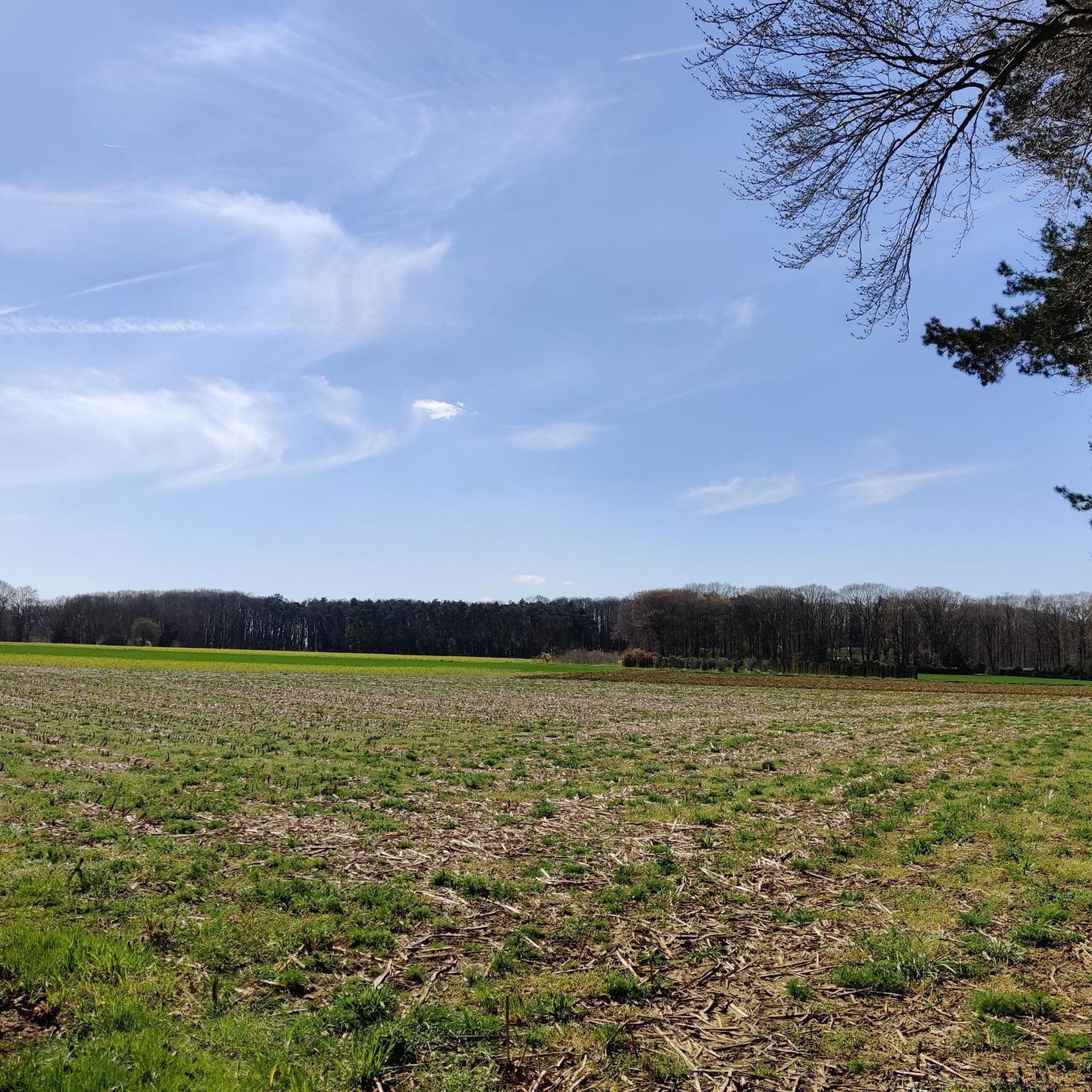
Rebuilt eclectic country house designed in 1916 by architect Chrétien Veraart and surrounded by a park in landscape style, approximately 16 hectares, laid out from 1859; numerous old (sweet chestnuts and brown beeches) and rare trees. First, the Hof te Laar stood here, known since the fifteenth century as a leasehold farm of the monastery of Gempe. In 1789, it was sold to the son of the Baron van Roosbeek. Between 1800 and 1810, the Hof te Laar was purchased by Charles-Lambert-Joseph de Maurissens. He left it to his nephew, knight Edouard Godefroid de Maurissens (1793-1853). And a few years after his death, the south wing of the court was converted into a "castle". After WWII, the then owners left the castle domain and in 1948 the heirs sold the castle and park to the University of Leuven to build a 'sanatorium' (clinic for tuberculosis sufferers) on the edge of the park. Inventory of Immovable Heritage: Domain de Maurissens, https://id.erfgoed.net/erfgoedobjecten/303094
7
0
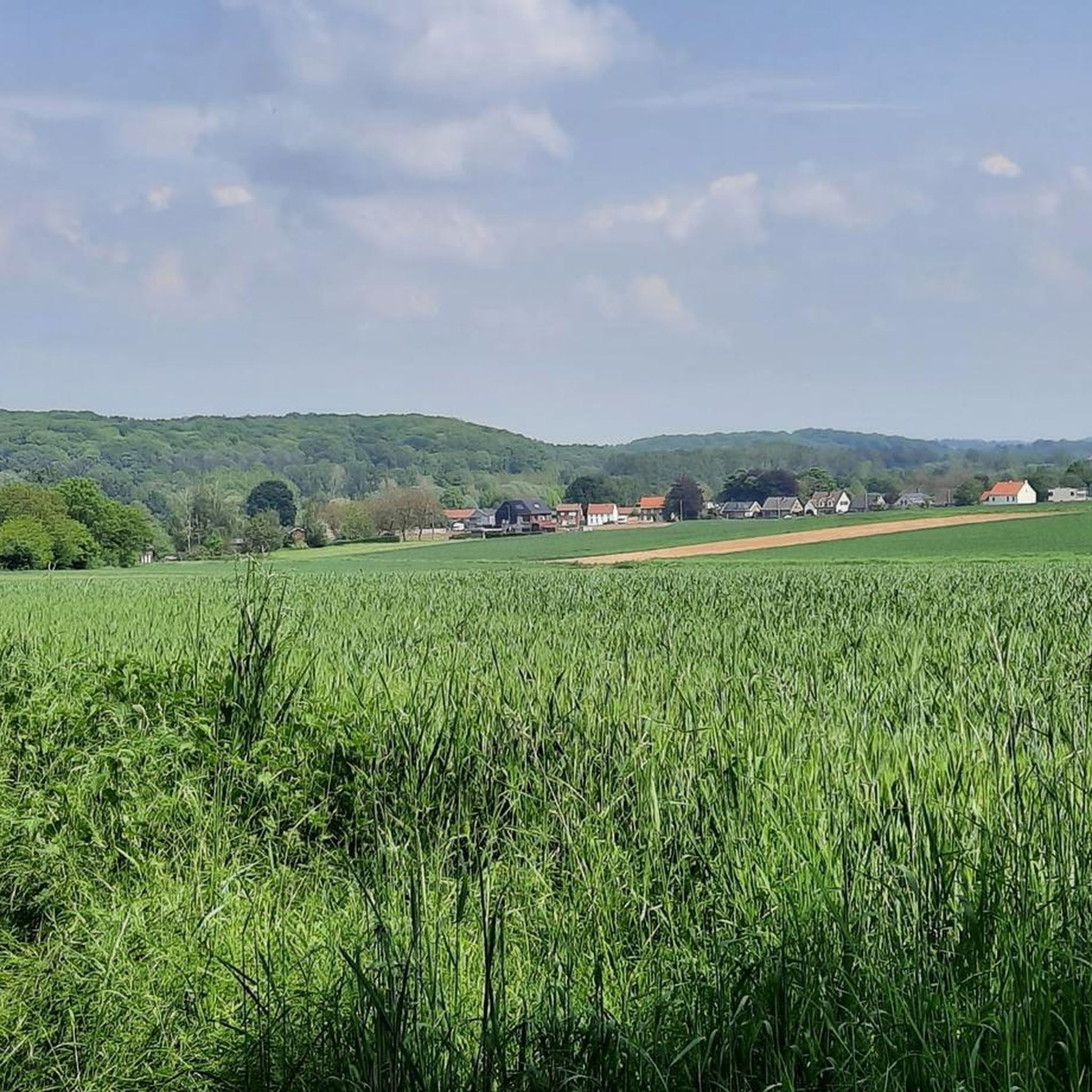
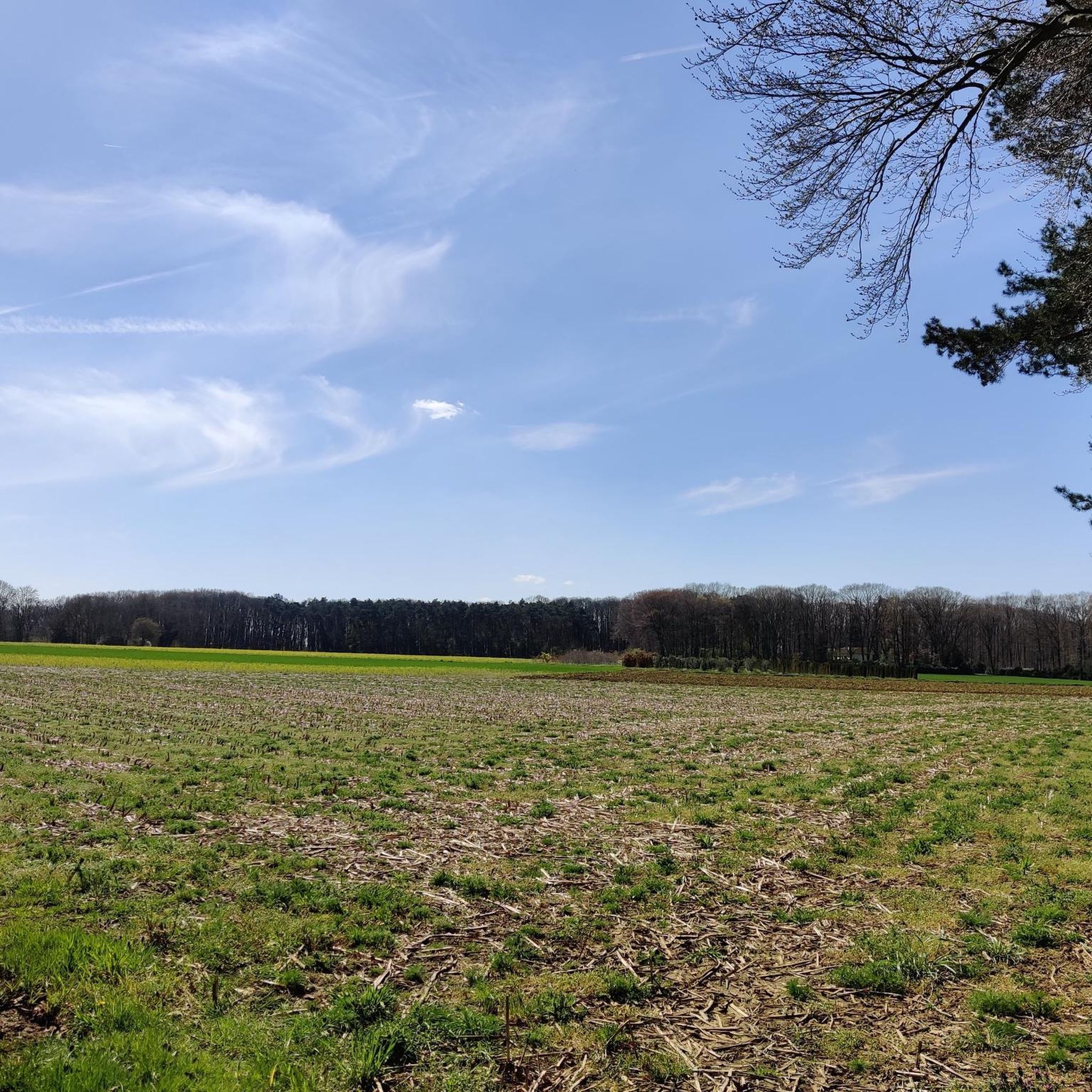
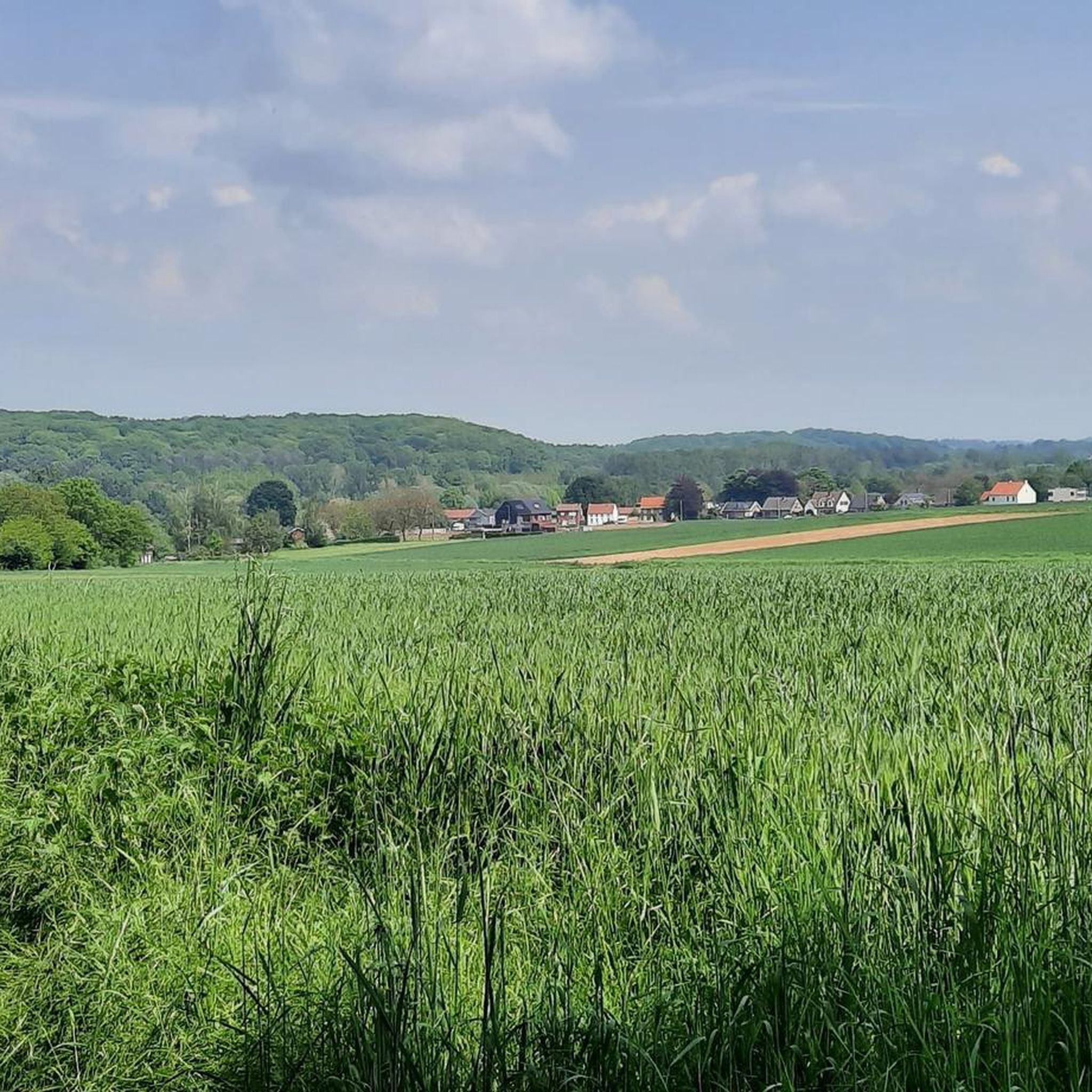
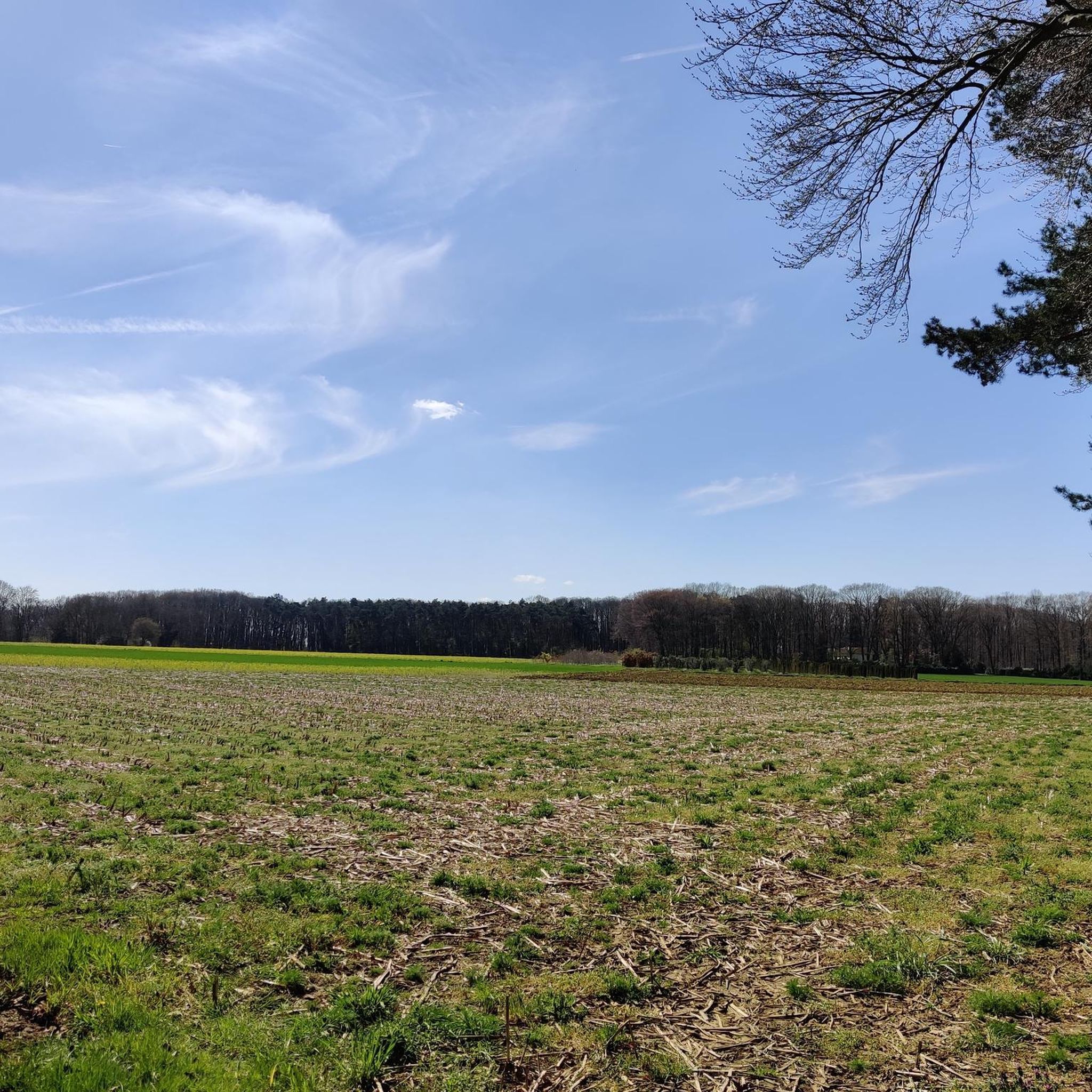
In the Paddepoel you will find a unique combination of species such as blue button, caraway, tormentil, cat's thorn, pale sedge, wild bertram and umbrella hawkweed. In early spring, hundreds of wood anemones bloom, a very rare phenomenon in grasslands. The fact that the wood anemones bloom there shows that it is a very old and undisturbed grassland. Thanks to 25 years of targeted management, several rare species have increased significantly. There are thousands of caraway, one of the largest Flemish populations. Yellow-green sedge first emerged in 2013 and is doing well. The Paddepoel is home to grasslands with lots of knotweed, sweet grass, large hawkweed and golden oat. In addition, there is a marsh marigold grassland with lots of field rush, two-row sedge and rough bedstraw. Broad-leaved orchis is expected here soon. Natuurpunt has also dug and restored a number of ponds in the Paddepoel. Salamanders feel very comfortable there. The alpine newt and small newt already live in the oldest part of the Paddepoel, but we hope that the endangered crested newt will also discover the pools.
7
0
The Paddepoel is partly located in Bunsbeek (Glabbeek) and partly in Vissenaken (Tienen). The area is situated in the middle course of the Velpe valley, between the Daalgemse mill in Vissenaken and the Rotelmolen of Pamelen. That part of the Velpe valley is a large, varied and contiguous area. It consists of marsh, hedges and woods, moist grasslands in the valley and drier grasslands on the valley flank. The more variation in the landscape, the more different plants and animals. The Velpe still meanders strongly in Paddepoel and the Rozendaalbeek valley. The banks are not artificially reinforced and regularly crumble. The river can still flow freely there. It is a paradise for kingfishers, teals and meadow damselflies. Source: https://www.natuurpunt.be/natuurgebieden/paddepoel-velpevallei-en-rozendaalbeekvallei
7
0
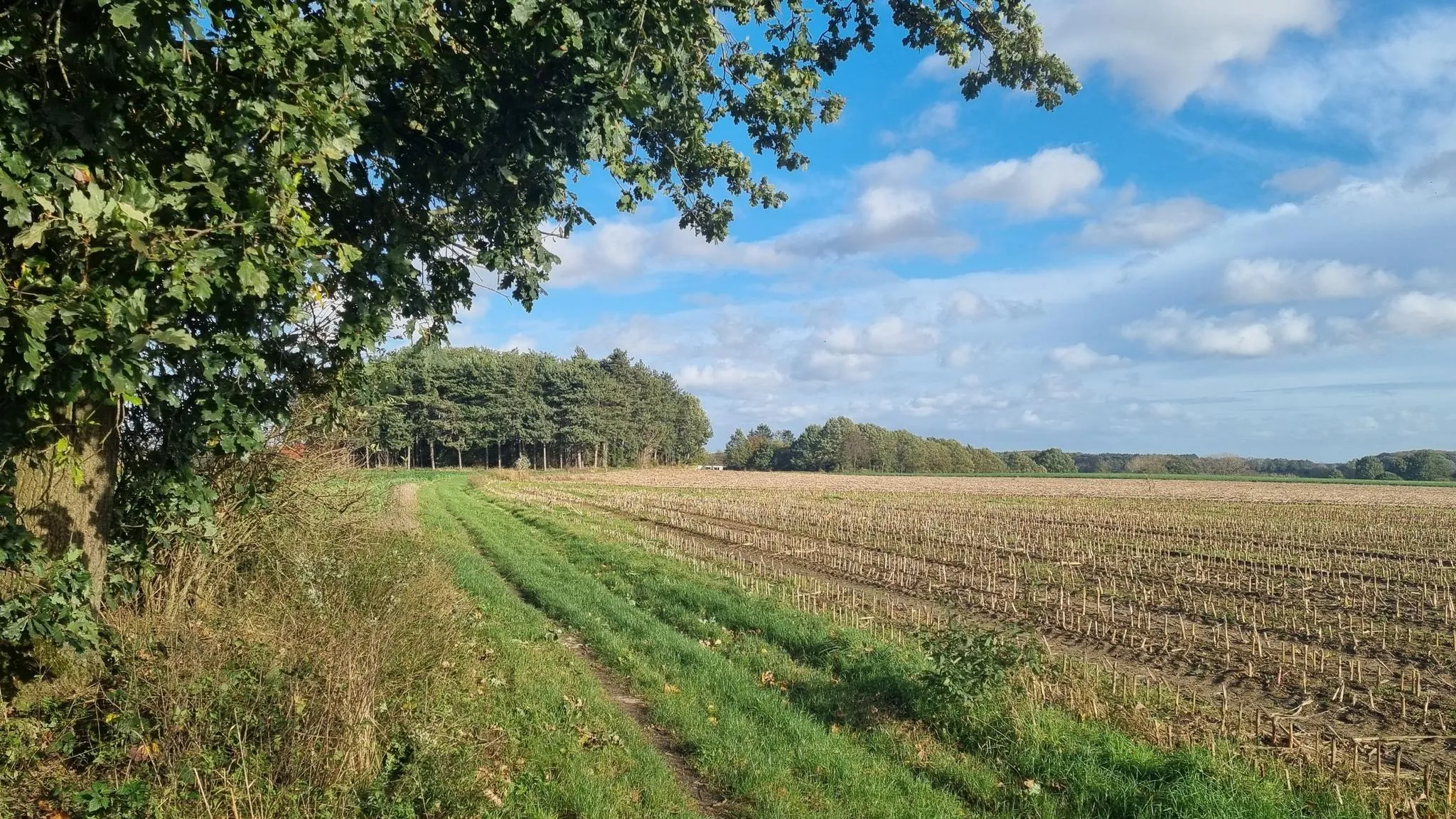
For those who have traded in their horse for a steel steed. Information boards and such on site.
5
0
The Ter Heide domain, better known as 'De Plas van Rotselaar', was created in 1975 after sand extraction for the construction of the E314. The domain of approximately 23 hectares is divided into different zones, each with its own access road and specific recreational options: swimming, surfing, paddle boarding and fishing. Each zone has its own parking lot. More at https://www.toerismevlaamsbrabant.be/producten/Visits/bezienswaardeheden/domein-ter-heide--plas-van-rotselaar/
8
0
Frequently Asked Questions
What unique experiences do the lakes around Holsbeek offer?
The lakes around Holsbeek provide a diverse range of experiences. You can explore the historical charm of Horst Castle with its impressive moat, enjoy water recreation like swimming and windsurfing at Rotselaar Lake (Ter Heide), or immerse yourself in the tranquil nature of the Demerbroeken Nature Reserve, known for its rich birdlife and diverse flora.
Are there family-friendly lakes or activities around Holsbeek?
Yes, several spots are great for families. Rotselaar Lake (Ter Heide) is a popular choice with extensive playing fields and beach areas. The provincial domain of Het Vinne Lake (not a komoot highlight, but mentioned in region research) is also very child-friendly, featuring a playground and educational elements about its ecosystem. Horst Castle grounds are also considered family-friendly for walks.
What natural features and wildlife can I expect to see around the lakes?
The region boasts diverse natural features. At Demerbroeken Nature Reserve, you can enjoy birdsong and observe varied flora and fauna. The Paddepoel Nature Reserve is a wetland paradise with marsh, hedges, woods, and moist grasslands, home to kingfishers, teals, and various salamander species. The Winge Valley, surrounding Horst Castle, is known for its forests, water, meadows, and diverse birds, butterflies, dragonflies, and bats.
Are there historical or cultural landmarks near the lakes?
Absolutely. The most prominent is the 13th-century Horst Castle, an idyllic moated castle steeped in history and known as the home of the 'Red Knight' from Belgian comic strips. You can explore its grounds and even experience restoration work up close. Another historical site is De Maurissens Castle, an eclectic country house surrounded by a historic park with old and rare trees.
What is the best time of year to visit the lakes around Holsbeek?
The best time to visit largely depends on your preferred activities. Summer months are ideal for water recreation like swimming and windsurfing at Rotselaar Lake (Ter Heide). Spring and autumn offer pleasant temperatures for hiking and bird-watching in nature reserves like Demerbroeken Nature Reserve and Het Vinne Lake, when flora and fauna are particularly vibrant. Winter walks can also be serene, especially around the castle grounds.
Are there hiking or walking trails near the lakes?
Yes, the region offers numerous walking opportunities. You can find many trails, including those around Horst Castle in the scenic Winge Valley, and through the extensive Demerbroeken Nature Reserve. For more detailed routes, explore the Running Trails around Holsbeek guide, which includes paths like the 'Horst Castle – View of Hageland loop'.
Can I go cycling around the lakes in Holsbeek?
Absolutely. The area around Holsbeek is well-suited for cycling. You can find routes that pass by or near the lakes, offering scenic views. For example, the 'View of the Hageland Hills – Rotselaar Lake (De Plas) loop' is a popular option. Discover more routes in the Cycling around Holsbeek guide.
Are there places to eat or drink near the lakes?
Yes, you'll find options for refreshments. At Horst Castle, there's a brasserie called 'Wagenhuis' on-site, perfect for a stop. Rotselaar Lake (Ter Heide) also features a large, covered picnic area overlooking the lake, and the recreational domain often has facilities for visitors.
What do visitors enjoy most about the lakes around Holsbeek?
Visitors frequently praise the picturesque settings and the tranquility. Many appreciate the blend of nature and history, particularly at Horst Castle. The opportunity to enjoy birdsong and diverse wildlife in nature reserves like Demerbroeken Nature Reserve is also highly valued. The recreational aspects of Rotselaar Lake (Ter Heide), especially for families, receive positive feedback.
Are the paths around the lakes accessible for wheelchairs or strollers?
While some areas may have varied terrain, Horst Castle grounds are generally considered wheelchair accessible, though access into the castle itself can be difficult. For other locations, it's advisable to check specific trail conditions, as nature reserves often feature natural paths that may not be fully paved or smooth.
Can I bring my dog to the lakes and nature reserves?
Dogs are generally allowed on the castle grounds of Horst Castle, but not inside the castle itself. For nature reserves like Demerbroeken Nature Reserve and Paddepoel Nature Reserve, it's common practice to keep dogs on a leash to protect wildlife. Always look for local signage regarding pet policies.
Is wild swimming permitted in any of the lakes near Holsbeek?
Wild swimming is generally not permitted in natural lakes or moats for safety and environmental reasons. However, Rotselaar Lake (Ter Heide) is a designated recreational lake where swimming is allowed during specific summer months, offering a safe and managed environment for water activities.
Most popular routes around Holsbeek
Most popular attractions around Holsbeek

Get inspired with the komoot mobile app


Explore more
Still not found your perfect lake around Holsbeek? Check out the guides of these regions to see even more beautiful places.
