Top 20 Lakes around Kaprijke
Best lakes around Kaprijke are primarily found in the surrounding Meetjesland creek area, characterized by unique water bodies known as 'kreeks'. This region, located in East Flanders, Belgium, features a landscape shaped by historical peat extraction and subsequent floods. The area offers natural environments centered around these distinctive water features.
Best lakes around Kaprijke
- The most popular lakes is Ponds of Het Leen, a lake that features beautiful forests and ponds accessible via paved roads. It includes a cafeteria…
Last updated: June 30, 2026
Ponds of Het Leen
Highlight • Lake
Translated by Google •
Tip by

Boerekreek
Highlight • Lake
Translated by Google •
Tip by

Sign up now to discover places like this
Get recommendations on the best single tracks, peaks, & plenty of other exciting outdoor places.
Sign up for free
Bentillekreek
Highlight • Lake
Translated by Google •
Tip by

Vrouwkenshoekkreek
Highlight • Lake
Translated by Google •
Tip by
Blok Creek
Highlight • Lake
The most eastern part of the Blokkreek is of particular importance, which …
Translated by Google •
Tip by
Sign up for free to discover even more lakes around Kaprijke.
Sign up for free
Already have an account?
Start today with a free account
Your next adventure awaits.
Login or Signup

Other adventures around Kaprijke

Tips from the Community

The Blokkreek is approximately 3 km long and meanders through the flat landscape. Peat was dug here during the early Middle Ages. These pits were later eroded further and further during countless floods and storm surges. (RouteYou)
7
0
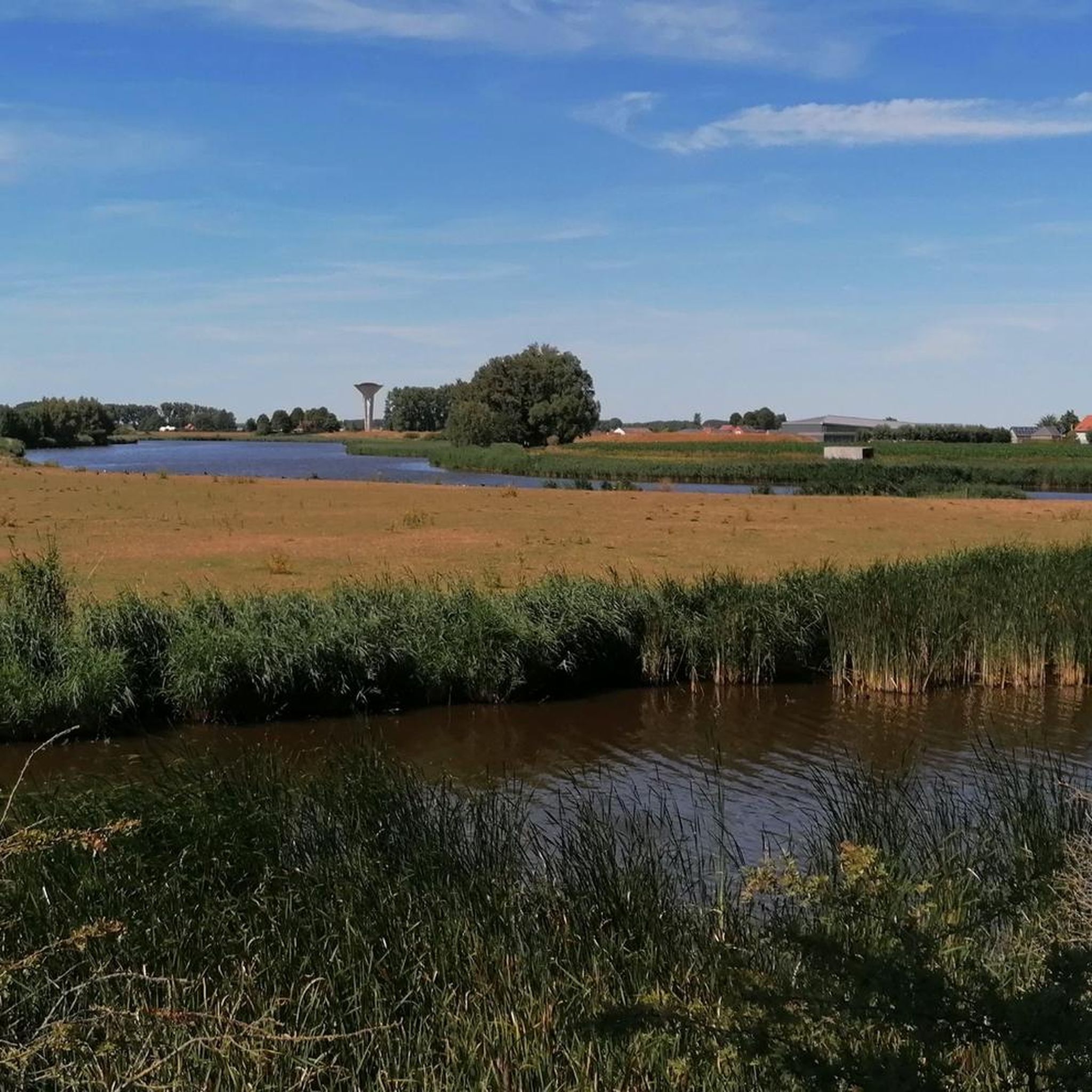
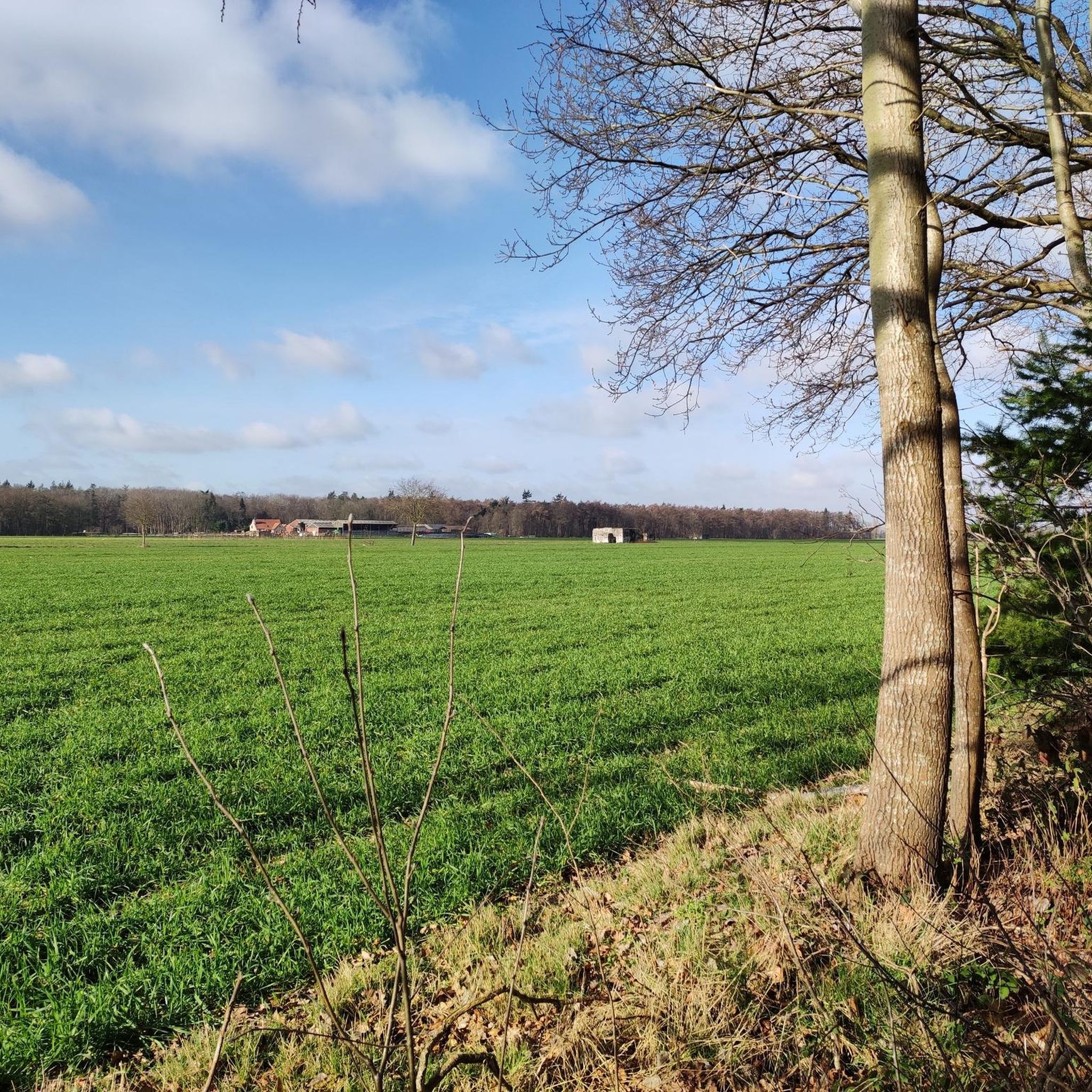
Vrouwkenshoekkreek is a creek in the Meetjesland creek area, north of the East Flemish town of Sint-Laureins. The creek is part of a larger creek system that also includes Blokkreek. Although it was a valuable creek, it was filled in the 1950s with sediment from the dredging of the nearby Leopold Canal. This resulted in the disappearance of the unique habitat, leaving only grassland where the creek once lay. In the 1990s, the site was purchased by Natuurpunt, and restoration work began in 2009, including the reestablishment of the connection with Blokkreek, located on Dutch territory (south of Sint Kruis), which had also undergone restoration. The restoration work was completed in 2012. In addition to its function as a nature reserve, the system can also be used for water storage. (Wikipedia)
7
0

Creek restoration A small section of the Vrouwkenshoekkreek remained filled in until recently. This plot is a historic small extension of the Vrouwkenshoekkreek, which was filled in with waste, soil and stones at the time. This section has now been cleared of the maple that dominated. The waste was dug out and the banks were profiled. Want to know more? Click through to https://www.natuurpunt.be/projecten/natuurherstel-in-meetjeslandse-kreken
8
0

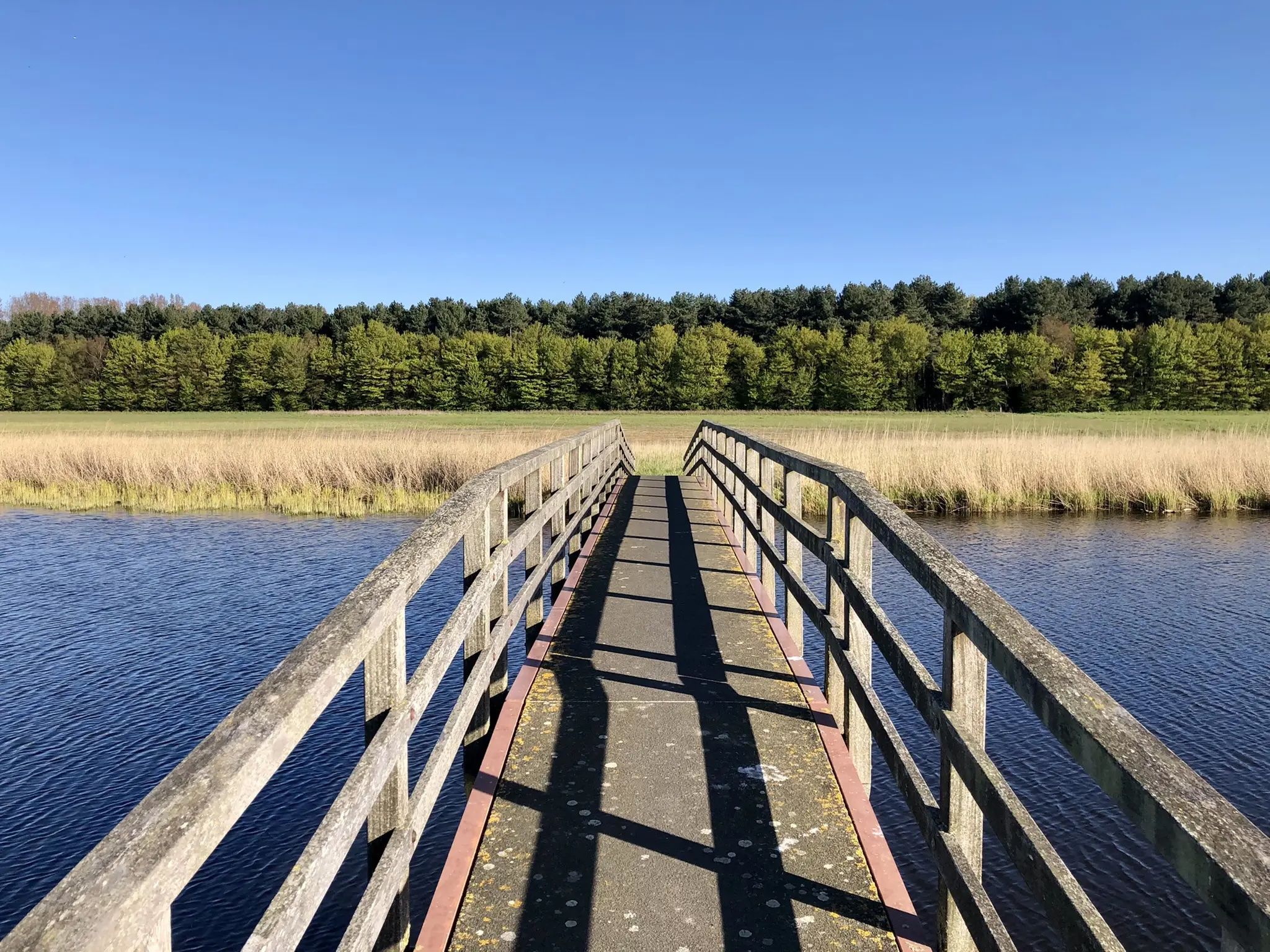
It is a magnificent walking route in which you pass many creeks. Time can be made for a stop along the creeks for a picnic or rest moment with a beautiful view. Recommended!
0
0


Quiet creek. Ideal to relax and strengthen the inner person while enjoying the view.
1
0
The Blokkreek is a creek in the East Flemish Meetjesland (Meetjeslands creek area), located between Sint-Laureins and Sint-Margriete. The most eastern part of the Blokkreek is of particular importance, which is partly on land, but which also contains a swamp area called Den Draaiput, which is rich in special plant and animal species. In the north, the Blokkreek is connected to the Hollandersgatkreek and in the south with the Vrouwkenshoekkreek, which is again called Blokkreek on Dutch territory. Remarkable are the almost right-angle bends in the creek system, possibly the result of the fact that the creek developed along man-made structures (roads, dike remnants) when it originated. The area is European protected as part of Natura 2000 area 'Polders'. Source Wikipedia
8
0

With an area of 39 hectares, the Boerekreek is the largest in the region. Long ago called the Grote Geule, you can view it from the Leopold Canal and from the road to Sint-Jan-in-Eremo. There is also a Bloso water sports center where you can park (not always open). From the Leopold Canal (east of the Sint-Jansbrug) you can see part of the part managed by Natuurpunt and an information board a little further. Attention: the part with the footpath and Instagram sign that is occasionally shown here between the photos is on the Oostpolder Creek on the other side of the road.
4
0
Frequently Asked Questions
What natural features define the 'lakes' around Kaprijke?
The 'lakes' around Kaprijke are primarily unique water bodies known as 'kreeks'. These are old peat pits formed by historical peat extraction and subsequent floods, creating a distinctive landscape in the Meetjesland creek area. They are characterized by their irregular shapes, diverse natural habitats, and often feature sandy soils.
Which creeks are recommended for walking and enjoying nature?
For walking and nature, Ponds of Het Leen offers beautiful forests and ponds with paved roads, ideal for exploration. Boerekreek, the largest creek in the Meetjesland, has a 9.5-kilometer 'Mindful Walk' yoga path. Bentillekreek features a footpath with viewpoints and an orchard, while Vrouwkenshoekkreek is known for its vastness and birdlife.
Are there family-friendly activities around the creeks near Kaprijke?
Yes, several creeks offer family-friendly options. Ponds of Het Leen is suitable for families with its paved roads and cafeteria. Bentillekreek has a dedicated family route with picnic benches and a board game. Boerekreek and Vrouwkenshoekkreek are also noted as family-friendly, offering opportunities for gentle walks and birdwatching.
What kind of wildlife can I see around the creeks near Kaprijke?
The creeks are rich in wildlife. Boerekreek is a habitat for various bird species like mallards, white-fronted geese, buzzards, and kestrels. At Bentillekreek, you have a good chance of spotting kingfishers, which use the steep banks as a breeding ground. Vrouwkenshoekkreek attracts hundreds of water birds, especially the Marsh Harrier, particularly in autumn. The Blok Creek also features a swamp area rich in special plant and animal species.
Are there specific trails or routes for outdoor activities near these creeks?
Yes, the region offers various routes. For mountain biking, you can explore trails like the 'Leopold Canal foot ferry – Gravel Path loop' or 'Kwadenbos Forest Path – Lembeekse Woods Trail loop'. Gravel biking options include the 'Grit! Wild Boar Route' and 'Schipdonk Canal Car-Free Path – Ponds of Het Leen loop'. Road cyclists can enjoy routes such as the 'Ghent–Bruges Canal loop' or the 'Breskens lighthouse – Drowned Black Polder loop'. You can find more details on these activities in the MTB Trails around Kaprijke, Gravel biking around Kaprijke, and Road Cycling Routes around Kaprijke guides.
What is the best time to visit the creeks around Kaprijke?
The creeks offer different experiences throughout the year. Autumn is particularly good for birdwatching, especially at Vrouwkenshoekkreek, where hundreds of water birds gather. Weekdays are recommended for visiting Ponds of Het Leen as all paved roads are accessible, allowing for more extensive exploration of the beautiful nature.
Can I find cafes or dining options near the creeks?
Yes, at Ponds of Het Leen, there is a cafeteria available. Additionally, some routes in the area feature various drinking and dining options along the way, allowing you to enjoy refreshments amidst the natural surroundings.
Are the creeks accessible by public transport?
While specific public transport routes directly to each creek may vary, the region is generally accessible. For detailed public transport information to specific starting points or nearby towns, it is advisable to check local transport schedules.
What makes the Meetjesland creek area unique?
The Meetjesland creek area is unique due to its geological history. The creeks are remnants of old peat pits that were formed by erosion during historical floods and storm surges. This process created a distinctive landscape of irregular water bodies, which now serve as important nature reserves and recreational areas.
What do visitors appreciate most about the creeks around Kaprijke?
Visitors appreciate the tranquil natural environments, the opportunities for walking and cycling, and the rich birdlife. The unique character of the 'kreeks' as old peat pits, now restored into valuable nature reserves, is also a significant draw. The komoot community has shared 16 photos and given over 140 upvotes, highlighting the area's appeal.
Is fishing allowed in any of the creeks?
Yes, fishing is allowed on a part of the Bentillekreek. Specific areas are indicated with color codes on signs, so be sure to check local regulations and signage before fishing.
Most popular routes around Kaprijke
Most popular attractions around Kaprijke

Get inspired with the komoot mobile app


Explore more
Still not found your perfect lake around Kaprijke? Check out the guides of these regions to see even more beautiful places.
