Top 7 Gorges around Saint-Nicolas
Canyons around Saint-Nicolas offer diverse natural landscapes, primarily characterized by deeply cut river valleys and rock formations. The region features several notable gorges, often surrounded by forests and providing various viewpoints. These geological features are shaped by water erosion, creating unique environments for exploration. The area's terrain includes both gentle slopes and more challenging ascents, appealing to different levels of outdoor enthusiasts.
Best canyons around Saint-Nicolas
- The most popular canyons is View from Rochers du Bout du Monde, a…
Last updated: June 30, 2026
Casino Grotto, Parc de la Chartreuse
Highlight • Cave
Translated by Google •
Tip by

Rooty Forest Trail Along the Stream
Highlight (Segment) • Trail
Translated by Google •
Tip by

Sign up now to discover places like this
Get recommendations on the best single tracks, peaks, & plenty of other exciting outdoor places.
Sign up for free
View from Rochers du Bout du Monde
Highlight • Viewpoint
Translated by Google •
Tip by

Nutons' Cave
Highlight • Cave
Translated by Google •
Tip by

Lovegnébeek Valley
Highlight (Segment) • Gorge
Translated by Google •
Tip by

Sign up for free to discover even more gorges around Saint-Nicolas.
Sign up for free
Already have an account?
Start today with a free account
Your next adventure awaits.
Login or Signup

Tips from the Community

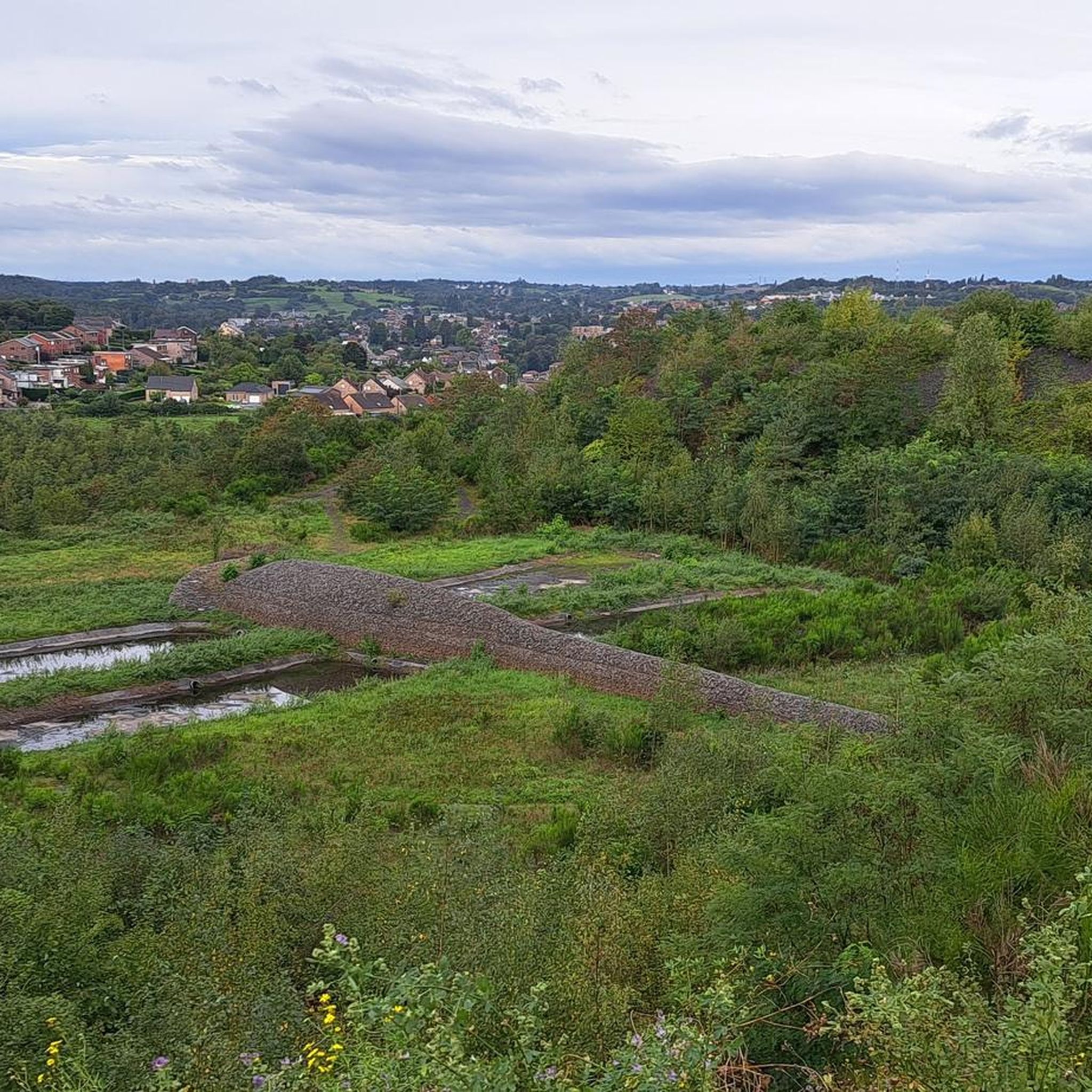
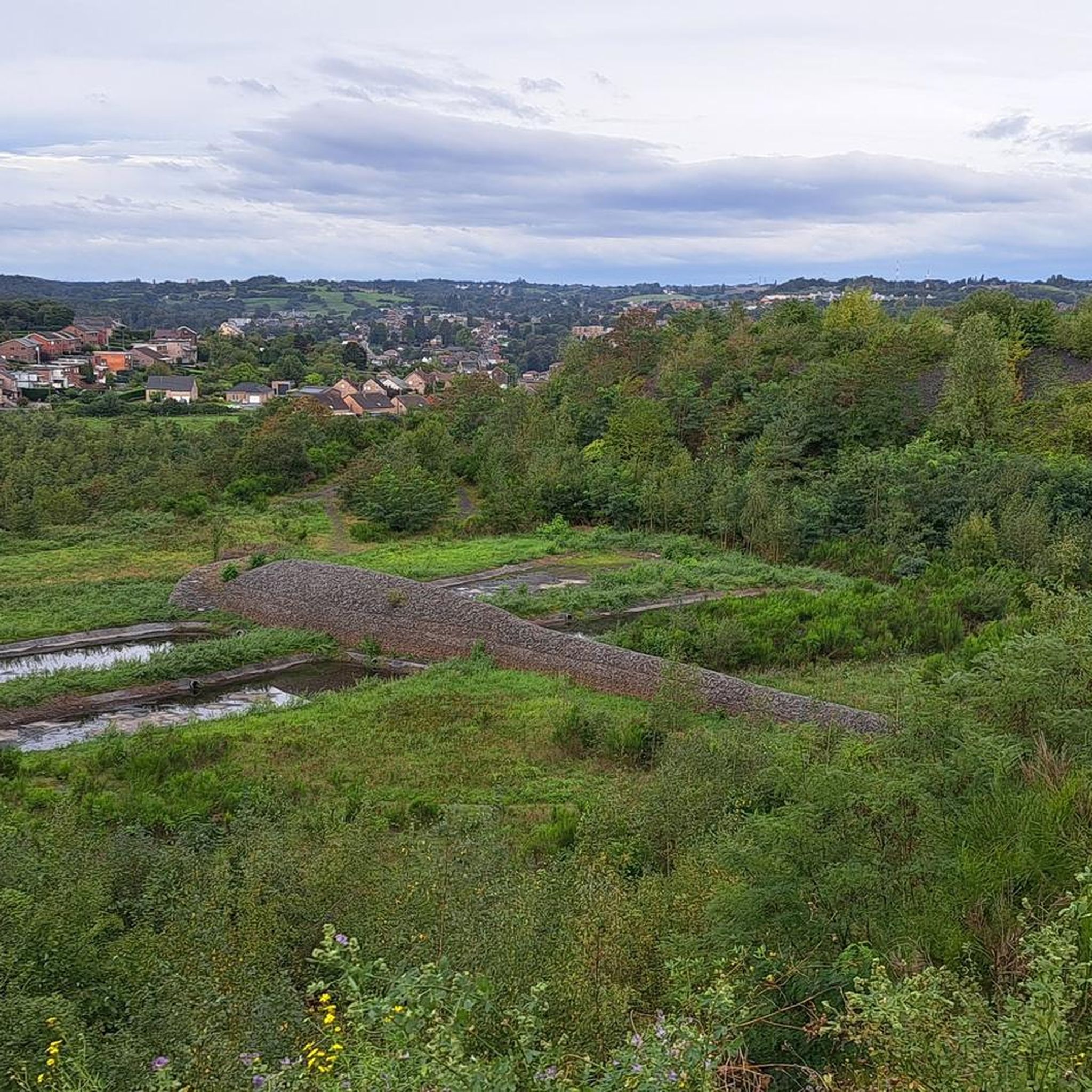
A delightful path in the Ruisseau du Blanc Gravier valley. It alternates between a forest path and a stream. It connects the pond with the Quartier Blanc Gravier.
2
0

Unexpected spot in the middle of the park, next to a viewpoint over the city (let's see if we can still see that far when the trees have turned green...), a reminder of a time when the walking routes were punctuated by https://www.dogwhistlings.com
0
0

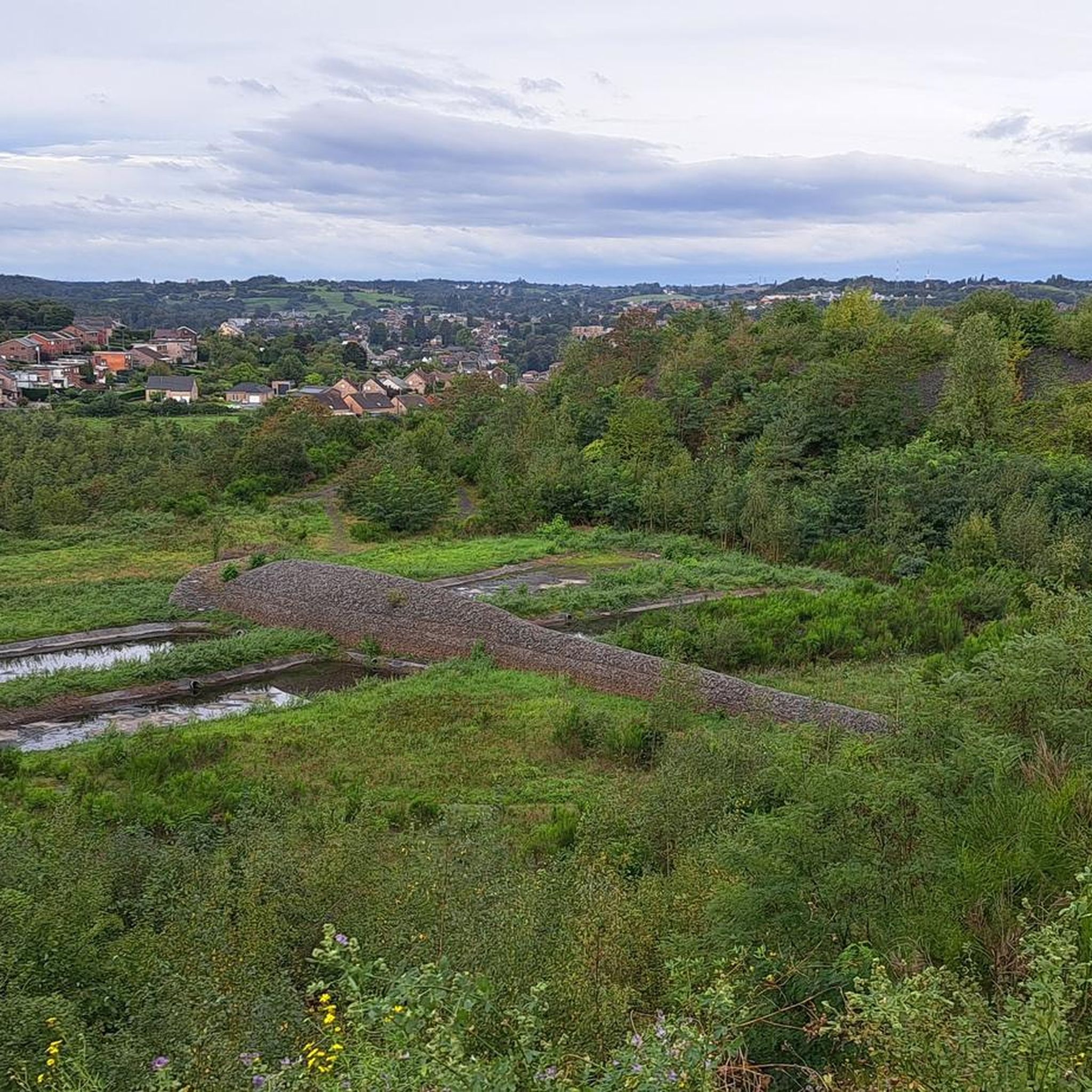
Beautiful valley of the Lovegnébeek in the nature reserve of Bois des Dame. Deeply cut in deciduous forest with a large drop towards the Vesdre. Which here and there gives beautiful small waterfalls.
1
0
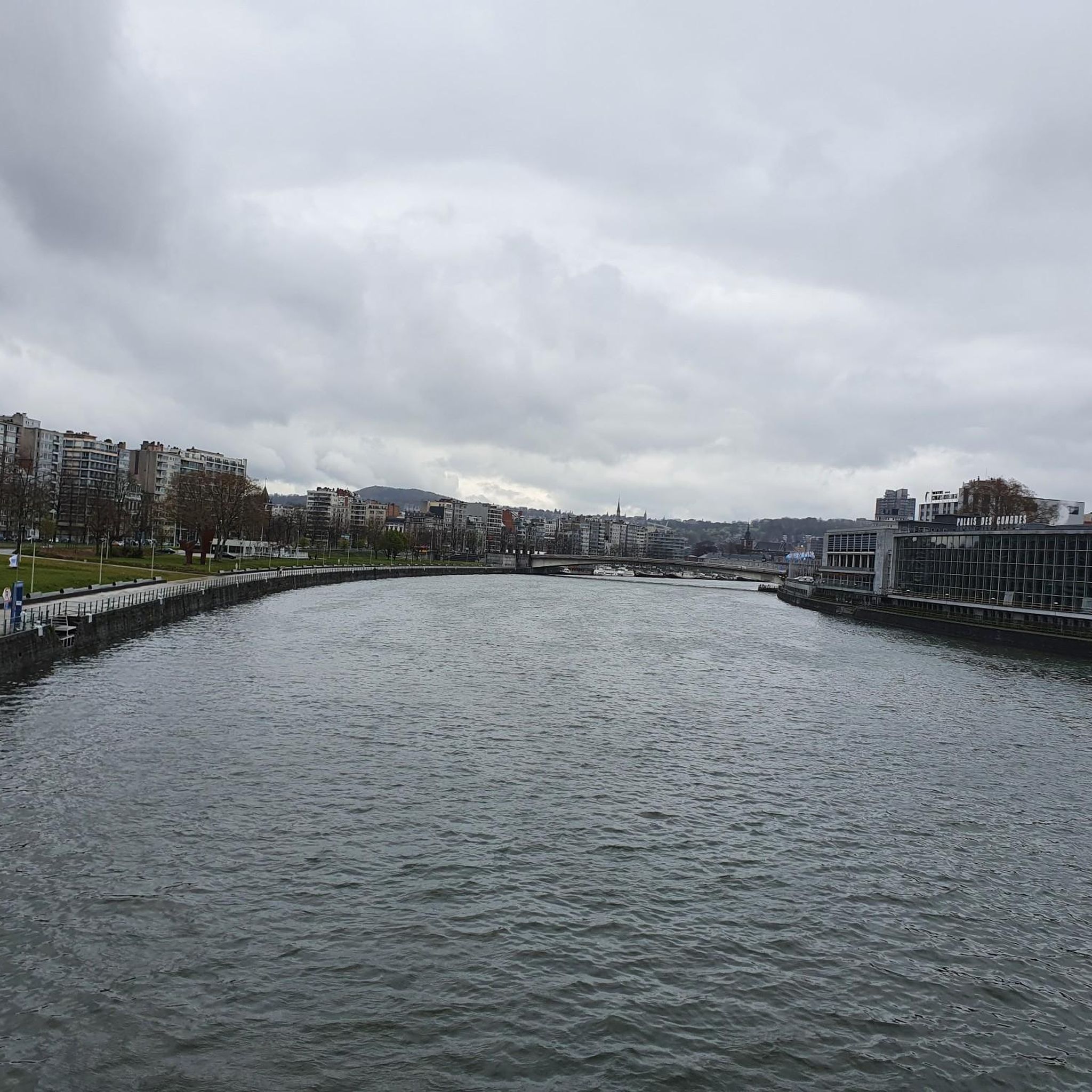
One of the many beautiful views of the Ourthe, here marked with graffiti paint. Very well visible from the E25 on the right side when you descend to Liège. Driven past and looked at it 100s of times. So, I was here know :-)
1
0

The Rochers du Bout du Monde are a natural curiosity of certain geological interest, also classified by the Royal Commission of Monuments and Sites. Located on the right bank of the Ourthe, 7 kilometers south of the city of Liège, from their height of 80 meters they dominate an old meander of the river, the course of which was modified during the construction of the E25 motorway in mid-1970s. Emerging from the Bois d'Embourg, this imposing massif is made up of shelly limestone banks inclined 40 to 45 degrees towards the south. Botanically, it is one of the northernmost xerothermal stations in Wallonia. Calcicolous plants such as the horseshoe grass (Hippocrepis comosa), the mountain libanotis (Seseli libanotis) or the bluish sesleria (Sesleria caerulea) in fact reach the northern limit of their regional area. The exposed rocks also host interesting communities of lichens. Among the fauna, it is worth highlighting the presence of a large population of wall lizards (Podarcis muralis), a rich population of snails and several species of unusual diurnal butterflies. Unfortunately, part of the rocks is gradually being colonized by the invasive false Japanese varnish (Ailanthus altissima), threatening the sustainability of the rock groups. Most of the forest slope including the Rochers du Bout du Monde is registered with the Natura 2000 network in site BE33014 - Vallée de l'Ourthe between Comblain-au-Pont and Angleur.
5
0

Small vertical limestone rock. The cave was inhabited in prehistoric times. There is a path leading there that can be very slippery in rainy weather.
6
0

Beautiful technical path unfortunately impassable this day (29012023), too many trees on the course
1
0

Exceptional view but beware, caution is required because access is difficult and quite dangerous in the sense that there are no railings.. For the less adventurous, the viewpoint located further to the left, a few tens of meters, is to be preferred.
4
0
Frequently Asked Questions
What kind of natural features can I expect to see in the canyons around Saint-Nicolas?
The canyons around Saint-Nicolas are characterized by deeply cut river valleys, impressive rock formations, and lush riparian forests. You can find unique geological features such as the shelly limestone banks at View from Rochers du Bout du Monde, and narrow, canyon-like valleys with several small waterfalls along the Rooty Forest Trail Along the Stream. The Lovegnébeek Valley also features beautiful small waterfalls within a deeply cut deciduous forest.
Are there any historical or cultural sites within the canyons of Saint-Nicolas?
Yes, the region offers a blend of natural beauty and historical intrigue. Nutons' Cave is a natural cave and historical site known to have been inhabited in prehistoric times. Additionally, the Casino Grotto in Parc de la Chartreuse, while not a canyon itself, is an unexpected spot within a park that has a rich history, including former military forts and bizarre ornamental constructions, offering a glimpse into the past.
What are the best viewpoints to experience the canyons around Saint-Nicolas?
For exceptional panoramic views over the Ourthe river and the surrounding landscape, visit the View from Rochers du Bout du Monde. This natural monument provides a stunning perspective of the deeply cut valley. The Casino Grotto in Parc de la Chartreuse also offers a viewpoint over the city, nestled within a historic park.
Are there family-friendly trails or activities in the canyons of Saint-Nicolas?
While some trails can be challenging, many areas offer accessible natural beauty. For instance, the Rooty Forest Trail Along the Stream, with its small waterfalls and forest path, can be an engaging experience for families, though some sections might be rooty. Exploring Nutons' Cave can also be an exciting adventure for children, provided you bring flashlights and are mindful of potentially slippery conditions.
What kind of hiking trails are available near the canyons of Saint-Nicolas?
The region around Saint-Nicolas offers a variety of hiking trails. You can find routes ranging from easy to moderate, such as 'The dragonfly – The Dragonfly of Gosson loop from Seraing' or 'RAVeL Line 212 loop from Glain'. For more options and detailed routes, explore the Hiking around Saint-Nicolas guide.
Can I go mountain biking or road cycling near the canyons?
Yes, Saint-Nicolas is well-suited for cycling enthusiasts. There are numerous mountain biking trails, including challenging routes like 'Colonster castle – L'Ourthe canal loop from Sclessin'. Road cyclists can enjoy routes such as 'Fenderie Castle – Côte de Dolembreux loop from Sclessin'. For comprehensive guides, check out the MTB Trails around Saint-Nicolas and Road Cycling Routes around Saint-Nicolas.
What should I know about visiting Nutons' Cave?
Nutons' Cave is a beautiful natural cave that you can explore for a few meters. It's a small vertical limestone rock and was inhabited in prehistoric times. Visitors recommend bringing flashlights, and be aware that the path leading to it can be very slippery, especially in rainy weather.
What makes the Rooty Forest Trail Along the Stream unique?
The Rooty Forest Trail Along the Stream is a delightful path that alternates between a forest trail and walking directly in the stream. It features a narrow, canyon-like valley with several small waterfalls, offering a unique and immersive experience in nature. It's known for its rooty sections, which add to its natural charm.
Are there any specific geological interests at Rochers du Bout du Monde?
The Rochers du Bout du Monde are a natural curiosity of significant geological interest. They are made up of shelly limestone banks inclined 40 to 45 degrees towards the south. Botanically, it's one of Wallonia's northernmost xerothermal stations, hosting calcicolous plants and interesting communities of lichens, making it a rich site for both geology and botany.
What do visitors enjoy most about the canyons around Saint-Nicolas?
Visitors particularly appreciate the diverse natural landscapes, from the exceptional views at Rochers du Bout du Monde to the immersive forest and stream experience of the Rooty Forest Trail Along the Stream. The historical aspect of sites like Nutons' Cave also adds a unique dimension to the exploration, combining natural beauty with a sense of history.
Is there any information about the Saint Nicholas Garden Canyon in Brazil?
While our guide focuses on the canyons around Saint-Nicolas in this specific region, it's worth noting that the most prominent canyon globally specifically named 'Saint-Nicolas' is the Saint Nicholas Garden Canyon (Cânion do Horto São Nicolau) in Arapoti, Paraná, Brazil. This canyon, carved by the Rincon Creek, stretches approximately 6 kilometers and is known for its depth and riparian forest.
Most popular routes around Saint-Nicolas
Most popular attractions around Saint-Nicolas

Get inspired with the komoot mobile app


Explore more
Already discovered everything in this region? See additional gorges around Saint-Nicolas for your next adventure:
