Top 3 Waterfalls around Lontzen
Best waterfalls around Lontzen are found in a region characterized by its varied natural landscape, including parts of East Belgium and the Ardennes. The area features numerous streams and rivers that create cascades and waterfalls, often in forested settings. Lontzen itself offers access to a network of trails that lead to these water features and other natural monuments. This environment provides opportunities for exploring both natural and historical sites related to water flow and local industry.
Best waterfalls around Lontzen
…Last updated: October 3, 2026
Mine entrance and Geul sinkhole — Plombières Nature Reserve
Highlight • Cave
Translated by Google •
Tip by

Small Waterfall on the Weser
Highlight • Waterfall
Translated by Google •
Tip by

Sign up now to discover places like this
Get recommendations on the best single tracks, peaks, & plenty of other exciting outdoor places.
Pau Cascade and Stone Rondel
Highlight • Waterfall
Showing Translation
Tip by

Neumühle Watermill and Waterfall
Highlight • Structure
Translated by Google •
Tip by

Waterfall on the Geul
Highlight • Waterfall
Translated by Google •
Tip by

Sign up for free to discover even more waterfalls around Lontzen.
Already have an account?



Tips from the Community

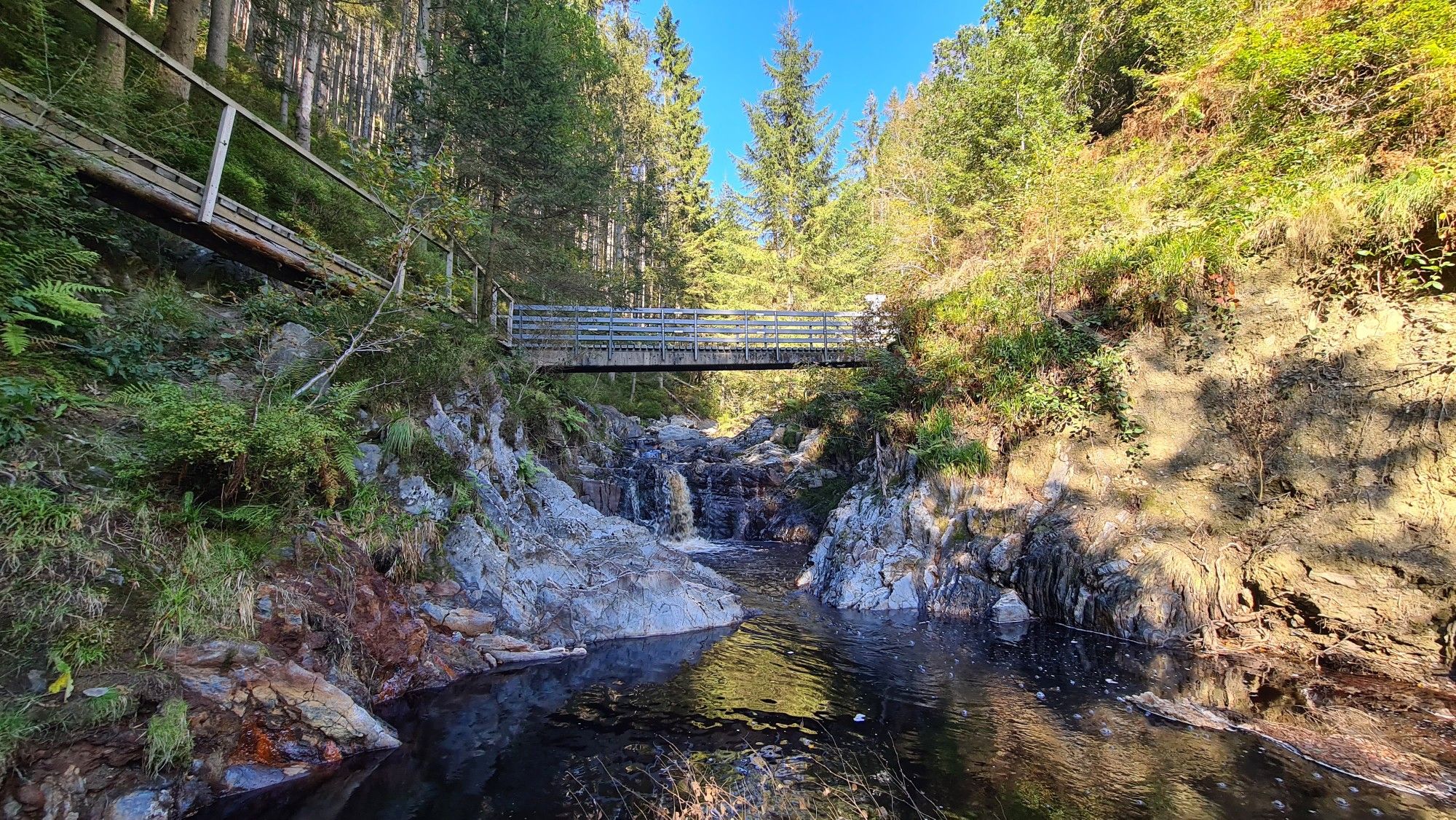
In the mid-19th century, flooding from the Göhl River posed a major threat to the mine in Bleyberg/Plombières: Water repeatedly penetrated the tunnels and claimed lives. To prevent this, a diversion of part of the river was requested and approved in 1861. By 1862, a tunnel several hundred meters long was built beneath the rock, keeping the Göhl away from the mine. The construction cost approximately 200,000 francs. The tunnel is a technical monument to mining engineering from an era when hazards were deliberately controlled while simultaneously harnessing hydropower. It demonstrates how work-related accidents were prevented while simultaneously harnessing resources.
54
0

During dry periods it is not much.
4
0
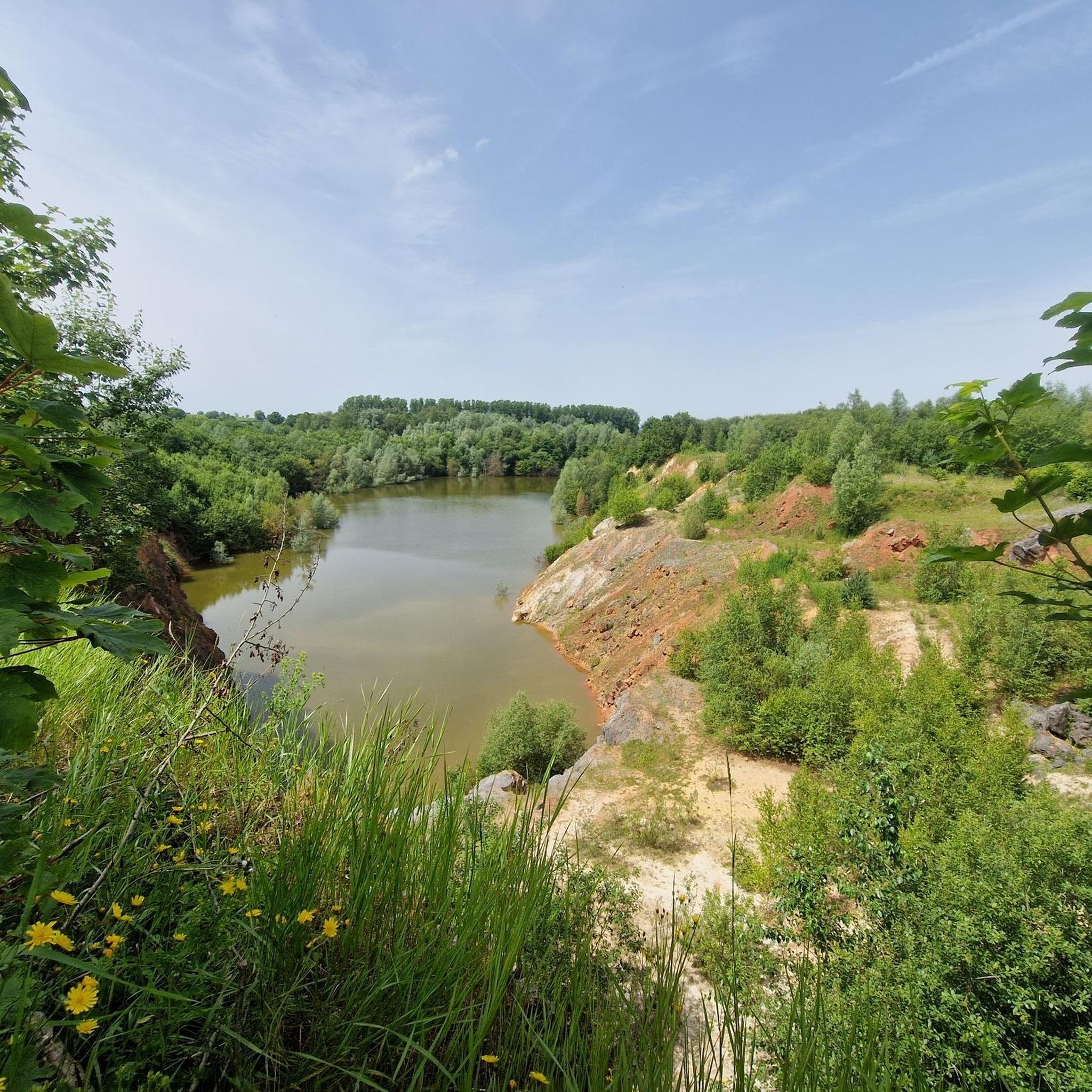
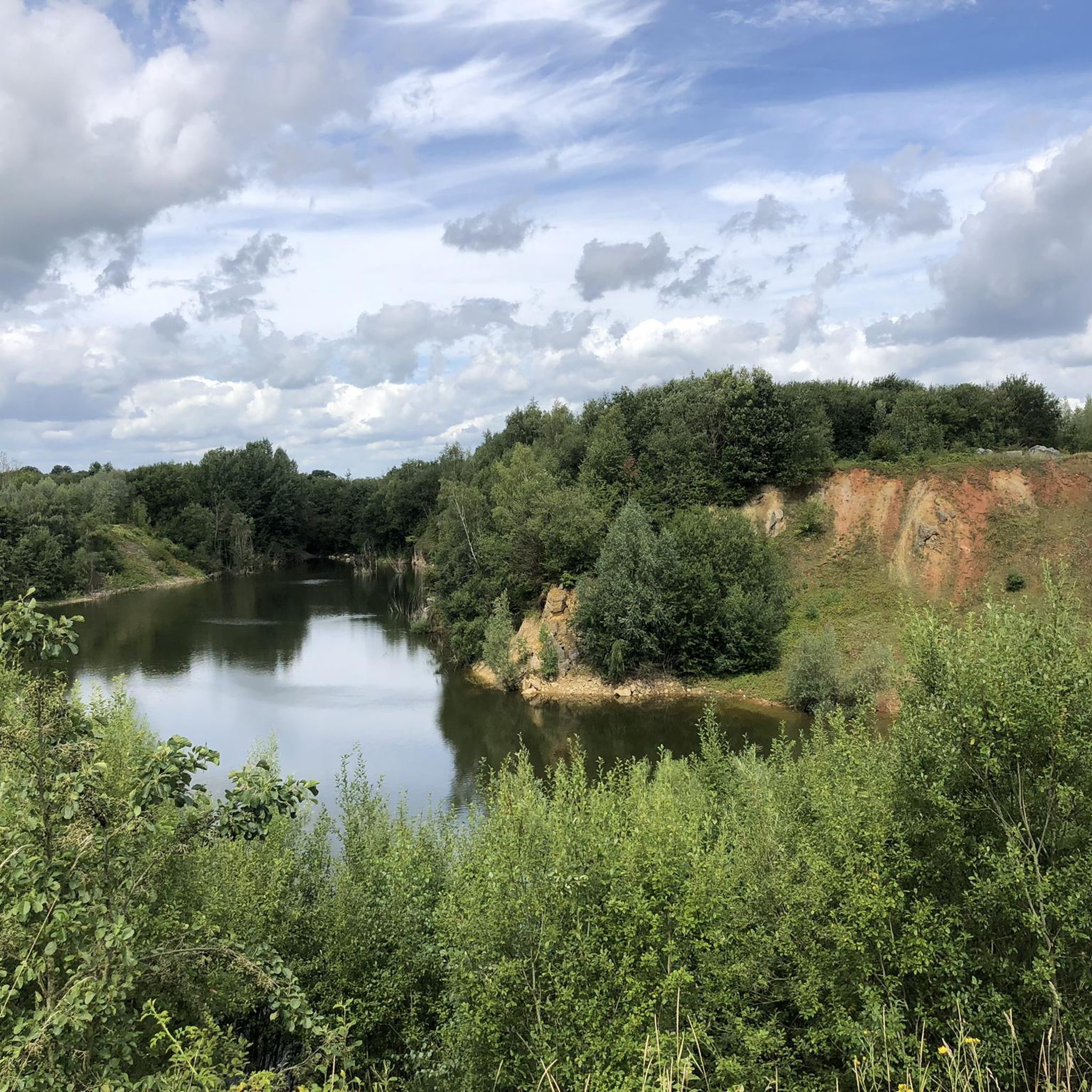
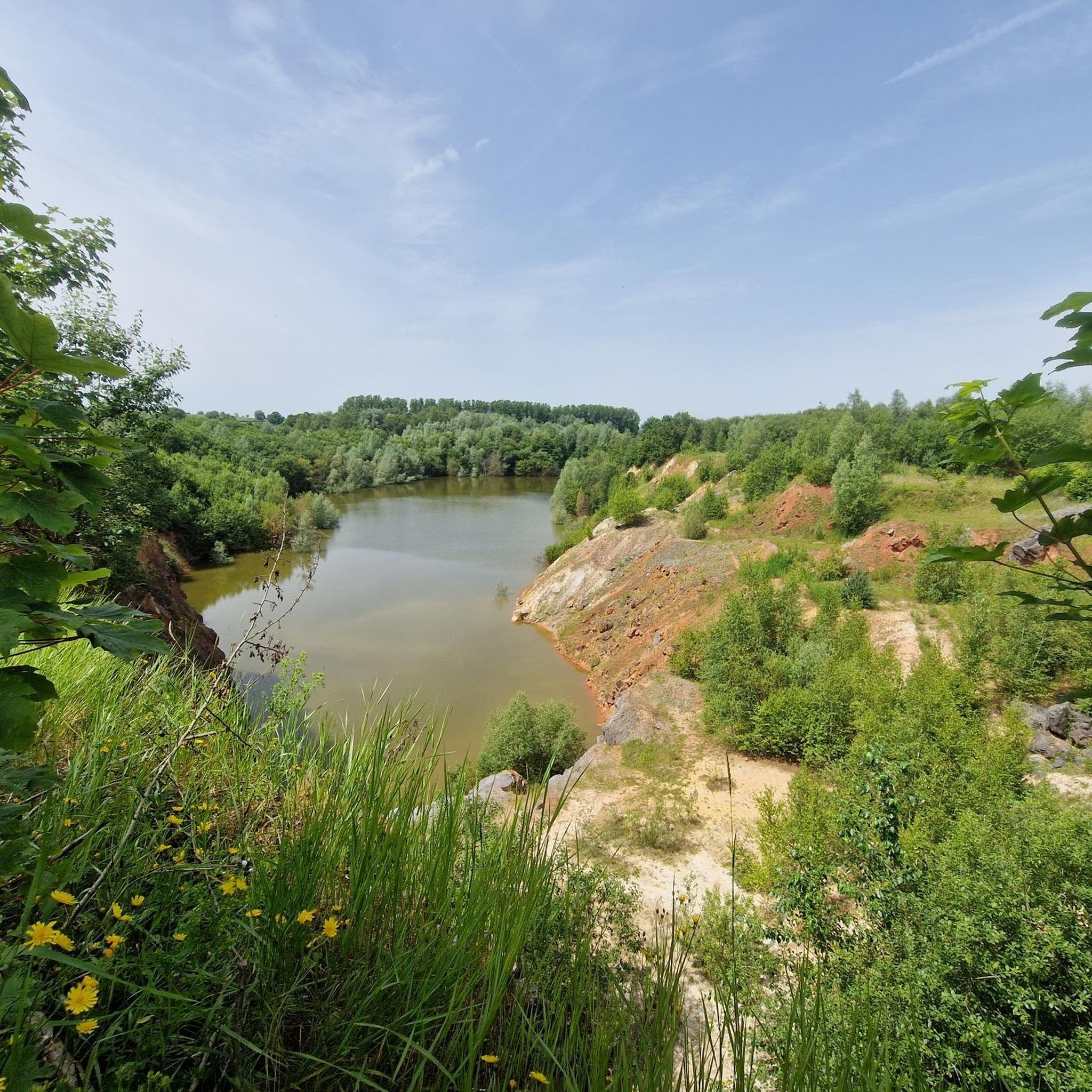
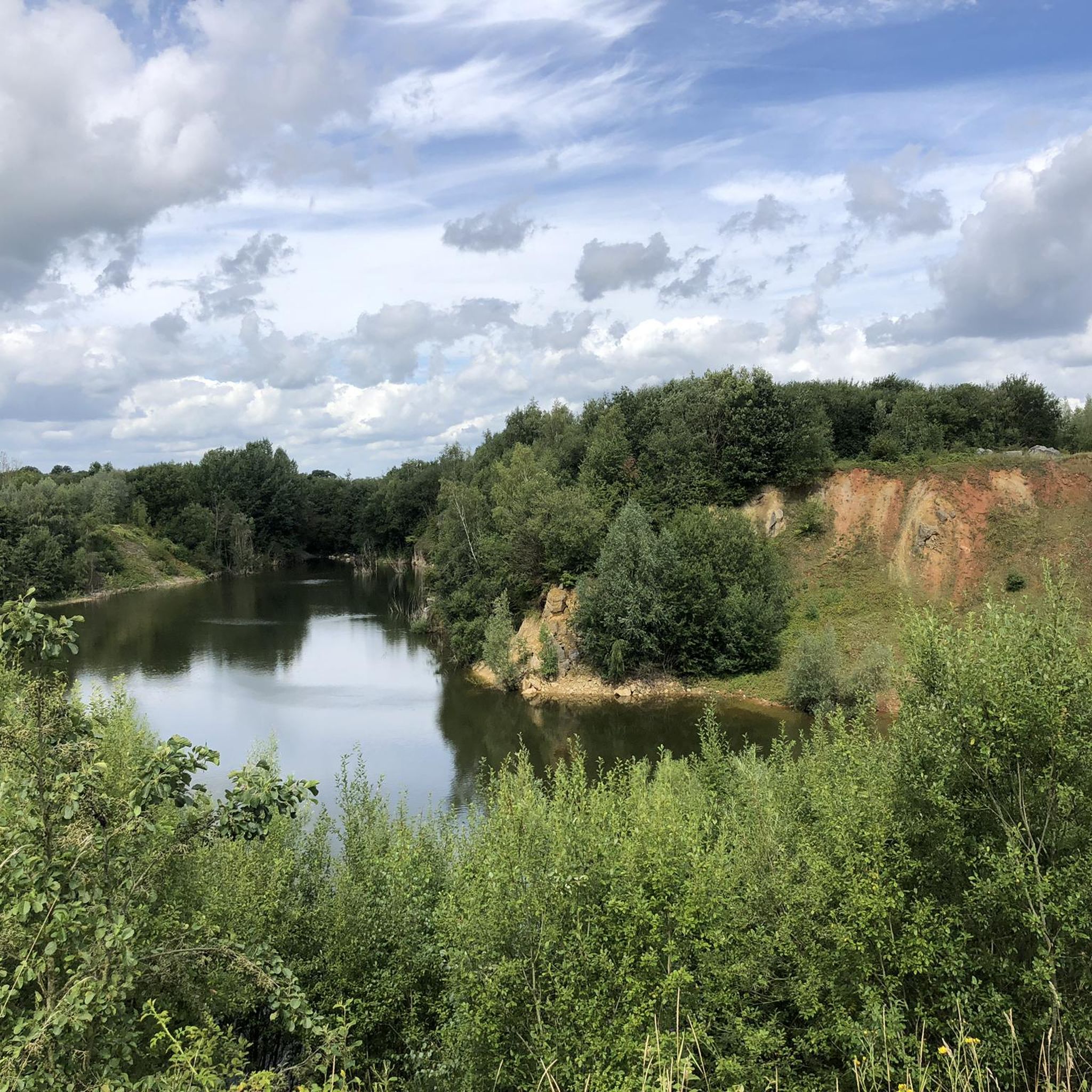
The site of the former Plombières mine is home to species-rich calcareous grassland meadows, now protected as a nature reserve. The exceptional flora and fauna of this area are due to the heavy metal-rich soils, particularly the presence of zinc in the subsurface. Among the natural meadow relics, visible traces of the former metal industry can still be found: – Walls from former foundry floors – Remains of old smelting furnaces – Stones from former industrial buildings A small stream meandering through the area further enriches the ecological diversity of this special place. The "Gueule" viewpoint, which offers a glimpse into a cave opening, is particularly impressive and worth a visit.
53
0

Wet foot crossing guaranteed!
4
0


The Neumühle or Moulin Schumacher is a (former) overcast water mill that is today privately owned. You can see the buildings clearly from the meadow paths and the entrance gate. At the rear there is also an old meadow walking path where you can see parts of the unfortunately removed wheel and interior. Particularly beautiful to see is the supply of water and how the Iterbach and Periolbach form a somewhat fairytale-like environment here. In wet weather you can hear the "waterfall" that forms and is part of the former system from far away. The former corn mill dates from 1823 and both the mill and the miller's house are inhabited but beautiful to see in their surroundings. Source and more information: https://www.molenechos.org/molen.php?nummer=1063
5
0
Park with "the house of the mining site", playground, information boards, picnic areas, sanitary facilities, direct access to the nature reserve and more. Info about the "Maison du Site Minier" at https://www.komoot.com/nl-nl/highlight/1038492
11
0

Anyone who wants to learn everything about the Pau, Paunelle and Johannesbach streams should take a look at the website I have provided below. It's a bit too much for a comment. https://oekologie-zentrum-aachen.de/die-aachener-baeche/bachportraits/die-pau-und-die-paunelle/
0
0
Frequently Asked Questions
What are some unique waterfalls to visit near Lontzen?
While Lontzen itself offers charming cascades, the wider region boasts some truly unique waterfalls. The Mine entrance and Geul sinkhole — Plombières Nature Reserve features a creek diverted through a rock breakthrough, set in a historical mining context. Further afield, the Bayehon Waterfall near Malmedy is known for its distinctive red water, caused by iron oxidation, and is the highest in the Ardennes at 9 meters. The Reinhardstein Waterfall near Waimes, Belgium's highest at 60 meters, is notable for its dramatic cascade near the magnificent Château de Reinhardstein.
Are there any historical mill waterfalls around Lontzen?
Yes, the region has several historical mill waterfalls. You can visit the Old Schyns Mill Waterfall, Moresnet, which features a historical mill built in 1801 with a magnificent water wheel. Another example is the Neumühle Watermill and Waterfall, a former corn mill from 1823 where you can still see parts of the old system and hear the 'waterfall' formed by the Iterbach and Periolbach.
What kind of natural features can I expect to see near the waterfalls?
The waterfalls around Lontzen are often nestled within diverse natural settings. At the Mine entrance and Geul sinkhole — Plombières Nature Reserve, you'll find species-rich calcareous grassland meadows and unique flora like calamine violets, thriving on heavy metal-rich soils. The Bayehon Waterfall is set in the enchanting High Fens, offering varied landscapes. Many waterfalls are surrounded by forests and rivers, providing opportunities to observe local wildlife.
Are there family-friendly waterfalls or easy walks suitable for children?
Absolutely. The Pau Cascade and Stone Rondel is a small, accessible cascade with a bastion-like roundabout that serves as a quiet resting place, making it ideal for families. The Old Schyns Mill Waterfall, Moresnet is also considered family-friendly. The Bayehon Waterfall, while requiring a walk, is easily accessible via the nearby Moulin de Bayehon, which offers parking, making it appealing for families.
What outdoor activities can I do near these waterfalls?
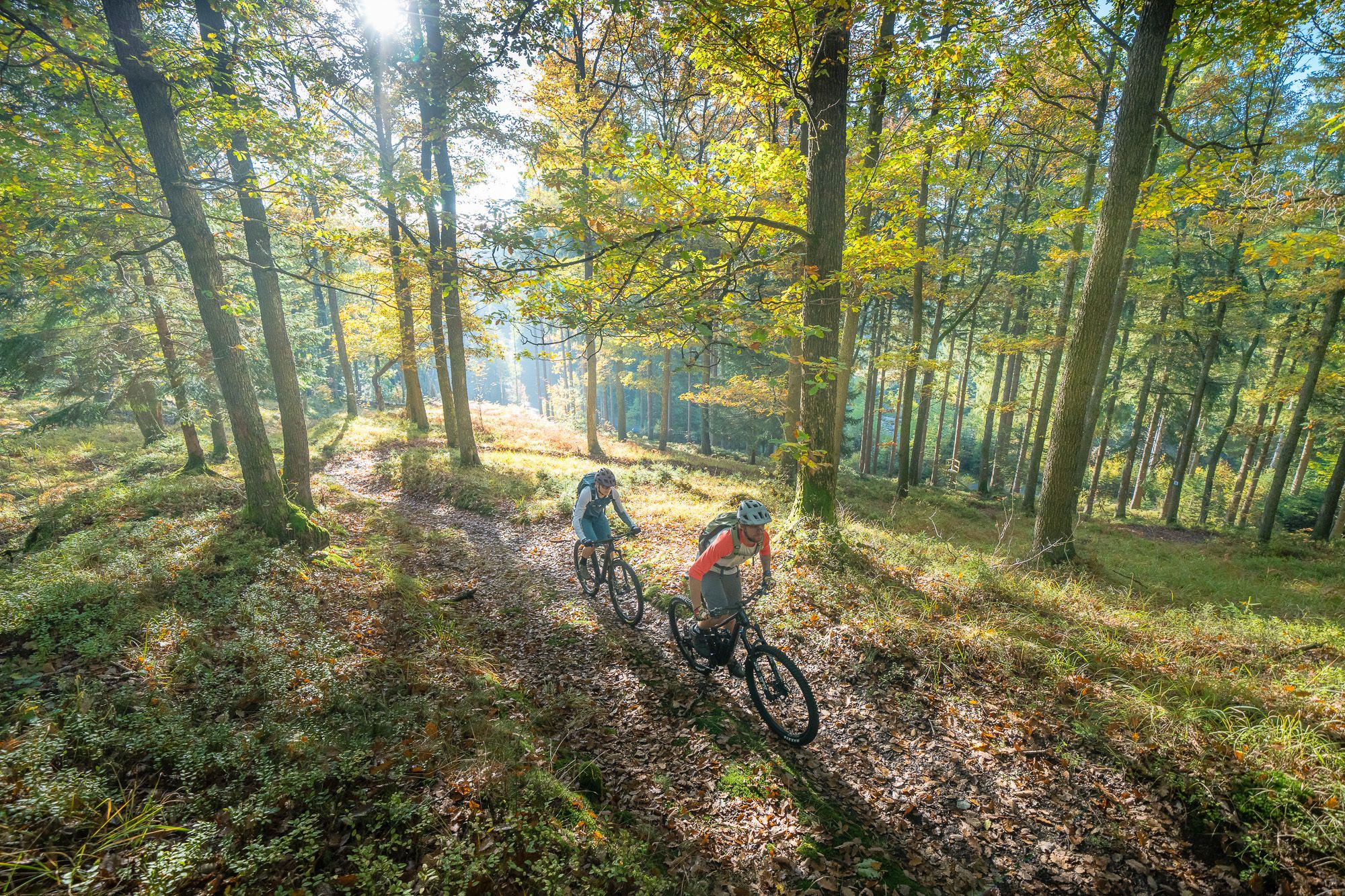
The region around Lontzen offers a variety of outdoor activities. You can explore numerous hiking trails, with options ranging from easy to moderate, such as those found in the Hiking around Lontzen guide. For cyclists, there are Gravel biking around Lontzen routes. Running enthusiasts can find suitable paths in the Running Trails around Lontzen guide. Many of these routes pass by or near the region's waterfalls and natural attractions.
What is the best time to visit the waterfalls around Lontzen?
The waterfalls are particularly impressive after heavy rainfall, when their flow is most powerful. This is especially true for the Reinhardstein Waterfall and the Coo Waterfalls. Spring and autumn offer lush scenery and comfortable temperatures for hiking. In winter, some waterfalls might offer a unique frozen spectacle, though paths can be slippery and require sturdy footwear.
Are there any waterfalls that are particularly impressive after rain?
Yes, several waterfalls in the broader region become significantly more impressive after heavy rainfall. The Reinhardstein Waterfall, with its 60-meter drop, is known for its powerful flow under these conditions. Similarly, the Coo Waterfalls on the Amblève river, with a 15-meter drop, can be quite powerful after significant rain, showcasing their full force.
Can I find any viewpoints or scenic resting spots near the waterfalls?
Yes, many waterfall locations offer scenic viewpoints and resting spots. The Pau Cascade and Stone Rondel features a bastion-like roundabout that serves as a quiet resting place. The 'Gueule' viewpoint at the Mine entrance and Geul sinkhole — Plombières Nature Reserve offers an impressive glimpse into a cave opening. The area around the Bayehon Waterfall also provides varied landscapes and opportunities for scenic breaks.
What do visitors enjoy most about the waterfalls near Lontzen?
Visitors frequently appreciate the combination of natural beauty and historical context. The unique geological features, like the creek diversion at the Mine entrance and Geul sinkhole, and the historical significance of sites like the Old Schyns Mill Waterfall, are highly rated. The tranquil settings, opportunities for hiking, and the visual spectacle of the cascades, especially after rain, are also popular highlights.
Are there any waterfalls with interesting historical backgrounds?
Beyond the historical mills, the Coo Waterfalls hold a fascinating historical background. They were created in the 16th century by monks from Stavelot Abbey who diverted the Amblève river to protect the village of Petit-Coo. This site has also inspired Belgian Impressionist painters, adding to its cultural significance.
Are there any challenging trails to reach waterfalls for experienced hikers?
Some trails leading to waterfalls can be more challenging. For instance, the path to the Reinhardstein Waterfall, while rewarding, may not always be the most accessible, with some sections described as less secured. The area around the Bayehon Waterfall also features root-covered paths that can be slippery in wet weather, requiring sturdy shoes and offering a more adventurous hike.
Most popular routes around Lontzen
Most popular attractions around Lontzen

Get inspired with the komoot mobile app


Explore more
Happy to travel a little further afield? Then browse these guides for the best waterfalls around Lontzen:
