Top 20 Lakes around Gistel
Lakes around Gistel, Belgium, offer a diverse range of natural water features and man-made attractions in the surrounding area. While Gistel itself may not feature prominent natural lakes, the region provides various water bodies, including recreational basins, nature reserves, and historical water management complexes. These sites contribute to the outdoor activities and natural landscapes available near Gistel. Visitors can explore these areas for hiking trails and scenic viewpoints.
Best lakes around Gistel
- The most popular lakes is d'Aertrycke Castle,…
Last updated: October 3, 2026
Spuikom Oostende-Bredene
Highlight • Lake
Translated by Google •
Tip by

Zwaanhoek Nature Reserve
Highlight • Natural
The Zwaanhoek is bordered in the north by the Ghent-Oostende railway, in the east and southeast by the Nieuwpoort-Plassendale canal and in the southwest and west …
Translated by Google •
Tip by

Sign up now to discover places like this
Get recommendations on the best single tracks, peaks, & plenty of other exciting outdoor places.
d'Aertrycke Castle
Highlight • Castle
Translated by Google •
Tip by

Ganzepoot Sluice Complex
Highlight • Structure
Translated by Google •
Tip by

Ostend Creeks
Highlight • Lake
Translated by Google •
Tip by

Sign up for free to discover even more lakes around Gistel.
Already have an account?
Start today with a free account
Your next adventure awaits.

Tips from the Community

The castle and its surroundings are currently being restored. It already looks great, and in the future it will be fabulous. There is also a very nice little restaurant and a free toilet there.
0
0

Beautiful cycle path along the canal.
3
0

Nowadays the castle is a luxury hotel/restaurant and conference centre (Restaurant realised in 1990 and hotel built in 1996 by the then organisers of the Rock Torhout festival). On the other side of the Torhout - Oostende road lies the domain of the Wijnendale castle.
2
2
The history of 'Domein d' Aertrycke' begins in 1865 when August de Maere, the spiritual father of the port of Zeebrugge, acquired 98 ha of the 'Verloren Kost' domain. In 1869 he had the now centrally located neo-Gothic castle built to a design by the Antwerp architect Joseph Schadde. In 1897 August de Maere, who had in the meantime been elevated to the nobility, was given permission to add d'Aertrycke to his name. With the exception of a short period after the First World War, the domain remained the property of the family. Xavier de Maere, the last owner of the castle, became known as second-in-command of the Belgian South Pole Expedition 1958-1959. After the death of his mother, who was the last of the family to live in the castle, he concluded an agreement with the West Flemish provincial government for the partial opening of the castle domain to the general public. In 2012, the province acquired full ownership and Domein d'Aertrycke became a fully-fledged provincial domain.
2
2
The castle De Maere d'Aertrycke is a castle in the Belgian city of Torhout. The neo-Gothic castle was built from 1868 to 1871 by order of August de Maere, the castle is still popularly called De Maeres castle. It is located between the center of Torhout, Wijnendale and Aartrijke. The castle is located in a romantic garden with a large pond, meadows and forests. The domain has a great natural value. Roe deer, Western European hedgehog and the European red squirrel are the mammals that live there. Birds are richly represented with the tufted duck, great spotted woodpecker, moorhen, coot, grebe, jackdaw, nuthatch, tree creeper, finch, blue tit and great tit. There are also amphibians: the brown frog and the common toad.
2
1

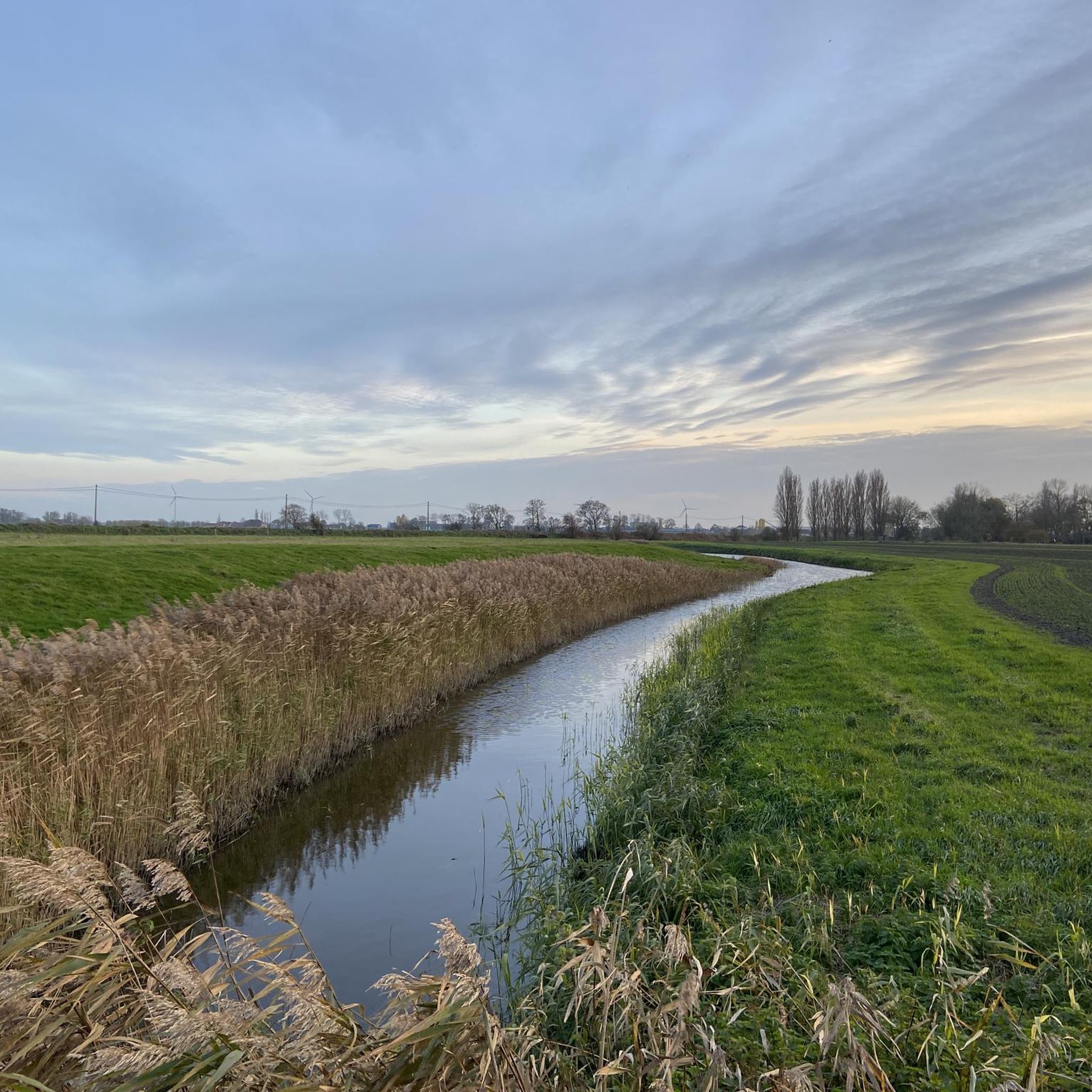
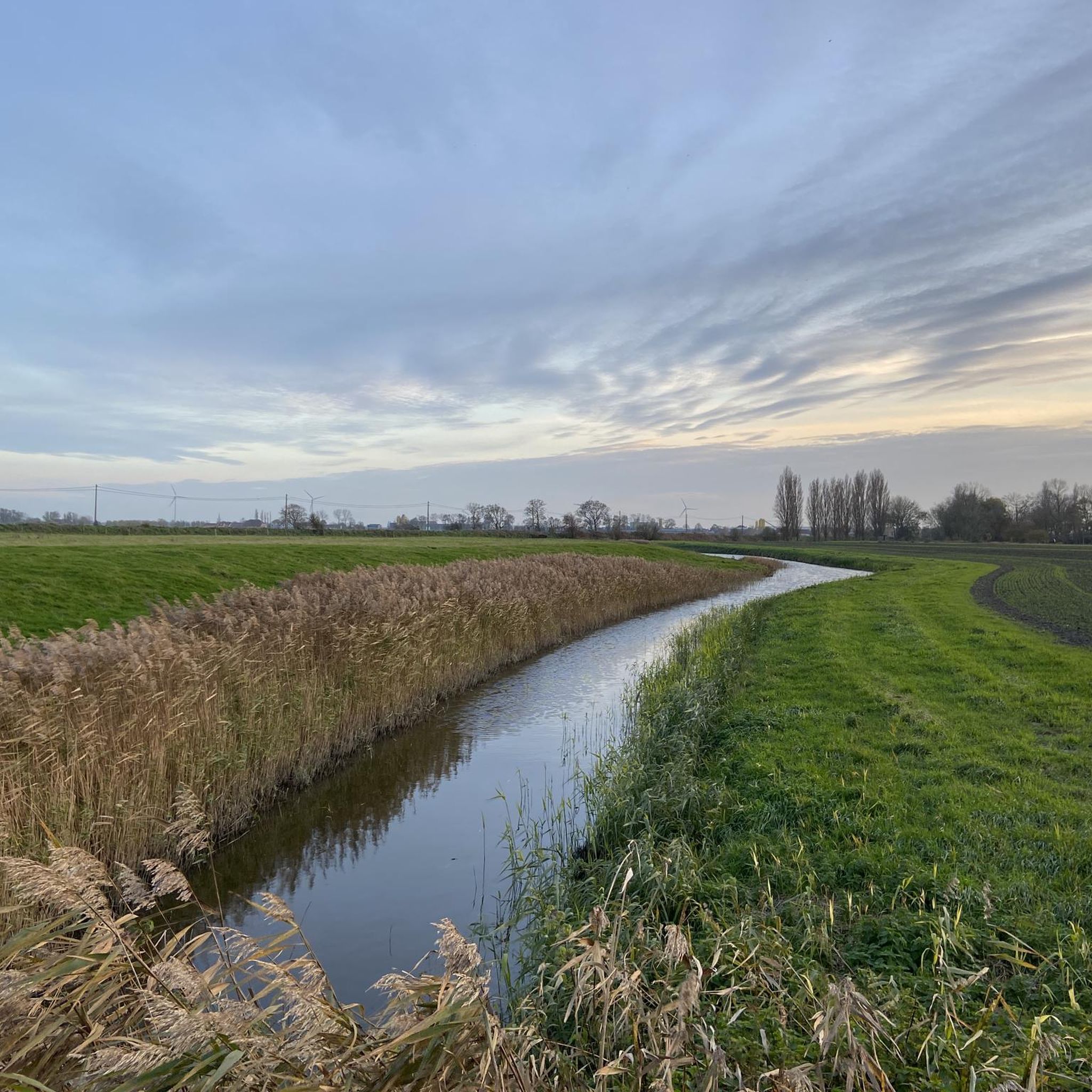
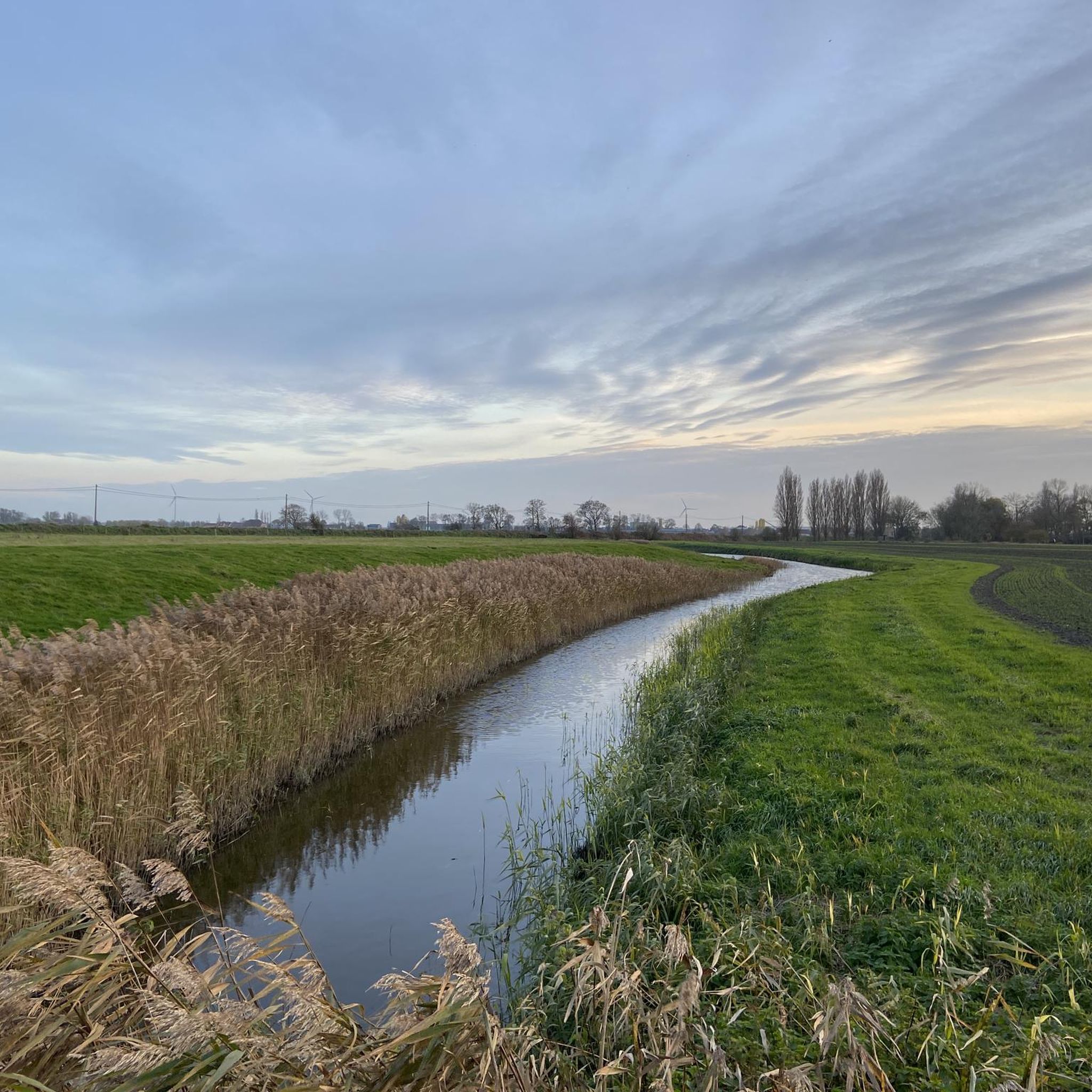
The Creek Area around Ostend is a unique wetland zone, with a network of creeks, marshes, reed beds and grasslands. These creeks were created by the natural silting up of rivers and other waterways. The area has a rich biodiversity, which makes it ideal for a nature walk.
0
0

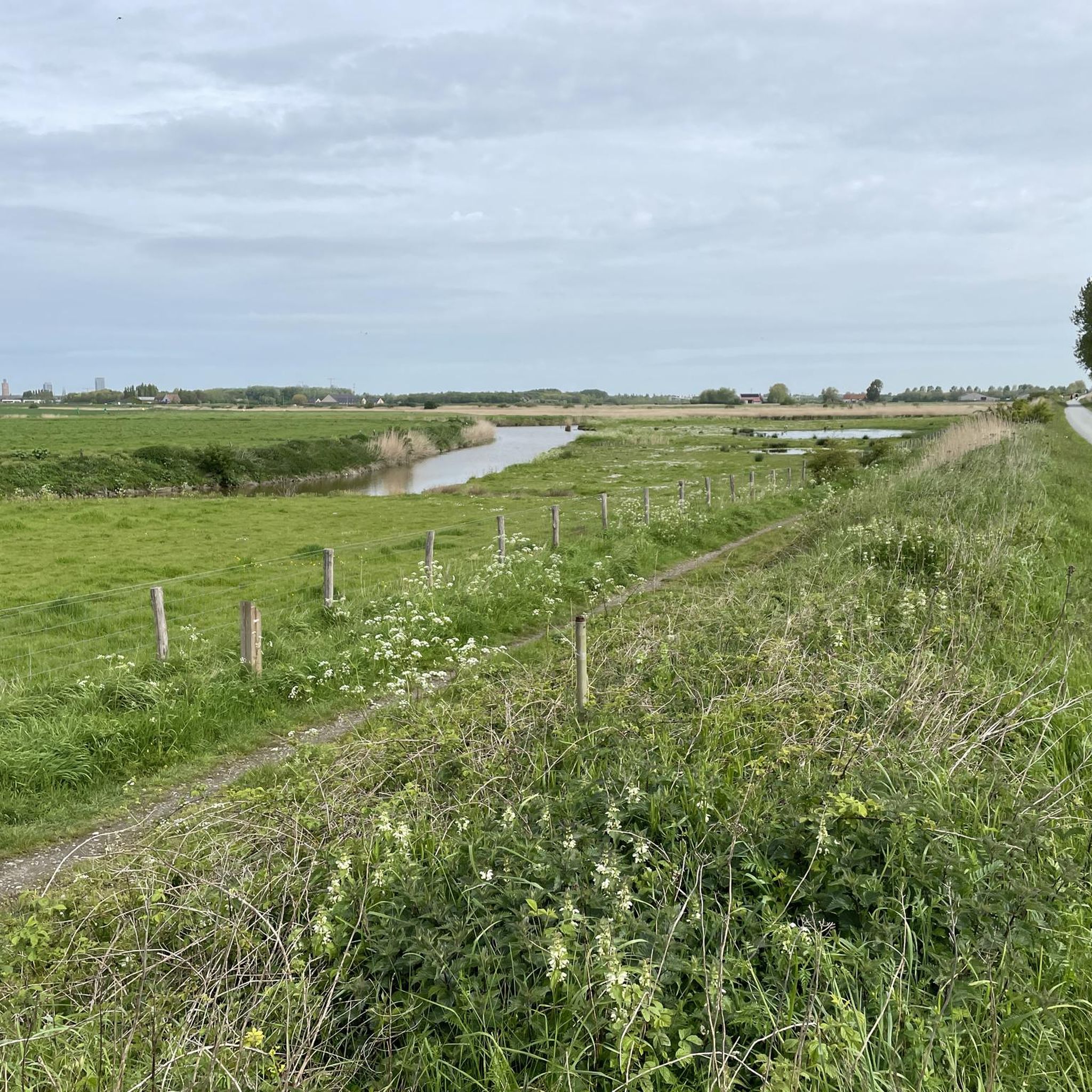
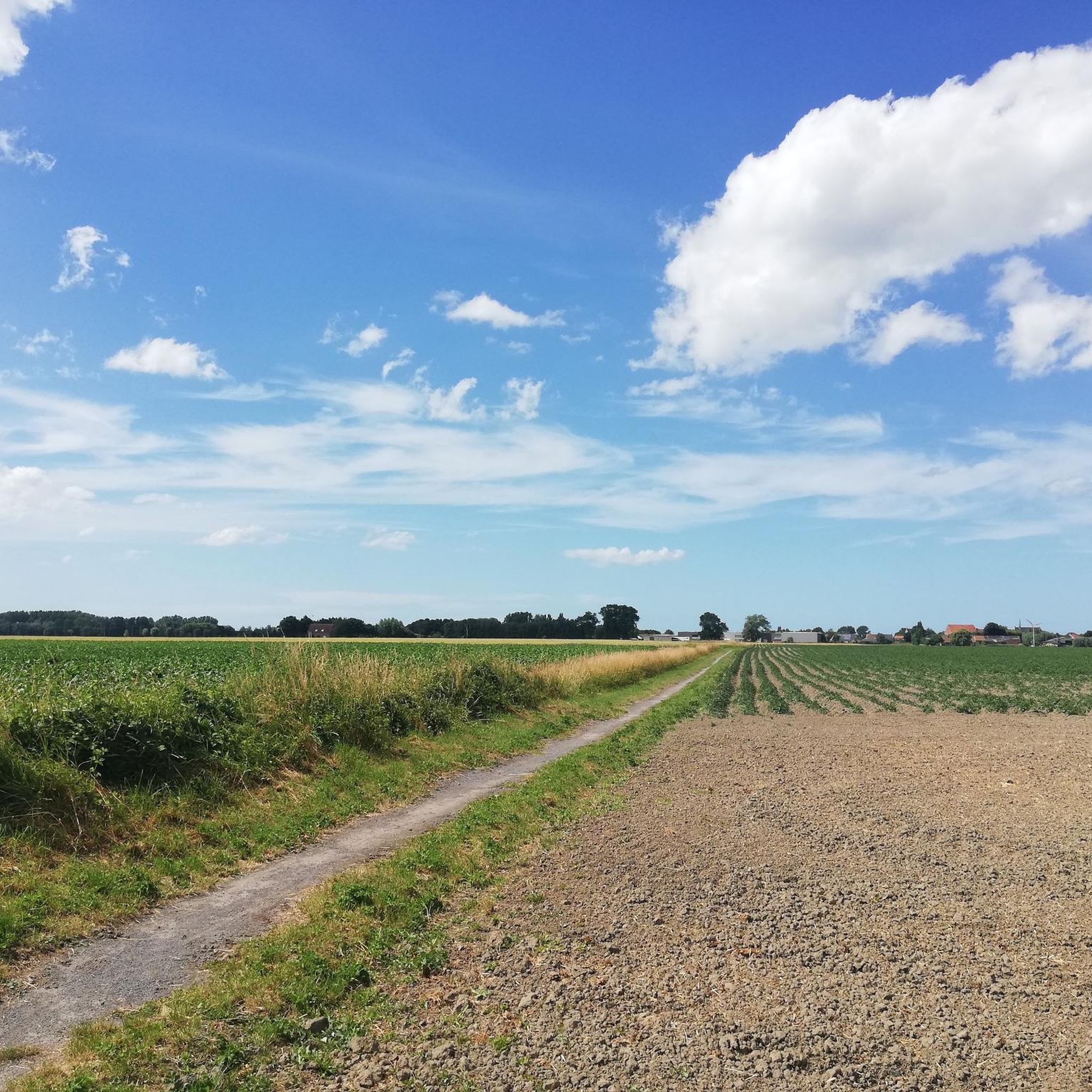
From the lookout tower 'Het Rietnest' you have a beautiful view of the flat polders and the Zwaanhoek nature reserve. Furthermore, the area is only accessible during a guided walk (can be requested via Natuurpunt). The intention is not to disturb the breeding, roosting and wintering birds.
3
0
The Spuikom in Ostend/Bredene forms the southern border of the Vuurtorenwijk.
0
0
Frequently Asked Questions
What kind of water features can I expect to find around Gistel?
While Gistel itself doesn't have prominent natural lakes, the surrounding area offers a diverse range of water bodies. These include recreational basins like Spuikom Oostende-Bredene, nature reserves with wetlands such as Ostend Creeks and Zwaanhoek Nature Reserve, and significant historical water management structures like the Ganzepoot Sluice Complex.
Are there any nature reserves with water bodies near Gistel?
Yes, you can explore nature reserves with water features. The Ostend Creeks offer a peaceful escape with beautiful viewpoints. Another option is the Zwaanhoek Nature Reserve, a typical low-lying basin with meadows, ditches, and swamps, featuring a lookout tower for bird watching.
Where can I enjoy scenic views of water near Gistel?
For scenic water views, visit the Ostend Creeks, known for its beautiful viewpoints and quiet nature. The Spuikom Oostende-Bredene also offers a nice view directly along its shore. Additionally, the lookout tower 'Het Rietnest' in the Zwaanhoek Nature Reserve provides a beautiful panorama of the polders and wetlands.
What outdoor activities can I do near the water features around Gistel?
Many outdoor activities are available. You can go sailing or surfing at Spuikom Oostende-Bredene, where you can also fish with a permit. For land-based activities, there are numerous running, cycling, and mountain biking trails nearby. Explore options like the 'Running loop from Gistel' or 'Oostmolen – Ostend Creeks loop from Gistel' for running, or 'Moere Station on the Groene 62 – Plassendale–Nieuwpoort Canal loop from Gistel' for cycling. Find more routes on the Running Trails around Gistel, Cycling around Gistel, and MTB Trails around Gistel guide pages.
Are there hiking or walking trails around the water bodies?
Yes, several locations offer walking opportunities. d'Aertrycke Castle domain provides various signposted walks. You can also jog or cycle around the Spuikom Oostende-Bredene on a good bike path. While the Zwaanhoek Nature Reserve is generally accessible during guided walks, it features a beautiful cycle path along the canal.
Can I cycle along water features near Gistel?
Absolutely. The Spuikom Oostende-Bredene has a good bike path directly along its shore. The Zwaanhoek Nature Reserve also features a beautiful cycle path along the canal. For longer rides, consider routes like the 'Moere Station on the Groene 62 – Plassendale–Nieuwpoort Canal loop from Gistel' or 'Bruges–Ostend Canal – Ostend Creeks loop from Zevekote' found on the Cycling around Gistel guide page.
Are there any historical water-related sites near Gistel?
The most significant historical water-related site is the Ganzepoot Sluice Complex in Nieuwpoort. This lock complex is where six waterways converge and is a monument to King Albert. Additionally, d'Aertrycke Castle, built in the Neo-Renaissance style, has historical significance and is set within a domain with water features.
Are there family-friendly water attractions around Gistel?
Yes, several spots are suitable for families. The domain of d'Aertrycke Castle offers signposted walks and a hotel/restaurant. The Spuikom Oostende-Bredene is great for recreational activities like sailing, surfing, cycling, and jogging. The Ganzepoot Sluice Complex is also considered family-friendly, offering an interesting historical site to explore.
Can I go bird watching near Gistel's water features?
Yes, bird watching is possible. During the winter months, the northern half of the Spuikom Oostende-Bredene serves as a resting area for water birds like cormorants, goldeneyes, and coots. In spring, its islands are used by breeding terns. The Zwaanhoek Nature Reserve, with its lookout tower 'Het Rietnest', is also an excellent spot for observing breeding, roosting, and wintering birds.
What is the best time to visit the water features around Gistel?
The best time to visit depends on your preferred activities. Spring and autumn are ideal for walking and cycling, offering pleasant temperatures and beautiful scenery. Winter can be excellent for bird watching at sites like the Spuikom Oostende-Bredene. Summer is perfect for water sports like sailing and surfing. Always check local conditions and opening hours, especially for nature reserves.
Are there any places to eat or stay near these water features?
Yes, d'Aertrycke Castle has been transformed into a hotel, restaurant, and conference center, offering dining and accommodation options directly within its historical domain. For other locations, you'll find various cafes, pubs, and accommodation options in nearby towns like Nieuwpoort and Ostend, which are close to the water features mentioned.
Most popular attractions around Gistel

Get inspired with the komoot mobile app


Explore more
Still not found your perfect lake around Gistel? Check out the guides of these regions to see even more beautiful places.
