Top 4 Castles around Cetraro
Best castles around Cetraro are found in a historic town on the Tyrrhenian coast of Calabria. This region features several historical structures that served defensive and administrative purposes, reflecting its strategic importance. The area offers a glimpse into a rich past, with fortifications and historical buildings providing insight into centuries of development.
Best castles around Cetraro
- The most popular castles is Aragonese Castle of Belvedere Marittimo, a castle built around the 11th century at the behest of Ruggiero the…
Last updated: June 30, 2026
Aragonese Castle of Belvedere Marittimo
Highlight • Castle
Translated by Google •
Tip by

Malvito Castle
Highlight • Castle
Translated by Google •
Tip by

Sign up now to discover places like this
Get recommendations on the best single tracks, peaks, & plenty of other exciting outdoor places.
Sign up for free
Sangineto Historic Village
Highlight • Settlement
Translated by Google •
Tip by

Bonifati Village
Highlight • Settlement
Translated by Google •
Tip by
Norman-Lombard Castle of Malvito
Highlight • Castle
Translated by Google •
Tip by

Start today with a free account
Your next adventure awaits.
Login or Signup
Tips from the Community

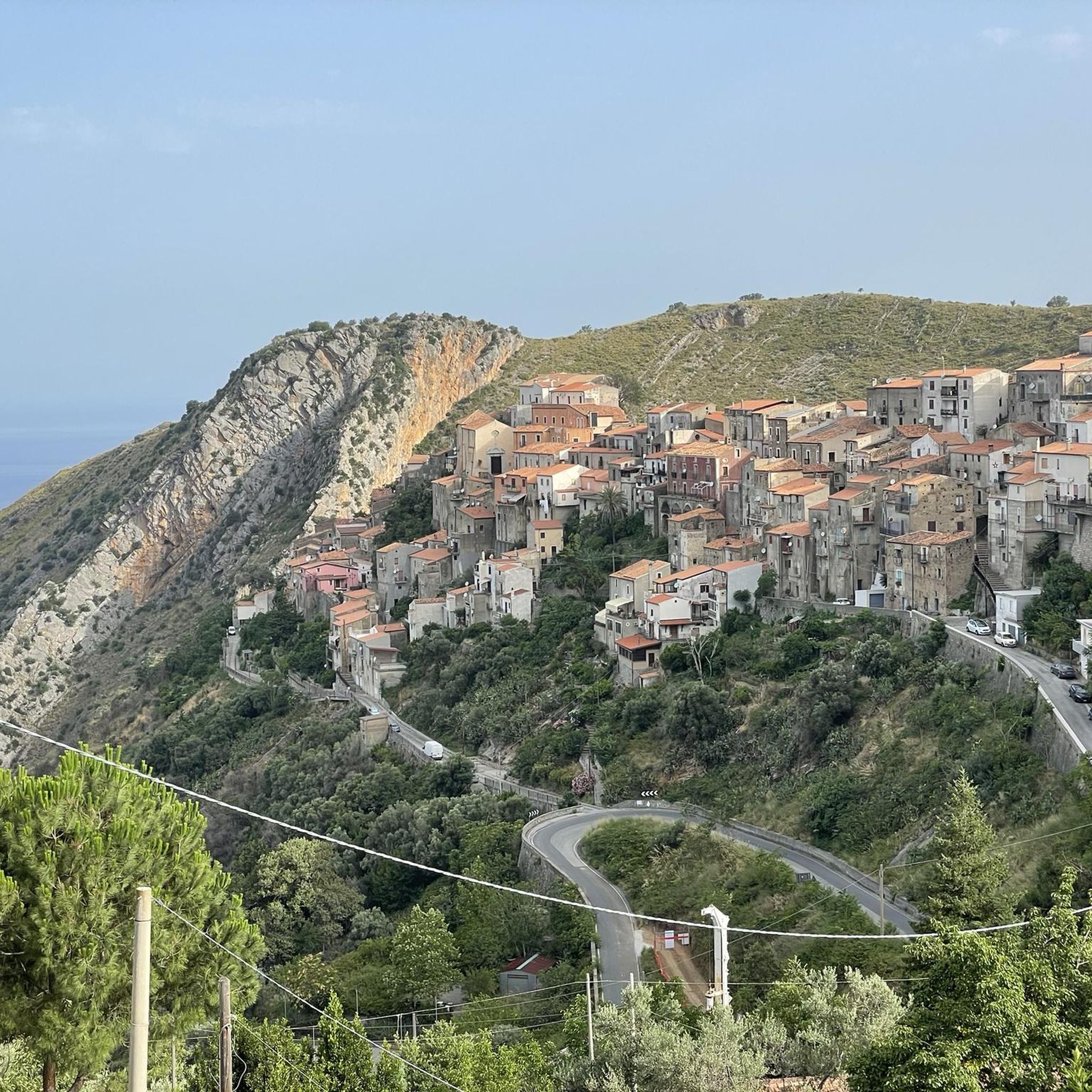
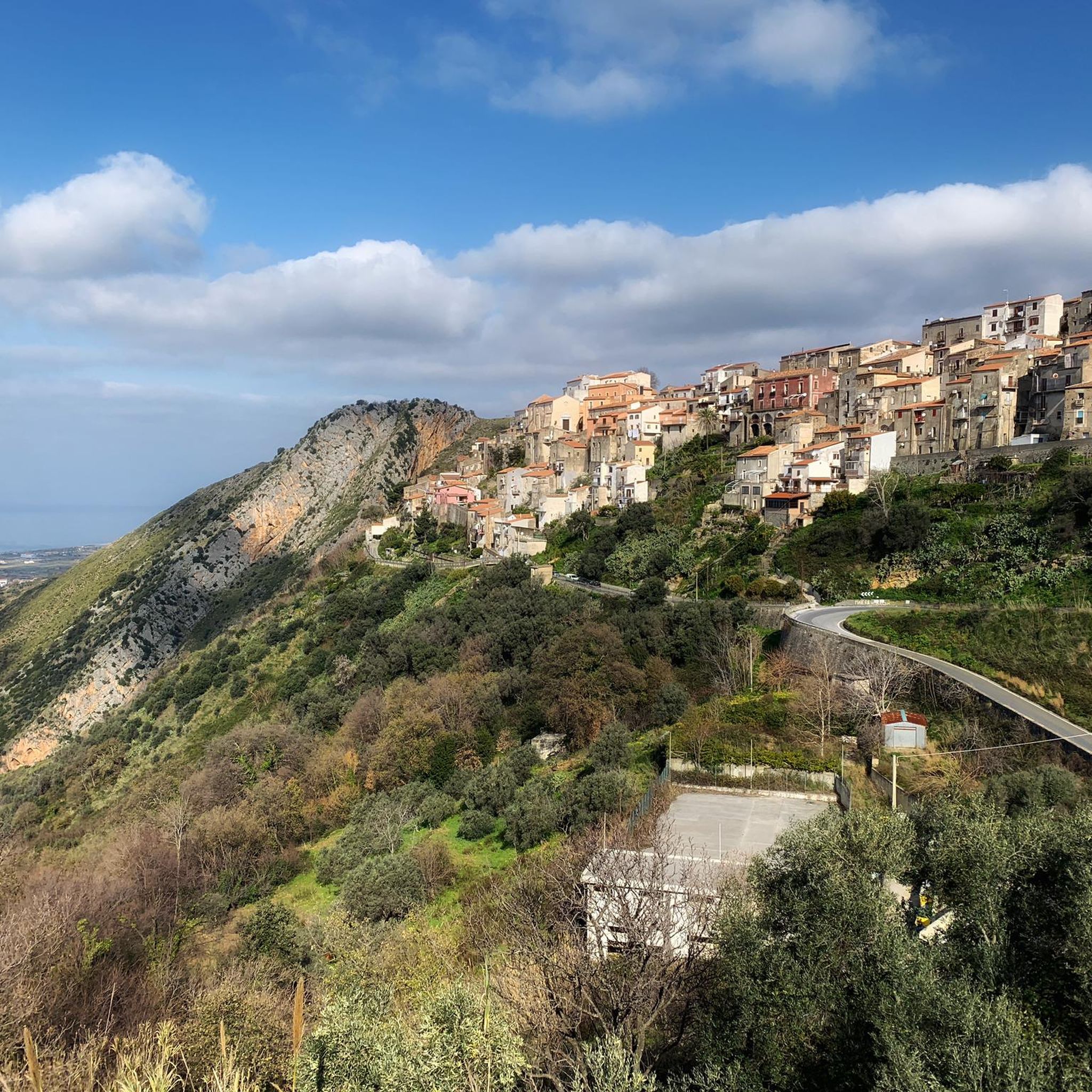
Sangineto, located at 275 meters above sea level in the Pollino National Park, is a village in the Middle Tyrrhenian Cosentino. Founded in the 12th century, it became an important fiefdom during the Angevin era in Calabria, until 1287, when Ruggero Sangineto decided to transfer the residence to Belvedere Marittimo. Among the places of interest stand out the Mother Church of Santa Maria della Neve, the remains of the Ancient Castle and the Vuglio Waterfall, an authentic natural jewel.
1
0
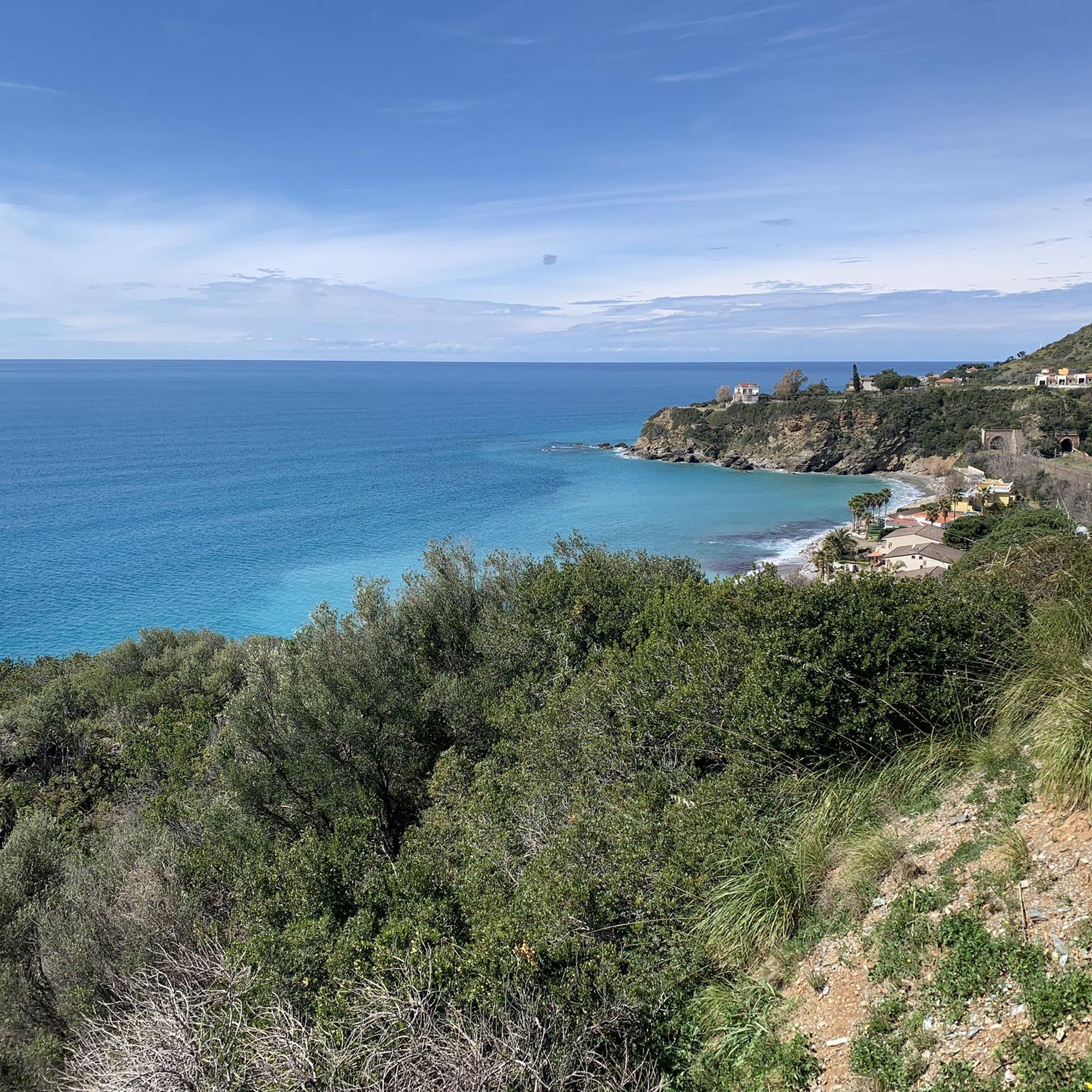
Bonifati is a Calabrian municipality located on the hills with a historic core and the renowned seaside resort of Cittadella del Capo on the coast. Among the best-known monuments are the Castle-Fortress and the Sanctuary of the Blessed Virgin Mary of the Rosary.
1
0

Malvito Castle is a medieval fortress built by the Lombards between the 7th and 8th centuries on a hill overlooking the surrounding valleys. It was later enlarged by the Normans, who made it the seat of a county, and after being abandoned in the 18th century it was restored in the 1980s.
1
0

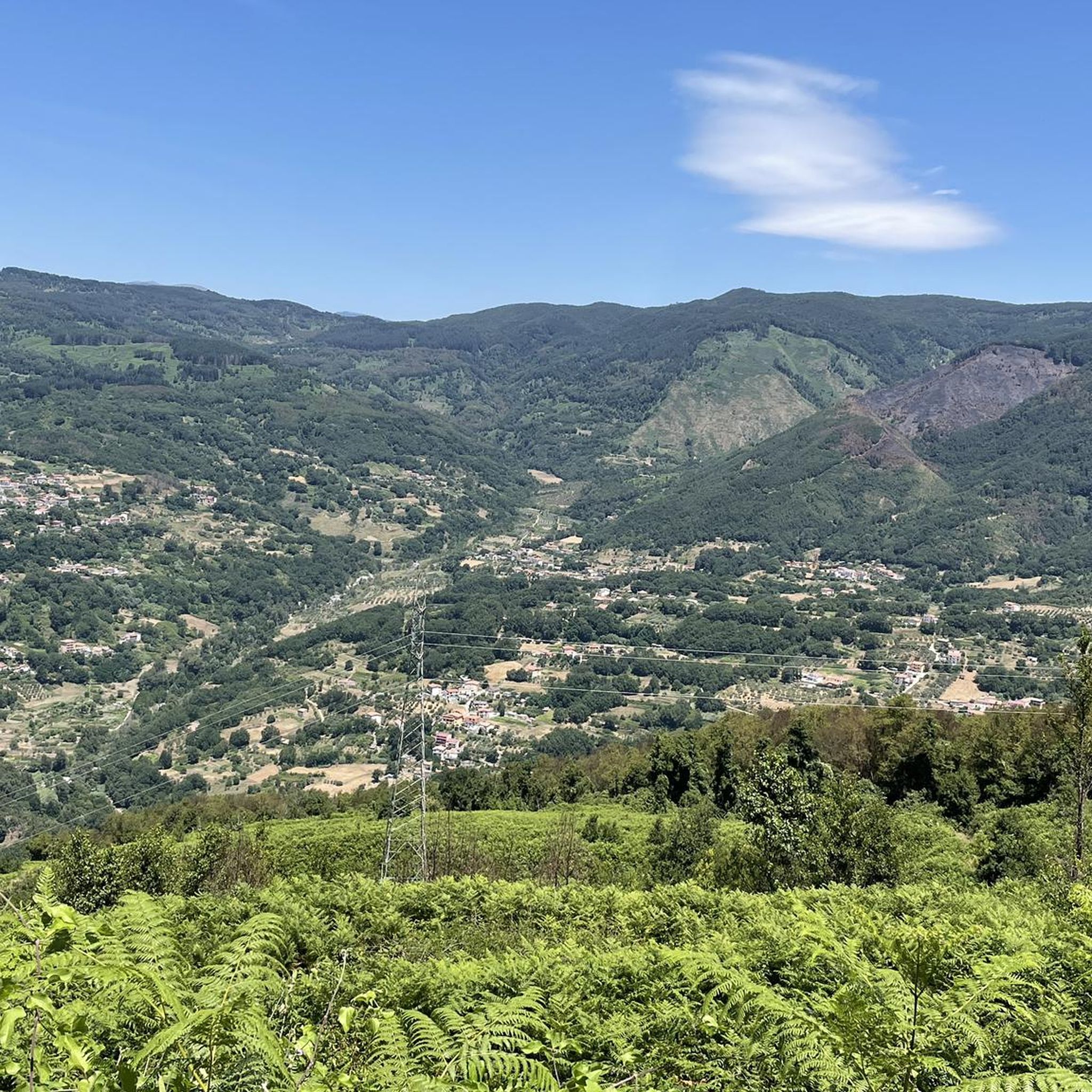
Malvito Castle, like all historic glass, is truly worth a visit. From its summit, the view extends over the entire Esaro valley and the coastal chain
0
0

It was built around the 11th century at the behest of Ruggiero the Norman. It is currently one of the most beautiful and best preserved castles in all of Calabria, consisting of a square structure with two south-facing towers. In the southwest area, the remains of the moat and the supports where the drawbridge was located are clearly distinguishable. The Castle, also known as "Castello del Principe", is reproduced to scale in "L'Italia in miniature" in Rimini.
0
0
Frequently Asked Questions
What kind of historical structures can I find in Cetraro beyond traditional castles?
Beyond traditional castles, Cetraro features a variety of historical structures. These include fortified residences, watchtowers like the circular Torre di Guardia built around 1000 AD, and significant historical buildings such as the Palazzo del Vicario (1091) and the Palazzo del Trono, which now hosts the Museum of the Brettii and the Sea. The town also retains its ancient city gates: Porta di Mare, Porta di Basso, and Porta di Sopra.
Which castles or historical sites around Cetraro are particularly well-preserved or notable?
The Aragonese Castle of Belvedere Marittimo, built around the 11th century, is considered one of the most beautiful and best-preserved castles in Calabria. In Cetraro itself, the Castello del Principe from the 15th century has undergone restoration, with its garden now used for cultural events. The Malvito Castle, a medieval fortress, was also restored in the 1980s.
Are there hiking trails near the castles around Cetraro?
Yes, you can find various hiking trails in the region. For example, the Sangineto Historic Village, which includes the remains of an Ancient Castle, is located in the Pollino National Park, offering natural surroundings for walks. While specific hiking trails directly to each castle are not detailed, the area provides opportunities for outdoor activities. You can explore running trails around Cetraro in the Running Trails around Cetraro guide.
What outdoor activities can I do near these historical sites?
The area around Cetraro offers several outdoor activities. You can find various cycling routes, including road cycling and mountain biking. For road cycling, explore options in the Road Cycling Routes around Cetraro guide. Mountain biking enthusiasts can check out the MTB Trails around Cetraro guide. Additionally, there are running trails available, as detailed in the Running Trails around Cetraro guide.
What is the best time to visit the castles and historical sites around Cetraro?
The best time to visit the castles and historical sites around Cetraro is generally during the spring (April-June) and early autumn (September-October). During these periods, the weather is pleasant for exploring, avoiding the intense heat of summer and the cooler, potentially wetter conditions of winter. This allows for comfortable walks through historic villages and outdoor areas.
Are there any family-friendly historical sites or activities near Cetraro?
Many of the historical sites, including the castles and fortified villages, offer an engaging experience for families interested in history. The Sangineto Historic Village, with its ancient castle remains and natural surroundings in Pollino National Park, can be an interesting visit for families. The restored garden of Cetraro's Castello del Principe also hosts musical and theatrical events during summer, which could be enjoyable for families.
What views can I expect from these castles and historical sites?
Many of the castles and historical sites offer panoramic views of the surrounding landscapes. For instance, Malvito Castle is situated on a hill overlooking the surrounding valleys, providing extensive vistas. The Aragonese Castle of Belvedere Marittimo also offers commanding views of the Tyrrhenian coast. From the summit of Norman-Lombard Castle of Malvito, the view extends over the entire Esaro valley and the coastal chain.
How long should I plan for a visit to the castles and historical sites around Cetraro?
To fully appreciate the historical sites around Cetraro, including the castles and fortified villages, it's recommended to dedicate at least a full day, or even two, if you plan to visit multiple locations. Individual castle visits might take 1-2 hours, but exploring the historic centers like Cetraro's old town or Sangineto Historic Village, especially with walks or cultural events, could extend your stay.
Are there any specific historical figures associated with Cetraro's castles?
Yes, several historical figures are linked to Cetraro's fortifications. The Castel Ruggero Diroccato, erected by the Aragonese in 1490, features a bust of Filippo Sangineto in its square. The Aragonese Castle of Belvedere Marittimo was built at the behest of Ruggiero the Norman around the 11th century. Malvito Castle was initially built by the Lombards and later enlarged by the Normans.
What is the historical context of Cetraro's fortifications?
Cetraro's fortifications, including its castles, watchtowers, and fortified residences, reflect its strategic importance on the Tyrrhenian coast of Calabria. Structures like the Torre di Guardia were crucial for defense against Saracen raids, highlighting the town's need for coastal protection. The presence of ancient city gates and the medieval defensive structure of the old town further underscore its past as a fortified village, evolving through various ruling periods like the Aragonese and Norman eras.
Are there cafes, pubs, or accommodation options near the castles?
Yes, you can find cafes, pubs, and accommodation options in the towns and villages surrounding the castles. For example, Cetraro itself, Belvedere Marittimo (home to the Aragonese Castle), and other nearby settlements offer various services for visitors. It's advisable to check local listings for specific establishments in each town you plan to visit.
Can I visit the historical sites in Cetraro's old town?
Yes, Cetraro's old town is rich in history and worth exploring. You can wander through its alleys, which retain a medieval defensive structure, and see the ancient city gates: Porta di Mare, Porta di Basso, and Porta di Sopra. Within the old town, you'll also find the Palazzo del Vicario and the Palazzo del Trono, which houses the Museum of the Brettii and the Sea.
Most popular attractions around Cetraro

Get inspired with the komoot mobile app


Explore more
Looking for the best castles somewhere else? Discover other guides around Cetraro:
