Top 7 Castles around Cavallino-Treporti
Best castles around Cavallino-Treporti are primarily historical military fortifications, reflecting the region's strategic importance in defending Venice. This area, located in the northern Venetian lagoon, features a unique landscape of coastal defenses. These structures, often part of the "Via dei Forti," offer insights into 19th and 20th-century military architecture and history. The region's historical sites provide a compelling experience for those interested in the past.
Best castles around Cavallino-Treporti
- The most popular castles is St. Mark's Basilica, a religious…
Last updated: June 30, 2026
St. Mark's Basilica
Highlight • Religious Site
Translated by Google •
Tip by

Doge's Palace (Palazzo Ducale)
Highlight • Historical Site
Translated by Google •
Tip by
Sign up now to discover places like this
Get recommendations on the best single tracks, peaks, & plenty of other exciting outdoor places.
Sign up for free
Punta Sabbioni Ferry Terminal and Fort Treporti
Highlight (Segment) • Rest Area
Translated by Google •
Tip by

Fort Treporti
Highlight • Historical Site
Translated by Google •
Tip by

Palace of the Prisons (Venetian Prison Palace)
Highlight • Historical Site
Translated by Google •
Tip by
Sign up for free to discover even more castles around Cavallino-Treporti.
Sign up for free
Already have an account?
Start today with a free account
Your next adventure awaits.
Login or Signup
Popular around Cavallino-Treporti
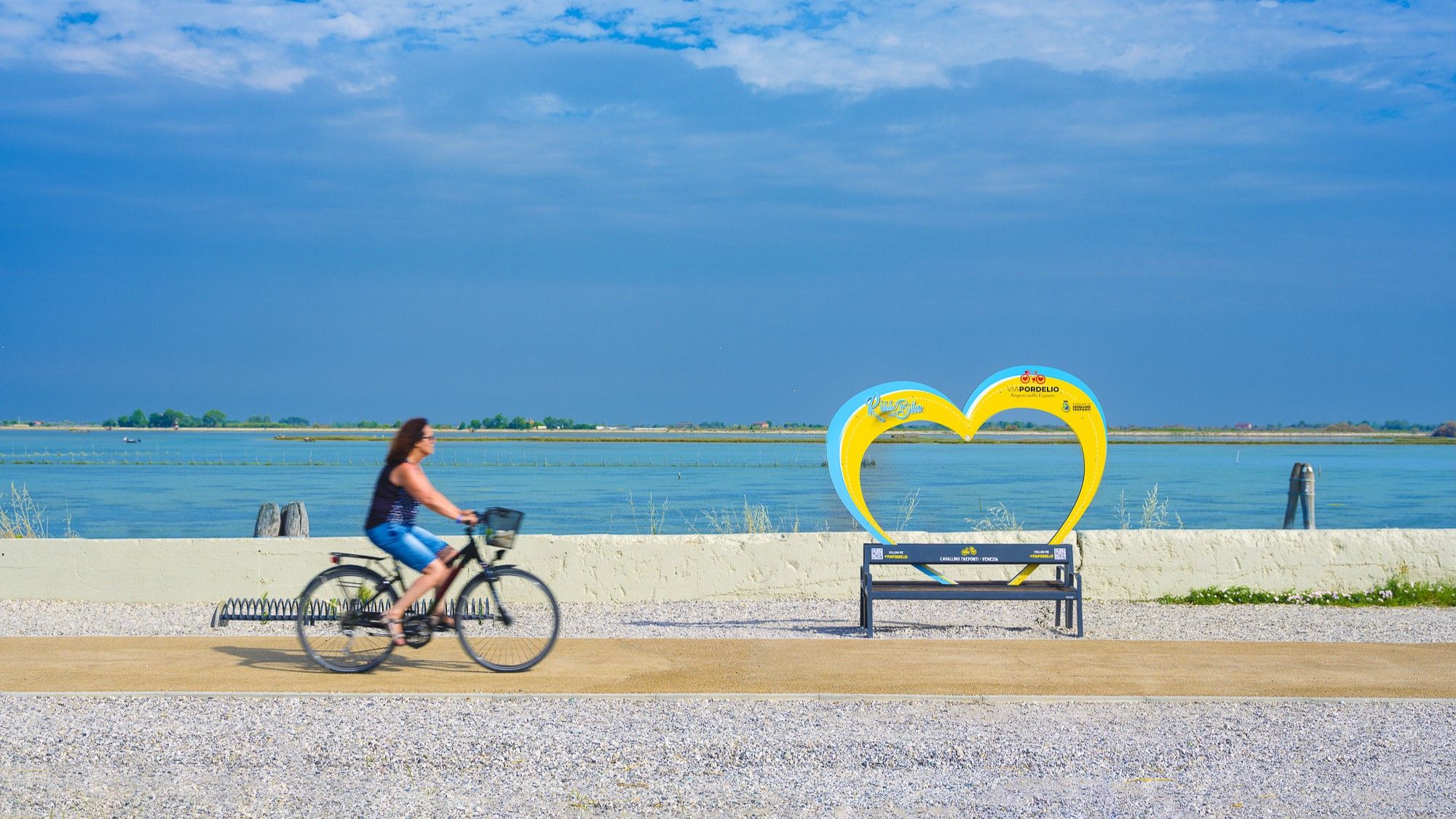
Cavallino Treporti by bike – routes to experience the lagoon
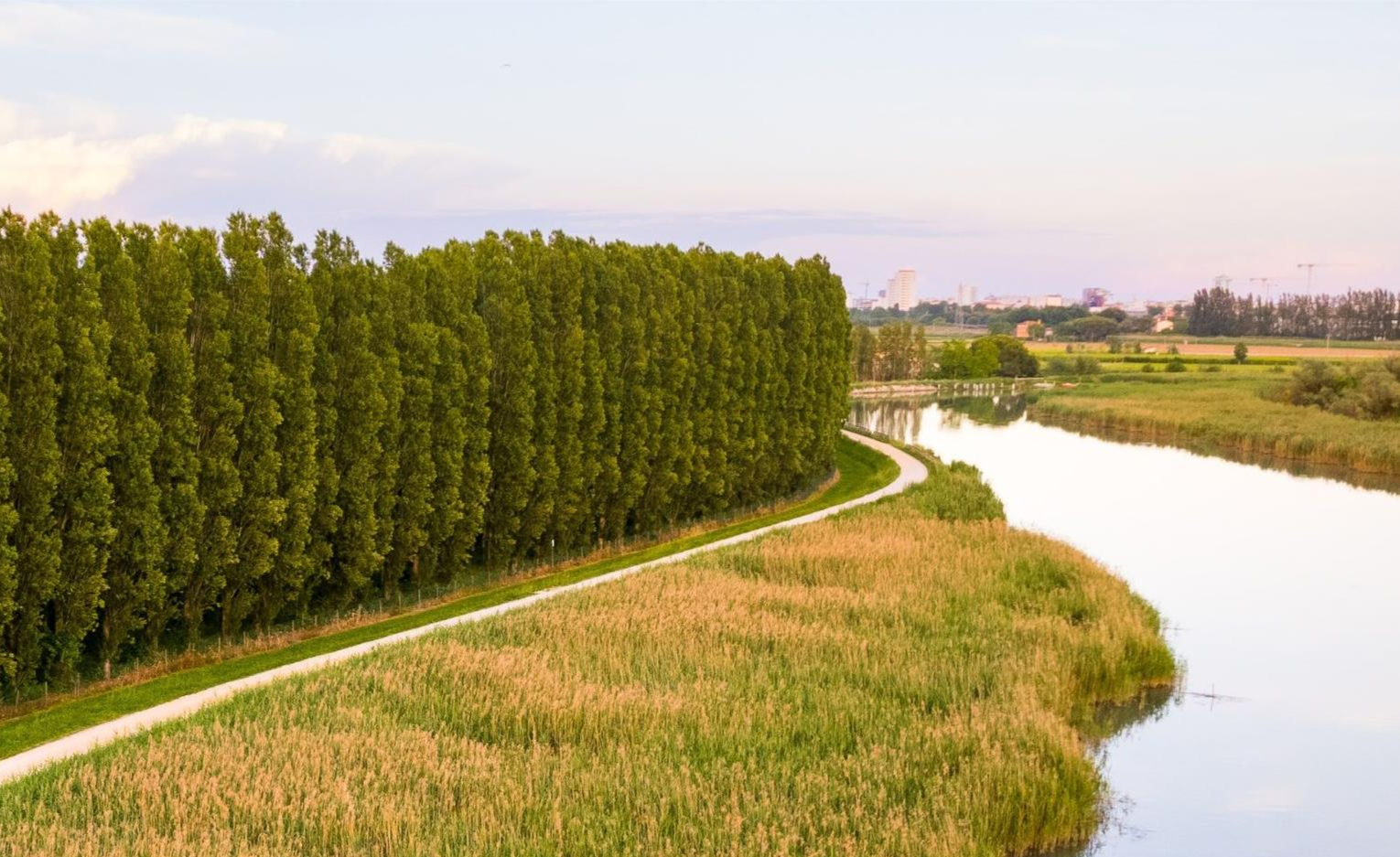
Cycling around Jesolo – between Sile, Piave and lagoon
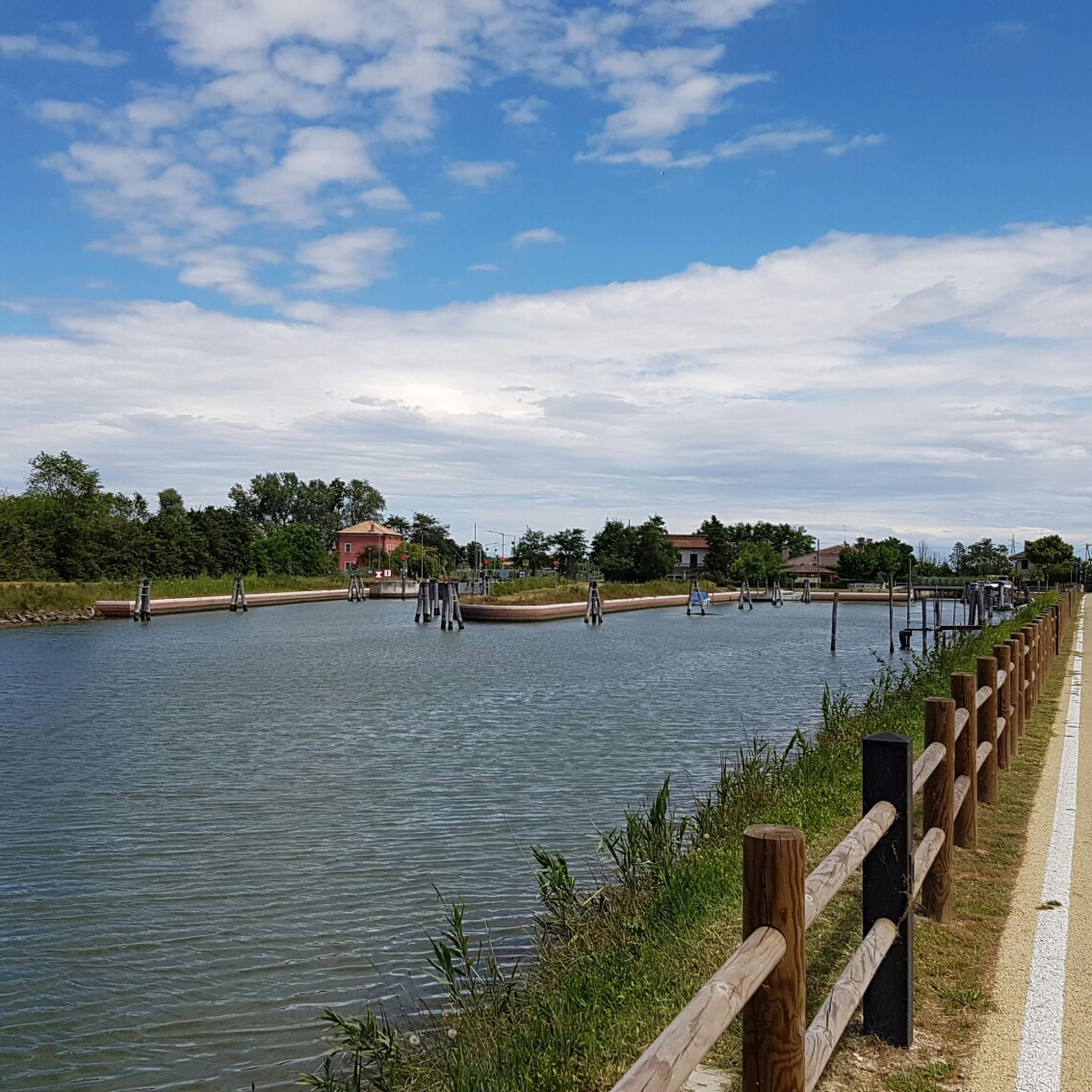
Cycling around Cavallino-Treporti
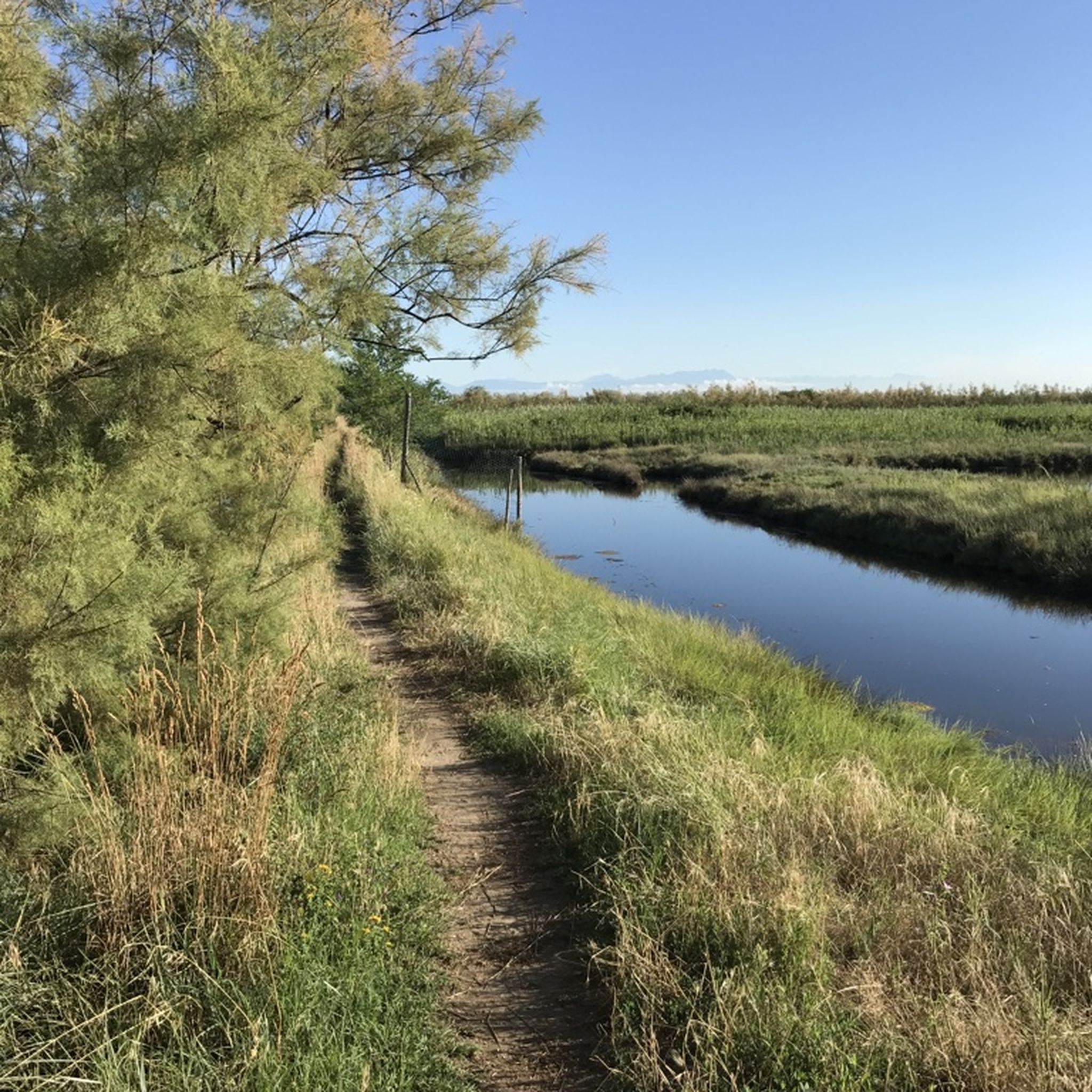
MTB Trails around Cavallino-Treporti
Running Trails around Cavallino-Treporti
Hiking around Cavallino-Treporti
Road Cycling Routes around Cavallino-Treporti

Gravel biking around Cavallino-Treporti


Tips from the Community

Location: Directly on the Riva degli Schiavoni, opposite the Doge's Palace, connected by the Ponte dei Sospiri. Construction: Begun in 1589 by Antonio da Ponte, completed in 1614 by his nephew Antonio Contino. Function: Served as an extension of the Doge's Palace prisons – convicts were housed here, often after their sentence was pronounced in the palace. ⚖️ Historical Significance Magistratura dei Signori di Notte al Criminal: One of the oldest Venetian penal authorities was housed here – responsible for surveillance and prosecution. Famous Inmates: Among them were Daniele Manin and Niccolò Tommaseo, important figures in the 1848 Revolution. Casanova: The legendary escapee is said to have also been imprisoned here – his escape is part of Venetian mythology. 🖼️ Today: Art & Culture Circolo Artistico di Venezia: Home of this artists' association since 1922, founded in 1919 – inspired by the idea of supporting artists in need. Exhibitions & Concerts: The first floor now serves as a venue for art exhibitions, classical concerts, and events – including those during the Biennale. Taipei Fine Arts Museum: Regularly uses the building for exhibitions during the Venice Biennale.
2
0

Nice corner
1
2

Ducal Palace
1
2

Very worth seeing, you have to see it
5
1

The Doge's Palace – also known as Palazzo Ducale in Italian – is located on Piazza San Marco in Venice. This palace was home to the then head of state of the Republic of Venice. In addition to the head of state himself, there were also several rooms in this palace where offices of political bodies were housed. However, these political bodies no longer play a role, which has created space for a completely different type of layout and filling of the Doge's Palace. Source: https://veelzijdevenetie.nl/dogepaleis.html
8
0

Already an impressive building and many stories about it
5
1

The columns of St. Mark and St. Theodore in Venice are iconic symbols of the city. St. Mark's Column: This column is on the left as you look out toward the lagoon. At the top of this column, you'll find the winged lion of St. Mark, the symbol of the city. You'll see this lion in many places during your tours of Venice. St. Mark's Column was brought from Constantinople and placed in Venice in 1172. St. Theodore's Column: The column of St. Theodore is on the right. At the top of this column, you'll see a figure of St. Theodore treading on a dragon. It's a copy, but the original is in the Doge's Palace. St. Theodore was the patron saint of Venice before the relics of St. Mark were brought. I hope this information is helpful! 😊
15
0

here once were the prisons of the Duchy of Ve
5
1
Frequently Asked Questions
What kind of historical fortifications can I visit in Cavallino-Treporti?
Cavallino-Treporti is known for its unique military fortifications, primarily from the 19th and 20th centuries, rather than traditional medieval castles. These include forts like Forte Treporti (Forte Vecchio), coastal batteries such as Batteria Pisani, and distinctive Telemetry Towers. They collectively form the 'Via dei Forti', an open-air museum showcasing the region's strategic importance in defending Venice.
Which are the main historical fortifications to visit in Cavallino-Treporti?
Key fortifications include Forte Treporti (also known as Forte Vecchio), a well-preserved 19th-century fortress in Punta Sabbioni. Another significant site is Batteria Pisani, a coastal defense battery from World War I that now houses a museum. You can also spot the unique Telemetry Towers scattered along the coastline, which served as crucial lookout posts during the Great War.
Are these historical fortifications open to the public?
Yes, many of these historical fortifications are accessible to the public. For example, Batteria Pisani has been restored and opened as a World War I Museum. Forte Treporti is partially inhabited, with some rooms used by sports and cultural associations, and its exterior is visible. Many Telemetry Towers are also visible externally and can be explored during bike rides.
Are there family-friendly historical sites among Cavallino-Treporti's fortifications?
Yes, visiting the fortifications can be a family-friendly activity. Batteria Pisani, with its World War I Museum, offers engaging exhibitions like 'Splinters' that detail life in the trenches, which can be educational for older children. Exploring the grounds of Forte Treporti and cycling past the Telemetry Towers also provide an interesting outdoor experience for families.
Which fortifications are best for history buffs?
History buffs will particularly appreciate Batteria Pisani, which serves as a dedicated World War I Museum, offering deep insights into the conflict and the region's role. Forte Treporti, with its 19th-century Austrian origins and later World War I additions, also provides a rich historical context. The entire 'Via dei Forti' route is designed to immerse visitors in the area's military past.
When is the best time to visit Cavallino-Treporti's historical sites?
The best time to visit these historical sites is generally during the spring (April-June) and early autumn (September-October) when the weather is pleasant for outdoor exploration and cycling. Summer can also be good, but it might be warmer and more crowded. Visiting in winter is possible, but some facilities or museums might have reduced hours.
What outdoor activities can I do near these fortifications?
The area around Cavallino-Treporti's fortifications is excellent for outdoor activities. You can enjoy cycling along the coast, often passing by the Telemetry Towers. There are also numerous hiking and running trails. For example, you can explore routes like 'The lagoon from Treporti to Lio Piccolo' for hiking or the 'Pordelio Cycle Path' for mountain biking. Find more details on nearby routes in the hiking guide, MTB guide, and running guide for Cavallino-Treporti.
Are there cycling routes that include the fortifications?
Yes, Cavallino-Treporti is very bike-friendly, and many cycling routes are designed to take you past these historical structures. The 'Via dei Forti' itself is often explored by bike, allowing you to see sites like Forte Treporti and the Telemetry Towers. The cycle path connecting Punta Sabbioni and Jesolo also offers panoramic views and access to the area's military heritage.
What other historical sites are near Cavallino-Treporti?
While Cavallino-Treporti focuses on its military fortifications, its proximity to Venice means you can easily visit iconic historical sites there. These include the magnificent St. Mark's Basilica, a religious building with stunning architecture, and the Doge's Palace (Palazzo Ducale), which served as the residence of the Doges and later as a prison, featuring an armory museum.
What do visitors enjoy most about the historical sites in Cavallino-Treporti?
Visitors appreciate the unique historical insights offered by the 19th and 20th-century military fortifications, which highlight the region's strategic past. The blend of history with the natural beauty of the lagoon, especially when explored by bike, is also highly valued. The opportunity to see well-preserved structures like Fort Treporti and the Telemetry Towers provides a compelling experience.
Is there parking available for visiting the fortifications?
Parking availability varies by site. For popular locations like Punta Sabbioni, where Forte Treporti is located, there are often designated parking areas, especially near the ferry terminal. For other, more remote fortifications or telemetry towers, parking might be less formal, often requiring roadside parking or using nearby public lots. It's advisable to check local signage.
Can I reach these historical sites by public transport?
Yes, public transport options are available, particularly for sites near populated areas or ferry terminals. Buses connect various parts of Cavallino-Treporti, and the ferry terminal at Punta Sabbioni provides access to Forte Treporti and connections to Venice. For more remote fortifications, a combination of public transport and walking or cycling might be necessary.
Most popular routes around Cavallino-Treporti
Most popular attractions around Cavallino-Treporti

Get inspired with the komoot mobile app


Explore more
Looking for the best castles somewhere else? Discover other guides around Cavallino-Treporti:
