Top 9 Castles around Besate
Castles around Besate include the historical remnants of the Resti delle mura del Castello di Besate, offering a glimpse into the area's past. The original construction of these ruins dates back to the 10th century, featuring an 18th-century portal with visible openings for a drawbridge. This site provides historical insight into Besate's early development and past strategic importance. Exploring these remains can be combined with other historical buildings in Besate, such as the Chiesa di S. Michele Arcangelo.
Best castles…
Last updated: June 30, 2026
Cascina Femegro
Highlight • Structure
Translated by Google •
Tip by

Castello Sforzesco
Highlight • Castle
Translated by Google •
Tip by

Sign up now to discover places like this
Get recommendations on the best single tracks, peaks, & plenty of other exciting outdoor places.
Sign up for free
Visconti Castle of Abbiategrasso
Highlight • Castle
Translated by Google •
Tip by

Leonardiana
Highlight • Historical Site
Translated by Google •
Tip by
Litta Castle, Gambolò
Highlight • Castle
Via Molino della Roggia, 27025 Gambolò PV
03819382256
Translated by Google •
Tip by

Start today with a free account
Your next adventure awaits.
Login or Signup
Tips from the Community

From April to October: weekdays (09:00 - 19:00); Saturdays, Sundays and holidays (09:00 - 20:00). From November to March: weekdays (09:00 - 18:00); Saturdays and Sundays (09:00 - 19:00).
0
0

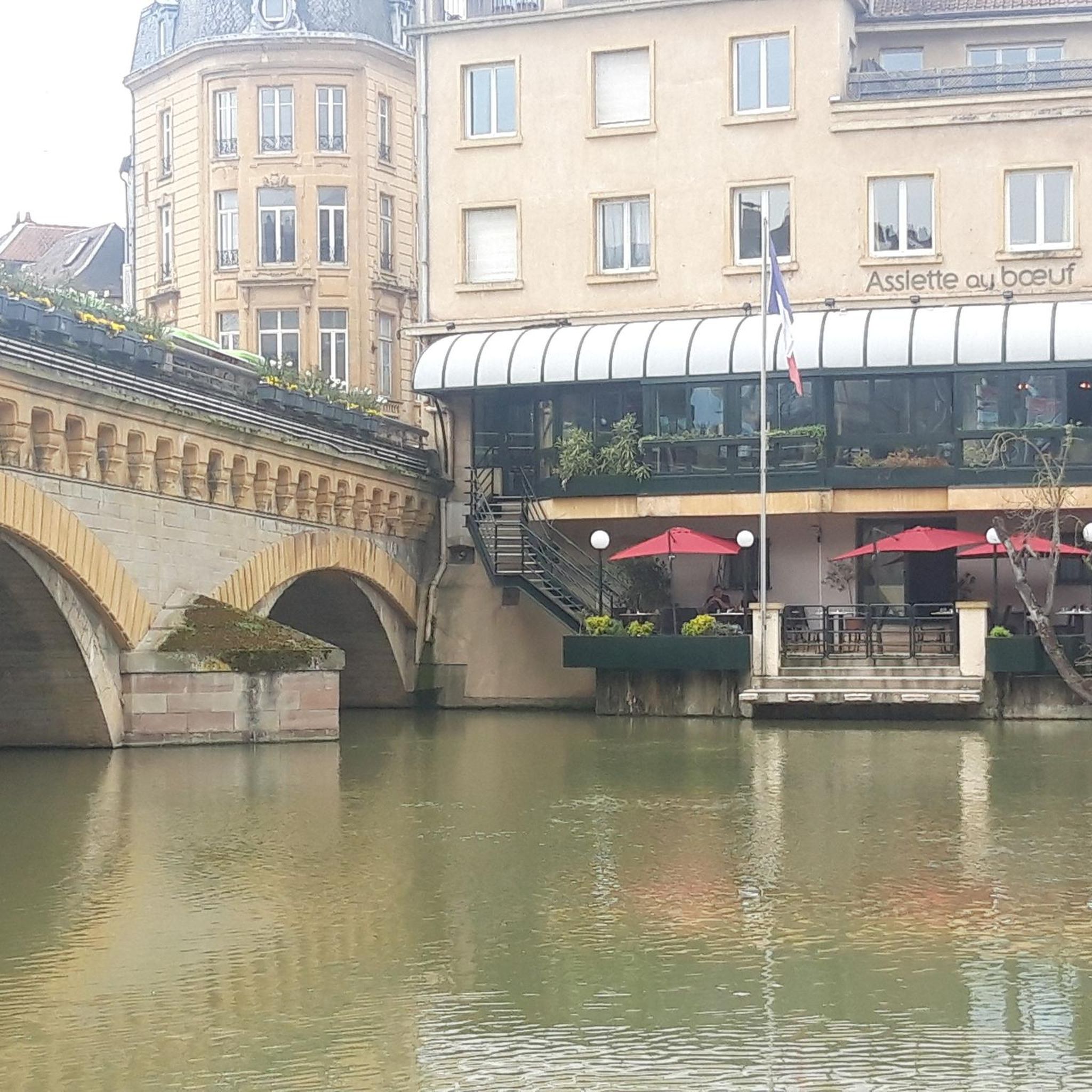
Admire the Visconti Castle of Abbiategrasso
1
0

Beautiful castle, very large and with large spaces. Home of the Palio di Vigevano on the second weekend of May and October!
1
0

Place of historical, architectural, cultural and tourist interest Via Molino della Roggia, 27025 Gambolò PV 03819382256
1
0

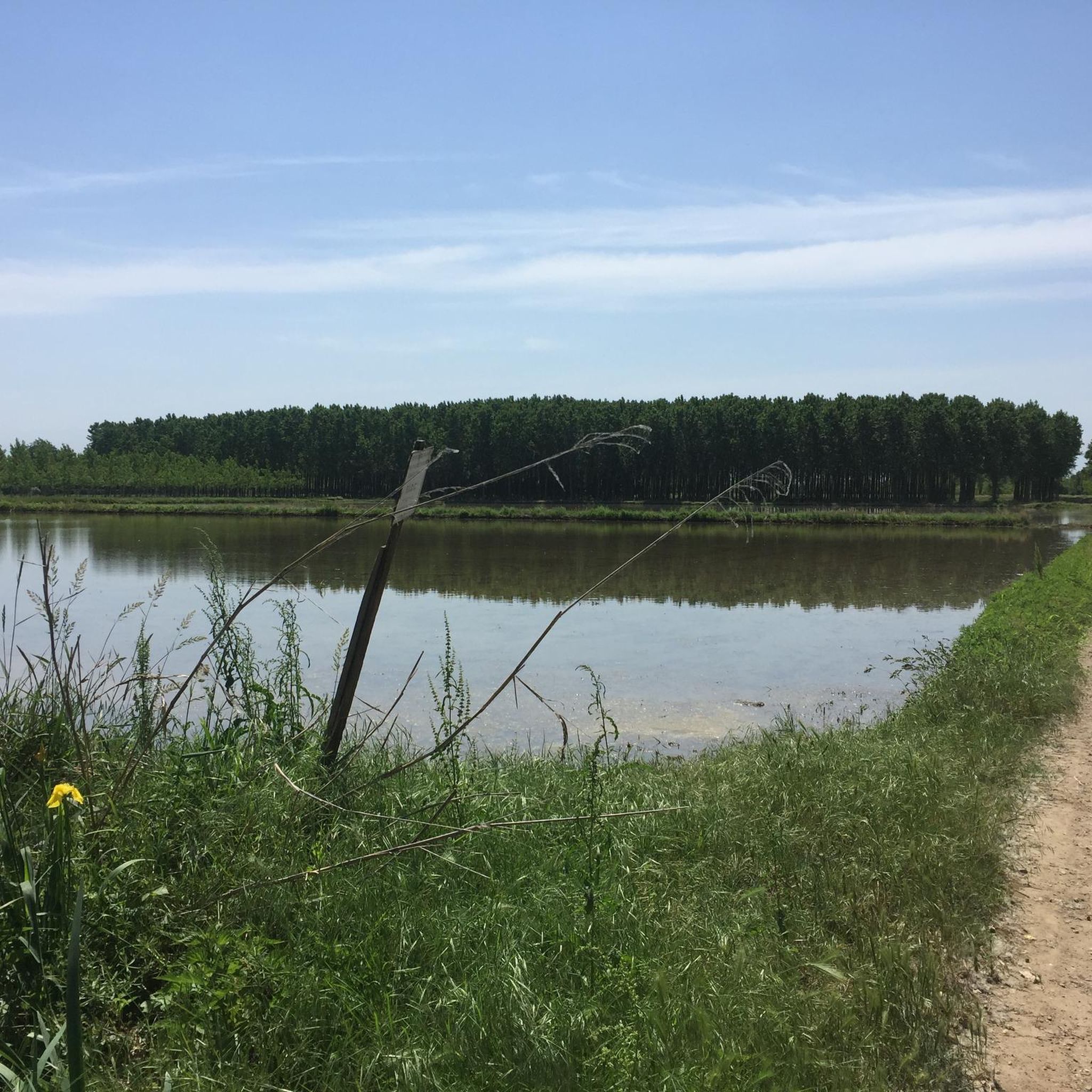
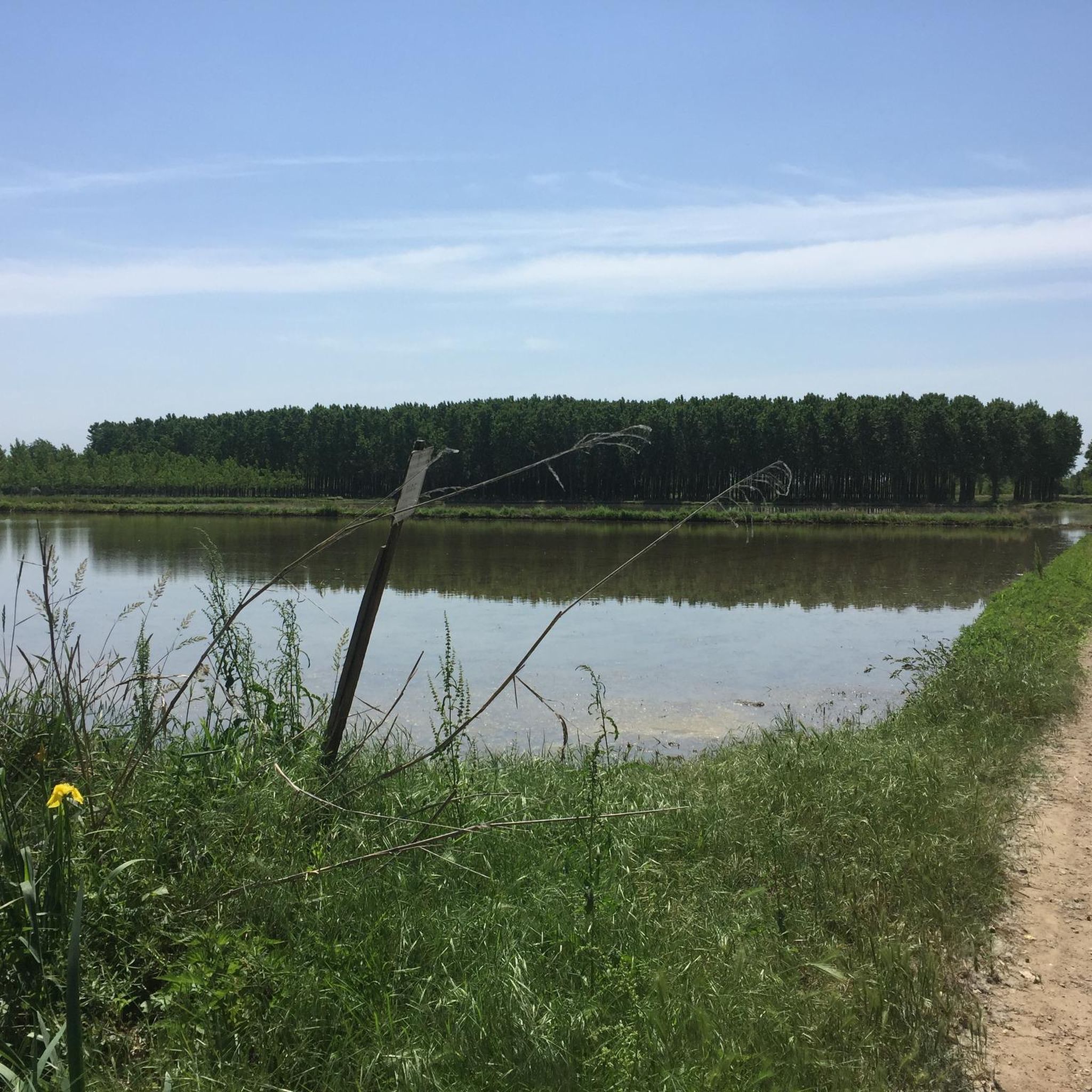
Beautiful farmhouse with sale of local products and visits to animals included among the gravel routes of the lower Milan area
1
0

Pit Stop of the 50th km of the G.round Milan, in the municipality of Zibido San Giacomo (MI). They are producers of a cow's milk ricotta that is PHENOMENAL to say the least! 🤟😎 ℹ️ https://www.komoot.com/it-IT/tour/1480532746
1
0

The Visconti castle in Abbiategrasso is a medieval castle built since 1381. It is one of the first Visconti castles built on a quadrangular base, an architecture that would later become typical of Visconti castles.
2
0

One of the most historic farmhouses. From its square layout it almost looks like a castle. In fact, it stands on the remains of a 12th century building. In 1700 it was even an autonomous municipality. It is not the only case found in these parts of farmhouses which, due to the number of inhabitants, were also common (another is the Cascina Coronate where there is also the small church founded by the monks who founded the Morimondo Abbey upon arrival in 1134 from France, which in the Napoleonic era reached 1700 inhabitants)
2
0
Frequently Asked Questions
What kind of historical sites can I explore around Besate?
Besate and its surroundings offer a rich tapestry of historical sites. You can visit the Resti delle mura del Castello di Besate, which are 10th-century castle ruins with an 18th-century portal still showing drawbridge mechanisms. Other notable sites include the Visconti Castle of Abbiategrasso, a medieval castle known for its quadrangular base, and Cascina Femegro, a historical farmhouse mentioned as a castle in 1275.
Are there any castles near Besate that are particularly significant for their architecture?
Yes, the Visconti Castle of Abbiategrasso is architecturally significant as one of the first Visconti castles built with a quadrangular base, a style that became characteristic of later Visconti constructions. Additionally, Cascina Femegro, though a farmhouse, has a square layout suggesting its origins on the remains of a 12th-century building, hinting at its former defensive purpose.
Which castles around Besate are suitable for families?
Several historical sites around Besate are family-friendly. The Visconti Castle of Abbiategrasso, Cascina Femegro, and Castello Sforzesco are all categorized as family-friendly. Exploring these sites offers an engaging way for children to learn about history and architecture.
What outdoor activities can I do near the castles around Besate?
The area around Besate, including the Ticino Valley Regional Park, offers various outdoor activities. You can find numerous hiking, mountain biking, and cycling routes. For example, there are moderate hiking loops like 'From Besate to the port of Motta Visconti' or 'From Besate to the Abbey of Morimondo'. Cycling routes include 'Bereguardo Pontoon Bridge – Bereguardo Castle loop'. You can explore more options on the Hiking around Besate, MTB Trails around Besate, and Cycling around Besate guide pages.
Are there any castles near Besate with connections to famous historical figures?
Yes, the Castello Sforzesco in Vigevano was a ducal seat for the House of Sforza, a powerful dynasty that ruled Lombardy during the Renaissance. Within this castle, you can also find Leonardiana, a museum dedicated to the entire work of Leonardo da Vinci, who spent a significant amount of time there.
What is the best time of year to visit the castles and historical sites around Besate?
While specific opening hours vary, visiting during spring or autumn generally offers pleasant weather for exploring historical sites and engaging in outdoor activities in the Ticino Valley Regional Park. These seasons avoid the peak heat of summer and the colder, potentially wetter conditions of winter, making walks and outdoor exploration more comfortable.
Can I combine a castle visit with other historical explorations in Besate itself?
Absolutely. A visit to the Resti delle mura del Castello di Besate can be easily combined with exploring other historical buildings and churches within the town, such as the Palazzo with Romanesque construction traces or the Chiesa di S. Michele Arcangelo, to gain a broader understanding of Besate's architectural heritage.
Are there any hidden gem castles or lesser-known historical residences worth visiting near Besate?
While not a grand, intact castle, the Resti delle mura del Castello di Besate itself can be considered a hidden gem for those interested in early medieval history, offering a unique glimpse into 10th-century defensive structures. Another interesting site is Litta Castle, Gambolò, which holds significant historical, architectural, and cultural interest.
What do visitors particularly enjoy about the castles and historical sites in this region?
Visitors appreciate the historical insight offered by these sites, connecting them to early periods of the region's development and past strategic importance. The architectural clues, even in ruins like the Resti delle mura del Castello di Besate, allow for visualization of former layouts. The opportunity to explore these sites alongside other historical buildings provides a comprehensive understanding of the area's rich heritage.
Are there any historical farmhouses with castle-like origins near Besate?
Yes, Cascina Femegro is a notable example. This historic farmhouse, located within the South Milan Agricultural Park, was mentioned as a castle in a document from 1275. Its square layout suggests it was built on the remains of a 12th-century structure, indicating its defensive origins.
What kind of historical significance do the castle ruins in Besate hold?
The Resti delle mura del Castello di Besate are historically significant due to their 10th-century origins, providing insight into Besate's early development and its past strategic importance as a defensive structure. The surviving 18th-century portal, with visible openings for a drawbridge, offers tangible evidence of the castle's former capabilities.
Most popular attractions around Besate

Get inspired with the komoot mobile app


Explore more
Looking for the best castles somewhere else? Discover other guides around Besate:
