Top 5 Castles around Martina Franca
Best castles around Martina Franca are found within the historic towns of Puglia's Itria Valley. This region is characterized by its unique trulli architecture, ancient olive groves, and a landscape dotted with historical settlements. Martina Franca itself is known for its Baroque architecture and serves as a cultural hub in the heart of Puglia. The area offers a blend of historical exploration and scenic beauty.
Best castles around Martina Franca
- The most popular castles is Ceglie Messapica, a settlement…
Last updated: June 30, 2026
Ceglie Messapica
Highlight • Settlement
Translated by Google •
Tip by

Massafra Castle
Highlight • Castle
Discover Puglia by bike on viaggiatorelento.com
Translated by Google •
Tip by

Sign up now to discover places like this
Get recommendations on the best single tracks, peaks, & plenty of other exciting outdoor places.
Sign up for free
Grottaglie
Highlight • Settlement
Translated by Google •
Tip by

Episcopal Castle
Highlight • Castle
Translated by Google •
Tip by

Start today with a free account
Your next adventure awaits.
Login or Signup
Popular around Martina Franca
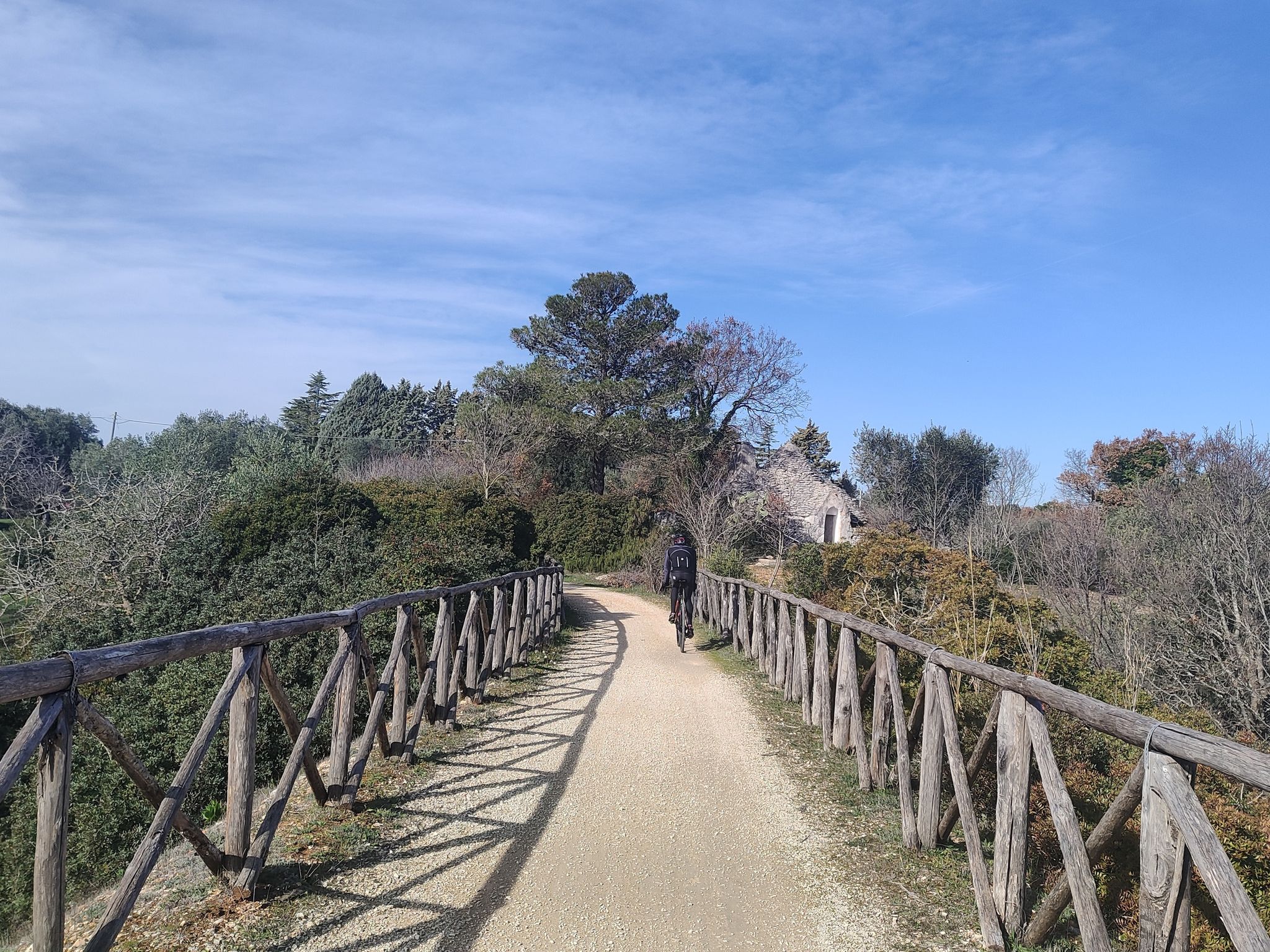
Ciclovia Anello d'oro di Puglia - Viaggio nella Puglia profonda
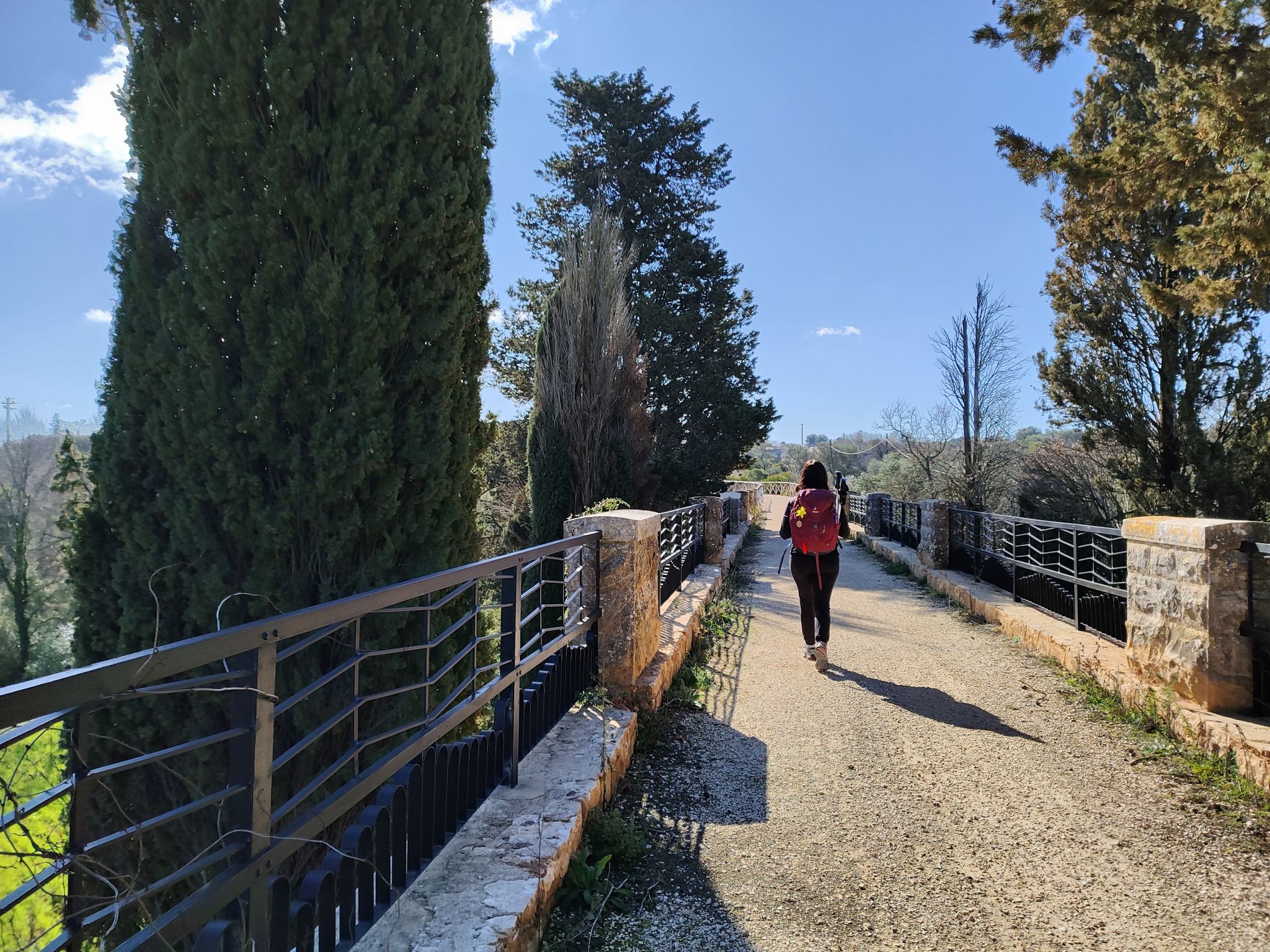
Anello d'oro di Puglia - Trekking nella Puglia profonda
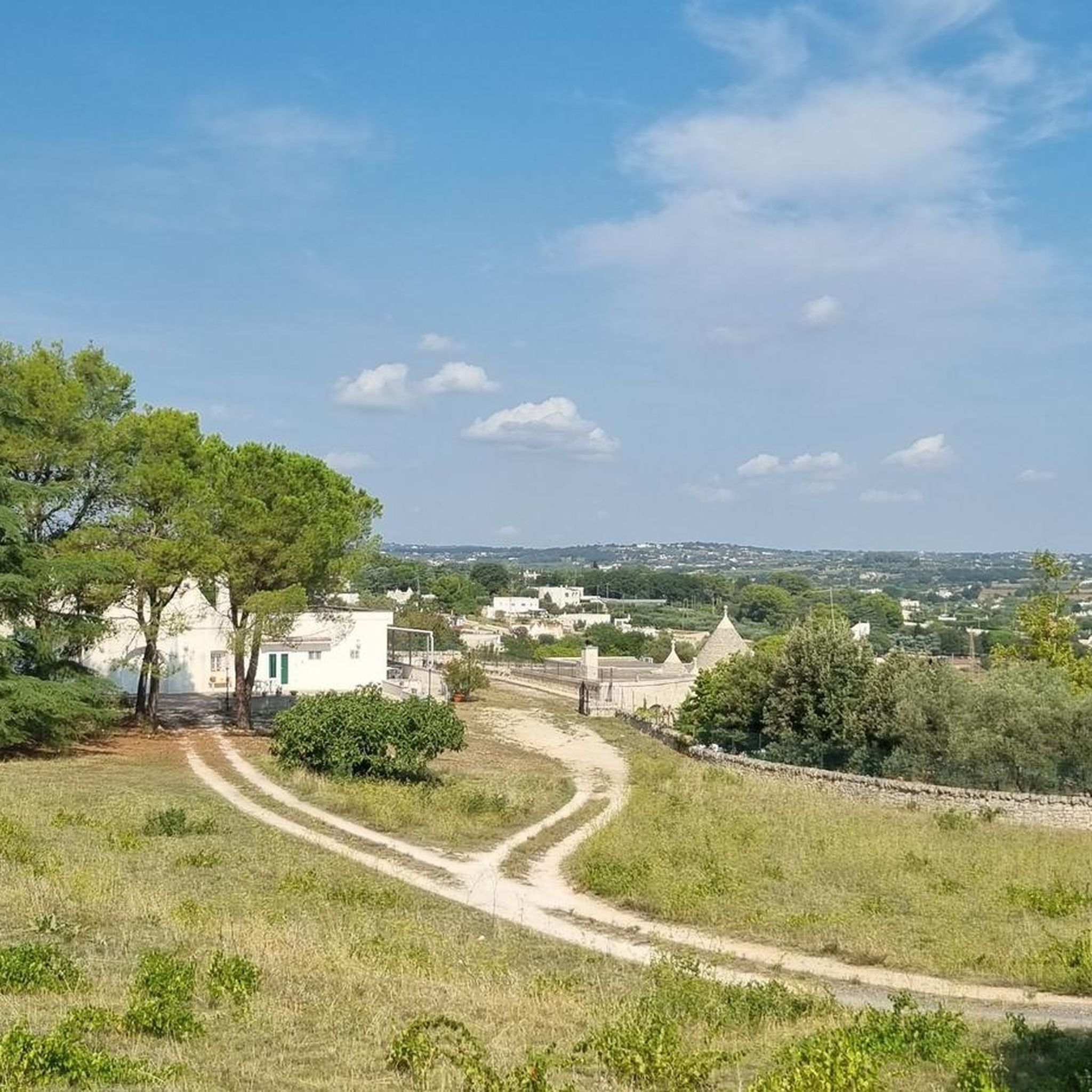
Road Cycling Routes around Martina Franca
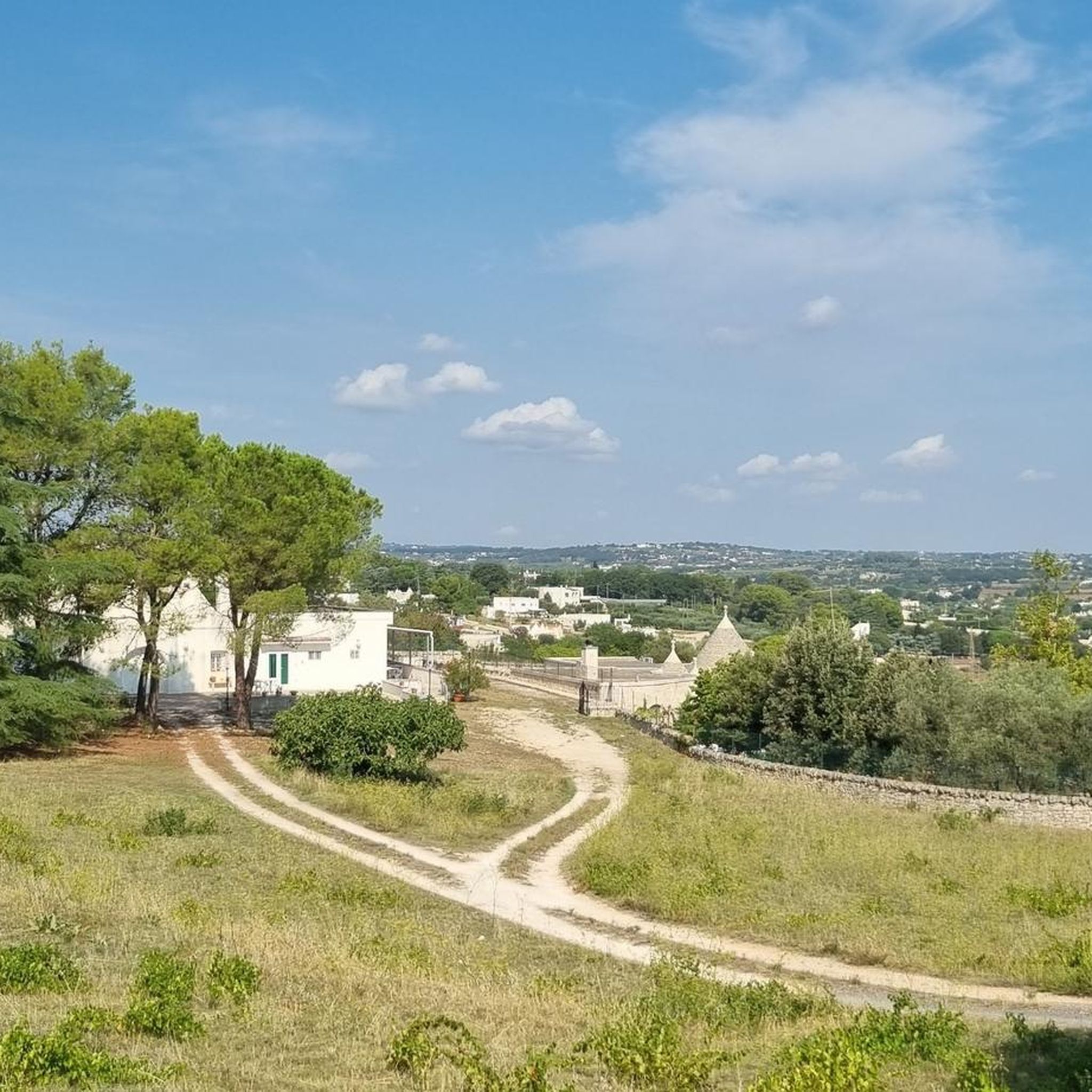
Cycling around Martina Franca
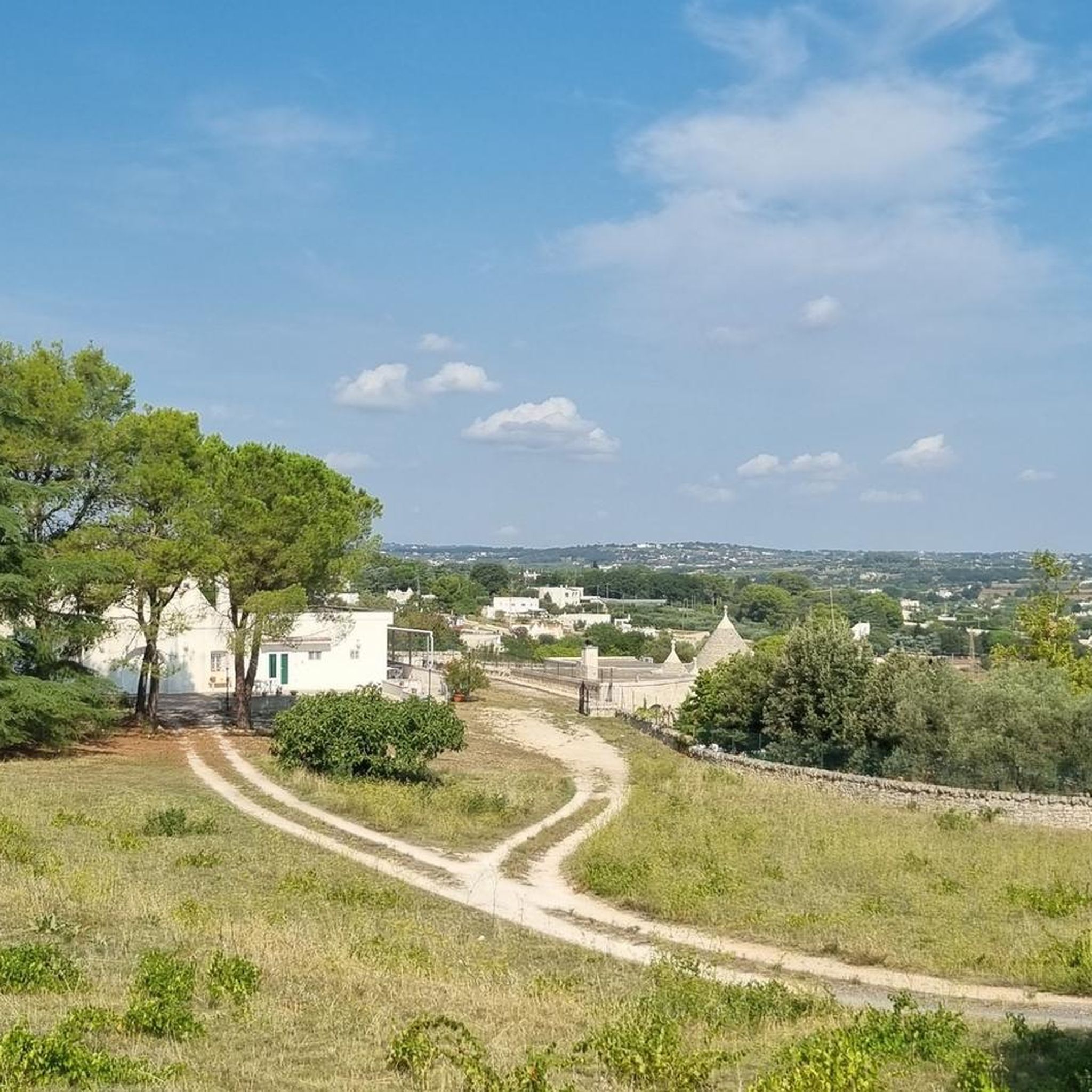
Hiking around Martina Franca
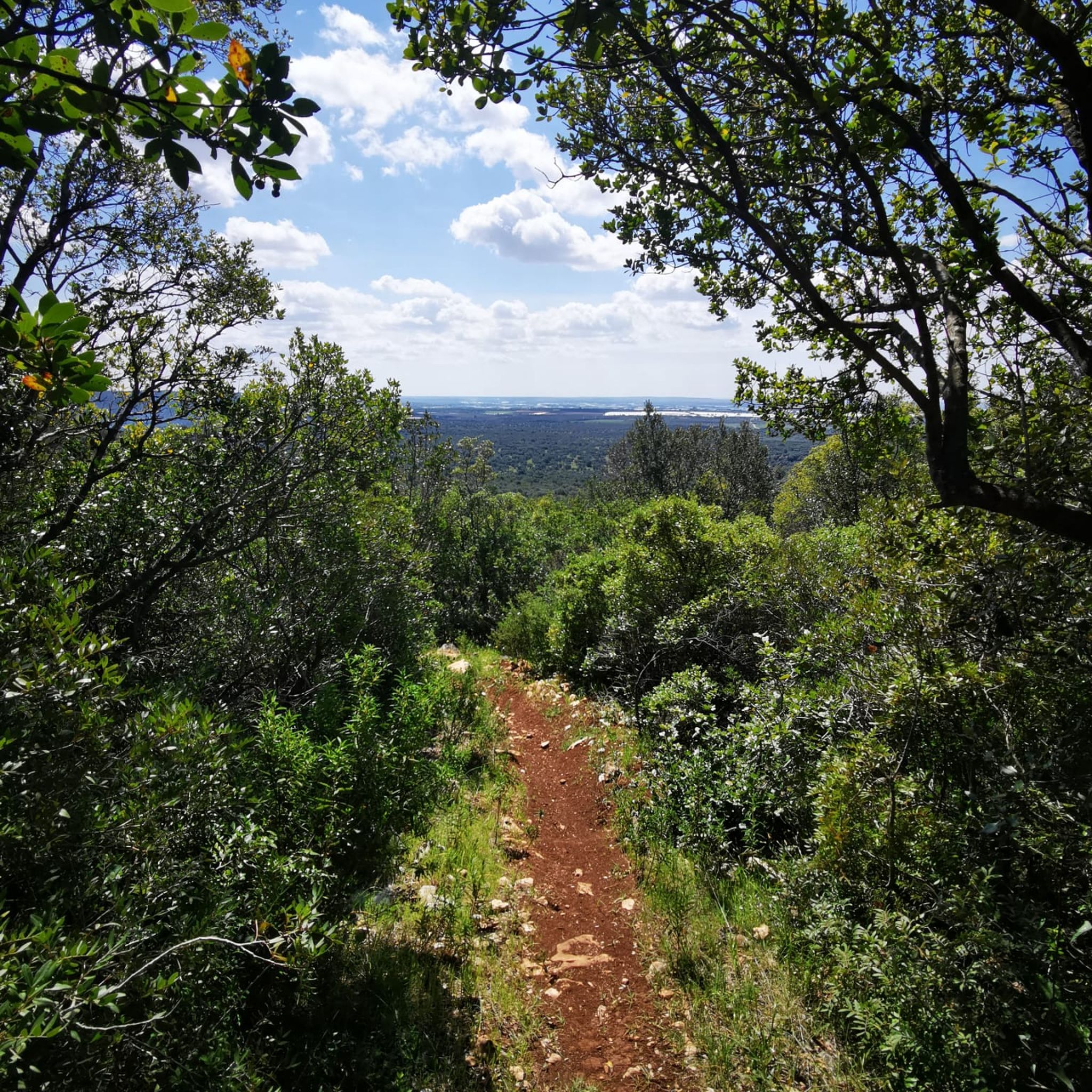
MTB Trails around Martina Franca
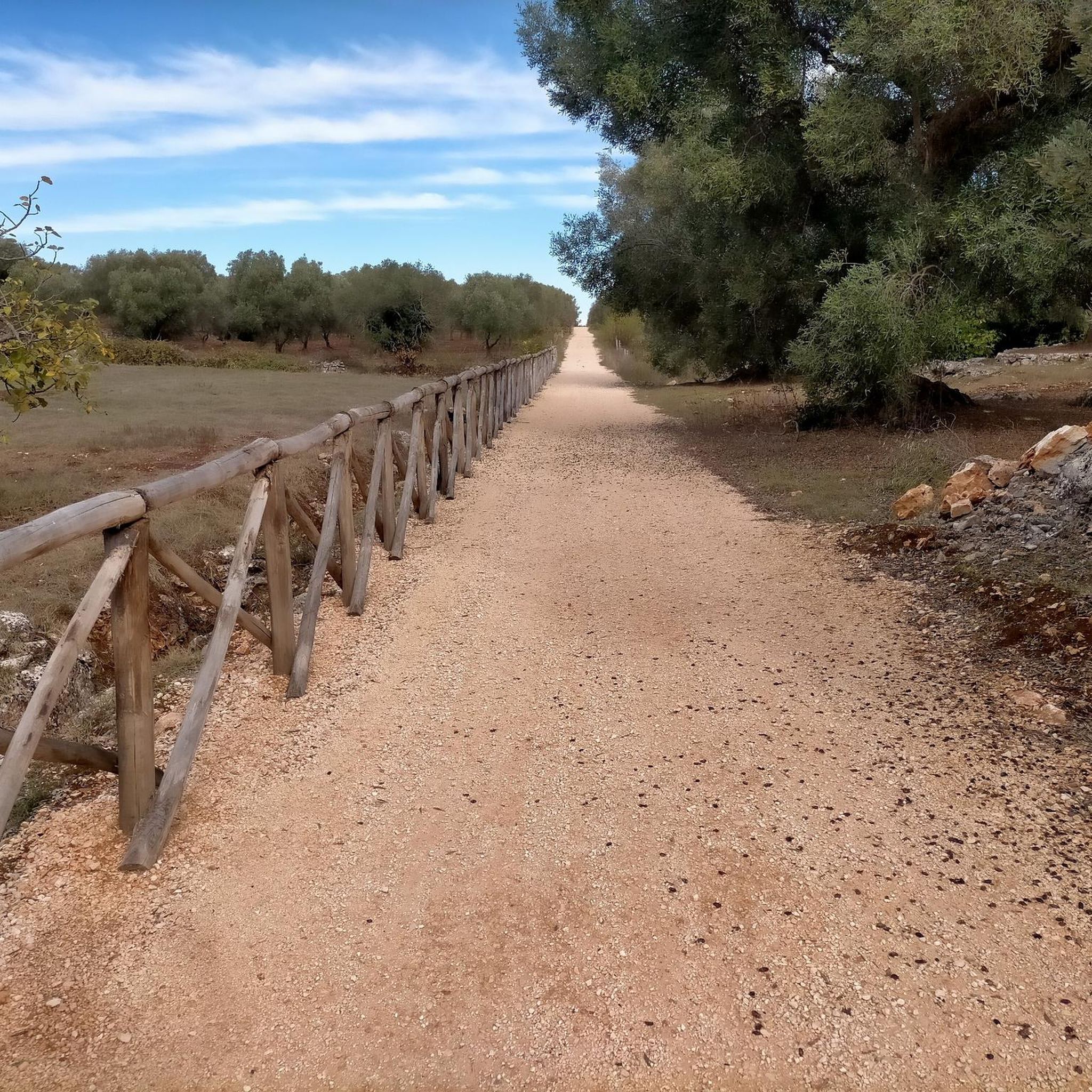
Running Trails around Martina Franca

Gravel biking around Martina Franca

Tips from the Community

The Castle of Massafra, located in the historic center of Massafra, is a medieval castle overlooking the Pizzo Ravine and San Marco. Its structure and architectural motifs are similar to other castles in Apulia, with four towers arranged in a wishbone and pattern and linked by boundary walls. The oldest towers are circular, while the keep is octagonal in the southeast. The first definite record of the castle dates back to the year 970. With the domination of the Angevins, the castle took on the appearance of a fortress, with crenellated ramparts and towers. It underwent further transformations under the Aragonese, and in the 18th century the Imperial family rebuilt the octagonal tower and the front facing towards the ravine, designed by the architect Mauro Manieri Lecce. The castle was in the possession of many owners before eventually being purchased by the city.
0
0

The first certain records of a castle date back to 970. Today the fortress of Massafra is managed by the municipality, which often uses it for events. The municipal library has been set up in some of the rooms inside.
0
0

Pretty town in the upper Salento of very ancient times (the Messapi were the people who preceded the Romanization). Characteristic for its narrow alleys that climb up to the center and for the white color of the lime walls. It is also worth a stop to visit the Castle, the medieval village and the churches (especially that of S. Anna). Not to be missed, scattered around Ceglie and in Salento, are also the "specchie", large mounds of limestone slabs which in the Neolithic age perhaps served as defense or watchtowers
1
0

Ceglie Messapica is one of the oldest municipalities in the region, located in the heart of the Itria Valley. To see: Montevicoli cave; cave of San Michele; Ducal Castle; Collegiate mother church of Santa Maria Assunta; Church of San Rocco.
0
0

The Episcopio castle of Gottaglie, at the top of the hill, the culmination, on one side, of the historic center, on the other, of the ceramics district
2
1

Grottaglie is a city in the province of Taranto with the particularity of being built on a limestone rock and with the surrounding area characterized by deep ravines that form spectacular caves. With its pottery tradition, the city has an entire district and a museum dedicated to this art.
1
0
the main square of Ceglie
2
0

the castle of Massafra with its imposing walls built overlooking the ravine of San Marco. Discover Puglia by bike on www.viaggiatorelento.com
0
0
Frequently Asked Questions
What is the most significant historical residence in Martina Franca?
Within Martina Franca itself, the most significant historical residence with castle origins is the Palazzo Ducale (Ducal Palace). Built in 1668 on the remains of an older 14th-century castle, it served as the seat of power for the Caracciolo family for centuries. Today, it houses the town hall and a museum, showcasing stunning Baroque and Rococo architecture, lavish interiors, and rooms like the Sala degli Specchi (Hall of Mirrors) and Sala degli Uccelli (Hall of Birds).
Are there any other notable castles or fortified settlements near Martina Franca?
Yes, beyond Martina Franca, you can explore other significant sites. Ceglie Messapica is a historic settlement featuring a castle and a medieval village. Another must-see is Grottaglie, which has its own castle and is famous for its traditional pottery art. In Grottaglie, you'll also find the Episcopal Castle, which houses a ceramic museum.
What kind of architecture can I expect to see at the castles and historical sites?
The region showcases a variety of architectural styles. The Palazzo Ducale in Martina Franca is a prime example of Baroque and Rococo architecture, with Renaissance symmetry and distinctive Salento touches. Other castles and settlements, like those in Ceglie Messapica and Grottaglie, feature medieval structures, ancient origins, and traditional Puglian building styles, including the characteristic white lime walls.
Are there family-friendly castles or historical sites to visit?
Many of the historical settlements and their castles are family-friendly. Both Ceglie Messapica and Grottaglie are categorized as family-friendly, offering charming streets, historical exploration, and cultural experiences like Grottaglie's pottery district that can engage visitors of all ages. The Palazzo Ducale in Martina Franca also offers a fascinating glimpse into history that can be enjoyed by families.
What unique features can I find at the Palazzo Ducale in Martina Franca?
The Palazzo Ducale is renowned for its lavish interiors. Key features include the breathtaking Sala degli Specchi (Hall of Mirrors), the historic Sala del Trono (Throne Room), and the celebrated Sala degli Uccelli (Hall of Birds) with its exquisite tempera paintings of vibrant avian life. Visitors can also explore the Ducal Apartments and rooms decorated by painter Domenico Carella, such as the Chapel of the Dukes and the Arcadia Room.
What outdoor activities can I do near these castles?
The area around Martina Franca offers various outdoor activities. You can find excellent hiking trails, including moderate routes like 'On the Hornbeam Trail in the Bosco delle Pianelle' and 'Bosco delle Pianelle Trails Loop'. For cycling enthusiasts, there are gravel biking routes, such as 'The Trulli of Alberobello' loop. There are also running trails, like the 'Historic Center of Locorotondo' loop.
Is there a castle with a viewpoint near Martina Franca?
Yes, Massafra Castle is known for its imposing walls built overlooking the ravine of San Marco, offering a significant viewpoint. Its structure and architectural motifs are similar to other castles in Apulia, with four towers and linked boundary walls. The castle is often used for events and houses the municipal library in some of its rooms.
What is the best time of year to visit the castles around Martina Franca?
The best season to visit the castles and historical sites around Martina Franca is generally during the spring (April to June) and early autumn (September to October). During these months, the weather is pleasant for exploring, with comfortable temperatures for walking around towns and outdoor areas, avoiding the peak heat of summer.
How long should I plan for a visit to the Palazzo Ducale?
To fully appreciate the Palazzo Ducale's architectural grandeur, lavish interiors, and historical significance, plan to spend at least 1.5 to 2 hours. This allows ample time to explore the various rooms, admire the frescoes and artwork, and soak in the atmosphere of this magnificent palace.
Are there any specific cultural experiences related to the castles?
Yes, particularly in Grottaglie, where the Episcopal Castle houses a ceramic museum. This allows visitors to combine historical exploration with an appreciation for the town's renowned traditional pottery art. The Palazzo Ducale in Martina Franca also hosts various cultural events and exhibitions, enriching the understanding of local history and traditions.
Can I visit the Palazzo Ducale for free?
Admission to the public areas of the Palazzo Ducale is often free, making it an accessible and highly recommended visit. It currently houses municipal offices and a museum, allowing visitors to explore its historical grandeur without an entry fee for certain sections.
Most popular routes around Martina Franca
Most popular attractions around Martina Franca

Get inspired with the komoot mobile app


Explore more
Looking for the best castles somewhere else? Discover other guides around Martina Franca:
