Top 5 Castles around Villaverla
Best castles around Villaverla are primarily found in the wider Vicenza province, a region known for its historical sites and architectural heritage. While Villaverla itself does not host traditional castles, it is situated near significant historical structures. The area offers a variety of historical fortifications, including medieval fortresses and castle remnants in nearby towns. These sites provide insights into the region's past and architectural evolution, offering various hiking routes Villaverla.
Best castles around Villaverla
- The most popular castles is Torrione…
Last updated: May 19, 2026
Torrione di Porta Castello
Highlight • Historical Site
Translated by Google •
Tip by

San Vittore Malo Descent
Highlight • Trail
Translated by Google •
Tip by

Sign up now to discover places like this
Get recommendations on the best single tracks, peaks, & plenty of other exciting outdoor places.
Sign up for free
Tower of the Castle in Piazza Castello, Vicenza
Highlight • Castle
Translated by Google •
Tip by

Villa Cavajon – Montemezzo Castle
Highlight • Castle
Translated by Google •
Tip by

Torrioncino del d'Alviano FC
Highlight • Historical Site
The keep is hidden in a small park directly opposite Porta Santa Croce, on the left bank of the Bacchiglione River. In the Middle Ages, …
Translated by Google •
Tip by
Start today with a free account
Your next adventure awaits.
Login or Signup
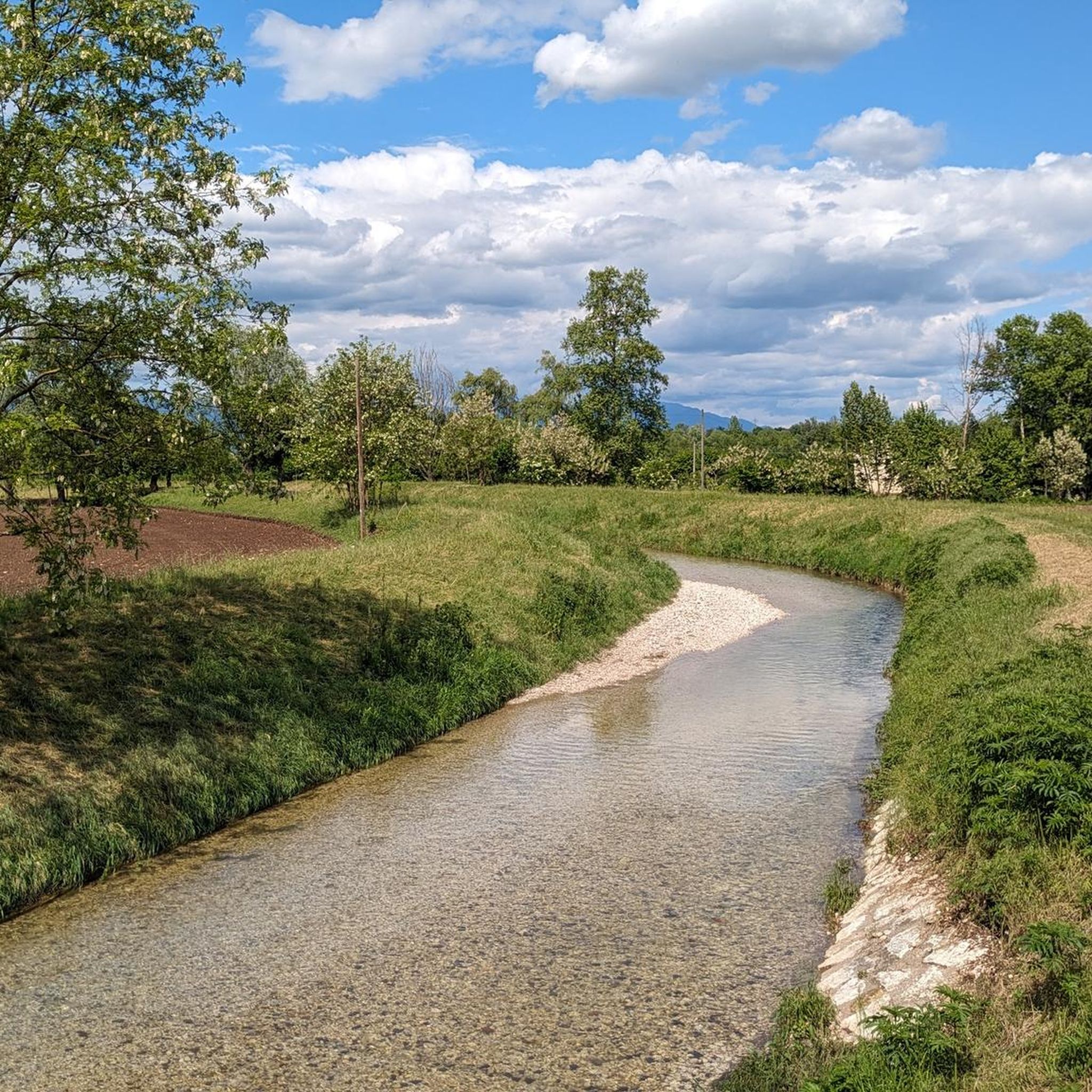
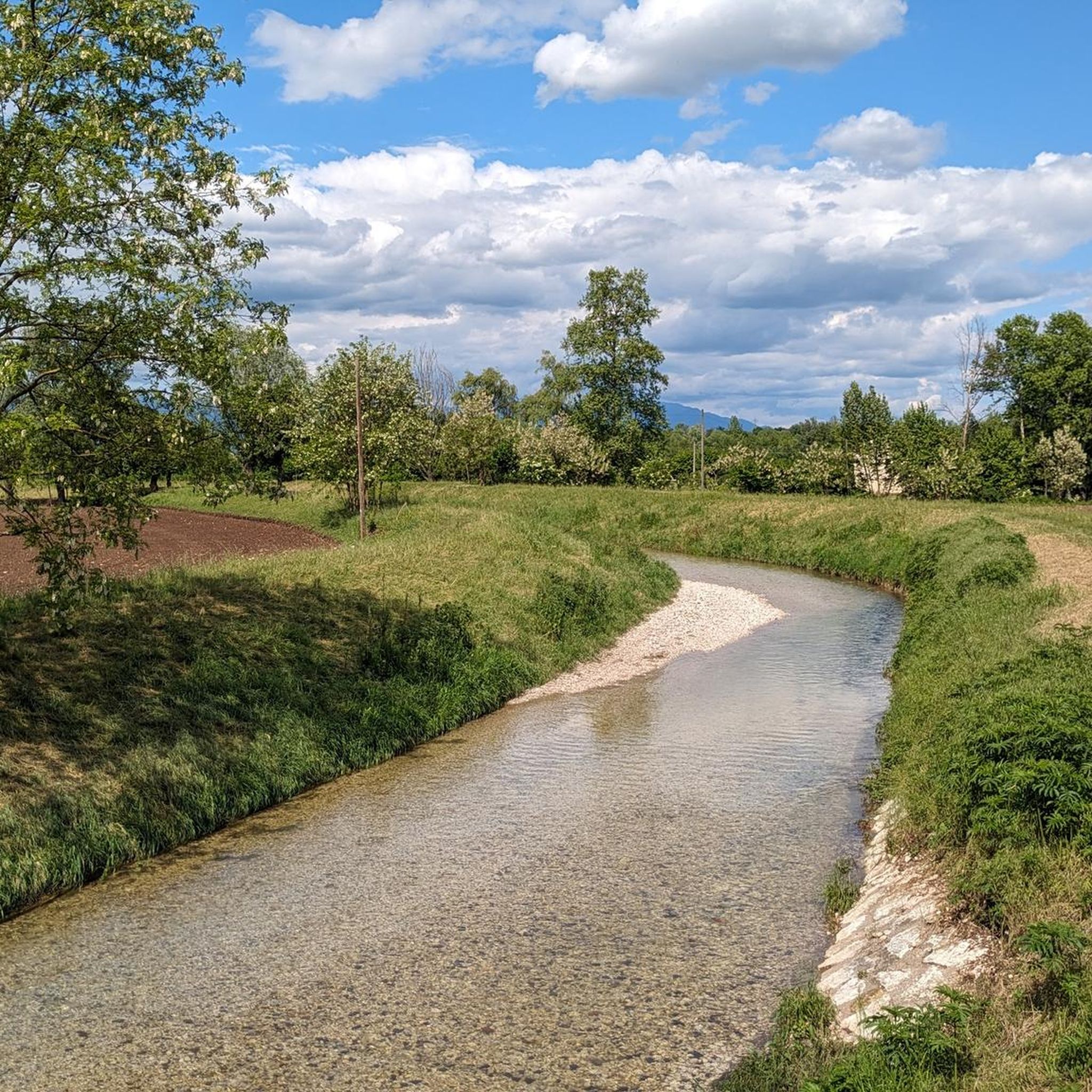
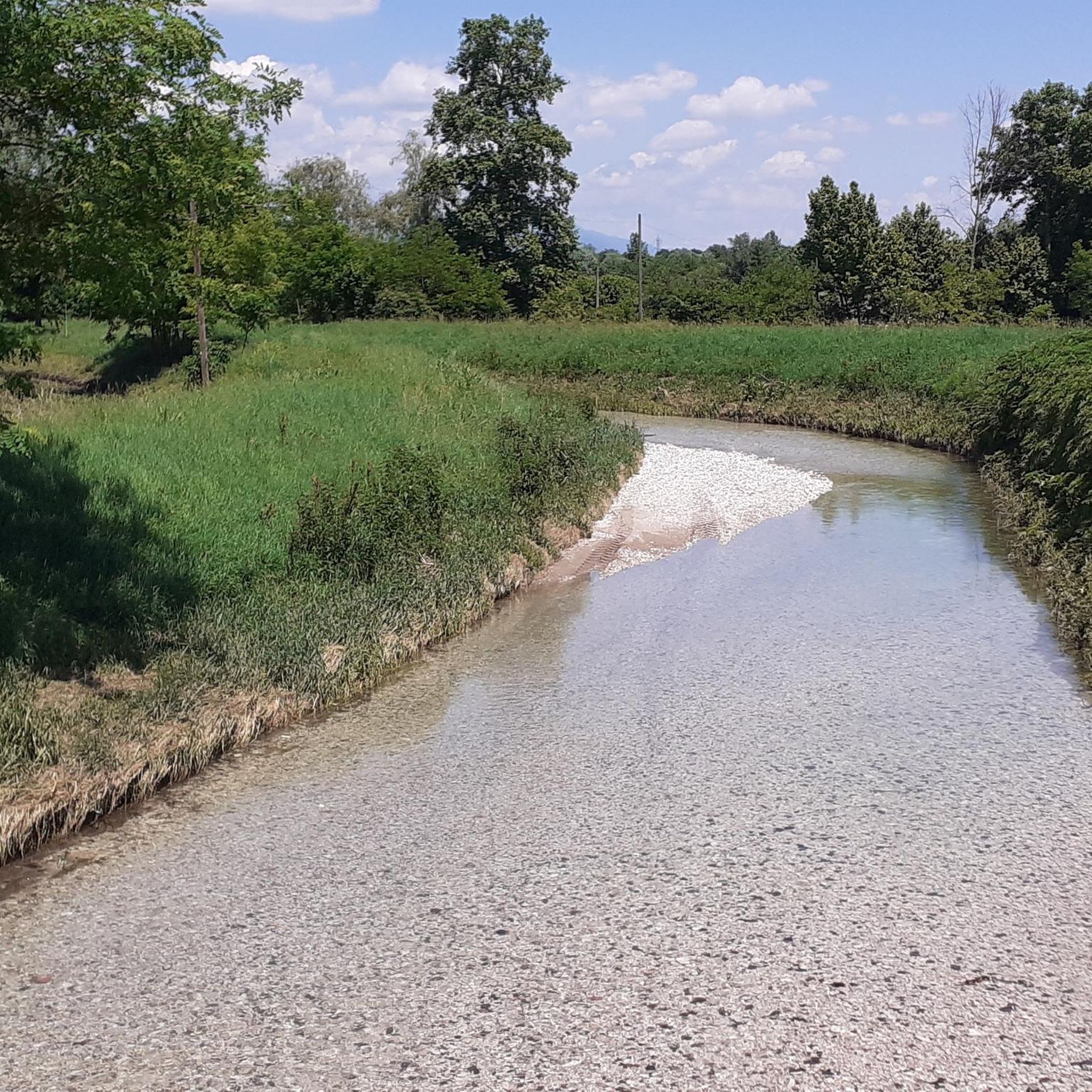
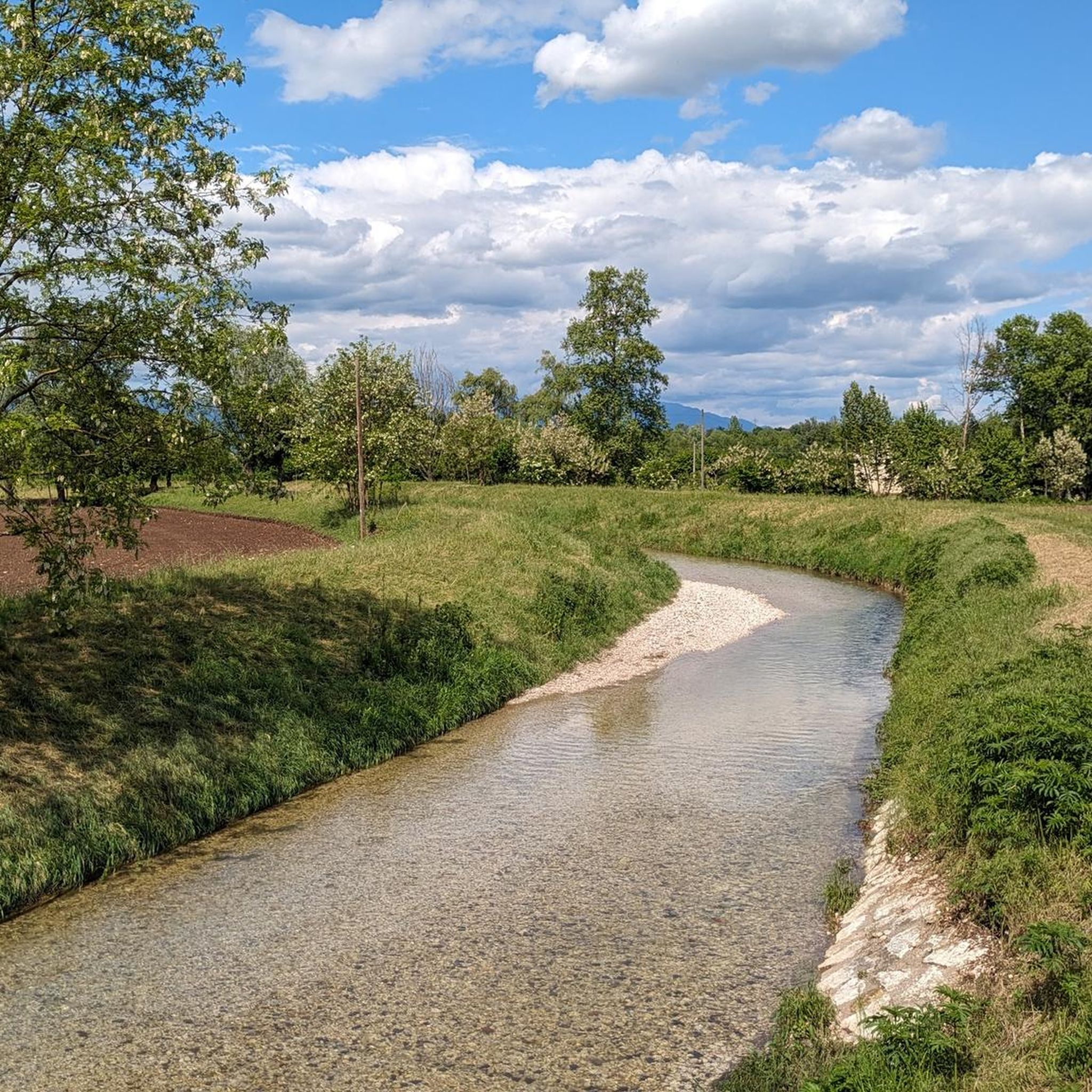


Tips from the Community

Piazza Castello, another beautiful destination in Vicenza
0
0
Beautiful gate of the city walls of Vicenza, with tower
0
0

A fine and renowned restaurant has been created there, but the original structure suggests that here stood, as also attested by the toponym handed down by the population, the ever-mentioned Castello di Montemezzo, a refuge against repeated incursions of armies in search of territories and raids in the medieval period, even before 1000, property of the Bishop of Vicenza, in a period in which the care of the souls of the faithful was subordinated to the management of real estate assets. The complex, enclosed by walls, is located in the highest part of the hill so that in the past it also served as a lookout and guard. It presents modifications that have taken place over time, with architectural details worthy of note, such as the fine fireplaces dating back to the sixteenth and eighteenth centuries. Some dates carved on the façade and on the entrance portal to the courtyard, near the family coat of arms, document the Cavajon ownership in the mid-1600s. Interesting is the engraving, unfortunately incomplete but eloquent, on the jamb of a secondary entrance, referring to the passage of Charles V, fresh from his coronation as Emperor of the Holy Roman Empire, in transit in Montemezzo on 3 November 1532. On the same day he arrived in nearby Montecchio Maggiore, where he was hosted in the welcoming villa of the Gualdo family, as shown in the house diary, which shows in particular the assortment of gifts and provisions generously given to the sovereign and his hungry caravanserai. There is no evidence of his brief stay at the Castle but, considering how the sovereign was notoriously an unrepentant gourmet, it is easy to imagine that the stop was dedicated to a skewer of seasonal game, evidently prophetic and auspicious, given that the site is now a place of refreshment for gourmets. Source: https://subvicum.it/tappe/villa-cavajon-il-castello-di-montemezzo/
0
0

Colle di San Vittore is a silent, secluded and suggestive place that dominates a strategic passage between the Alta Pianura Vicentina and the Valle dell'Agno, with a view of the piedmont: precisely because of its position, it hosted the castle of Pietramala (ancient name of Priabona), built in the 8th-9th century and destroyed in 1250. For many centuries the hill was the center of the village, in a protected position, with the construction of the first parish church and the cemetery. Until quieter times pushed the inhabitants to go down to a more comfortable position, along the pass and the current road: the new church and the new cemetery were built. Today the hill hosts an unusual gathering of eras and styles: the church (with an appearance distorted over the centuries), the characteristic and squat bell tower, the ancient oratory (what remains of the castle), the deconsecrated cemetery and the 'recent' abandoned convent. https://padovasorprendi.it/loratorio-di-san-vittore-di-priabona-e-il-colle-ponimo/
2
0

Old fortress dates from 1510. The keep is hidden in a small park directly opposite Porta Santa Croce, on the left bank of the Bacchiglione River. In the Middle Ages, this fortress was part of the defense of the city between the gates; Porta San Bortolo and the Porta Sancta Croce. It is quiet here in this park.
5
0
Vicenza's medieval western city gate is quite impressive. The foundations date from the 12th century. The name of the nearby square tells us that this location was the site of the great Ezzelini fortress in the 14th century. It was a square area with a castle and a wet vest. In the 17th century the fortress lost its defensive role and the site changed shape and purpose. The north wing was converted into a palace overlooking the old garden. Dr fortress was almost completely dismantled by the 17th and 18th centuries. The only silent witnesses from these early Middle Ages are the Torrione and the parade ground.
7
0

The tower was built in the 12th century at the western entrance to the historic center of the city of Vicenza. In 1343 it was heavily rebuilt during the Scaliger occupation and became part of the medieval city walls. In modern times, for traffic reasons, the actual entrance arch was doubled and extended by two pedestrian walkways.
2
0

Vicenza is a city in the Veneto region of northeastern Italy. The city is known for the elegant buildings designed by architect Andrea Palladio in the 16th century, including the Basilica Palladiana and the Palazzo Chiericati, now used as an art gallery. The design for the nearby Teatro Olimpico, whose interior resembles a classical amphitheater, was also by Palladio. On a hill outside the city lies Villa La Rotonda with its 4 identical facades. Source:Wikipedia
1
0
Frequently Asked Questions
What historical sites, beyond traditional castles, can I explore near Villaverla?
While Villaverla itself doesn't host traditional castles, the area is rich in historical architecture. A notable example is the Villa of Leonardo Verlato, designed by the renowned architect Vincenzo Scamozzi between 1574 and 1615. This significant architectural work offers insight into the period's design. You can also visit the medieval western city gate, Torrione di Porta Castello, in Vicenza, with foundations dating from the 12th century.
Are there any castles associated with famous legends near Villaverla?
Yes, the wider Vicenza province offers the 'Castles of Romeo and Juliet' in Montecchio Maggiore. These include the Castello della Villa (or Romeo's Castle) and the Castello della Bella Guardia (or Juliet's Castle). These medieval fortresses are linked to the famous Shakespearean tale through local legend and offer historical insights and panoramic views.
What are some of the most popular castle-related sites to visit near Villaverla?
Visitors frequently enjoy Torrione di Porta Castello, which is Vicenza's medieval western city gate. Another popular spot is the Tower of the Castle in Piazza Castello, Vicenza, a prominent historical landmark. Also, Torrioncino del d'Alviano FC, an old fortress from 1510, is appreciated by visitors.
Are there family-friendly castles or historical sites around Villaverla?
Yes, several sites are considered family-friendly. Torrione di Porta Castello, the Tower of the Castle in Piazza Castello, Vicenza, and Torrioncino del d'Alviano FC are all categorized as family-friendly historical sites, offering engaging experiences for all ages.
What kind of views can I expect from castles or historical towers in the area?
Many historical sites offer excellent viewpoints. For instance, the 'Castles of Romeo and Juliet' in Montecchio Maggiore provide panoramic views. The Tower of the Castle in Piazza Castello, Vicenza, also offers a viewpoint, allowing you to appreciate Vicenza's historical landscape.
What outdoor activities can I do near these castles and historical sites?
The region around Villaverla offers various outdoor activities. You can find numerous hiking and cycling routes. For example, there are several hiking trails like the 'Caldogno Flood Control Basin – Bacchiglione Springs loop' or the 'White roads of Villaverla loop'. For more options, explore the hiking guide around Villaverla or the cycling guide around Villaverla.
Are there any challenging trails or viewpoints near historical sites?
Yes, for those seeking a challenge, the San Vittore Malo Descent is a challenging trail that leads to Colle di San Vittore. This strategic location once hosted the castle of Pietramala and offers a secluded, suggestive place with views of the piedmont.
Can I find a restaurant or refreshments at any of the castle sites?
Yes, at Villa Cavajon – Montemezzo Castle, a fine and renowned restaurant has been established. This site, believed to be the former Castello di Montemezzo, now serves as a place of refreshment for gourmets, offering a unique dining experience within a historical setting.
What is the historical significance of the Torrione di Porta Castello?
The Torrione di Porta Castello is Vicenza's medieval western city gate. Its foundations date back to the 12th century, marking the site of a significant 14th-century fortress. While the fortress was largely dismantled by the 17th and 18th centuries, the Torrione stands as a silent witness to the city's early Middle Ages and defensive architecture.
What is the best time to visit castles and historical sites near Villaverla?
The best time to visit is generally during the spring (April-May) and autumn (September-October) when the weather is mild and pleasant for exploring. Summer can be warm, but still enjoyable, while winter offers a quieter experience, though some sites might have reduced hours.
How long should I plan for a visit to the castles and historical sites?
The duration of your visit depends on the site. For individual highlights like Torrione di Porta Castello or the Tower of the Castle in Piazza Castello, Vicenza, a few hours might suffice. If you plan to visit multiple sites, such as the 'Castles of Romeo and Juliet' in Montecchio Maggiore, or combine your visit with nearby hiking or cycling, a full day or more would be recommended.
Are there any hidden gems among the historical sites near Villaverla?
While not a traditional castle, the Villa Cavajon – Montemezzo Castle is a fascinating hidden gem. It's believed to be the site of the ancient Castello di Montemezzo and features architectural details like fine 16th and 18th-century fireplaces, along with an engraving referring to the passage of Charles V in 1532. It also houses a renowned restaurant.
Most popular routes around Villaverla
Most popular attractions around Villaverla

Get inspired with the komoot mobile app


Explore more
Looking for the best castles somewhere else? Discover other guides around Villaverla:
