Top 12 Caves around Sant'Omobono Terme
Best caves around Sant'Omobono Terme are found in the Imagna Valley, a region characterized by significant karst phenomena. This geological activity has led to the formation of numerous natural caves and grottoes. The area offers a combination of natural beauty and historical interest within its subterranean landscapes. These features make the region a notable destination for exploring caves.
Best caves around Sant'Omobono Terme
- The most popular caves is Sanctuary of Cornabusa, a religious site located inside a natural cave.…
Last updated: October 3, 2026
Sanctuary of Cornabusa
Highlight • Religious Site
Translated by Google •
Tip by

Grotto of Our Lady of Lourdes
Highlight • Religious Site
Translated by Google •
Tip by

Sign up now to discover places like this
Get recommendations on the best single tracks, peaks, & plenty of other exciting outdoor places.
Val Giongo Cave
Highlight • Cave
Translated by Google •
Tip by

Waterfall at the Source of the Enna
Highlight • Waterfall
Translated by Google •
Tip by

Passata Mines
Highlight • Cave
Translated by Google •
Tip by

Sign up for free to discover even more caves around Sant'Omobono Terme.
Already have an account?
Start today with a free account
Your next adventure awaits.
Popular around Sant'Omobono Terme


Tips from the Community

Recommended reading: https://www.ecodibergamo.it/stories/eppen/outdoor/lanello-del-resegone-un-trekking-con-vista-tra-bergamo-e-lecco-o_3409562_11/
0
0

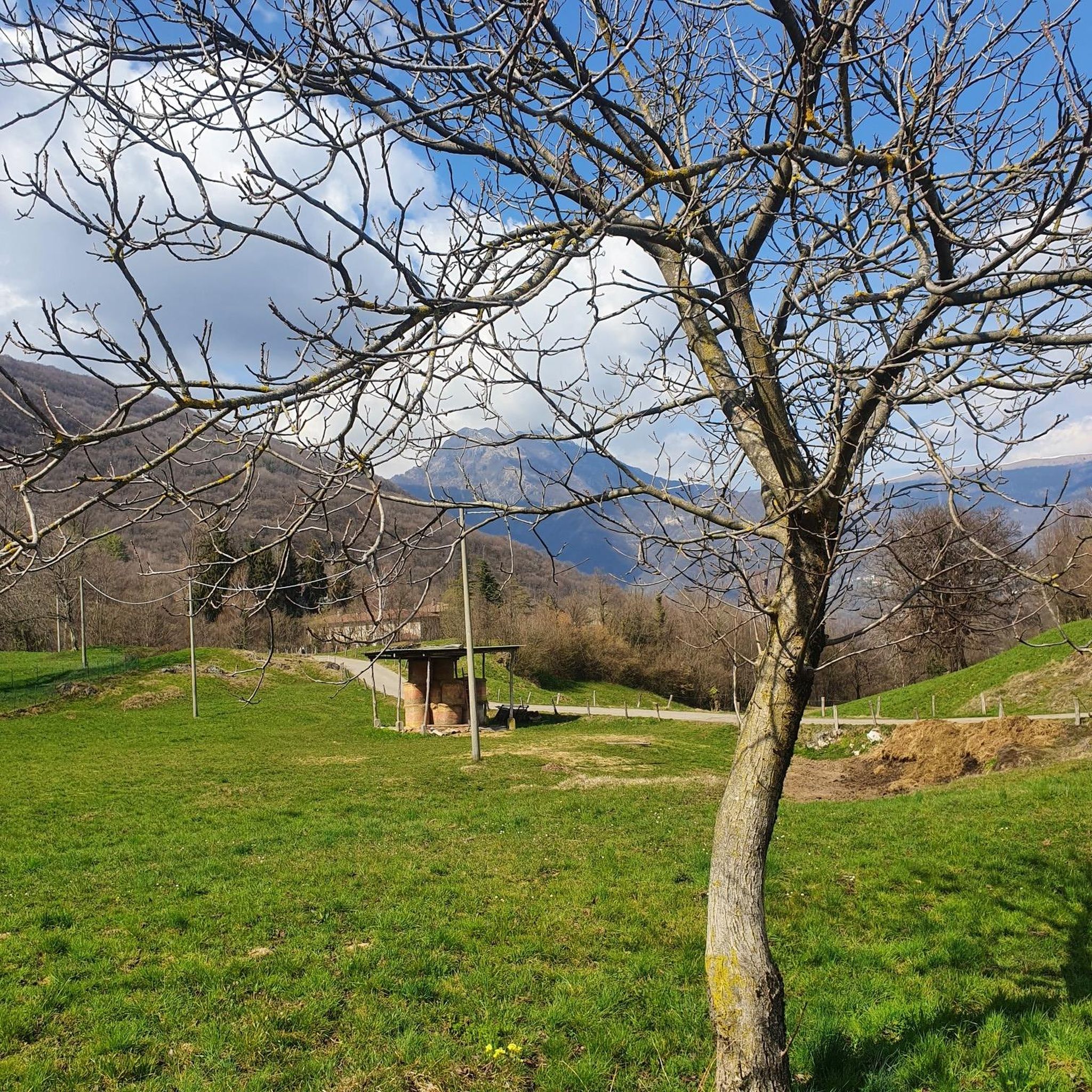
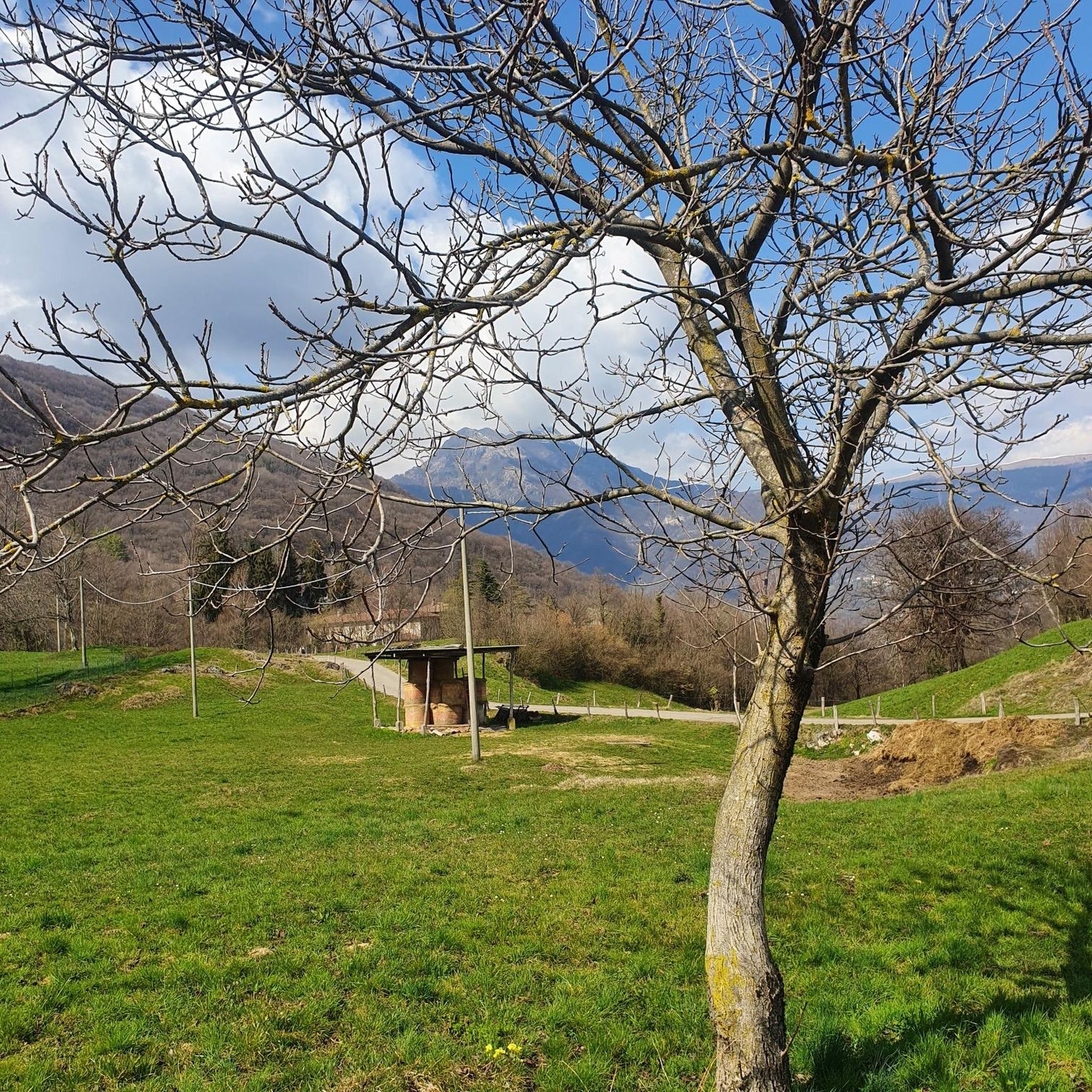
it is found on the path to Sasso di Preguda
0
0

The Mother of God depicted and venerated here is the one from Lourdes. This well-known Marian pilgrimage site is located in the French Pyrenees and is visited by many people every year, including many sick people who hope for healing. The devotional image of the Mother of God has become widespread - not only in France - and believers have built Lourdes chapels and grottos everywhere. The church's memorial day for "Our Lady of Lourdes" is on February 11th, the anniversary of the apparition of the Virgin Mary (1858), when the Mother of God appeared to 14-year-old Bernadette Soubirous in a rock grotto very close to Lourdes. Bernadette later became a nun and died at the age of just 35. On December 8th (the Feast of the Immaculate Conception of Mary) 1933, she was canonized by Pope Pius XI. The commemoration of the Madonna of Lourdes is also World Day of the Sick.
0
0

The Cornabusa Sanctuary, located in the heart of the Imagna Valley, is one of the most evocative sanctuaries in Lombardy. Built inside a natural cave, the sanctuary is dedicated to Our Lady of Sorrows, venerated in this place since the 16th century. The church has been expanded over the years, while maintaining the charm of the original place of worship carved into the rock. The sanctuary is a destination for pilgrimages and is appreciated for its spiritual atmosphere and spectacular panoramic view of the surrounding valley.
0
0

Very scenic waterfall, located at the source of the Enna river. Going up (with caution, the area is very humid and full of moss) to the top of the waterfall, you can admire the cave from which the Enna river flows.
2
0

Mine from which galena (Lead Sulfide) was extracted. It is located 20 minutes from the Alpinisti Monzesi refuge, at the foot of Mount Resegone, where you can observe some entrances to the mine, located on three levels (one collapsed). On the way there are some structures in ruins. Located at 1225 meters above sea level, the mine is also known as "della Rolla".
0
0

The best time to admire these falls is spring, when it is normally full of water, mosses of various shades and flowers. Unfortunately not this year 😔
3
1

Description The Giongo stream (or Gionco) is a watercourse in the province of Bergamo. It originates south of Canto Alto (Forcella di Camblì), north of the capital and flows into the Brembo at Botta di Sedrina after 4 km from the left. It runs through the valley of the same name, crossing the municipalities of Sorisole, Villa d'Almè and Sedrina. For half of its course it forms the northern border of the Parco dei Colli di Bergamo. The Giongo valley is not crossed by roadways or urbanized, and is therefore considered one of the places of greatest naturalistic interest in the lower Orobie near Bergamo. Source: Wikipedia
1
0
Frequently Asked Questions
What makes the caves around Sant'Omobono Terme unique?
The Imagna Valley, where Sant'Omobono Terme is located, is characterized by significant karst phenomena. This geological activity has created a variety of natural caves and grottoes, including unique religious sites, historical mining locations, and impressive natural formations shaped by water erosion.
Can I visit a religious sanctuary inside a natural cave?
Yes, the Sanctuary of Cornabusa is a notable example. It's a place of worship set inside a substantial natural cave, known for its unique atmosphere created by the interplay of water, light, and rock. Its origins date back to the 13th century, and it holds significant religious and historical importance.
Are there historical mining sites among the caves in the region?
Yes, you can explore the Passata Mines. This historical cave site features entrances to a former galena mine, located at 1225 meters above sea level, with some structures still visible in ruins.
Are there any other religious grottoes to visit in the area?
Yes, the Grotto of Our Lady of Lourdes is another religious site. It features a devotional image of the Mother of God, reflecting the widespread tradition of Lourdes chapels and grottoes.
What kind of natural geological formations can I expect to see in the caves?
The region's karst landscape means you'll find formations shaped by water erosion. For instance, the Waterfall at the Source of the Enna allows you to admire the cave from which the Enna river flows. The Val Giongo Cave is an important karst resurgence with two small lakes and numerous branches.
What is the best time of year to visit the caves around Sant'Omobono Terme?
The caves maintain a constant temperature of around 12°C year-round, making them suitable for visits in various seasons. However, for exploring the surrounding natural beauty and combining cave visits with outdoor activities, spring and autumn generally offer pleasant weather. Spring is particularly good for seeing waterfalls at their fullest.
Are there family-friendly options for visiting caves in Sant'Omobono Terme?
The Sanctuary of Cornabusa is generally accessible and offers a unique cultural and natural experience suitable for families. Its accessibility by car and picturesque footpaths make it a good option. Always check specific access details for younger children.
What outdoor activities can I combine with a cave visit in Sant'Omobono Terme?
The area offers various outdoor activities. You can find numerous cycling routes, including challenging mountain biking trails and touring bicycle paths. There are also many running and hiking trails. For example, you can explore running trails or cycling routes around Sant'Omobono Terme.
Are there any challenging caves for experienced explorers?
Yes, the Val Giongo Cave is considered challenging. It's a sub-horizontal cave with two small lakes in the initial section, and a wetsuit is recommended for exploration. It features numerous branches extending over half a kilometer.
What should I wear when visiting the caves?
Given the constant cool temperature inside caves (around 12°C), it's advisable to wear layers, even in summer. Sturdy, non-slip footwear is essential, especially in areas that might be damp or uneven. For more adventurous caves like Val Giongo, specialized gear such as a wetsuit may be necessary.
How accessible is the Sanctuary of Cornabusa?
The Sanctuary of Cornabusa is accessible by car, and there are also picturesque footpaths leading to it. From the square in front of the grotto, visitors can enjoy panoramic views of the surrounding Imagna Valley.
Is there a cave known for archaeological interest in the region?
The Tomb of the Poles, while less detailed in information, is noted for revealing traces of human activity dating back to the Bronze Age, indicating its archaeological significance within the region's karst landscape.
Most popular routes around Sant'Omobono Terme
Most popular attractions around Sant'Omobono Terme

Get inspired with the komoot mobile app


Explore more
Extend your search for the best caves by checking out these guides of the top ones around Sant'Omobono Terme:
