Top 8 Castles around Bagnolo San Vito
Best castles around Bagnolo San Vito are primarily found in the nearby city of Mantua, as Bagnolo San Vito itself is known for its agricultural landscape and Etruscan remains rather than prominent castles. This comune in Lombardy, Italy, offers a gateway to exploring significant historical sites and architectural marvels in the wider Mantuan area. The region's flat terrain, shaped by the Mincio River, provides a scenic backdrop for historical exploration. Visitors can discover a rich cultural heritage, including notable landmarks…
Last updated: June 30, 2026
Castello di San Giorgio (Mantua)
Highlight • Castle
Translated by Google •
Tip by

Ducal Palace, Mantua
Highlight • Castle
Translated by Google •
Tip by

Sign up now to discover places like this
Get recommendations on the best single tracks, peaks, & plenty of other exciting outdoor places.
Sign up for free
Rocca di Sparafucile
Highlight • Historical Site
Translated by Google •
Tip by
San Giorgio Castle, Mantua
Highlight • Castle
Translated by Google •
Tip by

Matilda Tower of Governolo
Highlight • Monument
Translated by Google •
Tip by

Sign up for free to discover even more castles around Bagnolo San Vito.
Sign up for free
Already have an account?
Start today with a free account
Your next adventure awaits.
Login or Signup
Popular around Bagnolo San Vito
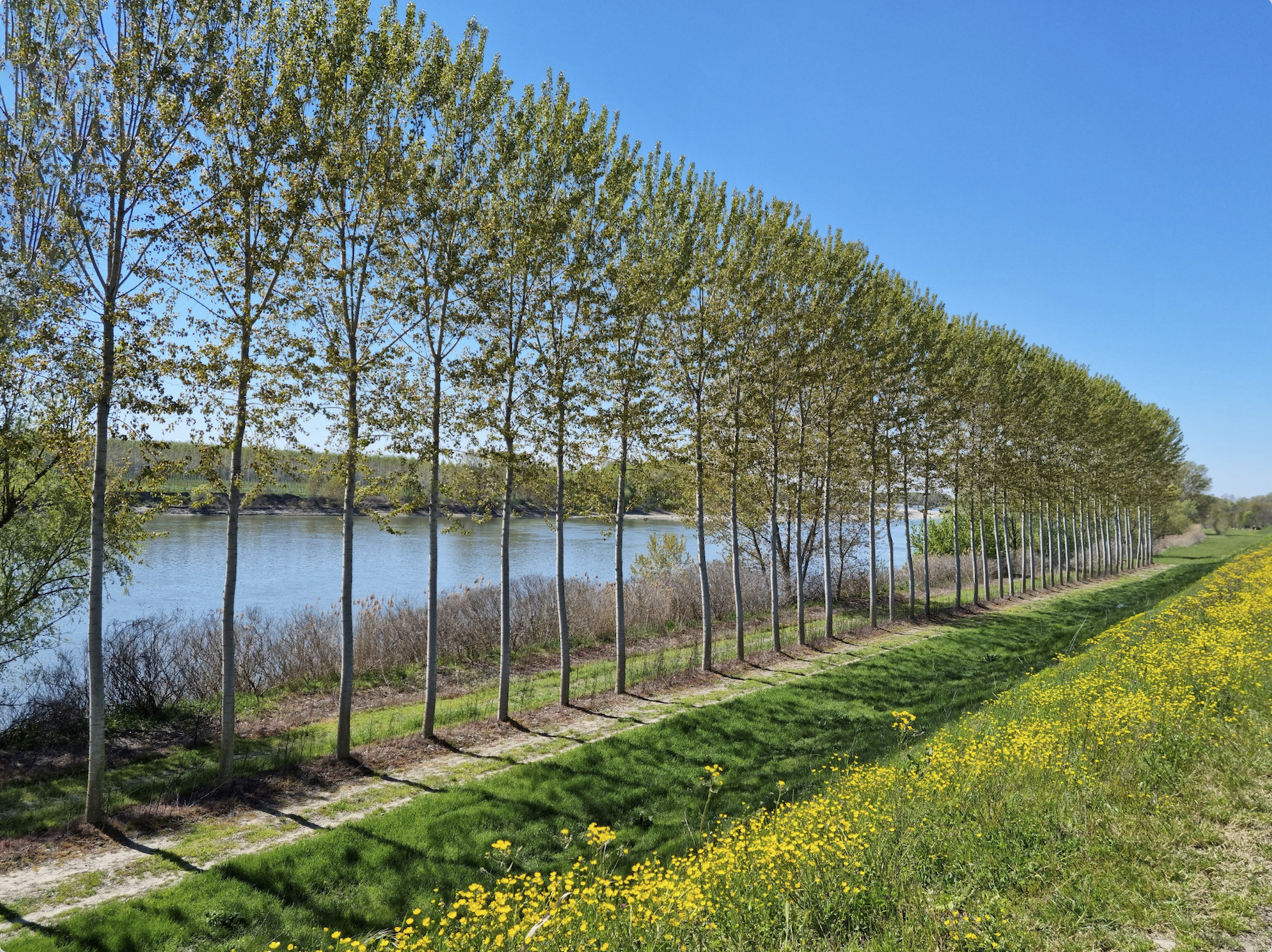
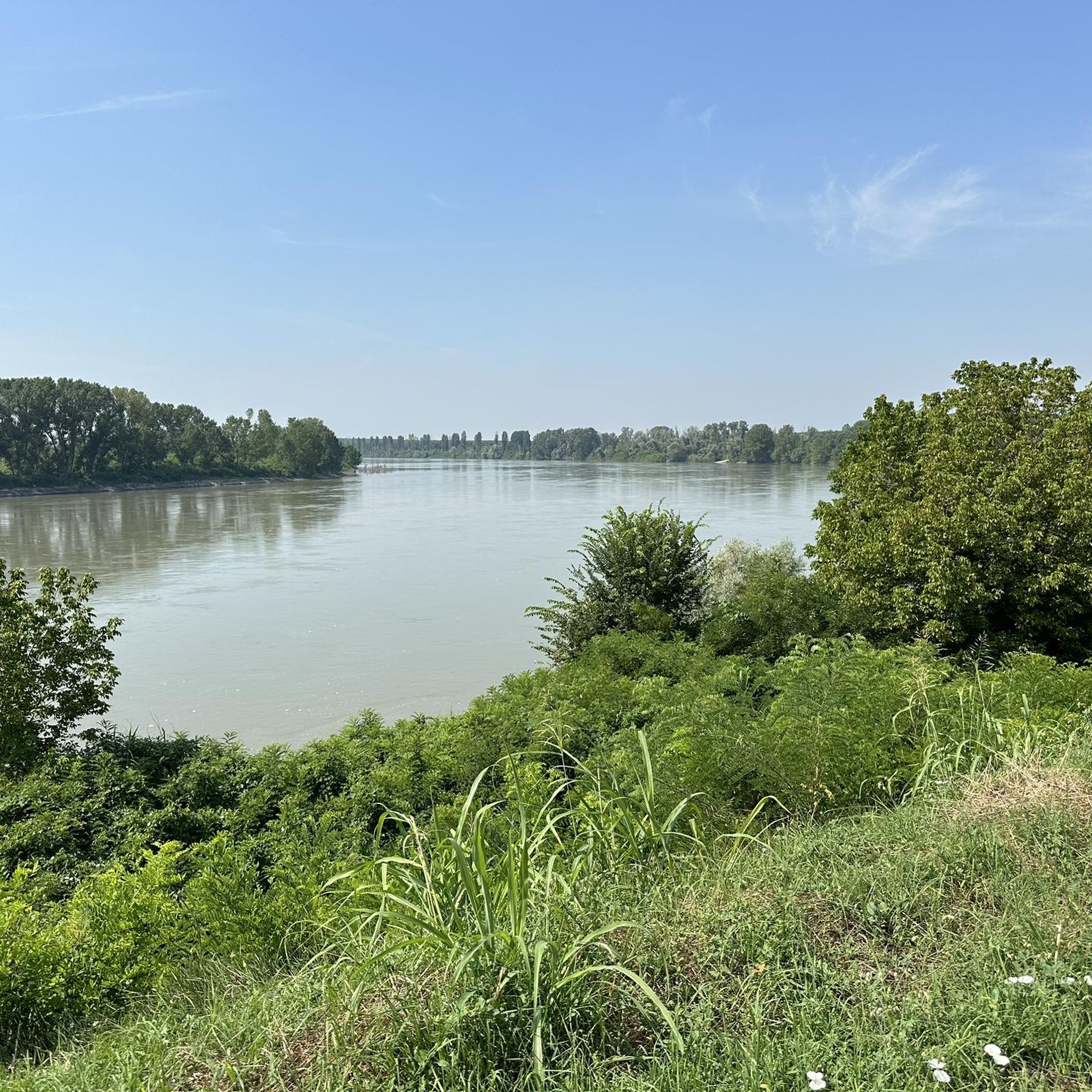
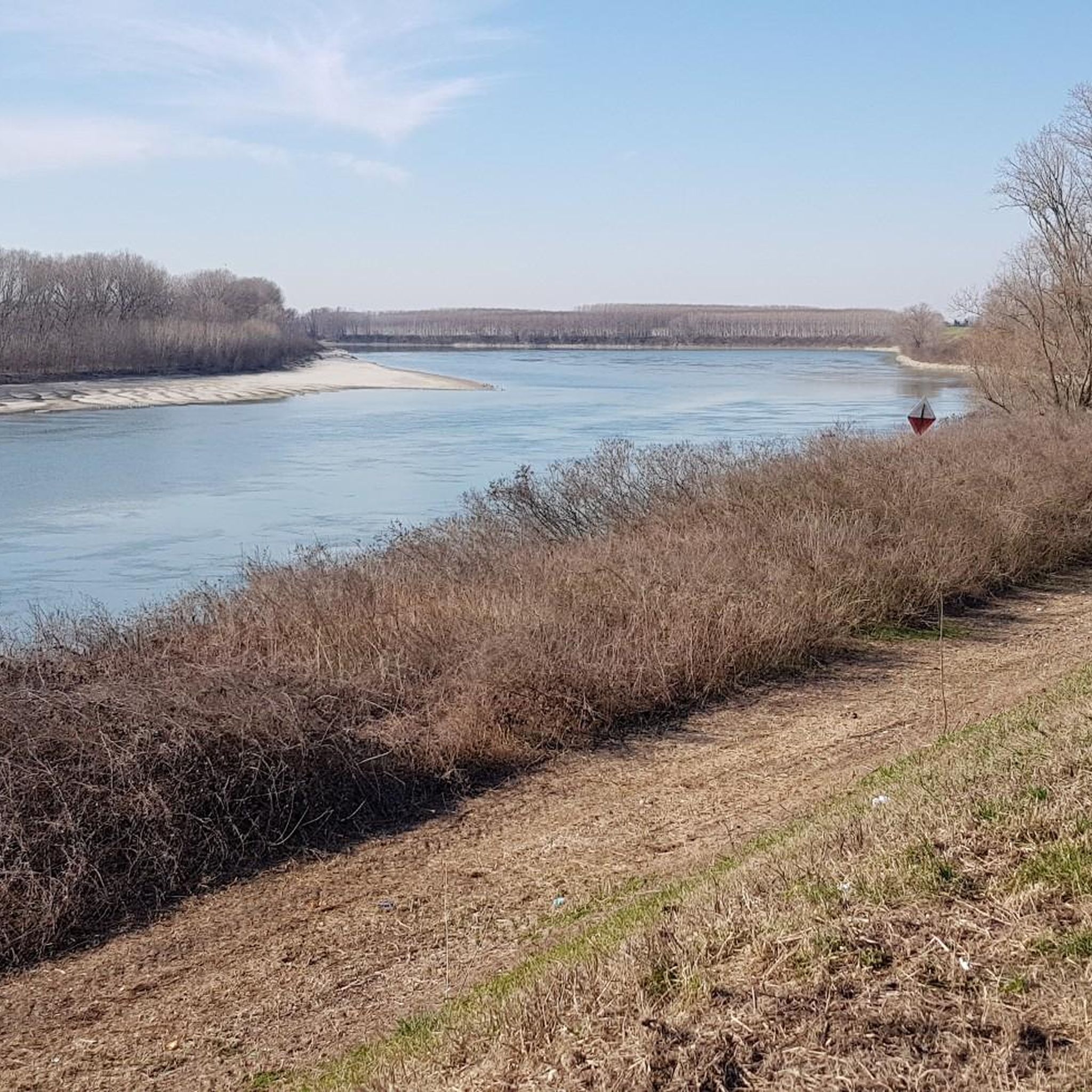
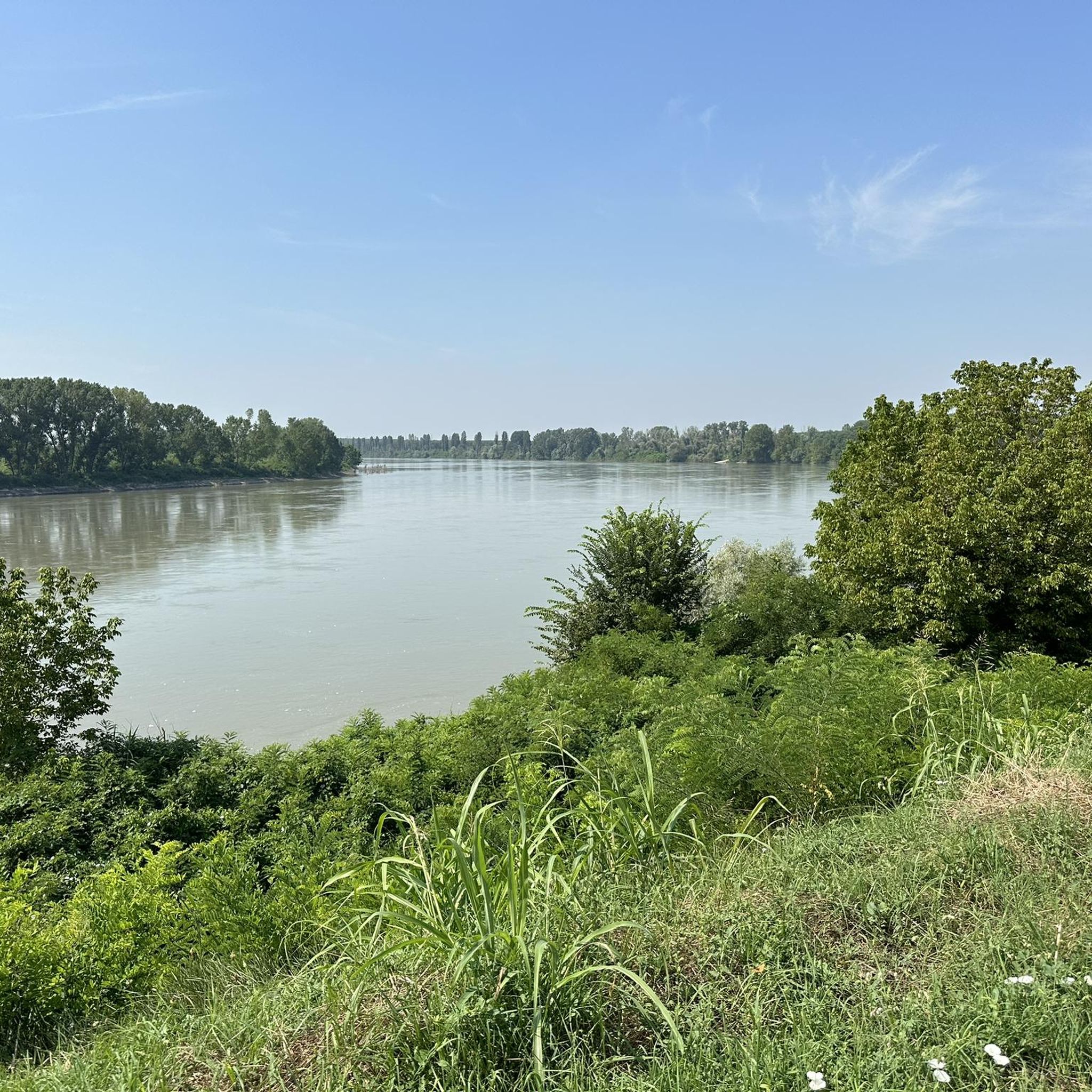

Other adventures around Bagnolo San Vito

Tips from the Community

On July 18, 1848, during one of the wars of independence, a clash took place here in Governolo between Piedmontese troops, including bersaglieri, and an Austrian army rearguard. The Austrians had the worst of it, also because they were in clear numerical inferiority. When you visit Governolo, it is very interesting to follow the path prepared by the municipality with explanatory panels placed in various locations (I must say that sometimes they are not even very visible and therefore you have to go on a bit of a treasure hunt, but it's fun) that guide you step by step through the events of that day; in reality, they also tell of a clash that took place on April 24, also in 1848. Let's say that 1848, that period, was not exactly peaceful.
0
0

Imposing defense system in which Andreas Hofer, among others, was imprisoned and shot...
1
2
Magnificent palace surrounded by a moat...
1
0


The Ducal Palace was the main residence of the Gonzaga family, lords, marquises and finally dukes of the city of Mantua. It took the name of Royal Palace during the Austrian domination starting from the time of Maria Theresa of Austria. Distinct and separate rooms were built in different periods starting from the 13th century, initially by the Bonacolsi family and later at the instigation of the Gonzaga. It was Duke Guglielmo who commissioned the prefect of the Factories Giovan Battista Bertani to connect the various buildings in an organic form so as to create, starting from 1556, a single grandiose monumental and architectural complex, one of the largest in Europe (approximately 34,000 m²), which extended between the shore of the Lower Lake and Piazza Sordello, the ancient Piazza di San Pietro. After Bertani's death in 1576, the work was continued by Bernardino Facciotto who completed the integration of gardens, squares, loggias, galleries, exedras and courtyards, definitively establishing the appearance of the ducal residence. The interior of the palace is almost bare because once impoverished, the Gonzagas had to sell works of art (especially to Charles I of England) and furnishings, some of which were later stolen by Napoleon. The Palazzo del Capitano overlooking Piazza Sordello is the oldest building of the Ducal Palace commissioned by Guido Bonacolsi at the end of the thirteenth century. Initially built on two floors and separated from the Magna Domus by an alley, in the early 1300s it was raised by one floor and joined to the Magna Domus itself by the monumental façade with portico, which has essentially remained the same to this day. The second added floor consists of a single enormous hall (67 x 15 metres) called Dell'Armeria, also known as the Salone della Dieta, as it hosted the Diet of Mantua in 1459.
0
0
Mantua Palace
0
0

Frequently Asked Questions
Where are the main castles located near Bagnolo San Vito?
While Bagnolo San Vito itself is known more for its agricultural landscape, the most significant castles and historical sites are primarily found in the nearby city of Mantua. These include prominent structures like the Castello di San Giorgio and the Ducal Palace.
What historical facts are notable about the castles near Bagnolo San Vito?
The castles in the Mantuan area, such as the Castello di San Giorgio, have a rich history. San Giorgio was built starting in 1395 by Francesco I Gonzaga and designed for defense with a square plan and four corner towers. The Ducal Palace showcases centuries of the Gonzaga family's grandeur and architectural development.
Are there family-friendly castles to visit near Bagnolo San Vito?
Yes, several castles and historical sites in Mantua are considered family-friendly. Both the Castello di San Giorgio and the Ducal Palace are suitable for families, offering engaging historical experiences. The city of Mantua itself, with its various landmarks, is also a great family destination.
What outdoor activities can I do near these castles?
The area around Bagnolo San Vito and Mantua offers various outdoor activities. You can find numerous road cycling routes, such as the 'Piazza delle Erbe, Mantua – Sordello Square, Mantua loop' or the 'Po Embankment – Marina of Sustinente loop'. There are also running trails like the 'Right Mincio Cycle Path' and general cycling routes like the 'Mantua Lakefront – Historic Center of Mantua loop'. You can explore more options on the Road Cycling Routes around Bagnolo San Vito, Running Trails around Bagnolo San Vito, and Cycling around Bagnolo San Vito guide pages.
What do visitors enjoy most about the castles and historical sites in this region?
Visitors frequently appreciate the grandeur and beauty of Mantua's historical sites, particularly the Ducal Palace and the well-preserved Castello di San Giorgio. The overall skyline and numerous places of interest within Mantua, including its palaces and cathedral, also receive high praise.
Is public transport available to reach the castles from Bagnolo San Vito?
While Bagnolo San Vito is primarily agricultural, Mantua, where the main castles are located, is well-connected. Public transport options, including local buses, typically serve the city center where the Castello di San Giorgio and Ducal Palace are situated. It's advisable to check local bus schedules for the most current information.
Are there any less crowded or 'hidden gem' castles near Bagnolo San Vito?
While the major sites like Castello di San Giorgio and Ducal Palace are popular, the Rocca di Sparafucile, located on the northern end of the San Giorgio bridge, offers a significant historical stop that might be less crowded than the main palaces. It serves as a 'gateway' to Mantua and has its own unique history.
What is the best time of year to visit the castles in the Mantuan area?
The Mantuan area, including its castles, is generally pleasant to visit during spring (April-May) and autumn (September-October) when the weather is mild and comfortable for exploring. Summer can be hot, while winter offers a quieter experience, though some attractions might have reduced hours.
Are the castles near Bagnolo San Vito wheelchair accessible?
Accessibility varies between historical sites. Major attractions like the Ducal Palace in Mantua often have some accessible areas, but due to their historical nature, full accessibility throughout all sections can be challenging. It's recommended to check the specific accessibility information for each site prior to your visit.
Can I find cafes or restaurants near the castles in Mantua?
Yes, the city of Mantua, where the main castles are located, has a vibrant city center with numerous cafes, restaurants, and eateries. You'll find plenty of options for refreshments and meals within walking distance of the Castello di San Giorgio and the Ducal Palace.
How long should I plan for a visit to the castles near Bagnolo San Vito?
To thoroughly explore the main castles and historical sites in Mantua, such as the Castello di San Giorgio and the Ducal Palace, you should allocate at least a full day. If you wish to explore the entire city of Mantua and its other attractions, a two-day visit would be ideal.
Are dogs allowed in or around the castles?
Generally, dogs are not permitted inside historical buildings and museums, including the interiors of castles and palaces. However, they may be allowed in outdoor areas, courtyards, or surrounding parks on a leash. Policies can vary, so it's best to confirm with individual sites like the Castello di San Giorgio or Ducal Palace beforehand.
Most popular routes around Bagnolo San Vito
Most popular attractions around Bagnolo San Vito

Get inspired with the komoot mobile app


Explore more
Looking for the best castles somewhere else? Discover other guides around Bagnolo San Vito:
