Top 9 Castles around Robecco Sul Naviglio
Best castles around Robecco Sul Naviglio are primarily historical villas and structures with castle-like appearances situated along the Naviglio Grande. This area is known for its picturesque waterways and offers a glimpse into the opulent past of Milanese nobility. The region features a blend of architectural beauty and historical significance, providing a unique exploration experience. Many noble palaces and villas reflect its past as a favored summer retreat for Milanese aristocracy.
Best castles around Robecco Sul Naviglio
- The most popular…
Last updated: May 19, 2026
Palazzo Archinto
Highlight • Castle
Translated by Google •
Tip by

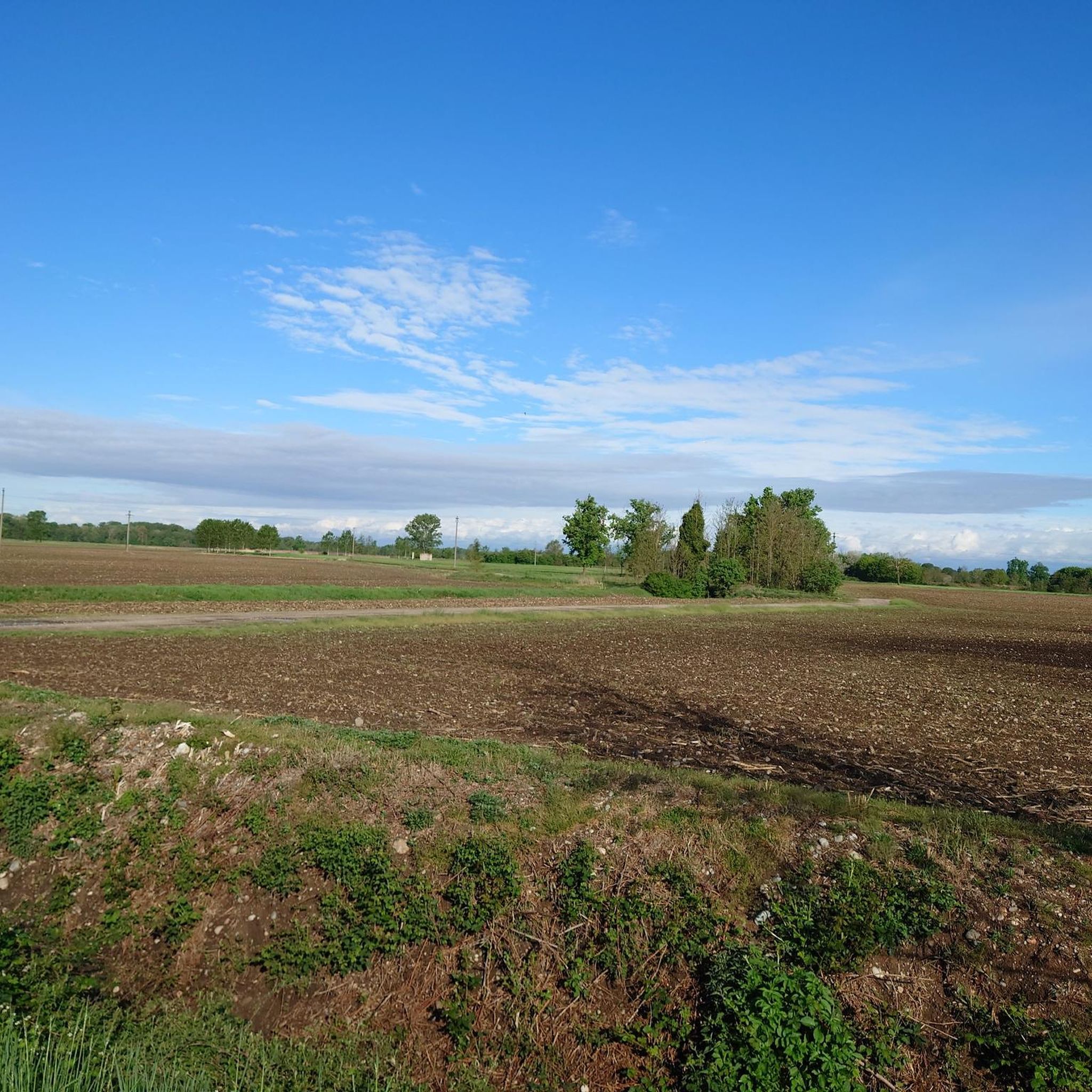
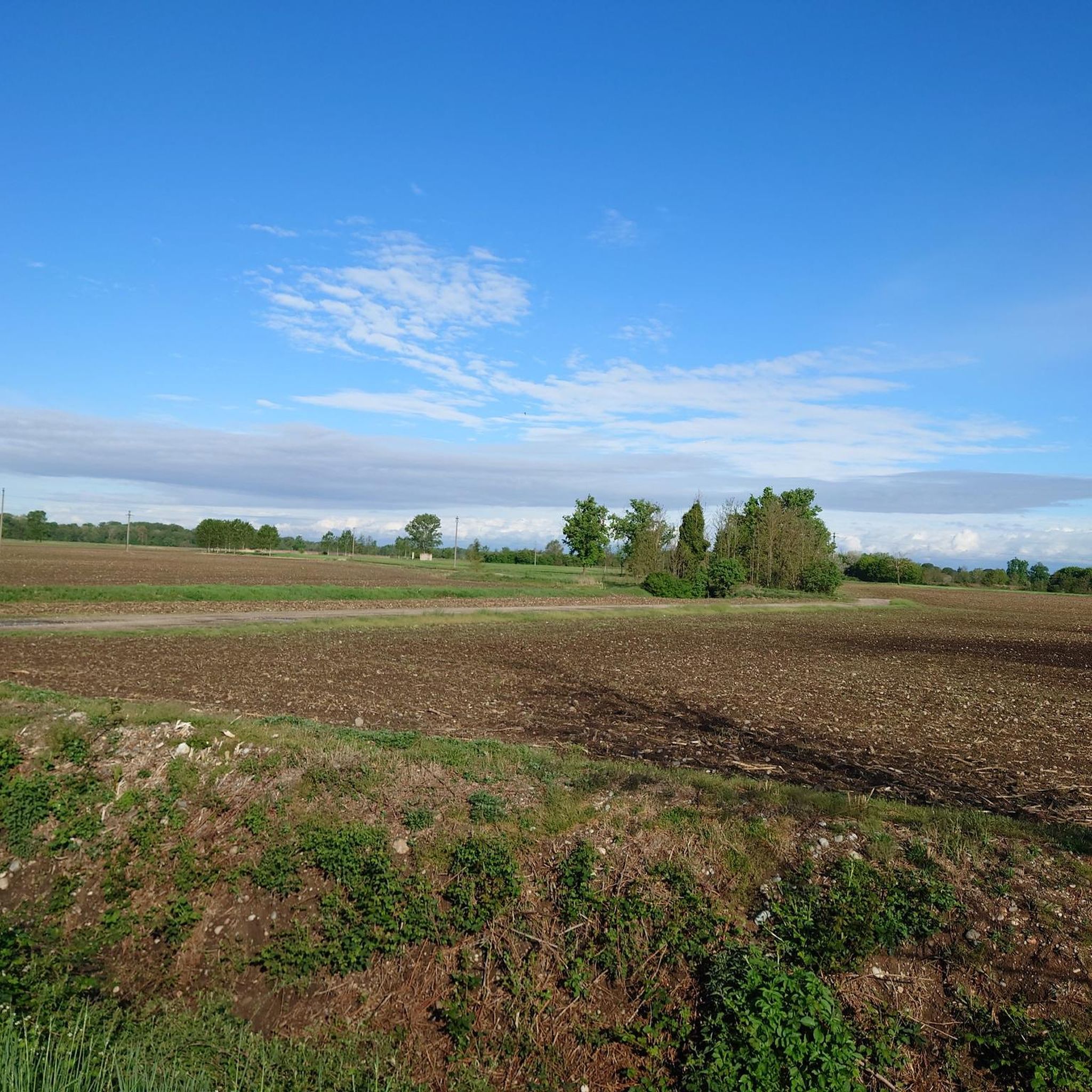
Villanova, a small hamlet of Cassolnovo
Highlight • Settlement
Translated by Google •
Tip by

Sign up now to discover places like this
Get recommendations on the best single tracks, peaks, & plenty of other exciting outdoor places.
Sign up for free
Visconti Castle of Abbiategrasso
Highlight • Castle
Translated by Google •
Tip by

Visconti Castle in Cusago
Highlight • Castle
Tip by

Villanova Castle
Highlight • Castle
Translated by Google •
Tip by

Sign up for free to discover even more castles around Robecco Sul Naviglio.
Sign up for free
Already have an account?
Start today with a free account
Your next adventure awaits.
Login or Signup

Tips from the Community

Admire the Visconti Castle of Abbiategrasso
1
0

Place of cultural, historical, architectural and tourist interest Via del Castello, 5, 27023 Villanova PV
1
0

Small, very quiet hamlet, characterised by an ancient castle!
0
0

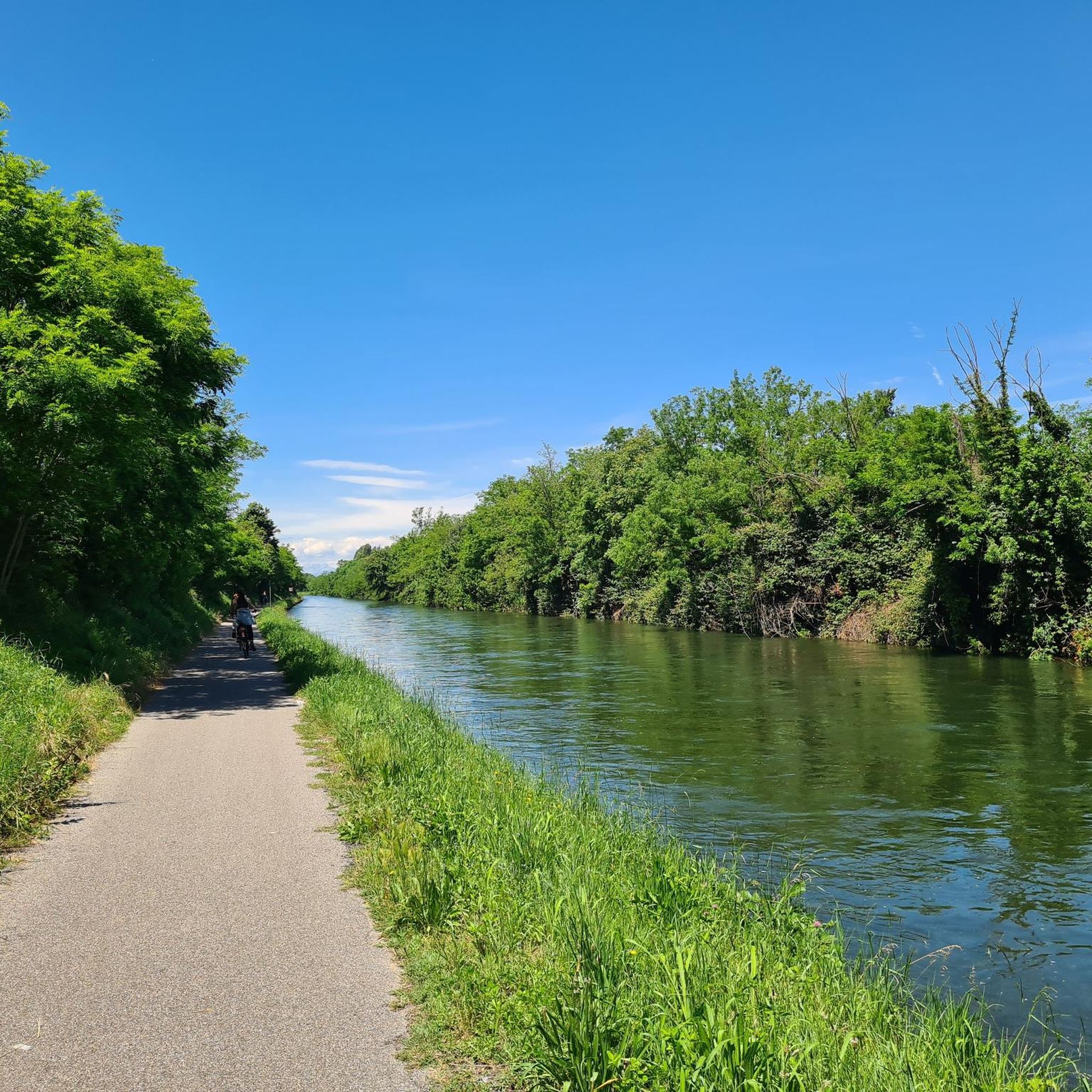
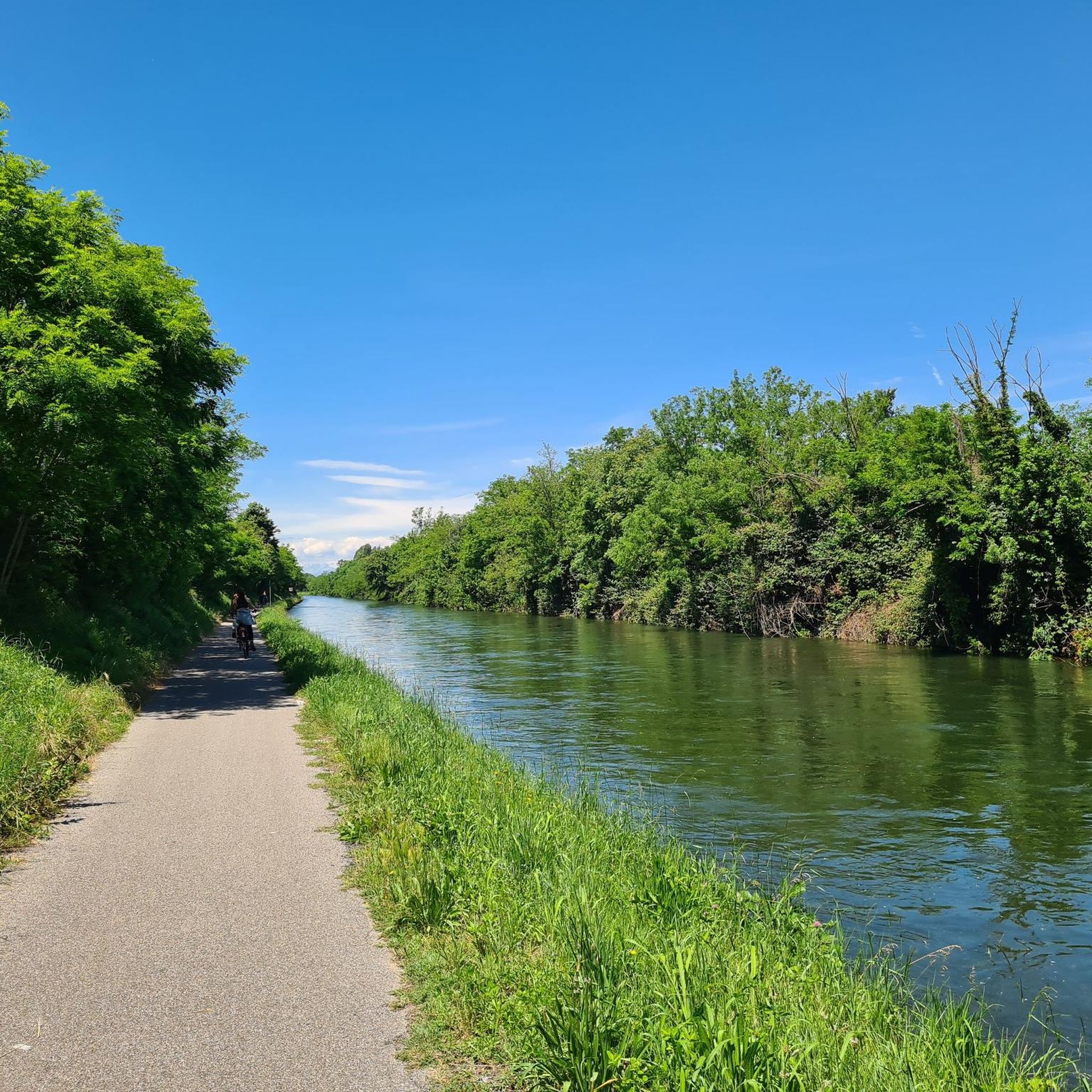
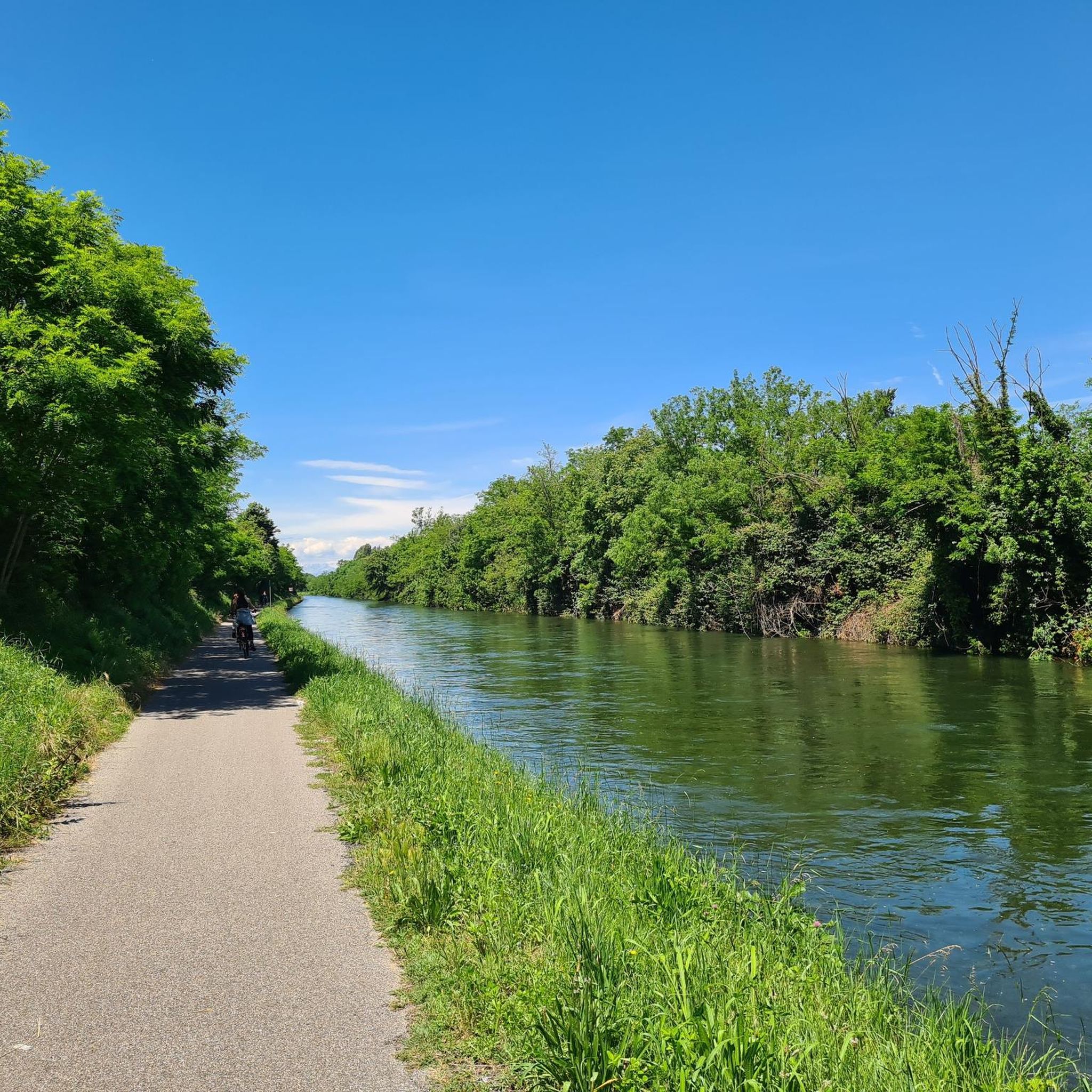
Beautiful view of the Archinto palace from the Naviglio towpath, starting point for several tours of the area.
1
0

The Visconti castle in Abbiategrasso is a medieval castle built since 1381. It is one of the first Visconti castles built on a quadrangular base, an architecture that would later become typical of Visconti castles.
2
0

Palazzo Archinto, or Castello di Robecco sul Naviglio, is an imposing castle overlooking the waters of the Naviglio Grande in Robecco. It was built at the beginning of the 18th century and today a quarter of the initial project (never completed) remains clearly visible.
6
0

Villanova is a small fraction of the Municipality of Cassolnovo. In addition to this church there is also the castle where Ludovico il Moro is said to have been born. L? building dates back to the century. XIV subsequently restored in 1455 and rearranged by the Gonzagas of Mantua in the sec. XVI, typical rural fortification of the Visconti-Sforza period, with a square layout with a central courtyard, four towers on the corners and an entrance tower with a drawbridge. While the towers and the bodies of buildings have no crenellations, perhaps removed in the arrangement carried out by the Gonzagas, the entrance tower still retains the crenellations and traces of the drawbridge. Even on one of the four corner towers there are remains of a drawbridge. The facades have lowered arch windows and decorations with a geometric motif painted in red and white vertical diamonds. There are wooden balconies on the facade towards the courtyard. Behind the town of Villanova there is also a cemetery in a complete state of abandonment.
0
0
Frequently Asked Questions
What kind of historical buildings can I expect to find around Robecco sul Naviglio?
Robecco sul Naviglio is known for its magnificent 'villas of delight' (ville di delizia) rather than traditional medieval castles. These grand residences, often built on earlier fortified sites, served as country retreats for Milanese nobility and offer a glimpse into opulent historical lifestyles. You'll find structures with castle-like appearances and rich architectural beauty along the Naviglio Grande.
Which specific historical villas or castle-like structures are notable in the area?
Key historical sites include Palazzo Archinto, which is often mistaken for a castle due to its impressive facade and two towers. Other significant villas are Villa Gaia Gandini, one of the oldest buildings along the Navigli canals, and Villa Gromo di Ternengo, known for its classical U-shaped layout and preserved walled park.
What is the historical significance of Villa Gaia Gandini?
Villa Gaia Gandini dates back to the 14th century and was originally a 'Villa di delizia' for noble leisure. It served as a hunting residence for Ludovico il Moro in the late 15th century, earning it the name 'Villa Gaia' (Joyful Villa). It has been owned by illustrious Milanese families and evolved from a medieval fortilice into a grand villa. Visitors can sometimes access its magnificent park, even by boat.
What makes Villa Gromo di Ternengo a unique place to visit?
Villa Gromo di Ternengo has ancient roots, possibly from the early Middle Ages, and stands on a site once occupied by a fortified outpost. The villa, as it appears today, is the result of 17th-century renovations, featuring a classical U-shaped layout typical of the era. It boasts a splendid, well-preserved walled park and even hosted the renowned Italian poet Gabriele D'Annunzio.
Are there any other castles nearby, outside of Robecco sul Naviglio itself?
Yes, you can visit the Visconti Castle in Cusago, which served as a hunting retreat for the Visconti Family and is currently undergoing restorations. Another notable site is the Visconti Castle of Abbiategrasso, a medieval castle built in 1381, known for its quadrangular base, an architectural style that became typical of Visconti castles.
What outdoor activities can I do near these historical sites?
The area around Robecco sul Naviglio and the Naviglio Grande is excellent for outdoor activities. You can find numerous cycling and MTB routes. For example, there are routes like the 'Naviglio Grande Cycle Path' or 'MTB between the Navigli and the countryside of the Parco Agricolo Sud Milano'. You can explore more options in the Cycling around Robecco Sul Naviglio or MTB Trails around Robecco Sul Naviglio guides.
Are there family-friendly activities or sites among the castles and villas?
Many of the historical sites, including Palazzo Archinto, Robecco sul Naviglio Castle (also Palazzo Archinto), Visconti Castle of Abbiategrasso, and Visconti Castle in Cusago, are considered family-friendly. Their historical significance and picturesque settings along the Naviglio Grande offer engaging experiences for all ages, often with space for walks and exploration.
What is the best time of year to visit the castles and villas in Robecco sul Naviglio?
The best time to visit is generally during the spring (April-June) and autumn (September-October) months. The weather is pleasant for walking and cycling along the Naviglio Grande, and the natural surroundings are particularly beautiful. Summer can be warm, but the waterways offer a refreshing atmosphere. Winter visits are possible, but some outdoor areas might be less vibrant.
Can I find cafes or restaurants near these historical sites?
Yes, the area along the Naviglio Grande, especially in Robecco sul Naviglio, offers various cafes, pubs, and restaurants. For instance, near Palazzo Archinto, visitors have noted a bar on the opposite side of the canal. The charming towns along the canal provide ample opportunities for refreshments and local cuisine.
Are there good viewpoints to admire the historical buildings and the Naviglio Grande?
Absolutely. The entire stretch of the Naviglio Grande in Robecco sul Naviglio offers scenic views. Robecco sul Naviglio Castle (Palazzo Archinto) itself is described as an imposing structure overlooking the waters, providing scenic views. The paths along the canal offer numerous picturesque spots to admire the architecture and the tranquil waterway.
How long does it typically take to visit the castles and villas in the area?
The time required depends on how many sites you wish to visit and your mode of transport. For individual villas like Villa Gaia Gandini or Villa Gromo di Ternengo, a few hours might suffice if they are open for visitors. If you plan to explore multiple sites along the Naviglio Grande, perhaps by cycling or walking, you could easily spend a full day or even a weekend immersing yourself in the history and scenery.
Is public transport available to reach Robecco sul Naviglio and its historical sites?
Public transport options are available to reach Robecco sul Naviglio. From Milan, you can typically take a train to a nearby station and then connect via local bus services. While direct access to every single villa might require a short walk or taxi, the town center and main attractions along the Naviglio Grande are generally accessible.
Most popular routes around Robecco Sul Naviglio
Most popular attractions around Robecco Sul Naviglio

Get inspired with the komoot mobile app


Explore more
Looking for the best castles somewhere else? Discover other guides around Robecco Sul Naviglio:
