Top 7 Castles around Amalfi
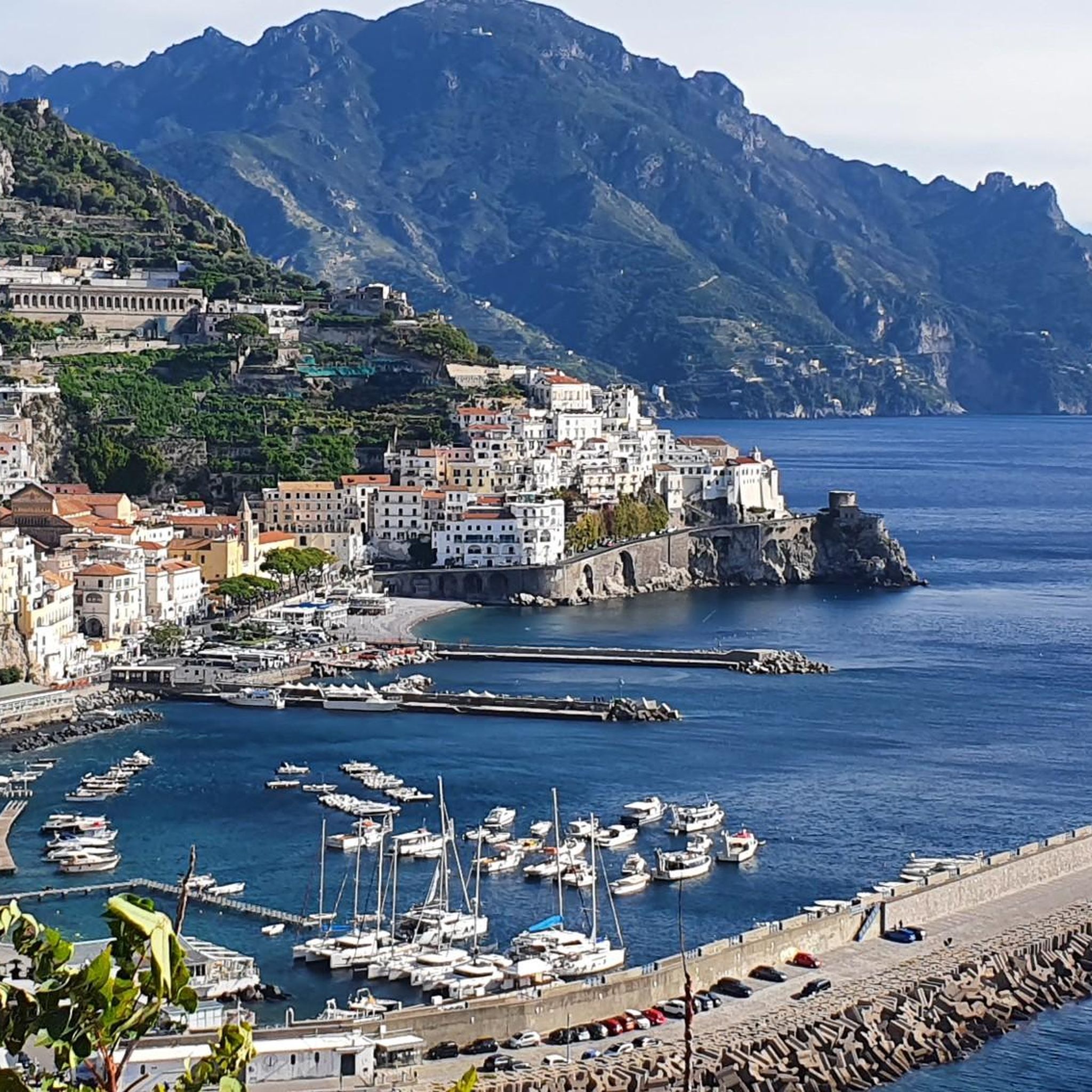
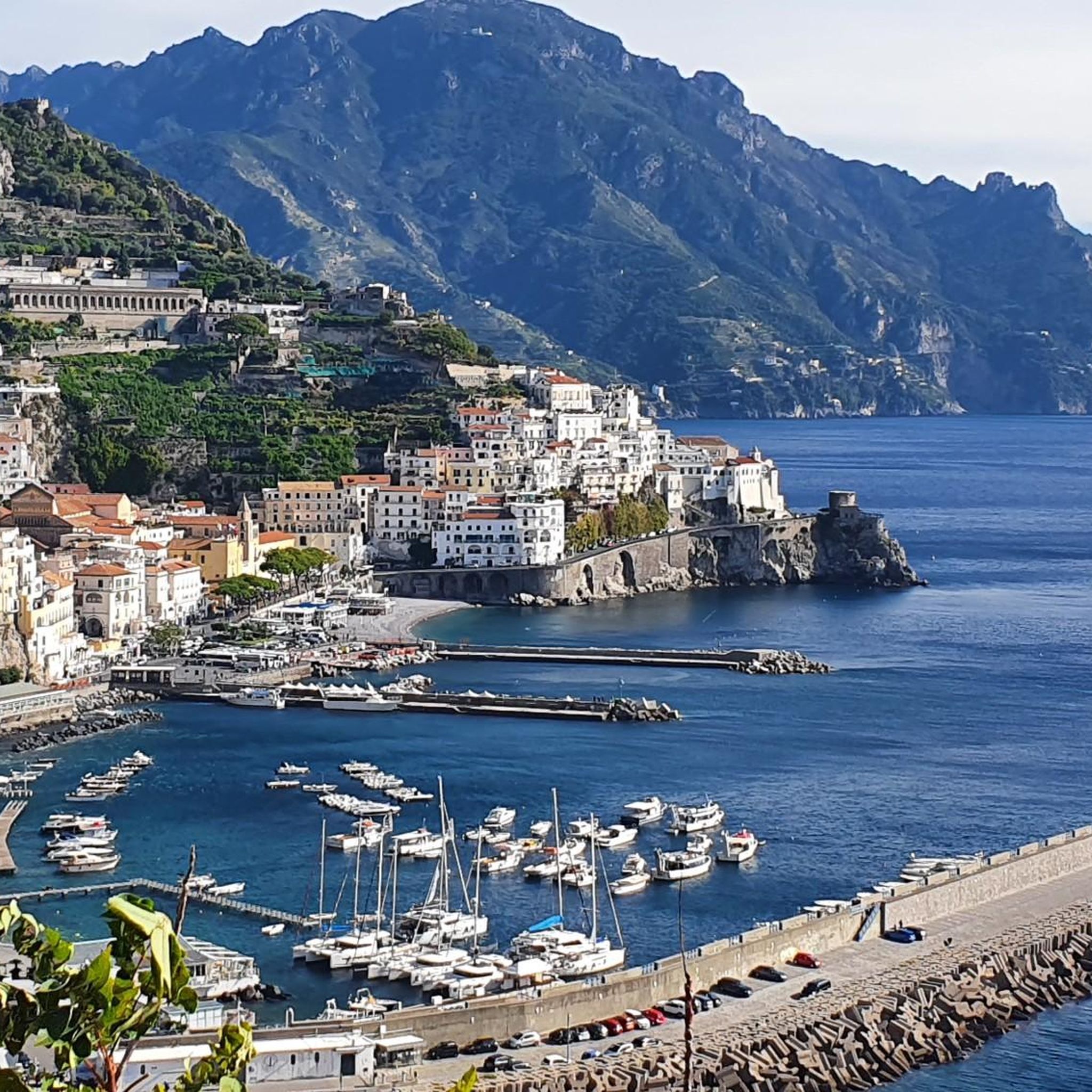
Castles around Amalfi offer a historical perspective on this region known for its dramatic cliffs and picturesque towns. The area features several historically significant castles and fortified structures, providing insights into its past. These sites often boast strategic positions, offering extensive views over the coastline and valleys. The Amalfi Coast combines its natural landscape with a rich history of defense and noble residences.
Best castles around Amalfi
- The most popular castles is Villa Rufolo: Gardens and View of the Amalfi…
Last updated: August 24, 2026
Villa Cimbrone Gardens
Highlight • Historical Site
Translated by Google •
Tip by

Lettere Castle
Highlight • Castle
Translated by Google •
Tip by

Sign up now to discover places like this
Get recommendations on the best single tracks, peaks, & plenty of other exciting outdoor places.
Sign up for free
Villa Rufolo: Gardens and View of the Amalfi Coast
Highlight • Historical Site
Translated by Google •
Tip by

Torre dello Ziro
Highlight • Monument
Translated by Google •
Tip by

Castello San Nicola de Thoro-Plano
Highlight • Castle
Translated by Google •
Tip by

Sign up for free to discover even more castles around Amalfi.
Sign up for free
Already have an account?
Start today with a free account
Your next adventure awaits.
Login or Signup
Other adventures around Amalfi

Tips from the Community

Amazing views from the tower of Almafi ‘s roof tops and the busy port.
0
0

fascinating watchtower that stands on the top of the mountain between Atrani and Amalfi, reachable via a wonderful path surrounded by greenery and offering surprising panoramic views
0
0

The Castle of Lettere and the remains of the cathedral represent the vestiges of ancient Lettere, when the territory was still part of the Duchy of Amalfi
0
0
The Torre dello Ziro rises on the rock spur that juts out towards the sea between Atrani and Amalfi. To get there you cross a narrow walkway, surrounded by crenellated walls, which connects the tower to the extreme point of the esplanade. The first information on this tower dates back to 1151, when it was still called "Rocca di S. Felice", while starting from 1292 it became Turris cziri.
1
0

The castle of Lettere was built around the tenth century to defend the borders of the northern part, it ensured control of the two sides of the Lattari Mountains.
1
0

A magnificent garden and an absolute must of a trip
0
0

Villa Rufolo is a building in the historic center of Ravello, a municipality in the province of Salerno, which overlooks the Cathedral in Piazza del Vescovado and whose initial layout dates back to the 13th century, with extensive 19th century alterations... https://it.wikipedia.org/wiki/Villa_Rufolo
3
1

From here it is possible to admire splendid panoramas with glimpses of Maiori. If you are lucky you will find the castle open. The small path that surrounds the walls is also beautiful
1
0
Frequently Asked Questions
Which castles around Amalfi offer the best panoramic views?
Several castles and fortified villas in the Amalfi Coast region are renowned for their breathtaking views. Villa Cimbrone Gardens in Ravello, perched 350m above sea level, offers unparalleled vistas from its iconic Terrace of Infinity, reaching Capri and Paestum on clear days. Similarly, Villa Rufolo, also in Ravello, provides extensive views from its Torre Maggiore. Further afield, Castello di Arechi in Salerno and Lettere Castle boast strategic hilltop positions with wide-ranging panoramas of the coast and surrounding valleys.
Are there family-friendly castles to visit near Amalfi?
Yes, several castles and historical sites are suitable for families. Villa Cimbrone Gardens and Villa Rufolo in Ravello are both listed as family-friendly, offering beautiful gardens and historical exploration. Lettere Castle is also noted as family-friendly, providing an engaging historical experience with impressive views.
What historical insights can I gain from visiting these castles?
The castles around Amalfi offer a deep dive into the region's rich history. For instance, Castello San Nicola de Thoro-Plano in Maiori is a well-preserved 9th-century medieval fortress that was integral to the defensive system of the ancient Maritime Republic of Amalfi, designed to protect against pirate and Lombard assaults. Castello di Arechi in Salerno, an 8th-century Lombard castle, houses a museum with artifacts like medieval coins and ceramics, providing a tangible link to its past.
What outdoor activities are available near the castles?
The region around Amalfi offers numerous outdoor activities. You can explore various hiking trails, such as the 'Valle delle Ferriere from Amalfi' or 'From Amalfi to Ravello', which are moderate in difficulty. For cycling enthusiasts, routes like 'Amalfi Drive: Amalfi to Positano' offer challenging rides with stunning coastal views. Mountain biking trails, including the 'Valle delle Ferriere Loop', are also available. You can find more details on these activities in the hiking, cycling, and MTB guides for Amalfi.
Which castles are easily accessible by public transport or offer parking options?
While specific parking details for each castle can vary, many locations on the Amalfi Coast are well-connected. For instance, Castello di Arechi is located in Salerno, a major city with good public transport links. Ravello, home to Villa Rufolo and Villa Cimbrone, is accessible by bus from Amalfi. For castles like Castello San Nicola de Thoro-Plano in Maiori, a bus ride or a scenic trek might be required to reach its strategic hilltop location.
What is the best time of year to visit the castles around Amalfi?
The Amalfi Coast generally enjoys a mild climate, making spring (April-May) and early autumn (September-October) ideal for visiting. During these periods, the weather is pleasant for exploring historical sites and gardens, and the crowds are typically smaller than in the peak summer months. Summer can be very hot and busy, while winter offers a quieter experience but with potentially fewer services available.
Are there any hidden gem castles or less crowded options?
While popular sites like Villa Rufolo and Villa Cimbrone attract many visitors, exploring locations slightly off the main tourist path can offer a more tranquil experience. Lettere Castle, for example, offers a splendid panoramic position and historical significance without the same level of crowds as the Ravello villas. Castello San Nicola de Thoro-Plano in Maiori, while well-known, also provides a genuine piece of Amalfi's defensive history that can be explored with fewer people.
What kind of architecture can I expect to see in the castles?
The castles around Amalfi showcase a range of architectural styles reflecting different historical periods. You'll find medieval fortresses like the 9th-century Castello San Nicola de Thoro-Plano, designed for defense with barracks and lodgings. Castello di Arechi is an 8th-century Lombard castle. Villas like Villa Rufolo and Villa Cimbrone, while dating back centuries, have undergone significant remodelling, blending historical elements with later architectural influences and exquisite gardens. Mezzacapo Castle in Maiori, built in the late 19th century, stands out with its unique light colors, harmonious shapes, and three cylindrical turrets reminiscent of Loire Valley castles.
Can I find any circular walks or trails that include castle visits?
Yes, the region offers opportunities for combining walks with castle visits. For example, the 'From Amalfi to Ravello' loop tour, a moderate 8.16 km hike, allows you to visit Ravello's notable sites like Villa Rufolo and Villa Cimbrone Gardens. The trek to Castello San Nicola de Thoro-Plano also offers a scenic journey with panoramic views. You can explore more hiking options in the Hiking around Amalfi guide.
What do visitors enjoy most about the castles around Amalfi?
Visitors consistently praise the stunning panoramic views offered by these historical sites, often described as 'incomparable' or 'one of the best in the world.' The meticulously maintained gardens, such as those at Villa Cimbrone, are also a major draw. The blend of historical significance, unique architecture, and natural beauty creates a captivating experience. Many appreciate the opportunity to explore genuine pieces of Amalfi's defensive history and the serene atmosphere these locations provide.
Are there any castles or towers with a focus on defensive history?
Absolutely. The Amalfi Coast is rich in defensive structures. Castello San Nicola de Thoro-Plano in Maiori is a prime example, built in the 9th century as a refuge for locals against pirate and Lombard attacks, featuring barracks, lodgings, and a water source for sieges. Lettere Castle was constructed around the 10th century to defend the northern borders of the Duchy of Amalfi. Additionally, Torre dello Ziro, dating back to the 12th century, stands on a rock spur between Atrani and Amalfi, showcasing its strategic defensive position.
What should I wear when visiting historic sites and castles in the Amalfi Coast?
Comfortable walking shoes are highly recommended, as many castles involve walking on uneven terrain, stairs, or through extensive gardens. Lightweight, breathable clothing is suitable for warmer months, while layers are advisable during spring and autumn. A hat and sunscreen are essential for sun protection, especially when exploring open-air sites with limited shade. If visiting religious sites within or near castles, modest attire covering shoulders and knees may be appropriate.
Most popular routes around Amalfi
Most popular attractions around Amalfi

Get inspired with the komoot mobile app


Explore more
Looking for the best castles somewhere else? Discover other guides around Amalfi:
