Top 8 Gorges around Agerola
Best canyons around Agerola are found in a region known for its dramatic natural landscapes, serving as a gateway to the Amalfi Coast's impressive gorges and valleys. This area is characterized by deep geological formations carved by water, offering unique ecological features and historical sites. The terrain includes towering cliffs, secluded beaches, and lush valleys, providing diverse environments for exploration. Agerola's position allows access to some of the most notable canyon-like features in the area.
Best canyons around Agerola
- The…
Last updated: August 24, 2026
Cave of the Madonna della Pace of Pietrapiana
Highlight • Cave
Translated by Google •
Tip by

Fiordo di Furore
Highlight • Gorge
Translated by Google •
Tip by

Sign up now to discover places like this
Get recommendations on the best single tracks, peaks, & plenty of other exciting outdoor places.
Sign up for free
Valle dei Mulini and Ruins of the Watermills
Highlight (Segment) • Historical Site
Translated by Google •
Tip by

Ancient fishing village of Furore
Highlight • Settlement
Translated by Google •
Tip by
Biscuit Cave
Highlight • Cave
Tip by

Sign up for free to discover even more gorges around Agerola.
Sign up for free
Already have an account?
Start today with a free account
Your next adventure awaits.
Login or Signup
Other adventures around Agerola

Tips from the Community

You can swim
1
0

A crack in the rock, immersed in wild nature that frames a small beach of just 30 metres.
0
0
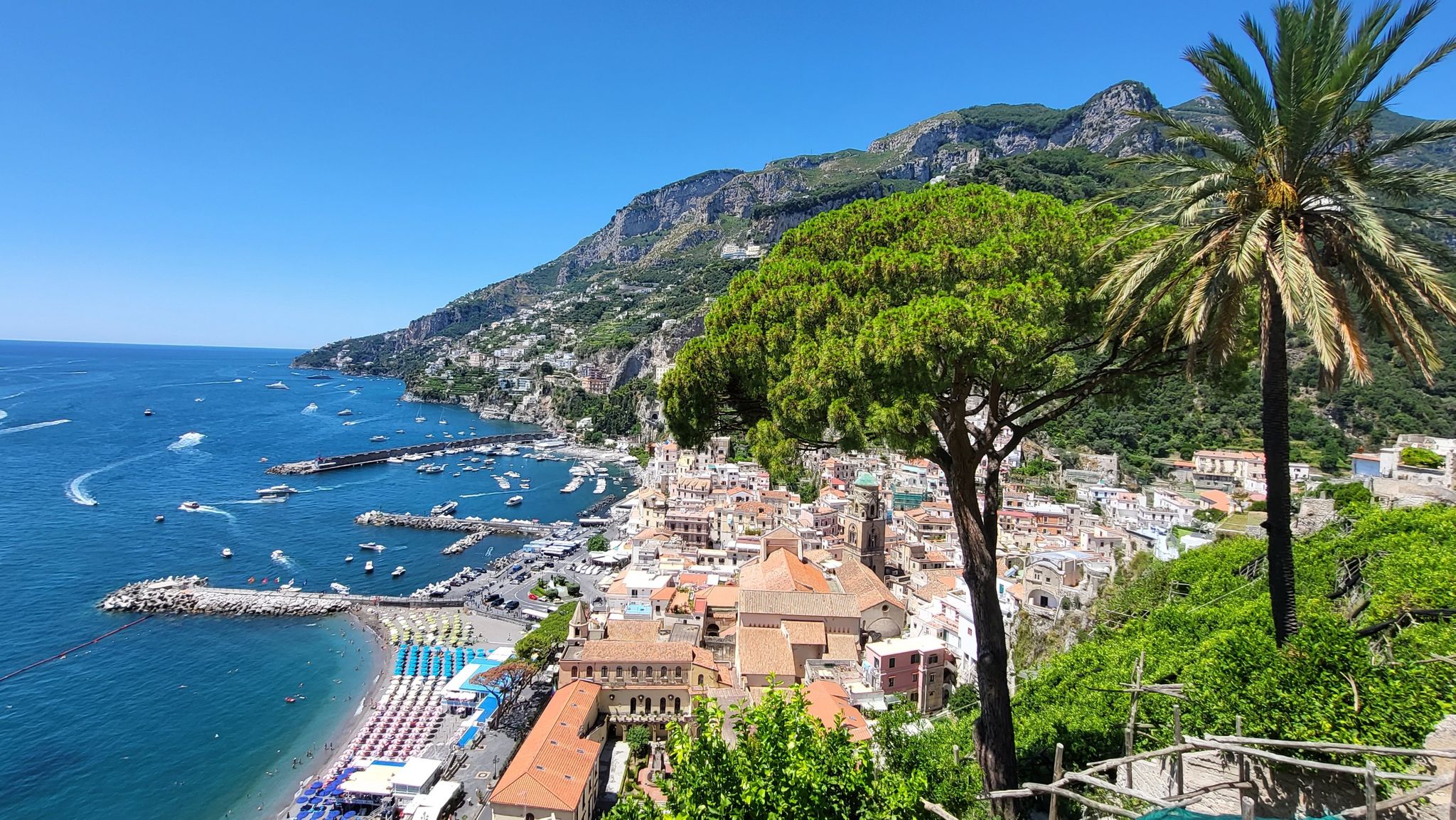
The village of Furore, part of the Amalfi Coast, is famous for the beautiful fjord on the sea.
1
1

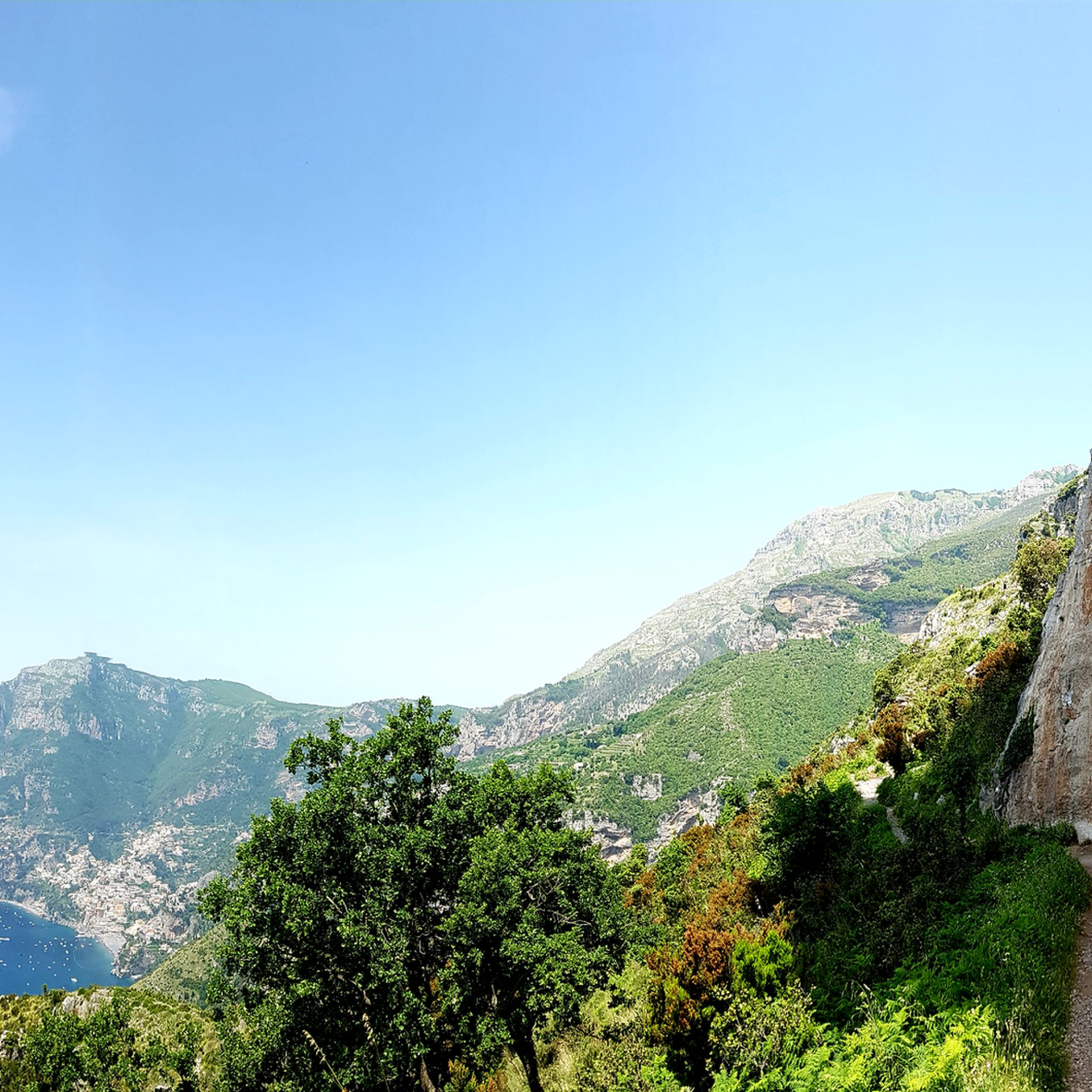
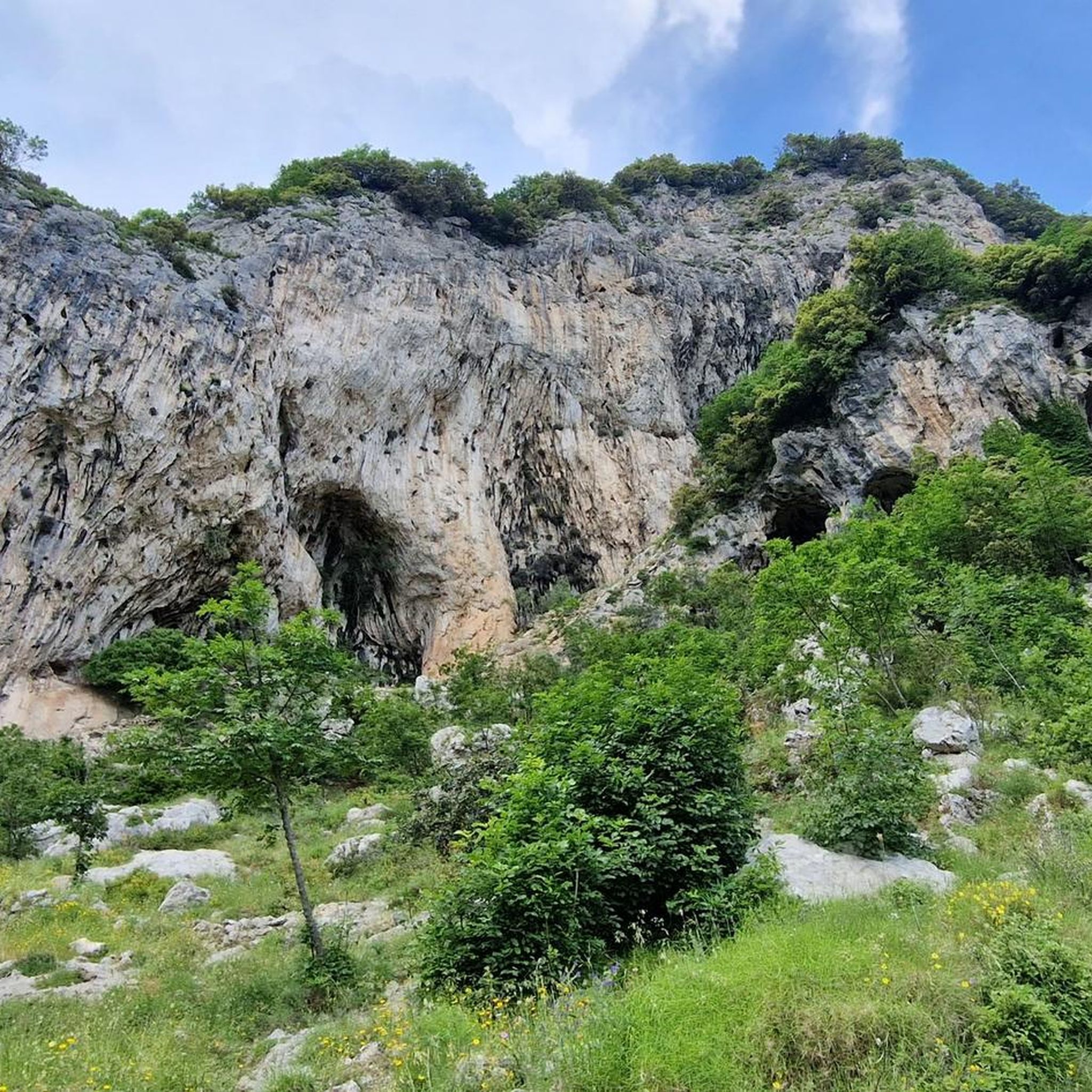
This cave is located right at the beginning of the Gods' Path.
0
0

The fjord represents one of the natural jewels of the Amalfi coast. Inserted by UNESCO, together with other places on the Amalfi Coast, in the world heritage sites in 1997, the Furore fjord consists of a deep crack in the rock at the bottom of which there is a 25 meter beach. Furthermore, Furore, with its 800-odd inhabitants, has become part of the "Most beautiful villages in Italy".
0
0

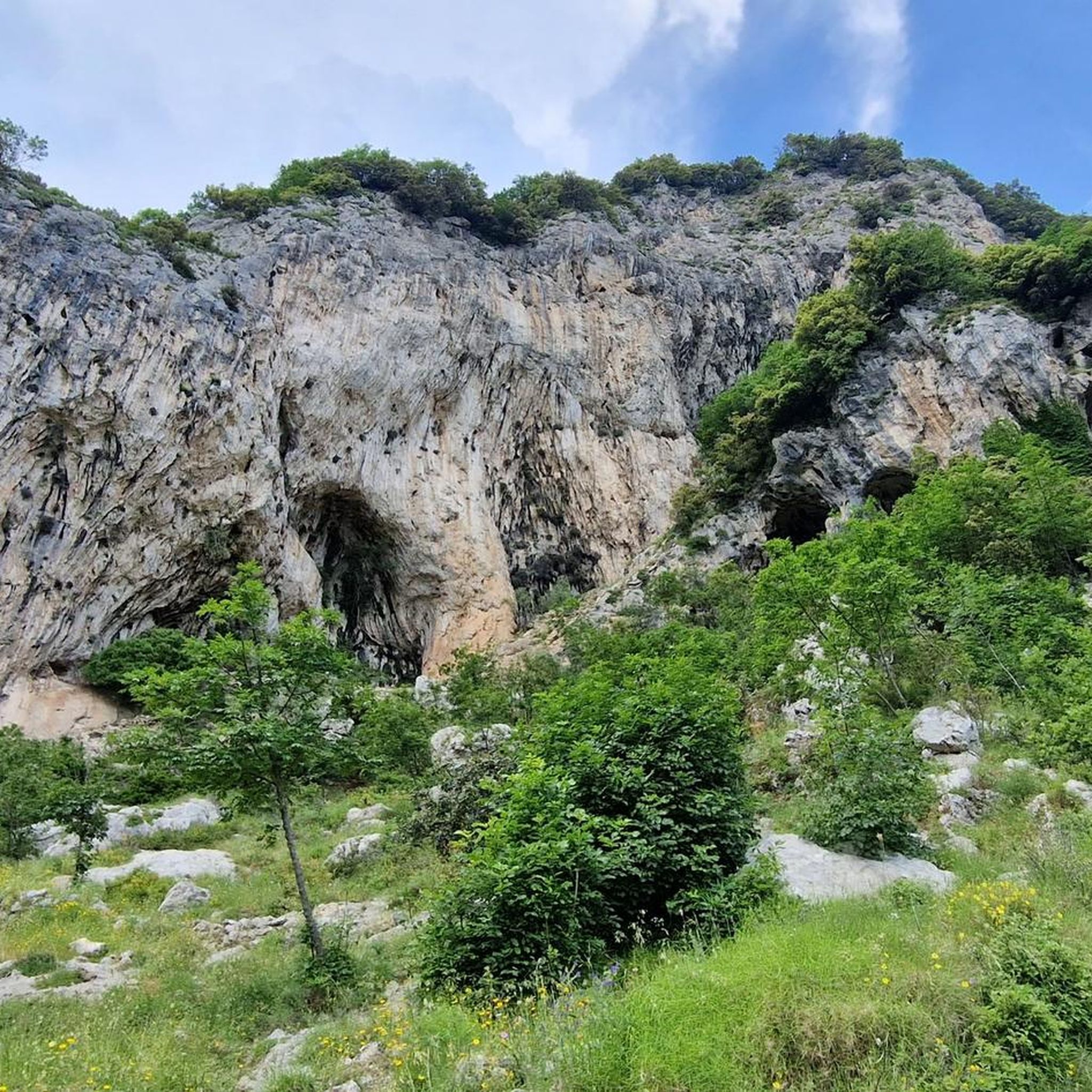
At this point, an extremely fascinating grotto invites hikers to take a little spiritual rest. In his text, Gennaro dell'Aglio vividly described the construction of this local sanctuary 35 years ago. In the rear, elevated part (which can be reached via a small ladder on the rock) there is a cross with a body. Further ahead there is a statue of the Mother of God Mary, which welcomes visitors. It has been invoked under countless titles throughout the history of the church, but especially in popular piety. Here it is the “Madonna della Pace”, or Mary as Queen of Peace.
3
0

The Fiordo di Furore is a narrow gorge with a bridge connecting the two banks and a rocky beach overlooking the sea.
2
0

Unique emotion in a sacred and beautiful place. On 8 May 1988 the first liturgy was celebrated by my uncle "Padre Vittorio Dell'Aglio" a Franciscan friar as a foretelling during the homily that the Grotta di Pietrapiana would be the destination of many devotees and visitors to pray to Our Lady of Peace. With my close friend Antonio Marra we set off from Nocera Inferiore to arrive in Pietrapiana bringing to the Madonna della Pace a small picture in memory of my uncle who unfortunately left his earthly life on 10 April 2002 with 50 years of priesthood. For me it was a beautiful particular tour but above all exciting in knowing and knowing the story of my uncle. I highly recommend visiting this spectacular place full of joy and peace.
4
0
Frequently Asked Questions
What are the most unique canyon-like features to explore around Agerola?
Agerola offers access to several unique natural formations. The Fiordo di Furore is a dramatic, narrow gorge with towering cliffs, a secluded beach, and a historic bridge. Another must-see is the Valle dei Mulini and Ruins of the Watermills, also known as the Valle delle Ferriere, which is a deep canyon with lush vegetation, waterfalls, and ancient industrial ruins.
Are there any historical sites within the canyons or gorges near Agerola?
Yes, the canyons around Agerola are rich in history. The Fiordo di Furore contains 'monazeni' (fishermen's tool sheds), a small rock church, and old paper mills. The Valle dei Mulini and Ruins of the Watermills (Valle delle Ferriere) is home to ruins of ancient paper mills, ironworks, and old aqueducts, testifying to the valley's industrial past. Additionally, the Biscuit Cave on the Path of the Gods features ancient cave dwellings.
What natural features can I expect to see on trails around Agerola's canyons?
The region boasts diverse natural features. You'll encounter towering rocky cliffs, secluded beaches like the one at Fiordo di Furore, and lush valleys with captivating waterfalls, such as the Canneto Waterfall in the Valle delle Ferriere. The unique microclimate supports rare flora, including the prehistoric fern *Woodwardia radicans*, and offers opportunities to observe unique fauna like rare salamander species.
What is the best time of year to visit the canyons and gorges near Agerola?
The best time to visit is generally during spring (April-May) and autumn (September-October) when the weather is mild and pleasant for hiking. Summer can be hot, but the shaded paths of the Valle delle Ferriere offer a refreshing escape. The Fiordo di Furore's unique shape means the sun only appears after noon, making it cooler even in warmer months.
Are there family-friendly hiking options near Agerola's canyons?
Yes, the hiking route from Agerola to the Valle delle Ferriere, which includes the Valle dei Mulini and Ruins of the Watermills, is considered to be of mild difficulty and is accessible for many outdoor enthusiasts, making it a good option for families. It offers shaded paths and the soothing sound of waterfalls.
What kind of views can I expect from viewpoints around Agerola's canyons?
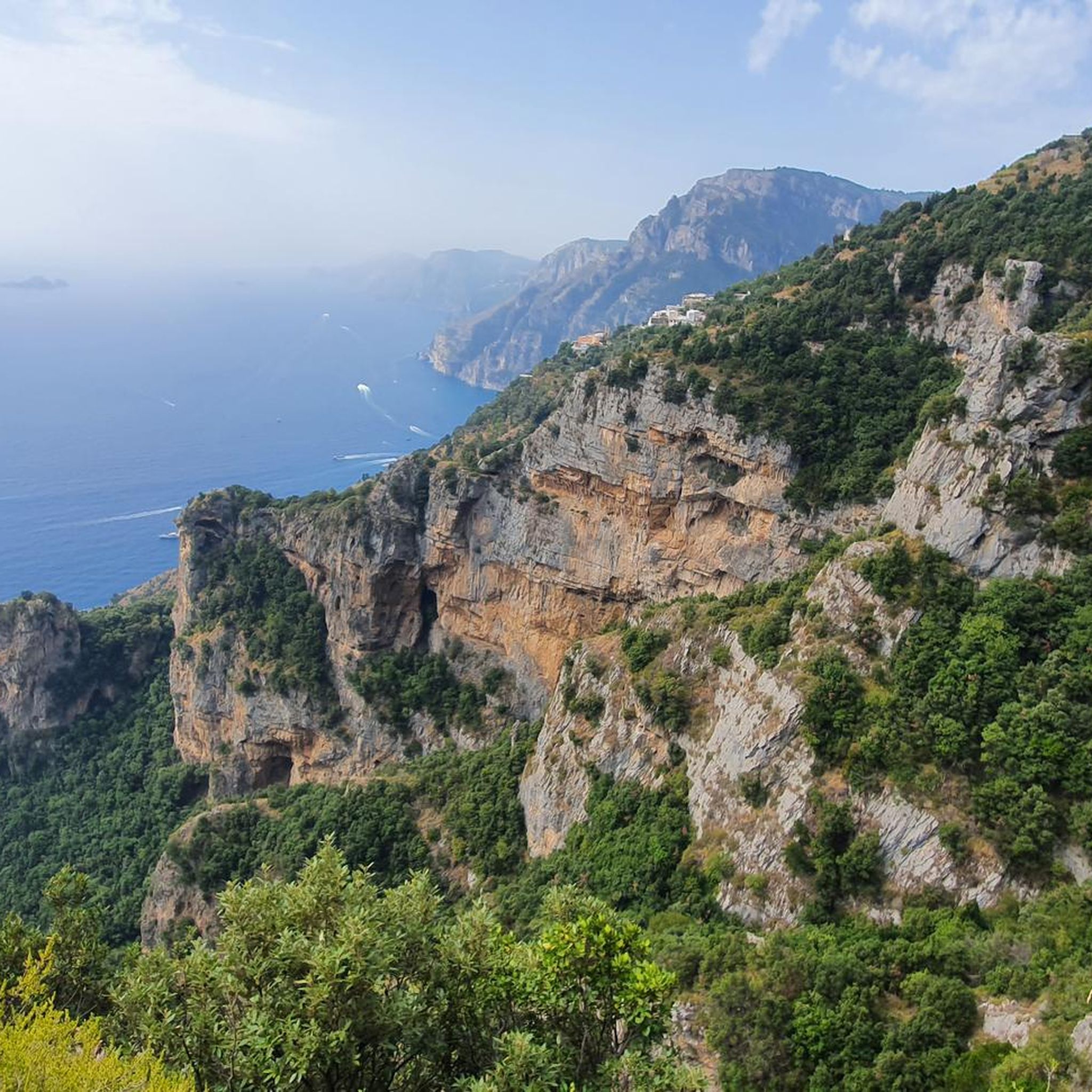
From various viewpoints, you can expect breathtaking panoramic views. The Cave of the Madonna della Pace of Pietrapiana offers stunning vistas of the Amalfi Coast, Cava, the Gulf of Salerno, and the Sarno valley with Vesuvius in the background. The Sentiero degli Dei (Path of the Gods), which starts near Agerola, provides unparalleled views of the Amalfi Coast, including Capri and its Faraglioni rocks.
What outdoor activities, besides hiking, can I do near the canyons of Agerola?
Beyond exploring the canyons on foot, Agerola is a great base for cycling. You can find various routes for touring bicycles and road bikes, such as the 'Amalfi Drive: Amalfi to Positano' or 'View of Amalfi – Fiordo di Furore loop from Amalfi'. For more details on cycling routes, refer to the Cycling around Agerola guide or the Road Cycling Routes around Agerola guide.
Are there running trails available near the canyons in Agerola?
Yes, there are several running trails in the vicinity. Routes like 'Nocelle – Arienzo Steps loop from Furore' or 'Colle La Serra loop from Agerola' offer challenging and scenic options for runners. You can find more information on these and other routes in the Running Trails around Agerola guide.
What is the 'Biscuit Cave' and where is it located?
The Biscuit Cave is a unique geological formation named for its resemblance to a local biscuit bread. It features cool cave and rock buildings clinging to the cliff. This cave is located right at the beginning of the famous Path of the Gods, near Bomerano in Agerola, making it a great starting point for that iconic hike.
What do visitors enjoy most about the canyons and gorges around Agerola?
Visitors particularly appreciate the dramatic scenery, the wild and untouched nature, and the unique geological formations. The blend of natural beauty with historical elements, such as ancient mills and dwellings, adds a rich layer to the experience. The tranquility and opportunities for stunning photography are also frequently highlighted.
Is canyoning an activity offered in the Agerola area?
While the region features deep gorges and valleys, specific organized canyoning tours are not prominently highlighted in the provided information. The focus is more on hiking and exploring the natural and historical aspects of these canyon-like formations.
How can I access the Fiordo di Furore?
The Fiordo di Furore can be accessed from the sea side or by descending many steps from the coastal road. It is surmounted by a natural rocky arch and a bridge that connects the two banks, offering iconic views. From Agerola, hikers can embark on a journey to the fjord, winding through woods and ancient terraces.
Most popular attractions around Agerola

Get inspired with the komoot mobile app


Explore more
Already discovered everything in this region? See additional gorges around Agerola for your next adventure:
