Top 6 Gorges around Lurago D'Erba
Best canyons near Lurago D'Erba are found within the broader Lombardy region, as the municipality itself is characterized by a hilly landscape and panoramic views across five uplands. While its immediate vicinity offers green hills and distant mountain vistas, significant gorges and ravines are located nearby. These natural formations, often carved by torrents, provide wild and fascinating natural excursions. The area offers diverse geological features for exploration.
Best canyons around Lurago D'Erba
- The most popular canyons is Orrido del Caino…
Last updated: June 30, 2026
Wooden Ladder of the Orrido di Caino
Highlight • Structure
Translated by Google •
Tip by

Orrido del Caino
Highlight • Gorge
Translated by Google •
Tip by
Sign up now to discover places like this
Get recommendations on the best single tracks, peaks, & plenty of other exciting outdoor places.
Sign up for free
Valbasca Valley
Highlight • Gorge
Translated by Google •
Tip by

Iron Staircase of Val Bova
Highlight • Structure
Translated by Google •
Tip by
Roggia Cavolto
Highlight • River
Translated by Google •
Tip by

Sign up for free to discover even more gorges around Lurago D'Erba.
Sign up for free
Already have an account?
Start today with a free account
Your next adventure awaits.
Login or Signup

Tips from the Community

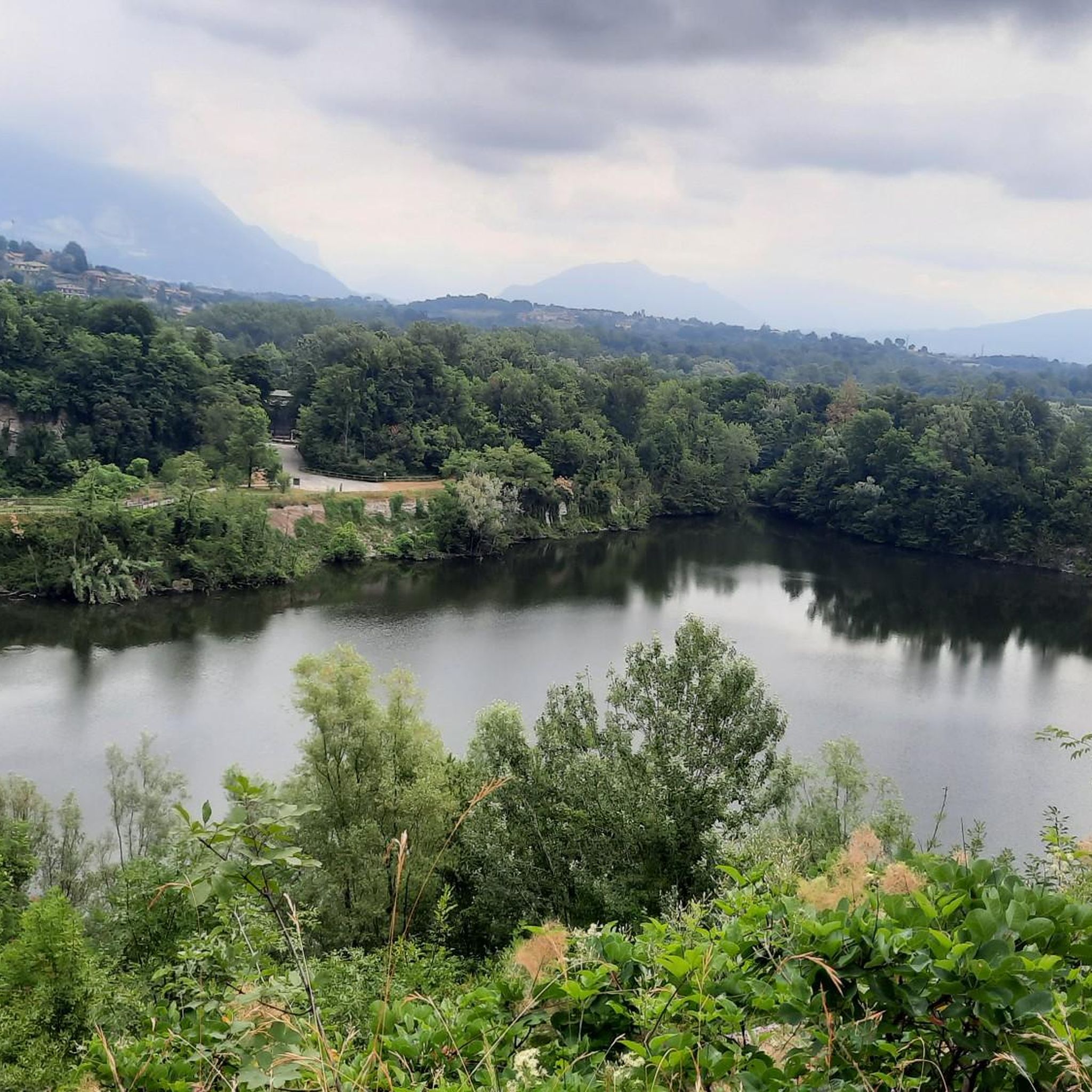
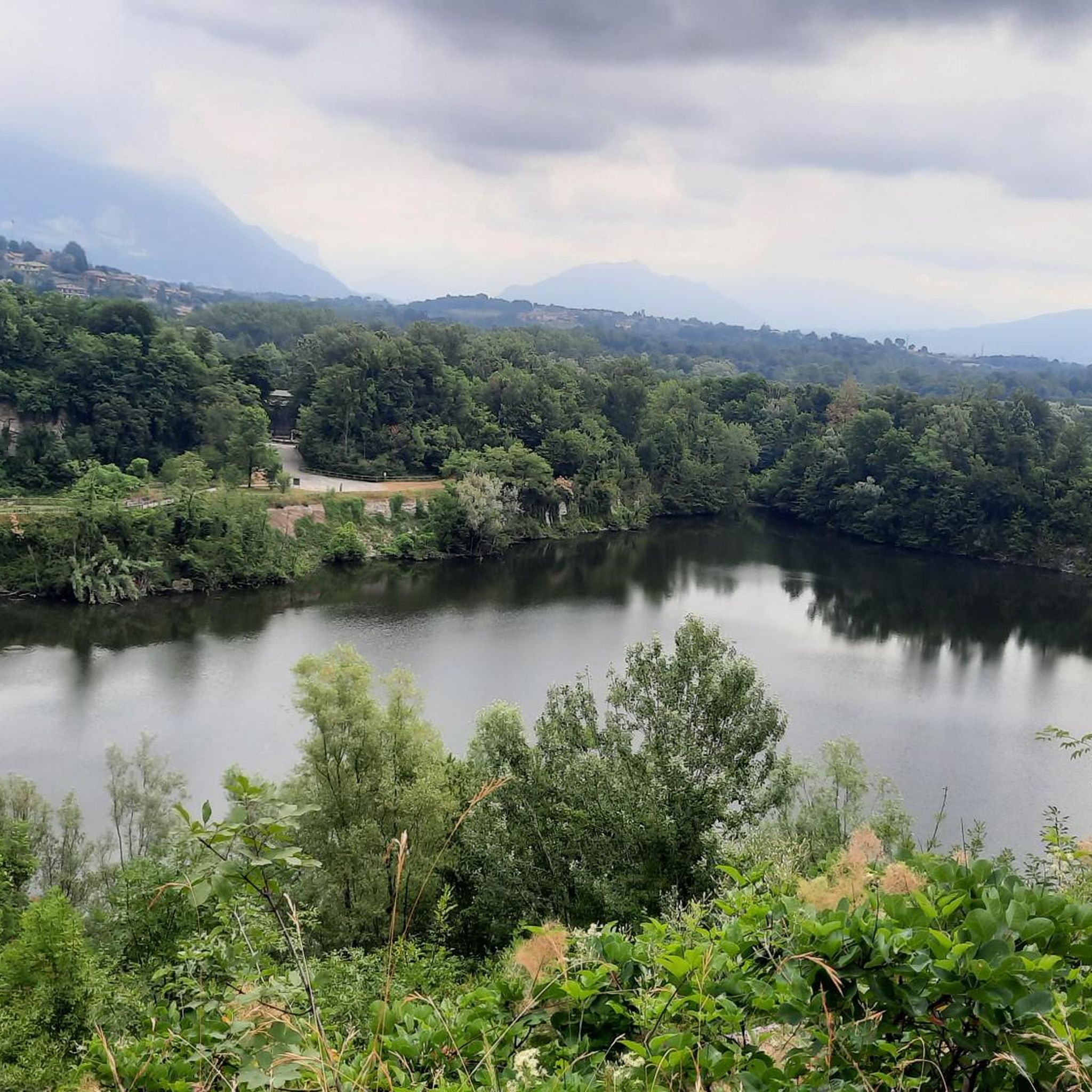
The stream divides the valley in two like a real canyon, creating a dense network of crevasses which over time have been connected by thick vegetation and, in the less accessible points, by man with wooden bridges. From the source flows the Bova torrent which, descending along the valley of the same name, flows into the Piana di Erba to then bend southwards and finally flows, as an tributary, into the Lambro river.
3
0
Wooden staircase that allows you to overcome the rocky overhang that from the bottom of the Bova valley rises above the ravine of Caino. Elevation of about fifteen meters. three ramps alternating with 2 landings. Possibility of securing to a fixed steel rope with harness. Access path protected by some chains, less demanding than the iron staircase opposite. Once you have passed the difference in level, you follow a path protected in the most exposed sections by a parapet. The path allows you to admire the gorge from above and join the path that arrives from the iron staircase. It is possible to descend from the iron staircase by completing a ring at the bottom of the valley or to climb further towards Mount Puscio or continue halfway up the slope towards the hermitage of San Salvatore
2
0
Staircase with two ramps built in iron. Once you have climbed and reached the top, following a path protected by a metal parapet, you arrive at the top of the Orrido di Caino. Access from the bottom of the valley to the stairway is along a steep and slippery path. The ascent is facilitated by the presence of steel chains.
0
0
The ravine of Cain is a gorge whose name derives from the fact that - a few centuries ago - brigands and criminals hid there
0
0

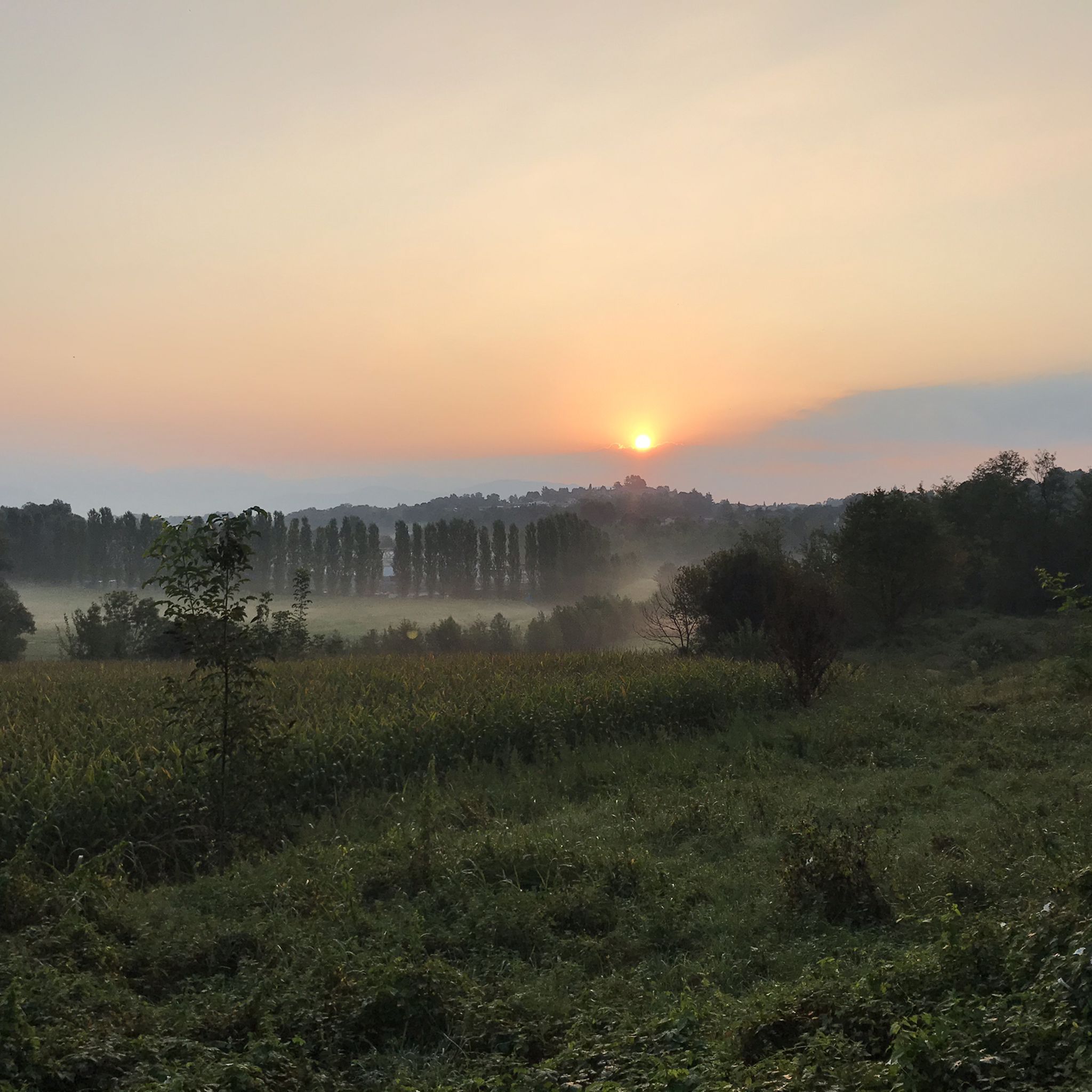
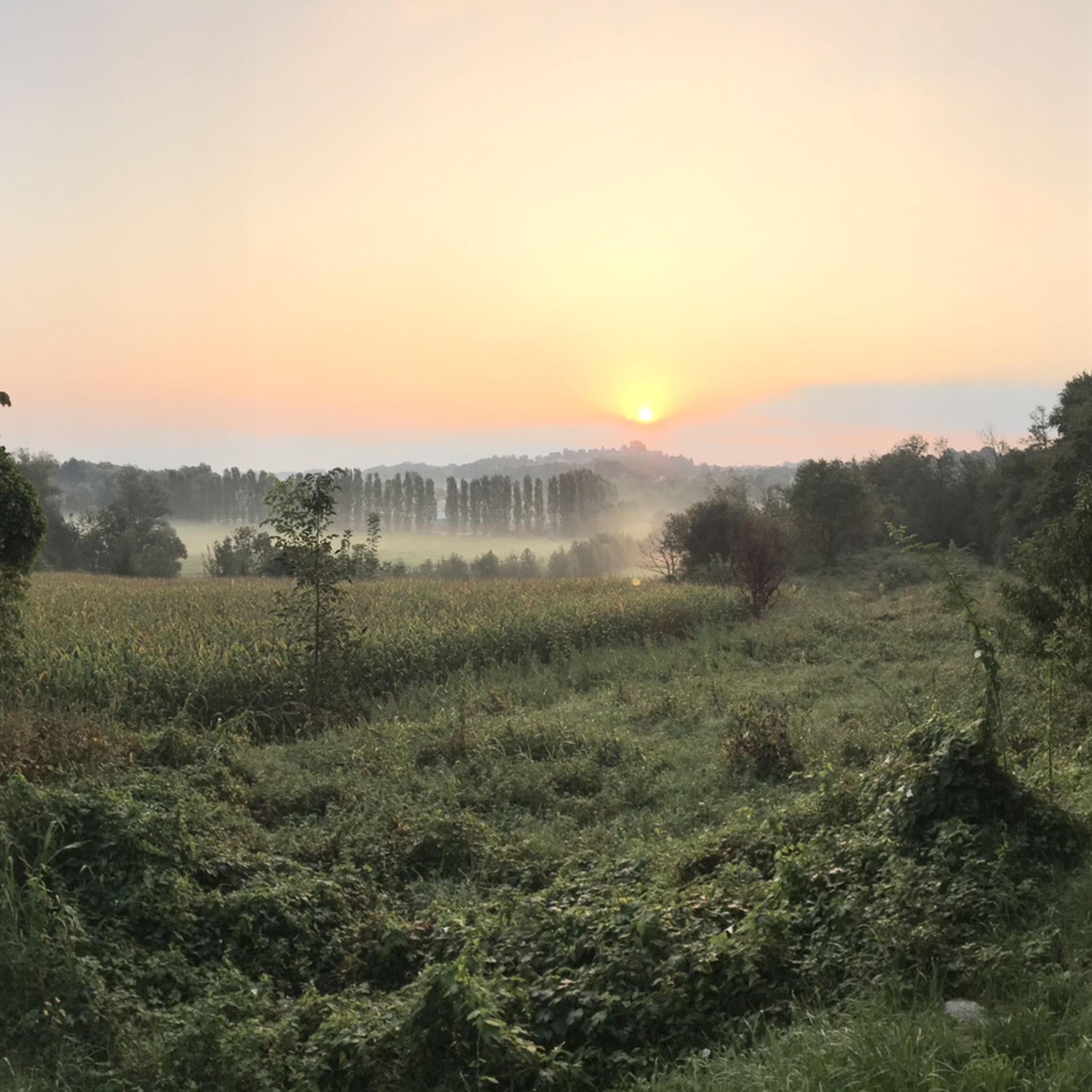
Valley bottom created by the Valbasca stream, which crosses broad-leaved woods alternating with areas open to meadows. Along the way there are the remains of the powder keg from World War II, now disused but in the process of being restored.
1
0

A small bridge crosses a stream carved into the rock, a suggestive corner that makes you forget that you are just a few meters from the city.
3
4
Frequently Asked Questions
What types of natural formations can I expect to see around Lurago D'Erba?
While Lurago D'Erba itself features a hilly landscape, the surrounding Lombardy region offers impressive gorges and valleys. You can explore stream-carved ravines like the Orrido del Caino, the scenic Valbasca Valley, and the picturesque Roggia Cavolto with its waterfall.
Are there any historical sites within the gorges near Lurago D'Erba?
Yes, several gorges have historical significance. The Orrido del Caino is known for its past as a hiding place for brigands. The Valbasca Valley contains the remains of a World War II powder keg. Further afield, the Gorge of Nesso on Lake Como was even mentioned by Leonardo da Vinci.
Are the gorges around Lurago D'Erba suitable for families?
Yes, some areas are suitable for families. The Valbasca Valley is categorized as family-friendly, offering broad-leaved woods and meadows. For more adventurous families, the Gorge of Caino has sections that can be explored, though some parts are more challenging.
What is the best time to visit the gorges near Lurago D'Erba?
The gorges, particularly those with flowing water like the Orrido del Caino and the Gorge of Bellano, are often best visited during warmer months when water levels are suitable for exploration and the surrounding vegetation is lush. Spring and early autumn generally offer pleasant temperatures for outdoor activities.
What kind of hiking trails can I find near these gorges?
You can find various hiking trails in the vicinity. For instance, the Orrido del Caino features challenging trails, including a wooden staircase and an iron staircase that allow you to navigate rocky overhangs and admire the gorge from above. The Valbasca Valley offers trails through woods and meadows. For more hiking options, explore the Hiking around Lurago D'Erba guide.
Are there any challenging sections or trails within the gorges?
Yes, the Orrido del Caino is known for its challenging sections. It features a wooden staircase and an iron staircase to overcome rocky overhangs, with some paths protected by chains or parapets. The access path to the iron staircase from the valley bottom can be steep and slippery.
Can I find waterfalls in the gorges around Lurago D'Erba?
Yes, the Roggia Cavolto features a beautiful waterfall where a small bridge crosses a stream carved into the rock. Further away, the Orrido di Bellano is famous for its thundering waterfall.
What other outdoor activities are available near the gorges?
Beyond exploring the gorges, the region around Lurago D'Erba offers a variety of outdoor activities. You can find numerous hiking trails, mountain biking routes, and road cycling routes, including scenic loops around nearby lakes like Lake Pusiano and Lake Alserio.
What do visitors enjoy most about the gorges near Lurago D'Erba?
Visitors appreciate the wild and fascinating natural excursions offered by these gorges. The unique geological formations, such as the dense network of crevasses in the Orrido del Caino, the historical elements in the Valbasca Valley, and the suggestive natural corners like Roggia Cavolto, are highly valued by the komoot community.
Are there any less crowded or 'hidden gem' gorges to explore?
While the Orrido del Caino is popular, its challenging sections might deter some, offering a more secluded experience for adventurous explorers. The Roggia Cavolto is described as a 'suggestive corner that makes you forget you are just a few meters from the city,' hinting at a more tranquil, local discovery.
Is public transport available to reach the gorges?
Specific public transport details for each gorge are not readily available. However, the gorges are generally located in natural areas that may require a combination of public transport to nearby towns and then walking or a short drive. It's advisable to check local transport options to Erba or Bellano for the respective gorges.
What are the main geological features of the gorges in this region?
The gorges in this region are primarily characterized by deep, narrow rock formations carved by torrents over time. Features include dense networks of crevasses, rocky overhangs, and stream beds that cut through broad-leaved woods. The Gorge of Bellano, for example, is known for its spectacular rock formations and thundering waterfall.
Most popular routes around Lurago D'Erba
Most popular attractions around Lurago D'Erba

Get inspired with the komoot mobile app


Explore more
Already discovered everything in this region? See additional gorges around Lurago D'Erba for your next adventure:
