Top 10 Castles around Mantova
Best castles around Mantova are situated in the Lombardy region of Italy, a city rich in history and culture. Mantova is characterized by its unique setting, surrounded by three artificial lakes fed by the Mincio River. This strategic location has shaped the development of its historical residences, which range from medieval fortresses to grand Renaissance palaces. The area offers a blend of architectural styles and historical significance, reflecting centuries of influence from the Gonzaga family.
Best castles around Mantova
- The…
Last updated: May 19, 2026
Castello di San Giorgio (Mantua)
Highlight • Castle
Translated by Google •
Tip by

Ducal Palace, Mantua
Highlight • Castle
Translated by Google •
Tip by

Sign up now to discover places like this
Get recommendations on the best single tracks, peaks, & plenty of other exciting outdoor places.
Sign up for free
Ducal Palace of Mantua
Highlight • Historical Site
Translated by Google •
Tip by

Mantua
Highlight • Settlement
Translated by Google •
Tip by

Rocca di Sparafucile
Highlight • Historical Site
Translated by Google •
Tip by
Sign up for free to discover even more castles around Mantova.
Sign up for free
Already have an account?
Start today with a free account
Your next adventure awaits.
Login or Signup
Popular around Mantova
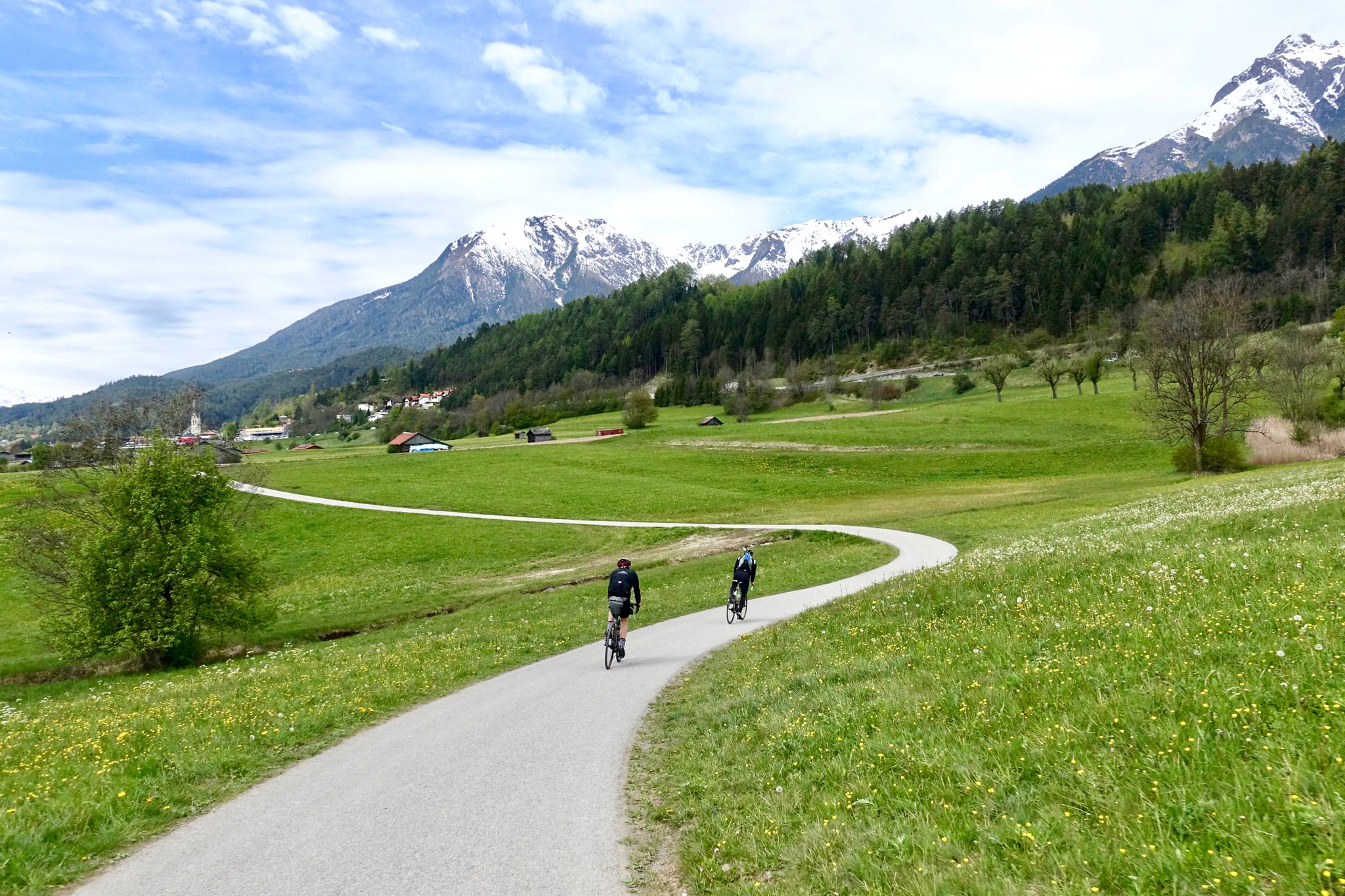
Rando Imperator — a road bike dream with gravel
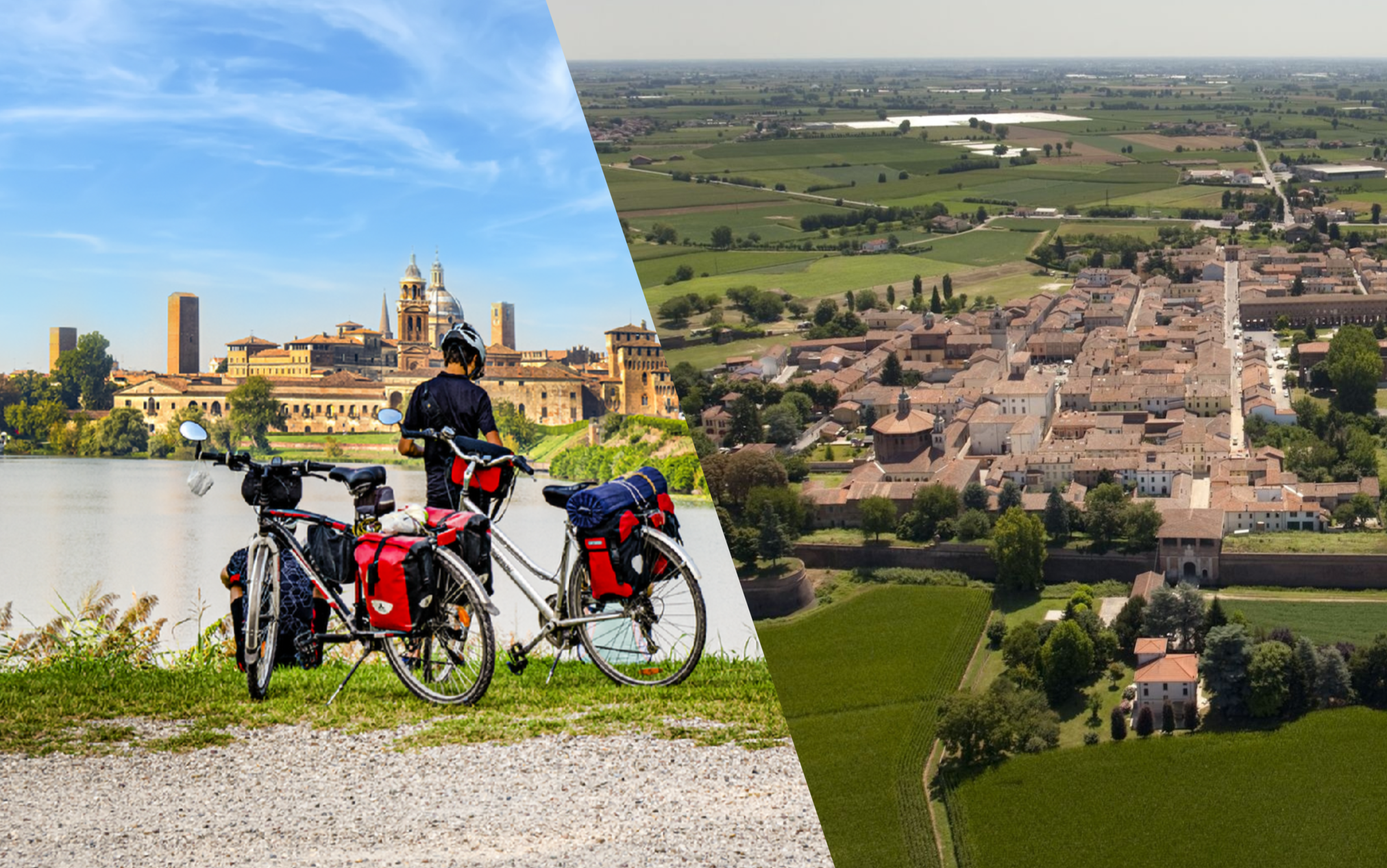
Cycling between the UNESCO Heritage towns of Mantua and Sabbioneta
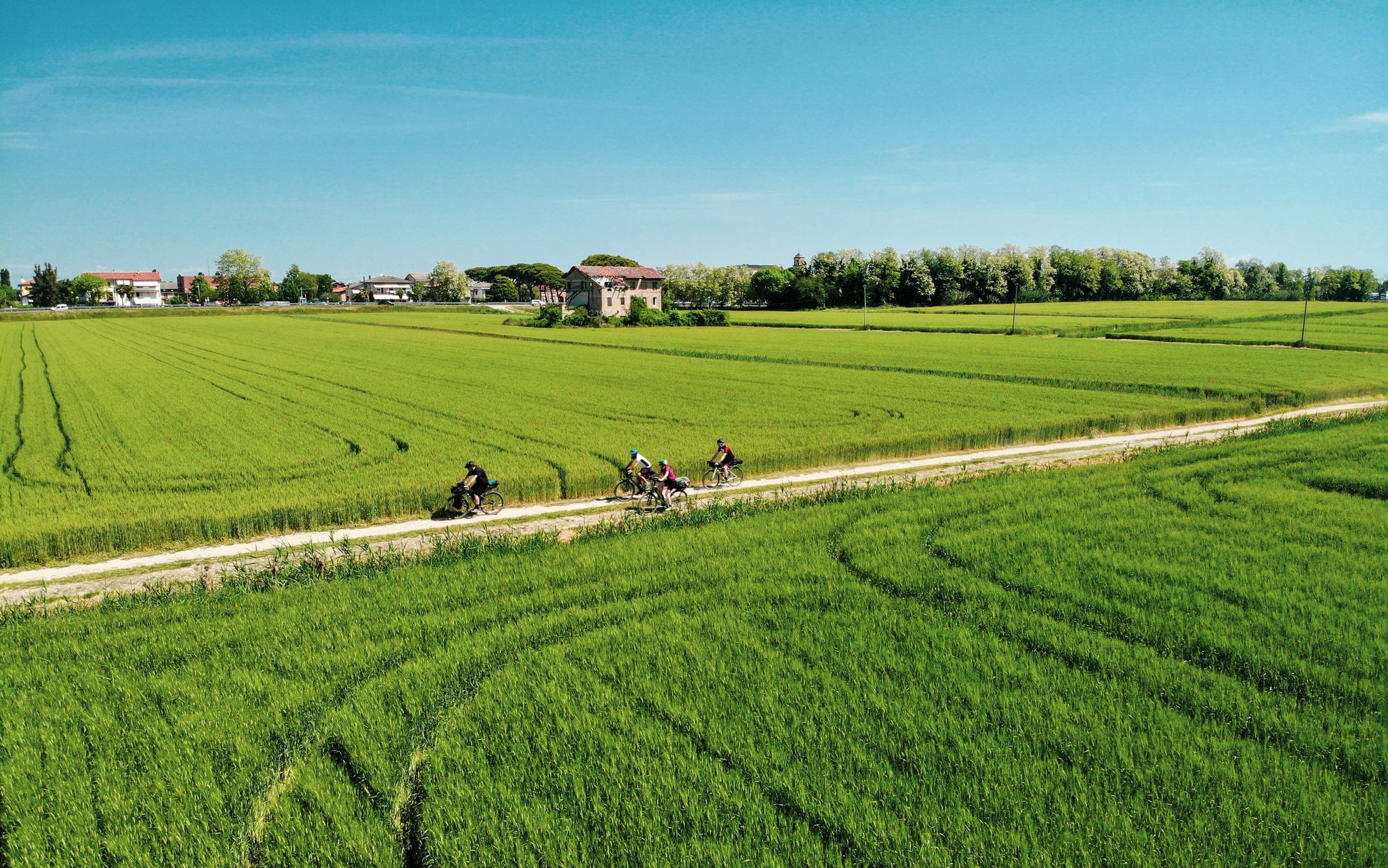
Ride through Italy’s Po Valley – a pilgrimage on the Via Postumia
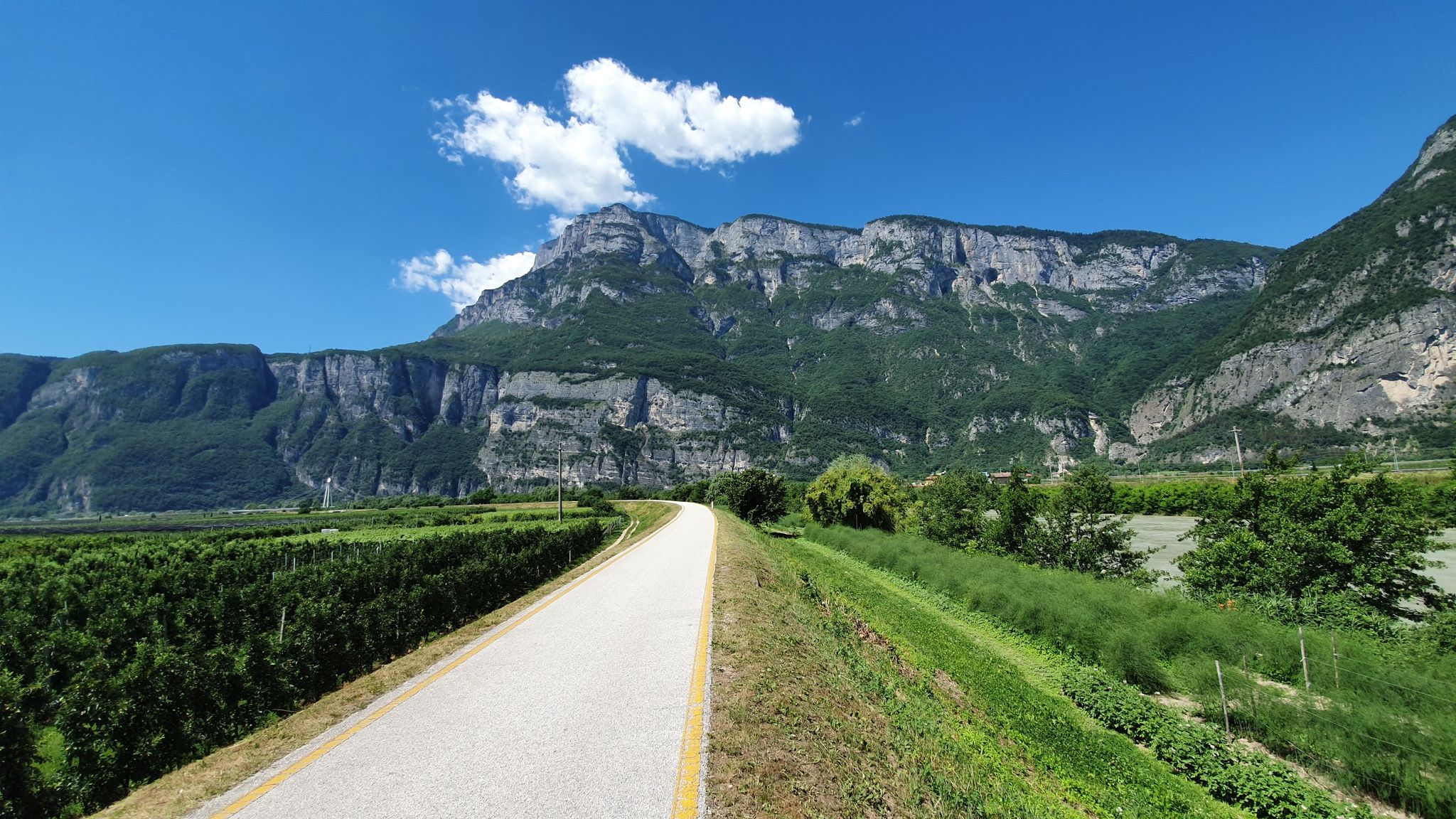
Ciclopista del Sole – Brenner Pass to Florence by bike
Florence to Bolzano – from the heart of Italy to the foot of the Dolomites
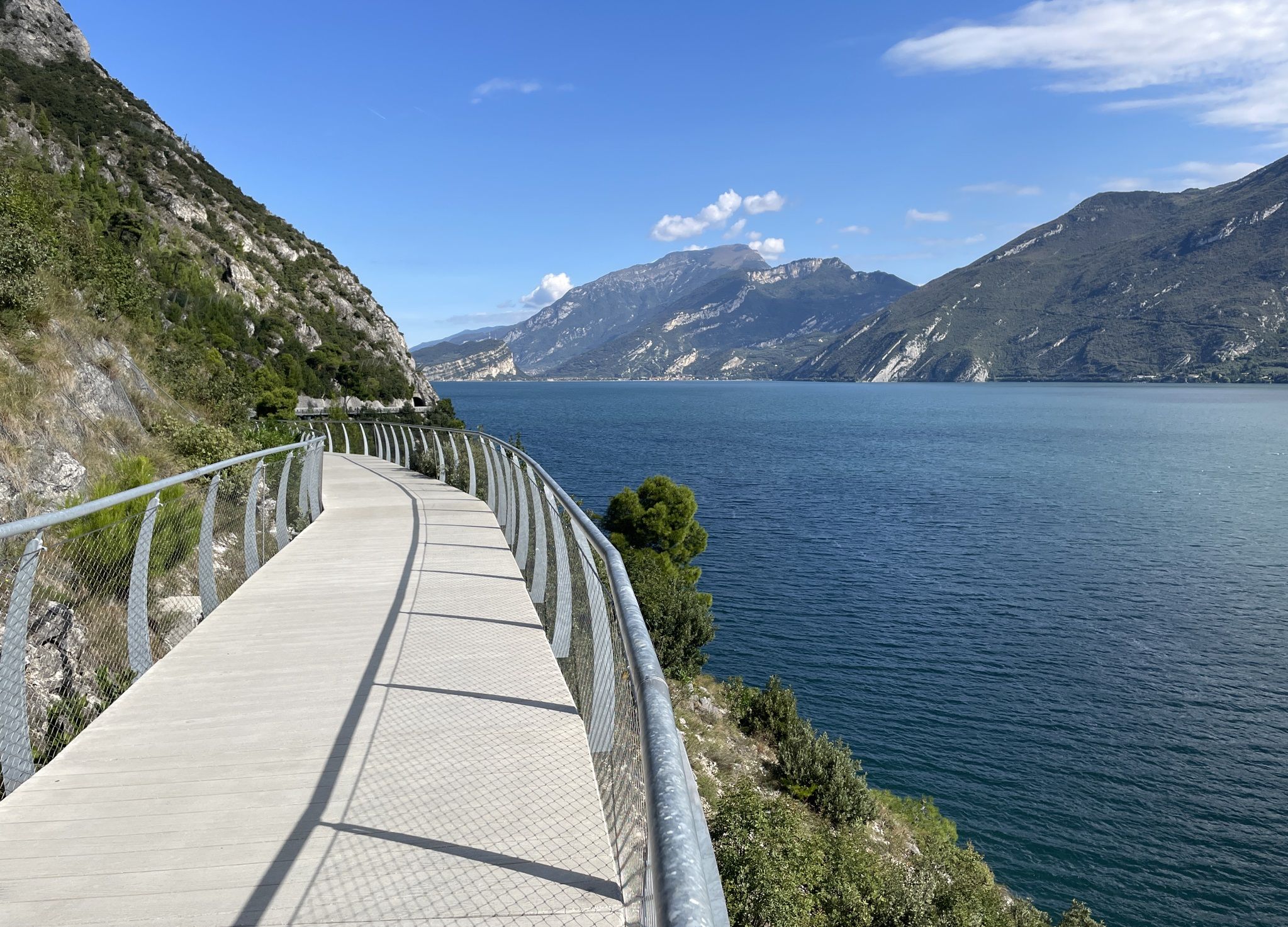
Mountains, plains, rivers and lakes — cycling in Italy’s Lombardy region

Gravel biking around Mantova
Other adventures around Mantova


Tips from the Community


The Ducal Palace was the main residence of the Gonzaga family, lords, marquises and finally dukes of the city of Mantua. It took the name of Royal Palace during the Austrian domination starting from the time of Maria Theresa of Austria. Distinct and separate rooms were built in different periods starting from the 13th century, initially by the Bonacolsi family and later at the instigation of the Gonzaga. It was Duke Guglielmo who commissioned the prefect of the Factories Giovan Battista Bertani to connect the various buildings in an organic form so as to create, starting from 1556, a single grandiose monumental and architectural complex, one of the largest in Europe (approximately 34,000 m²), which extended between the shore of the Lower Lake and Piazza Sordello, the ancient Piazza di San Pietro. After Bertani's death in 1576, the work was continued by Bernardino Facciotto who completed the integration of gardens, squares, loggias, galleries, exedras and courtyards, definitively establishing the appearance of the ducal residence. The interior of the palace is almost bare because once impoverished, the Gonzagas had to sell works of art (especially to Charles I of England) and furnishings, some of which were later stolen by Napoleon. The Palazzo del Capitano overlooking Piazza Sordello is the oldest building of the Ducal Palace commissioned by Guido Bonacolsi at the end of the thirteenth century. Initially built on two floors and separated from the Magna Domus by an alley, in the early 1300s it was raised by one floor and joined to the Magna Domus itself by the monumental façade with portico, which has essentially remained the same to this day. The second added floor consists of a single enormous hall (67 x 15 metres) called Dell'Armeria, also known as the Salone della Dieta, as it hosted the Diet of Mantua in 1459.
0
0

Frequently Asked Questions
What are the most historically significant castles and palaces in Mantova?
Mantova is rich in history, primarily due to the Gonzaga family. The most significant historical residences include the Castello di San Giorgio (Mantua), which was originally a defensive stronghold and later transformed into a luxurious residence, and the vast Ducal Palace, Mantua, which incorporates the Castello di San Giorgio and served as the Gonzaga family's official residence for centuries. Additionally, the Palazzo Te, a masterpiece of Mannerist architecture, offers a glimpse into the family's lavish lifestyle.
Are there family-friendly castles to visit in the Mantova area?
Yes, several castles and historical sites around Mantova are considered family-friendly. Both the Castello di San Giorgio (Mantua) and the Ducal Palace, Mantua are great options for families, offering extensive grounds and historical exhibits. The Rocca di Sparafucile is also a historical site that can be enjoyed by families.
What artistic highlights can I find within Mantova's castles?
The castles and palaces of Mantova are renowned for their art. The Castello di San Giorgio houses the famous Camera degli Sposi (Bridal Chamber) with breathtaking frescoes by Andrea Mantegna. The Ducal Palace features an extensive collection of artworks, including late-Gothic frescoes by Pisanello and Baroque paintings by Pieter Paul Rubens. Palazzo Te is celebrated for its Mannerist frescoes, particularly the dramatic Sala dei Giganti and the elegant Sala di Psiche.
What outdoor activities can I do near the castles around Mantova?
The area around Mantova offers various outdoor activities, especially cycling. You can find several gravel biking routes, such as the 'Vallazza Nature Reserve – View of the Forte di Pietole loop' or the 'Mantua Lakes Cycle Path – Sun Cycle Path'. These routes vary in difficulty from easy to difficult and allow you to explore the scenic surroundings. For more details on these routes, visit the Gravel biking around Mantova guide.
What is the 'city-palace' of Mantova?
The Palazzo Ducale, Mantua is often referred to as a 'city-palace' due to its immense and complex architectural ensemble. It covers approximately 35,000 square meters and includes over 500 rooms, 7 gardens, and 8 courtyards, making it one of the largest palaces in Europe. It served as the official residence of the Gonzaga family for centuries.
Where can I find panoramic views near Mantova's historical sites?
For panoramic views, the Rocca di Sparafucile, located on the northern end of the San Giorgio bridge, offers a great viewpoint as it serves as a gateway to Mantua. Additionally, the Castello di San Giorgio (Mantua) itself is categorized as a viewpoint, offering perspectives of the surrounding area.
What is the significance of Palazzo Te?
Palazzo Te is a unique suburban villa built for Federico II Gonzaga and designed by Giulio Romano. It is considered a masterpiece of Mannerist architecture, known for its elegant façades, intricate sculptures, and highly decorated interior rooms. It served as a pleasure palace and guest residence, showcasing the lavish lifestyle and artistic tastes of the Gonzaga family.
What architectural styles can be observed in Mantova's castles and palaces?
Mantova's historical residences display a rich blend of architectural styles. The Castello di San Giorgio combines medieval fortress architecture with significant Renaissance elements. The Palazzo Ducale complex showcases a blend of Renaissance, Gothic, and Baroque styles, reflecting centuries of construction. Palazzo Te is a prime example of Mannerist architecture.
What do visitors enjoy most about the castles around Mantova?
Visitors frequently praise the grandeur and beauty of Mantova's historical sites, particularly the Palazzo Ducale and the Castello di San Giorgio. Many appreciate the deep dive into history and art, especially the famous frescoes by Mantegna. The city of Mantua itself is often described as a 'real pearl' with a captivating skyline and wonderful squares, making the overall experience highly enjoyable.
Are there any UNESCO World Heritage Sites among Mantova's castles?
Yes, both the Castello di San Giorgio and the encompassing Palazzo Ducale complex are part of a UNESCO World Heritage Site. This designation recognizes their outstanding universal value as testaments to the power and artistic patronage of the Gonzaga family and their significant contribution to Renaissance art and architecture.
How long should I plan for a visit to Mantova's main historical residences?
Given the vastness of the Palazzo Ducale and the artistic treasures within the Castello di San Giorgio and Palazzo Te, you should plan at least a full day, if not more, to thoroughly explore these sites. The Palazzo Ducale alone, with its 500 rooms and multiple courtyards, can take several hours to navigate. Palazzo Te also warrants a dedicated visit to appreciate its unique Mannerist architecture and frescoes.
Most popular attractions around Mantova

Get inspired with the komoot mobile app


Explore more
Looking for the best castles somewhere else? Discover other guides around Mantova:
