Top 10 Castles around San Giorgio Di Mantova
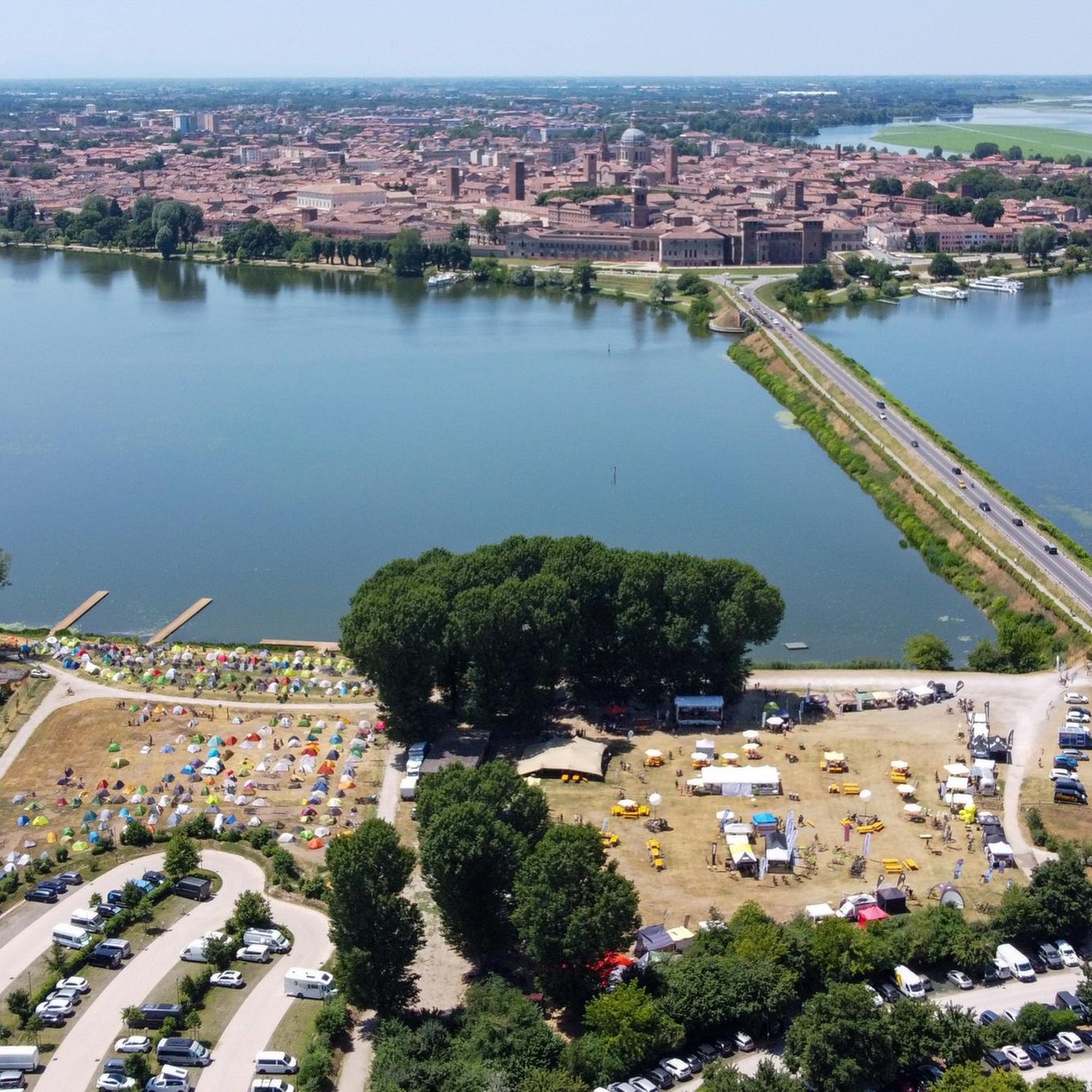
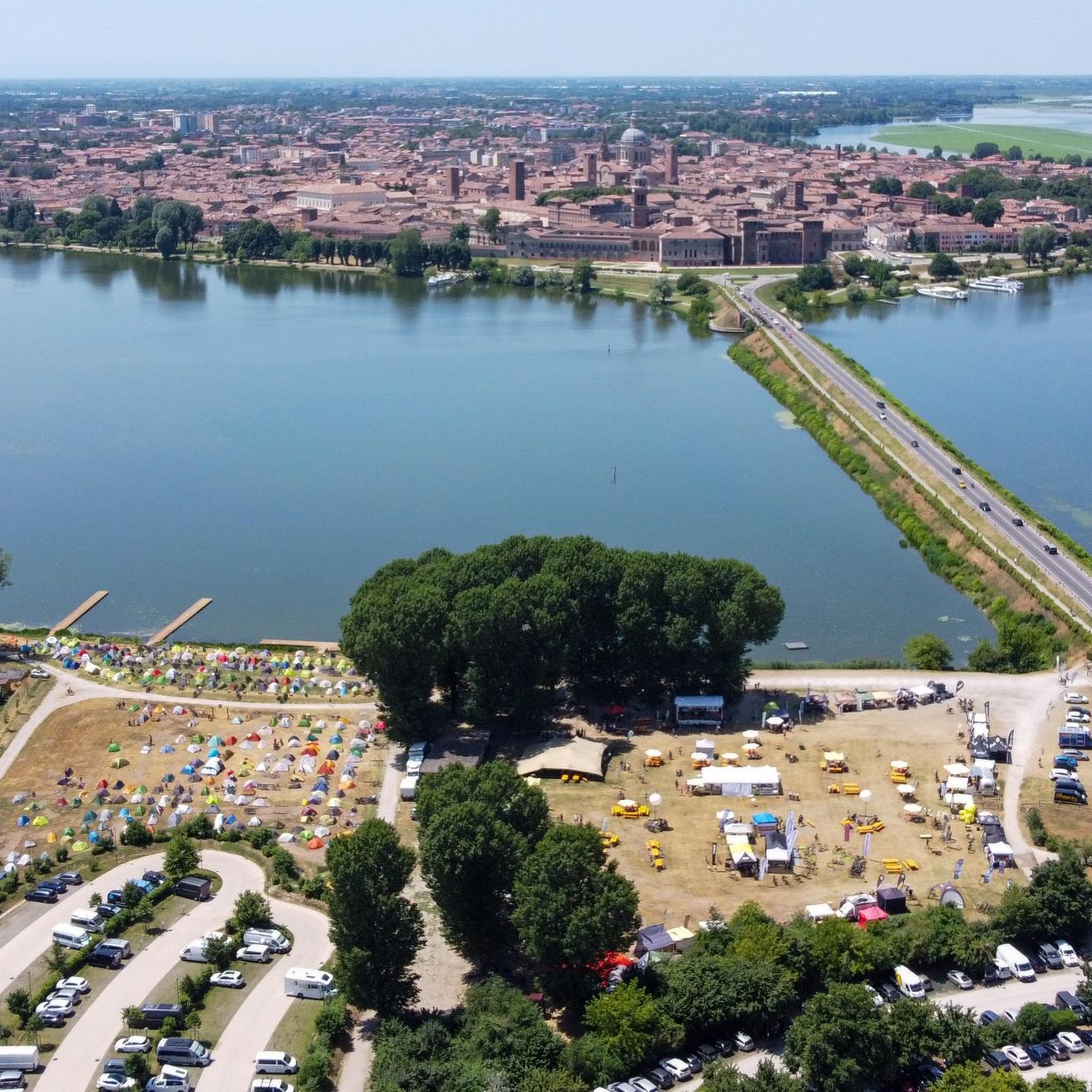
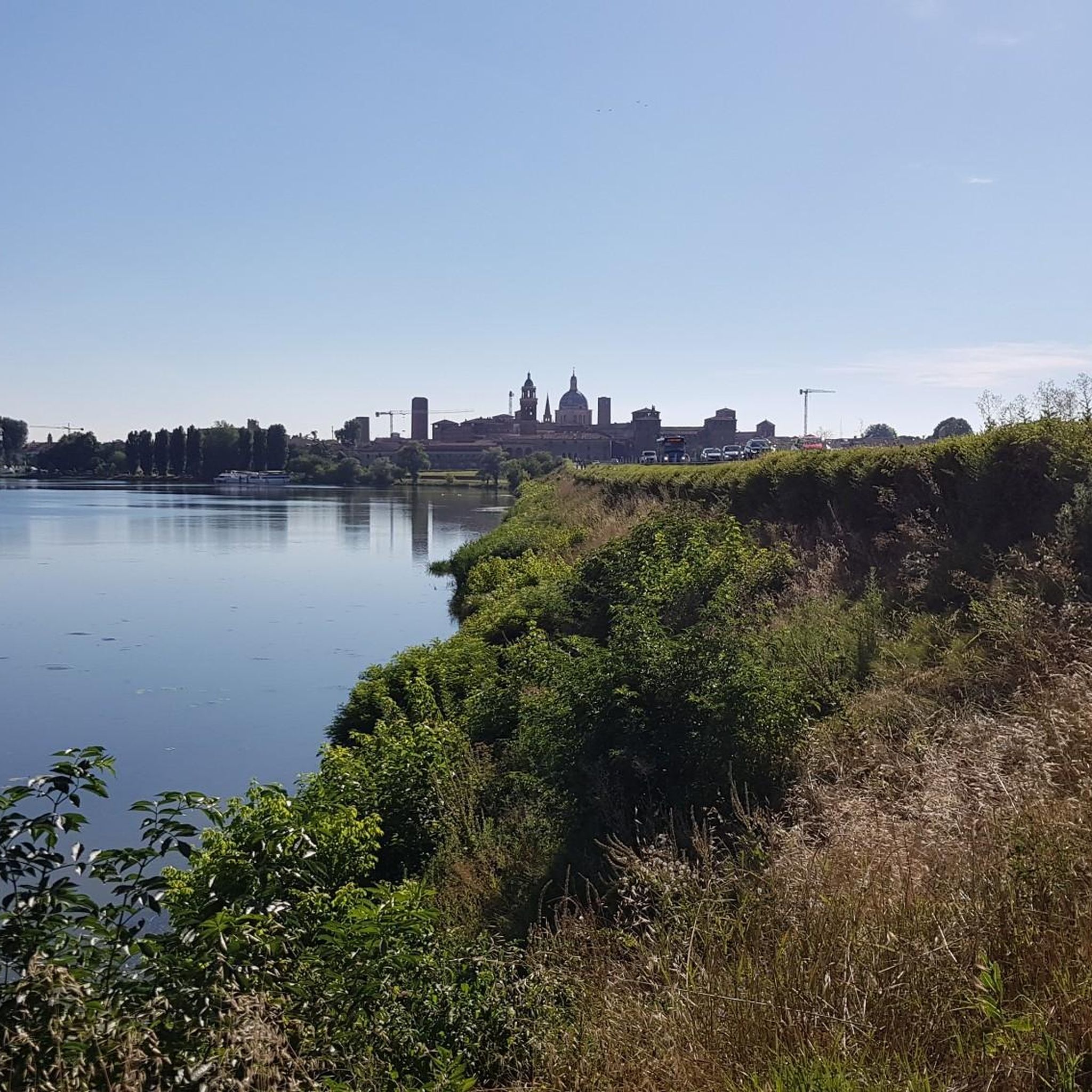
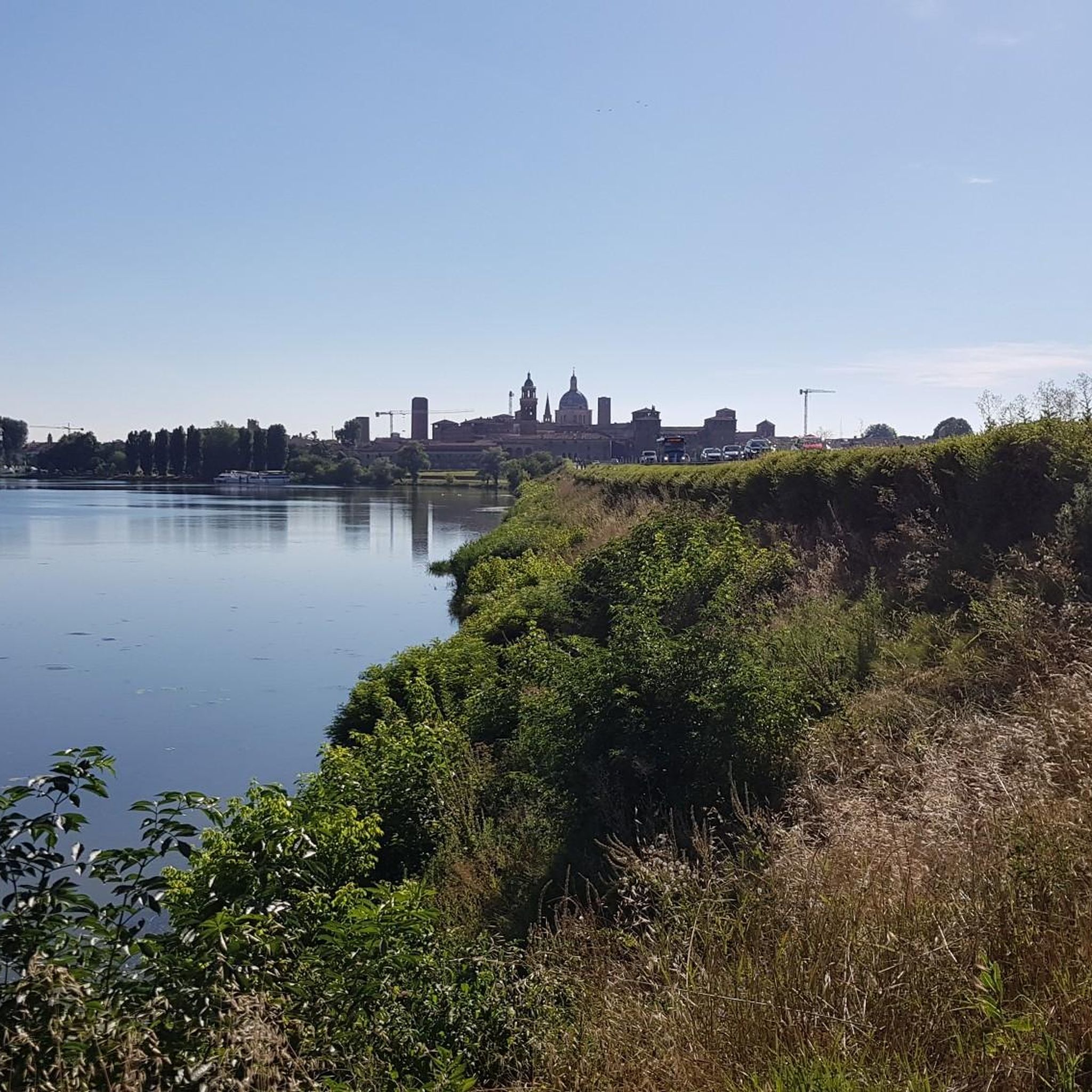
Best castles around San Giorgio Di Mantova are primarily found in the nearby city of Mantua, which holds significant historical and cultural importance. Mantua is characterized by its unique geographical setting, surrounded by three artificial lakes formed by the Mincio River. This area is a UNESCO World Heritage Site, recognized for its Renaissance architecture and art, particularly the Ducal Palace complex. The region offers a blend of historical exploration and natural landscapes, with the Mincio River and its lakes providing…
Last updated: August 24, 2026
Castello di San Giorgio (Mantua)
Highlight • Castle
Translated by Google •
Tip by

Ducal Palace, Mantua
Highlight • Castle
Translated by Google •
Tip by

Sign up now to discover places like this
Get recommendations on the best single tracks, peaks, & plenty of other exciting outdoor places.
Sign up for free
Ducal Palace of Mantua
Highlight • Historical Site
Translated by Google •
Tip by

Rocca di Sparafucile
Highlight • Historical Site
Translated by Google •
Tip by
Matilda Tower of Governolo
Highlight • Monument
Translated by Google •
Tip by

Sign up for free to discover even more castles around San Giorgio Di Mantova.
Sign up for free
Already have an account?
Start today with a free account
Your next adventure awaits.
Login or Signup

Tips from the Community

On July 18, 1848, during one of the wars of independence, a clash took place here in Governolo between Piedmontese troops, including bersaglieri, and an Austrian army rearguard. The Austrians had the worst of it, also because they were in clear numerical inferiority. When you visit Governolo, it is very interesting to follow the path prepared by the municipality with explanatory panels placed in various locations (I must say that sometimes they are not even very visible and therefore you have to go on a bit of a treasure hunt, but it's fun) that guide you step by step through the events of that day; in reality, they also tell of a clash that took place on April 24, also in 1848. Let's say that 1848, that period, was not exactly peaceful.
0
0


The Ducal Palace was the main residence of the Gonzaga family, lords, marquises and finally dukes of the city of Mantua. It took the name of Royal Palace during the Austrian domination starting from the time of Maria Theresa of Austria. Distinct and separate rooms were built in different periods starting from the 13th century, initially by the Bonacolsi family and later at the instigation of the Gonzaga. It was Duke Guglielmo who commissioned the prefect of the Factories Giovan Battista Bertani to connect the various buildings in an organic form so as to create, starting from 1556, a single grandiose monumental and architectural complex, one of the largest in Europe (approximately 34,000 m²), which extended between the shore of the Lower Lake and Piazza Sordello, the ancient Piazza di San Pietro. After Bertani's death in 1576, the work was continued by Bernardino Facciotto who completed the integration of gardens, squares, loggias, galleries, exedras and courtyards, definitively establishing the appearance of the ducal residence. The interior of the palace is almost bare because once impoverished, the Gonzagas had to sell works of art (especially to Charles I of England) and furnishings, some of which were later stolen by Napoleon. The Palazzo del Capitano overlooking Piazza Sordello is the oldest building of the Ducal Palace commissioned by Guido Bonacolsi at the end of the thirteenth century. Initially built on two floors and separated from the Magna Domus by an alley, in the early 1300s it was raised by one floor and joined to the Magna Domus itself by the monumental façade with portico, which has essentially remained the same to this day. The second added floor consists of a single enormous hall (67 x 15 metres) called Dell'Armeria, also known as the Salone della Dieta, as it hosted the Diet of Mantua in 1459.
0
0

Frequently Asked Questions
What are the main castles to visit near San Giorgio Di Mantova?
The primary castle of interest is the magnificent Castello di San Giorgio (Mantua), an integral part of the vast Ducal Palace, Mantua complex. Another significant historical site is Rocca di Sparafucile, which historically served as a gateway to Mantua.
What makes Castello di San Giorgio in Mantua particularly significant?
The Castello di San Giorgio is renowned for its historical and artistic importance. It was originally built as a defensive structure between 1395 and 1406 by Francesco I Gonzaga. It later became a luxurious Renaissance residence and is home to Andrea Mantegna's breathtaking frescoes in the Camera degli Sposi, a masterpiece of Renaissance illusionistic painting. The castle also served as a prison for historical figures like Andreas Hofer.
Are the castles near San Giorgio Di Mantova suitable for families?
Yes, the main castles and historical sites in Mantua, including Castello di San Giorgio, Ducal Palace, and Rocca di Sparafucile, are considered family-friendly. They offer engaging historical exploration and architectural beauty that can be appreciated by all ages.
What kind of historical insights can I gain from visiting these castles?
Visiting these castles provides deep insights into the history of the powerful Gonzaga family, their influence on art and culture during the Renaissance, and the strategic importance of Mantua. You can explore rooms like the Camera degli Sposi, Sala dei Soli, and Sala degli Stemmi, which showcase 15th-century frescoes and designs. The castles also reveal their past as defensive fortresses and even as prisons for political opponents.
What outdoor activities can I do near the castles around San Giorgio Di Mantova?
The area around San Giorgio Di Mantova and Mantua offers various outdoor activities. You can find numerous gravel biking, running, and mountain biking trails. For example, explore routes like the 'Mincio River Cycleway' or the 'Vallazza Nature Reserve' loop. You can find more details on these activities in the Gravel biking around San Giorgio Di Mantova, Running Trails around San Giorgio Di Mantova, and MTB Trails around San Giorgio Di Mantova guides.
How can I reach Castello di San Giorgio in Mantua using public transport?
Mantua's city center, where Castello di San Giorgio is located, is well-served by local public transport. Buses connect various parts of the city to the historical center. For specific routes and schedules, it's best to check the local transport authority's website upon arrival in Mantua.
Is there parking available near Castello di San Giorgio in Mantua?
Yes, there are several parking options in and around Mantua's city center. While direct parking at the castle might be limited, public parking lots and garages are available within walking distance of the Castello di San Giorgio and the Ducal Palace complex.
What is the best time of year to visit the castles around San Giorgio Di Mantova?
The best time to visit the castles and Mantua generally is during the spring (April-May) and autumn (September-October) months. The weather is pleasant for exploring, and the crowds are typically smaller than in the peak summer season. Summer can be hot, but the city's lakes offer a refreshing atmosphere.
Are there cafes and restaurants near the castles in Mantua?
Yes, the area around the Castello di San Giorgio and Ducal Palace in Mantua's historic center is rich with cafes, restaurants, and trattorias. You'll find a wide range of dining options, from quick bites to traditional Mantuan cuisine, within a short walk.
What natural features can I expect to see around the castles?
The city of Mantua, where the main castles are located, is uniquely characterized by its three artificial lakes formed by the Mincio River. These lakes provide a distinct natural setting, offering scenic views and opportunities for lakeside walks. The surrounding area also includes the Parco del Mincio, a regional park with diverse flora and fauna.
What do visitors enjoy most about the castles and Mantua?
Visitors frequently praise the artistic masterpieces, particularly the Camera degli Sposi in Castello di San Giorgio, and the rich history of the Gonzaga family. The architectural beauty of the fortresses and palaces, combined with Mantua's status as a UNESCO World Heritage Site, makes for a captivating cultural experience. The city's unique setting surrounded by lakes is also a highlight.
Can I find any hidden gem castles or lesser-known historical sites in the area?
While the Castello di San Giorgio and Ducal Palace are the main attractions, exploring the broader historical context of Mantua itself, a UNESCO World Heritage site, reveals many hidden corners. The Rocca di Sparafucile, though smaller, offers a unique historical perspective as a former gateway to the city.
Most popular routes around San Giorgio Di Mantova
Most popular attractions around San Giorgio Di Mantova

Get inspired with the komoot mobile app


Explore more
Looking for the best castles somewhere else? Discover other guides around San Giorgio Di Mantova:
