Top 8 Castles around Costabissara
Best castles around Costabissara are found in a region characterized by its historical significance and diverse landscape. This charming comune in the province of Vicenza, Italy, features prominent historical sites, including medieval fortresses and architecturally significant villas. These landmarks offer insights into the region's past, with some providing panoramic views of the surrounding valleys and hills. Costabissara serves as a base for exploring these historical buildings.
Best castles around Costabissara
- The most popular castles is Villa La Rotonda, a…
Last updated: June 30, 2026
Villa La Rotonda
Highlight • Historical Site
Translated by Google •
Tip by

Villa Castle or Romeo's Castle
Highlight • Castle
Translated by Google •
Tip by

Sign up now to discover places like this
Get recommendations on the best single tracks, peaks, & plenty of other exciting outdoor places.
Sign up for free
Bellaguardia Castle or Juliet's Castle
Highlight • Castle
Translated by Google •
Tip by
Torrione di Porta Castello
Highlight • Historical Site
Translated by Google •
Tip by

Colle di San Vittore
Highlight • Trail
Translated by Google •
Tip by
Sign up for free to discover even more castles around Costabissara.
Sign up for free
Already have an account?
Start today with a free account
Your next adventure awaits.
Login or Signup

Tips from the Community

Beautiful gate of the city walls of Vicenza, with tower
0
0

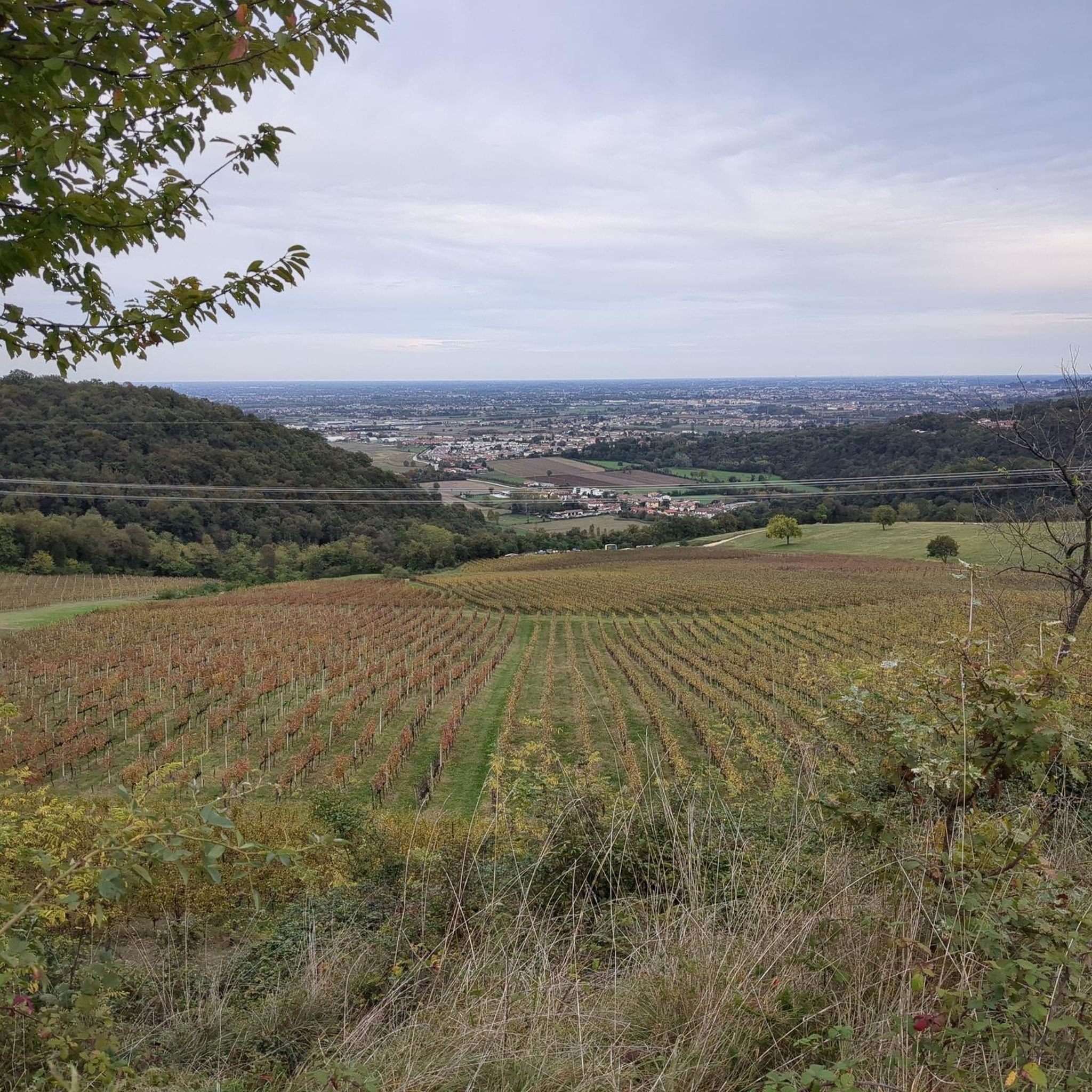
Colle di San Vittore is a silent, secluded and suggestive place that dominates a strategic passage between the Alta Pianura Vicentina and the Valle dell'Agno, with a view of the piedmont: precisely because of its position, it hosted the castle of Pietramala (ancient name of Priabona), built in the 8th-9th century and destroyed in 1250. For many centuries the hill was the center of the village, in a protected position, with the construction of the first parish church and the cemetery. Until quieter times pushed the inhabitants to go down to a more comfortable position, along the pass and the current road: the new church and the new cemetery were built. Today the hill hosts an unusual gathering of eras and styles: the church (with an appearance distorted over the centuries), the characteristic and squat bell tower, the ancient oratory (what remains of the castle), the deconsecrated cemetery and the 'recent' abandoned convent. https://padovasorprendi.it/loratorio-di-san-vittore-di-priabona-e-il-colle-ponimo/
2
0

Vicenza's medieval western city gate is quite impressive. The foundations date from the 12th century. The name of the nearby square tells us that this location was the site of the great Ezzelini fortress in the 14th century. It was a square area with a castle and a wet vest. In the 17th century the fortress lost its defensive role and the site changed shape and purpose. The north wing was converted into a palace overlooking the old garden. Dr fortress was almost completely dismantled by the 17th and 18th centuries. The only silent witnesses from these early Middle Ages are the Torrione and the parade ground.
7
0

Magnificent view on one side of Sovizzo and on the other of Montecchio Maggiore. Sometimes it hosts events (theatre, open-air cinema, medieval events).
0
0

The tower was built in the 12th century at the western entrance to the historic center of the city of Vicenza. In 1343 it was heavily rebuilt during the Scaliger occupation and became part of the medieval city walls. In modern times, for traffic reasons, the actual entrance arch was doubled and extended by two pedestrian walkways.
2
0
A medieval fortress, destroyed and rebuilt several times over the centuries, built on the hills of Montecchio Maggiore for its strategic position along the Via Postumia, controlling the passage between Verona and Vicenza. A previous fortification likely existed in Roman times. It is known as "Romeo's Castle" by tradition and folklore: Luigi da Porto, a military leader and man of letters, retired from military life and wrote the first novel about Romeo and Juliet in 1531 in his residence in Montorso, overlooking the two castles. In the 19th century, at the height of Romanticism, legend arose that the two castles, so close yet so far away, inspired him to imagine them as belonging to the rival families of the Montecchi and the Cappelletti. Shakespeare later drew inspiration from his work to make the tragic love story famous. Today, the castle occasionally hosts cultural events (concerts, theater, open-air cinema); it is open on weekends (see link); Free access to both the walls and the tower, from the top of which you can enjoy a magnificent 360° panorama. https://www.prolocoaltemontecchio.it/cosa-vedere/castelli-di-giulietta-e-romeo/ https://it.wikipedia.org/wiki/Castelli_di_Romeo_e_Giulietta
2
0
A medieval fortress, destroyed and rebuilt several times over the centuries, built on the hills of Montecchio Maggiore for its strategic position along the Via Postumia, controlling the passage between Verona and Vicenza. A previous fortification likely existed in Roman times. It is known as "Juliet's Castle" by tradition and folklore: Luigi da Porto, a military leader and man of letters, retired from military life and wrote the first story of Romeo and Juliet in 1531 in his residence in Montorso, overlooking the two castles. In the 19th century, at the height of Romanticism, legend arose that the two castles, so close yet so far away, inspired him to imagine them as belonging to the rival families of the Montecchi and the Cappelletti. Shakespeare later drew inspiration from his work to make the tragic love story famous. Today, the castle houses a bar/restaurant, and admission (free) is open during its opening days and hours (see link); From the panoramic terrace, you can enjoy a magnificent 360° view of the surrounding valleys and hills, covered in greenery and cultivated fields. https://www.prolocoaltemontecchio.it/cosa-vedere/castelli-di-giulietta-e-romeo/ https://it.wikipedia.org/wiki/Castelli_di_Romeo_e_Giulietta
2
0

This is the old town and it's worth seeing
3
0
Frequently Asked Questions
What are some unique historical castles and sites to visit near Costabissara?
The region offers a rich history. You can explore the UNESCO World Heritage site Villa La Rotonda, an outstanding example of Palladian architecture built between 1567 and 1571. Another significant site is Torrione di Porta Castello, Vicenza's medieval western city gate with foundations dating from the 12th century.
Are there castles near Costabissara with panoramic views?
Yes, several castles offer magnificent views. Villa Castle or Romeo's Castle provides free access to its walls and tower, offering a 360° panorama. Similarly, Bellaguardia Castle or Juliet's Castle features a panoramic terrace with views of the surrounding valleys and hills.
What outdoor activities can I do near the castles around Costabissara?
The area around Costabissara is excellent for outdoor enthusiasts. You can find numerous routes for hiking, cycling, and mountain biking. For hiking, consider routes like the 'Stradella degli Alpini – View of the Colli Vicentini loop' or the 'Villa Galopera loop'. Cyclists can explore longer routes such as the 'Torreselle – Montepulgo loop'. For more details and routes, visit the Hiking around Costabissara, Cycling around Costabissara, and MTB Trails around Costabissara guides.
Are there family-friendly castles to visit near Costabissara?
Yes, several castles and historical sites are suitable for families. Villa La Rotonda, Villa Castle or Romeo's Castle, and Torrione di Porta Castello are all categorized as family-friendly, offering engaging experiences for all ages.
Can I find food and drink options at or near the castles?
Yes, Bellaguardia Castle or Juliet's Castle houses a bar/restaurant directly within its premises, allowing you to enjoy refreshments with a panoramic view. For other locations, you'll find cafes and restaurants in nearby towns and villages, with Costabissara itself serving as a good base.
What is the historical significance of the 'Romeo and Juliet' castles?
Villa Castle or Romeo's Castle and Bellaguardia Castle or Juliet's Castle are medieval fortresses in Montecchio Maggiore. They are famously linked to the legend of Romeo and Juliet. Luigi da Porto, a local military leader, wrote the first novel about the tragic lovers in 1531, drawing inspiration from these two castles overlooking his residence. Shakespeare later adapted his work, making the story globally renowned.
What kind of architectural styles can I expect to see among the castles?
The castles and historical sites around Costabissara showcase a range of architectural styles. Villa La Rotonda is a prime example of Renaissance Palladian architecture. Other sites, like Villa Castle or Romeo's Castle and Bellaguardia Castle or Juliet's Castle, are medieval fortresses, reflecting the defensive architecture of that period.
Are there any hidden gems or less-known historical sites worth visiting?
While not a traditional castle, the area around Costabissara features interesting historical remnants. For instance, the Colle di San Vittore, near Priabona, hosts the remains of the ancient Pietramala castle, destroyed in 1250. Today, it's a secluded spot with a church, bell tower, and oratory, offering a glimpse into centuries of history.
What do visitors particularly enjoy about the castles around Costabissara?
Visitors frequently praise the historical depth and the stunning panoramic views offered by many of the sites. The architectural significance of places like Villa La Rotonda is highly appreciated, as is the opportunity to explore medieval fortresses like the Romeo and Juliet castles, which provide free access to their towers and walls for breathtaking vistas.
Is it possible to visit the castles during winter?
While the region's castles are generally accessible year-round, specific opening hours for individual sites, especially those with facilities like restaurants, may vary by season. Winter visits can offer a different, often quieter, perspective of these historical sites and the surrounding landscape. It's advisable to check the specific opening times for each castle before your visit.
How accessible are the castles for visitors?
Many of the castles and historical sites, such as Villa La Rotonda and the Romeo and Juliet castles, are considered family-friendly, suggesting a degree of accessibility. However, given their historical nature, some areas within medieval fortresses might have uneven terrain or stairs. It's recommended to check specific accessibility details for each site if you have particular requirements.
Can I combine a castle visit with a scenic walk or hike?
Absolutely. The region around Costabissara is ideal for combining historical exploration with outdoor activities. Many castles are situated amidst scenic landscapes, offering opportunities for walks. For example, the area around the Montecchio Maggiore castles provides beautiful views that can be enjoyed as part of a longer stroll or hike. You can find various hiking routes in the Hiking around Costabissara guide.
Most popular routes around Costabissara
Most popular attractions around Costabissara

Get inspired with the komoot mobile app


Explore more
Looking for the best castles somewhere else? Discover other guides around Costabissara:
