Top 6 Castles around Correggio
Castles around Correggio offer insights into the region's rich history and architectural evolution. While traditional medieval castles are less common, the area features significant historical structures that served defensive and residential roles for ruling families. These include the Renaissance-era Palazzo dei Principi, the Bell Tower of the Basilica di San Quirino, which is a remnant of an ancient castle, and the Rocchetta, a former fortified structure. These sites provide a tangible link to Correggio's past as a significant center.
Best…
Last updated: June 30, 2026

Soliera Fortress
Highlight • Castle
Translated by Google •
Tip by

Sign up now to discover places like this
Get recommendations on the best single tracks, peaks, & plenty of other exciting outdoor places.
Sign up for free
Estense Fortress of San Martino in Rio
Highlight • Castle
Translated by Google •
Tip by

Arceto Castle
Highlight • Castle
Translated by Google •
Tip by

Palazzo dei Pio
Highlight • Castle
Translated by Google •
Tip by

Sign up for free to discover even more castles around Correggio.
Sign up for free
Already have an account?
Start today with a free account
Your next adventure awaits.
Login or Signup
Tips from the Community

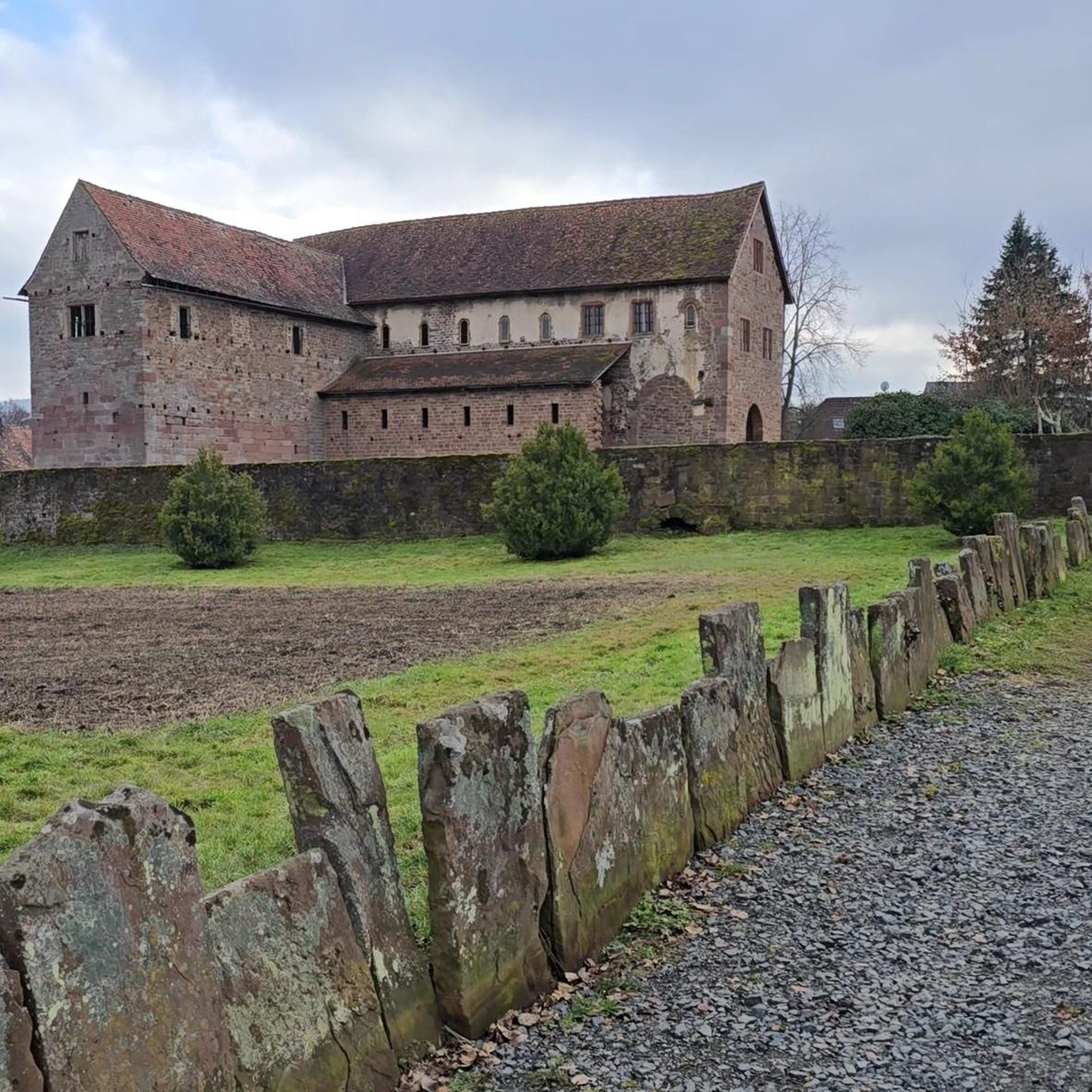
In the Arceto hamlet of the municipality of Scandiano, there is this splendid castle which boasts over a thousand years of history. At the moment it is possible to visit it by reservation and it is partly owned by the municipality of Scandiano.
0
0

Rocca di Soliera building very well kept in the city center
6
0

The museums of the Palazzo dei Pio are now presented as a coordinated system of three exhibition routes - Museo del Palazzo, Museo della Città, Museo al Deportato - that cater to the diverse needs that the many valuable and prestigious spaces of the Renaissance Palazzo dei Pio ( Museum of the Palace) and to give the extensive and diverse historical and artistic legacy of the collections a contextual, rational and structured place. which are given a role in an exhibition context that aims to convey a comprehensive picture of the development and history of the city (city museum).
2
0

historical point of interest, with a beautiful square in front of it, potential refreshment point. Always visitable
0
0
in the center of the village. Interesting work of the artist Pomodoro.
0
0

Created by the sculptor Arnaldo Pomodoro, the obelisk for Cleopatra, granted on free loan to the Municipality of Soliera for three years, is a fourteen-meter work, designed in 1989 in reference to the staging of Cleopatra and built in 2008 in steel corten and bronze. The four vertical faces present a series of emblematic and symbolic signs that refer to the Egyptian hieroglyphs and the informal sign. The chromatic diversity between the rusty corten frame and the patinated bronze inserts give solemnity to the work that deeply connotes the public space in which it is installed.
0
0
The existence of a fortified structure in Soliera is mentioned for the first time in a papal bull of 1153 but a previous document certifies that in 1106 there was already a "castrum", that is, a fortified settlement. In the communal period Soliera was under the dominion of the Municipality of Modena. The exact date is not known but probably around 1325 it was destroyed, by the Bolognese and pontifical troops or by the armies of the Lombard League. In 1370 the Este family prevailed: they conquered Soliera and built a fort, described in the documents of the time as a "well-equipped castle". After various vicissitudes, the castle returned to the Este family who, in 1636, sold it to the Campori family for 50 thousand scudi. The first Marquis of Soliera was Pietro, a trusted man of the Borghese family and a very influential figure of the clergy, so much so that he came close to being appointed pope. In the over 300 years of their stay, the Campori extended the castle and made many interventions, which definitively transformed it from a fortress to a noble residence. Their coat of arms - a shield bearing two eagles and six six-pointed stars - is painted and sculpted in many places in the castle. The Campori family remained owners until 1976, when they ceded the castle to the parish. In 1990 the castle was purchased by the Municipality of Soliera, which has since completely restored it and used it as a seat of services and activities open to citizens.
0
0
Frequently Asked Questions
What kind of historical structures can I expect to find around Correggio?
While Correggio doesn't feature traditional medieval castles in the same way some other European regions do, it boasts significant historical structures that served similar defensive and residential purposes. You'll find Renaissance palaces like the Palazzo dei Principi, remnants of older fortifications such as the Bell Tower of the Basilica di San Quirino, and the Rocchetta, which was once a key fortified structure.
Are there any well-preserved castles to visit near Correggio?
Yes, several well-preserved historical sites are worth exploring. Arceto Castle, for instance, is a splendid example of a medieval castle with over a thousand years of history, where you can still see the circuits of the pits and walls. Another notable site is the Soliera Fortress, a very well-kept building in the city center.
Which historical sites are particularly significant for understanding Correggio's past?
The Palazzo dei Principi is central to understanding Correggio's Renaissance history, serving as the court for the Counts of Correggio and attracting intellectuals and artists. The Bell Tower of the Basilica di San Quirino is the sole surviving bulwark of the original 14th-century castle, offering a tangible link to the town's medieval fortifications.
Are there family-friendly historical sites around Correggio?
Many of the historical sites around Correggio are suitable for families. Highlights like Castello Guidotti, Soliera Fortress, Arceto Castle, and Campori Castle are all categorized as family-friendly, offering engaging experiences for all ages.
What outdoor activities can I do near these historical sites?
The area around Correggio offers various outdoor activities. You can explore numerous cycling routes, including easy to moderate touring bicycle routes like the 'Bagnolo–Correggio Rail Trail – Correggio Park loop' or more challenging road cycling routes. There are also several hiking trails, such as the 'Chiesa di San Biagio loop' or the 'Lago di Correggio – Garibaldi Square, Correggio loop'. For more details, check out the Cycling around Correggio and Hiking around Correggio guides.
Are there any wheelchair-accessible historical sites?
Yes, the Soliera Fortress is noted as being wheelchair accessible, making it a good option for visitors with mobility needs.
What is the best time of year to visit the historical sites around Correggio?
The spring (April-June) and autumn (September-October) months generally offer pleasant weather for exploring the historical sites and enjoying outdoor activities in the Correggio region. Summers can be hot, while winters are typically mild but can be damp.
Can I find any hidden gems or lesser-known historical sites in the Correggio region?
Beyond the more prominent sites, the Rocchetta, a XIV-century fortification, offers a glimpse into Correggio's defensive past. It has been fully restored and repurposed as a youth hostel, showcasing how historical structures can be adapted while preserving their heritage.
Are there any historical sites that host cultural events or exhibitions?
Yes, Campori Castle, owned by the municipality, has been renovated and frequently hosts cultural events and exhibitions. The Palazzo dei Principi also houses the 'Il Correggio' Museum and Exhibition Gallery, making it a vibrant cultural hub.
What are some of the most popular historical sites among visitors?
Visitors frequently enjoy Castello Guidotti, a significant historical site in Fabbrico. Arceto Castle is also very popular for its well-preserved medieval architecture, and Campori Castle is appreciated for its medieval charm and cultural events.
Where can I find information about guided tours for historical sites in the Correggio area?
While specific guided tour information for individual sites isn't always readily available through general guides, for the Palazzo dei Principi, you might find information on guided visits by checking the official websites of the 'Giulio Einaudi' Municipal Library or the 'Il Correggio' Museum, which are housed within the palace.
Most popular routes around Correggio
Most popular attractions around Correggio

Get inspired with the komoot mobile app


Explore more
Looking for the best castles somewhere else? Discover other guides around Correggio:
