Top 7 Castles around Cesano Boscone
Best castles around Cesano Boscone include a variety of historical buildings that showcase the region's past. While traditional medieval fortresses are not prevalent within Cesano Boscone itself, the area features significant architectural examples such as churches, villas, and characteristic Lombard farmhouses. These sites offer insights into different historical periods and architectural styles, providing a glimpse into the town's development from Roman and Lombard periods through the Middle Ages and beyond. Visitors can explore the heritage and unique features of these structures.
Best castles around Cesano Boscone
- The most popular castles is Visconti Castle in Cusago, a castle that historically served as a hunting retreat for the Visconti Family. It is currently undergoing restorations.
- Another must-see spot is Cascina Femegro, an other man-made historical site. This historic farmhouse, mentioned as a castle in a 1275 document, features a square layout and stands on the remains of a 12th-century building.
- Visitors also love Sforza Castle, a large fortified complex located in Milan. It was built in the 15th century on the remains of a 14th-century medieval fortification.
- Cesano Boscone is known for historical buildings, villas, and traditional farmhouses. These structures provide a glimpse into the region's diverse architectural heritage.
- The castles around Cesano Boscone are appreciated by the komoot community, with more than 1000 upvotes and over 800 photos shared.
Last updated: November 13, 2026
Sforza Castle
Highlight • Castle
Translated by Google •
Tip by

Torre del Filarete
Highlight • Castle
The complex is free to enter and offers excellently preserved architecture and a very beautiful park. Only the various museums require standard tickets for entry. Conclusion: Highly recommended!
Translated by Google •
Tip by

Sign up now to discover places like this
Get recommendations on the best single tracks, peaks, & plenty of other exciting outdoor places.
Cascina Femegro
Highlight • Structure
Translated by Google •
Tip by

Rivellino of Porta Vercellina
Highlight • Historical Site
Translated by Google •
Tip by

Low underpass near Buccinasco Castle
Highlight • Bridge
Translated by Google •
Tip by

Sign up for free to discover even more castles around Cesano Boscone.
Already have an account?
Start today with a free account
Your next adventure awaits.

Tips from the Community

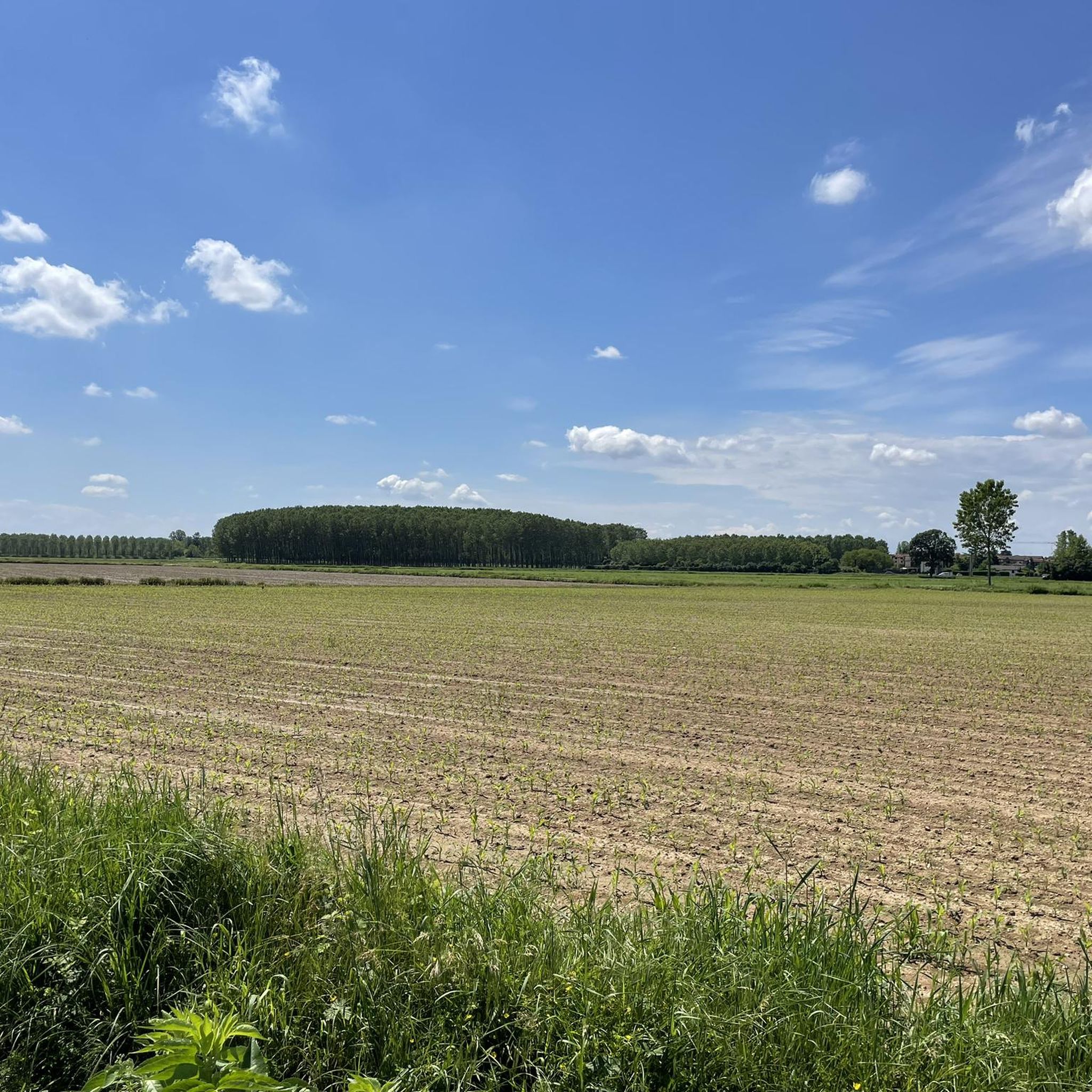
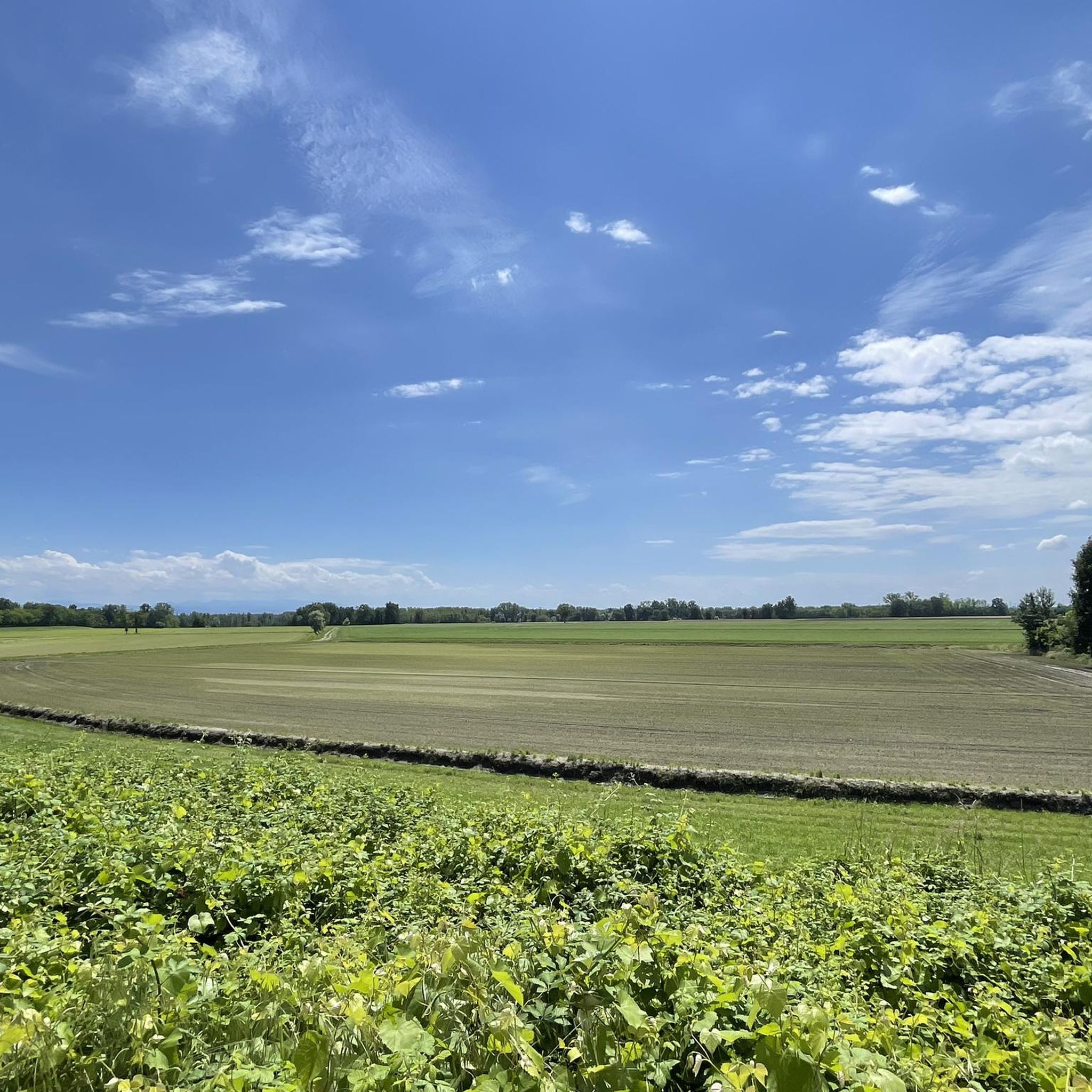
Cascina Femegro is a multifunctional farm located in Zibido San Giacomo, in the province of Milan. Nestled in the heart of the South Milan Agricultural Park, this historic rural structure in the Po Valley combines traditional livestock and crop farming with modern services for families, schools, and visitors.
0
0

The Torre del Filarete is the main monumental entrance to the Sforza Castle in Milan. Designed in 1452 by the Florentine architect Antonio Averulino (known precisely as Il Filarete) at the behest of Francesco Sforza, it collapsed in 1521 following the explosion of a gunpowder store. The current appearance is the result of the philological reconstruction of 1905, led by the architect Luca Beltrami
1
0

At the entrance to the Castle, just below the Filarete Tower, there are several well-equipped bicycle parking areas.
1
0

Two rural settlements from the last century. Their importance is evidenced by the presence of the mill and the church, which largely guaranteed their physical and spiritual independence.
0
0

On the way to Genoa
0
0


Torre del Filarete - Impressive fortress in the heart of Milan... The complex is free to enter and offers excellently preserved architecture and a very beautiful park. Only the various museums require standard tickets for entry. Conclusion: Highly recommended!
7
1
Frequently Asked Questions
What kind of historical sites can I explore around Cesano Boscone?
While traditional medieval fortresses are not prevalent directly in Cesano Boscone, the area offers a rich history through various significant buildings. You can visit the ancient Church of San Giovanni Battista, with origins dating back to 613 AD and Roman archaeological finds. Other notable sites include the 18th-century Villa Marazzi Lattuada, the former Palazzo Pertusati (dating between the 13th and 18th centuries), and the historical Ex Villa Sormani. Additionally, the region is known for its traditional Lombard farmhouses, or 'cascine,' such as Cascina Broggi, Cascina Luisa, Cascina Persa, and Cascina Nuova, which offer a glimpse into the agrarian past.
Which are the most popular castle-like structures near Cesano Boscone?
Among the most appreciated historical sites, visitors often highlight Torre del Filarete, an impressive fortress in Milan known for its well-preserved architecture and beautiful park. Another popular spot is Visconti Castle in Cusago, which historically served as a hunting retreat. The historic farmhouse Cascina Femegro, mentioned as a castle in a 1275 document, also draws interest for its unique square layout and ancient origins.
Is Sforza Castle easily accessible from Cesano Boscone?
Yes, Sforza Castle is located in Milan, just outside the historic city center, making it a feasible day trip from Cesano Boscone. It is a large fortified complex built in the 15th century on the remains of an earlier medieval fortification. Public transport options are available to reach Milan from Cesano Boscone, and from there, the castle is centrally located.
Are there any family-friendly historical sites or castles in the area?
Many of the historical sites around Cesano Boscone are family-friendly. Torre del Filarete offers a large park that families can enjoy, and while museums require tickets, the complex itself is free to enter. Sforza Castle in Milan is also a great family destination, with its vast grounds and museums. The historical farmhouses, or 'cascine,' provide an interesting educational experience about rural life and architecture.
What outdoor activities can I do near these historical sites?
The area around Cesano Boscone offers various outdoor activities. You can find numerous routes for road cycling, hiking, and gravel biking. For instance, there are moderate road cycling routes like the 'Naviglio Pavese Cycle Path' or 'Gaggiano Bridge – Abbey of Morimondo loop.' Hikers can explore trails such as the 'Boscoincittà Pond – Parco delle Cave loop' or the 'Naviglio Grande in Gaggiano.' For more details on routes and their difficulties, you can explore the Road Cycling Routes around Cesano Boscone, Hiking around Cesano Boscone, and Gravel biking around Cesano Boscone guides.
Are there hiking trails near the historical buildings?
Yes, there are several hiking trails in the vicinity. For example, you can find trails around the Parco delle Cave, such as the 'Boscoincittà Pond – Parco delle Cave loop' or the 'Lake of Parco delle Cave loop.' These routes offer a chance to combine historical exploration with nature walks. You can find more hiking options and details in the Hiking around Cesano Boscone guide.
What is the historical significance of the Church of San Giovanni Battista in Cesano Boscone?
The Church of San Giovanni Battista holds deep historical roots, with its origins traditionally attributed to the Lombard queen Theodolinda in 613 AD. Archaeological excavations have revealed remnants of earlier places of worship from the 6th-8th centuries and even a 1st-century Roman sarcophagus, indicating a long history of human settlement. It was an important parish in the Middle Ages and, despite being largely rebuilt in 1899, it incorporates Baroque elements from an 18th-century expansion and features 16th-century and early 19th-century artworks.
Can I visit the traditional Lombard farmhouses (cascine) in Cesano Boscone?
Cesano Boscone is rich in traditional Lombard farmhouses, known as 'cascine,' such as Cascina Broggi, Cascina Luisa, Cascina Persa, and Cascina Nuova, all dating back to the 18th century. These complexes typically feature buildings arranged around a central courtyard. While many have been converted or are privately owned, some, like Cascina Nuova, retain original features. Visiting them, even from the exterior, provides insight into the region's agrarian history and rural architecture.
What do visitors particularly enjoy about the historical sites around Cesano Boscone?
Visitors appreciate the diverse architectural heritage and the sense of history these sites offer. The well-preserved architecture of places like Torre del Filarete and the historical depth of the Church of San Giovanni Battista are frequently mentioned. The unique transformation of structures like Cascina Femegro from a medieval 'castle' to a farmhouse also captures interest. The komoot community has shown significant appreciation, with over 1000 upvotes and more than 800 photos shared across these sites.
Are there any historical sites undergoing restoration near Cesano Boscone?
Yes, the Visconti Castle in Cusago, which once served as a hunting retreat for the Visconti Family, is currently undergoing restorations. This provides an opportunity to see a historical site being preserved for future generations.
What is the Rivellino of Porta Vercellina and where is it located?
The Rivellino of Porta Vercellina is a historical site located as part of the defenses of Sforza Castle in Milan. It is a projection built to protect the castle gates, with its Sforza quadrangular plan still visible. The current appearance is largely due to restorations between 1911 and 1914, which rebuilt parts of the battlements and vaults.
Are there any historical villas to visit in Cesano Boscone?
Yes, Cesano Boscone features several historical villas. The Villa Marazzi Lattuada, constructed between the 18th and 20th centuries, is a notable example that now functions as a socio-cultural center. Its main building showcases rectangular windows and a five-arch portico. Another historical villa is the Ex Villa Sormani, dating back to the 18th century, which contributes to the architectural heritage of the area.
Most popular routes around Cesano Boscone
Most popular attractions around Cesano Boscone

Get inspired with the komoot mobile app


Explore more
Looking for the best castles somewhere else? Discover other guides around Cesano Boscone:
