Top 9 Castles around Orbetello
Castles around Orbetello offer a rich historical experience, particularly reflecting its past as a strategic Spanish port within the Stato dei Presidi. The region, encompassing the Maremma and Monte Argentario peninsula, features a variety of fortifications. These structures provide insight into the area's history and its defensive architecture.
Best castles around Orbetello
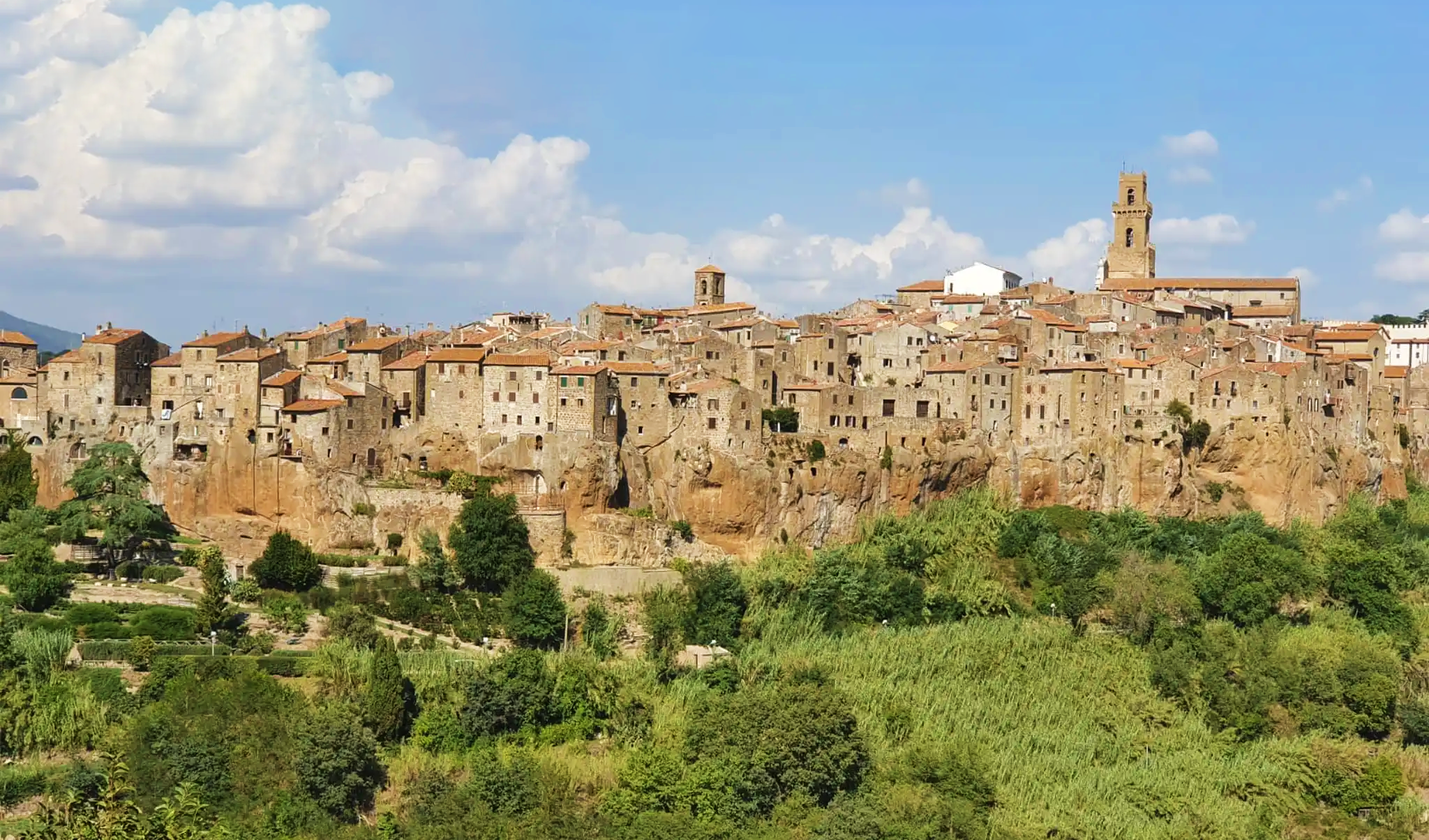
- The most popular castles is Historic Center of Capalbio, a historical site and settlement that is a typical ancient village perched on a hill. It is enclosed within preserved walls and dominated by a medieval fortress.
- Another must-see spot is Spanish Fortress of Porto Santo Stefano, a castle and historical site. This impressive 17th-century Spanish military architecture dominates the town of Porto Santo Stefano and offers views from its hilltop location.
- Visitors also love Forte Stella, a historical site and man-made monument. Built by the Spaniards in the 16th century, this six-pointed star-shaped fort was a strategic point in the defensive system of the State of the Garrisons.
- Orbetello is known for its Spanish fortresses, medieval village fortifications, and ancient city walls. These structures showcase the region's diverse defensive history and architectural styles.
- The castles around Orbetello are appreciated by the komoot community, with 76 upvotes and 72 photos shared across the highlights.
Last updated: June 30, 2026
Historic Center of Capalbio
Highlight • Settlement
Translated by Google •
Tip by

Historic Center of Capalbio
Highlight • Historical Site
Translated by Google •
Tip by

Sign up now to discover places like this
Get recommendations on the best single tracks, peaks, & plenty of other exciting outdoor places.
Sign up for free
Forte Stella
Highlight • Historical Site
Its shape is a six-pointed star. The entire structure is surrounded by a moat and the access door is preceded by a stone bridge which replaced the ancient drawbridge in modern times.
The natural lighting of the internal environments is provided by a hexagonal-shaped opening that opens in the center of the terrace on the top of the Fort. Inside, exhibitions and cultural events are held. Its visit is permitted from May 1st to June 30th on weekends and from July 1st to September 30th every day. The entrance ticket costs 2 euros. From 1 October to 31 December visits are permitted upon request from the municipal administration.
It can be reached by taking the panoramic road, leaving the town of Porto Ercole behind you, after a couple of kilometers you will come across a deviation to the right for Forte Stella.
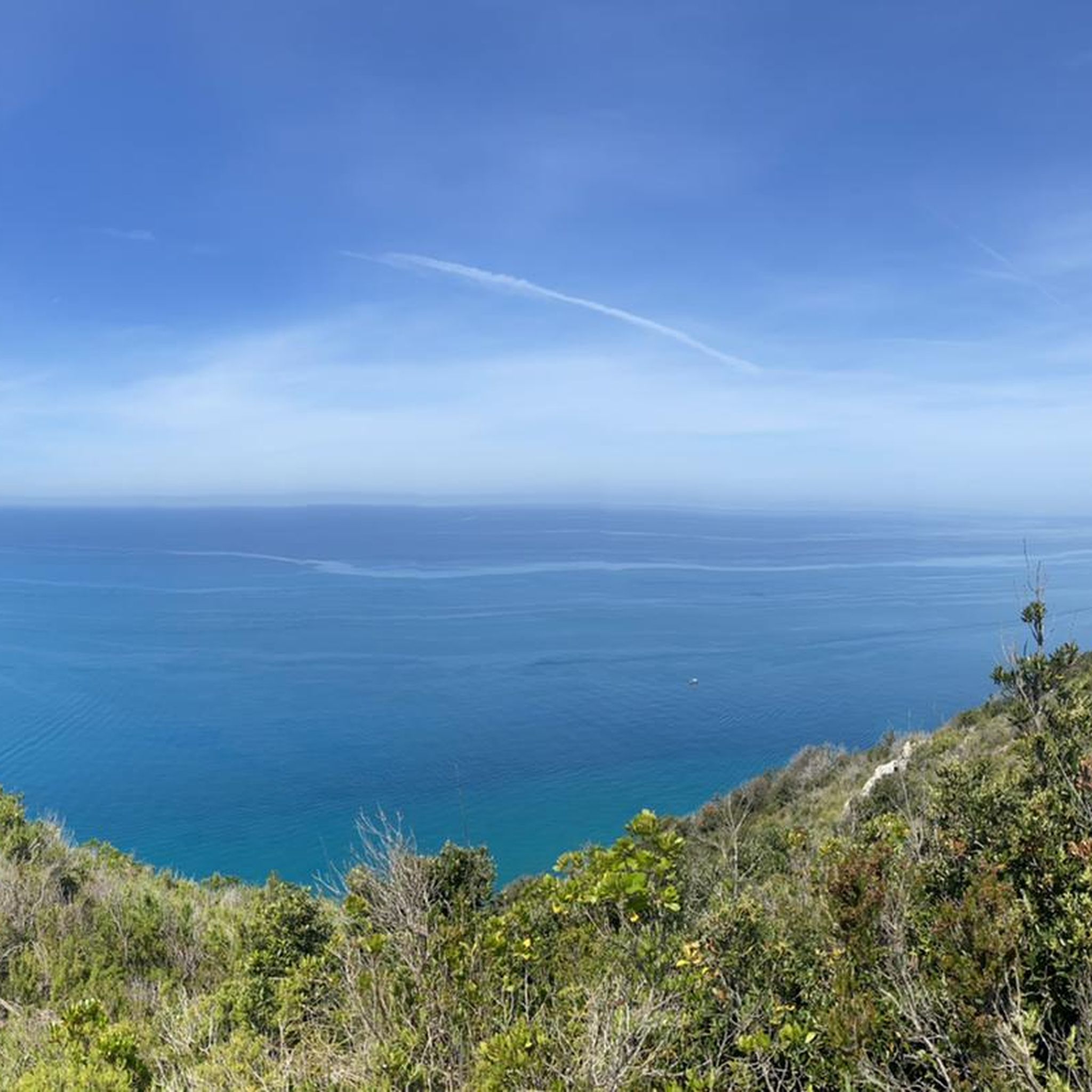
You can admire a wonderful panorama from a turtle-shaped island right below us.
Translated by Google •
Tip by

Medieval Village of Capalbio
Highlight • Historical Site
Translated by Google •
Tip by

Forte Filippo
Highlight • Historical Site
Translated by Google •
Tip by

Sign up for free to discover even more castles around Orbetello.
Sign up for free
Already have an account?
Start today with a free account
Your next adventure awaits.
Login or Signup

Other adventures around Orbetello

Tips from the Community


Capalbio is an enchanting medieval village in the Maremma region of Tuscany, known as the "little Athens". Characterized by a tangle of narrow alleys, double ring walls that can be walked upon, and breathtaking views stretching to the sea, it offers a perfect blend of history, art, and gastronomy.
0
0
Capalbio is a charming medieval village in the Maremma region of Tuscany, known as the "little Athens". Characterized by a tangle of narrow alleys, double defensive walls that can be walked upon, and breathtaking views stretching to the sea, it offers a perfect blend of history, art, and gastronomy.
0
0

the wild boar festival is held at the beginning of September
1
0


Forte Filippo is the sentinel that dominates the entire bay of the old port. Just before arriving in the town, a small asphalt road will take you to the top. Go slowly and pay close attention to vehicles coming in the opposite direction! The road is very narrow and winding. Alternatively you can reach it with a nice half hour walk! The view you will enjoy in the last stretch will repay you for the effort. Fort Philip is a coastal fortification built in 1558 to improve the defensive system of the State of the Garrisons. Its name was chosen in honor of King Philip II of Spain. The Fort was built with four bastions and is deeply embedded in a moat carved into the rock. The only access point is represented by a drawbridge. You can only visit the perimeter, as the various buildings inside have been used as homes, but it is still worth it: the walkway on the walls is very suggestive. A path leads to the Torre del Mulinaccio. Originally it too was part of the defense system. It was then transformed into a windmill. The structure almost entirely collapsed, following the definitive abandonment of the mill. The panorama of Feniglia that can be enjoyed from here is worth a visit.
1
0
It was built by the Spaniards in the second half of the sixteenth century, due to its location it constituted one of the strategic points of the entire defensive system of the State of the Garrisons. Its shape is a six-pointed star. The entire structure is surrounded by a moat and the access door is preceded by a stone bridge which replaced the ancient drawbridge in modern times. The natural lighting of the internal environments is provided by a hexagonal-shaped opening that opens in the center of the terrace on the top of the Fort. Inside, exhibitions and cultural events are held. Its visit is permitted from May 1st to June 30th on weekends and from July 1st to September 30th every day. The entrance ticket costs 2 euros. From 1 October to 31 December visits are permitted upon request from the municipal administration. It can be reached by taking the panoramic road, leaving the town of Porto Ercole behind you, after a couple of kilometers you will come across a deviation to the right for Forte Stella. You can admire a wonderful panorama from a turtle-shaped island right below us.
1
0

Hiking trails No. 2 and No. 3 to Poggio Monteti start here.
3
0
Frequently Asked Questions
What kind of historical fortifications can I expect to see around Orbetello?
Orbetello and the surrounding Maremma region are rich in fortifications, particularly reflecting its past as a strategic Spanish port. You'll find ancient city walls with Etruscan origins, medieval fortresses, and numerous well-preserved Spanish forts from the 16th and 17th centuries. These include coastal watchtowers, star-shaped forts, and fortified city gates.
Which fortifications offer the best panoramic views?
For breathtaking panoramic views, consider visiting Forte Stella, known for its star shape and views over the Tyrrhenian Sea and Orbetello Lagoon. The Spanish Fortress of Porto Santo Stefano also offers wonderful views of the town and harbor from its hilltop location. Additionally, Forte Filippo provides a very nice view of the entire bay of the old port.
Are there any unique historical landmarks besides traditional castles?
Yes, Orbetello offers several unique historical landmarks. The ancient Orbetello City Walls, with Etruscan origins and Spanish reinforcements, are still well-preserved. The iconic Spanish Mill (Mulino Spagnolo) rises picturesquely from the lagoon, offering a great photo opportunity, especially at sunset. You can also visit the Guzman Powder Magazine Archaeological Museum, a 17th-century Spanish building housing artifacts from Etruscan, Roman, and medieval periods.
What is the best time to visit the castles and fortifications around Orbetello?
The best time to visit is generally during the spring (April-June) and early autumn (September-October) when the weather is pleasant for exploring and the crowds are smaller. Summer (July-August) can be hot and busy, but many sites extend their opening hours. Some indoor sections of forts, like Forte Stella, have specific visiting hours, often from May to September, with limited access outside these months.
Are there family-friendly options among the castles and historical sites?
Many of the historical sites, including the Historic Center of Capalbio, are considered family-friendly, offering a chance to explore ancient villages and learn about history. The open spaces around forts like Forte Stella can also be enjoyable for families, though some areas might involve walking on uneven terrain. Always check specific site accessibility for very young children or strollers.
Can I explore ancient city walls in Orbetello?
Yes, Orbetello boasts ancient city walls with Etruscan origins, later reinforced by the Spanish. You can walk along well-preserved sections, particularly along Via Mura di Levante, which offers a tangible connection to the town's long history as a fortified settlement.
What outdoor activities can I do near these castles and fortifications?
The region around Orbetello offers various outdoor activities. You can enjoy gravel biking, running, and cycling on routes that often pass by or near historical sites. For example, there are numerous gravel biking routes, running trails, and cycling paths that allow you to explore the natural beauty and historical landmarks of the area, including the Orbetello Lagoon and the Monte Argentario peninsula.
Are there archaeological sites or museums related to the history of the fortifications?
Yes, the Guzman Powder Magazine Archaeological Museum (Polveriera Guzman) is a notable site. Built in 1692, this Spanish-era powder magazine now houses a rich collection of artifacts from the Etruscan, Roman, and medieval periods, providing deep insights into the cultural heritage of the Maremma region.
Are the fortifications accessible by public transport?
While Orbetello itself has some public transport options, reaching many of the more remote fortifications on Monte Argentario or in the wider Maremma area is often easier by car. Some sites, like the Spanish Fortress of Porto Santo Stefano, are within towns that have local bus services. For others, a car provides the most flexibility.
Can I visit the fortifications with my dog?
Many outdoor areas around the fortifications, such as the perimeter walks and viewpoints, are generally dog-friendly, especially if your dog is on a leash. However, access to interior museum sections or specific historical buildings might be restricted for pets. It's always best to check specific site regulations beforehand.
What is the historical significance of Forte delle Saline?
Forte delle Saline, located at the mouth of the Albegna river near Albinia, is a military construction dating back to 1469. It initially served for sighting and surveillance and was later enlarged during the Spanish Presidios period (1588) to function as a customs house. Its strategic position highlights its importance in the region's defensive and economic history.
Where can I find well-preserved Spanish fortresses on Monte Argentario?
Monte Argentario is home to several impressive Spanish fortresses. In Porto Ercole, you can explore Forte Filippo, the Rocca, and Forte Stella. Additionally, the Spanish Fortress of Porto Santo Stefano is another excellent example of 17th-century Spanish military architecture.
Most popular routes around Orbetello
Most popular attractions around Orbetello

Get inspired with the komoot mobile app


Explore more
Looking for the best castles somewhere else? Discover other guides around Orbetello:
