Top 5 Caves around San Marzano Sul Sarno
Caves near San Marzano Sul Sarno are situated in the Campania region of Italy, an area characterized by its karst topography. While the municipality itself may not feature extensive natural cave systems, the surrounding Sarno Valley and nearby mountainous terrain offer several notable underground formations. This region provides opportunities to explore geological features and historical sites within natural cavities. The landscape around San Marzano Sul Sarno is influenced by its proximity to the Lattari Mountains and the Sarno River, contributing to varied natural environments.
Best caves around San Marzano Sul Sarno
- The most popular caves is Grotta Boscariello, a cave that features a large 60-meter-long chamber with a 31-meter drop. This cave offers an uncontaminated and primordial aspect, with a deep main room.
- Another must-see spot is Grotta di Santa Maria della Speranza, a religious building within a cave. Visitors can find a crucifix and an altar inside, and enjoy views towards Vesuvius and the Lattari Mountains from its entrance.
- Visitors also love Cave of Saint Benedict, a historical site with religious significance. This location consists of small natural cavities likely used by Benedictine hermit monks for prayer, and offers panoramic views of the Sarno Valley and Vesuvius.
- San Marzano Sul Sarno is known for natural caves and historical cave sites. These include large geological formations and smaller cavities adapted for religious or historical purposes, providing a variety of experiences for exploration.
- The caves around San Marzano Sul Sarno are appreciated by the komoot community, with 26 photos shared and 8 upvotes from users.
Last updated: July 14, 2026
Grotta Boscariello
Highlight • Cave
Translated by Google •
Tip by

Hannibal's Cave
Highlight • Cave
of the Grotto
And for the beautiful routes published
Translated by Google •
Tip by

Sign up now to discover places like this
Get recommendations on the best single tracks, peaks, & plenty of other exciting outdoor places.
Sign up for free
Cave of Saint Benedict
Highlight • Cave
Around the hermitage a series of small natural cavities were probably used by Benedictine hermit monks to pray, and a completely frescoed chapel was built in one of these.
Unfortunately these frescoes have not withstood the neglect of time and acts of vandalism, but what remains of them shows that they dated back to around 1,000 years ago.
Translated by Google •
Tip by
Grotta di Santa Maria della Speranza
Highlight • Cave
Translated by Google •
Tip by

Entrance to the Cave
Highlight • Cave
Translated by Google •
Tip by

Start today with a free account
Your next adventure awaits.
Login or Signup

Tips from the Community

I recommend leaving the road here to get to the grotto. The path is much easier to pass than the path suggested by Komoot further north.
2
0
Definitely not accessible by bike, at least not at this time of year. The path is completely overgrown, and even on foot it was barely passable. But the grotto is worth the effort!
0
0

The path has been cleaned and marked and many protective ropes have been added. However, it remains a mountain path where you need to have a minimum of experience. To access the caves a 3.5 meter ladder has been installed, which is therefore not suitable for children below the 15 years.
0
0

CURRENTLY THE CAVE ENTRANCE PATH COLLAPSED AND IMPOSSIBLE TO OVERCOME. BUT I'M GOING THERE I HAVE THE SOLUTION BUT YOU NEED TO HAVE GOOD STRENGTH IN YOUR LEGS AND ARMS BECAUSE YOU NEED TO GO DOWN INTO A DENSE FOREST JUST BEFORE AND GET TO THE STONE CHANNEL AND GET UP ON SLIPPERY GROUND FOR A WHILE
1
0

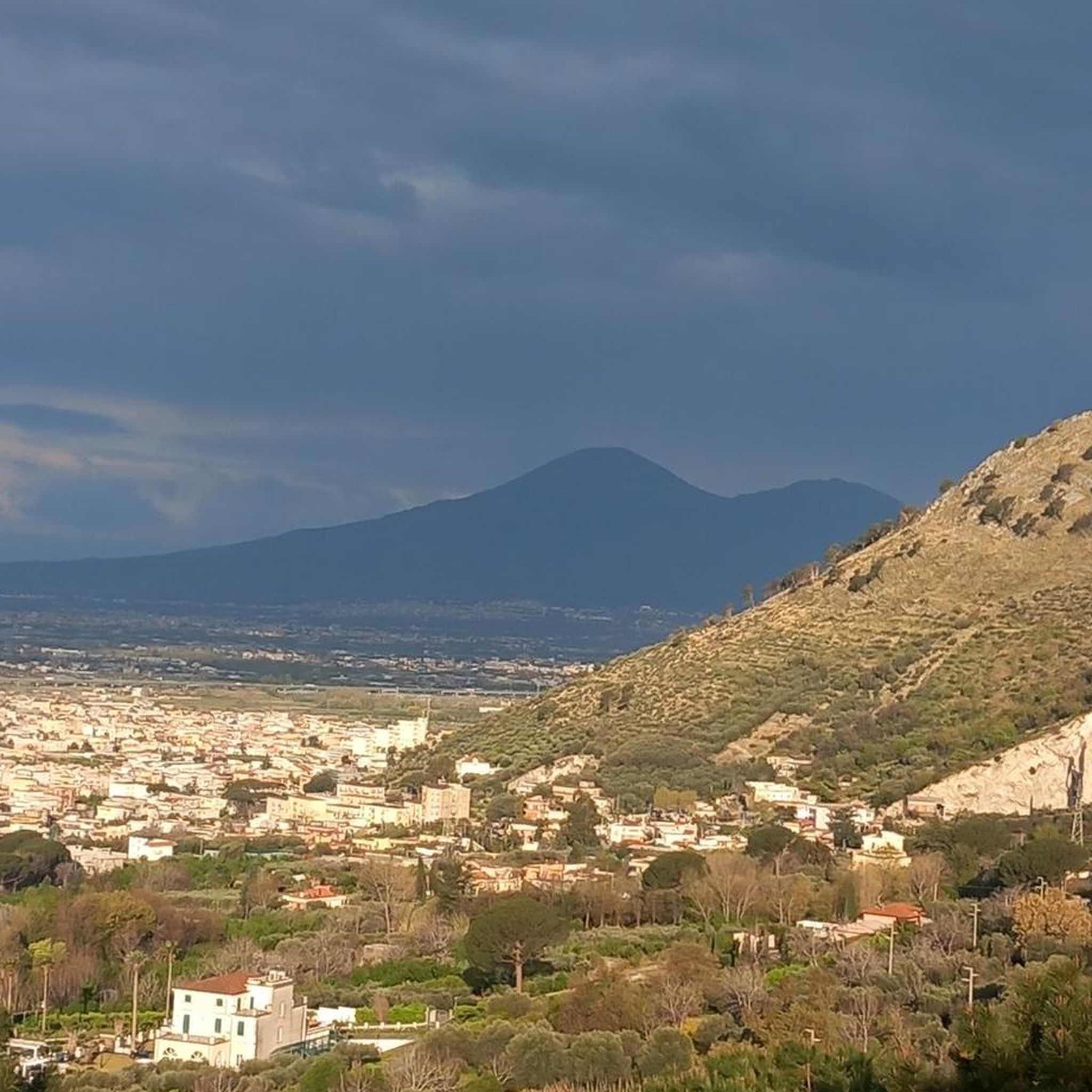
The cave is large, inside there is a crucifix and an altar. From the cave you can enjoy a beautiful view towards Vesuvius and the Lattari Mountains.
0
0

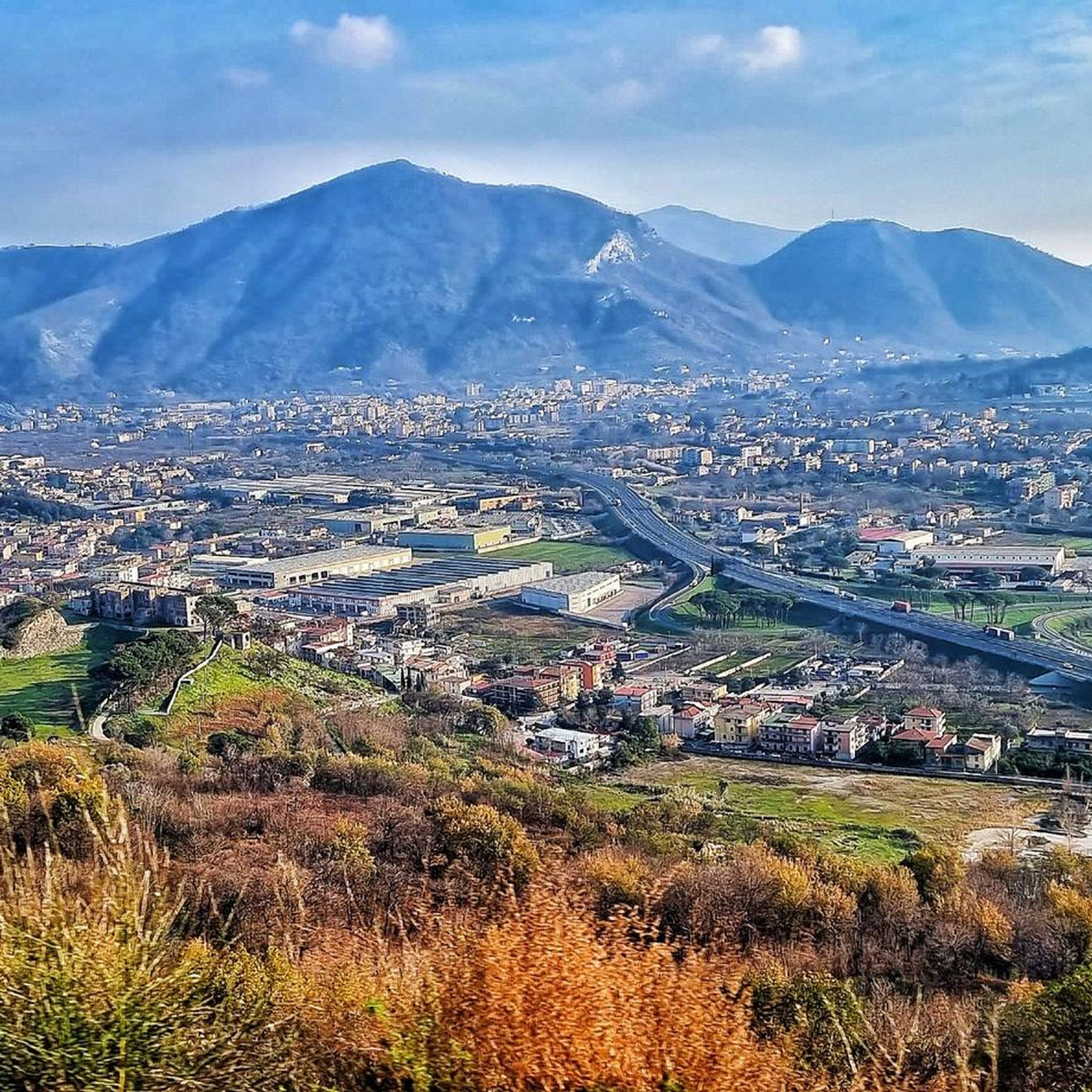
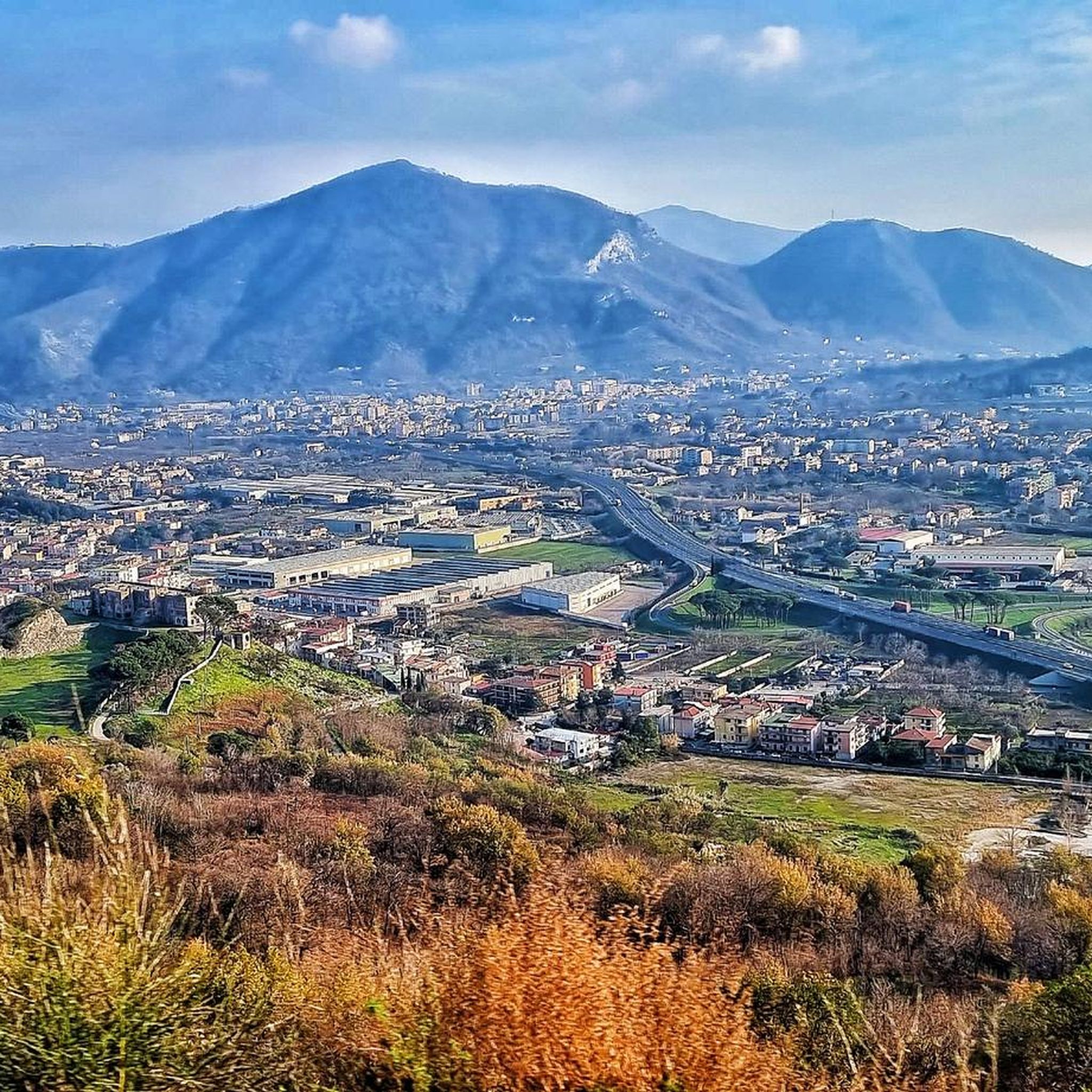
In Lettere there is the Benedictine hermitage, or the place where the Benedictine hermit monks retired to pray, a place also known as the veins of San Benedetto. The hermitage offers visitors an incomparable panorama of the Sarno Valley and Vesuvius, as well as allowing them to enjoy an unusual view of the historic Castello di Lettere. Around the hermitage a series of small natural cavities were probably used by Benedictine hermit monks to pray, and a completely frescoed chapel was built in one of these. Unfortunately these frescoes have not withstood the neglect of time and acts of vandalism, but what remains of them shows that they dated back to around 1,000 years ago.
23
0
difficulty to reach it? it takes a maximum of 40 minutes to reach it and there is no difficulty, you just need to have your eyes open and only a child gets lost on this path
2
0
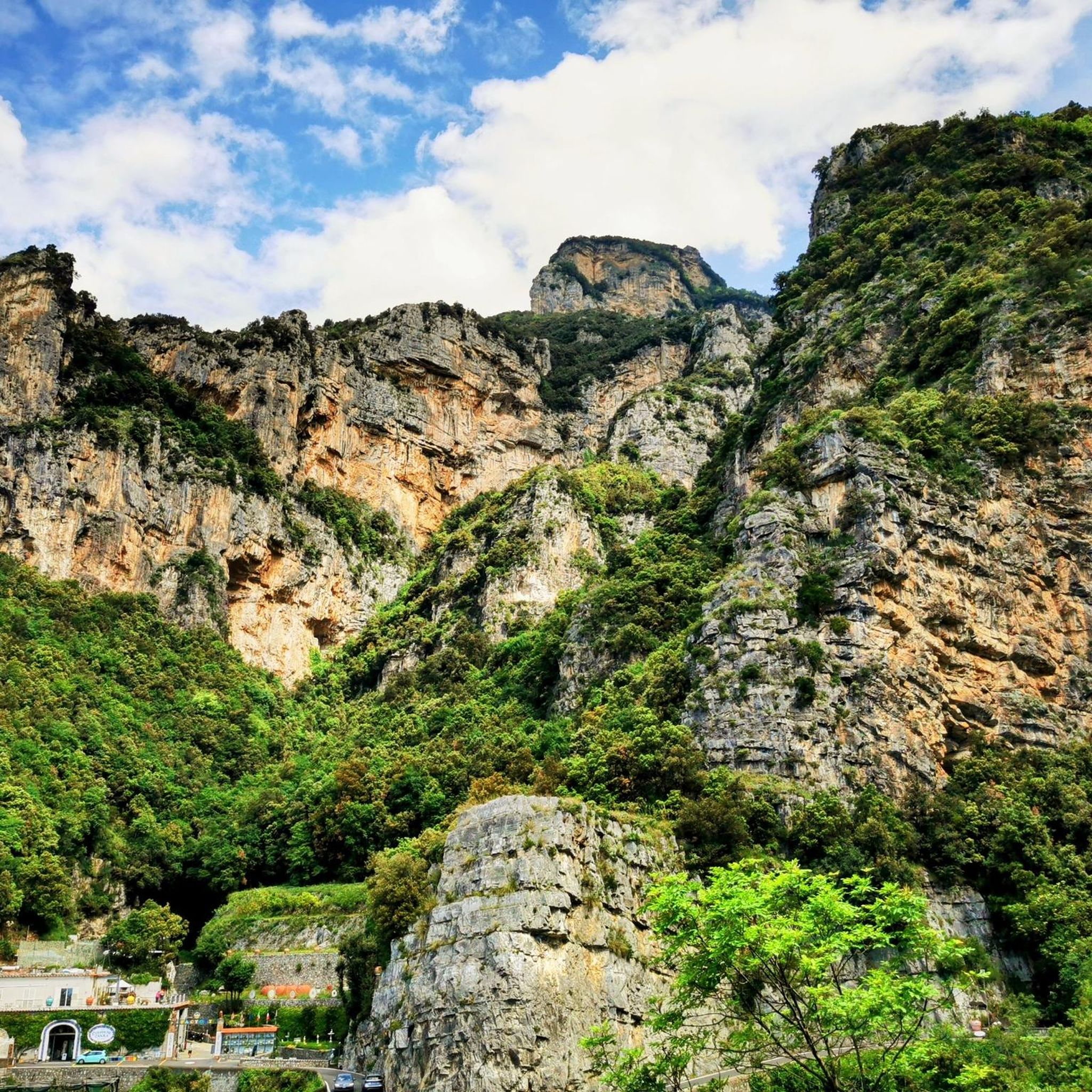
The wild nature of the place and the difficulty of the path to reach it make this historical site even more fascinating!
11
0
Frequently Asked Questions
What are the most notable caves directly around San Marzano Sul Sarno?
While San Marzano Sul Sarno itself may not have extensive natural cave systems, the immediate surrounding area offers several interesting sites. These include Grotta Boscariello, known for its large 60-meter-long chamber and 31-meter drop, offering a primordial aspect. Another significant site is Grotta di Santa Maria della Speranza, a religious building within a cave with views towards Vesuvius. Additionally, the Cave of Saint Benedict is a historical site with religious significance, likely used by Benedictine hermit monks, offering panoramic views of the Sarno Valley.
Are there larger, more famous cave systems in the wider Campania region?
Yes, the broader Campania region is home to several remarkable cave systems. The Pertosa-Auletta Caves are the largest in Campania and unique for their navigable underground river. The Grotta dello Smeraldo on the Amalfi Coast is famous for its emerald reflections, and the Castelcivita Caves offer extensive underground complexes with impressive stalactites and stalagmites.
What kind of geological features can I expect to see in the caves around San Marzano Sul Sarno?
The caves in the region, particularly the larger systems like Pertosa-Auletta and Castelcivita, are characterized by karst topography. This means you'll encounter impressive formations such as stalactites, stalagmites, and columns formed by dripping water over millennia. Grotta Boscariello, for instance, features a deep main room and a large chasm that allows light into the cave.
What historical or religious significance do some of these caves hold?
Many caves in the area have historical and religious importance. The Cave of Saint Benedict is believed to have been used by Benedictine hermit monks for prayer. Similarly, Grotta di Santa Maria della Speranza houses a crucifix and an altar, serving as a religious site. The Pertosa-Auletta Caves also have archaeological significance, with remains of a 4000-year-old stilt village.
What outdoor activities can I do near the caves around San Marzano Sul Sarno?
The area around San Marzano Sul Sarno offers various outdoor activities. You can find numerous running trails, such as the 'Archaeological Site of Pompeii loop from San Pietro' or 'Castello Doria loop from Angri'. For mountain biking, options include the 'Vietri sul Mare – Dead Horse Beach loop' or 'View of the Mercogliano Mountains loop'. Gravel biking routes are also available, like the 'View of Mount Vesuvius – Torre del Gatto loop'. You can explore more routes in the Running Trails, MTB Trails, and Gravel Biking guides for the region.
Are there any family-friendly cave experiences in the Campania region?
Yes, the larger cave systems in Campania, such as the Pertosa-Auletta Caves and Grotta dello Smeraldo, often offer guided tours suitable for families. The boat tours in both these locations provide an engaging and accessible way for visitors of all ages to experience the unique underground environments. It's advisable to check specific tour details for age recommendations and accessibility before visiting.
What is the best time of year to visit caves in the Campania region?
Caves generally maintain a stable temperature year-round, making them a good destination in any season. However, for the most comfortable experience, especially considering travel to and from the sites, spring (April-May) and autumn (September-October) offer pleasant weather. Summer can be a good option to escape the heat, while winter visits are also possible, though some sites might have reduced hours.
What should I wear for cave exploration in this area?
When exploring caves, it's recommended to wear comfortable clothing that allows for movement. Layers are advisable as cave temperatures can be cooler than outside. Sturdy, closed-toe shoes with good grip are essential, as surfaces can be uneven and damp. For more challenging caves like Grotta Boscariello, appropriate hiking gear and potentially a headlamp are recommended.
Are there options for beginner caving experiences near San Marzano Sul Sarno?
While some local caves like Grotta Boscariello are described as challenging, the larger, commercially operated caves in the wider Campania region, such as Pertosa-Auletta Caves and Grotta dello Smeraldo, are well-suited for beginners. They offer guided tours with established paths and safety measures, providing an accessible introduction to caving without requiring specialized skills or equipment.
What do visitors enjoy most about the caves around San Marzano Sul Sarno?
Visitors appreciate the unique blend of natural beauty and historical significance. The 'uncontaminated and primordial aspect' of caves like Grotta Boscariello is a highlight, along with the panoramic views of Vesuvius and the Lattari Mountains from sites like Grotta di Santa Maria della Speranza and the Cave of Saint Benedict. The komoot community has shared 26 photos and given 8 upvotes, indicating a strong appreciation for these unique natural and historical sites.
How long does it typically take to explore the local caves?
The duration of exploration varies depending on the cave. Smaller, more accessible sites like Grotta di Santa Maria della Speranza or the Cave of Saint Benedict might take 30 minutes to an hour to visit. For more extensive caves like Grotta Boscariello, or the larger regional systems like Pertosa-Auletta, guided tours can range from 1.5 to 3 hours, offering a more in-depth experience.
Are there any dog-friendly options for visiting caves in the region?
While many natural caves and protected sites have restrictions on pets for safety and conservation reasons, it's best to check with individual cave operators for their specific policies. Generally, larger commercial cave systems might have designated areas or specific rules for pets, but often dogs are not permitted inside the cave chambers themselves. For outdoor activities near the caves, such as hiking, dogs are usually welcome on trails, provided they are kept on a leash.
Most popular routes around San Marzano Sul Sarno
Most popular attractions around San Marzano Sul Sarno

Get inspired with the komoot mobile app


Explore more
Extend your search for the best caves by checking out these guides of the top ones around San Marzano Sul Sarno:
