Top 6 Castles around Rozzano
Best castles around Rozzano offer a glimpse into the region's rich history and architectural heritage. Rozzano, a town near Milan, Italy, is situated within a broader area that includes significant historical sites. The area features a mix of historical fortifications and unique fortified farmhouses. These structures provide insight into past defensive strategies and agricultural life.
Best castles around Rozzano
- The most popular castles is Sforza Castle, a castle located in Milan. This large fortified complex was built in the…
Last updated: October 3, 2026
Sforza Castle
Highlight • Castle
Translated by Google •
Tip by

Torre del Filarete
Highlight • Castle
The complex is free to enter and offers excellently preserved architecture and a very beautiful park. Only the various museums require standard tickets for entry. Conclusion: Highly recommended!
Translated by Google •
Tip by

Sign up now to discover places like this
Get recommendations on the best single tracks, peaks, & plenty of other exciting outdoor places.
Cascina Femegro
Highlight • Structure
Translated by Google •
Tip by

Rivellino of Porta Vercellina
Highlight • Historical Site
Translated by Google •
Tip by

Binasco Castle
Highlight • Castle
Showing Translation
Tip by

Sign up for free to discover even more castles around Rozzano.
Already have an account?
Start today with a free account
Your next adventure awaits.

Tips from the Community

The Visconti Castle of Binasco is an imposing late-medieval fortress built in the 14th century to protect the strategic route between Milan and Pavia. Characterized by exposed brick walls, battlements, and an internal courtyard with a loggia, the building still retains the typical appearance of Visconti military architecture. Its history is tragically linked to the figure of Beatrice di Tenda, imprisoned and executed here for alleged adultery in 1418 by order of Duke Filippo Maria Visconti. Despite various renovations over the centuries, it retains its charm and today houses the municipal offices and cultural events.
0
0

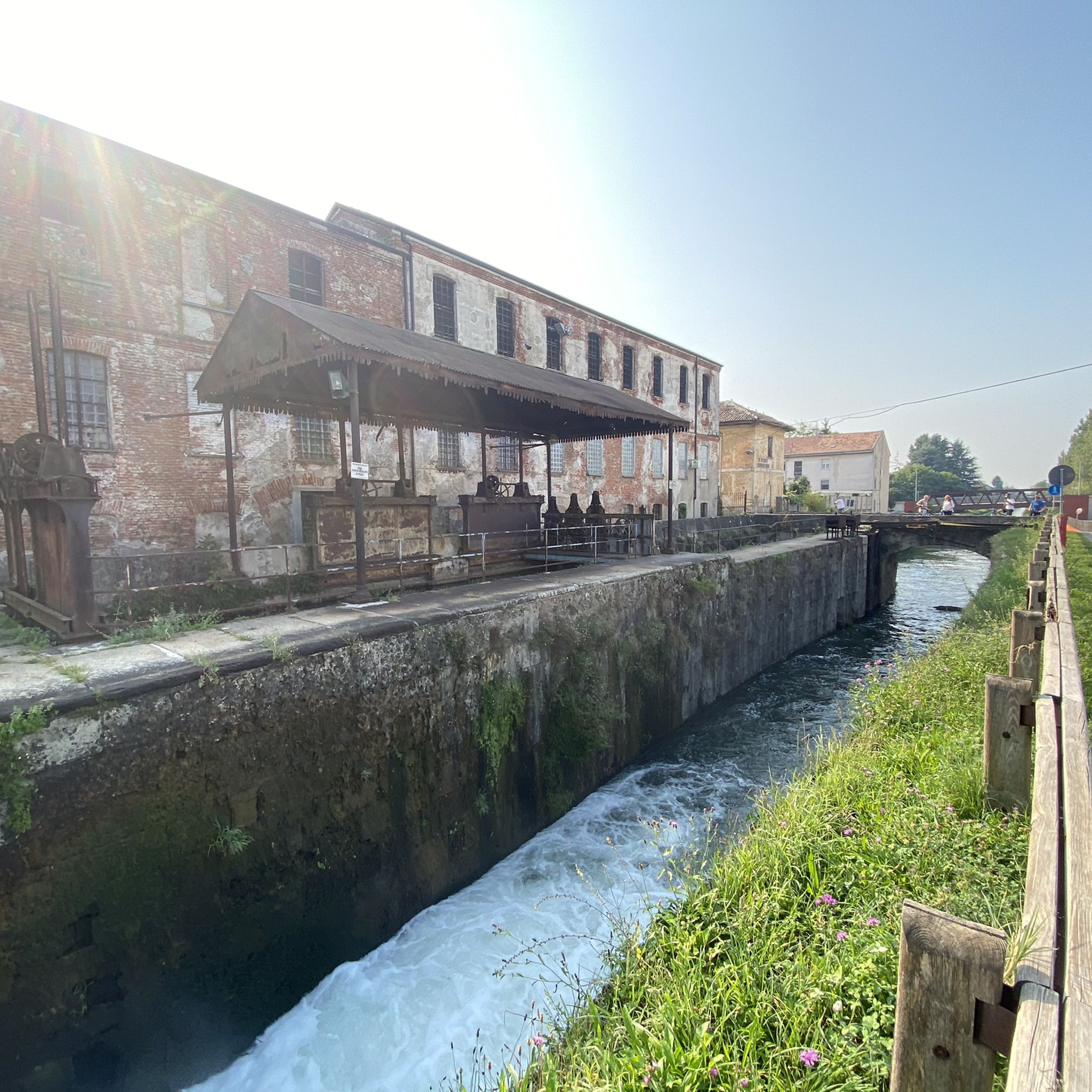
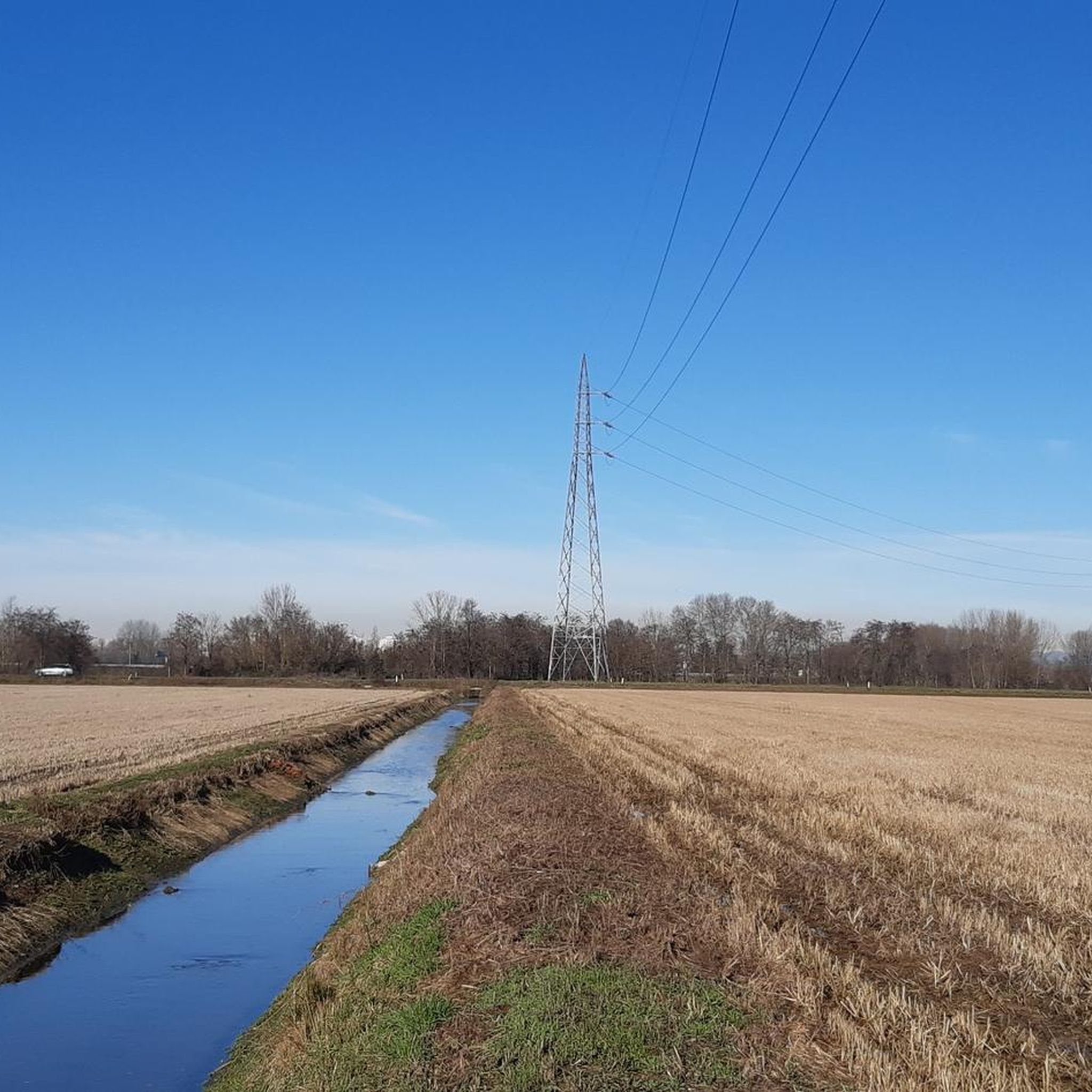
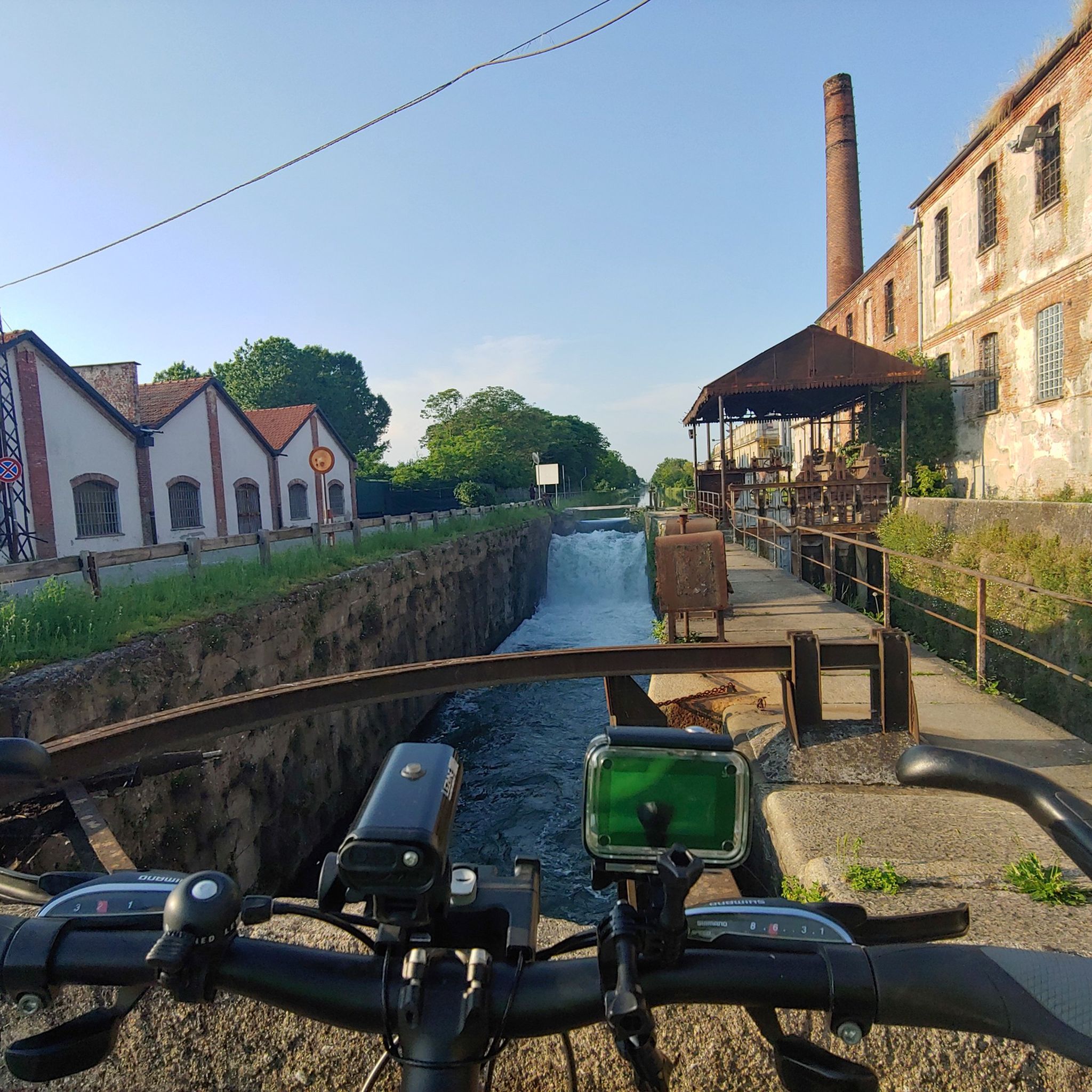
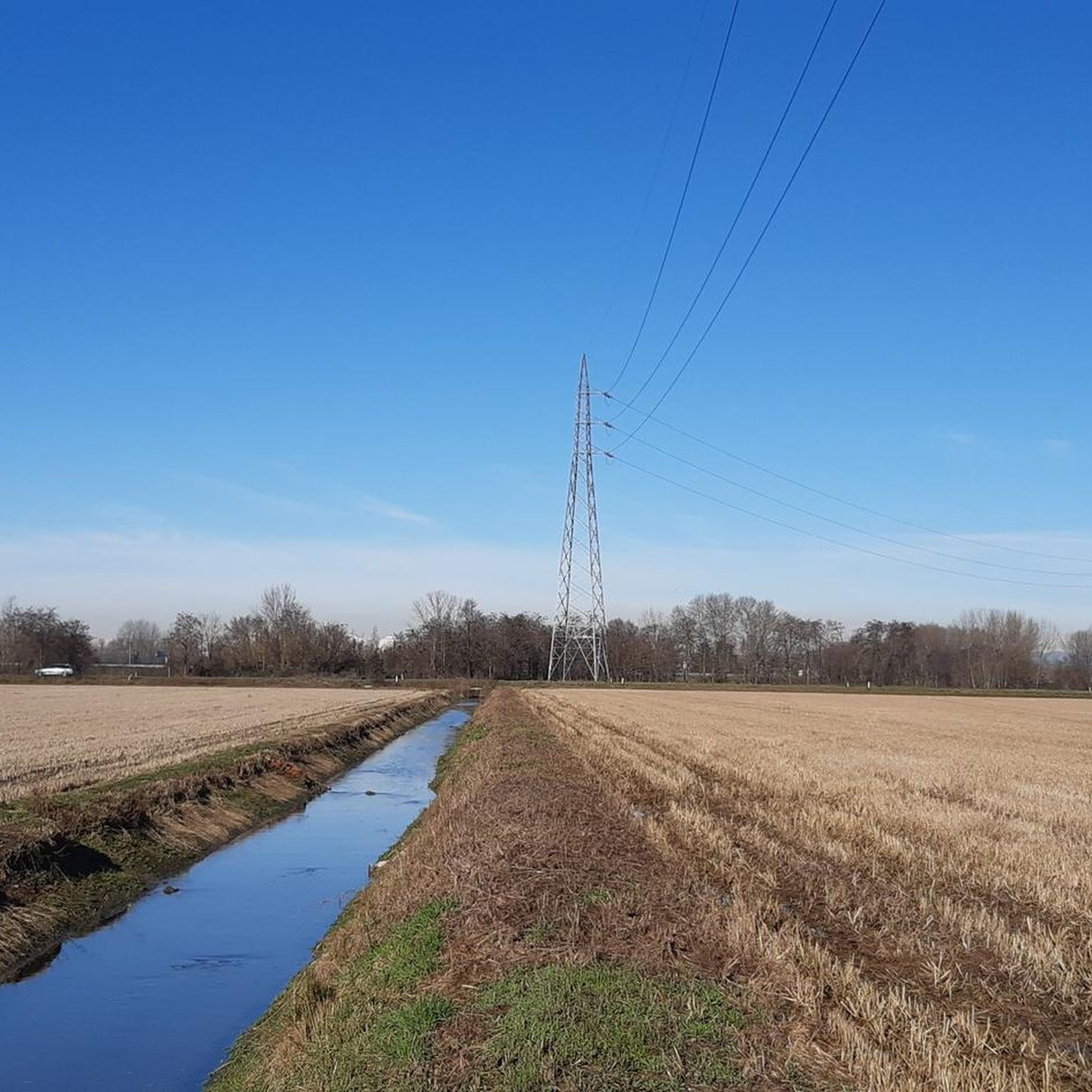
Cascina Femegro is a multifunctional farm located in Zibido San Giacomo, in the province of Milan. Nestled in the heart of the South Milan Agricultural Park, this historic rural structure in the Po Valley combines traditional livestock and crop farming with modern services for families, schools, and visitors.
0
0

The Torre del Filarete is the main monumental entrance to the Sforza Castle in Milan. Designed in 1452 by the Florentine architect Antonio Averulino (known precisely as Il Filarete) at the behest of Francesco Sforza, it collapsed in 1521 following the explosion of a gunpowder store. The current appearance is the result of the philological reconstruction of 1905, led by the architect Luca Beltrami
1
0

At the entrance to the Castle, just below the Filarete Tower, there are several well-equipped bicycle parking areas.
1
0


Torre del Filarete - Impressive fortress in the heart of Milan... The complex is free to enter and offers excellently preserved architecture and a very beautiful park. Only the various museums require standard tickets for entry. Conclusion: Highly recommended!
7
1

Medieval Castle of Milan
2
1
Frequently Asked Questions
What types of historical structures can I find around Rozzano?
Around Rozzano, you'll discover a mix of historical fortifications, including traditional castles and unique fortified farmhouses. These structures showcase the region's evolution from defensive strongholds to stately residences and agricultural estates. Notable examples include the Castello Visconteo di Rozzano and the distinctive Cascina Femegro.
Are there any castles directly within Rozzano?
Yes, the Castello Visconteo di Rozzano, also known as Castello di Cassino Scanasio, is located in Rozzano. It boasts a long history, with references dating back to the year 1000, and features a quadrangular structure with brick walls, a courtyard, and Gothic windows.
What is unique about Cascina Femegro?
Cascina Femegro is a remarkable fortified farmhouse near Rozzano, historically referred to as a castle in a 1275 document. It combines medieval architecture with a modern, multifunctional farm, offering insights into both historical self-sufficiency and contemporary sustainable agriculture. It even has a consecrated chapel and an ancient mill within its fortified walls.
Are there family-friendly castles or historical sites near Rozzano?
Yes, several sites are considered family-friendly. Cascina Femegro, for instance, operates as an educational farm, making it engaging for families interested in agriculture and history. Further afield in Milan, both Sforza Castle and Torre del Filarete offer extensive grounds and museums that are suitable for family visits.
What outdoor activities can I do near these castles?
The area around Rozzano offers various outdoor activities. You can find numerous cycling routes, such as the 'Moirago Lock – Naviglio Pavese near Badile loop' or the 'Cascina Femegro – Naviglio Pavese near Badile loop'. There are also MTB trails and running paths, including those around Parco delle Rogge or Lago Andromeda. For more details, explore the Cycling around Rozzano, MTB Trails around Rozzano, and Running Trails around Rozzano guides.
Is Sforza Castle considered one of the castles around Rozzano?
While Sforza Castle is a prominent historical complex in the broader Milan area, it is located in Milan itself, not directly in Rozzano. It's a significant site built in the 15th century by Francesco Sforza and is easily accessible from Rozzano for a day trip.
What is the best time of year to visit the castles near Rozzano?
Spring and autumn generally offer the most pleasant weather for exploring the castles and their surroundings. Temperatures are mild, and the natural landscapes are vibrant. Summer can be warm, while winter visits are possible, but some outdoor areas or specific attractions might have reduced hours or accessibility.
Can I find any historical remnants of defensive structures near Rozzano?
Yes, beyond the main castles, you can find historical remnants like the Rivellino of Porta Vercellina. This structure, located in Milan, is a projection built to protect castle gates and maintains a visible quadrangular plan from its Sforza origins, offering a glimpse into past defensive strategies.
Are there any castles that were originally fortifications but later transformed?
The Castello Visconteo di Rozzano is a prime example. Initially a fortification, the Trivulzio family transformed it into a country residence, and later under the Visconti di Modrone, it became an agricultural estate. This evolution highlights the changing functions of such structures over centuries.
What do visitors enjoy most about the castles and historical sites in this region?
Visitors appreciate the tangible connection to the region's medieval and aristocratic past. The architectural evolution of sites like the Castello Visconteo di Rozzano, and the unique blend of history and modern agriculture at Cascina Femegro, offer diverse and engaging experiences. The komoot community has shared over 800 photos and given more than 1000 upvotes for these highlights, reflecting their popularity.
Are there any castles or historical sites that are particularly good for cycling to?
Yes, Cascina Femegro is located along routes that are very pleasant for cycling. The stretch of road connecting Noviglio to Zibido San Giacomo, where Cascina Femegro is situated, is noted for its suitability for bicycles due to its narrowness and manageable car traffic. You can find specific cycling routes that pass by or near it in the Cycling around Rozzano guide.
Most popular routes around Rozzano
Most popular attractions around Rozzano

Get inspired with the komoot mobile app


Explore more
Looking for the best castles somewhere else? Discover other guides around Rozzano:
