Top 7 Castles around San Potito Ultra
Castles around San Potito Ultra are found within the Irpinia region, an area characterized by its historical depth and varied natural terrain. San Potito Ultra, originally known as Radicozzo, features historical sites such as the Amatucci Palace and ancient churches like the Romanesque-style Church of Sant'Antonio Abate. The surrounding landscape includes rural areas with traces of old mills, offering a blend of cultural heritage and natural exploration. This region provides a setting for discovering historical fortifications.
Best castles around San…
Last updated: June 30, 2026
Castello di Tufo
Highlight • Castle
Translated by Google •
Tip by

Ruins of Mercogliano Castle
Highlight • Castle
Translated by Google •
Tip by
Sign up now to discover places like this
Get recommendations on the best single tracks, peaks, & plenty of other exciting outdoor places.
Sign up for free
Feudal Castle
Highlight • Castle
Translated by Google •
Tip by

Macedonio Castle of Grottolella
Highlight • Castle
Translated by Google •
Tip by
Capocastello of Mercogliano
Highlight • Castle
Translated by Google •
Tip by

Sign up for free to discover even more castles around San Potito Ultra.
Sign up for free
Already have an account?
Start today with a free account
Your next adventure awaits.
Login or Signup

Tips from the Community

Remains of the feudal castle of Serino, complete with boundary walls and access arch. Very suggestive place!
6
0

On the top of a hill full of vegetation, in the locality of Toppola, are the ruins of the Feudal Castle of Serino which, together with the Castle of Orano, constitutes the group of fortifications present in the territory of the municipality. Of the original structure, only the perimeter walls and the ancient chapel, now restored, are visible. According to some sources, the castle was built around 839 AD, as a defensive bulwark for the local inhabitants threatened by the raids of the militias engaged in the dynastic struggles for the succession to the throne of Benevento. However, the current conformation of the castle should date back to 1159, the year in which Costanza Saracena, belonging to the Sanseverino family, elected Serino as the capital of her feud. The structure is accessed through two suggestive arched doors that mark the passage along the three short ramps that once led to the main entrance. After the last door, you come across the Sanctuary dedicated to the Madonna delle Grazie which today includes the private chapel with a bell tower, once located near the residence of the feudal lord. With the loss of its defensive function, the castle suffered the neglect of time and was gradually abandoned. The ruins of the building, with the adjoining restored church, are now well kept, inserted within a highly suggestive natural setting, in which the centuries-old linden tree in front of the church makes a fine show.
18
0

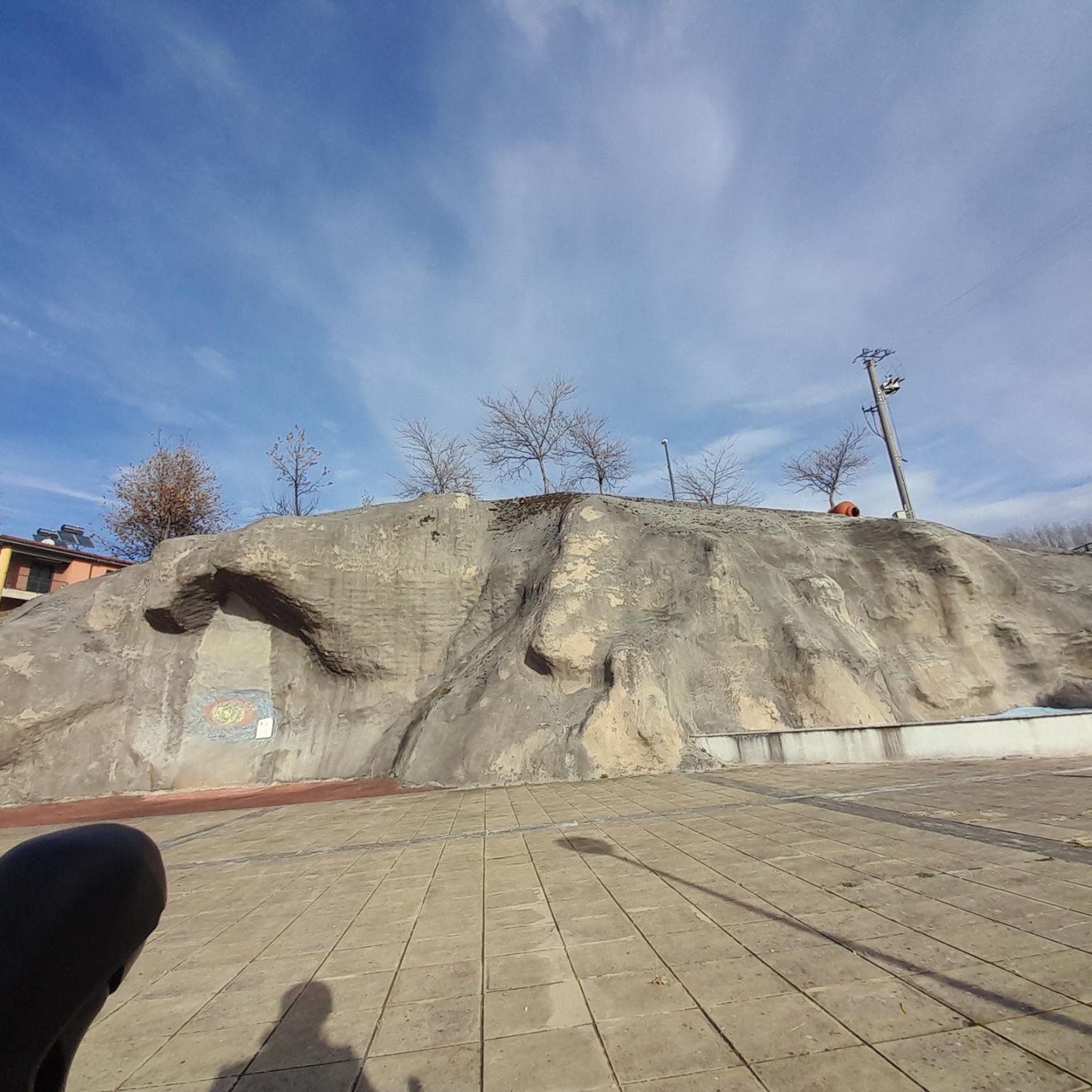
Capocastello is located in the municipality of Mercogliano and is a typical medieval village. In the past it was surrounded by stone walls to protect the town and above all the ancient castle that overlooked the town.
1
0
The Feudal Castle is located on top of the Serino hill. It is inserted in a wooded environment, very luxuriant. Unfortunately a large part of the fortress is in a state of abandonment.
1
0
Ruins of the Castle of the hamlet of Mercogliano "Capocastello"
1
0

The castle of Grottolella built in 1083 on a pre-existing Lombard stronghold in control of the old village of Grottolella
1
0
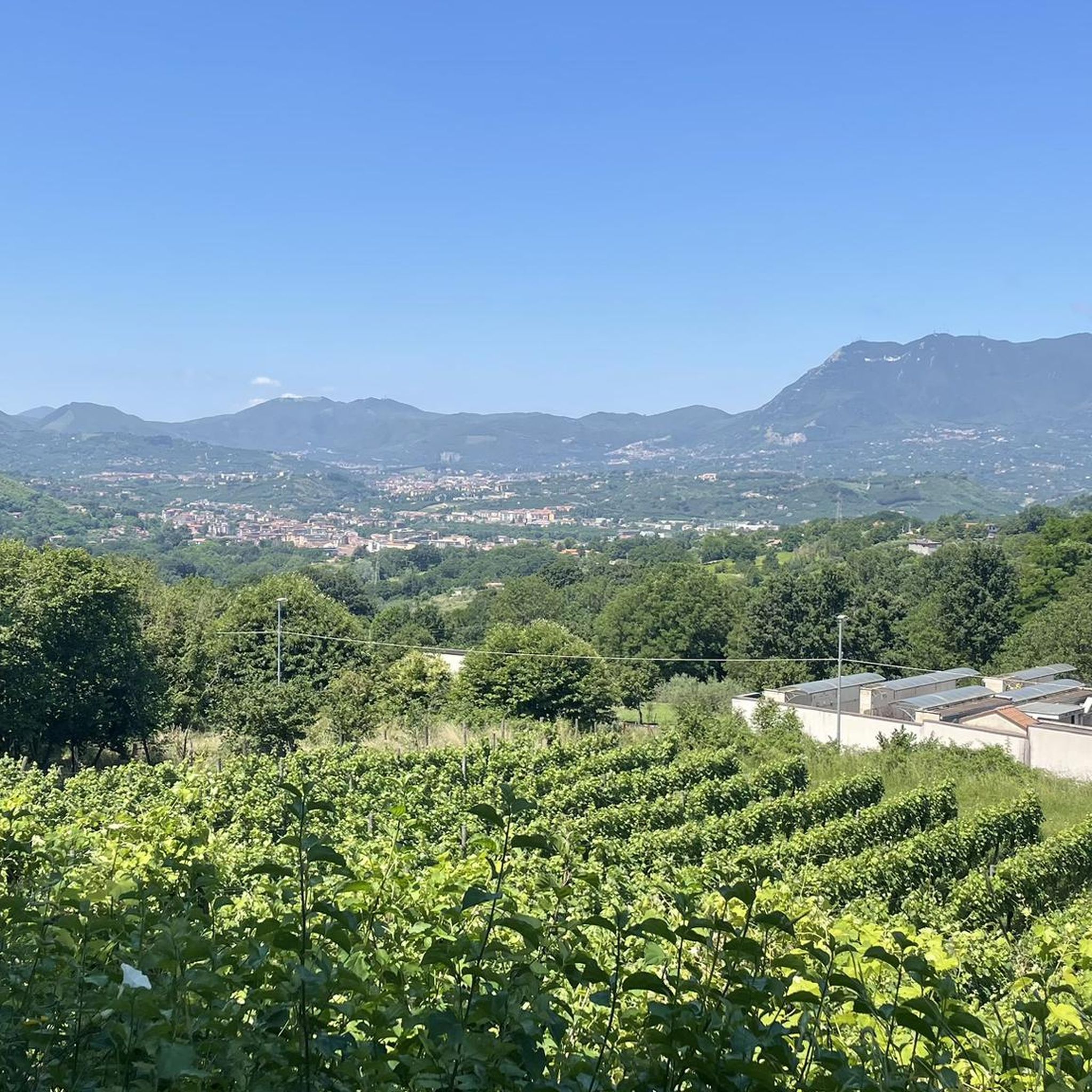
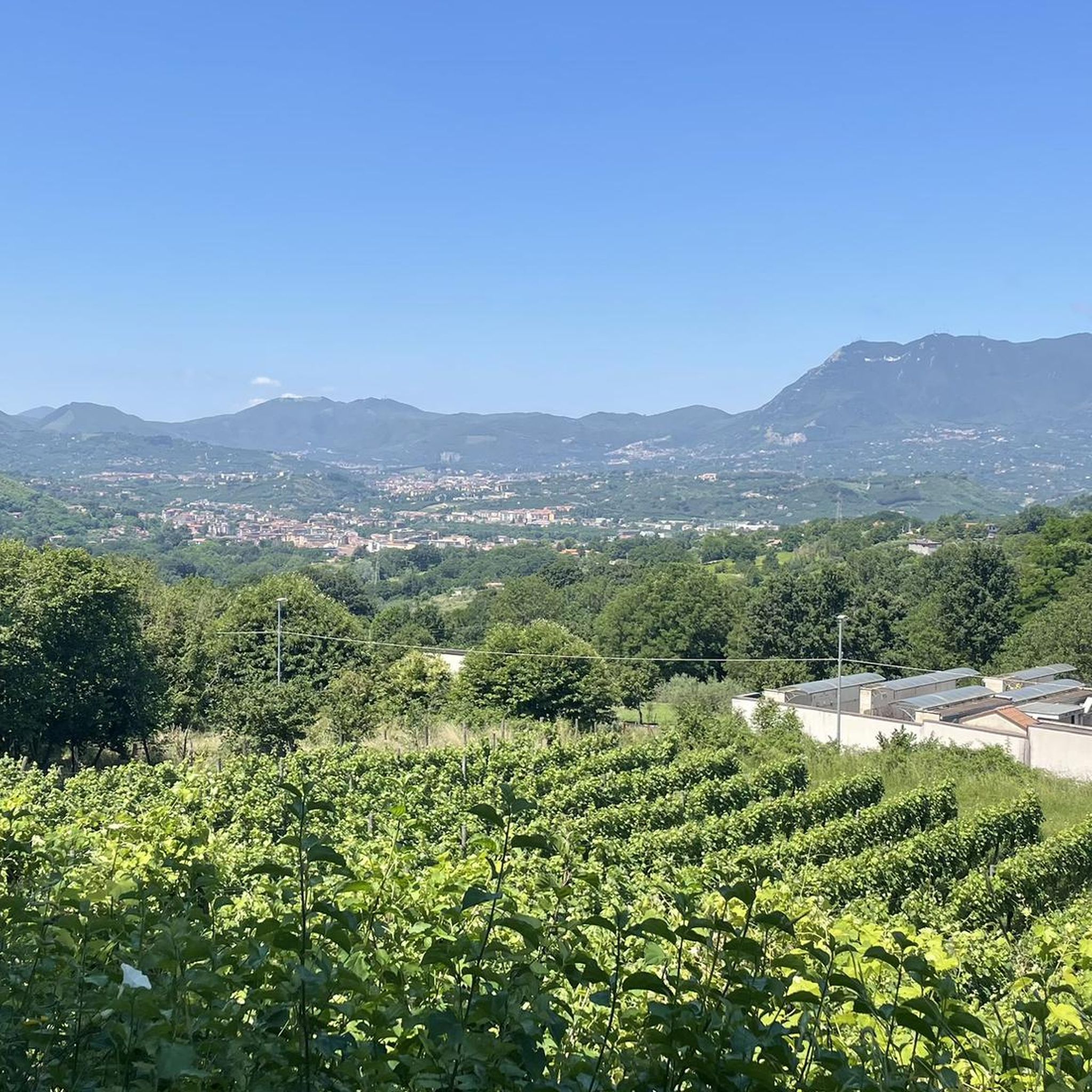
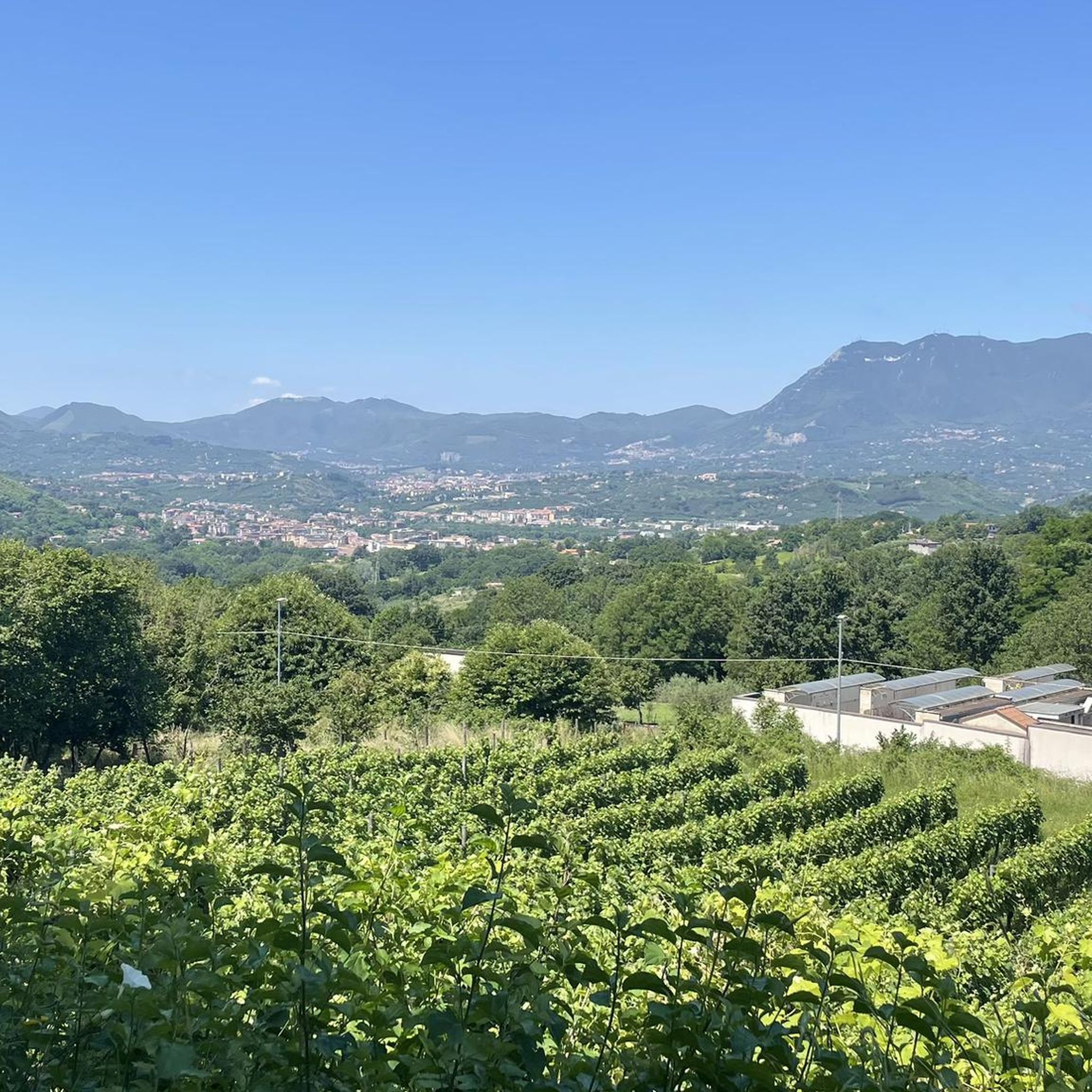
The roots and history of Greco di Tufo one of the most famous white wines in the world
1
0
The Castle dominates the old village over the valley crossed by the San Giulio stream, built on a pre-existing Lombard stronghold in the second half of the 11th century, it was besieged and destroyed by the troops led by Ruggiero II the Norman.
0
0
Frequently Asked Questions
What types of castles can I explore around San Potito Ultra?
The Irpinia region, where San Potito Ultra is located, offers a variety of historical fortifications. You can find well-preserved structures, ancient ruins, and defensive bulwarks. Examples include the historic Castello di Tufo, the strategic Ruins of Mercogliano Castle, and the scenic Feudal Castle with its restored chapel.
Are there any family-friendly castles or activities near San Potito Ultra?
While specific family-friendly ratings for individual castles are not detailed, exploring the ruins like the Feudal Castle in Serino, set within a natural environment, can be an engaging experience for families. The historical context and natural settings provide opportunities for exploration. Additionally, the broader Irpinia region offers various outdoor activities that can be enjoyed by families.
What historical sites are there in San Potito Ultra itself, beyond castles?
San Potito Ultra, originally known as Radicozzo, has its own historical points of interest. You can visit the Museum of Work, housed within the Amatucci Palace (the municipal seat), and explore ancient churches such as the Romanesque-style Church of Sant'Antonio Abate and the 18th-century Church of Sant'Antonio di Padova. Traces of old mills, like the Cavaliere Mill and the Don Nicola Mill, can also be found in the rural areas.
What outdoor activities can I do near the castles around San Potito Ultra?
The region around San Potito Ultra is excellent for outdoor enthusiasts. You can find numerous routes for hiking and cycling. For hiking, consider trails like 'The Feudal Castle of Serino' which is an easy route, or more challenging options such as 'Monte Vergine Loop from Ospedaletto d'Alpinolo'. Cyclists can explore routes like 'Sanctuary of Montevergine – Liberty Square, Avellino loop' for road cycling or 'Parco Santo Spirito – Ruins of Avellino Castle loop' for touring. You can find more details on these activities in the hiking guide and cycling guides for San Potito Ultra.
Are there hiking trails that lead to or are near these castles?
Yes, several hiking trails are available. For instance, an easy hiking route called 'The Feudal Castle of Serino' directly leads to the Feudal Castle. Other trails in the broader area, such as those around Montevergine Sanctuary, offer opportunities to combine nature exploration with visits to historical sites. Explore more hiking options in the hiking guide for San Potito Ultra.
What is the best time of year to visit the castles in the Irpinia region?
The Irpinia region generally enjoys pleasant weather during spring (April-June) and autumn (September-October), making these ideal times for exploring castles and engaging in outdoor activities. The temperatures are milder, and the natural scenery is often at its most beautiful. Summer can be warm, while winter visits might be possible but could involve colder temperatures and potentially less accessible routes, especially for ruins.
Can I find any castles with significant historical connections to local products or events?
Yes, Castello di Tufo is particularly notable for its connection to the roots and history of Greco di Tufo wine, one of the world's most famous white wines. Visiting this castle offers insight into both the region's historical fortifications and its renowned viticulture.
What should I wear when visiting castles and exploring the surrounding areas?
Given that many castles are ruins or involve climbs and are often situated in natural settings, comfortable walking shoes or hiking boots are highly recommended. Layers of clothing are advisable, especially during spring and autumn, to adapt to changing weather conditions. If you plan to explore trails, consider appropriate outdoor gear.
Are there any castles that offer panoramic views?
Many castles in the Irpinia region were strategically built on elevated positions for defensive purposes, offering excellent viewpoints. For example, Macedonio Castle of Grottolella dominates the old village over the valley, and Solofra Castle is located on a hill, both providing scenic vistas of the surrounding landscape.
What are some lesser-known or 'hidden gem' castles to visit near San Potito Ultra?
While not widely documented as major tourist attractions, the region has several historical fortifications worth exploring. The Macedonio Castle of Grottolella, built on a pre-existing Lombard stronghold, offers a glimpse into ancient history. Similarly, the Solofra Castle, part of an important defensive complex, provides a less crowded historical experience.
Is public transport available to reach castles near San Potito Ultra?
Information regarding specific public transport routes directly to each castle is limited. It is generally recommended to use a car for greater flexibility when exploring the castles in the Irpinia region, as many are located in rural or elevated areas. Parking availability varies by site, so it's advisable to check local information for each specific castle you plan to visit.
Most popular routes around San Potito Ultra
Most popular attractions around San Potito Ultra

Get inspired with the komoot mobile app


Explore more
Looking for the best castles somewhere else? Discover other guides around San Potito Ultra:
