Top 8 Castles around Marsala
Best castles around Marsala are found in a city rich in history and culture, located on the western coast of Sicily. This region features a notable historical fortress, the Castello di Marsala, also known as the Norman Castle, which stands as a primary example of a castle within the city's confines. The area is characterized by its strategic location, offering panoramic views from historical structures. Marsala provides insights into medieval fortifications and local history through its various sites.
Best castles…
Last updated: October 3, 2026
Wonderful view of Salemi
Highlight • Viewpoint
Translated by Google •
Tip by

View of the Colombaia
Highlight • Viewpoint
Translated by Google •
Tip by

Sign up now to discover places like this
Get recommendations on the best single tracks, peaks, & plenty of other exciting outdoor places.
Castello della Colombaia
Highlight • Castle
Translated by Google •
Tip by
Norman Arch of Mazara
Highlight • Historical Site
Translated by Google •
Tip by

Norman Church of San Nicolò Regale
Highlight • Religious Site
Translated by Google •
Tip by

Sign up for free to discover even more castles around Marsala.
Already have an account?
Start today with a free account
Your next adventure awaits.
Other adventures around Marsala

Tips from the Community

As you run along the coast of Trapani and pass the Castello della Colombaia, a very special running highlight opens up. The medieval fortress sits on a small island at the western end of Trapani's harbor and is an impressive sight due to its long history dating back to the First Punic War. The view of the fishing boats in the harbor and the majestic walls of the Colombaia make the run particularly atmospheric - especially in the early morning or late afternoon hours when the light softly falls on the scene. When you run this route, you can literally feel the history in the old walls as you escape everyday life on the quieter streets of Trapani. There are no major elevation changes here for runners, making the route a relaxed choice for any training run. If you are a little off the beaten track, you can experience authentic Trapani on your own - it is worth paying attention not only to the Colombaia, but also to the charming fishing boats and the open sea.
0
0
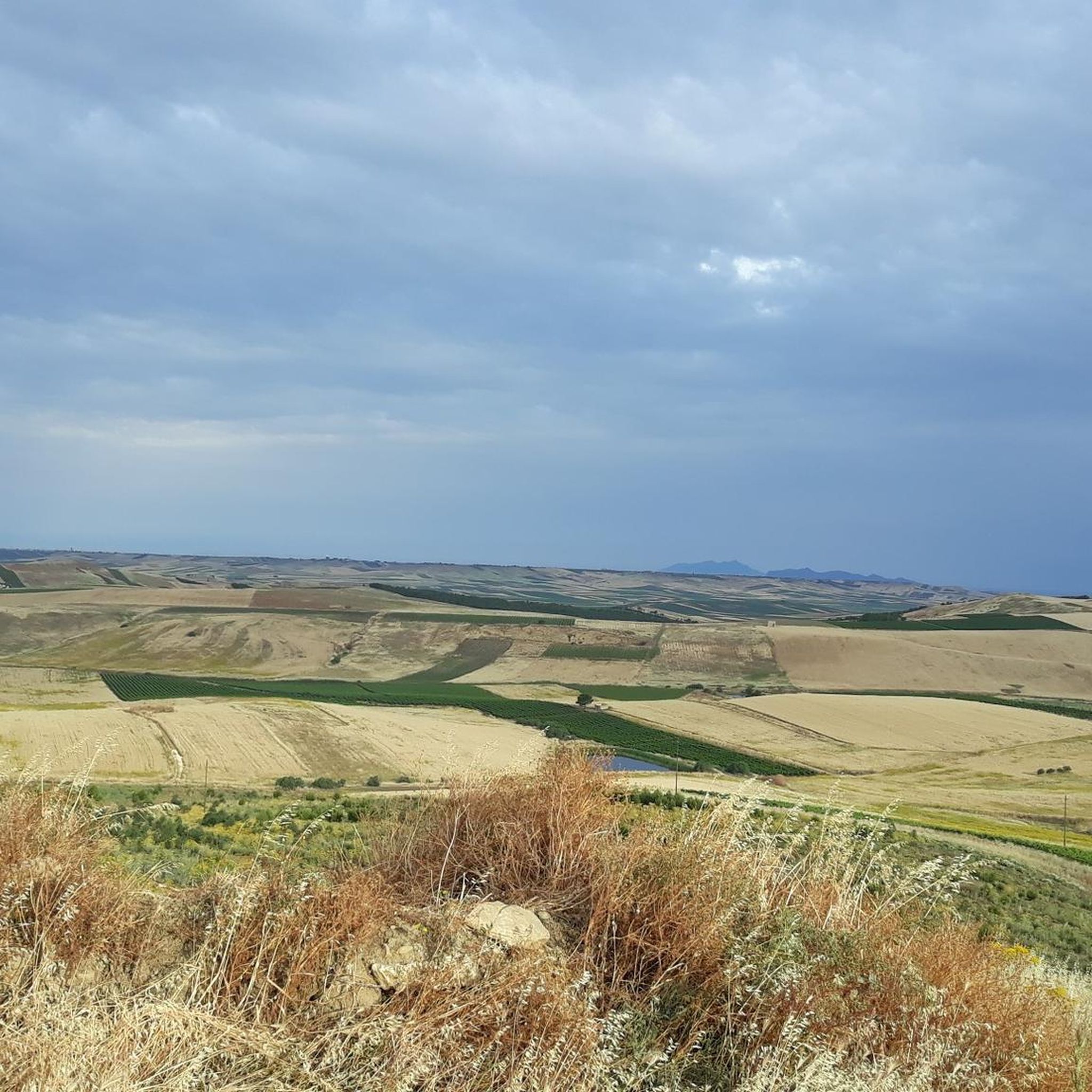
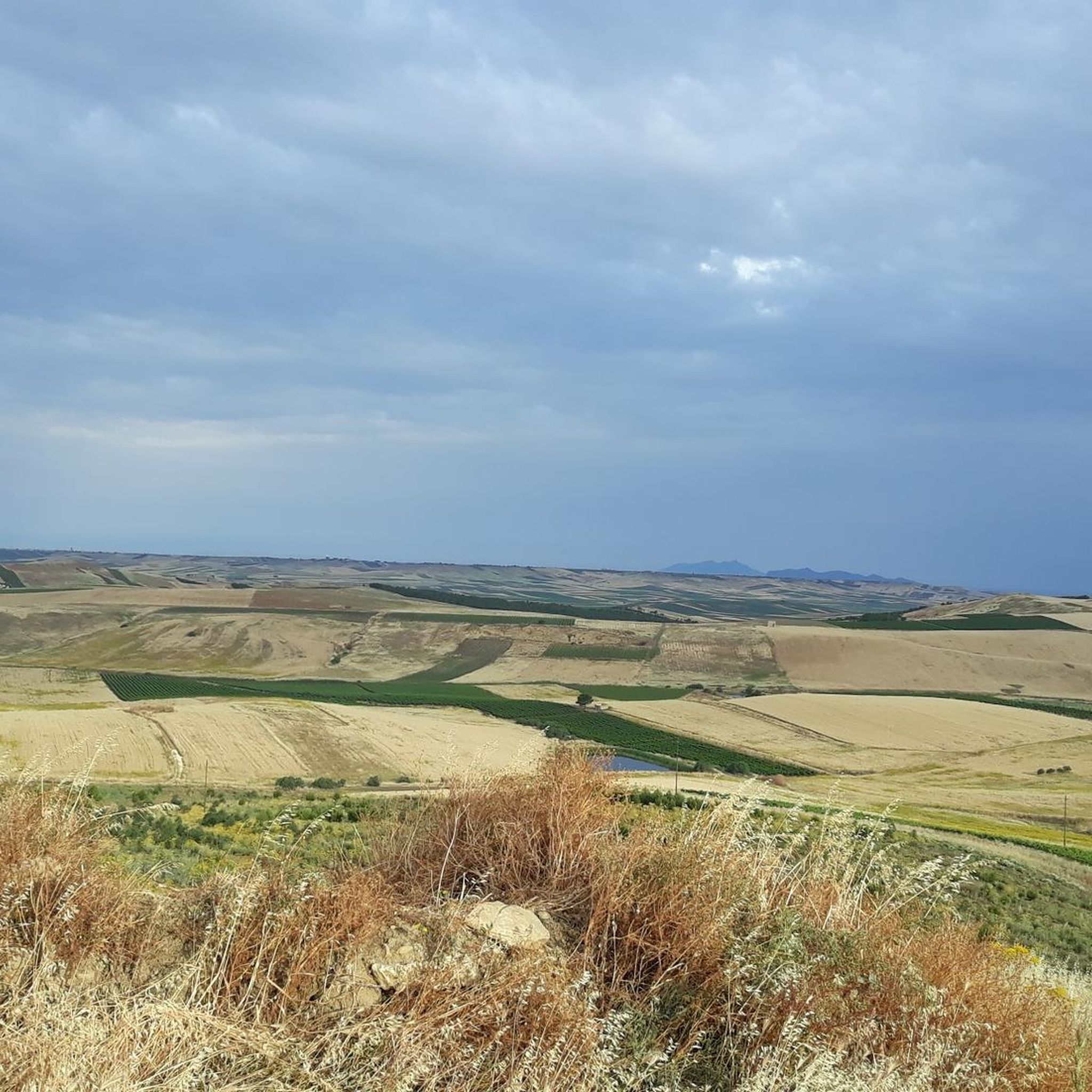
History, culture and breathtaking views of the hilly surroundings are all mixed here. The view of the Norman-Swabian castle that towers over the town is particularly impressive - a perfect destination after a challenging stage. The climb, especially in the Monte delle Rose district, is quite demanding, but the reward is worth it: a spectacular view of the old town and the castle. Salemi is not only a visual highlight, but also steeped in history. In May 1860, Giuseppe Garibaldi briefly proclaimed Salemi the first capital of a united Italy - even if the title only lasted for one day. This town combines the legacy of a turbulent past with the charm of a typical Sicilian village, which lies about 400 meters above sea level. Salemi not only offers a historical insight, but also a challenging but worthwhile route through the rural region. When you drive through the winding streets here, you can literally feel how history and the present merge into one another.
0
0

On 14 May 1860 Giuseppe Garibaldi landed in Marsala and headed towards Salemi. Here he hoisted the Italian flag, a nation that was then forming, on the Norman-Swabian castle, proclaiming Salemi the capital of Italy, an informal title that he retained for only one day. Today Salemi is a splendid town of around 10,000 inhabitants, part of the most beautiful villages in Italy according to the National Association of Italian Municipalities.
3
0

The Norman history of Mazara, a must see
0
0
Norman arch of Mazara, remains of an ancient castle in the center of the city
1
0
Salemi, the first capital of Italy. Sicilian village located on a hill, with a beautiful Norman castle
2
0

In Salemi, in 2010, a museum was opened showing the history of the Cosa Nostra mafia.
2
0

In the past, the churches were often built as castles.
0
1
Frequently Asked Questions
What is the primary castle to visit directly within Marsala?
The most prominent historical fortress within the city of Marsala is the Castello di Marsala, also known as the Norman Castle. Its origins are believed to be Norman, dating back to the twelfth century, and it features imposing stone walls and towers. Exploring its interior offers a glimpse into the region's history, and ascending its towers provides panoramic views of the surrounding landscape.
Are there other significant historical castle sites near Marsala?
Yes, beyond the city limits, you can explore several other sites with castle connections. These include the Norman Arch of Mazara, which represents the former fortress gate of the Normans, and the Wonderful view of Salemi, where Giuseppe Garibaldi once hoisted the Italian flag on the Norman-Swabian castle. Another notable site is the Norman Church of San Nicolò Regale in Mazara, a religious building that historically served castle-like functions.
What historical events are associated with the castles near Marsala?
One significant event is tied to the Norman-Swabian castle in Salemi. On May 14, 1860, Giuseppe Garibaldi landed in Marsala and proceeded to Salemi, where he hoisted the Italian flag on the castle, briefly proclaiming Salemi the capital of Italy. This historical moment highlights the strategic importance of these fortifications.
How long should I plan for a visit to these historical sites?
The time needed can vary. For the Castello di Marsala, you might spend 1-2 hours exploring its interior and enjoying the views. Sites like the Norman Arch of Mazara or the Norman Church of San Nicolò Regale might be quicker stops, perhaps 30-60 minutes each, especially if combined with exploring the surrounding towns. For a site like Salemi, including the castle viewpoint and the town, a half-day trip is recommended.
What kind of views can I expect from the castles around Marsala?
Many castle-related sites offer impressive panoramic views. From the Castello di Marsala, you can see the city and surrounding landscape. The Wonderful view of Salemi provides expansive vistas of the town and its surroundings. Additionally, the View of the Colombaia offers stunning perspectives of the ancient fortress itself, situated on a small island off Trapani.
What is the best time of year to visit the castles around Marsala?
The spring (April-May) and autumn (September-October) months are generally ideal. During these periods, the weather is pleasant for exploring, avoiding the intense heat of summer and the cooler, potentially wetter days of winter. This also allows for comfortable outdoor activities near the sites.
Are the castles around Marsala family-friendly?
Many of the historical sites, including those with castle connections, are suitable for families. For example, the Norman Arch of Mazara and the Norman Church of San Nicolò Regale are accessible for families. The Castello della Colombaia is also listed as family-friendly, though its island location might require specific transport arrangements.
Can I combine a castle visit with outdoor activities like hiking or cycling?
Absolutely. The Marsala region offers various outdoor activities that can be combined with historical site visits. For hiking, you can explore routes like the 'Historic pier to Mozia Island – Saline Ettore e Infersa loop' or the 'Garibaldi Gate (Marsala) – Cantine Florio loop'. Cyclists can enjoy routes such as the 'Stagnone di Marsala and Salt Pans Loop'. You can find more details on these and other routes in the Hiking around Marsala or Cycling around Marsala guides.
Are there dog-friendly historical sites or trails near Marsala?
While specific historical sites may have restrictions, many outdoor trails in the Marsala area are dog-friendly. For instance, the Stagnone Nature Reserve offers routes where dogs are often welcome, provided they are kept on a leash. Always check local regulations for specific sites before visiting with your dog.
What are the parking options for visiting castles near Marsala?
Parking availability varies by location. For the Castello di Marsala within the city, you'll likely find public parking lots or street parking nearby, though it might require a short walk. For sites outside the main towns, such as viewpoints or more remote historical structures, parking might be less formal but often available close to the site. It's advisable to check specific location details if driving.
Are there any hidden gem castles or lesser-known historical sites worth exploring?
The Castello della Colombaia, also known as Torre Peliade or Sea Castle, is a fascinating medieval fortress located on a small island at the western end of Trapani Harbor. Its ancient roots, possibly dating back to the First Punic War, and its unique island setting make it a compelling, perhaps lesser-known, site to explore for those interested in deep history and impressive views.
Are there accessible castles for disabled visitors near Marsala?
Information on specific accessibility features for disabled visitors at all castle sites in the Marsala region is not readily available. Historical structures, by their nature, often present challenges with stairs, uneven terrain, and limited modern adaptations. It is recommended to contact individual sites directly for the most current and detailed accessibility information before planning your visit.
What are the public transport options to reach castles near Marsala?
Public transport options primarily serve the main towns. You can typically reach Marsala city center by bus or train. From there, the Castello di Marsala is within walking distance. For sites further afield, like Salemi or Mazara, regional buses might be available, but direct routes to specific castle entrances can be limited. Renting a car often provides the most flexibility for visiting multiple sites in the region.
Most popular attractions around Marsala

Get inspired with the komoot mobile app


Explore more
Looking for the best castles somewhere else? Discover other guides around Marsala:
