Top 8 Caves around San Giovanni di Fassa - Sèn Jan
Best caves around San Giovanni di Fassa - Sèn Jan are primarily found within the stunning alpine landscapes of the Val di Fassa, a region known for its Dolomite peaks and extensive hiking and cycling routes. While not home to large, developed show caves, the area features various natural rock formations and historical sites with cave-like structures. These locations offer insights into the region's geology and past, often integrated into popular hiking trails. The municipality is also recognized for its…
Last updated: August 10, 2026
World War I Caves
Highlight • Cave
Translated by Google •
Tip by

Tschetter Loch Cave
Highlight • Cave
Translated by Google •
Tip by

Sign up now to discover places like this
Get recommendations on the best single tracks, peaks, & plenty of other exciting outdoor places.
Sign up for free
Virgo Lauretana Cave
Highlight • Cave
Translated by Google •
Tip by

Bujia dl Lëuf Cave
Highlight • Cave
Translated by Google •
Tip by
Italian World War I Position at Lech della Campagnola
Highlight • Historical Site
Translated by Google •
Tip by

Sign up for free to discover even more caves around San Giovanni di Fassa - Sèn Jan.
Sign up for free
Already have an account?
Start today with a free account
Your next adventure awaits.
Login or Signup
Popular around San Giovanni di Fassa - Sèn Jan
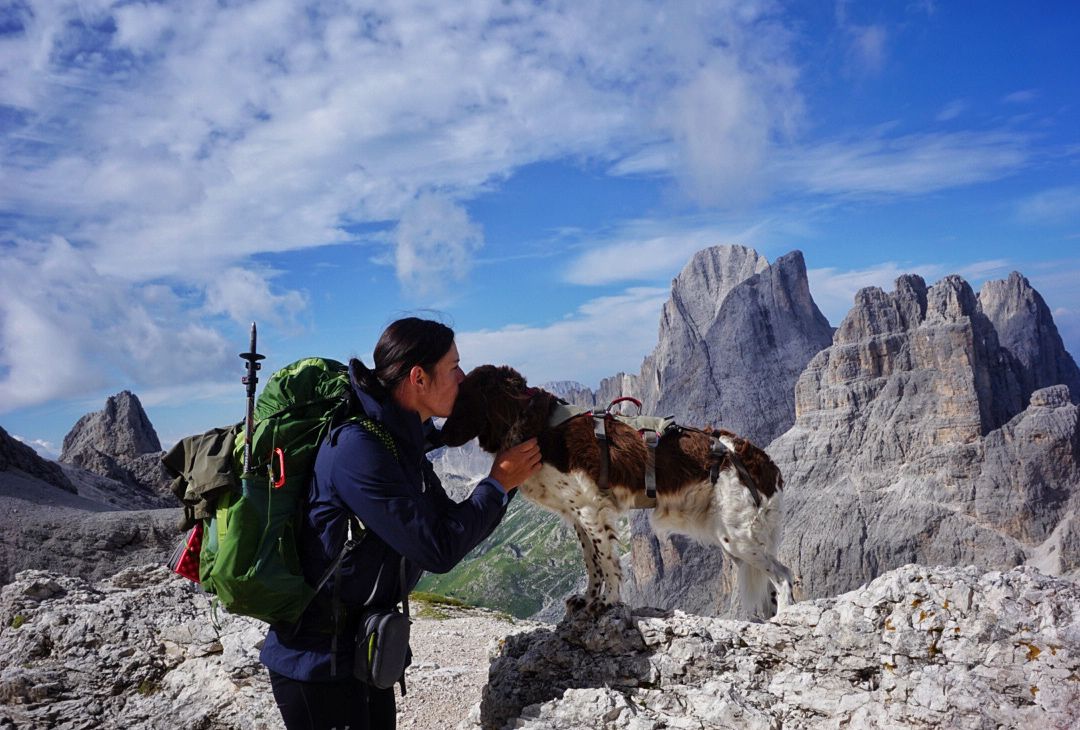
The extra-large Dolomites round – an out-of-this-world hiking adventure
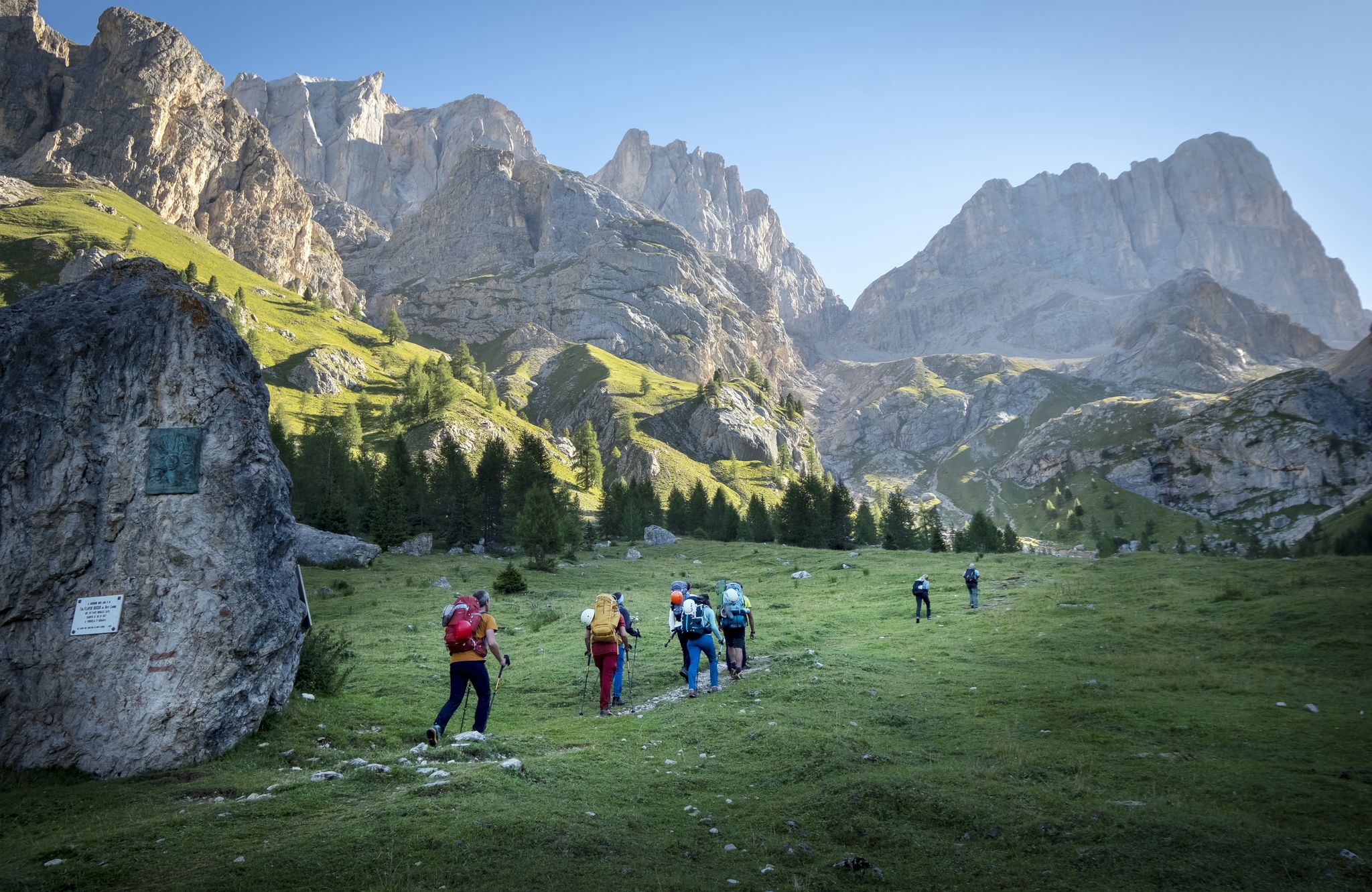
The Path of Peace – journey into Trentino's history
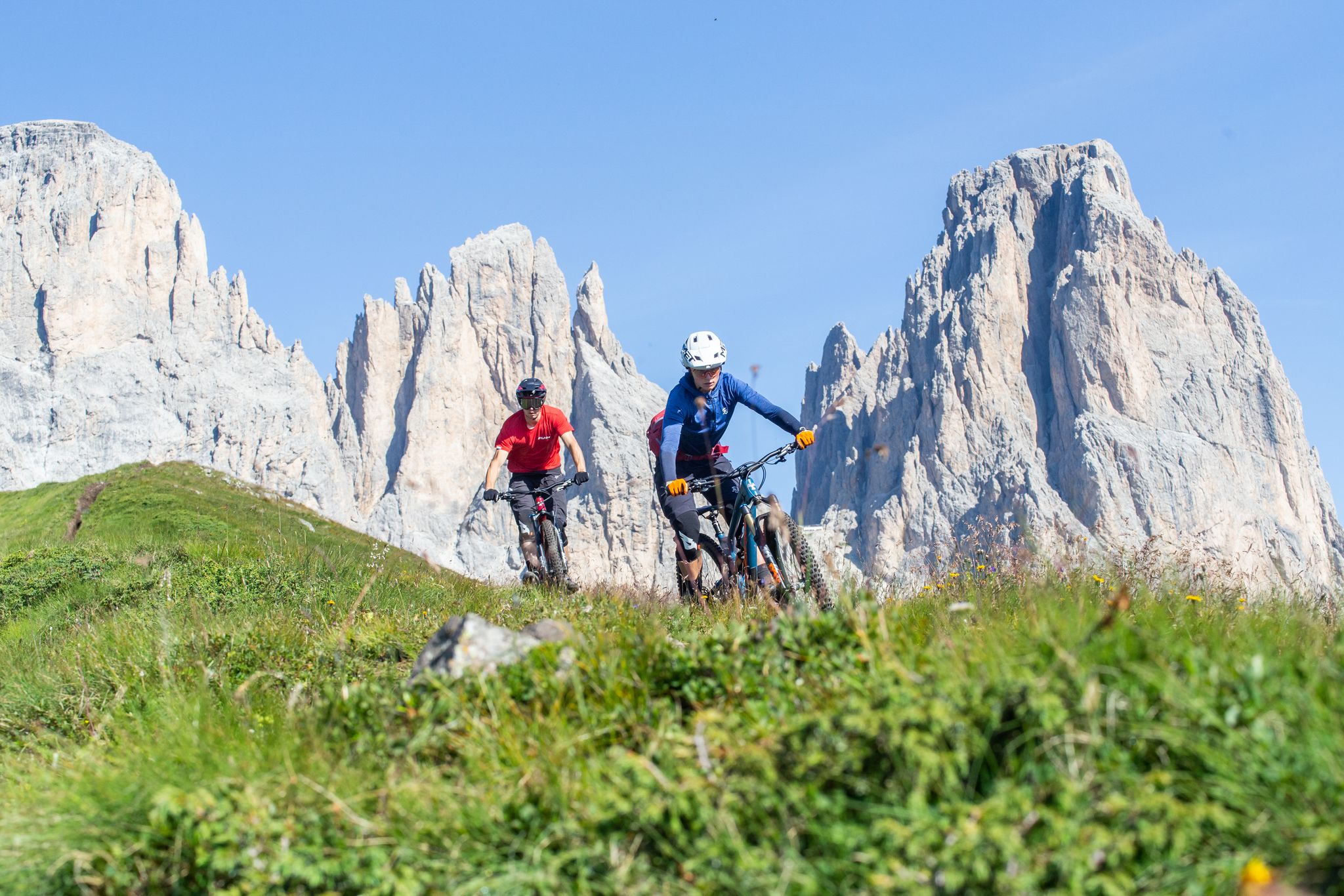
Five MTB Tours in Val di Fassa – cycling in the heart of the Dolomites
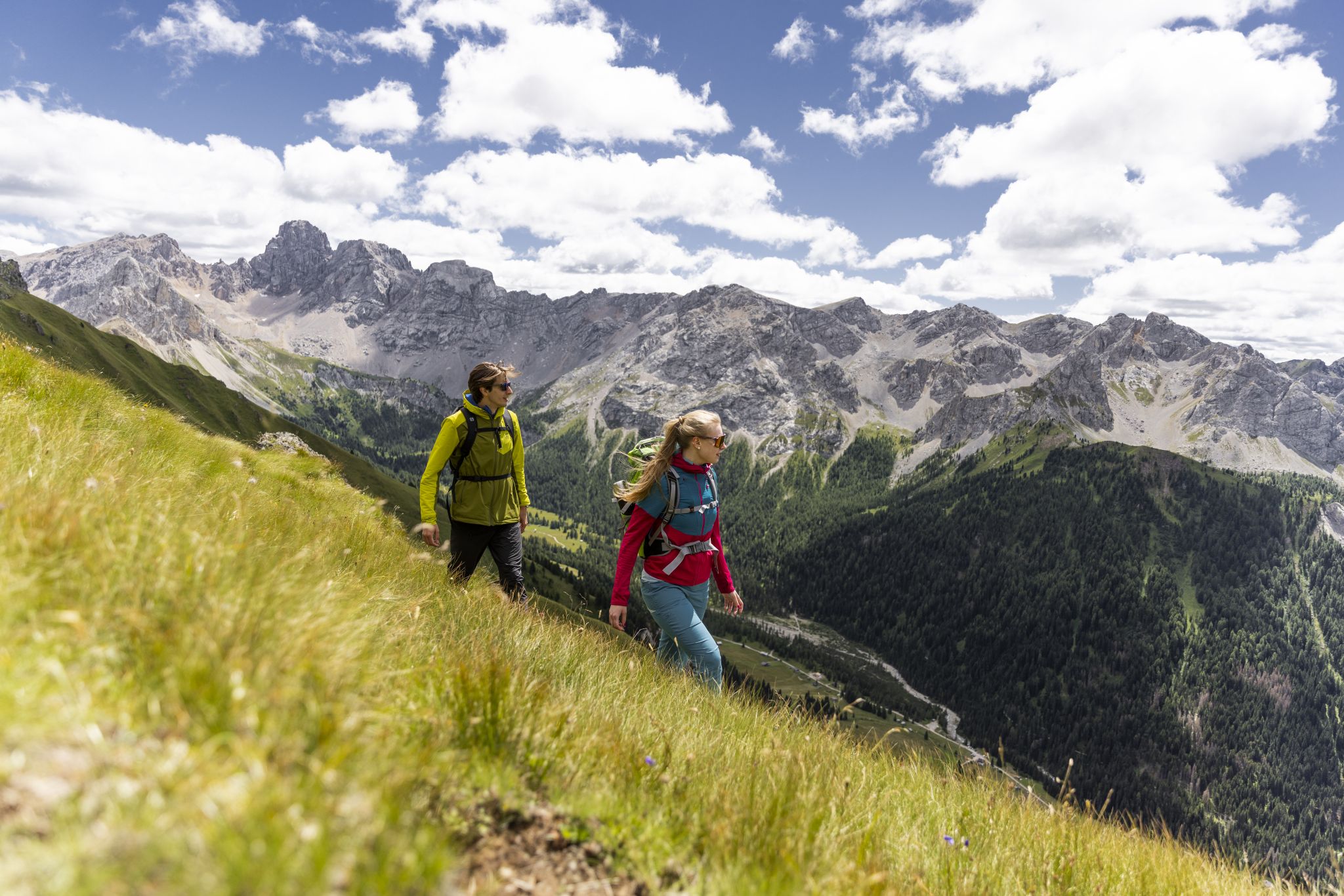
Exploring the heart of the Dolomites – five hikes in Val di Fassa
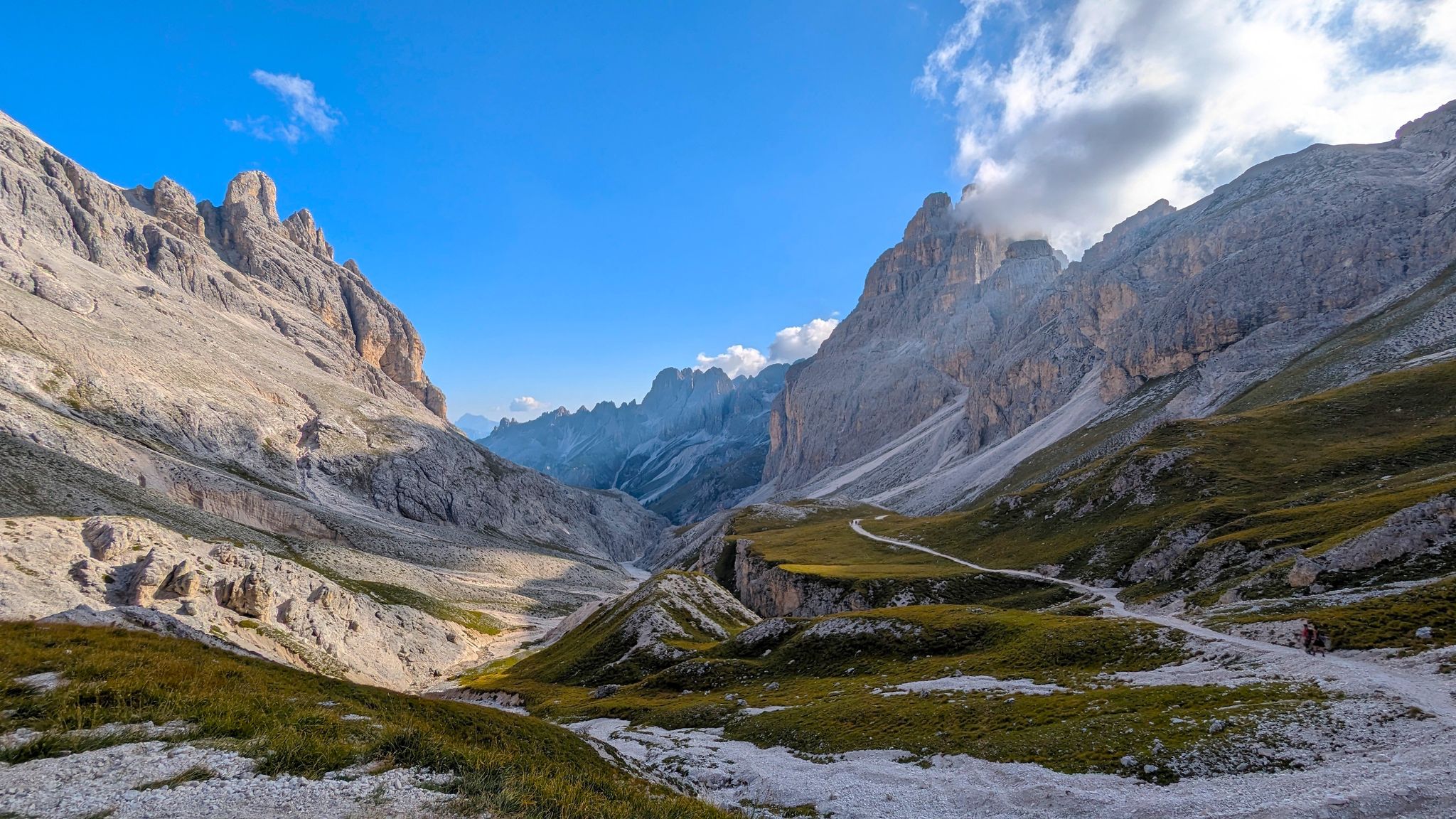
At the foot of the giants – Tour of the Rosengarten group
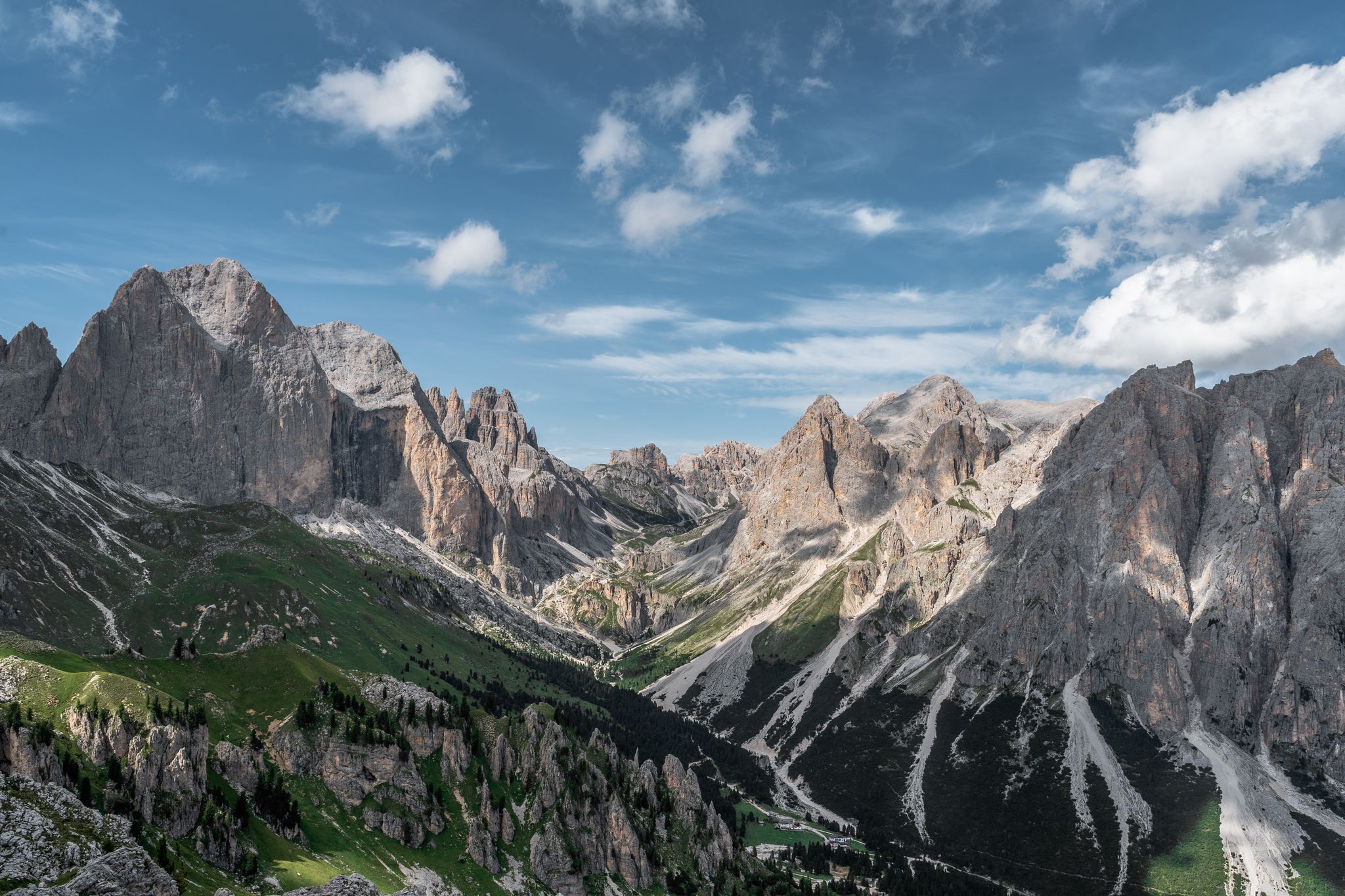
Between lakes, refuges and forests – trekking in the Fassa Valley Dolomites
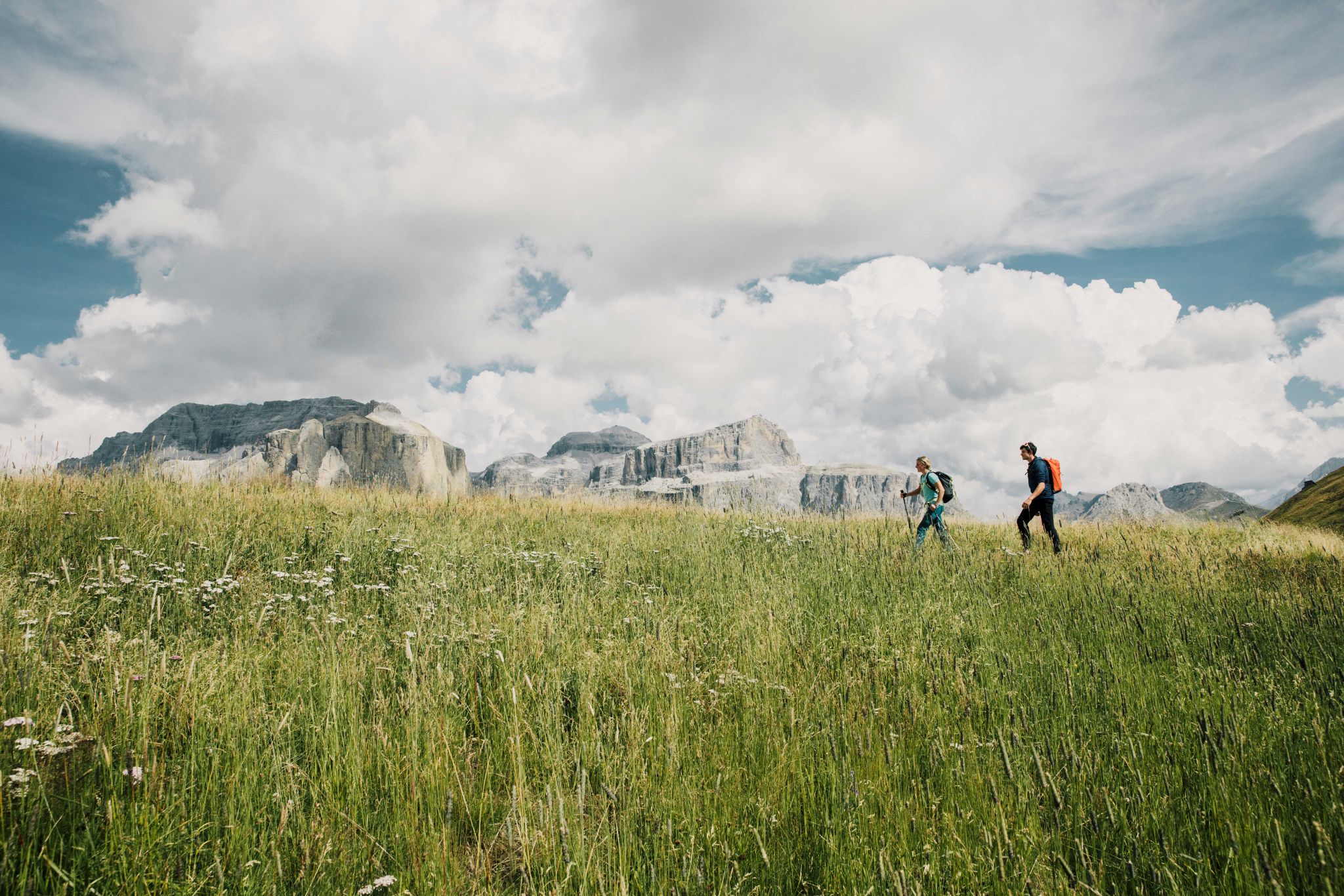
From refuge to refuge in the Fassa Dolomites – Dolomiti Trek-King
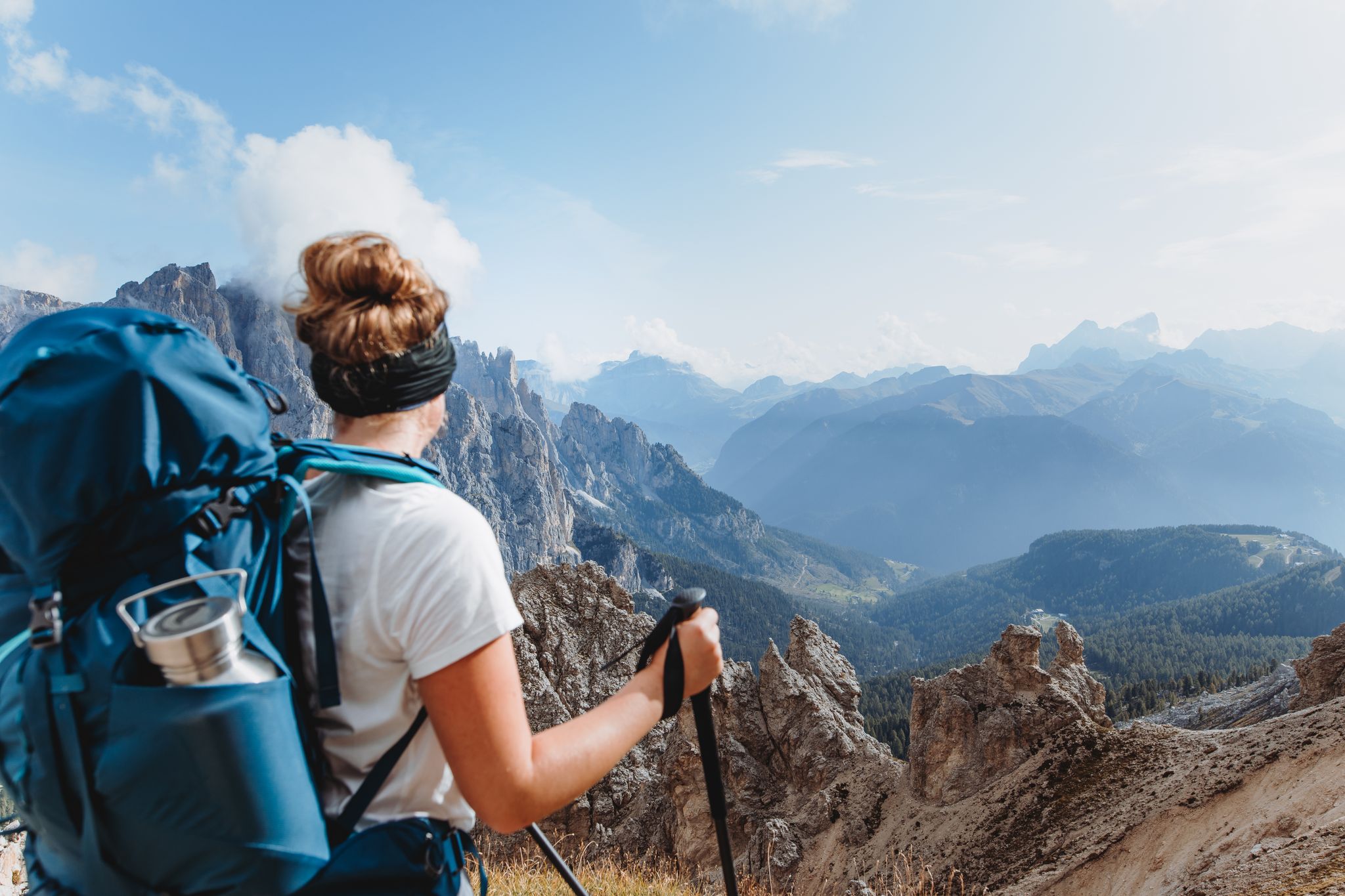
4 days of intense hiking in the Dolomites – Schlern-Rosengarten Nature Park
10 breathtaking hiking trails in Trentino
Das achte Weltwunder – die Dolomiten des Fassatals auf dem MTB
Other adventures around San Giovanni di Fassa - Sèn Jan


Tips from the Community

While the Austrian positions from World War I are at the top of the mountain, the Italian positions are here. Caves and trenches. A mountain full of history. The steep descent also starts here🥾
0
0

I was here on the 29th stage of my crossing of the Alps: https://www.komoot.com/de-de/tour/834311432 I was here on a stage of my crossing of the Alps. A crossing of the Alps in two months and 45 stages: The 800-kilometer-long Yellow Via Alpina. You can find the film about the hike here: https://youtu.be/tVTeKg0li54 A book with the many stories and lots of information about the tour is available here: https://viaalpina.soziales4u.de/shop All stages are documented with GPX data and can be downloaded. There are numerous photos for each tour. An overview is available there: https://www.komoot.de/tour/868201126 You can read more about the 800 kilometers through the Alps here: https://soziales4u.de/viaalpina/
0
0

Natural fissure carved into the rock. Clearly visible track: however, pay attention as it is narrow and steep at times
2
0


The few extra meters are always worthwhile, as they give new great views and an impression of what was impossible to achieve, especially in times of war.
0
0

Fits perfectly! In the summer you get extra cooling here because of the melt water that drips down.
1
0
A small cave that you can walk under. In the summer cooling by the drops on your neck! Haha
0
0

Beautiful bench by the waterfall (small) in a field hole
1
0
Frequently Asked Questions
What kind of 'caves' can I expect to find around San Giovanni di Fassa - Sèn Jan?
The San Giovanni di Fassa - Sèn Jan area is known for its natural rock formations and historical sites with cave-like structures, rather than large, developed show caves. These include natural fissures, shelters, and historical World War I positions carved into the rock.
Are there any natural caves to explore in the region?
Yes, you can find natural rock formations like Tschetter Loch Cave, which is a natural cave in the Dolomites providing a spot to fill up drinking water and take a break. Another is Virgo Lauretana Cave, a natural fissure known for its narrow sections and cooling meltwater.
Can I visit historical cave sites related to World War I?
Absolutely. The region features several historical cave-like structures from World War I, such as the World War I Caves, which offer insights into the historical challenges of wartime. You can also explore the Italian World War I Position at Lech della Campagnola, featuring caves and trenches.
What is the difficulty level for exploring these cave-like formations?
Many of the cave-like formations in the area are integrated into hiking trails, ranging from intermediate to challenging. For instance, Tschetter Loch Cave and Virgo Lauretana Cave are part of routes rated as challenging, while Bujia dl Lëuf Cave is on an intermediate path. Appropriate equipment and caution are recommended, especially for entering natural caves.
Are there family-friendly options for visiting these sites?
While some routes leading to these formations can be challenging, many are accessible to families who enjoy hiking. The focus is more on the scenic trails and historical context rather than deep cave exploration. Always check the specific trail difficulty before heading out with children.
What outdoor activities can I combine with visiting these cave-like structures?
The region is a paradise for outdoor enthusiasts. You can combine your visit with extensive hiking, road cycling, mountain biking, or gravel biking. For example, you can find numerous MTB Trails or Road Cycling Routes that pass near these natural and historical sites.
What is the best time of year to visit the cave-like formations in San Giovanni di Fassa - Sèn Jan?
The best time to visit is generally during the warmer months, from late spring to early autumn (May to October), when hiking trails are clear of snow and the weather is favorable for outdoor activities. During summer, natural fissures like Virgo Lauretana Cave offer cooling from meltwater.
What should I wear or bring when exploring these sites?
Given that many of these sites are along hiking trails, wear appropriate hiking gear, including sturdy shoes, layers of clothing, and rain protection. If you plan to enter any natural caves, even small ones, bring a headlamp and be aware of potentially slippery surfaces. Always carry water and snacks.
Are there any specific geological formations to look out for?
The area is part of the Dolomites, a UNESCO World Heritage site known for its unique geological features. You'll encounter impressive rock faces, natural fissures, and the characteristic Dolomite rock formations that define the landscape around these cave-like structures.
What do visitors enjoy most about these cave-like sites?
Visitors appreciate the unique blend of natural beauty and historical significance. Many enjoy the new views and the impression of historical challenges offered by sites like the World War I Caves. The opportunity to pause and refill water at natural springs, such as at Tschetter Loch Cave, is also highly valued.
Are there any hidden gems or less-known cave-like spots?
While not extensively documented, smaller formations like Bujia dl Lëuf Cave offer a brief, interesting stop along hiking paths. These smaller, less prominent spots often provide a sense of discovery and a refreshing break.
Most popular routes around San Giovanni di Fassa - Sèn Jan
Most popular attractions around San Giovanni di Fassa - Sèn Jan

Get inspired with the komoot mobile app


Explore more
Extend your search for the best caves by checking out these guides of the top ones around San Giovanni di Fassa - Sèn Jan:
