Top 12 Caves around Auronzo Di Cadore
Best caves around Auronzo Di Cadore are predominantly historical war tunnels and galleries from World War I, set within the stunning Dolomite landscapes. This region, known for its dramatic mountain scenery including the iconic Tre Cime di Lavaredo, offers a unique blend of natural beauty and poignant historical experiences. The area's "caves" provide insight into strategic military positions and the harsh conditions faced by soldiers. Visitors can explore these man-made structures while enjoying the surrounding peaks and valleys.
Best caves…
Last updated: June 30, 2026
Forte Monte Ricco
Highlight • Cave
Showing Translation
Tip by

Paternkofel Via Ferrata - De Luca Route
Highlight • Climb
Translated by Google •
Tip by

Sign up now to discover places like this
Get recommendations on the best single tracks, peaks, & plenty of other exciting outdoor places.
Sign up for free
Croda de l'Arghena War Tunnel
Highlight • Historical Site
Beautiful and not excessively well-known mountain of the Tre Cime di Lavaredo group, which stands alone dominating the Rienza Valley and the Rinbon Valley. From the road that goes …
Translated by Google •
Tip by

Patern Galleries and War Trails
Highlight (Segment) • Historical Site
Translated by Google •
Tip by

Paternkofel War Tunnel Entrance
Highlight • Historical Site
Translated by Google •
Tip by

Sign up for free to discover even more caves around Auronzo Di Cadore.
Sign up for free
Already have an account?
Start today with a free account
Your next adventure awaits.
Login or Signup
Popular around Auronzo Di Cadore
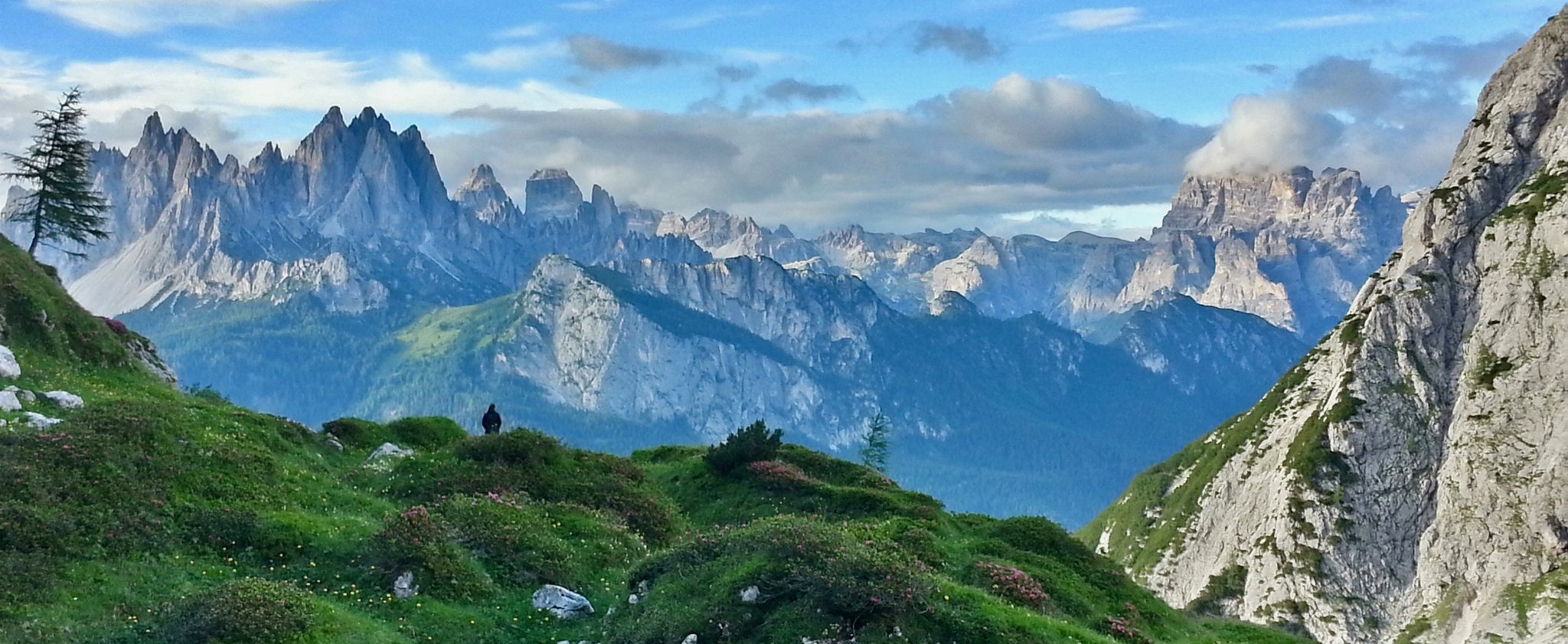
Alta Via No. 5 — Tizians High Route
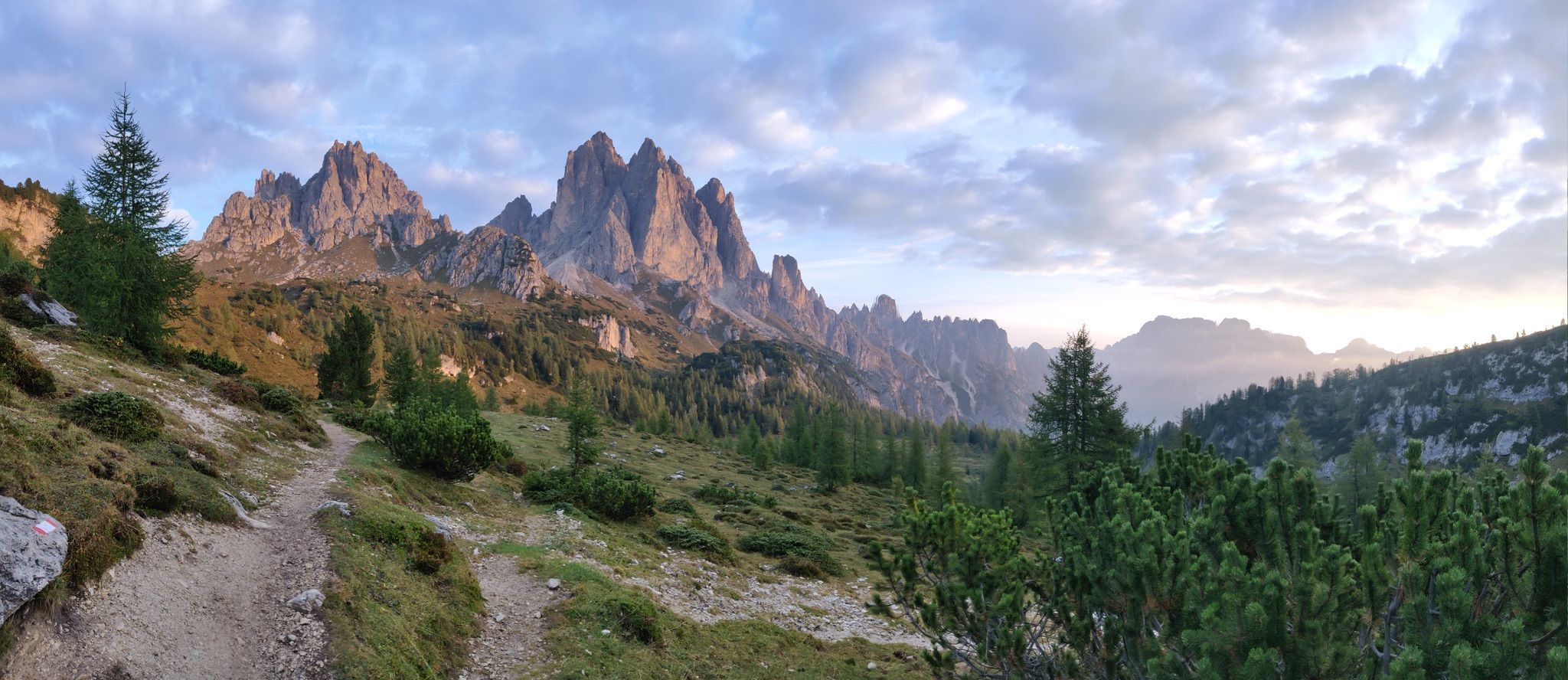
Hike majestic landscapes in the Italian Dolomites – Alta Via 4
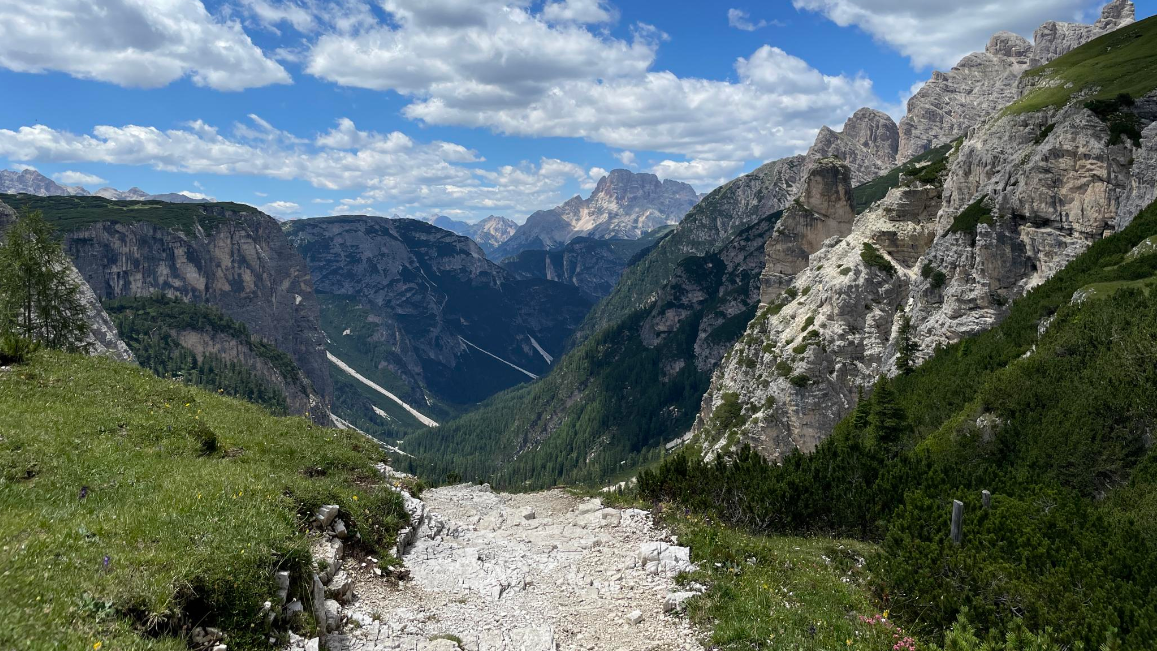
Trail running between the peaks of the Dolomites – Lavaredo Ultra Trail
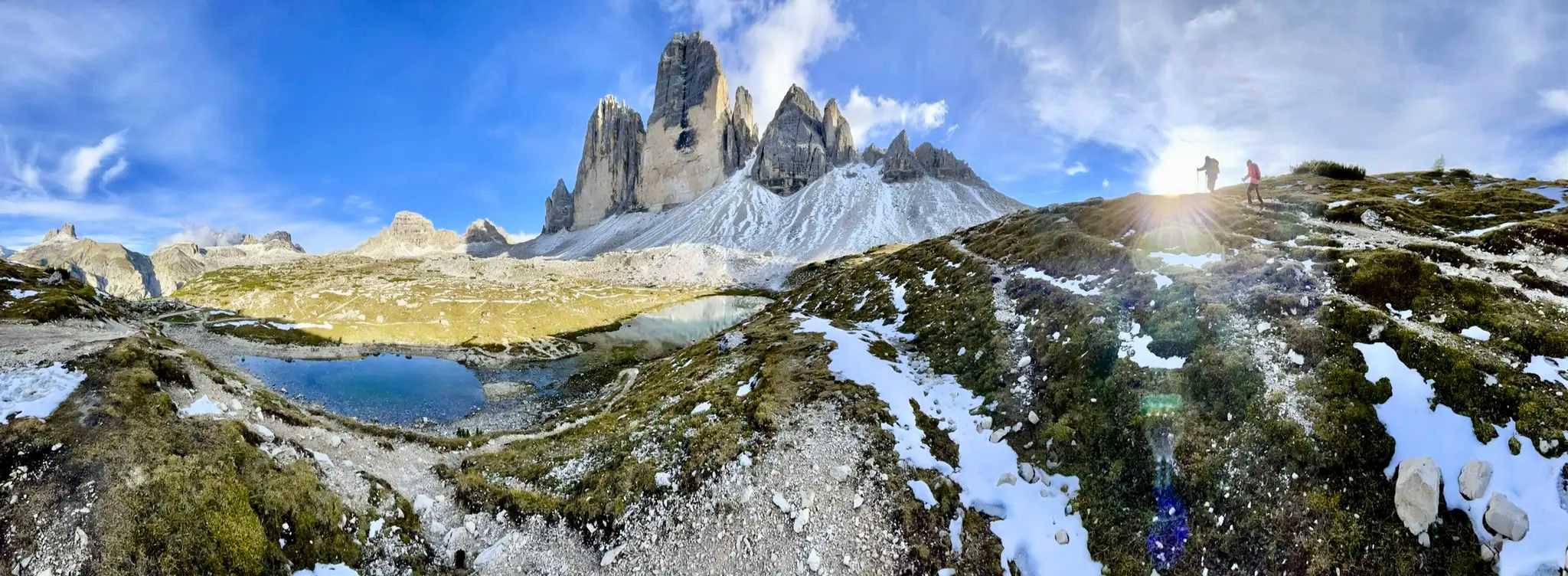
Dolomite trails – Tres Cimas de Lavaredo loop
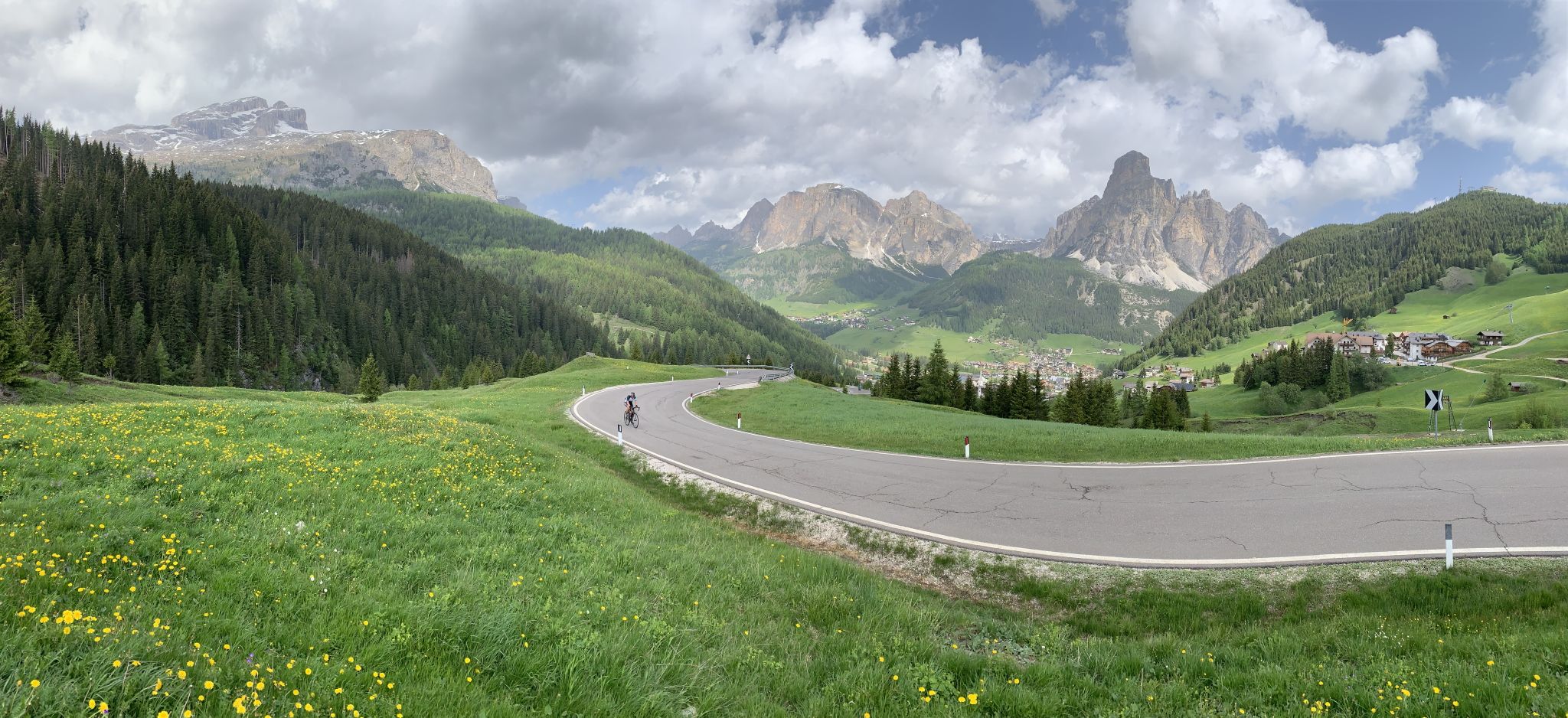
Up and down the Alps – Dolomites by road bike
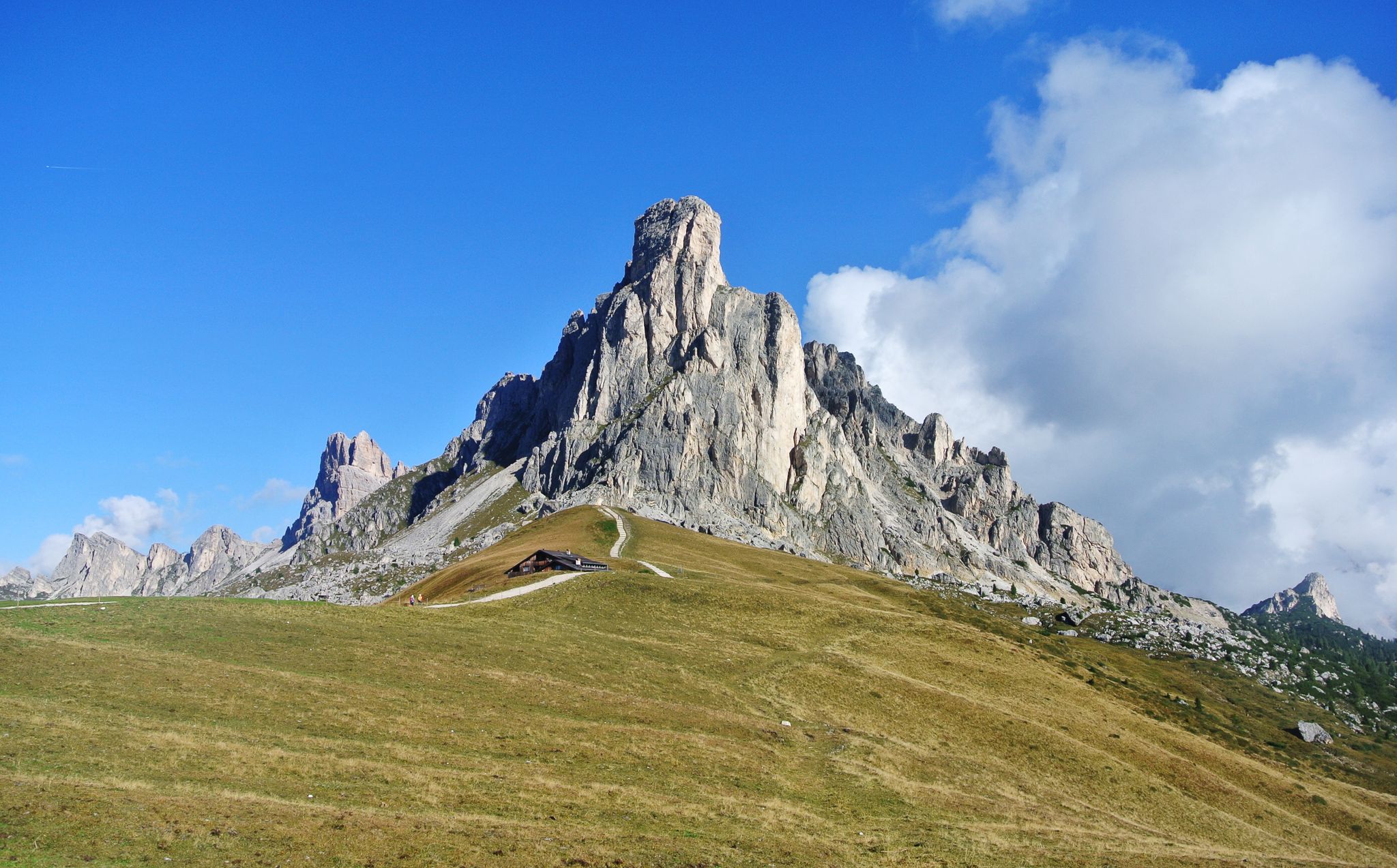
Refuge to refuge in the Dolomites – discovering Lavaredo
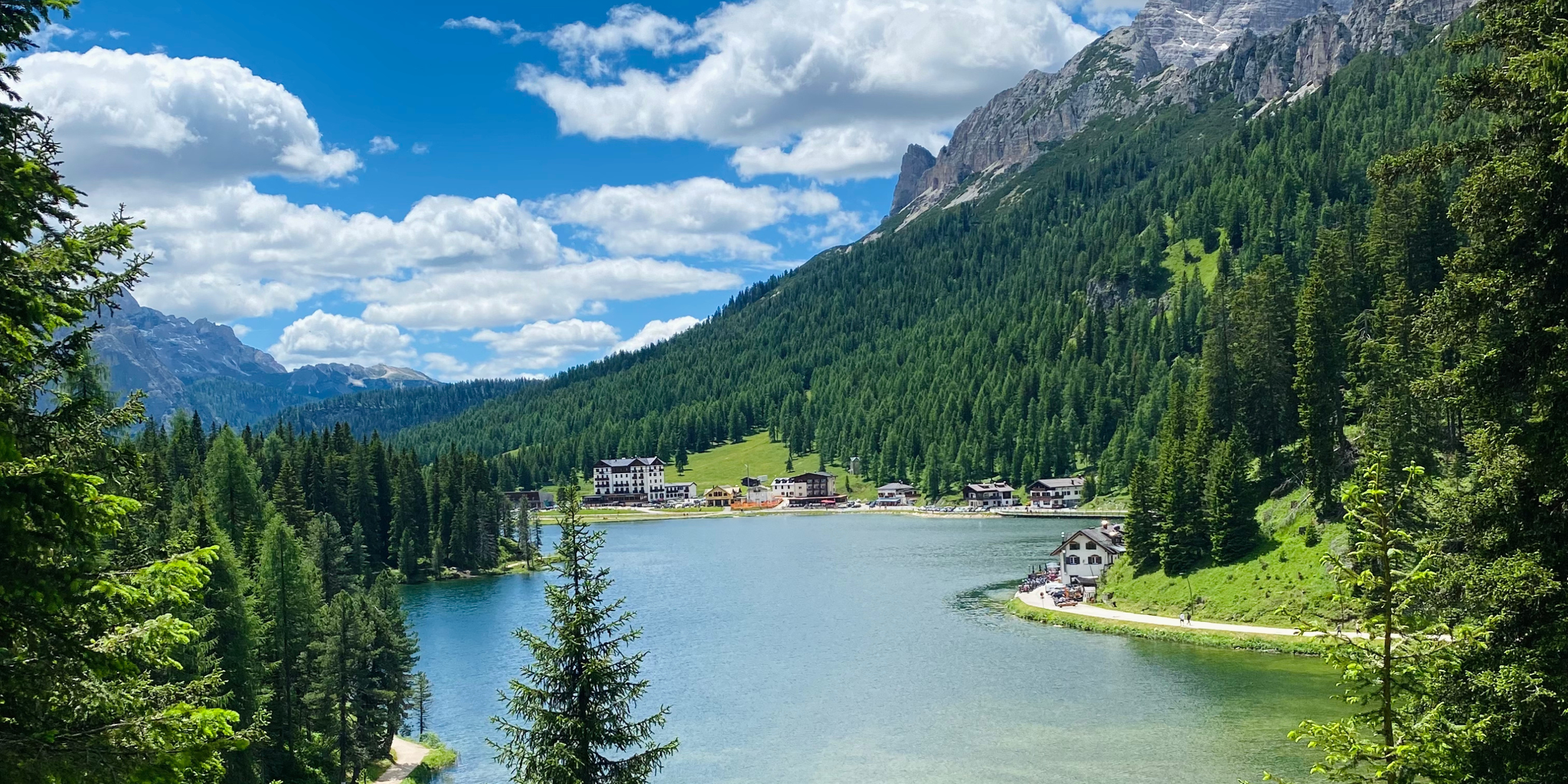
Cycling from sea to mountains – Venice to Cortina d'Ampezzo
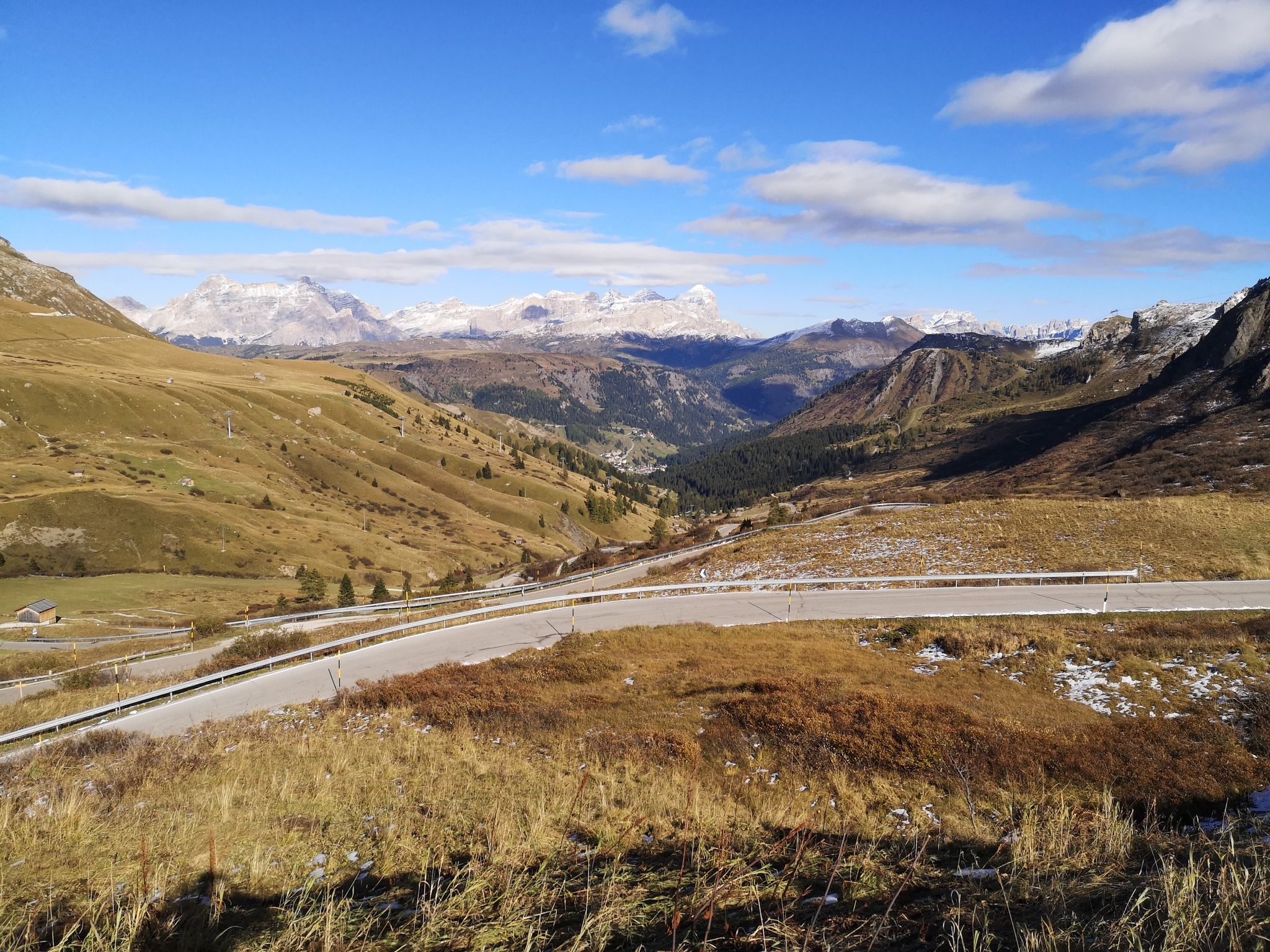
The great passes of the Giro d'Italia – 10 historic climbs
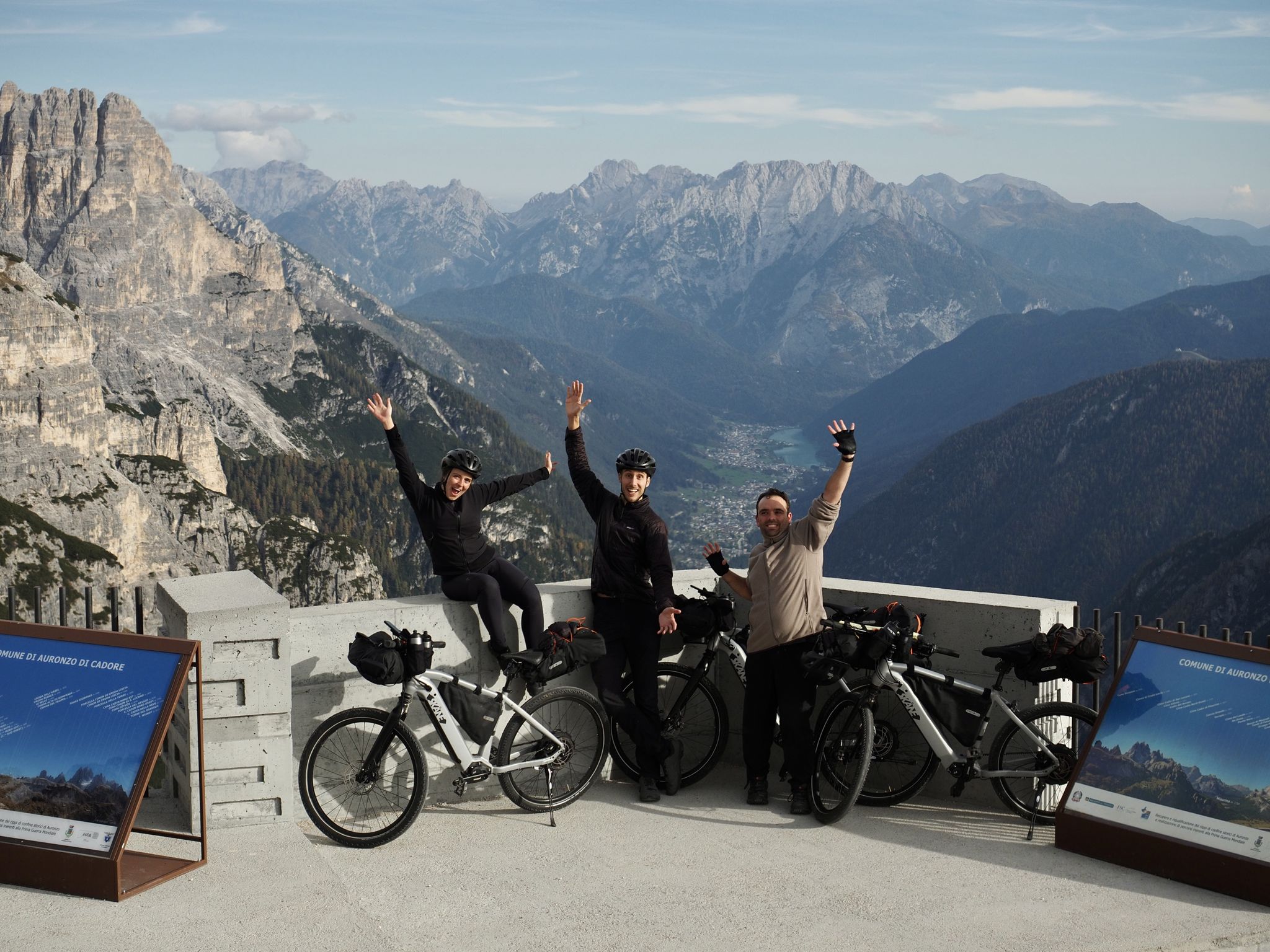
A family adventure – bikepacking through the Dolomites with Belén's brother

Epic trails – making memories in the Dolomites
Other adventures around Auronzo Di Cadore


Tips from the Community

Built in the last two decades of the 19th century, under the Kingdom of Italy, the Forte di Monte Ricco constituted the heart of the entrenched camp of Pieve di Cadore. It was conceived and built to interdict enemy approaches from the Tre Ponti narrows towards Pieve and Tai along the Piave valley and to act in close synergy with the nearby Batteria Castello, about 200 meters away, as well as with the various artillery positions on the overlying heights, on Monte Tranego, Monte Zucco, Col Vidà. Monte Ricco was probably the site of a prehistoric settlement, then of the castle of Cadore. Abandoned until 2007, it has undergone demanding restoration, consolidation, and enhancement works. Reopened to the public in 2017, it hosts exhibitions or classical music concerts. https://www.tizianovecellio.it/luoghi/il-forte-di-monte-ricco/
1
0

Entrance or exit. More likely exit of the war tunnel. Entrance is at the foot of the Paternkofel next to the 3 Zinnen hut.
0
0

The Forte di Monte Ricco, restored and reopened to the public in 2017, often hosts exhibitions and classical music concerts. However, it is advisable to call before visiting to check the opening of the main part. During a summer visit, in fact, it was found that access was allowed only by reservation. An entrance ticket is required but inexpensive. The Fort offers the possibility to walk around the front and internal perimeter, allowing appreciation of the pre-Roman structure. Protected by a moat and a drawbridge, the site also offers a panoramic view of Monte Cristallo. The Fort was built in the pre-Roman era with a defensive function, maintained also in Roman and medieval times. Before the year 1000, it was the seat of an important castle represented in the coat of arms of Cadore. From 1420 it became the seat of the Captain of Venice, but declined in the 17th century. During the Kingdom of Italy, two fortifications were built as part of the defensive system against Austria-Hungary. During the First World War, the Fort was relegated to a warehouse and logistics. Abandoned after 1918, restoration began in 2007 on the initiative of the Municipality of Pieve di Cadore, concluding in 2017.
1
0

must have a torch with you!
2
0
one of the most beautiful via ferratas!
2
1

Introduction: Beautiful and not excessively well-known mountain of the Tre Cime di Lavaredo group, which stands alone dominating the Rienza Valley and the Rinbon Valley. From the road that goes up to the Auronzo Refuge, it shows two neighboring horns, not particularly high and covered with pines. During the ascent and on the terrace of the summit, grassy and strewn with pine trees, numerous walkways and trenches dating back to the Great War are evident. Access: Just beyond the Malga (restaurant), reachable by car from the exit of the Tre Cime road following a short dirt road, which descends to the stream and leads to a large parking lot, a mule track branches off to the left and climbs into the woods. Description of the climb: In constant but not particularly steep ascent, you reach the panoramic grassy pass of Forcella de l´Arghena (altitude 2087 m), between the Croda on the left and the Col di Mezzo on the right. Evident remains of trenches, and boundary stone between the Tyrol and the Serenissima Republic. Traversing to the left in the direction of the left elevation, you oblique between the pines on the side of the Croda, to go up a short scree and, continuing on the path, skirt a ridge and move towards the top of the Croda. On the left (tab.) Junction for a short aided ledge, which leads to an interesting war tunnel. Going up still to the right, you pass a short rocky band (not equipped, 10 m of I) and among the pines you reach the wide cap.
0
0

From Gamsscharte, the direct descent is possible through a dark long war tunnel (600 meters through the interior of the mountain) via the De Luca Innerkofler Steig (B) to the Drei-Zinnen-Hütte.
3
4

The tunnels were driven in the First World War for the war of position between Austrian and Italian mountain hunters in the rock, where the soldiers remained under adverse conditions for months. A tunnel spilled today should have almost led up to the summit of Paternkofel. Since the tunnels sometimes lead upwards through steps in complete darkness, you have no chance, without a headlamp, to even get to the exit next to the large bunker. From there you should carry at least a simple climbing equipment despite being secured by steel cables
2
2
Frequently Asked Questions
What kind of 'caves' can I expect to find around Auronzo di Cadore?
The 'caves' around Auronzo di Cadore are predominantly historical war tunnels and galleries from World War I, rather than natural geological formations. These man-made structures offer a unique historical experience set within the stunning Dolomite landscapes.
Which historical war tunnels are most popular for visitors?
Among the most popular are the Patern Galleries and War Trails, which are part of a beautiful via ferrata. Another highly regarded site is the Paternkofel Via Ferrata - De Luca Route, known for its challenging climb and historical significance.
Are there any natural caves accessible to the public?
While the region is known for its historical war tunnels, you can find the Mooser Cave and Trail in the Drei Zinnen Nature Park. This is a small natural cave, approximately 5 meters deep, located off the main path of the Anderter Alpe Open-Air Museum.
What is the best time of year to visit the war tunnels and historical sites?
The best time to visit the historical war tunnels and sites, especially those around Tre Cime di Lavaredo, is typically from June to October when the mountain paths are generally clear of snow and accessible.
What equipment is needed to explore the war tunnels?
For tunnels like those on the Paternkofel, a headlamp or torch is essential due to complete darkness. Some sections, particularly those part of a via ferrata, may also require at least simple climbing equipment for safety, despite being secured by steel cables.
Are there any family-friendly options for exploring historical sites?
The Monte Piana Open-Air Museum offers a more accessible experience. It features a network of restored trenches, tunnels, and military posts on a plateau, providing an easy walk with panoramic views. It's a powerful 'museum without walls' that recounts WWI events.
How can I reach Monte Piana and its historical sites?
Access to Monte Piana is possible via various paths. During summer, jeep services are available, and in winter, snowmobiles can transport visitors to the top. You can find more historical context about Monte Piana on Wikipedia.
What kind of views can I expect when visiting these sites?
Many of these sites offer spectacular panoramic views of the surrounding Dolomites. For example, Monte Piana provides a 360-degree vista of famous peaks like Tre Cime di Lavaredo, Paterno, and Cristallo, as well as Lake Misurina.
Are there hiking trails near the historical war tunnels?
Yes, many war tunnels are integrated into hiking routes. For instance, the Tre Cime war caves are located along the 9 km Tre Cime circuit trek. You can find various running, MTB, and cycling routes in the area by exploring the running trails around Auronzo Di Cadore, MTB trails around Auronzo Di Cadore, and cycling routes around Auronzo Di Cadore.
What is the difficulty level for exploring the war tunnels?
The difficulty varies. Some tunnels, like those on the Paternkofel Via Ferrata, are considered challenging and require climbing equipment. Others, such as the Croda de l'Arghena War Tunnel, are part of intermediate trails. The Monte Piana Open-Air Museum offers easier walks.
Can I bring my dog to these historical sites?
While specific regulations for each site may vary, many outdoor trails in the Dolomites are dog-friendly. It's advisable to keep dogs on a leash, especially in areas with wildlife or steep terrain. Always check local signage.
What do visitors appreciate most about the caves and historical sites in Auronzo di Cadore?
Visitors often highlight the profound historical insight gained from exploring the WWI war tunnels and the breathtaking Dolomite scenery that serves as their backdrop. The combination of adventure, history, and stunning natural beauty is a major draw.
Most popular routes around Auronzo Di Cadore
Most popular attractions around Auronzo Di Cadore

Get inspired with the komoot mobile app


Explore more
Extend your search for the best caves by checking out these guides of the top ones around Auronzo Di Cadore:
