Top 14 Caves around Rocca Pietore
Best caves around Rocca Pietore are found within the Dolomites, a region characterized by dramatic geological formations. The area features natural gorges like Serrai di Sottoguda, which contains numerous cave-like formations carved by water erosion. Additionally, Rocca Pietore is home to historical World War I tunnels and a unique chapel built inside a cave on the Marmolada. These sites offer insights into both natural processes and historical human endeavors.
Best caves around Rocca Pietore
- The most popular caves is Kaiserjägersteig…
Last updated: October 3, 2026
Kaiserjägersteig Trail
Highlight (Segment) • Trail
Tip by

Cengia Martini
Highlight • Cave
Descend better in the tunnel and choose a different route for ascent over the (quite simple) via ferrata
Translated by Google •
Tip by

Sign up now to discover places like this
Get recommendations on the best single tracks, peaks, & plenty of other exciting outdoor places.
Forcella Col dei Bos and World War I ruins
Highlight (Segment) • Historical Site
Translated by Google •
Tip by

Cengia Martini World War I Outpost
Highlight • Historical Site
Translated by Google •
Tip by

Goiginger Tunnel
Highlight (Segment) • Cave
Translated by Google •
Tip by

Sign up for free to discover even more caves around Rocca Pietore.
Already have an account?
Start today with a free account
Your next adventure awaits.
Popular around Rocca Pietore
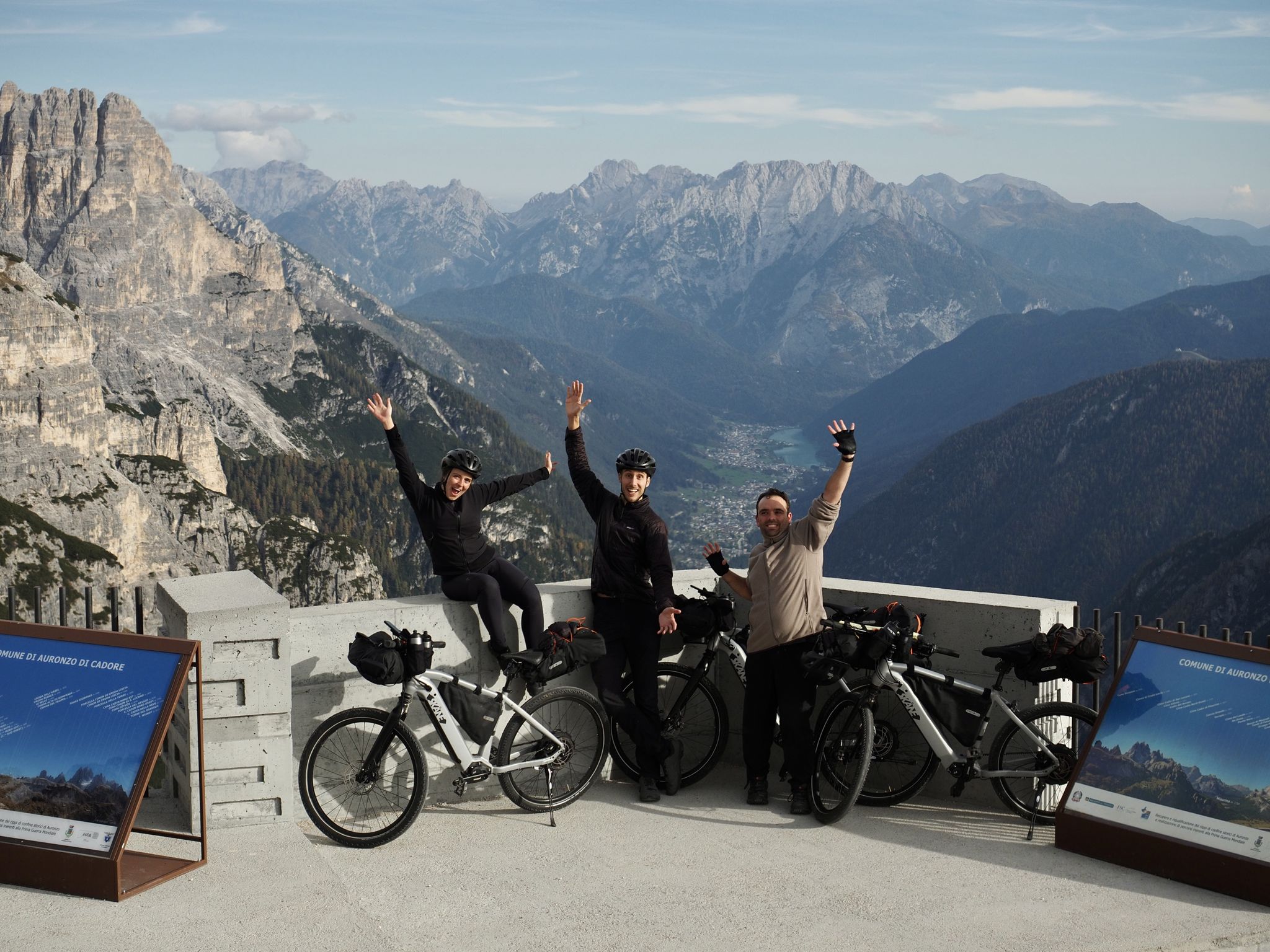
A family adventure – bikepacking through the Dolomites with Belén's brother
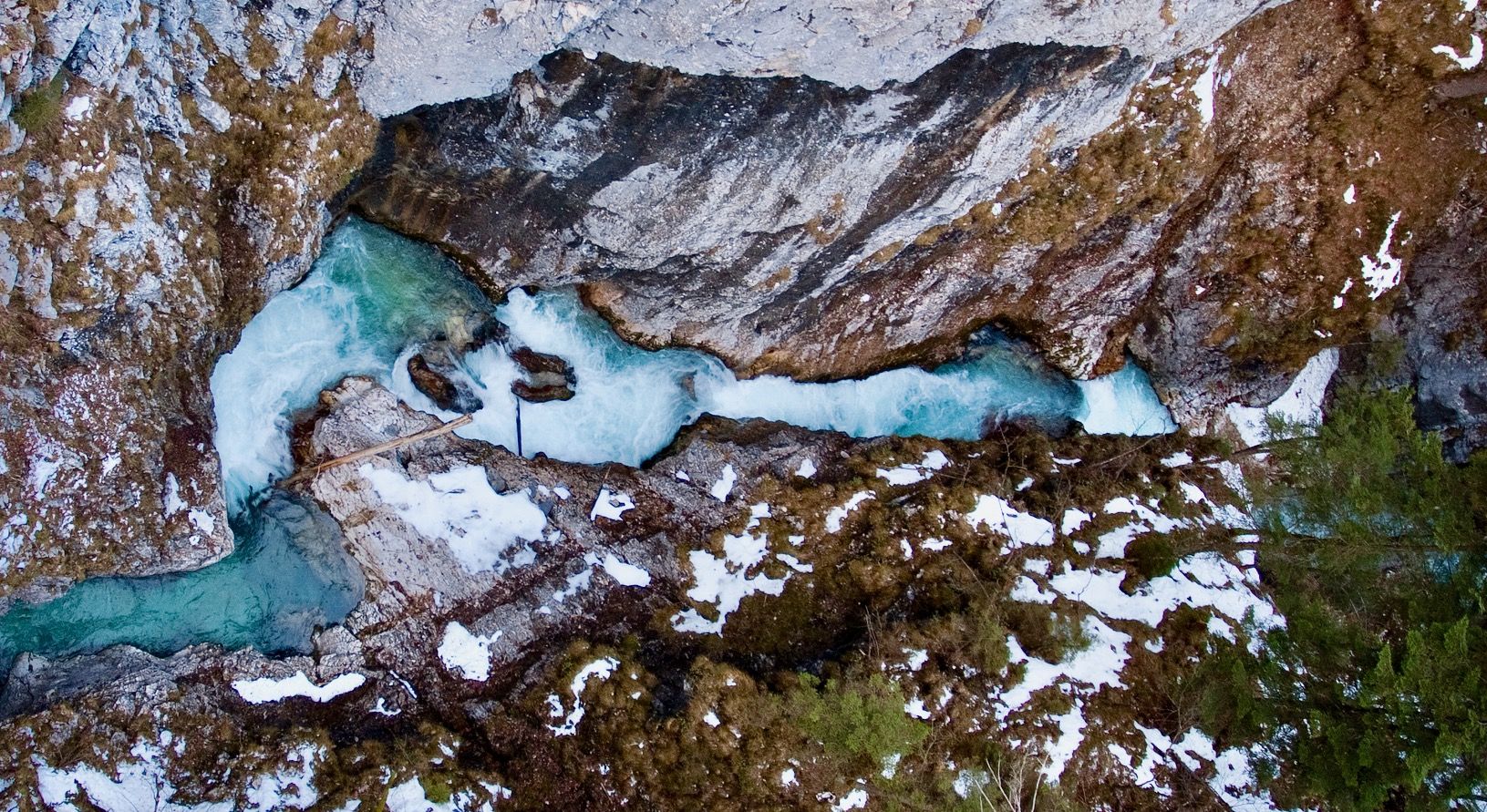
Ravines, gorges and waterfalls for winter
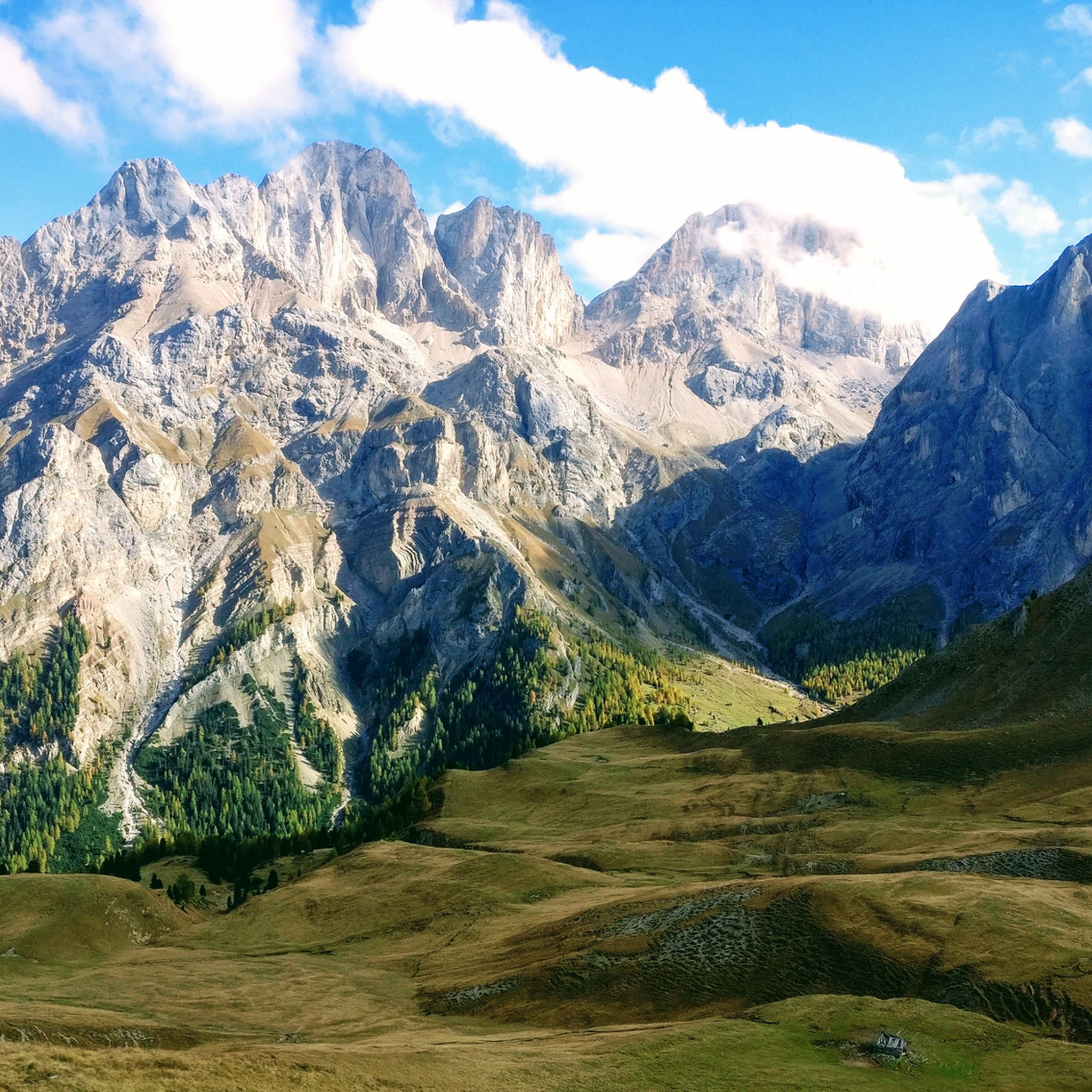
Hiking around Rocca Pietore
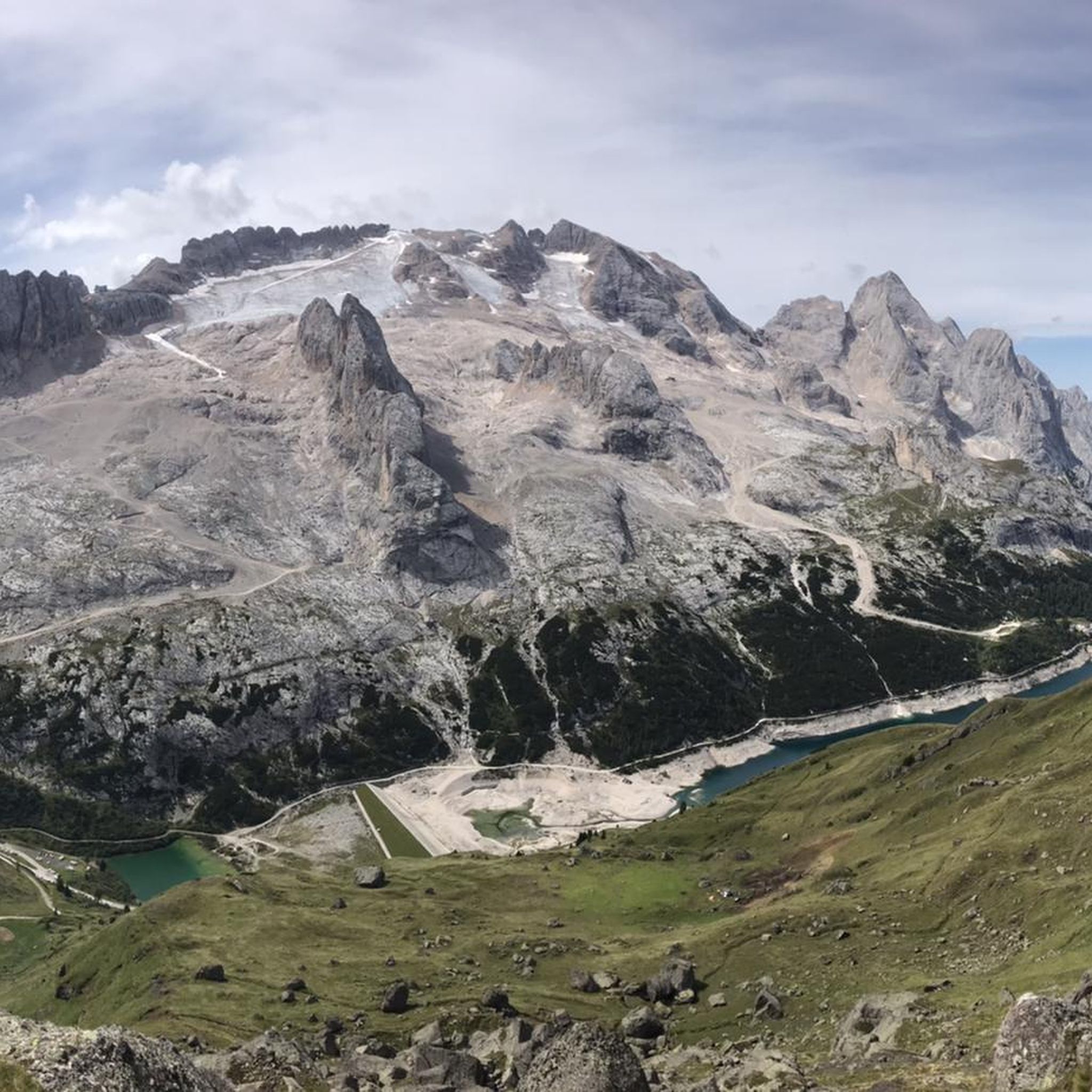
Road Cycling Routes around Rocca Pietore
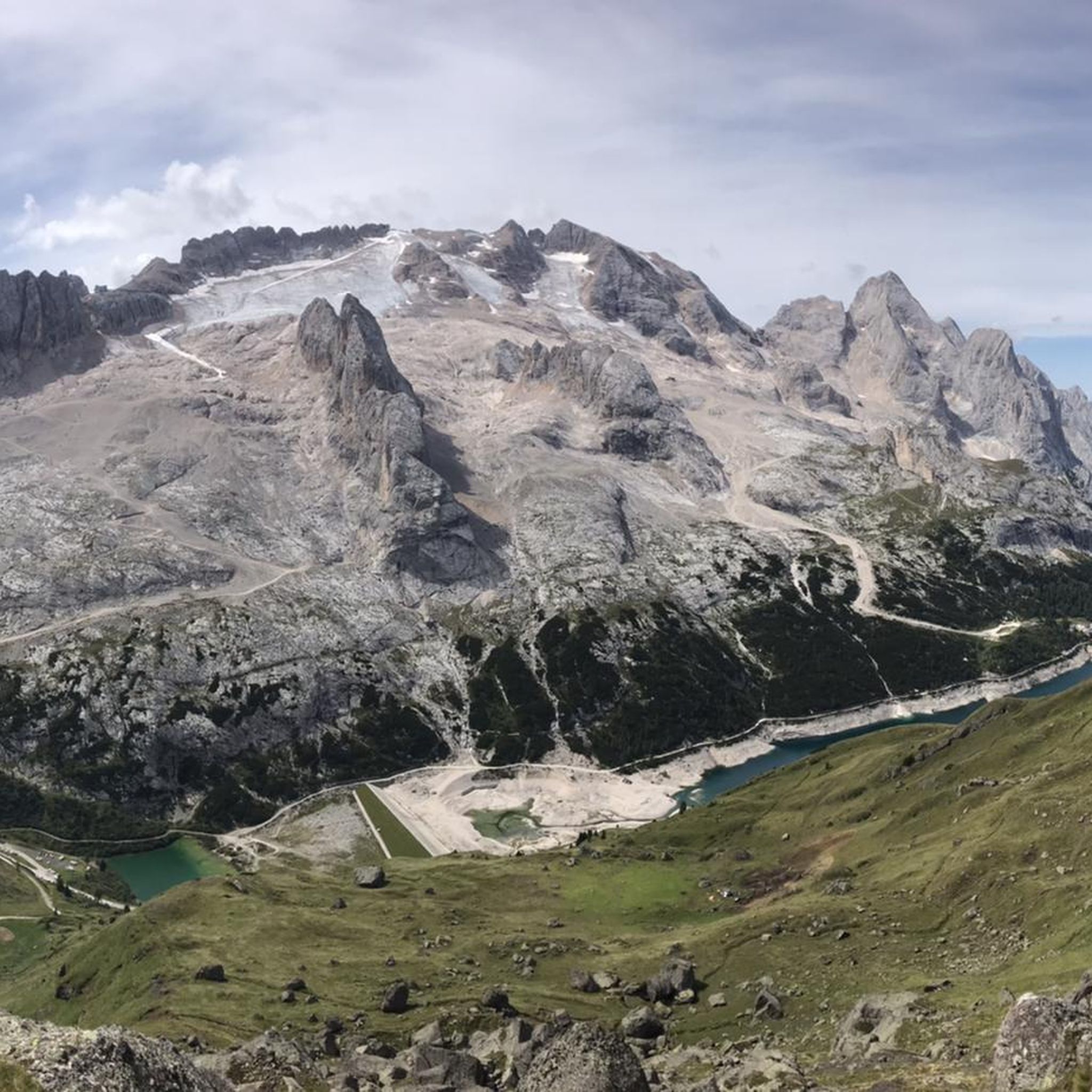
MTB Trails around Rocca Pietore
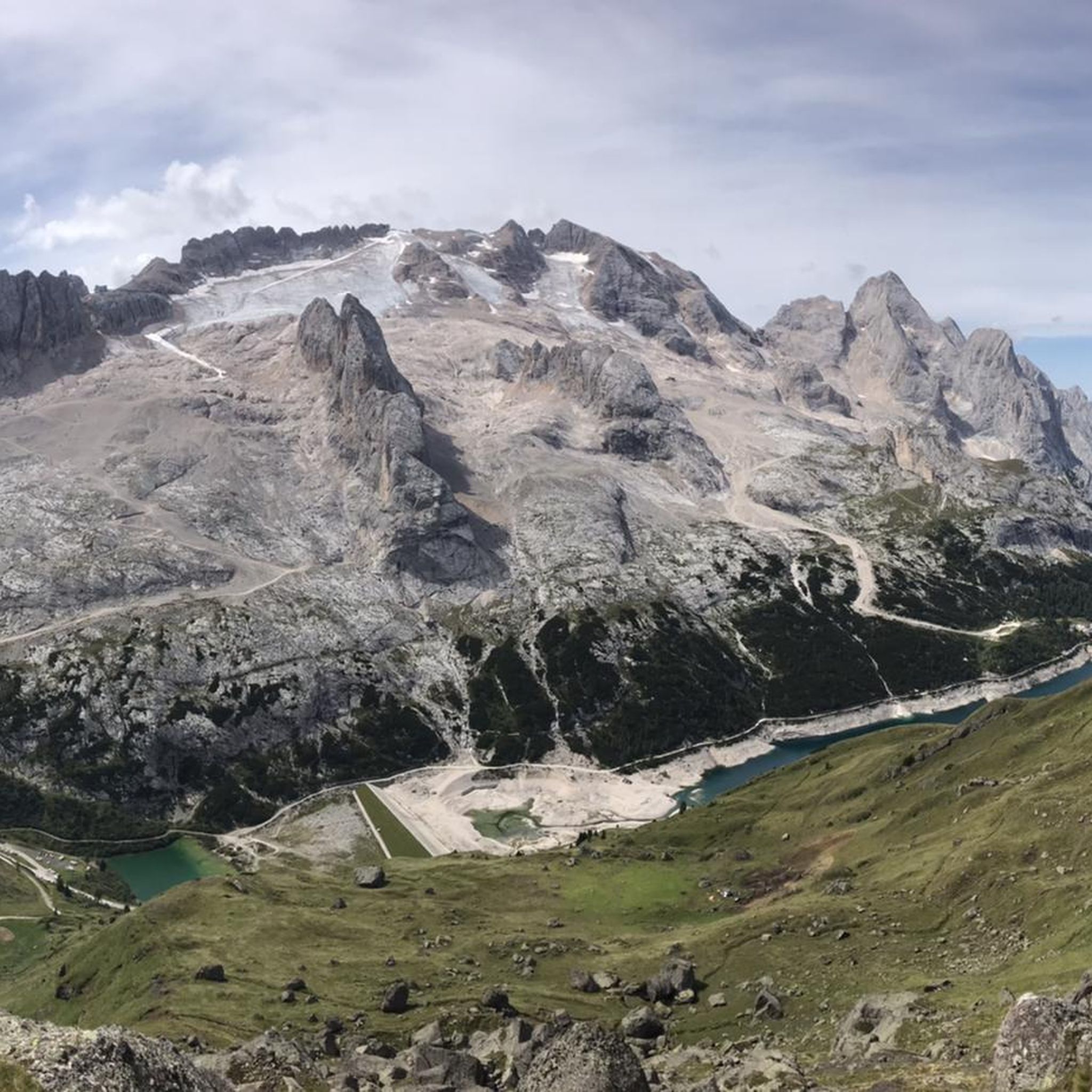
Cycling around Rocca Pietore
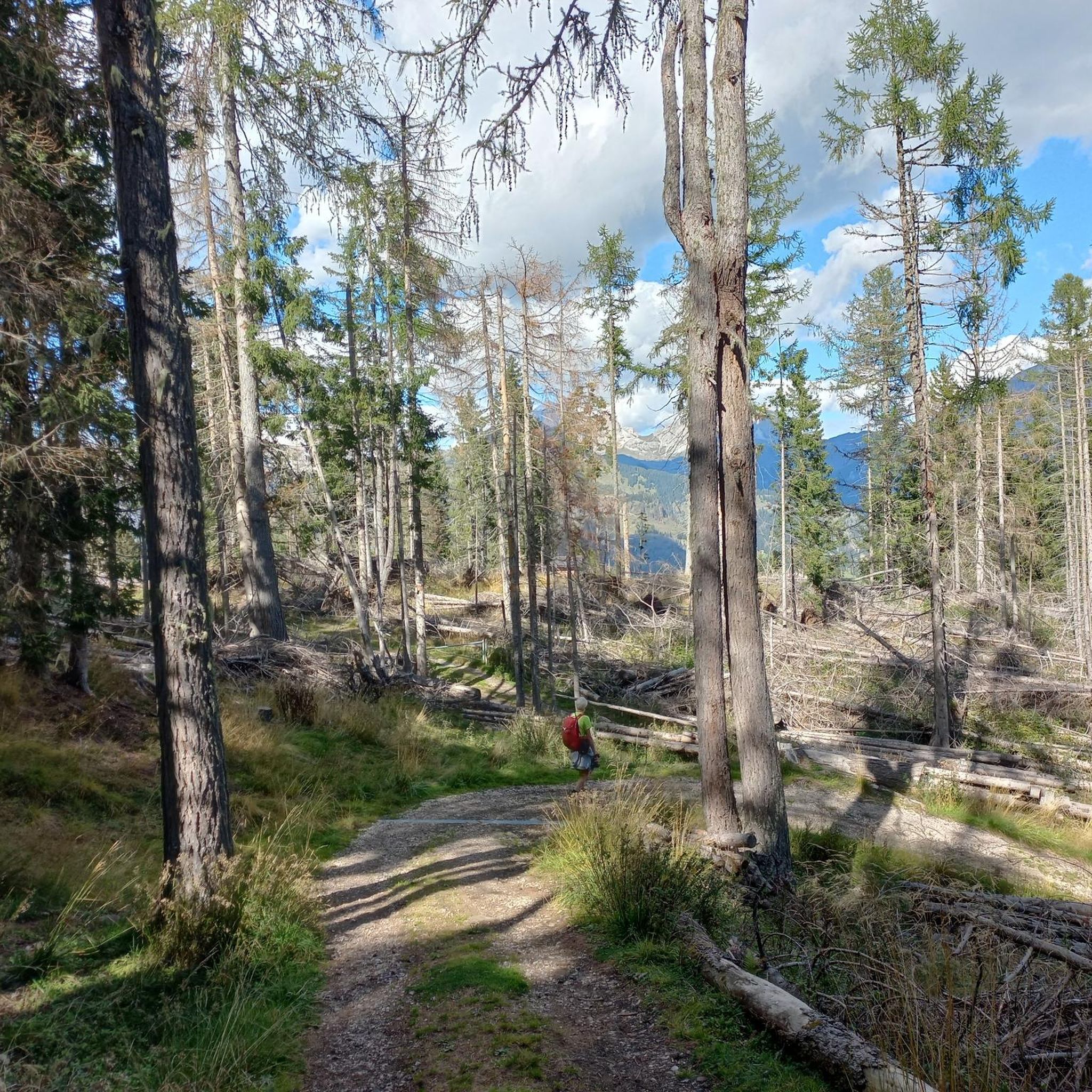
Running Trails around Rocca Pietore
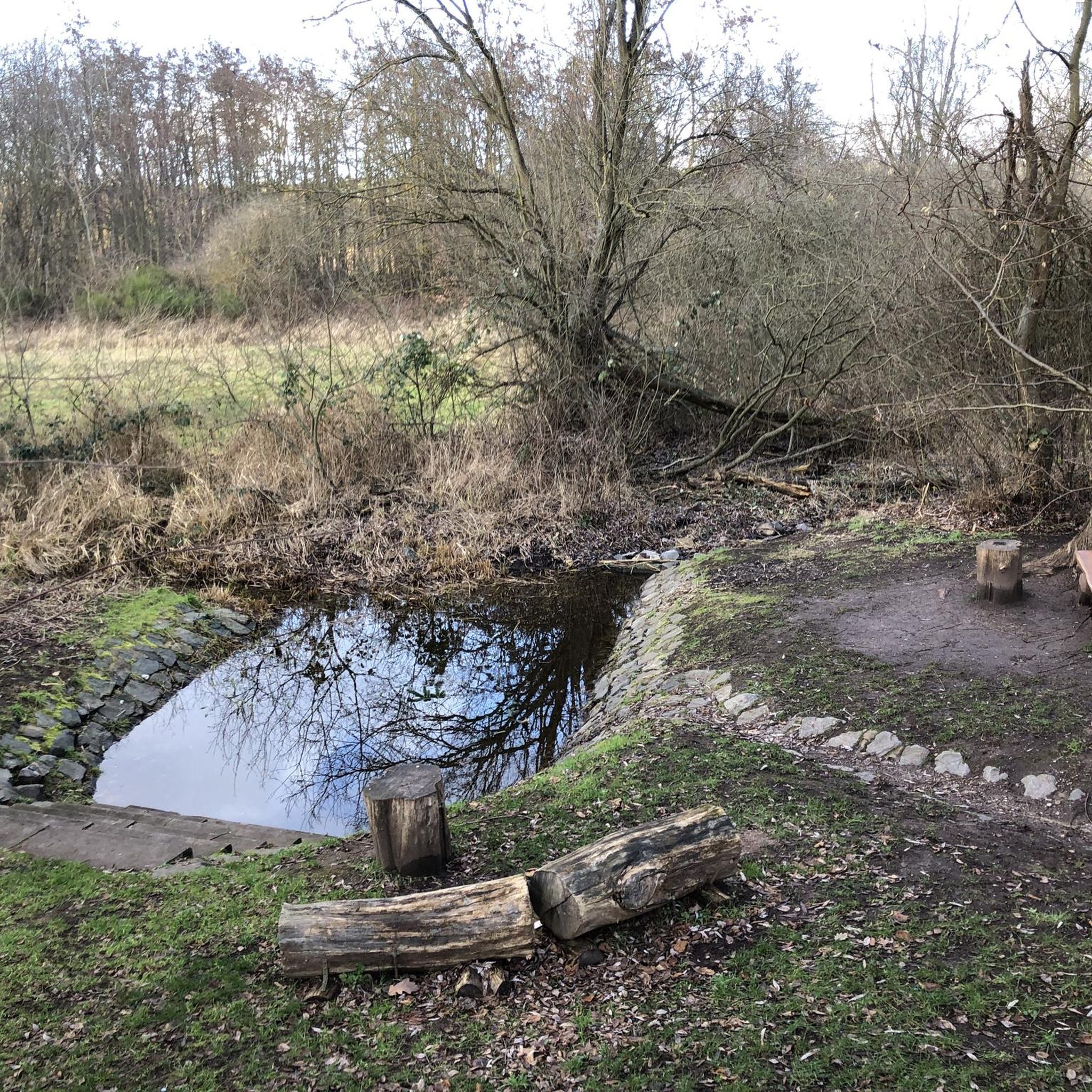
Mountain Hikes around Rocca Pietore

Gravel biking around Rocca Pietore


Tips from the Community

Fortifications from the First World War can also be found at the Forchella Col dei Bos. Since several paths converge here, it's a fairly well-frequented spot.
2
0

The old Italian ww1 army barracks
0
0

meeting point between the post-summit descent and the normal climb
1
0

Wonderful and evocative place that brings to mind terrible moments of the First World War
1
0

Forcella Col dei Bos, a key waypoint along the Alta Via n.1 in the Dolomites, beckons adventurers with its rugged charm and breathtaking views. As trekkers navigate the mountain trails, the journey to Forcella Col dei Bos becomes a narrative of alpine splendor and geological wonders. Nestled in the embrace of the Dolomite peaks, Forcella Col dei Bos reveals itself as a mountain pass of significance. The ascent to this high point is a pilgrimage through diverse landscapes — from verdant meadows adorned with wildflowers to rocky outcrops that echo with the whispers of ancient geological tales. Upon reaching the crest of Forcella Col dei Bos, the reward is panoramic vistas that stretch across the horizon. The Dolomite range unfolds in all its glory, presenting an awe-inspiring spectacle of towering spires, dramatic cliffs, and valleys cradled by the arms of these ancient mountains.
1
0
Partially restored fortifications from the First World War, which make the tunnels even more tangible.
4
0

Imposing construction built by the army of the Kingdom of Italy to conquer the Austro-Hungarian lines positioned on the Lagazuoi. A mine tunnel was built to bring down the top of the mountain, but the operation failed and the huge crater can still be seen. To be covered with a minimum of attention and the right equipment
2
1

the route is provided by cables on some sections. There are a few wooden or metal steps. The route is feasible without belay equipment for people without vertigo and experienced. A helmet is definitely not a bad decision, although I didn't see any rockfall during my visit.
2
2
Frequently Asked Questions
What types of caves can I explore around Rocca Pietore?
Rocca Pietore offers a diverse range of underground experiences. You can explore natural cave-like formations within the dramatic Serrai di Sottoguda gorge, historical World War I tunnels such as the Kaiserjägersteig Trail and Goiginger Tunnel, and even a unique chapel built inside a cave on the Marmolada.
What is the Serrai di Sottoguda and what makes it special?
The Serrai di Sottoguda is a magnificent natural gorge, approximately 2.5 kilometers long, carved by the Pettorina stream. It features numerous natural cave-like formations and fissures, towering rock walls, and waterfalls. In winter, it transforms into a renowned ice climbing destination. It also holds historical significance as a vital passage and features a small church and a Madonna statue carved into the rock.
Are the World War I tunnels accessible for visitors?
Yes, several World War I tunnels are accessible. The Goiginger Tunnel, for example, is approximately 500 meters long and crosses the Hexenstein horizontally, offering an accessible historical exploration. Other sites like the Lagazuoi Tunnels and World War I Trenches and Cengia Martini World War I Outpost also provide insights into the conflict.
What equipment is recommended for exploring the historical tunnels?
For exploring the historical tunnels, it is highly recommended to bring a helmet and a headlamp. Some sections, especially in tunnels like the Goiginger Tunnel, can be pitch dark. Appropriate footwear for uneven terrain is also advisable.
Is there a unique cave experience in the Marmolada area?
Yes, on the Marmolada, at Punta Rocca, you can visit the Grotta della Madonna delle Nevi, a chapel entirely built inside a natural cave. This unique setting serves as a symbol of peace and is easily reachable via the Marmolada lifts, offering breathtaking panoramic views of the Dolomites.
When is the best time to visit the Serrai di Sottoguda gorge?
The Serrai di Sottoguda gorge is typically open seasonally, from June to September, when the pathways are accessible for visitors. In winter, the frozen waterfalls make it a popular spot for ice climbing.
Are there any family-friendly options for exploring caves or gorges in Rocca Pietore?
The Serrai di Sottoguda gorge, with its well-maintained pathways and stunning natural beauty, can be a family-friendly option during its open season. It offers an engaging outdoor experience with waterfalls and streams. For the historical tunnels, consider the difficulty and the need for specific equipment like helmets and headlamps.
What kind of natural features can I expect to see in the caves and gorges?
In the Serrai di Sottoguda, you will encounter dramatic rock walls, numerous cave-like fissures, and impressive waterfalls carved by millennia of water erosion. The historical tunnels, while man-made, often feature natural rock formations and offer unique perspectives on the mountain's interior.
What outdoor activities can I combine with a visit to the caves?
The region around Rocca Pietore is excellent for various outdoor activities. You can find numerous hiking trails, including routes like the 'Dolomites World Heritage Geotrail 41'. There are also dedicated running trails and challenging cycling routes, such as the 'Passo Giau – Valparola Pass loop'.
Are the historical World War I sites challenging to access?
Many of the historical World War I sites, including the tunnels and outposts like Kaiserjägersteig Trail and Lagazuoi Tunnels, are categorized as challenging. They often involve steep ascents, uneven terrain, and require a good level of fitness. Some routes may also include via ferrata sections.
What is the historical significance of the caves and tunnels in Rocca Pietore?
The caves and tunnels in Rocca Pietore hold significant historical importance, primarily from World War I. Sites like the World War I Caves, Kaiserjägersteig Trail, and Cengia Martini World War I Outpost were crucial strategic positions and supply routes during the conflict, offering tangible evidence of the battles fought in the Dolomites.
Can I bring my dog to the Serrai di Sottoguda gorge?
While the Serrai di Sottoguda is a natural outdoor area, specific regulations regarding dogs may apply, especially concerning the entrance fee and pathway conditions. It's advisable to check the official website for the most current information regarding pet access before your visit. You can find more details on the Visit Dolomiti Bellunesi website.
Most popular routes around Rocca Pietore
Most popular attractions around Rocca Pietore

Get inspired with the komoot mobile app


Explore more
Extend your search for the best caves by checking out these guides of the top ones around Rocca Pietore:
